
Translated material
Private oil reception
Who poisoned oil in the Druzhba oil pipeline-and who, because of this, had to go to the pre-trial detention center. Investigation "Medusa"
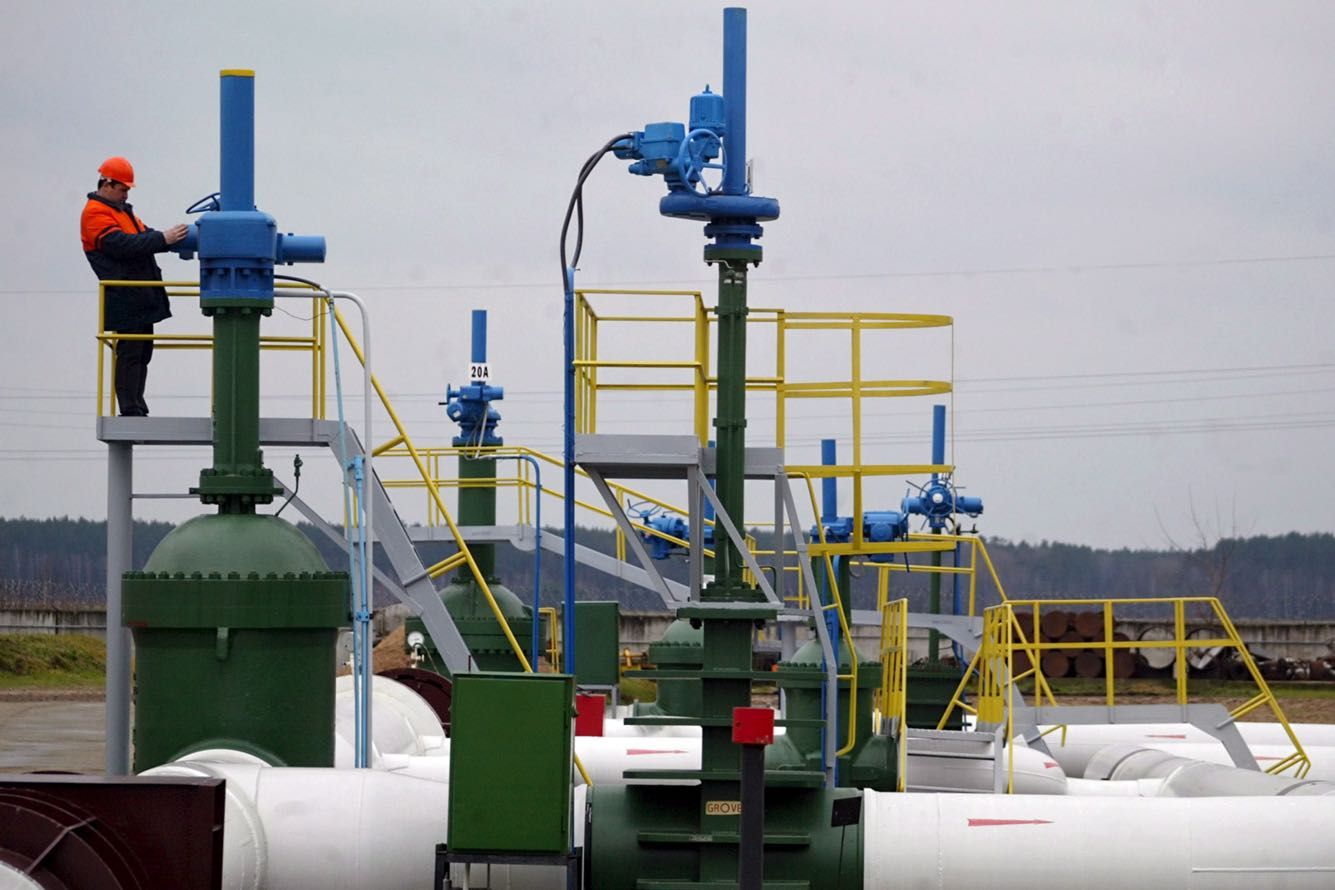
On May 7, the Samara court arrested for two months four suspects in oil poisoning in the Druzhba oil pipeline . The transit of oil for export of Druzhba was practically stopped on April 20-because of a large batch contaminated with chlorological impurities. Russian losses - half a billion dollars ; Oil companies are asked to reduce oil production by 10%by May 7. The head of Transneft (Gosmonopoly, exploits the Russian pipe section) explained to Putin the incident “sabotage”: a kind of private company in the Samara region deliberately drained polluted oil into the oil pipeline. As Medusa found out, Transneft, apparently, made a situation in which unknown manufacturers merge oil in “friendship” with tanks. Since the end of 2018, the oil drain knot was completely ownerless, since most of the business of this company selected Absolut-Bank-and the property was registered with nominal owners. It was they who went to the pre -trial detention center.
On April 19, an accident occurred at the Mozyr oil refining plant (refineries) in Belarus: the enterprise’s management suggested that it was connected with the admission of the Druzhba Party with a high content of dichloretan (DHE). The permissible norms for the content of this substance in oil were exceeded ten times, such a concentration led to corrosion and equipment breakdown. Until 2001, dichlorestan was used in Russia in some oil production processes, but then it was banned-due to an accident similar to the one that occurred at the Mozyr refinery. However, in May 2012, the Minister of Energy of Russia Sergey Shmatko canceled the ban on the use of chloride in oil production (in the same month it was dismissed).
In small developed deposits of the Volga region, where oil is quite viscous, dichlorestan is used to wash the wells of wells and increase oil recovery. According to this technology, after washing the wells with dichloroetan, the wells themselves need to be washed again with water so as not to pollute the following batches of oil. In addition, there are procedures for cleaning oil from DHE before handing over to the pipe. Violation of these procedures should be identified at the oil reception point.
The main volumes of oil produced in Russia fall into the Transneft system - the state operator of oil pipelines - through the LPDS (sometimes such objects are also called points or bases of oil reception and shipment, as well as oil drains). Oil producing companies own their own pipelines, where oil comes directly from the wells; After checking the quality, oil is sent to the station or small -scale reception points belonging to state -owned companies. In the Samara region, such items are engaged not only in reception, but also with mixing ( compounds ) of oil: local oil has a high sulfur content, it is added to a low -hearted one, so that the sulfur indicators in the Urals mixed, which acts on “friendship” for export, are not exceeded.
The unit and compounded oil (Usikn) in the village of Nikolaevka of the Samara Region, through which, according to Transneft, there was an infection with dichloreepan, very unusual. Mikhail Krutikhin told Meduza a partner of the Rusenergy consulting company that almost no one in the industry suspected of the existence of private oil reception points: “Oil farms were privatized, but so that the points of receiving or drain were not sure. In the same, there is a “transneft” function - to accept oil. How can this be given to private hands? " Moreover, it was a knot where oil did not come from one manufacturer on the pipe, but from different small ones: oil was brought here with tanks.
Who was built an oil accounting unit in Nikolaevka
The village of Nikolaevka, Volzhsky district of the Samara region, fell on a map of Russian oil infrastructure recently. This is the merit of one person, Moscow entrepreneur and citizen of Malta Roman Trushev. In 2010, Trushev, who had previously owned several small non-tetterders, registered in Moscow a group of Petronft companies with the main activity of Nefteda School. Already in 2012, he announced the upcoming transformation of the village of Nikolaevka into the most important infrastructure node: the entrepreneur was going to build an oil refinery, a railway station, an oil and oil production point in the transneft system, as well as to engage in oil production and launch his own gas station network.
Where did the small oil oil holder come from - a riddle. In the “Live Journal”, under the nickname of COMPR, you can find the alleged letter to Trushev from the FSB Colonel Mikhail Baryshev, the former head of the CSKA club, in which Baryshev allegedly asks Trushev to pay for his rest. In this anonymous blog, only nine records, the authenticity of Baryshev’s letter cannot be confirmed - however, Trushev, with whom Medusa contacted Votsap, does not deny a close acquaintance with the colonel: “Correspondence is not mine, but I was familiar with Baryshev due to the fact that Petronft was one of the sponsors of Yunarmia . This is a powerful organization created on the initiative of the Minister of Defense. Baryshev supervised her when he was in CSKA - and then, when he was the head of Gurls in the Ministry of Defense. "
During the creation of the Yunarmia project in 2016, the leadership of CSKA at a special ceremony in Sochi awarded the medal “For Strengthening the Combat Commonwealth” by the chairman of the board of directors of Petronft, Roman Trushev, “For high indicators in official activities and a great contribution to the development of physical culture and sports”.
In November 2018, Baryshev was detained on suspicion of multimillion -dollar theft. A month after that, he lost his assets of Trushev.
What exactly did Trushev built in the Samara region
It is no coincidence that Roman Trushev chose a place for the construction of the refinery and the oil reception point: two branches of the Druzhba main oil pipeline are reflected nearby, and the transneftoprodukt product pipeline (part of Transneft) is also held.
In record time, in two years, the subsidiary of Petronft-Samaratransneft-Terminal-built three large technological facilities. Firstly, the oil refinery itself: local media wrote that the first stage of the Nikolaev refinery will allow to process 250 thousand tons of oil, the second-two million, and the third-four million tons. Secondly, the Kinel-Bezenchuk by the Kinel-Bezenchuk, the Nikolaevka freight railway station with a throughput of one and a half million tons of oil cargo a year appeared.
Thirdly, Trushev built through the railway from the factory the same unit of drain and compounds of Samara oil-Uncha, through which, according to Transneft, April poisoning in Friendship happened. On the territory of the drain of the drain are three oil storage facilities with an overpass for trucks, from them the oil pipelines go to the LPDS - “Lopatino” (3 km) and “Mole” (about 70 km) - and other objects belonging to Transneft. Plots of land for technological pipelines were also redeemed by Trushev.
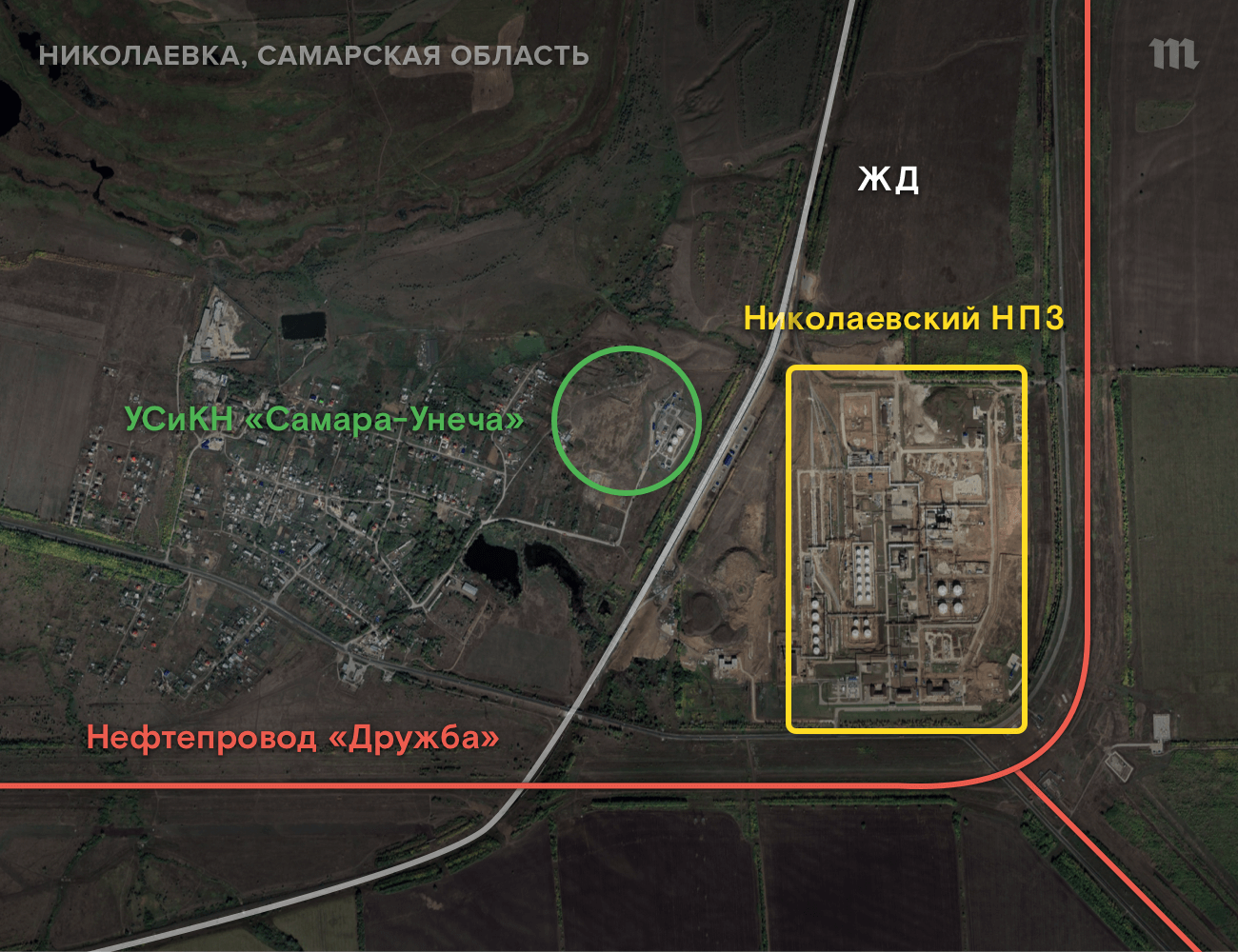
Strange node
“Transneft” refused to explain “Medusa” how the private unit of oil drain into the main pipe could be in the system of state monopoly. No less than the chapter of Transneft, Nikolai Tokarev in April 2019, shortly after stopping the transit of Russian oil due to the accident in Belarus, had to give Vladimir Putin a detailed response to this score: “The fact is that these points are recepted. ( Apparently, it refers to private oil recipes - approx. Medusa ) - there are about 150 of them in the country ... Most of them belong to large oil companies, and they themselves prepare product oil and the delivery of it to the system of main oil pipelines. But most of the private enterprises, which, in this way, act throughout the territory ( that is, from different sources they collect oil - approx. Medusa ) and, on the terms of the contract with Transneft, this oil, its passportization, control of quality and transfer to the system of main oil pipelines. ” How many objects in Russia on which oil are taken by trucks from different sources are mixed at their discretion and transferred to Transneft, Tokarev did not specify.
The private unit of the drain in Nikolaevka was built at the same time when Transneft-Volga (Transneft Samara Code) carried out an extensive program for the technical re-equipment of the existing main oil pipelines. Within the framework of this program, new oil computing stations were created and the reconstruction of the Lopatino and Krotovka stations was held. Transneft-strokes refused to comment on this program.
The plum built by Trushev was engaged in oil reception, which companies were brought by trucks from the Samara region, from the south of the Ulyanovsk and north of the Orenburg regions. This is known from the press release on the website of the company Prospektroy LLC, which concerns the tender for the construction of the Nikolaevsky refinery unit to the Transneft pipeline. The list of oil suppliers to the Nikolaev refinery two large oil companies: Gazprom-Neft and Tatneft. And also the NNA is a small oil company owned by the former head of Rosneft Eduard Khudainatov, and Oil Group, which belonged to Trushev himself.
The latter is now taking place of bankruptcy. Where the company produced oil and in what volumes is unknown. The company's revenue, according to the Kartoteka.ru service, in 2017 amounted to 6.3 billion rubles. In the correspondence with Medusa, Trushev assured that the Oil Group of Groups did not engage in oil production, but was only an oil engineer. Whether Oil Group could buy oil from companies inside Trushev Holding or in the open market, Trushev did not specify.
How the knot became ownerless
Trushev’s business collapse began at the end of 2017 - with a refusal to connect his plant to the Transneft oil pipeline. In 2015, the oil monopoly issued permission to connect the plant one million tons; The connection unit at that time was built, but has not yet been commissioned (the refinery planned in the future to process four million tons of oil). And two years later, Transneft from the faithful partner of Trushev for some reason turned into his opponent, under various pretexts, refusing Samaratransneft-Terminal in permission to receive another three million tons of oil per year.
At the same time, “Absolute Bank” related to the “Russian Railways” and its pension fund “Welfare” began to show interest in the Trushevsky assets. This bank was an underwriter and largely the buyer of the bonds of Trushev’s company (in total, the Samaratransneft-Terminal company, six bond releases-almost 14 billion rubles). Since mid-2018, Trushev’s company has ceased to cope with payments on these obligations, and in November, Absolut-Bank filed it on its bankruptcy. Samaratransneft-Terminal shares were already laid down on a loan bank, and after the bankruptcy announcement of Absolut-Bank, with the permission of its board of directors, transferred the shares to three unknown entrepreneurs-Andrei Rabkov, Sergei Suslov and Alexander Solovyov.
The same drain of the drain also for a while was in structures associated with the "Absolute". In December 2017, Samaratransneft-Terminal sold the property of the Plum of the St. Petersburg city innovative-leasing company (GILK) for half a billion rubles. This structure did not hide its connection with the “Absolute” and “well -being”: their logos were present in the “About us” section on the Gilk website - but after the request of the “Medusa” about the comments disappeared. As part of the same transaction, GILK transferred the property of the unit of the company "Oil -Operavalka", the only owner of which, according to the register of legal entities, is Svetlana Balabay. Svetlana Balabay does not possess anything more - besides what is a small shareholder of the Sulfur Elevator in the village of Sukhodol, one and a half hundred kilometers from Nikolaevka. The elevator, like many similar objects, was privatized by the spread of shares among local residents.
The leasing agreement, according to which Gilk received the property of the drain of the plum from Trushev, acted until November 2024 - but Gilk claims that he was terminated earlier. The company insists that already in 2018, the "oil refill" took possession of the knot. In confirmation of his words, Gilk provided Medusa with a certificate from Absolut-Bank that a loan for this deal was repaid on May 15, 2018. Although the paper does not prove this: it only follows from it that the bank issued a loan of Gilk.
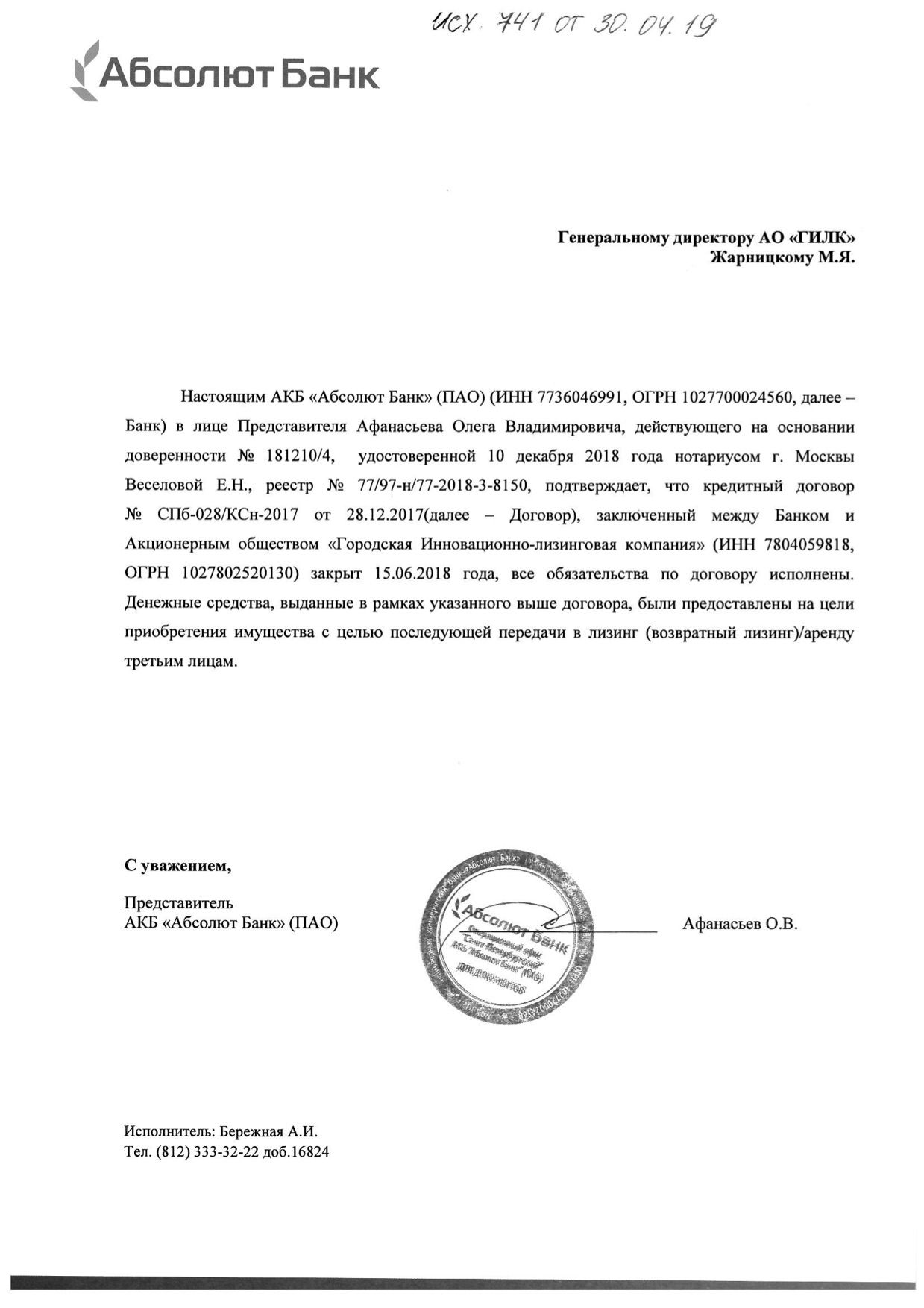
The source of Medusa, close to transactions by the Absolute, claims that the property of the problem node was transferred from hand to hand under the refund leasing transaction, that is, the property was taken from the company, and in the end returned to it. Only the "oil renewal" participated in the transaction, since the de facto "oil renewal" belongs to Roman Trushev, the source insists (he emphasizes that "Absolute" has nothing to do with all these companies). In fact, according to Fedresurs , property was bought from Samaratransneft-Terminal, and returned to the "oil refineries".
However, another Trushevskaya company - Petronft Asset - still has a contractual relationship with the "oil refilling". In particular, between these companies, a lease of a certain property was concluded, about which Medusa became known, since the rights of claims on it were laid down in the “SMEs Bank”. But in the same November 2018, when the “oil refill” took possession of the drain, “Petronft Act” changed the owner: they became a Michelstadt Michelstadt Michelstadt Limited Liability Partnership. The owner of Metapron GmbH, according to the certificate from the German register of legal entities, is Ilze Roshchin, and the general director is her husband Eduard Roshchin, he is also the general director of the Allfill Distribution Pouring Pour in Michelstadt. In fact, the oil plum unit in the system of the Russian state operator of oil pipelines was under the management of not just private individuals, but foreign citizens.
Where did Roman Trushev and whom were arrested in the case of "friendship"
Roman Trushev himself refutes the statement of the source of Medusa that he is a beneficiary of companies owning and renting the property of the oil drain. “Since the end of 2018, I have had nothing to do with Samara assets. The owner of the "oil refill" was never - she has another beneficiary. Metapron GmbH is also not my company. Attempts to find extreme are understandable, and conversations have always been and will be. But I am not in Samara! "
Trushev informed Medusa that he had left Russia only for the May holidays, but in principle, he was not going abroad. He also recommended “deal with Transneft's activity”: “Find out, for example, why did Transneft on April 10 checked oil for chloriderack before handing over to the [trunk] pipe? Although according to the regulations, it is necessary to check every 10 days. Oil from the node does not directly get into the [trunk] pipe, it first enters the capacitive park at Transneft NPS , is compared there, checks for quality - and then Transneft itself sends it to the pipe, in this case, to “friendship”.
When asked if the oil owners should check the quality of the oil, Trushev said: “Of course, all oils should be mixed on any node, checked for quality. But the responsibility for the entry of oil into the main pipe is on Transneft. ”
To get acquainted with the internal regulations of “Transneft” about who and with what frequency should check oil for chloridery, “Medusa”. It is not known who controlled the drain of the drain after the disappearance of Trushev. “We know Trusheva, he laid the temple with us, even the Metropolitan came,” says a resident of Nikolaevka Grigory, found by a “jellyfish” on a telephone reference book. “We don’t know anyone else from there.” They [the refineries and a plum node] two kilometers from Nikolaevka, they closed there, they don’t let anyone in. ”
On May 7, the Investigative Committee announced that the case regarding oil pollution in “Friendship” was investigated under three articles of the Criminal Code: bringing into disrepair oil pipeline committed from selfish motives, a group of persons by prior conspiracy, in relation to the main pipeline (215.3), the organization of the criminal community and participation in it (210) and theft (158). По версии СК, подозреваемые образовали преступную группу, похитили нефть на сумму не менее миллиона рублей, а чтобы скрыть хищение, слили через узел возле села Николаевка партию нефти, в нарушение ГОСТа загрязненную хлорсодержащими соединениями.
В тот же день, 7 мая, самарский районный суд арестовал на два месяца четырех фигурантов дела об отравлении нефти в «Дружбе». В списке подозреваемых нет ни одного значимого героя из расследования «Медузы» — но есть те, кого сами участники сделок называют «номинальными фигурами». Среди арестованных — гендиректор ООО «Нефтеперевалка» Светлана Балабай и ее заместитель, а также руководитель ООО «Петронефть актив» Владимир Жоголев и заместитель руководителя самарской транспортной компании «ООО „Магистраль“» Сергей Баландин. Еще двое подозреваемых находятся в розыске, их имена не называются.
Updated . Роман Трушев объявлен в международный розыск по делу о загрязнении нефти в «Дружбе». Это РБК сообщил источник в правоохранительных органах и подтвердил депутат Госдумы от Самарской области Александр Хинштейн. По данным Хинштейна, Трушев скрывается в Германии.
Ekaterina Drankina