
Translated material
The first jet lump
How SSJ-100 from a promising export project has turned into a cargo for the Russian aircraft industry
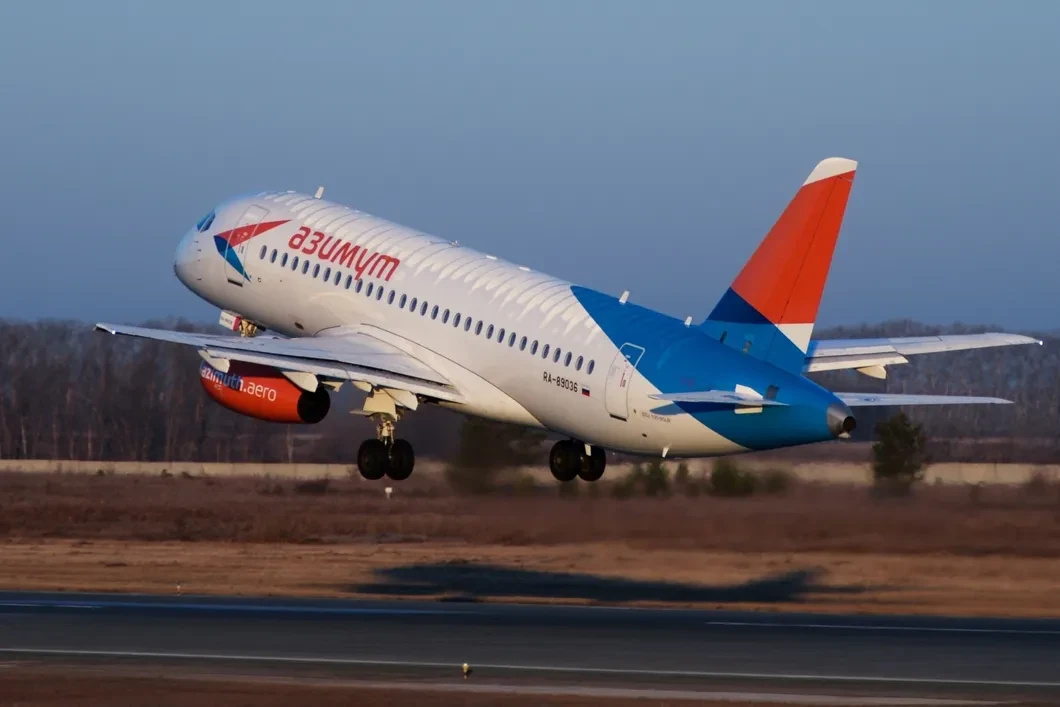
Quite a lot of details are already known about the SSJ catastrophe that happened in the Sheremetyevo disaster, a lot of assessments are given. The allegedly initial politicization of the project is often mentioned, which consisted in satisfying the global political ambitions of the Russian leadership.
About why the SSJ project cannot be considered successful, we will talk a little lower. In the meantime, I would like to categorically disagree with the version of the politicized motive for creating an aircraft. The appearance of SSJ is the result of an absolutely normal attempt to diversify Russian exports and complicate the national economy. Without such attempts, the Russian economy is doomed to dependence on the export of raw materials with all the consequences that arise from this dependence.
Moreover, the organization of the production of the aircraft and its sales in the international market for the better differed from what is often planned to be done today. The formation of a global value of added value within the framework of cooperation with well -known international manufacturers of aviation equipment increased the reliability and functionality of the aircraft, and also opened access to international markets. Today, Russian goods are often trying to produce mainly at the expense of technologies localized in Russia, and to sell with the help of Russian trade missions abroad that do not have such advantages.
However, the production itself, as well as the support of SSJ aircraft, turned out to be far from the desired level.
This was aggravated by the fact that large international airlines, as a rule, were quite wary of passenger aircraft. Soviet models of civilian aircraft could not win the reputation of safe, technological and economical machines. The new aircraft initially had to accept collective responsibility for the problems of its predecessors.
Even more wary, if not anxious, they accepted the plane in Russia. Passengers for one and a half years after the disappearance of state censorship for messages about the aircraft preferences regularly learned about more and more disasters with the participation of Soviet liners. Although among the causes of disasters, pilot errors, workers of aircraft fleet or insufficient aircraft service were often indicated, passengers' confidence in Russian civilian models with some exceptions was low.
Therefore, the appearance in the parks of Russian air carriers produced by Boeing and Airbus was perceived with enthusiasm. And when they started talking about the new Russian airline in the news, the passengers were alarmed, not without reason to suggest that they would have to fly on this plane, mainly on internal flights.
With such a reaction to a new aircraft both within the country and beyond, SSJ manufacturers needed to count on great luck. As well as tune in for the years of hard work, which is impeccable maintenance of the aircraft, quickly eliminate structural defects, timely informing the airlines on the opened operational features, etc.
Luck, unfortunately, did not accompany the aircraft from the very beginning. In May 2012, the SSJ 100 aircraft crashed in Indonesia during a demonstration flight. The action of the pilot was recognized as the reason for the crash, but in the international press sometimes an admixture of distrust was felt to the official version of the disaster.
Further events around the aircraft, depending on the manufacturer, alas, also did not resemble the history of success. During operation, various defects were manifested. The engine wear out relatively quickly. Which is more important, afterwards was not good. Waiting for spare parts could be 30-80 days. As a result of breakdowns and long -term spare parts, the aircraft of this model often remained on the ground for a long time, noticeably inferior to their competitors in the number of hours spent in the air. The Mexican Interjet was forced to resort to aviation cannibalism, having dismantled a few SSJ to spare parts in order to be able to repair the remaining cars of this brand.
As a result of these shortcomings, as an export project, SSJ has long exhausted itself some time ago. Therefore, the catastrophe in Sheremetyevo brought up confidence in the plane on the internal than in the foreign market. Although the investigation of the causes of the accident has not yet been completed, many passengers are afraid to fly in this car in the future.
On this, however, the negative effects of the story with SSJ are not exhausted. The next attempt by Russian aircraft manufacturers to create a modern aircraft will have to assume the total reputational load of Soviet vehicles and SSJ. The new Russian aircraft MS-21, even if it succeeds in all other relationships, will have to spend even more time to gain consumer confidence. And this means that the next models will not soon earn money and make a contribution to the export diversification of the Russian economy. Rather, on the contrary, they will require additional costs and subsidies for a long time.