
Translated material
Take care of the hooligans
How the UPSALA-CIRK works, which has become a house for dozens of dysfunctional teenagers from St. Petersburg and received a "golden mask"
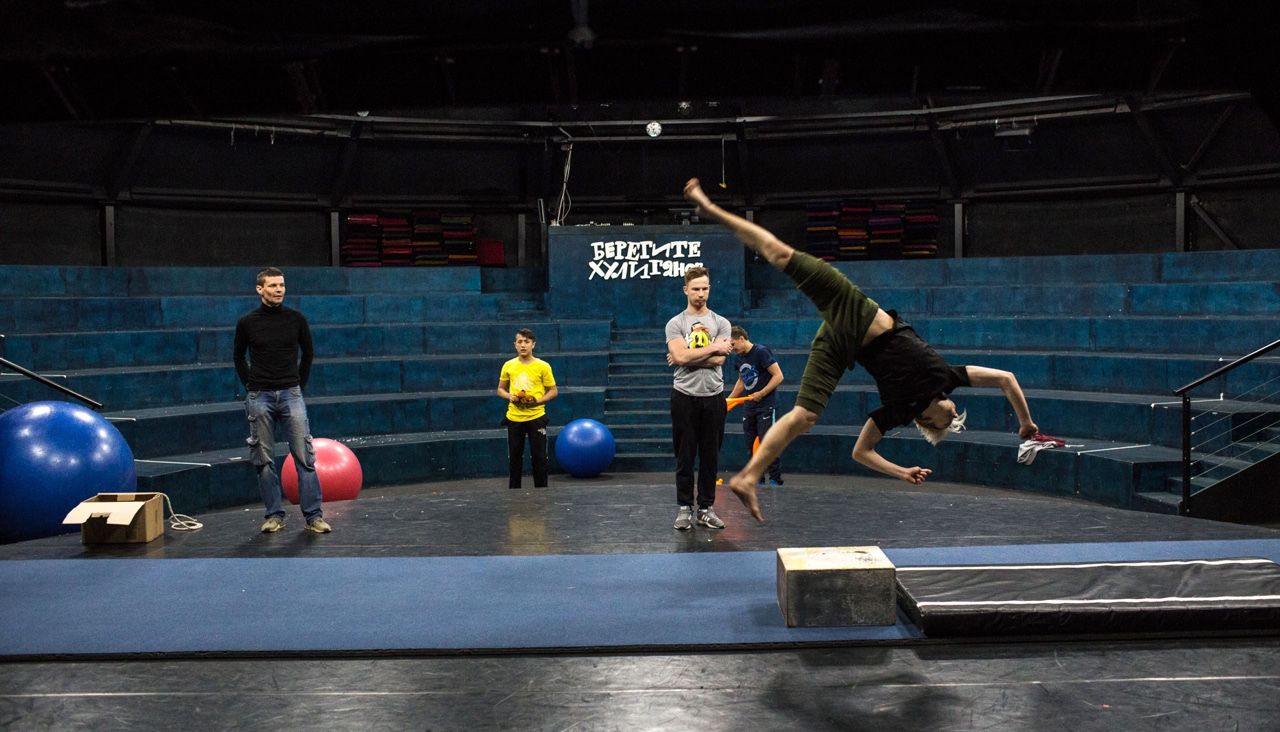
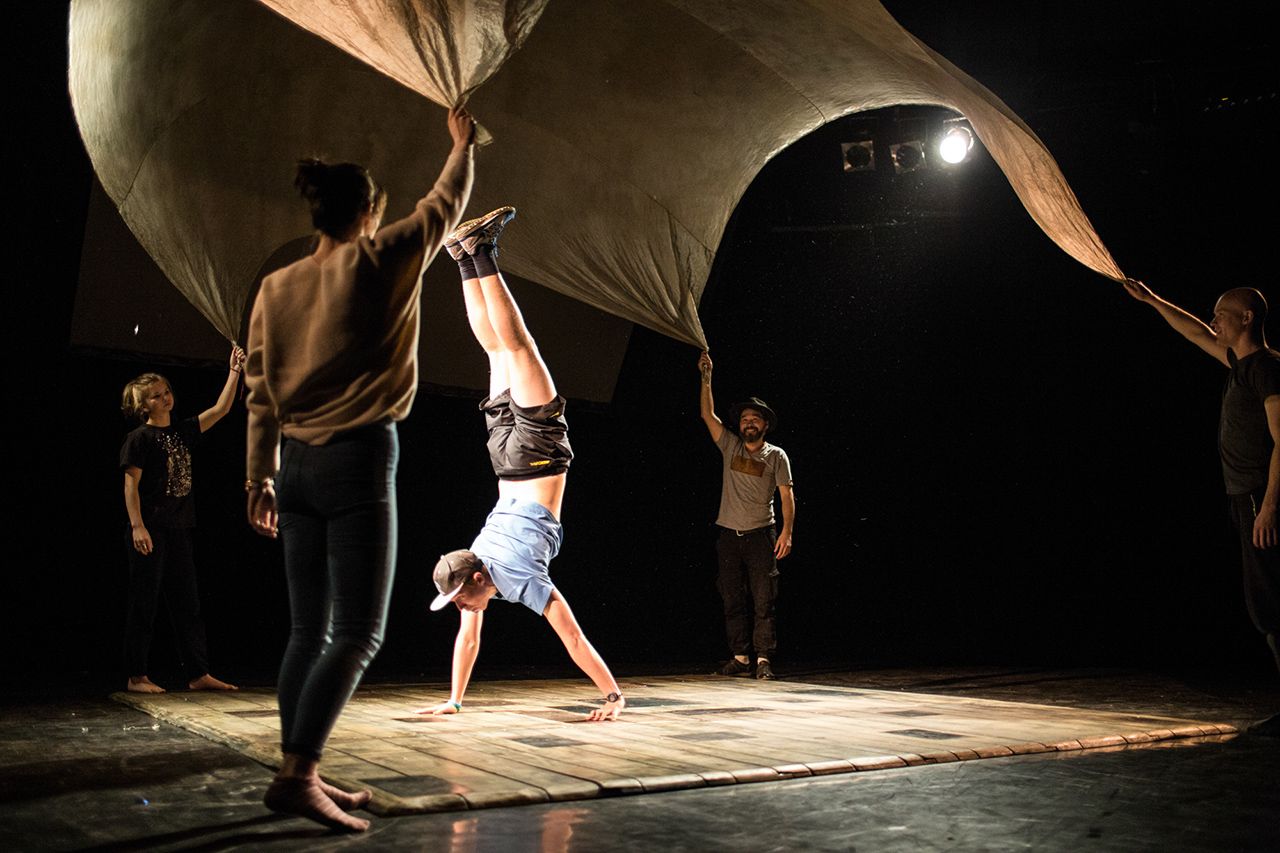
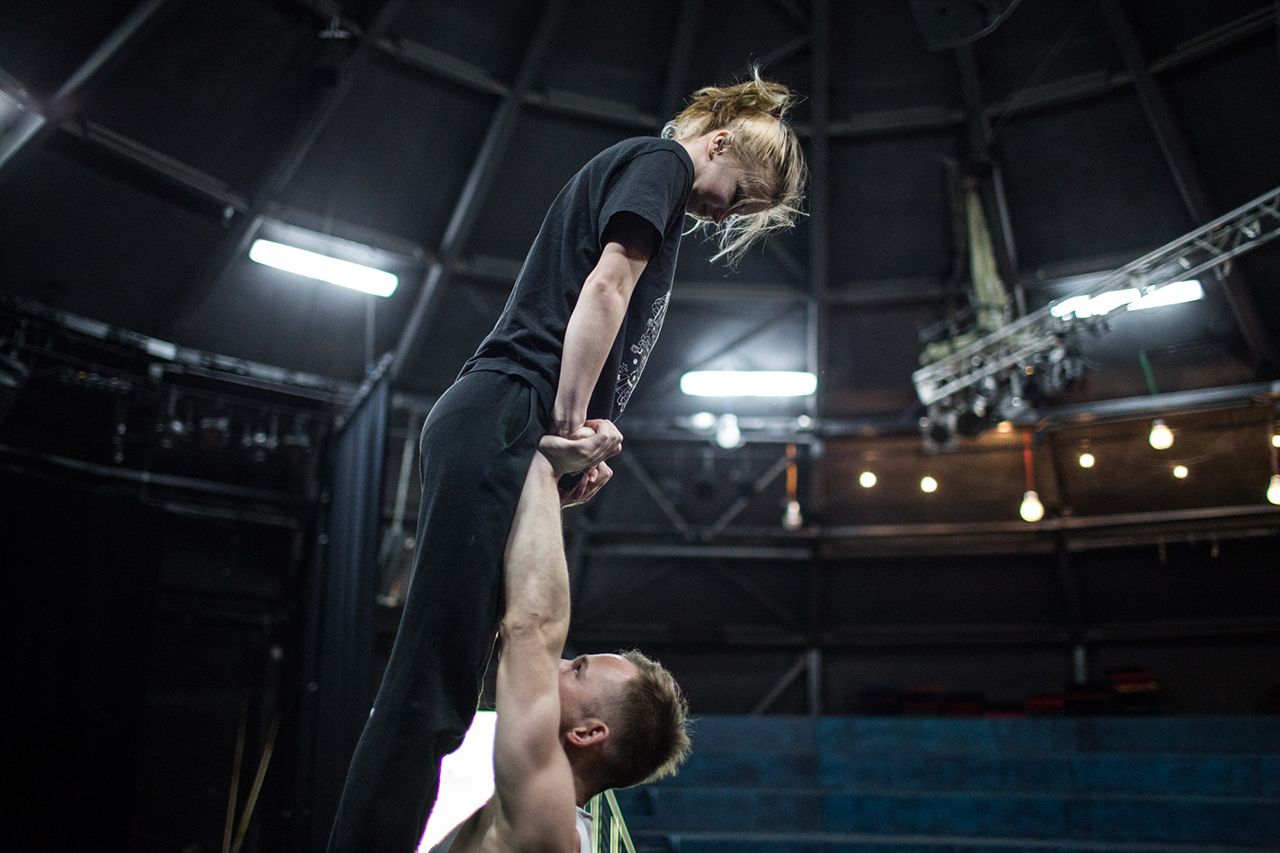
Since 2000, the UPSALA-ZIRK has been working in St. Petersburg-a social project where adolescents from dysfunctional families have been taught to circus art. The circus was founded by German student Astrid Shorn and Russian theater director Larisa Afanasyeva. Over the 19 years of work, UPSALA traveled to Russia and European countries with tour, received a “golden mask” and other awards, and most importantly - helped dozens of children and adolescents. Many of them lived on the street before coming to the circus, were engaged in begging and theft - but in the end they managed to find themselves, engaged in juggling and acrobatics. Medusa tells how this project works.
This article was published as part of our Meduzacare philanthropist support program. Read other materials here .
"I am sick of the war"
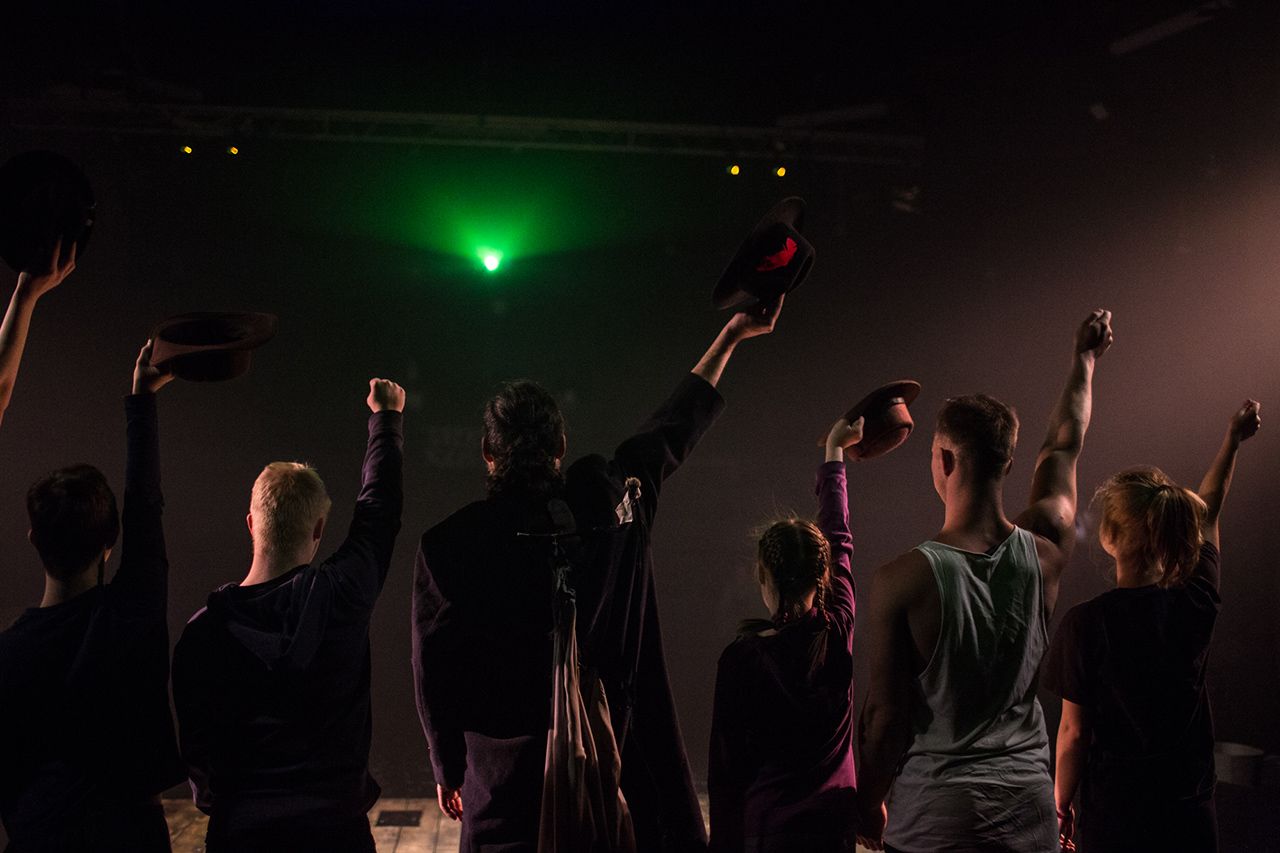
On April 26, the next rehearsal of the Victory parade was held in St. Petersburg: the townspeople stood in traffic jams and took a selfie against the background of tanks. At this time, in a circus tent, far from the city center, a dozen teenagers 12-16 years old ran out to a small weakly lit scene. They juggled basketballs, showed tricks with a rope and shouted alternately into the microphone:
- I feel sick with corruption!
- I feel sick of inequality!
- I feel sick of the war!
Spectators in a filled hall, designed for 240 people, applauded; Some cried.
This is a pacifist speech-the documentary performance “Domino” of the St. Petersburg “Uppsala-Cirk”, which has been working for 19 years. In the circus, children and adolescents from “social risk groups”, for example students of correctional schools and children-migrants, as well as children with developmental features, are engaged for free. The director and director of the circus Larisa Afanasyeva calls them all “hooligans”.
“We do not say that this is a circus for good and talented children. For children who are engaged in us, on the contrary, the whole world says that they are not good and talented. Therefore, we call ourselves a circus for hooligans - so everyone feels in their place, ”Afanasyeva explains. During the presentation of Domino, a large banner of “hooligans - for peace” hung over the stage, and on the contrary - the slogan of the circus “Take care of the hooligans!”
The idea of Domino appeared in the “hooligans” exactly two years ago-in the spring of 2017, when Petersburg was preparing for the same way. “We went around the city and saw how a huge number of people rejoice at military equipment. I felt uneasy from the fact that the presence of a war in our life has become something interesting and prestigious. Something that shows the power of our country, ”says the director of the circus.
In August 2018, with the support of German public organizations and commercial companies, the circus held a two -week creative residence dedicated to the topic of war and peace in the small city of Tsaits near Leipzig. There were 26 teenagers: children from dysfunctional families from Russia and Germany; Teenagers from Syria and Afghanistan, who became refugees because of the war. Their stories became the basis for the production-and the name was the name due to the fact that the children told how in a refugee camp they met and talked with the peers of other nationalities with the help of a game in Domino.
In 2018, the play “Domino” participated in the program of Berlin Biennale of Modern Art. A year later, it was also shown in St. Petersburg, but teenagers from Syria and Afghanistan could not come to Russia because of problems with visas-children from Russia and Germany read their stories at the performance.
The project telling about the loss of the house because of the war and children's experiences on this subject continues-the next show in Germany is scheduled for July 2019. Afanasyeva emphasizes that this statement against militarization is important both for her and for adolescents themselves. “During the preparation, we noticed an important thing: the guys from Russia were sure that the army was needed, and children from Syria and Afghanistan, who themselves encountered war, said that they were not needed. From this we started dialogue, ”says Larisa Afanasyeva.
The director admits that her position on this and other issues diverges from the rhetoric of the current Russian government. “UPSALA-CIRK” deliberately does not cooperate with the state. “For about 10 years, I believed that the state should help us. But there was no meaningful help. Only something from the category-I will buy you a boiler, and you will perform at the concert by May 9. As a result, I realized that the state simply does not have a request for qualitative social changes. We do not interact with the state, but not because we are such puresticks, but because we want to build our world - without partners with whom we have unequal values. We do not need a relationship where we just ask for money, but they give us it, ”Afanasyeva explains the position of the circus.
Unnecessary children
Astrid Shorn was born in 1977 in East Berlin and has been closely connected with Russia since childhood. Back in school, she taught Russian, and the Sorne family had good acquaintances from the USSR. In adolescence, Astrid wanted to get to Russia herself, but she had such an opportunity only while studying at the university in 1999: Sorne received a specialty of a social teacher and could go to practice in another country. Astrid went to Petersburg.
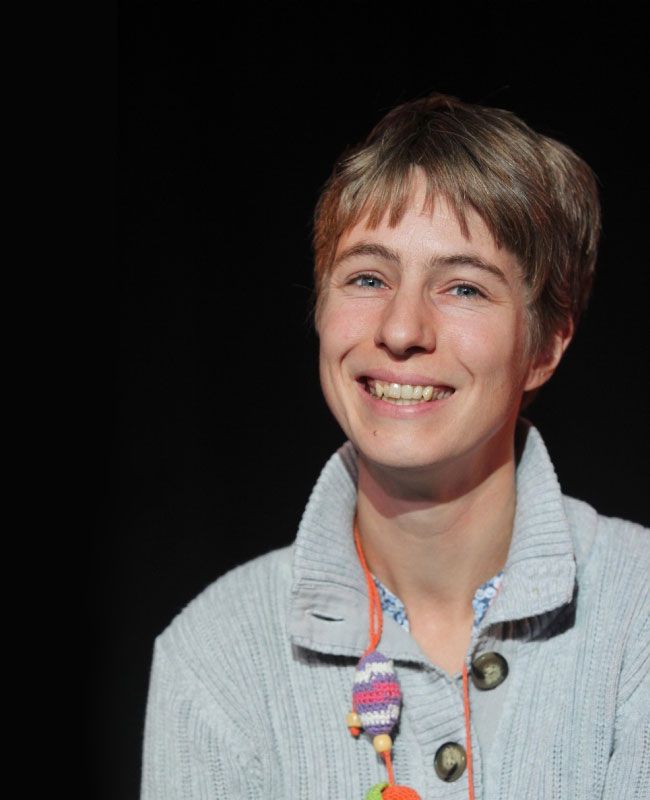
The German press then wrote a lot about the catastrophic situation of the Russian economy, so in St. Petersburg Astrid almost immediately went to the conference of local social activists about the problem of homelessness. And then she became a volunteer of a social point of assistance to children at the Moscow station. Shorn proposed organizing a children's theater troupe - such social rehabilitation programs were widespread in Germany.
Finding a sufficient number of children was not a problem. Shorn knew that in the center of St. Petersburg there are several points at once, where “difficult” teenagers gather. At the Gostiny Dvor - those who beg and sniff glue on the Griboedov’s channel - minor pickpockets, in the Yekaterininsky square opposite the Alexandrinsky Theater - children engaged in prostitution. Many of them had parents, but they were not interested in their children.
Such children did not dream at all to get into the troupe: the topic of the theater did not interest them, they did not take a German student seriously. Shorn decided to offer them a circus instead of the theater. “I myself was then interested in this topic. Before St. Petersburg she visited Paris and saw local street artists. Impressed, I decided to learn how to juggle and ride a monocycle, ”says Sorn Medusa.
On a one -wheeled bicycle, Shorn drove right along Nevsky Prospekt. The plan worked - the student attracted attention, the children asked to teach them how to ride. Astrid even found in Germany the first sponsor for her non -existing circus, bought a circus props (maces, balls, etc.), but it was not possible to start full -fledged classes. Shorn could not find suitable people in the project team in St. Petersburg. “Everyone just chatted and did nothing. At some point, I was already completely disappointed in these St. Petersburg intellectuals and decided that nothing would work out with the circus, ”Astrid admits.
Shorn was lucky. In 2000, through common acquaintances, she met 25-year-old Larisa Afanasyeva. She grew up and received theatrical education in Buryatia, and then moved to Petersburg to study at the Academy of Theater Arts, the oldest specialized university in the country. From there, Afanasyev was expelled, but she decided to stay in the city and took up almost any work - she worked part -time in kiosks with fast food and jeans store.
“I immediately liked the story with the circus. And from the point of view of art, and from the point of view of communicating with the guys. Then the children at their eight to ten years were real gesture puppies who have seen a lot, ”says Afanasyeva.
Larisa and Astrid called the circus “UPSAL” - from the international interjection “UPS”, recruited the first group of 12 children and decided to take them off the streets. The training took place five to six times a week so that there were no time left for anything else. Sometimes they did right in parks and squares, since the circus did not have their own premises - I had to remove small halls in correctional schools and adolescence clubs. However, they were often kicked out a few days later: no one liked to accept minor pickpockets and toxicomaniacs; Some of the first students of the UPSALI came to training with the traces of glue under the nose, recalls Sorn.
Despite the difficulties and moves, the work gradually improved. Astrid and Larisa began to cooperate with social services and communicate with children of children - sometimes even help them financially. Many children gradually left bad companies and returned home. It turned out not with everyone: some, having learned a couple of tricks in the circus, returned to the street; Now they did not begging, but earned as street artists - juggling.
The work of the circus in the early years was financed by sponsors from Germany and other European countries. “It was almost unrealistic to find a sponsor in Russia then - most people survived as they could, and the business was very opaque. For a long time I could not understand why people from Germany should help children in Russia. But for them, the idea that there are no German or Russian children, but there are just children who need help was obvious, ”the circus director admits.
Already in the summer of 2000, Astrid and Larisa first took out the circus troupe abroad - to the Cabuwazi circus festival in Berlin. “Uppsala-Circus” became his laureate with a small number, which was called “Hearing the heart”. He talked about the importance of close relationships, and the children performed on the stage in the clown nose made of lids from bottles with Komi.
Circus or "Unarmi"
It is reliably unknown how many dysfunctional children and adolescents are now in Russia-those who theoretically could study in the UPSala-Circus. Officially, about 140 thousand are registered in the commissions for minors; The state considers even more than a million adolescents “in difficult life situations” - this is a very wide category, which are included in both children with developmental characteristics and juvenile criminals serving sentences in colonies.
To work with them both at the federal and regional levels in Russia, dozens of state programs have been adopted, many institutions and organizations are opened (in detail about what they do with “difficult” adolescents in the country, read in the large material “Medusa”). The sociologist from the Higher School of Economics in St. Petersburg Irina Lisovskaya studied this system for two years as part of her candidate dissertation - and came to the conclusion that in Russia there is still no single approach to how to make children with various problems begin to live a normal life. Many decisions are made randomly and are not regulated by the rules, Lisovskaya notes: for example, “difficult” adolescents are often sent to correctional schools, although they have no features in development-simply because general education refuse to accept them due to poor characteristics from the previous place of study.
In addition, two different institutions of the same type can build their work with children completely differently. So, Lisovskaya interviewed the pupils of two public educational institutions of the open type (“difficult” adolescents get there by decision of the minors' commission, after classes they go home) and found that they gave relative freedom of action, and in the second total control was established, which did not contribute to the socialization of pupils. Also in such institutions there is a shortage of teachers who can work with “difficult” adolescents.
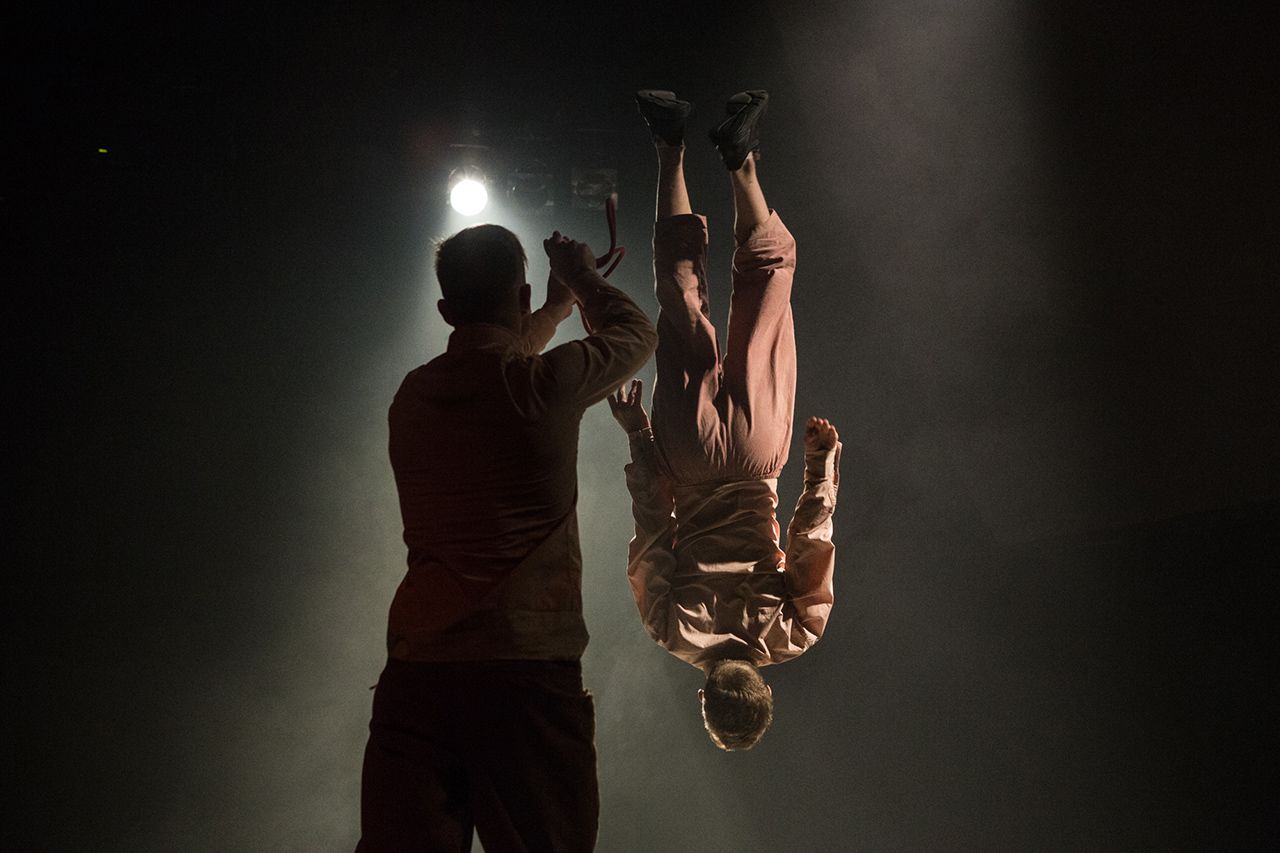
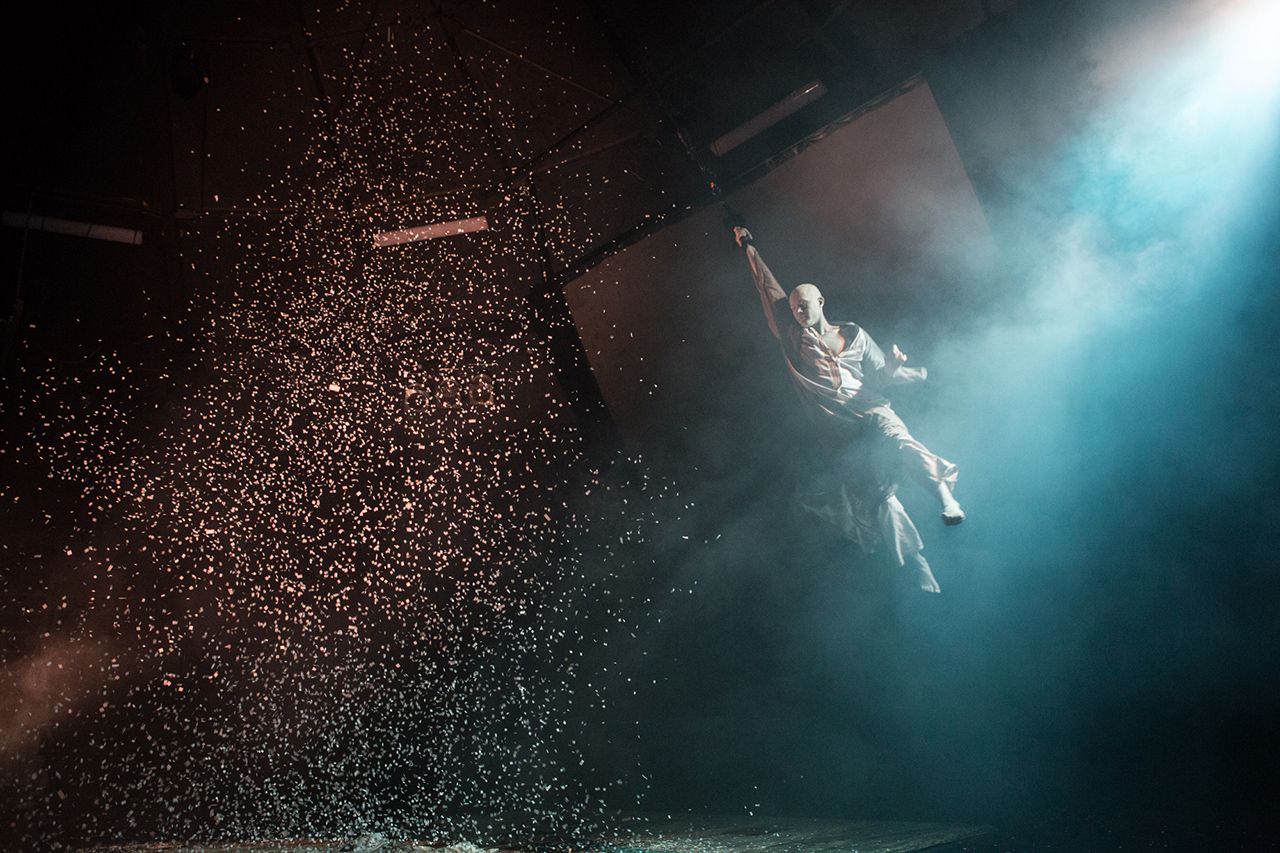
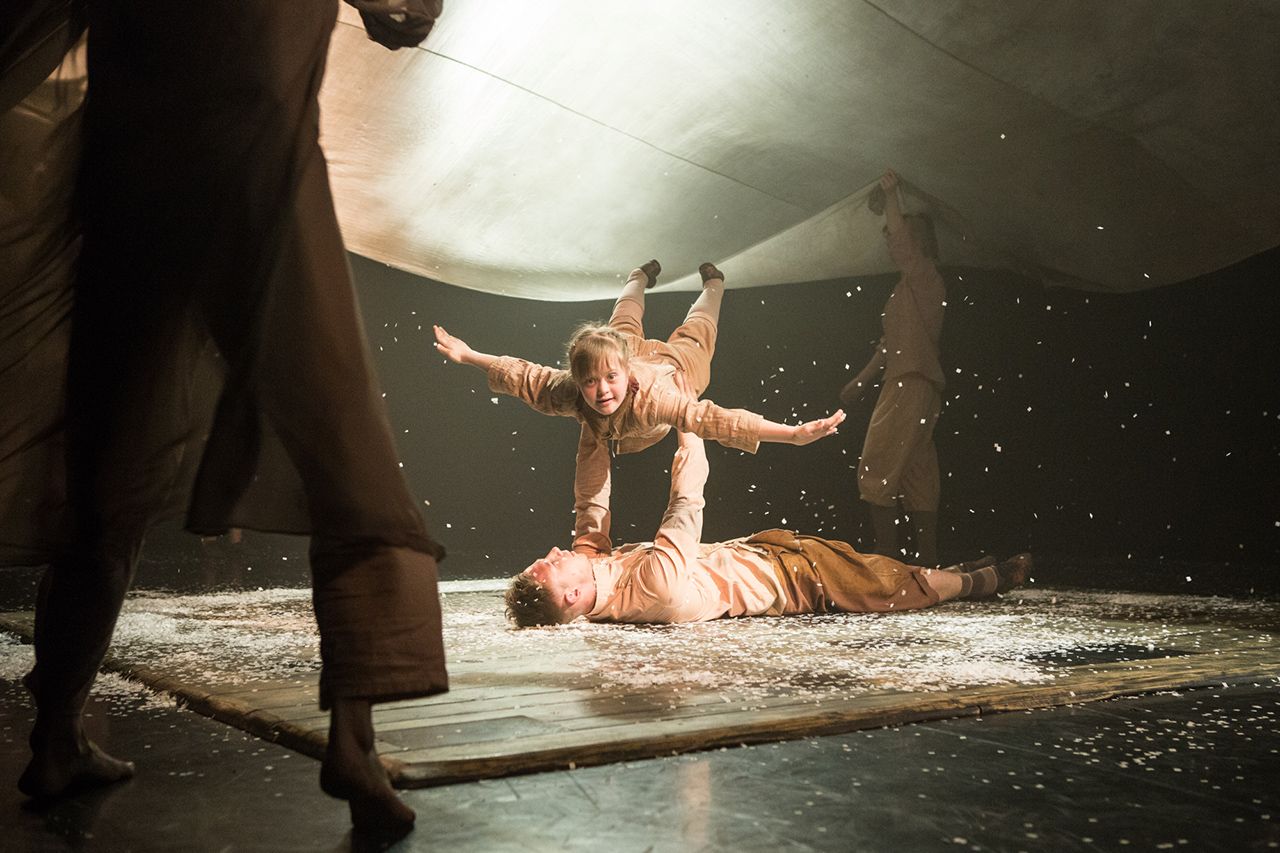
Lisovskaya studied the work of the Uppsaly-Circus-for four months, the sociologist interviewed adolescents and workers, watched performances and training. The scientist believes that the UPSALI, unlike other institutions, is characterized by a positive scenario of the socialization of a teenager, that is, children really leave bad companies. According to Lisovskaya, this is because the UPSAAL has a clear and bright specialization - a circus culture. It attracts children, and they want to be part of the project - to identify themselves in society through UPSALO. The circus for them becomes an important part of life, other children from the "UPSAL" - best friends, and the coach - a mentor, "the ideal of man." “Teenagers spend a lot of time in the circus and consider themselves primarily circusages. Many people want to connect their whole lives with the circus, ”the sociologist explains.
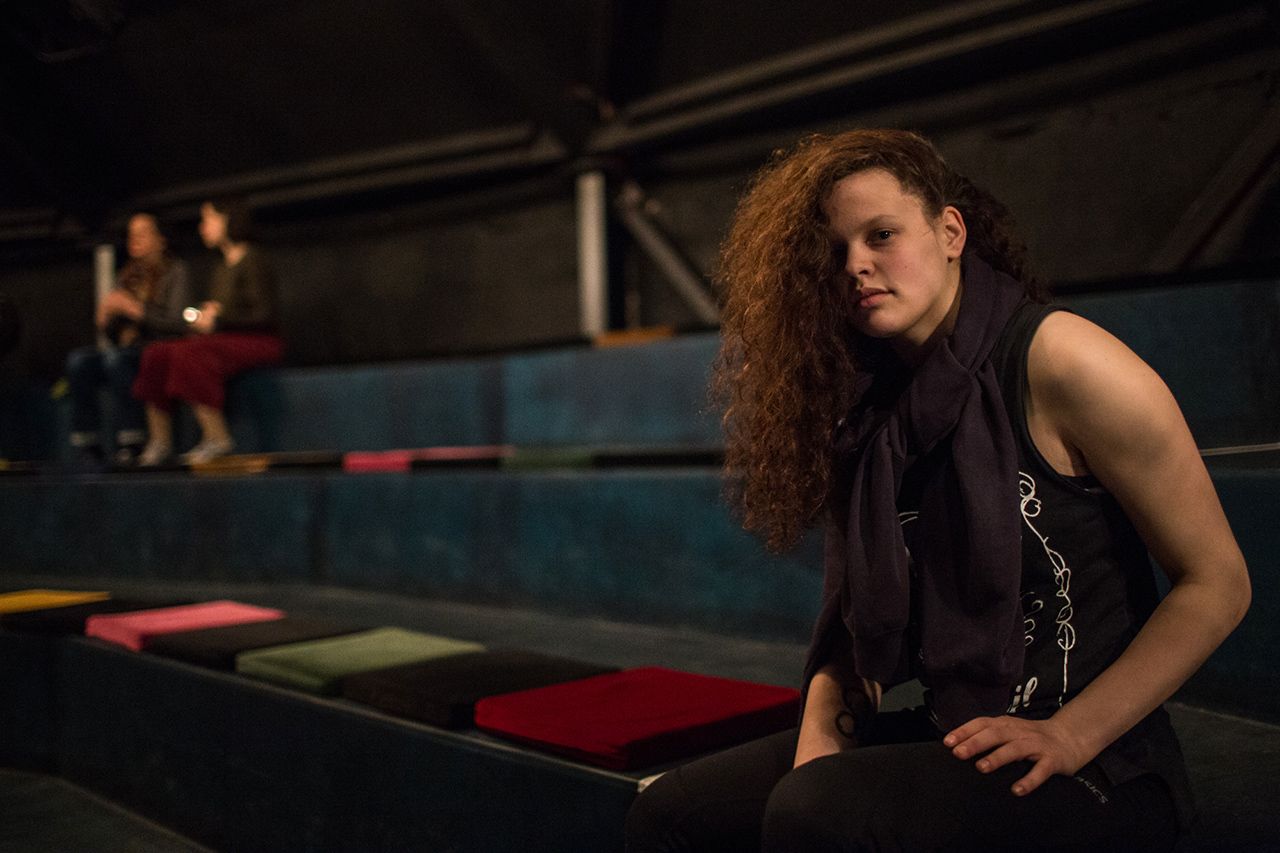
19-year-old Valery Urina is one of these examples of the “positive scenario of socialization”. She got into the UPSAL seven years ago quite by accident - she met on the street with a boy who was already engaged in the circus. By that time, Lera was a three -time Russian champion in springboard. The girl threw the skis due to numerous injuries and quarrels with the coach, but became interested in the circus.
Lera did not know that “UPSAL” was a circus for “difficult” adolescents, and in the first lesson she lied to teachers, that she studied for five and had no problems with behavior. In fact, Lera was in the age of 12 years old smoked and rigidly conflict with her parents - in the circus they say that she was a “real hooligan”. Valery Urina herself admits that the years in UPSAL changed her greatly - they made less aggressive and conflict, in the circus she found her favorite business.
Now the girl is studying at college for elementary school teachers, but dreams of becoming a circus director. Lera is already earning a circus - he performs in the professional group "UPSAL" and is engaged in the production of light on performances. In front of the premieres, Urina actually lives in a tent-it works until four to five in the morning. She says that she cannot do otherwise: "Probably, the circus is like a house, like a second family."
According to Irina Lisovskaya, there are very few public organizations in Russia in which adolescents can socialize according to the UPSALS scenario. Moreover, only military-patriotic organizations are ready to work with “difficult” adolescents. In March 2019, the secretary of the Russian Security Council Nikolai Patrushev even proposed to make such a model the main and massively forcibly re-educate adolescents in military-patriotic camps. The Moscow Agency says, citing its sources, reported that the Unarmia would do this; The organization itself denied this.
“In Russia, there are separate projects and institutions that work well with adolescents, but there is simply no one, understandable and most importantly effective system,” Julian Nikitin, director of another organization working with complex children-St. Petersburg Center of St. Vasily the Great, emphasized in a conversation with Medusa. Children are sent there for rehabilitation by court decision for any offense. At the same time, the center can accept 20 minor criminals: they live there, attend a regular school, go to theaters, play sports and creativity. As a result, most of them never return to crime. This is the only non -state organization in Russia that works with “difficult” adolescents according to this scheme.
The boy who found himself
Sarvaru Shukurov is 14 years old. He does not like to sit in a smartphone, smiles all the time and wears a fashionable hairstyle in the style of the series "Sharp Rinings" . Five years ago, Sarvara’s parents decided to leave Tashkent to Petersburg to work. The boy remained in Uzbekistan with his older brother and was very missing his mother. Together with his brother, he lived exactly a year, then the whole family moved to Russia.
At that time, Shukurov absolutely did not know the Russian language - it did not work to learn it in Uzbekistan. Because of this, the boy was teased in a new school in St. Petersburg. “My classmates asked in Russian how much it would be twice two, but I could not answer, because I did not understand anything. Although I know mathematics well, ”says Sarvar.
He learned Russian in a year - on rollers on Yetube and in communication. Then he began to study with the tutor - he went to him through the whole of Petersburg by public transport. After one of the classes, the tutor told the family about UPSAL and that the circus was satisfied with the children's summer camp. Sarvar spent a month in the circus, learned to juggle three goals during this time and decided to stay.
Now Sarvar is in two performances, travels abroad on tour and cannot say exactly how many times he has already entered the stage, but admits that he is very worried before each performance. “Here I have changed a lot. In Uzbekistan, I did not want to stand out, I wanted to be invisible, but now I want to speak myself, although I'm afraid, ”says the teenager.

Despite the knowledge of the Russian language and Sarvar’s confidence found in the circus is still faced with xenophobia at school. Другие ученики часто говорят ему, что семья Сарвара должна уехать обратно в Узбекистан. «В школе не такие добрые люди, как в цирке, — рассказывает мальчик. — Думаю, что они ведут себя так, потому что не знают меня. Не знают, как я себя буду вести. А я считаю, что если я приехал в страну, то и вести себя должен так, как люди, живущие здесь».
Сарвар говорит, что хотел бы остаться в цирке на всю жизнь — стать знаменитым артистом и тренером. Но весной 2019-го его цирковая карьера могла закончиться из-за проблем со здоровьем. Когда Сарвару было два года, он сильно обварился кипятком. В Ташкенте ему сделали четыре операции по пересадке кожи, но недавно понадобилась новая — без нее мальчик не смог бы расти и даже нормально двигаться. Родители Сарвара не имеют российского гражданства и живут скромно: отец работает водителем, а мать — поваром, поэтому выставленный врачами счет на 125 тысяч рублей семья оплатить не смогла. Деньги на операцию для Сарвара собрал «Упсала-Цирк».
После этого случая Сарвар окончательно уверился, что его будущая карьера должна быть связана только с цирком для «хулиганов»: «Я был в других цирках, но там бьют животных, а мне это не нравится. Я хочу оставаться здесь. Я нашел здесь себя — мне здесь хорошо».
«Показать, что жизнь — не говно и боль»
В июне этого года «Упсале» исполняется 19 лет. За это время здесь хотя бы временно занимались порядка 200 подростков, а сам цирк объездил с гастролями Россию и Европу и получил «Золотую маску» за спектакль «Я Басё», где часть ролей играют дети с синдромом Дауна. Но в 2012 году цирк был на грани закрытия — единственный раз за всю историю.
К тому моменту Лариса Афанасьева уже руководила «Упсалой» в одиночку — Астрид Шорн ушла из цирка в середине 2000-х и занялась другими проектами (сейчас она пишет диссертацию об «Упсале»). «Хулиганы» каждое лето при поддержке европейских спонсоров ездили на гастроли, и за границей цирк уже высоко оценивали на специализированных фестивалях — но в Петербурге выступлений практически не было. Во многом из-за отсутствия постоянного помещения — «Упсала» продолжала постоянно переезжать с место на место и готовить спектакли «на коленке». В начале 2012 года цирк в очередной раз попросили съехать: собственник помещения сделал дорогой капитальный ремонт и не хотел больше принимать «трудных» подростков.
«Я всегда говорила, что мы не должны останавливаться ни на день, если действительно хотим работать. Но тогда я потеряла энергию. Цирку было уже больше десяти лет, но желаемого не получалось — у нас так и не было своего дома. Я сказала себе: стоп, хватит», — вспоминает Лариса Афанасьева.
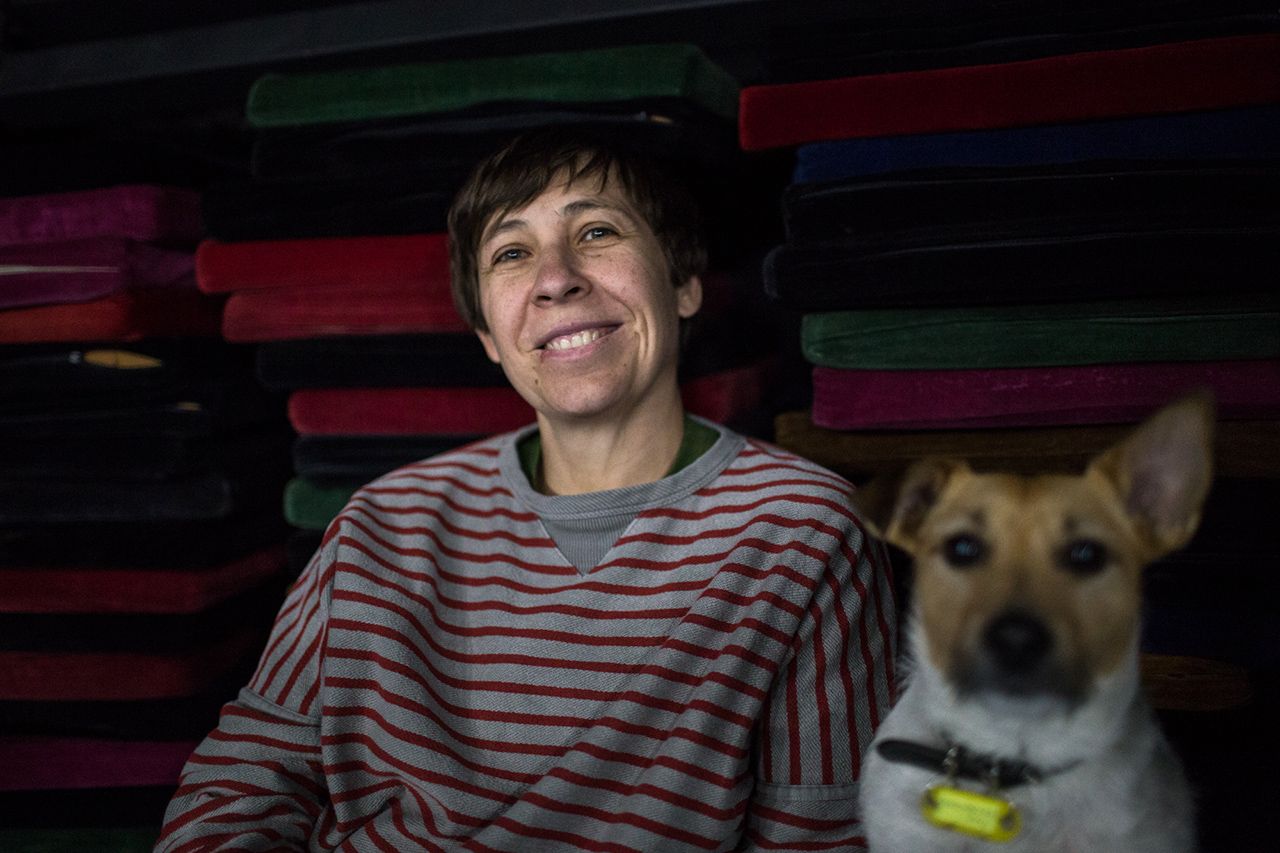
Продолжить работу помог Родион Шишков, бизнесмен и член правления «Упсалы». Он договорился о помощи цирку с Игорем Водопьяновым — главой управляющей компании «Теорема», сдающей офисы в коммерческую аренду по всему Петербургу. Водопьянов выделил «Упсале» землю на территории строящегося бизнес-парка в спальном районе города на Свердловской набережной. Сначала циркачи поставили там небольшое летнее шапито, а затем построили стационарный шатер с современным техническим оснащением — на него цирку удалось собрать 150 тысяч евро пожертвований от фондов, частных лиц и компаний. Тут «Упсала» дает представления уже семь лет, в бизнес-центре по соседству находятся офисные помещения цирка, а летом на прилегающей территории открывается «Упсала-парк» — там «хулиганы» проводят семейные фестивали.
В Петербурге «Упсала-Цирк» выступает примерно дважды в месяц. Практически каждое представление собирает полный шатер на 240 зрителей. В основном в цирк ходят молодые семейные пары с детьми. Перед спектаклями дети с криками бегают вокруг шатра, а взрослые фотографируют большие баннеры возле кассы цирка — на них рядом с портретами артистов цирка написаны их «правила жизни». Например: «Жизнь — это боль, все так считают» и «Однажды со мной случилось чудо — я попал в этот цирк».
Сейчас в «Упсале» работают примерно 20 человек — среди них тренеры, администраторы, педагоги и фандрайзеры. Для половины из них это единственное и постоянное место работы. Месячный бюджет цирка составляет около миллиона рублей: 30% «Упсала» зарабатывает сама на продаже билетов и сувениров со своей символикой, а также проведении коммерческих цирковых мастер-классов в компаниях и организациях; остальное — деньги от фондов и пожертвования от компаний и частных лиц, в основном — от российских, а не европейских, как это было в начале нулевых.
В цирке бесплатно занимаются 80 человек, тренируются они практически каждый день. Занятия рассчитаны на подростков до 18 лет. После этого они могут остаться в профессиональной группе выпускников «Упсалы», которые решили сделать цирк своей профессией. В эту группу входит 29-летний Николай Грудино.
В цирке Грудино с первого дня существования «Упсалы». Он вырос в многодетной семье на окраине Петербурга — родители часто выпивали, и в конце 1990-х — начале 2000-х дома у часто не было даже еды. Чтобы поесть, 10-летнему Николаю вместе с братом приходилось почти ежедневно ездить на электричке в центр города: рядом с Московским вокзалом работала социальная столовая, где неимущих кормили бесплатно. Там в 2000 году с Грудино познакомились Лариса Афанасьева и Астрид Шорн, набиравшие детей в самую первую группу «хулиганов».
Знакомство с ними Грудино считает «переломным моментом» в своей жизни. Ради цирка Николай ушел из плохой компании, перестал попрошайничать и нюхать клей. «Помню, как поехал на гастроли в Германию. Было так интересно, что мне даже курить не хотелось», — вспоминает Грудино.
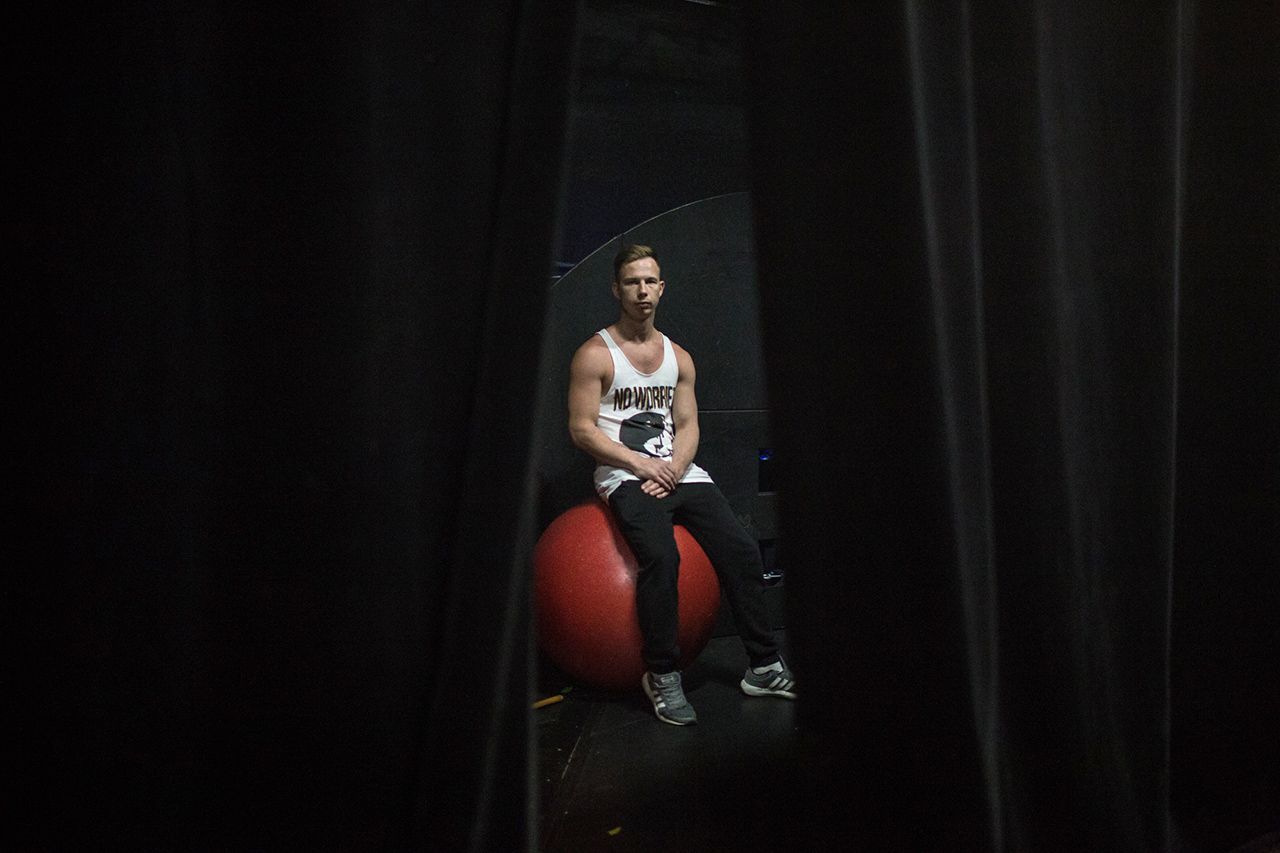
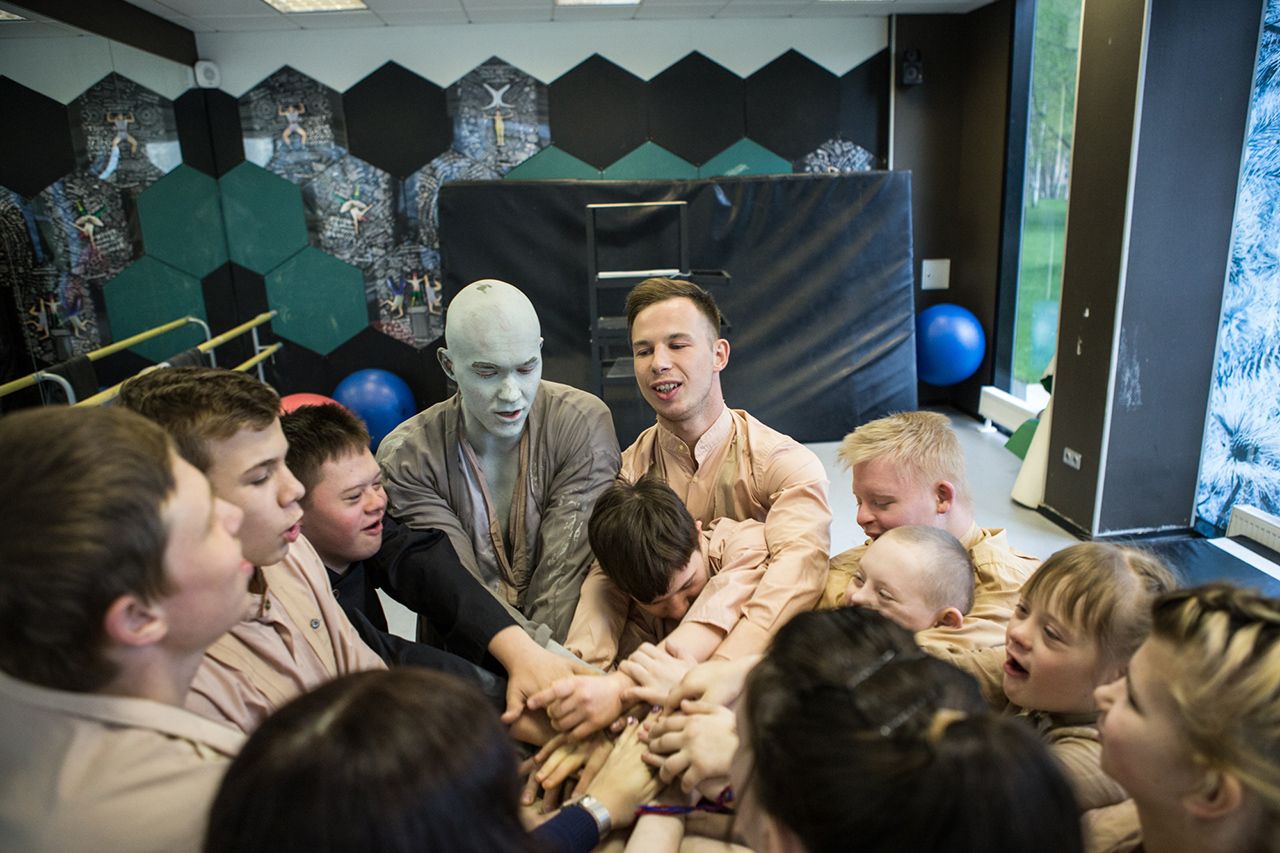
Сейчас Николай играет во всех постановках цирка и сам тренирует подростков. За 19 лет он уходил из «Упсалы» только однажды: в 18 лет ему пришлось бросить и учебу в вузе, и цирк из-за семейных обстоятельств. Отец Грудино тогда сильно заболел, а мать ушла с работы, чтобы ухаживать за мужем. Чтобы помочь семье Николай устроился в туристическую фирму, но офисная работа тяготила его — через два года Грудино вернулся в цирк, больше уходить из него он не планирует.
Сейчас дети и подростки попадают в цирк уже не с улицы, отмечает Афанасьева. Некоторых приводят родители, другие приходят заниматься сами — допустим, увидев объявление в коррекционной школе. «У нас очень много детей из коррекционных школ. Остальные — залетные птицы. Это ребята-мигранты, дети из многодетных семей или подростки, которые стоят где-нибудь на учете», — поясняет директор. Кроме того, «Упсала» регулярно организует временные проекты — например, в 2016 году педагоги цирка провели цикл уроков паркура прямо на территории петербургской спецшколы закрытого типа № 1 для подростков, находящихся там за различные правонарушения.
У многих детей, которые приходят в цирк, сначала есть проблемы с поведением: скажем, они ведут себя слишком агрессивно или, наоборот, очень стесняются и не могут нормально общаться. Для работы с ними педагоги цирка разработали пятилетнюю программу. Первый год уходит на то, чтобы ребенок начал доверять работникам цирка. Затем он учится общаться с другими людьми, работать в команде и так далее. Все это вписано в программу обучения цирковому искусству — в частности, в цирке проходят семинары по актерскому мастерству, которые на деле должны научить ребенка не бояться общаться и доверять окружающим. Недавно в «Упсале» провели собственное социологические исследование выпускников цирка и выяснили, что именно умение общаться с людьми они считают главным навыком, полученным в цирке.
Помогает «Упсала» и за пределами цирка. Педагоги следят за тем, как дети учатся в школе, малоимущим семьям цирк помогает материально, детям-мигрантам — с оформлением необходимых документов, а подросткам с серьезными болезнями — с оплатой процедур. В итоге за несколько лет такой работы — обычно не меньше трех — подростки полностью меняют свое поведение: перестают грубить, начинают лучше учиться и общаться с окружающими. А после выпуска из цирка идут учиться в вуз или устраиваются на работу как «обычные подростки».
При этом в «Упсале» не хотят, чтобы их считали только социальной организаций — в первую очередь это цирк, говорят создатели и сами подростки. «Думаю, многие ребята не хотят быть подопечными социальной организации — это сразу навешивает некий ярлык. А мы на самом деле не хотим полностью поменять их. Мы хотим показать им чуть-чуть другой взгляд на жизнь. Что жизнь — это не говно и боль, как внушают еще в школе, причем даже в самой обычной. Но мы действительно занимаемся социальными изменениями. В связи с этим меня один знакомый как-то спросил: тебе не надоело искать деньги на цирк? А я в ответ сказала: а ты бы хотел, чтобы твой ребенок встретился на улице с пацанчиком из неблагополучной семьи, который впал в депрессию, или с улыбающимся артистом цирка, который приехал с гастролей в Германии?» — говорит Лариса Афанасьева.
Жонглирование стереотипами
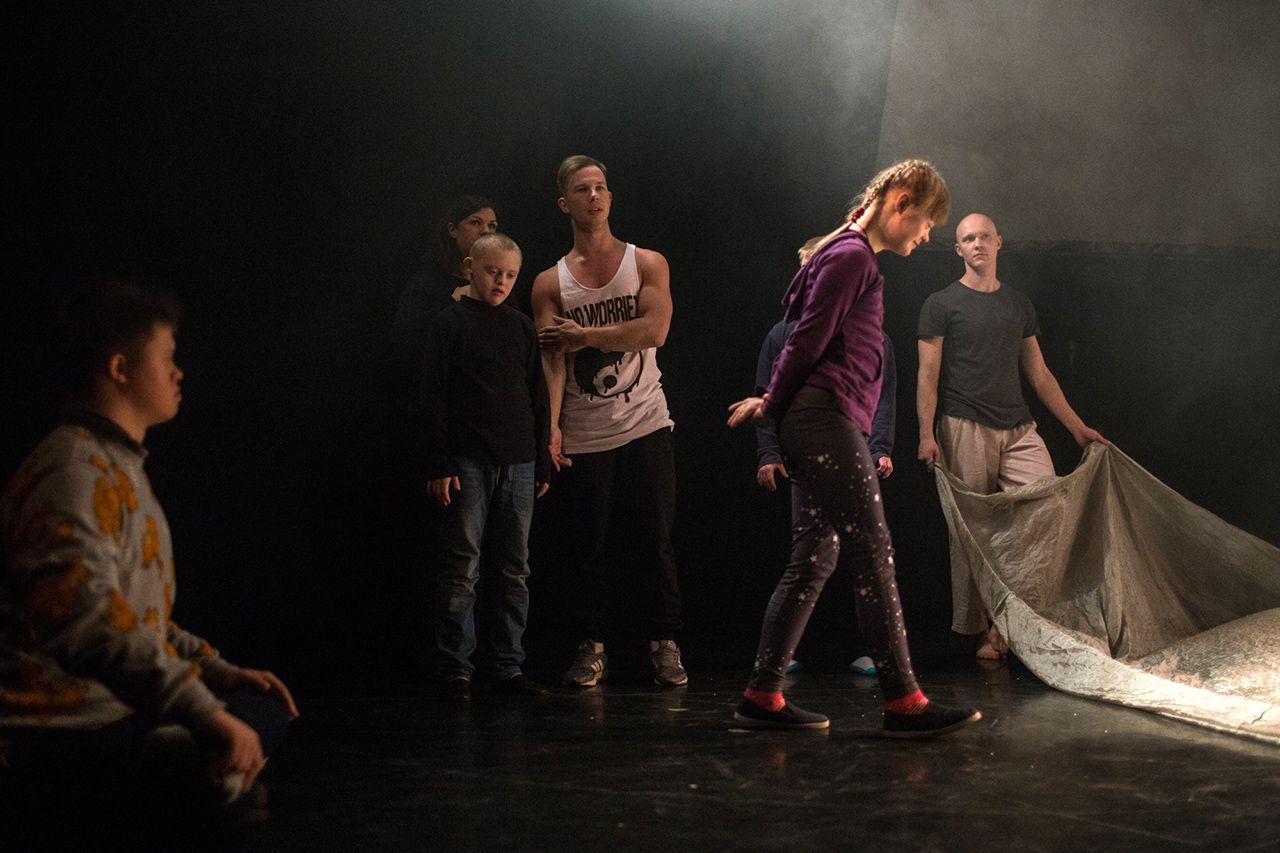
По соседству с шатром «Упсалы» работает еще один проект цирка — центр «Пакитан». В нем цирковым искусством занимается 39 детей и подростков с особенностями развития. Большинство из них — с синдромом Дауна, некоторые — с расстройствами аутистического спектра или задержкой в развитии. Название центру дал один из детей: вместо «Капитан» он всегда говорил «Пакитан».
В «Пакитане» дети под присмотром тренеров и специальных помощников-тьюторов занимаются трижды в неделю по два часа: учатся кувыркаться и жонглировать, осваивают акробатику и другие цирковые дисциплины. Занимающиеся в «Пакитане» дети называют себя «командой» — помимо тренировок они вместе смотрят кино, отмечают дни рождения и ставят спектакли.
Первая отдельная постановка детей с синдромом Дауна вышла в «Упсале» в 2015 году (сама группа для детей с особенностями существует с 2011-го), а спустя три года спектакль по мотивам японских хокку «Я Басё» получил главную в России театральную премию «Золотая маска». В этом спектакле участвуют дети как из «Упсалы», так и из «Пакитана» — подростки из цирка и центра часто тренируются вместе.
«Мы — не реабилитационный центр. Мы — про то, что творчество есть во всех людях, и про нормальное человеческое отношение. Про то, что каждый человек ценен сам по себе и может быть собой. Когда дети выступают, ты понимаешь, что произошло то, чего природа для этого ребенка не планировала», — объясняет «Медузе» координатор «Пакитана» Александра Гурьянова.
Гурьянова выросла в Петербурге — в районе, где работали сразу несколько коррекционных школ. Детей с особенностями девочка не пугалась, а наоборот — хотела их понять; окончив школу, она выучилась на коррекционного педагога. Сейчас Александра разрабатывает учебные программы для «Пакитана».
«Детей к нам приводят сами родители. За цирковыми навыками и выступлениями приходят, конечно, единицы, большинство — за досугом для детей. Даже в Петербурге не так много мест с нормальным отношением к особенным детям. В регионах — все еще хуже, иногда там нет даже первичной помощи», — поясняет Александра.
Гурьянова отмечает, что чем старше становится человек с особенностями развития, тем меньше у него остается вариантов — большинство учреждений дополнительного досуга и фондов ориентированы только на детей. В итоге часто люди вынуждены проводить практически все время дома, а в худшем случае, если о них некому заботиться — жить в психоневрологических интернатах. Сейчас самому старшему воспитаннику «Пакитана» 18 лет, в центре подумывают о создании отдельных групп для взрослых.
Несмотря на то, что большая часть из 39 занимающихся в «Пакитане» не могут разговаривать, они успешно осваивают цирковое искусство. Лучший жонглер во всем «Упсала-Цирке» — 18-летний Антон Корняков с расстройством аутистического спектра, рассказывает главный тренер цирка Ярослав Митрофанов.
Митрофанов вырос в многодетной семье и работает в цирке уже 19 лет — многие «хулиганы» называют его «вторым отцом». Они ценят не только цирковые навыки Митрофанова, но и то, что «с ним можно поговорить обо всем»: Ярослав действительно даже в коротком разговоре цитирует Шекспира и Ганди, упоминает Луначарского и Илона Маска.
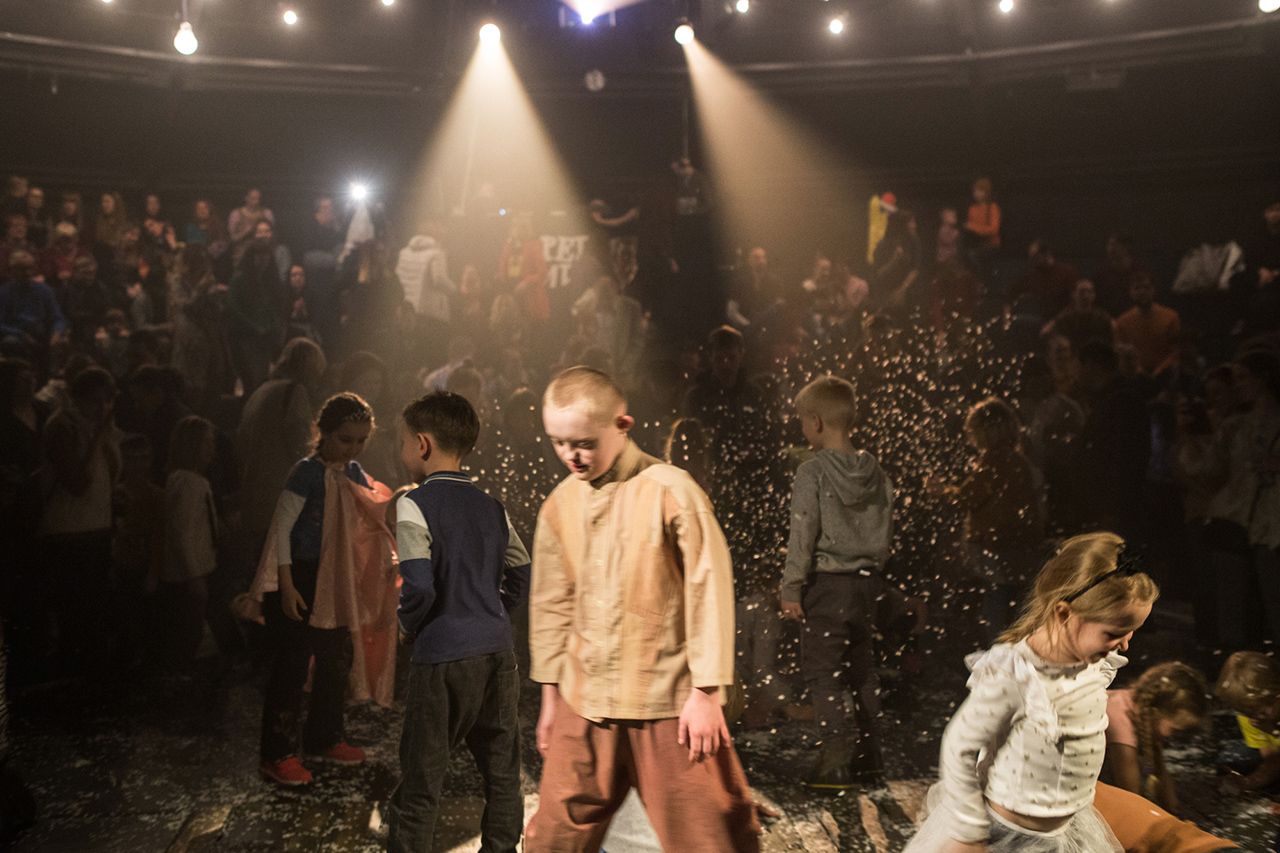
С Антоном Корняковым Ярослав работает уже восемь лет — Антону было десять, когда в реабилитационный центр, где он занимался, пришли циркачи из «Упсалы», которые набирали детей. В цирке Антон пытался жонглировать всегда и везде: поначалу, пока он не умел этого делать, ему нравилось смотреть, как предметы падают на пол, следить за их траекторией. За восемь лет интерес не пропал — Антон и сейчас готов жонглировать часами. «Он — трудяга. Помню, у нас были гастроли, все уже спали, я встал и увидел, что Антон жонглирует на улице в темноте. В итоге сейчас он делает то, чего я не умею. То, что могут всего несколько человек в мире», — говорит тренер Митрофанов.
Сейчас Антон Корняков состоит в профессиональной группе «Упсалы» и регулярно выступает на сцене. Главный тренер цирка считает, что именно с него следует брать пример другим подросткам. «Знаете, многие дети, когда приходят к нам, уже понимают, что они на дне, — рассказывает Митрофанов. — Я пытаюсь дать им какое-то умение, навык. Чтобы потом они вышли на сцену, сделали что-то, а им все аплодировали и они поняли: „Вау, мы действительно люди, мы — крутые!“»
Педагоги отмечают, что меняют отношение к детям не только у них самих, но и у окружающих. Когда открывался «Пакитан», некоторые жители близлежащего района были этим недовольны — боялись за своих детей, рассказывает Александра Гурьянова. Но потом многие из них пришли в «Упсалу» на представление и полностью изменили свое мнение.
«Все это не дает выгорать. Мне друзья часто говорят: вот был бы ты, например, строителем, зарабатывал бы хорошо. Я им отвечаю: ну вот у вас есть трехэтажный дом и машина, а вы счастливы на самом деле?» — объясняет главный тренер цирка Ярослав Митрофанов.
Хотите помочь «Упсала-Цирку»? Вот его сайт
Pavel Merzlikin , St. Petersburg