
Translated material
About astronauts - earthly and other
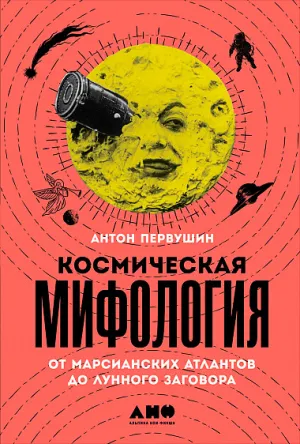
Recently, there are many books on errors in various fields. Myths about food, sex, evolution, animals. You can already talk about a new format in popular science literature-the debunking of errors.
A new book was recently published dedicated to the exposure of absurdities: “Cosmic mythology. From Martian Atlantes to a lunar conspiracy. " Its author is the writer Anton Pervushin, the author of several books about the riddles of Russian history and a historian of domestic cosmonautics, who has been studying in this area for about twenty years.
The myths considered relate to astronautics and astronauts. Formally, thirty myths are dismantled, although almost all of them boil down to three. The first myth is about the alien cosmonauts supposedly arriving on our planet. The second is about the fate and flight of Yuri Gagarin. The third is about the lunar projects of the Americans. The remaining myths are closely connected with them and develop similar motives.
There were many curious misconceptions about space, for example, about the healing force and the sky -high cost of meteorites or about the plans of Roscosmos to prevent the blows of comets and asteroids. However, the author emphasizes that it sets out only those things that are well versed in.
It is also worth deciding on the concept of “myths”, which began to be used very widely. A myth is a way of cognition, an alternative to science and one way or another explaining the structure of the world. This definition in the book falls in the book, mainly in it we are talking about errors, falsifications and newspaper "ducks". Many of them are hardly known to the general public, for example, stories about the astronauts of the Third Reich. But some, thanks to the ignorance of the yellow press, received an unprecedented scope: “flying saucers”, the opinions that the aliens visited the land almost during the times of dinosaurs, distrust of the flight of Americans to the moon. As the author joked, in many newspapers, amateurs write for profans.
As a result, most people do not even have a minimum amount of knowledge on the topic and captivated by loud tales: Gagarin killed special services, spaceships with classified cosmonauts move in orbit, amazing visions visit the space, almost angels with dinosaurs ...
The degree of study of the chosen errors is impressive. The debunking of ships, fables and rumors is built not only on quoting authoritative sources, but also through tracking the history of the appearance of errors. A whole cascade of information about the mystification of the press, the fantasies of writers and the astronauts themselves fall on the curious reader (they also like the increased attention of the public). Along the way, the author provides many curious and little -known information from the field of domestic cosmonautics.
The book turned out to be an interesting review of delusions, and also serves as a good story about domestic space development programs. It is only sad that such books do not have a noticeable effect. Compared to television programs and brisk books about miracles, they are a drop in the sea. But necessary.
It is worth hoping that the enlightenment gradually has a serious impact. In the end, only a hundred years ago, the inhabitants believed in completely wild things: they dug up the corpses of the “sovereigns” during drought, were massively treated by the healers with cow manure, chopped their heads so that the zombies did not rummage at night.
Maybe after a hundred years and the current delusions will look ridiculous and funny. Now this is working mainly by popular science books. They became a kind of vanguard of the Enlightenment, which once again forced to fight the hydra of ignorance.
Anton Nelikhov