
Translated material
Nightnaya nightmare of the European Union: What will happen if Teresa May is replacing Boris Johnson
On Friday, the expected, but still historical event-Teresa May, the second woman-prime minister in the history of Great Britain, announced the departure from her post. So far, the most likely candidate for her replacement is the former Foreign Minister Boris Johnson - the “night nightmare” of the European Union, and at the same time all supporters of the Great Britain’s smooth exit from the EU.
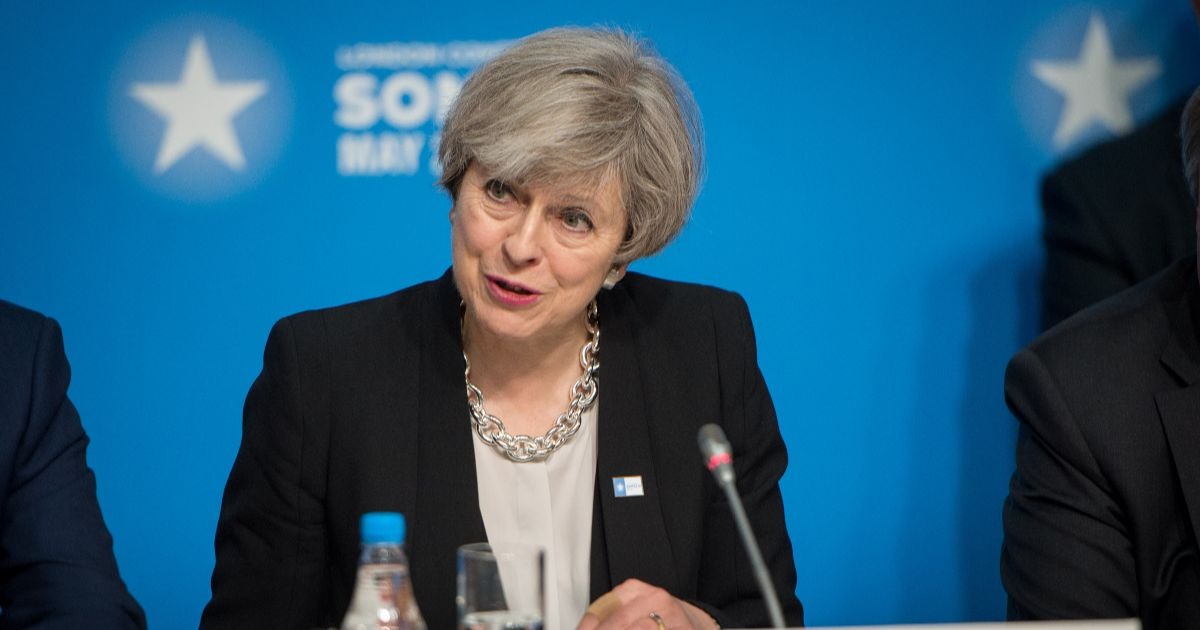
Photo: Wikimedia Commons
This article was written for the weekly final mailing of The Bell. Subscribe here .
The premiere, who deserved the mechanicality of his speeches, the offensive nickname “Maybot”, on Friday, made such an emotional farewell speech (turning away from the cameras, Teresa May almost sobbed) that she earned the praise of even her opponent Boris Johnson.
“Always remember that a“ compromise ”is not a curse. A compromise is the basis of life, ”May quoted the words said to her by Nicholas Winton, who during the Second World War transported hundreds of children from the Nazis of Europe to the UK. It was her own message to the parliament, which she had not been able to persuade the prime minister for three years in the position of prime minister to an agreement with the EU on Brexit.
Prime Minister Brexit. Teresa May became the prime minister three years ago, and no matter what achievements she recalls in her speech - a decrease in public debt, unemployment and the end of hard budget savings - in history she will remain the prime minister of Brexit.
The referendum on leaving the European Union took place in the UK on June 23, 2016. Against the expectations, the British supported the country's exit from the EU (51.9%), and David Cameron, who advocated preserving the Union, resigned. May herself advocated the preservation of membership in the EU, nevertheless, agreed to fulfill the will of the people and be elected to the “shot” position of “Prime Minister in Brexit”. Now it’s hard to believe in this, but a month after the referendum 52% of the British considered her the best candidate in order to play this role. “People did not need a charismatic leader, they needed a leader with a cold head, capable of uniting a nation,” Bloomberg writes , therefore, when one of the opponents called her “damn complex woman,” most regarded this as a compliment. Mai became the most famous phrases: “Brexit means Brexit” and “Politics is not a game” - and this approach suited everyone.
There will be no second referendum, as well as attempts to return to the EU through the “back door”, the purpose of negotiations with the EU is the “best transaction from the possible,” May said before taking office on July 13, 2016. On March 29, 2017, she signed a letter addressed to the chairman of the European Council Donald Tuska with a notification of the beginning of the UK exit from the EU. From this date, the countdown began two years to the Brexit itself, which was initially supposed to take place on March 29, 2019.
Mistakes. Before the general elections of 2017, May put forward the slogan: “The lack of an agreement is better than a bad agreement. We must be ready to leave. ” It was this approach that created the illusion that there is an acceptable alternative to an agreement with the EU, writes Financial Times. Other factors that slow down the process and ultimately turned it into a farce are slow preparation of the document, the lack of open discussion in the country and with the European Union, the fractionality of May itself and indulgence to the right wing of the conservatives, the publication said .
Only by the end of 2017, the May government managed to agree on a preliminary agreement with the EU with the two -year transition period, but all its modifications did not consistently arrange parliament.
- In addition to the difficulties with labor legislation and immigration, the issue of the customs border between Northern Ireland (Great Britain) and Ireland (EU member) turned out to be unsolvable.
- The temporary preservation of the transparent border between Northern Ireland and the Republic of Ireland, as May proposed, would actually mean that the UK remains in the Customs Union with the EU, but can no longer affect it.
- The customs border between Northern Ireland and the rest of the country is unacceptable for the UK, because it undermines its unity.
Read also May put the third ultimatum to the Brexit parliament
On January 15, 2019, Teresa May suffered a severe defeat on the vote about the agreement with the EU in parliament: her option was rejected with the worst in the history of British parliamentarism by the result. It became clear that Brexit has come to a standstill. The House of Commons “rolled” May two more times - March 12 and March 29. Because of this, the deadlines for leaving the European Union had to be transferred: first on April 12, then-on October 31, 2019. On May 22, 2019, the parliament refused to accept the fourth version of the agreement, after which the decision to resign the prime minister became the case of a couple of days.
“Undoubtedly, May received a terrible deck of cards in her hands. After that, she doused her with kerosene and set fire to her, ”writes The Guardian, who called May the worst prime minister of modernity, in an unusually stiff column .
What's next. May departure greatly increases the chances of UK exit from the EU without a transaction. The new leader of Tori and Prime Minister can only be a supporter of Brexit. And the greatest chances for the ex-Minister of Foreign Affairs and the worst “nightmare” of the European Union Boris Johnson-a man whom many in the EU consider responsible for the random political campaign for Brexit and undermining the premiere.
Johnson's most common characteristic in Europe is “not trustworthy,” writes Bloomberg. In 1989-1994, he was a correspondent of the Daily Telegraph in Brussels, his articles were clearly fueled by the experiences of Euro -digitics, but not always earned confidence. Johnson truly angered European governments when in 2016 he compared the EU ambitions with Hitler's attempt to win the continent. His reputation will greatly complicate negotiations, one of the European officials told the agency. Diplomats involved in Brexit are already discussing how to resist Johnson, if he becomes the prime minister, adds another Bloomberg interlocutor.
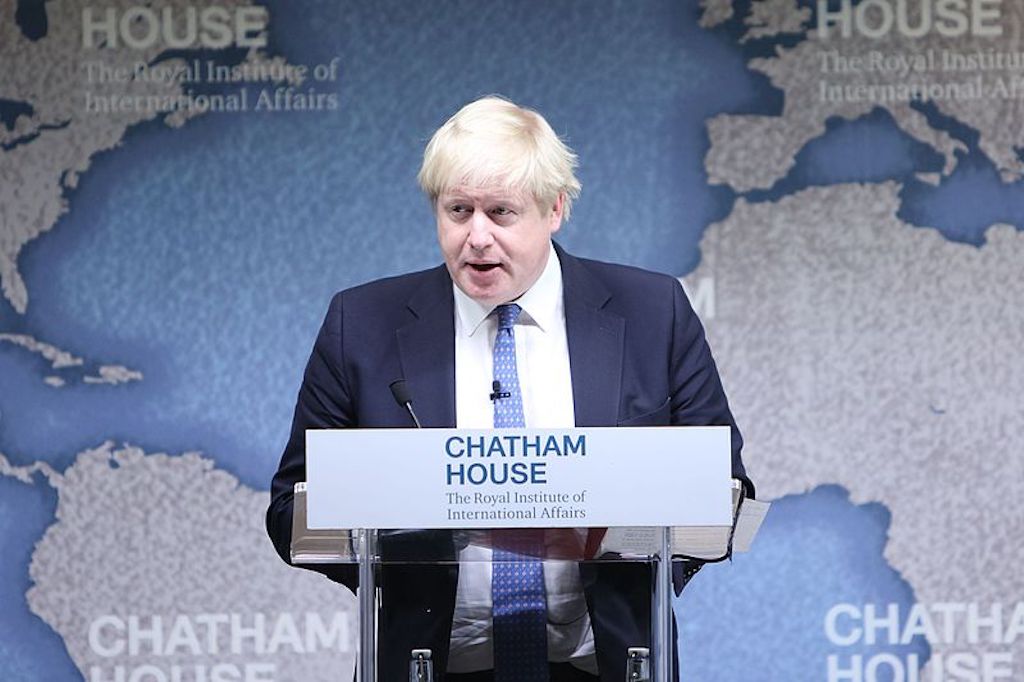
Photo: wikimedia / cc by 2.0
Now bookmakers are assessing the probability of Johnson’s victory at 40%, and although there are still many candidates for the post of prime minister, the chances of the former minister on Brexit, Dominic Raaba, still look much more modest - 14%.
Both applicants advocate Brexit’s “hard option” and left the government due to disagreement with May's concessions. This means that the chances of UK exit from the European Union without any agreement have increased: the EU authorities simply do not make sense to push back the extreme date of Brexit again (now - October 31). “We will leave the EU on October 31, with or without a deal,” Johnson said on Friday. In the European Union, in response, they warned that Britain’s hopes were that the best conditions were more tough than May, the negotiator could not be justified.
Risks and sacrifices. Brexit without an agreement will inflict a crushing blow to the economy, and that's why.
- Without an agreement, Great Britain will lose the right of duty -free trade with its neighbor, whose share now accounts for about 48% of all British exports.
- In this case, in mutual trade, the parties will again have to obey the WTO rules - in the absence of a new trade agreement for the British agriculture, duties can grow to about 11%, livestock - up to 15.7%, for the automotive industry - up to 10%, and British financial companies will simply lose their rights to sell their products and services without opening their division in each of them.
- But the problems are not exhausted by this - the import of at least some European goods will also rise in price, which means that you can wait for a jump in inflation, and Great Britain will probably have to reconsider trading contracts with 70 countries with which the EU has trade agreements - including Canada, Japan, South Korea and Turkey. Read more about the problems here .
- According to the British government, pure losses can reach £ 250 billion, and the fall of GDP in the next 15 years - 10.7%. The Central Bank of the UK believes that Brexit will reduce the country's GDP by 8% in the first year without an agreement. The prime minister is too high even for the prime minister’s chair, and you can only sympathize with British business with such a scenario.