
Translated material
The suitcase reached the pen
After a mass fight, all gypsies, more than 600 people, left the village near Penza, but local Russians are afraid of revenge
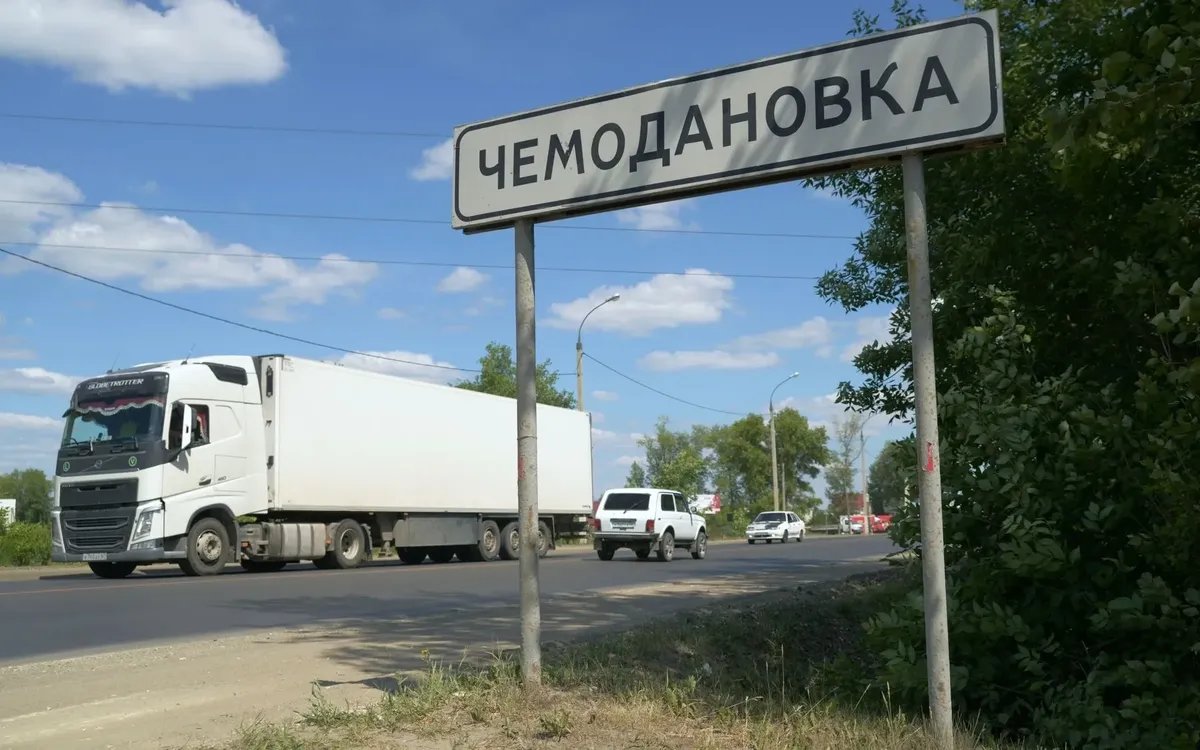
On June 13, in the village of Scheudanovka near Penza, a mass fight occurred, in which about 150 people took part. On the one hand, Russian inhabitants of the village were on the one hand, on the other - gypsies. The gypsy, according to eyewitnesses, was much more: ten per one.
The fight was preceded by the incident in the rural pond: two schoolgirls of about thirteen lit up on the shore, gypsy guys approached them. The guys began to pester, girls - resist. As a result, schoolgirls managed to escape.
The girls complained to their parents, and those gathering a support group went to talk with their parents gypsy. But the conversation did not ask, and the gypsies called for help. With bats and axes.
Bottom line: 34-year-old resident of the suitcase Vladimir Grushin died, the driver of the rural school bus Sergey Pugachev is still in intensive care. In total, 5 people suffered.
The day after the fight, almost one and a half thousand villagers went out onto the people's gathering and demanded protection from the authorities. The governor of the Penza region Ivan Belozertsev arrived in the suitcase. The words of the head of the region that none of the perpetrators will get away from responsibility did not arrange the audience,
And they blocked the federal highway M-5 "Ural", which passes right in the center of the village. People demanded to evict all the gypsies from the suitcases.
The track was blocked for more than an hour until OMON arrived in time and replaced the protesters.
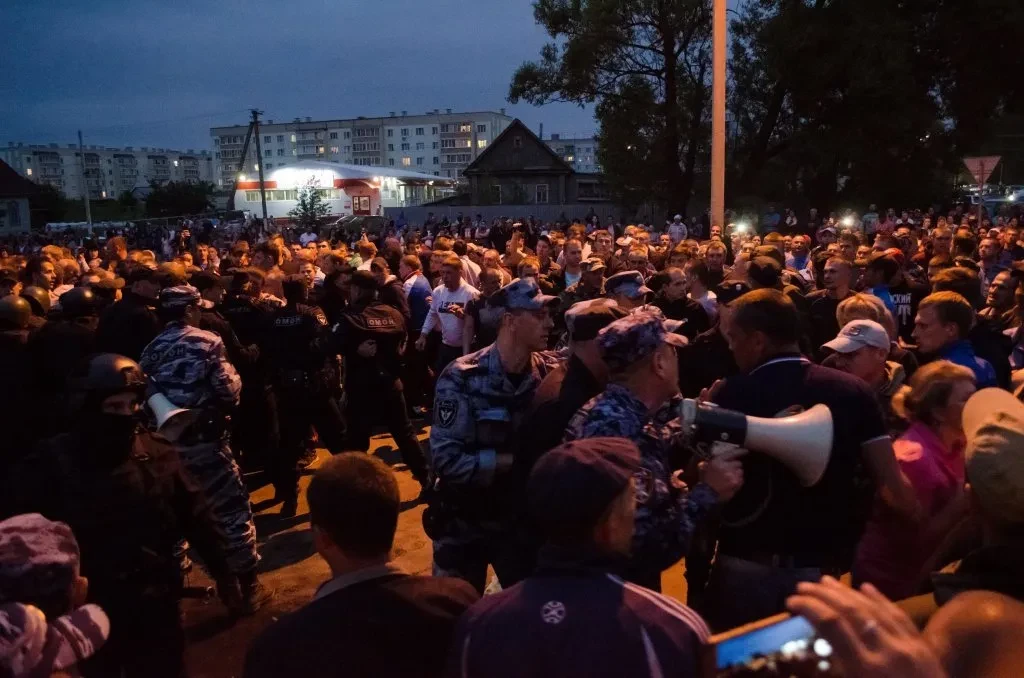
Today, almost a week after the conflict, the suitcase continues to live in tension. The streets are patrolled by police and the Russian Guard. The villagers are afraid to let the children go for a walk. People are sure: blood can spill again.
Part 1. Conflict
"Volodya could not pass by"
The body of Vladimir Grushin is carried in a wooden coffin of dark color. Ahead in green caps, camouflage and a wreath of purple artificial roses are two border guards. Behind them is a procession of 500 people. 34-year-old Vladimir was a border guard himself. Participated in combat operations in the North Caucasus.
The suitcase has not yet seen such a funeral.
- Volodka and I grew up on one street. Together on a bicycle rode. And both served in the border worshipers. Only I am four years earlier, ”a man in a yellow T -shirt tells me. It seems to Paul. “I know why he was there, in the place of a fight.” Volodya had an amazing sense of justice. He simply could not pass by. It didn’t matter to him who is weaker and who is stronger. It was important who was right.
Pavel did not see the fight. But he says, referring to eyewitnesses that Vladimir did not participate in it.
- He went to the peasant who stood there, asked what was happening, and then they attacked him, cut ... ( Pause. ) You know, write simply that we lost a cool guy, cool ...
The deceased was the only breadwinner in the family. He worked as a driver and a loader.
“There are four women left now,” the mother -in -law of Vladimir Tatyana Alekseevna herself starts a conversation, barely restraining himself so as not to cry. “I, his mother, my daughter Lena is his wife, and our granddaughter, she is five years old.” He pulled us ... No, we will live. You can live on half a half soup. But you think what the guy died.
On the day of the fight, recalls Tatyana Alekseevna, Vladimir repaired the car. When the conflict began, his mother called him - she asked not to walk. Vladimir said: "I just look." What happened next, relatives did not see. The wife called from the hospital. The day after the fight, Vladimir died.
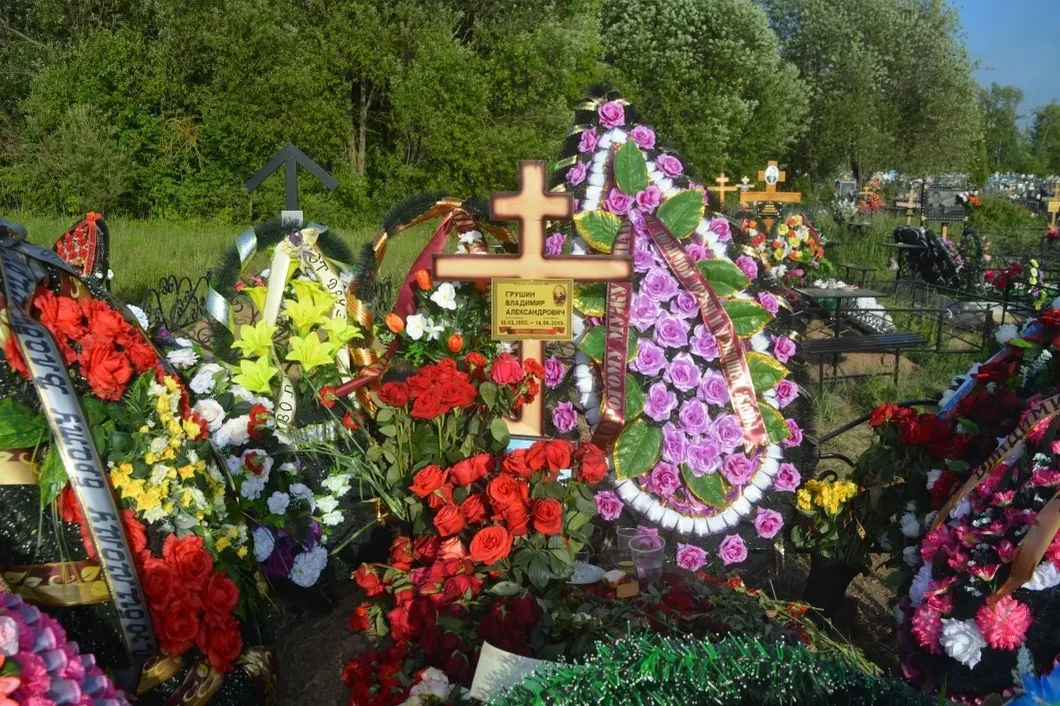
The funeral procession, passing through the village of almost three kilometers, turns into a cemetery. The coffin is lowered into a freshly powered grave. Put a cross. The grave hill is covered with wreaths: “Dear husband from his beloved daughter and loving wife”, “Dear brother Vladimir”, “Volodya from friends”.
From pond to the place of the fight
Suitcase - a large village 15 minutes drive from Penza. Six thousand inhabitants. But there are no people on the streets.
- We do not let the children go for a walk, and we ourselves try not to go out. We don’t know what to wait: suddenly a gypsy pogrom again, - with a resident of the suitcase Kirill Tolmachev (his name was changed), we are going on the "Niva" along the rural streets. He conducts a “tour” for me. The gypsy in the village is also not visible.
“But it only seems that they are not,” Cyril continues. - Yes, many left at night after the fight. But where did you go? Waiting here in the fields. Someone stayed at home, in the basements. At one point, everyone can gather and start a massacre.
- How do you know about gypsies in the fields?
- We have chats in WhatsApp, there are groups in VKontakte. There people write everything.
The person from the outside will not believe what they write in local publics in social networks. There are columns of gypsy cars breaking into a suitcase from Samara, Astrakhan and Moscow. And the appointed "Day of revenge" - July 1. But in a suitcase they are convinced: this is if not entirely, then only with small reservations. People are afraid of new blood.
With Tolmachev we drive up to the shore of the pond. The conflict began here. Since Cyril himself was not on the pond that day, we are waiting for eyewitnesses. A man of about seventy is passing by a bicycle: "I saw everything."
“Here, right at this tarzanka, two girls and a pregnant woman sunbathed,” he says. - Gypsies approached them, I don’t know how many of them were. They began to pester first to the pregnant woman, but she drove them away. Then to the girls.
“Why don't you remember how many gypsies were?” - I ask. - You saw.
- I did not remember.
Nobody knows schoolgirls resting on a pond.
For several days I generally doubted their existence, but later the investigator confirmed the information about the harassment on the pond.
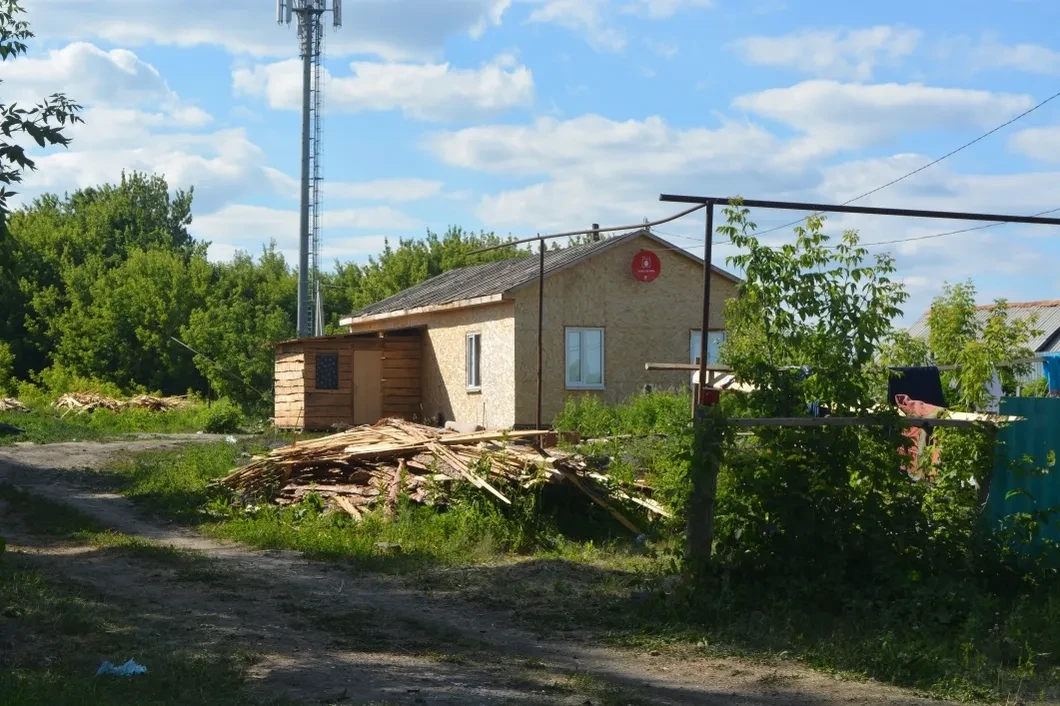
From the shore we move to the house, next to which the fight began. I knock on the door - no one comes out. I pull the handle - openly. I don’t go into the house, I’m going to the back yard - there pigs grunt in a stable, without food, without water.
And then a police car drives up to the house. In less than three minutes after my arrival.
- Hello, for what purpose are you here? - asks the lieutenant sitting behind the wheel. I show the certificate.
“You can't be here,” he continues. - This is a gypsy house, and now we don’t even know what to wait: suddenly you have planned to make arson.
- And where are the owners? - I ask.
- The owner was detained. Have you heard about three detained gypsies? Here he is one of them.
On the day of the fight in a suitcase, three gypsies - participants in the conflict really detained. Later, the number of detainees increased to fifteen. All are gypsies. In total, 174 people were delivered to the police, but there were no complaints about most of the claims.
Fight
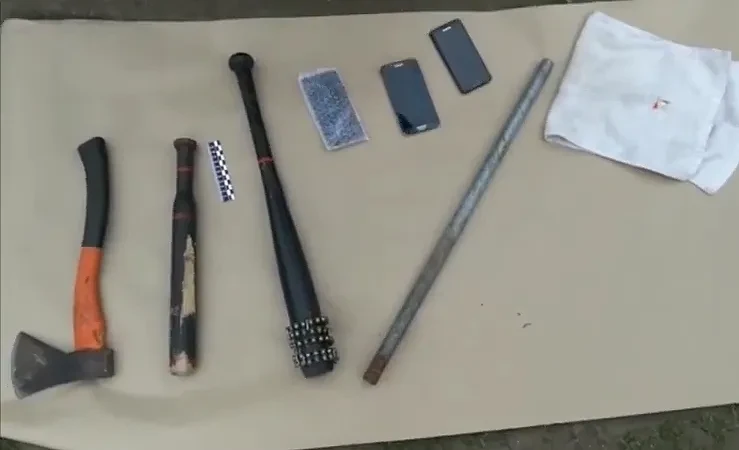
After the incident on the pond, according to local residents, a group of 10-15 Russian men gathered at the gypsy house at about eight in the evening. They were unarmed and, according to the locals, they just wanted to talk. As the conversation went, none of my interlocutors saw. But I managed to talk with eyewitnesses of the fight.
30 meters from the house where the conflict occurred is a grocery store. The seller Lydia lives nearby, saw everything with her own eyes.
The story of an eyewitness of a fight
- It was an evening already, half a year. A gypsy knocked on my door: "Aunt Lid, look what is happening!" I opened: Father, there is a crowd - a hundred people, no less. Gypsies. With bats, with cuttings, with axes. They go to Oleg’s house ( so, according to the woman, the name of the gypsy, the owner of the house; later local residents will tell me that his name is Oleg Yashchenko. - I. Zh. ).And ours, Russians, there are only fifteen people. My grandfather just jumped out in his underpants - and there.
At first they cursed. And then they began to wave. Sergey Pugachev ( he is now in intensive care. - I. Zh. ) With another man, they simply stood aside. But they got the most. At first they were driven into a corner, to the fence, and then they began to beat. The man beat them ten.
The man, standing next to Sergey Pugachev, was a resident of the suitcase Andrei Bodrov.
“He generally came at the very end already,” says Tatyana Bodrov’s wife. - He began to scream so that everyone diverges, so that they would stop beaten people. They flew into him.
Andrei Bodrov was brought home with a cut finger, a fracture of the foot and cut his head. Doctors overlapped the seams, but did not hospitalize. The names of people who beat Andrei are unknown to Tatyana.
The story of an eyewitness of a fight
“We called the police nine times,” says the seller Lydia. - Everyone could not get through. Then they finally got through. They arrived at first together: they demanded to stop the fight. Nobody listened to them.Then the strengthening came: when the big detachment arrived, the gypsies began to scatter. Someone was caught, but the majority slipped.
The residents of the suitcase complain: in the six thousandth of the village there is no police station. You have to wait for help from Penza, but from there they get away ...
After the conflict, the regional authorities promised that there would be a police station in the village.
Now, on the fact of a fight in a suitcase, a criminal case has been instituted under Part 2 of Art. 105 of the Criminal Code of the Russian Federation “Murder committed by a group of persons by prior conspiracy from hooligan motives” and under Part 3. Art. 30, part 2 of Art. 105 of the Criminal Code of the Russian Federation "Entertainment for the murder of two or more persons."
Part 2. Who is to blame?
The position of the gypsy
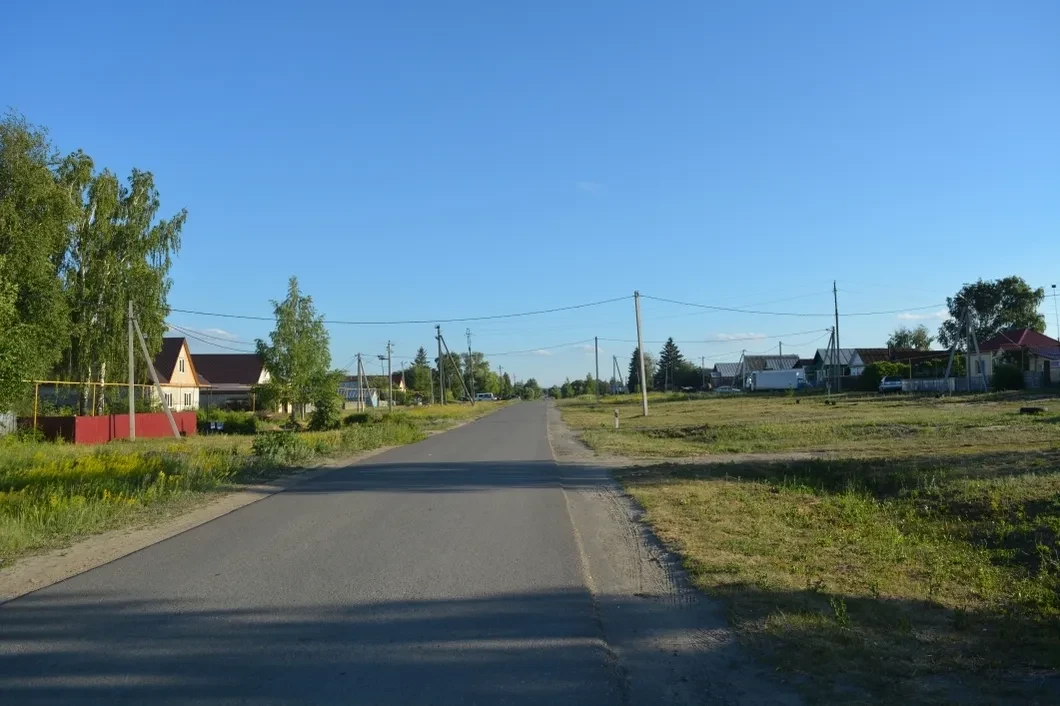
The very next morning after the fight, the residents of the suitcase noticed that there were no gypsies on the streets.
“It never happens, they never sit at home,” says Kirill Tolmachev. - I have a neighbor Tsyganin: I look, it seems like it is not at home. I walked along the street - all the gypsy houses seemed to be empty.
The gypsies really left their suitcase and its environs. Here's how the pastor-gospel Sergey Kireev, gypsies by nationality wrote about this on his page in VKontakte.
“From 5 to 10 in the morning we were engaged in the evacuation of our gypsy community. Then there was a wonderful festive service <...> Then, things were taken out with the brothers and all valuable houses left, and then the evacuation again. Never earlier in the back seat of my Toyota at the same time 11 people sat at the same time. Now our entire gypsy community outside the Penza region. ”
Later, Kireev will publish an appeal to the residents of the suitcase.
From the statement of the gypsy pastor Sergey Kireev
“There is no excuse for those who, with their low actions, provoked this ethnic conflict, who shed human blood. But still, I would like to remind us of the proverb: "There are no bad peoples, there are bad people." These words do not lose their rightness, even if we are talking about the gypsy people. Believe me, I know what I am talking about <...>Let us allow law enforcement agencies to conduct an investigation and by law to punish these guilty. And I would like to endure the lessons of the world from this situation, and also do everything to help the gypsy people find a new life. ”
Andrei Ogly turned to the residents of the suitcase and the head of the public association of the gypsies of the Penza region.
Apologies from the representative of the gypsy community of the Penza region
“The gypsy diaspora brings condolences to the relatives of the deceased. We pray to God, so that the victims will recover. We do not want to have any conflicting moments with anyone.We want the guilty to be punished. And for this we will cooperate with the police, help. This misfortune must somehow resolve, and this conflict is stopped. ”
"It was supposed to happen"
The fact that gypsies do not compose guilt for what happened is noteworthy. But not only they are to blame. The villagers say that the gypsies were "not built" in the life of the village. They existed as if in parallel.
- They did not work on poultry farms, at school, in stores. They were engaged in the resale of cars or scrap metal. Well, of course, they traded drugs, ”says Kirill Tolmachev.
True, the picture does not work out with drugs: I asked many of the inhabitants of the suitcases, and everyone said that there seemed to be not any problems with drugs in the village. However, the fact that the gypsies nevertheless engaged in illegal activities, they admit themselves. In appeal to the residents of the suitcase, Pastor Sergey Kireev wrote:
“Scheudanovsky gypsies are predominantly illiterate, respectively, they cannot find a job, develop in a cultural and moral plan, which means they are doomed to remain in this state, to earn money in unacceptable, and sometimes criminal methods. What did society have to solve these problems? "
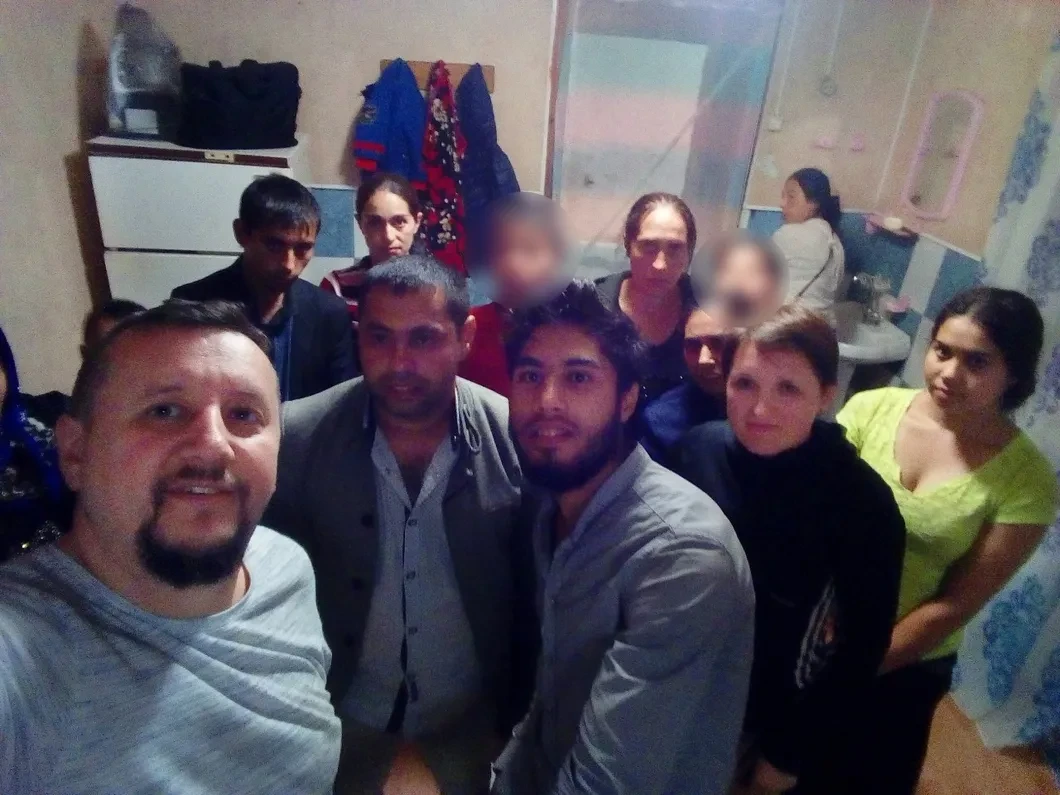
The residents of the suitcases themselves believe that it was impossible to integrate local gypsies into normal life, "because they do not want it."
“Gypsies live according to their traditions,” one of the villagers explains to me. -They get married early: you can safely see a 13-year-old gypsy with children. Moreover, they are not officially married, but in their rituals. This is done in order to receive benefits for a “mother of a loner”. By the age of 18, they are usually already large. With maternity capital, with the ground. They hardly communicate with us: only “Hello-Pro”.
In a suitcase, I only once heard kind words about gypsies - from the mother -in -law of the deceased Vladimir Grushin.
- We have a neighbor Tsyganin, his name is Vasya. He has children - Kolya and Yashka. Wife Rose. All good people are very good. Vasya was engaged in the buying of cattle. He scored, and then sold in the village. I did not wring prices. Once he brought my husband to a blizzard home: he picked up a frozen on the road and brought. This was a good family. But also after the fight left.
Particular discontent of the locals is caused by the fact that the gypsies, without working, lived richer than Russians.
“If a gypsy comes to the store, he has money - always a pack,” says the seller of a vegetable shop. - And there are not 50, not 100 rubles - all 1000, 2000. Where does he get them? Well, of course, with benefits. They also have 8-10 children for each. At our expense, they live from our taxes. We work for them. What happened has long been brewing. This was to happen. Do we not see 10-20 thousand rubles with our salaries and pensions, which is nearby non -working millionaires?
People also blame local officials. True, not for the fact that they could not integrate the gypsies, but because they generally allowed them to settle in a suitcase in the 90s. When asked how to legally prohibit anyone where he wants, most interlocutors could not answer. Only one noticed:
“It was necessary to force them to comply with the laws: he occupied excessive land - a fine, unauthorizedly connected to electricity - a fine, the girl gave birth to a child at 13 years old - an article for pedophilia. But our eyes were closed on all this until it rushed. ”
Fire in the shoulder blades
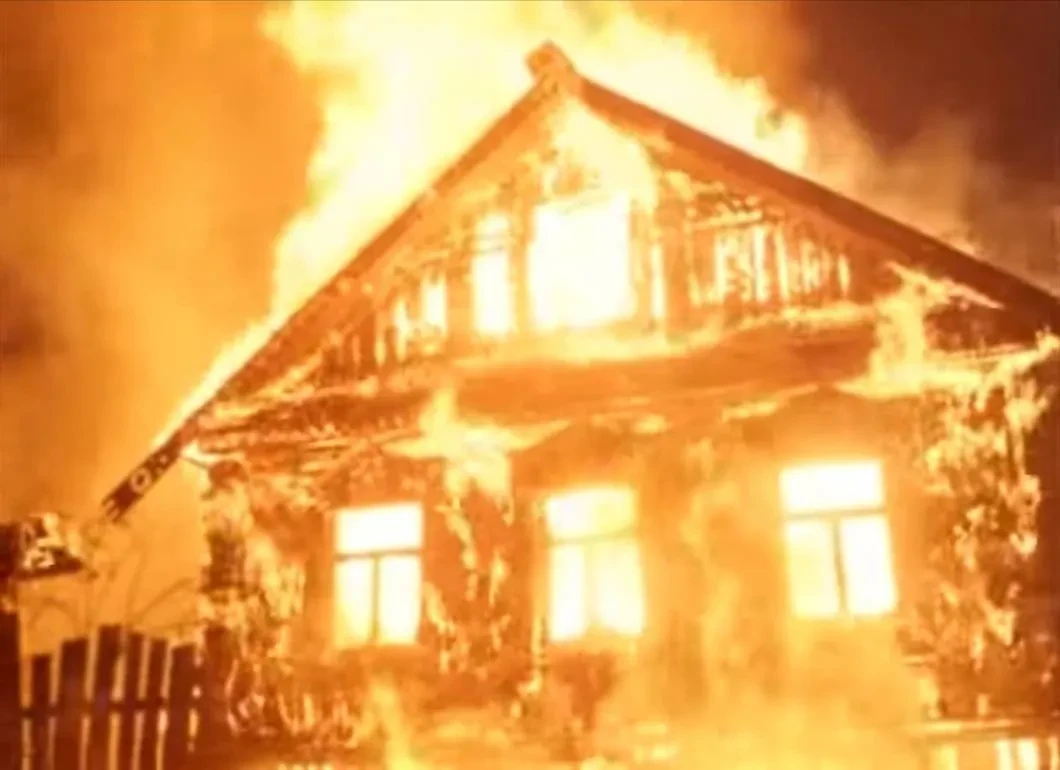
In the evening, on June 15, the day after the gathering, at 21.46 a message was received on the fire department about the fire in the gypsy house left by the hosts in the village of Lapules (this is not far from the suitcase). The police started a criminal case of arson.
It’s not easy to get into the shoulder blades. On the way to the street where the fire occurred, four police officers stop me: who is it?
Imagine. Police rewrite my passport data.
“MAGTA-2”-“MIRNAL-8,” one of them reports on the radio. - the journalist came. He wants to go to the conflagration. What are we doing?
“Report the“ Directorate, ”is heard in response.
- “The Directorate”, the journalist came, wants to go to the conflagration. Reception.
Minute silence.
-“Directorate”-“mast-2”. We do not let anyone into the shoulder blades. In general, no one, only local.
-Are the locals still left? - I ask the police.
- Only Russians.
Paths manage to get to Pesopochny Street. In the courtyard of a large private house, a dark -haired man is fussing at the car. It seems to Anton.
“Closer to ten o’clock [evening] caught fire,” he says.
- Of course, I grabbed a bucket of water and ran. They set fire to, damn it, a gypsy house, and what stands near the Russian house is nothing?
The neighboring houses were really injured, but slightly: the roofs were slightly melted. Firefighters worked promptly.
Anton, however, does not believe that the arson of the house was the response of the Russians.
- This is just a provocation. Maybe the gypsies themselves returned and specially set on fire to show that we are animals.
Such conviction is for many in the shoulder blades and a suitcase.
On the reverse road from the shoulder blades, I notice a car carrier parked at the ripe. There are really a lot of police officers, fighters of the Russian Guard, employees of the Investigative Committee in a suitcase. The locals are happy about this, they say, so calmer.
Part 3. Reception

On Monday, about a hundred people gather in a rural house of culture. At 14 hours, a personal reception of citizens was appointed by the heads of the Penza Investigative Committee, the regional prosecutor's office and the Commissioner for Human Rights.
- What question do you want to discuss at the reception? - I ask the group of women in the lobby.
- We have one question: the eviction of the gypsies. How to make sure that they do not return, - women answer with pressure.
Half an hour before the reception, I go to the head of the UK in the Penza region Dmitry Matushkin. Please clarify several details of the criminal case.
“Let's go on the street talk,” Matushkin suggests.
We go out, and here - here is the bad luck - Matushkina, Grigory Zhitenev, who arrived at the third investigative department of the GSU SK Grigory Zhitenev intercepts me. About ten minutes they talk about something away. А напоследок Житенев говорит: «Дело теперь в центральном аппарате, так что никаких комментариев для СМИ».
Уточнить детали, правда, все равно удалось. Но не через пензенский СК. Собеседники в ведомстве рассказали мне, что
СКР изучил ситуацию с приставаниями к девочкам на пруду, но не нашел в них ничего криминального.
Местонахождение всех участников драки в Чемодановке следователям известно.
Прием начинается. Жителей запускают в актовый зал ДК строго по одному. Journalists are not allowed. Выходящие из зала люди говорят, что требования о выселении цыган представители власти называют незаконными.
— Значит, будем разбираться своими силами, — едва не кричит коренастый мужчина. Его зовут Юрием. — Если они ко мне домой мстить придут, я отстреливаться буду. Если мирно захотят жить — будем контролировать. Пусть работают, как все. Детей учат, в армию их отправляют. Если какая семья подозрительной покажется — тут же в полицию звоним.
Voluntarily or forcibly?
Самым открытым чиновником на приеме оказывается глава Чемодановского сельсовета Сергей Фадеев. Он выходит к людям, и начинается трудный разговор.
Сергей Фадеев (С.Ф.): Сейчас комиссия правительства области описывает скот [в покинутых цыганами домах]. Все службы: и газовая, и КУМИ — это служба, которая проверяет правильность оформления земельных участков и домовладений, и электрики уже обрезают провода, где незаконно подключено.
Кто-то из собравшихся (Собр.): Выселять их надо.
С.Ф.: Вот. Цыган в нашем поселке нет. Те цыгане, которые участвовали в побоище, они все опознаны и все сидят, ждут своей участи. Остальные, их с родственниками и ребятишками согласилась принять волгоградская диаспора. То есть их вчера посадили на автобусы, они забрали вещи, и мне сегодня отзвонился зампрокурора области — они уже в Волгограде.
Собр.: По их желанию?
С.Ф.: Нет.
Собр.: Принудительно, что ли?
С.Ф.: Совершенно верно. В принудительном порядке. То есть все цыгане были локализованы в Пензе, затем организованно под охраной приехали, забрали свои вещи. То есть цыган как таковых, по крайней мере, в Лопатках, у нас не будет.
То, что касается призывов, — это нужно на корню пресекать. То, что звучат: «Выселять!» Вы сами знаете, что провокаторов у нас сейчас из всех щелей повылазило, как крыс.
<...>
С.Ф.: Эта ситуация когда-никогда должна была выйти из-под контроля. Это просто и стечение обстоятельств, и так совпало: все уже, терпение у нас кончилось по хамскому отношению цыган к нам как к коренному населению. This was to happen. Да, и благодаря погибшему товарищу — это просто герой для всей России. Мы своим примером всколыхнули все службы, мы увидели, как они могут работать. Почему до этого не работали — это уже другой вопрос.
<...>
Собр.: А все дома проверили, точно цыган нет?
С.Ф.: Все. Вы меня правильно поймите. Реально: наших, с Лопаток, поймали в Демкино, они уже ехали, кого-то на Саратовской границе поймали, кого-то на Ульяновской границе. Кого-то здесь поймали: большой лагерь был, в лесу. Абсолютно все они были собраны и локализованы.
<...>
«Новая»: Цыгане навсегда уехали в Волгоградскую область?
С.Ф.: Ну, по крайней мере, навсегда.
«Новая»: А что делать с их собственностью?
С.Ф.: Все будем делать в рамках закона. Сейчас проверяется правовая основа их домовладений.
«Новая»: Но если дома окажутся законными, они будут выкуплены?
С.Ф.: Пока решений по этому направлению нет. Нужно все делать поэтапно.
Позже слова Сергея Фадеева о принудительном выселении цыган опровергнет пресс-секретарь губернатора Пензенской области Дина Черемушкина.
— Ни о каком принудительном выселении цыган из Лопаток и Чемодановки речи не идет. The gypsies themselves voluntarily decided to leave their homes. Where they went, I can’t say. Surely they have relatives or acquaintances in different regions. Автобусов для них не организовывалось, — заявила она корреспонденту «Новой».
***
Межэтнический конфликт в Чемодановке — не первый в России.
2013 год — Пугачев (Саратовская область),
2012-й — Демьяново (Кировская область),
2011-й — Сагра (Свердловская область),
2006-й — Кондопога (Карелия).
Только с начала 2000-х — более двух десятков масштабных конфликтов. География — от Нальчика до Иркутска. Десятки погибших, массовые беспорядки и аресты.
Penza region