
Translated material
Again "Trinity"?
The Russian Orthodox Church again evicts the museum from the temple - the line of Andrei Rublev came
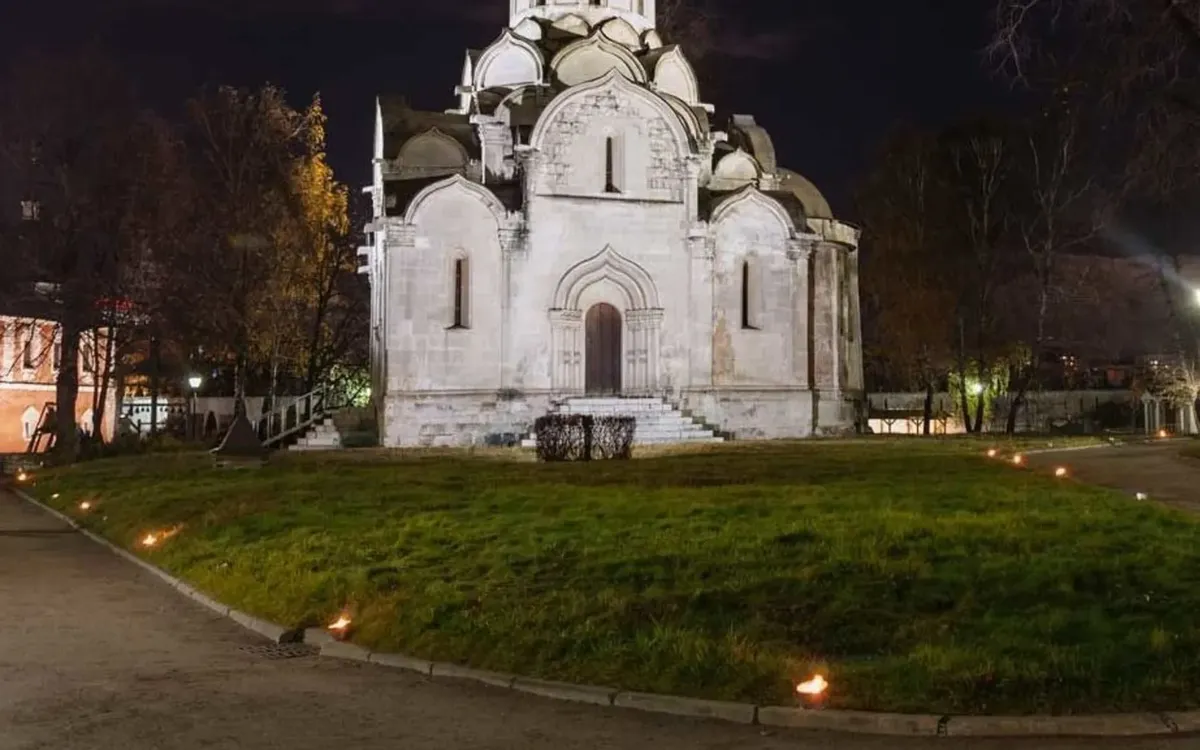
The Moscow Patriarchate enhances the pressure on the museum of Andrei Rublev, demanding the immediate and unconditional liberation of all premises on the territory of the Moscow Andronikov Monastery. Attempts by museum workers to enter into negotiations and find a compromise ignored.
At a meeting of the ROC interaction commission with the Russian Museum Community, which was held on June 13 at the Ministry of Culture, the last desperate attempt was made to preserve the unique Museum of ancient Russian art and culture named after Andrei Rublev, which has been in the premises of the Spaso-Andronikov Monastery in the center of Moscow since 1947. Since 1989, the ROC community has also been operating on the territory of the monastery, which will peacefully coexist with the museum and holds its little bitter services in the Spassky Cathedral (XV century) - the oldest of the building survived in the city.
However, at the beginning of this year, in his characteristic imperative-ilseic manner, Patriarch Kirill suddenly demanded that the Rosimity fulfill the Law on Church Restification of 2010 in relation to the Andronikov monastery and immediately transfer all buildings, towers, walls and outbuildings of the monastery to the Russian Orthodox Church ( the new one wrote about this in March ).
Ideally, Cyril is ready to take the monastery with the entire “museum belongings”, hinting that the unique collection of ancient Russian icon painting is also “religious property”.
But since the museum workers do not want to cross the “high arm” of the pure lane in the museum case, their fate, as well as the fate of unique invaluable collections, which are simply nowhere to transport from the monastery, the patriarch is not interested.
The fateful meeting in the Ministry of Culture was held by the “tsarist confessor” by Metropolitan Tikhon (Shevkunov), heading the Patriarchal Culture of the Russian Orthodox Church. In general, he has a reputation as an adequate and contractual person than his boss, so the museum workers had some hope for a compromise. Their proposal, generally supported by the Ministry of Culture, consisted in the fact that the transfer of the monastery should be made in stages, for several years.
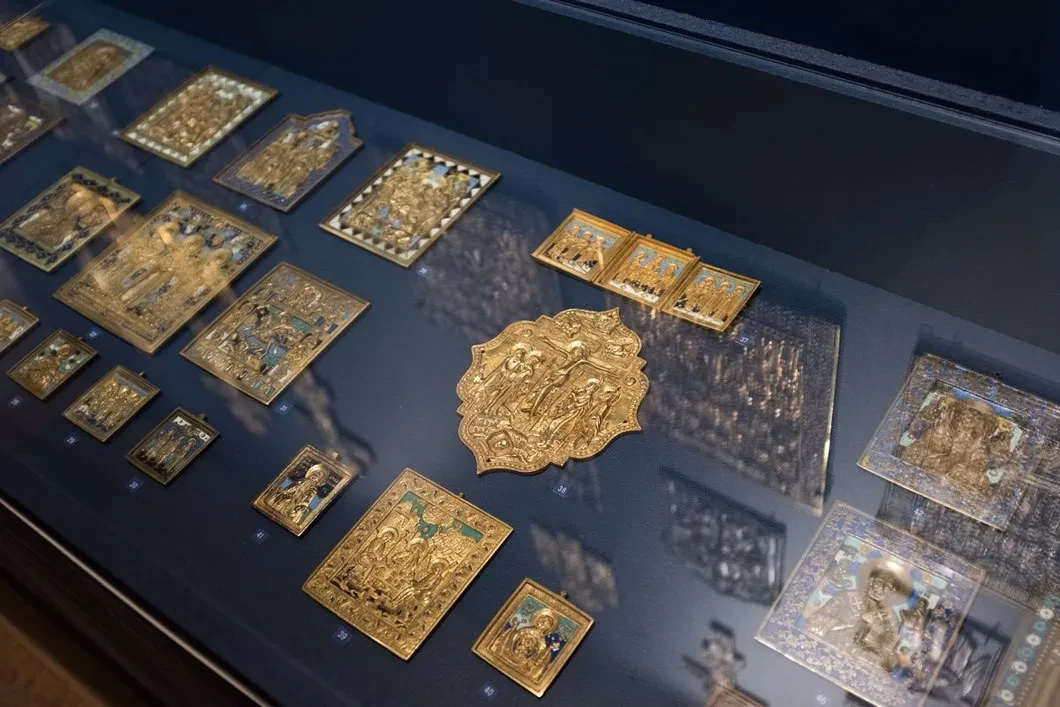
During this time, the Museum of Andrei Rublev, with the support of the Ministry of Culture, will be able to prepare new premises and in a civilized, without prejudice to the funds, to transport his huge collection there. At the first stage, the museum proposed to transmit the Patriarchate of the Spassky Cathedral, which it already uses 30 years, the building of the Bratsk Corps of the 17th century, where the most valuable ancient icons, the administrative corps (former "dead") and the northwestern tower are now exhibited. Together taken, these objects make up more than a third of all the areas of the monastery.
The museum also has nothing against the commission by representatives of the Russian Orthodox Church in the Church of Mikhail Archangel at any time at the first desire. Over the past 30 years, such a model of “church-museum cooperation” has established itself, say, in the Moscow Kremlin, the cathedrals of which are still on the balance of the Ministry of Culture, but the Patriarchate serves there freely when it wants, without incurring any costs of their maintenance and restoration. Also, gradually (albeit “with a creak”), museum collections were displayed before the transfer of the ROC of the Ryazan Kremlin, the Ipatievsky monastery in Kostroma or the Novo-Jerusalem Monastery near Moscow.
But these relatively peaceful times have passed.
Feeling his strength and political support for the “national leader”, Patriarch Kirill decided to speak with the cultural community only in the “language of war”.
And no matter how soft Metropolitan Tikhon looks like, at a meeting of the commission in the Ministry of Culture, he harshly bent the line of his immediate superior. The iron response of the Patriarchate sounded to any proposals of the museum and the ministry: the monastery should be transmitted immediately and in its entirety, daily services should be performed in both of its temples, and all other buildings should be occupied by the governor and brethren of the monastery. From whom this brethren will gather, however, it is not known-even in the old Moscow monasteries there are not many monks (for example, the brethren of the high-Petrovsky monastery consists of 9 people and are not able to provide daily services in all temples of the monastery). If you drive a little from Moscow, it will not be difficult to meet the monasteries of the Russian Orthodox Church with only one or two monks.
The attendance of the temples of the Russian Orthodox Church (with rare exceptions) is now also characterized by record -based low indicators "in the history of observations."
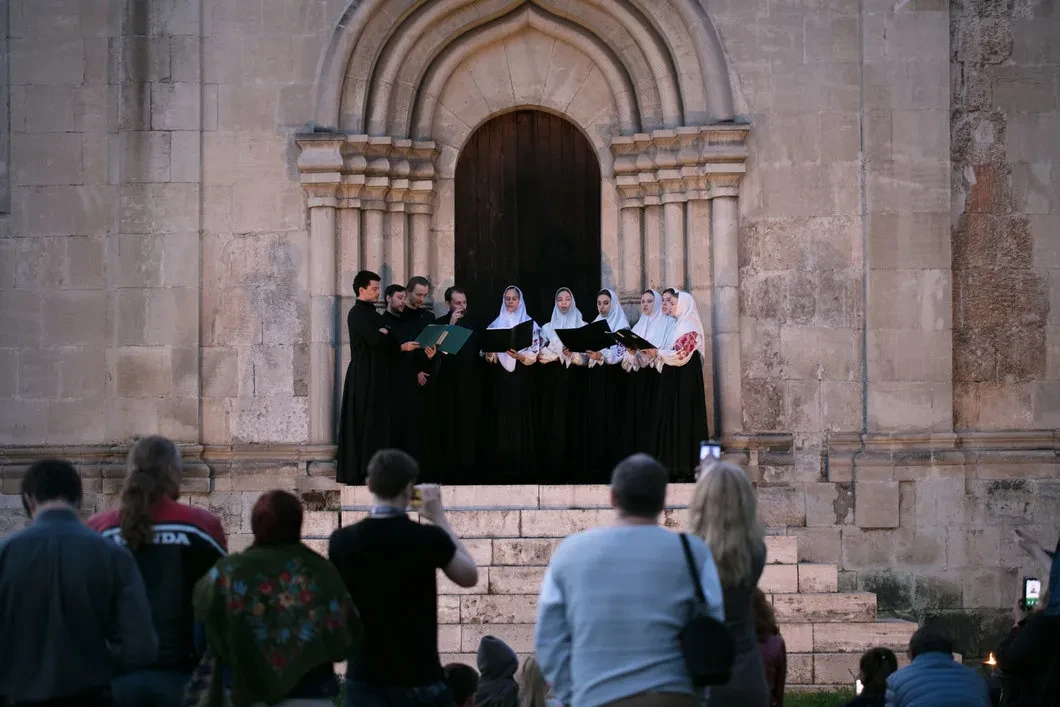
In the same Spassky Cathedral of Andronikov, the monastery at the Sunday liturgy there are on average 30–35 people, and, say, for the patriarchal all -night holiday of the Holy Trinity in the Cathedral of Christ the Savior, designed for 5,000 people, only 150 prayers came (occupancy - 3%). It is impossible to rationally explain the rigidity and hurry of the requirements of the Russian Orthodox Church regarding the Andronikov Monastery, despite the fact that the museum is open to any cooperation with the church and is ready to make any concessions to it.
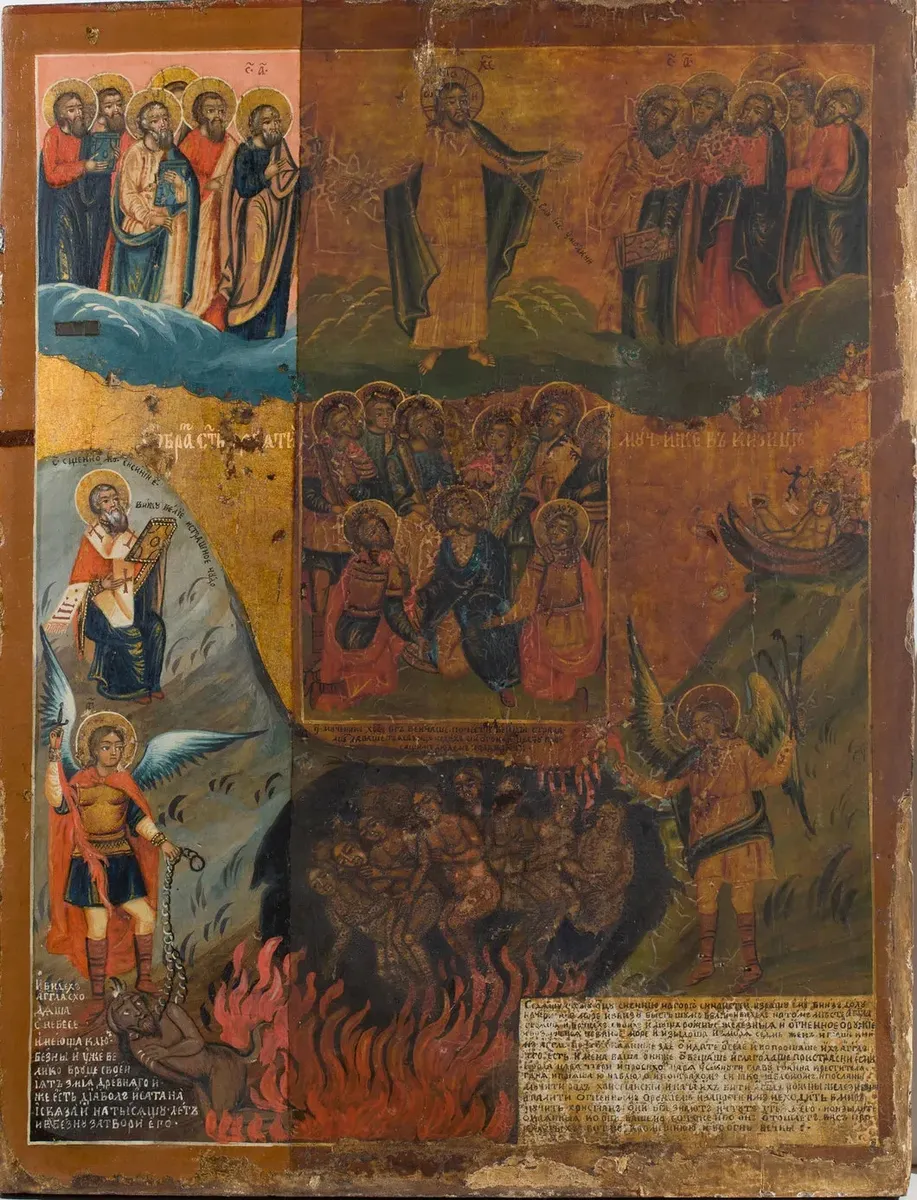
After a meeting of the “conciliation” commission in the Ministry of Culture, the museum leaves no attempt to agree with the Patriarchate. Director Mikhail Mindlin has been sending humble requests for the beginning of negotiations to the Patriarchate almost every day. But the patriarchy, feeling like a “master of position,” ignores all these requests. Its position looks simply blasphemous in relation to ancient Russian culture and the greatest shrines that during the years of state atheism, when the most valuable icons died in thousands, saved the Museum of Andrei Rublev. As noted by the leading researcher of the museum Marina Antypko, the patriarchy fell with the whole power of its political and administrative machine to a “museum, who introduced the wide audience to ancient icons, which had previously rotted in sheds or packed with portraits of production facilities, a museum, which fought for almost half a century against wrestlers against fighters with opium for opium for opium people ".
If, under the patriarchs of Pimen and Alexy II, the Patriarchate thanked the museum for his noble spiritual mission, now, under Cyril, she is artificially, “out of the blue”, makes him his enemy, actually demanding: “Give us real estate and roll with your shrines wherever you want.” Such - be said carefully - inversions of the main religious structure of the country were not yet aware of Russian history. It is obvious that if the Patriarchate begins to increase its pressure on the Andrei Rublev museum, which, in the current conditions, will undoubtedly cause a wide public resonance, it will lose the remnants of its reputation as an allegedly connecting our people with its millennium cultural tradition, supposedly guaranteeing the preservation and revival of historical spiritual values.
All these “high matters”, the modern patriarchate prefers banal span of property, brutal collision, intimidation of its opponents and unwillingness to conduct any civilized negotiations. It enters the dangerous path of open struggle with culture, and in this case, ancient Russian. “The transfer of the architectural ensemble of the Spaso-Andronikov Monastery of the Russian Orthodox Church is a disaster for the museum,” says Marina Antypko. - What historical memory can we talk about by destroying the only museum in Russia, specializing in the preservation, study and popularization of ancient Russian culture? ”
It is strange that in the Moscow Patriarchate they do not know how to calculate reputation losses, which are much more expensive than financial losses from "undisguised" real estate. (Moreover, church real estate in Russia is rarely used effectively from a commercial point of view.)
The beginning of negotiations with the museum and the provision of a “delay” to him to leave the Andronikov monastery for at least 2-3 years - while the Khryashchev estate, located opposite the monastery of the Patriarchate’s estate, will be restored. And real estate, in the end, would go, and would not have arisen a new center of civil confrontation. But in a completely incomprehensible way, the Patriarchate prefers to act on the principle of "the worse, the better." As if her leader is afraid not to have time to bring the reputation of the structure he headed to the intended negative values for the time allocated to him.
REFERENCE
According to the report for 2018, today 164 people work in the Central Museum of Old Russian Culture and Art of Andrei Rublev, including 3 doctors and 15 candidates of sciences. The museum’s collection has reached almost 20 thousand items, over the past two years it has been replenished with 38 new storage units, among which - the icon of the Mother of God of the “Odigitriy of the 16th century”. The museum completed the restoration of the building of the former spiritual school, which housed new expositions, restoration of towers and walls, as well as the Khryashchev estate, where it was supposed to transfer funds and temporary exhibitions. Since 2016, 31 exhibition, including 3 in Italy, 12 scientific conferences and round tables, published 20 catalogs and 6 scientific collections, 50 concerts were held, all kinds of lectures, master classes, classes with children were held (including the competition of the Journey to ancient Rus', which was attended by more than 2 thousand children).