
Translated material
Dark water
After Chernobyl - Kursk. Another foreign film about our tragedy is released on Russian screens
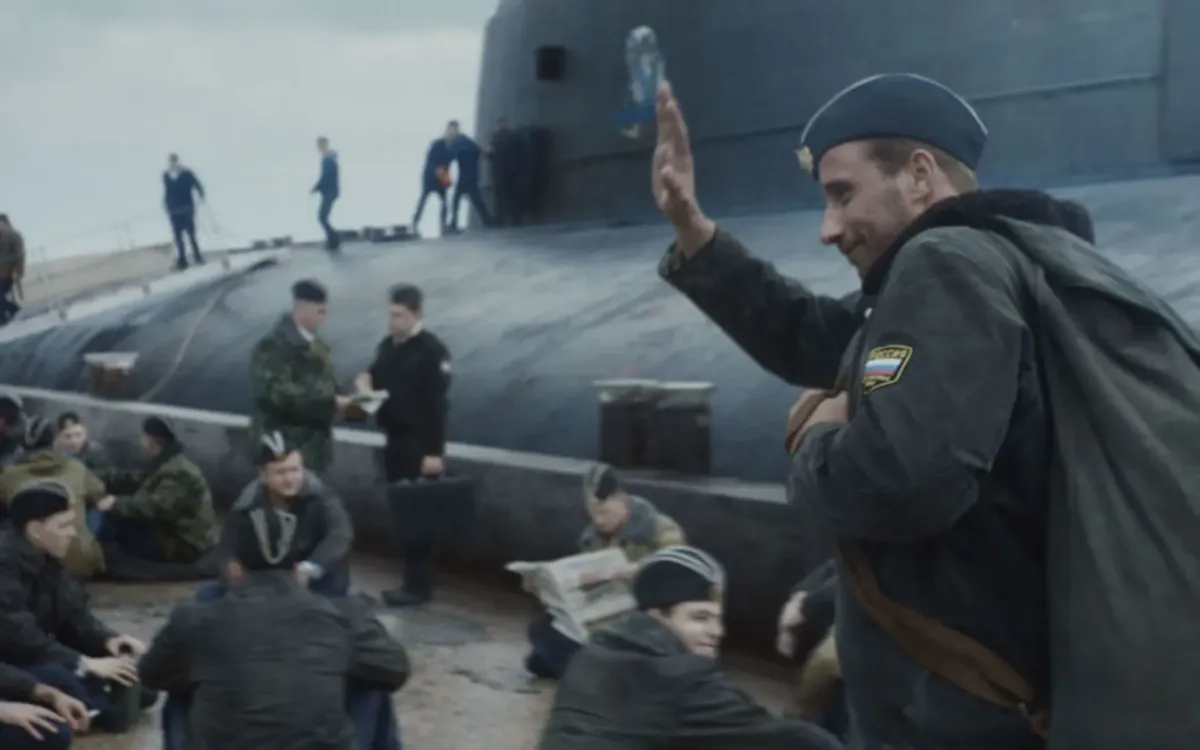
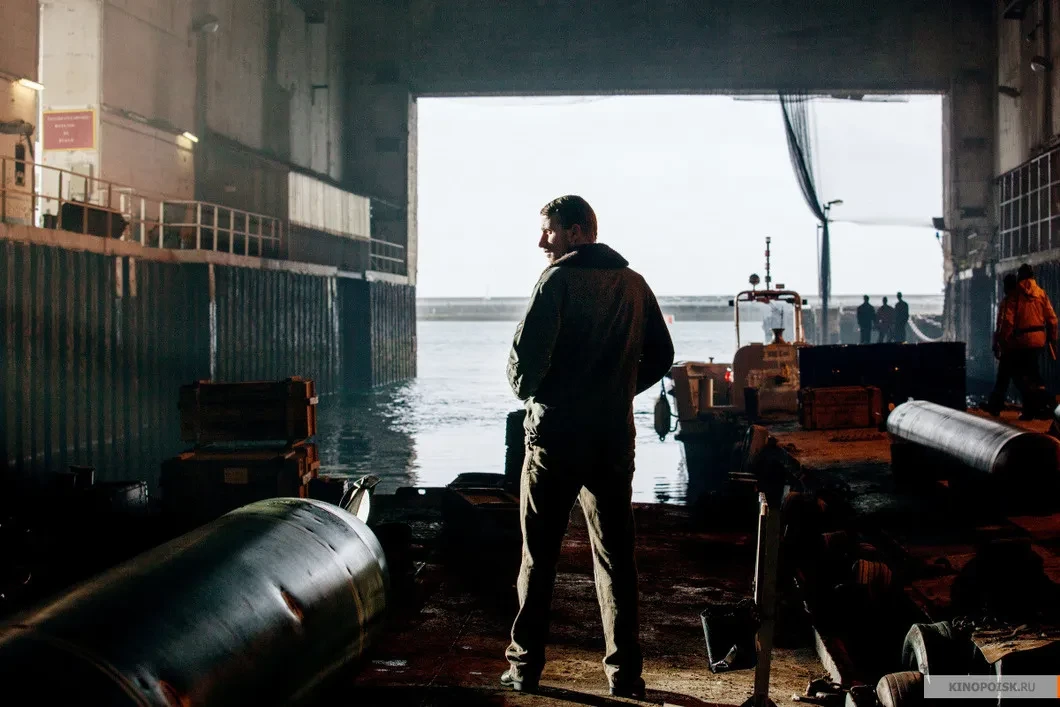
The Franco-Belgian “Kursk” Thomas Winterberg, pricked by Luke Besson, withdrawn in 2018, reached the Russian cinemas. The film falls into a train of boiling disputes around the series "Chernobyl". Both paintings about our tragedies were shot by foreigners, both have inevitable inaccuracies. There are fewer of them in Chernobyl. Still, the material world of the Soviet nuclear power plant was created by Lithuanians (shooting took place in Lithuania in the Ignalinsky district, at a power station built in the 80s).
In Kursk - confusion with dates. The apartments are heated by fire and furnished with modern consumer goods. Women are dressed and painted as models from the journal "Worker". On the submarine they sing something like the anthem of the Northern Fleet composed twice as an Oscar -winning Alexander Despla: "The sailor is firmly both heart and hand." And the choir sings about the wind that knocks out the window, in the church, only remotely reminiscent of the church. And sings. Winterberg prefers to tell a certain universal story that they will understand all over the world.
The film about the death of the atomic submarine is based on the book of American journalist Robert Moore “Time to die”. It is the time, according to the authors, that becomes the engine of the tragedy in which 118 people will die. The story begins with the submariners selling an officer clock to buy champagne for a comrade’s wedding (they traditionally delay salaries). Captain Mikhail Averin (Matthias Schonarts), managing the turbine hall of the Kursk turbine hall, detects how much his son may not breathe under water. And then time will indicatively cut off the survivors after the explosion from the hope of salvation.
Captain Averin was written off from Captain Dmitry Kolesnikov, who died on Kursk, during diving work found his note with a list of officers of the 9th compartment and a personal message to his wife. A few years after the tragedy, Yuri Shevchuk will write the song “Captain Kolesnikov” about him: “It is a pity, there are no black boxes of the fallen sailors.” Even the most honest investigators will not tell about the last hours of submariners. The authors of the film adhere to the version, a common media, about the first explosion: a torpedo detonation occurred in the torpedo apparatus, after the explosion a fire began. At the time of the collision with the bottom, a second explosion occurred.
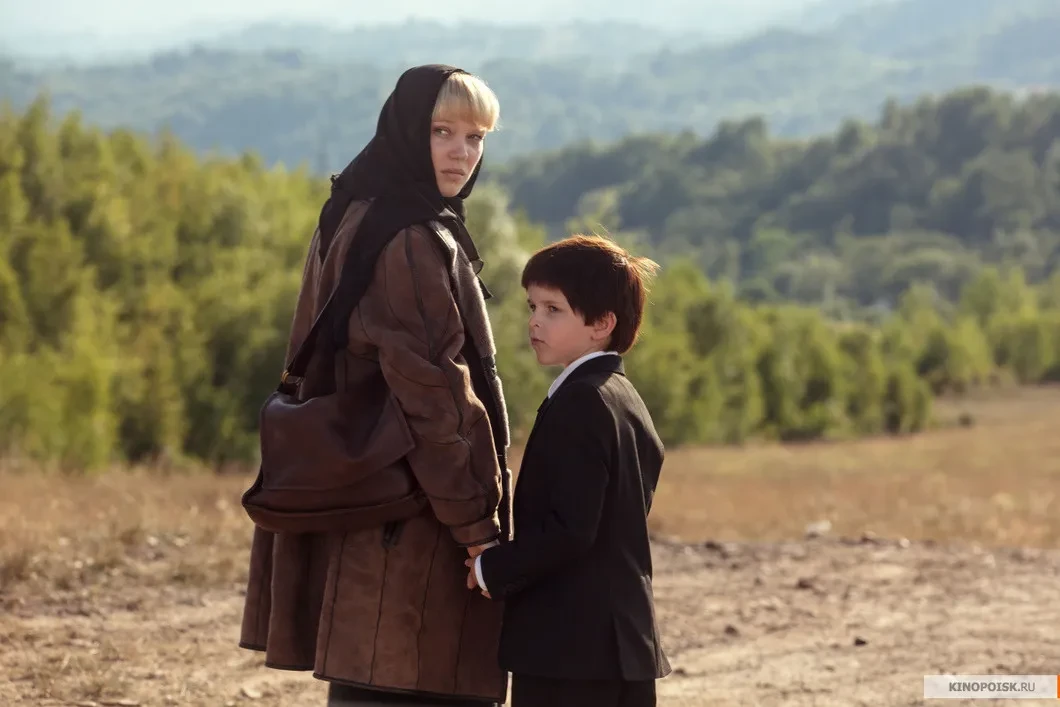
Among the heroes of the film is the little Misha, who dreams of becoming a submariner, like a dad Captain Averin (the real Kolesnikov had no children). Part of the story is told from the point of view of Misha. The prologue and finale were shot in a special format 4: 3, as if revived photos from the home album - they have an almost idyllic “coastal” life of his parents. But as soon as Kursk goes into the cold gray sea, a heroic widespread disaster begins.
“Kursk” is a sad ballad about how submariners tried to survive. About an attempt to save them, about the criminal inaction of the authorities. Starting like an ordinary Hollywood craft, in the spirit of the on-duty film-catastrophe, the picture is gaining a degree of tragedy along the way. Following the MUR and other journalists, the authors of the film come to the fact that the death of the sailors is primarily to blame for the command of the Russian fleet, which did not allow foreign vessels to provide urgent assistance. The Norwegian Admiral (Colina Fert, in addition to nobility and sorrow, has nothing to play) explains that the Russians are afraid of the theft of military secrets and therefore refuse to help. The Russian captain, ready to accept the support of foreigners, is removed from work. Own rescue vessels are either not in working condition or sold out. On one of them, tourists are taken to watch the Titanic. Pessimistic rhyme.
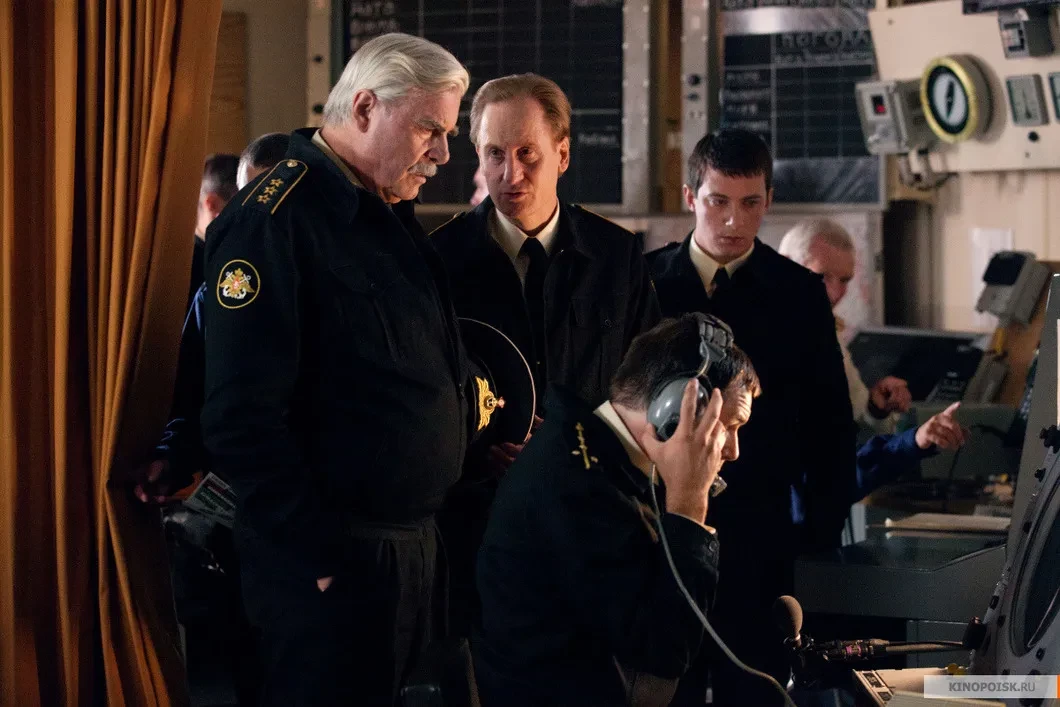
Nevertheless, Winterberg makes it clear that the chances were to survive until the last moment. They believed on this on the shore. This hope for salvation was prayed from under dark water.
Sailors say: “We will be pulled out. There will be nothing too much - everything that we would do for them, they would do for us. ”
The bureaucratic dead man, the rusty bureaucratic machine is personified by Admiral’s grandfather performed by Max von Tyudov: his servile inaction and kills everyone.
In vain, the wife and mother of submariners will fight for their lives in the offices of military leaders and at the sensational press conference, and in vain to convince them to find a way out of the catastrophic situation. In the finale, the boy Misha will not give a hand to the admiral, and on the screen there will be a titer about seventy children left without fathers after the death of the Kursk crew.
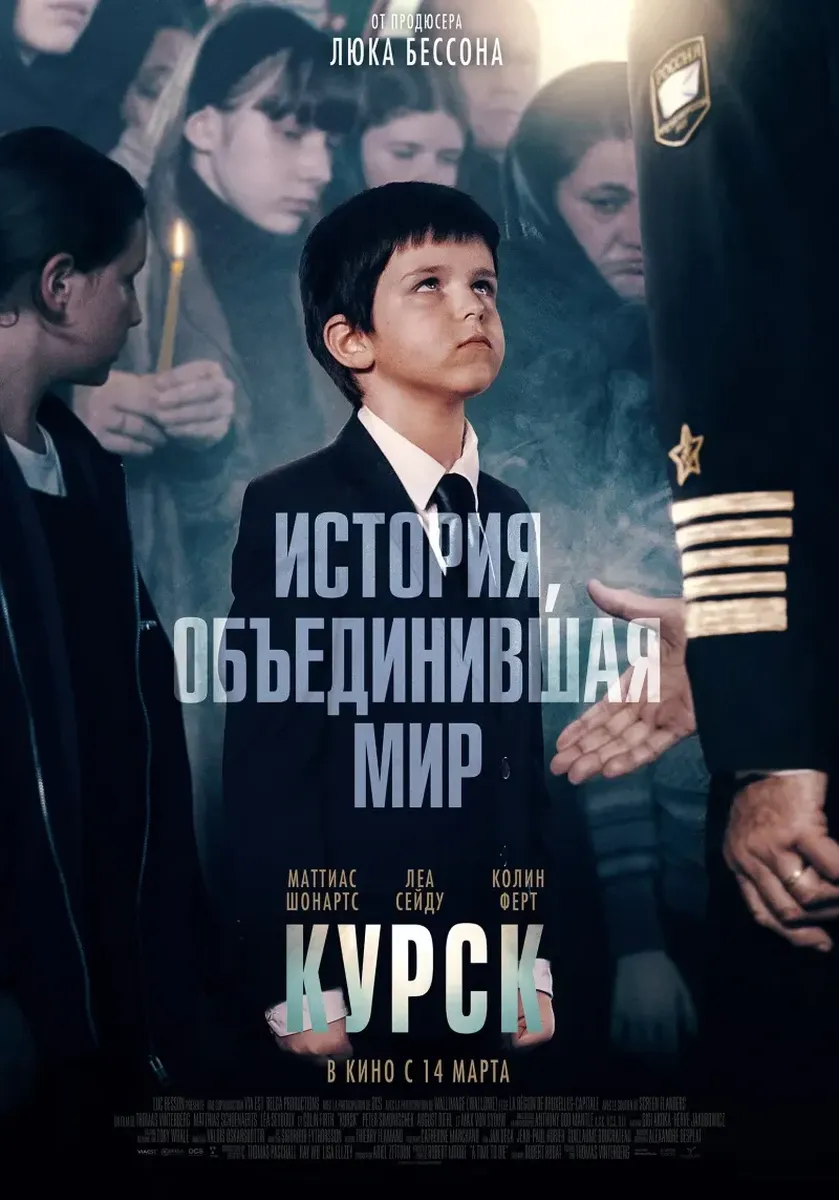
It is unfortunate that the film did not turn out to be truly voluminous, causing sympathy with tragedy. Although I have no doubt in the sincerity of its creators, we note the most famous professionals. Director Thomas Winterberg is one of the co-authors of the Dogma-95 manifesto, the creator of excellent films “Dear Wendy” and “Hunting”. The script was written by the author of “Save Private Ryan” Robert Rodat, the operator - the Oscar Laureate Anthony Dod Mantle (he creates an unbearable claustrophobic atmosphere in which the sailors try to breathe, although there are less and less oxygen), composer Alexander Despla. Wonderful actors were shot in the picture, in addition to Sudov: Lea Seyd, Matthias Shonarts, Colin Fert, Stellan Skarsgard, Michael Nyukvist.
But, alas, their heroes do not have enough scale, psychological reliability so that we can really sympathize with them. As for cranberries ... The film was planned to be shot in Russia with the participation of the Russian side. In September 2016, shooting was supposed to begin. The Russian Ministry of Defense became interested in the idea, promised cooperation with the crew, but subsequently refused, referring to the secrecy of the materials. Just like in the film. I had to shoot at the naval base in Toulon, in Belgium and Norway.
One of my colleagues, criticizing Winterberg’s picture, exclaims: “Why do foreigners make films about us at all? About our tragedies, about our failures and our grief? "
But why do we not remove genuine tragedies and dramas from our history? Why are we reveling only in stories about tanks or Vasilisa Kozhin?
You can thank the creators of this ambiguous picture for remembering our national misfortune 18 years ago. About the dead Russian sailors, about their children, about everyone who hoped for salvation. And those who still hear a knock from dark water at night.
In the meantime, Russian film-approvals will still be carried away by plots about glorious exploits, we will see foreign films about Beslan, Nord-Ost and our other tragedies, which are actually not only ours-the whole world.
PS
Many doubted, but the Ministry of Culture issued a rental certificate of the film. According to Vladimir Medinsky, "despite the opinions of some experts who called for this not to do." “It is unpleasant to watch,” the minister said, “but this is not a revelation. We already know it. We also know that the then new leadership of the country undertook to correct this situation. We know that today we are rightfully proud of our army and fleet. As in the best times of Russian history. ”
But the Ukrainian authorities banned the rental of the film due to the "propaganda of the Russian armed forces." This was reported by the press service of the company "Exhibit Movie". "Propaganda of the Russian Armed Forces"? However, when they say guns of ideology, muse and common sense are silent.