
Translated material
"Forgive us, killed!"
Entire families disappeared in the taiga, as if these people were not at all. Their graves are nameless, there is not a single entry about them in the books of registration of burials, they are generally anywhere, in any lists. As if someone consciously tried to destroy even the very memory of these people. And it almost succeeded. The fate of hundreds of thousands of the so -called "specialists" (special settlers) remain unknown. Officially, even now they are often refused to recognize the victims of political repression. In the village of a wand of the Tomsk region, local residents discovered the nameless cemetery of those who were exiled here during the years of large terror of the "fists" and other "socially dangerous elements". Disputes about what to do with this mass grave split the inhabitants of the stick.
Watch the next film by Denis Bevza from the cycle "Keepers of Siberia".
The remains of people come right to the surface. The probe with which the search engines work is constantly stumbled upon something solid, a dull sound is heard.
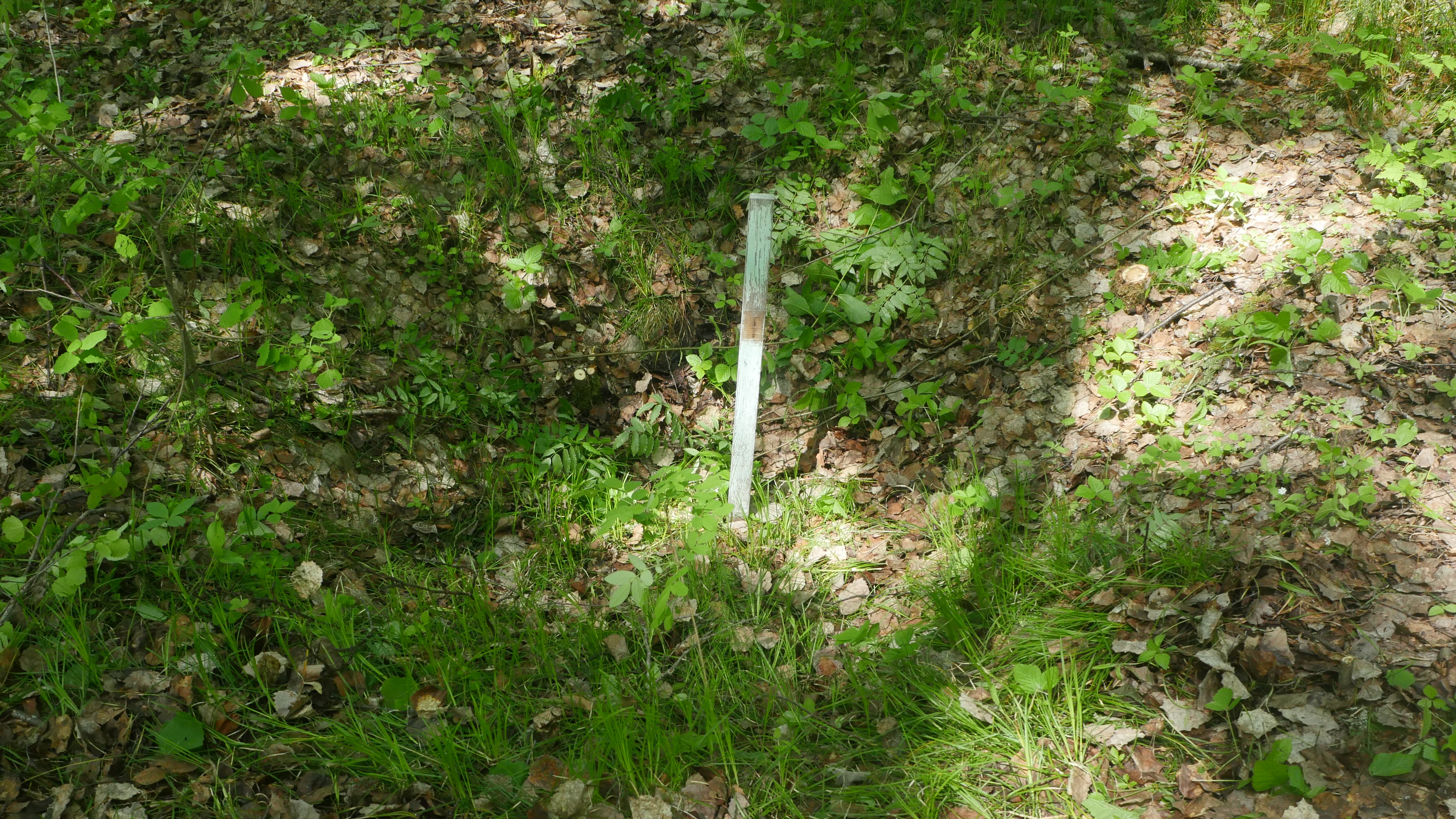
“This is a bone,” says Maxim Yelezov, commander of the search squad “Patriot”. “I have been raising the soldiers of the Great Patriotic War for fifteen years.” And absolutely clearly I can distinguish the knock of the probe about the bone from any other sound. And the density of the soil around the remains is different.
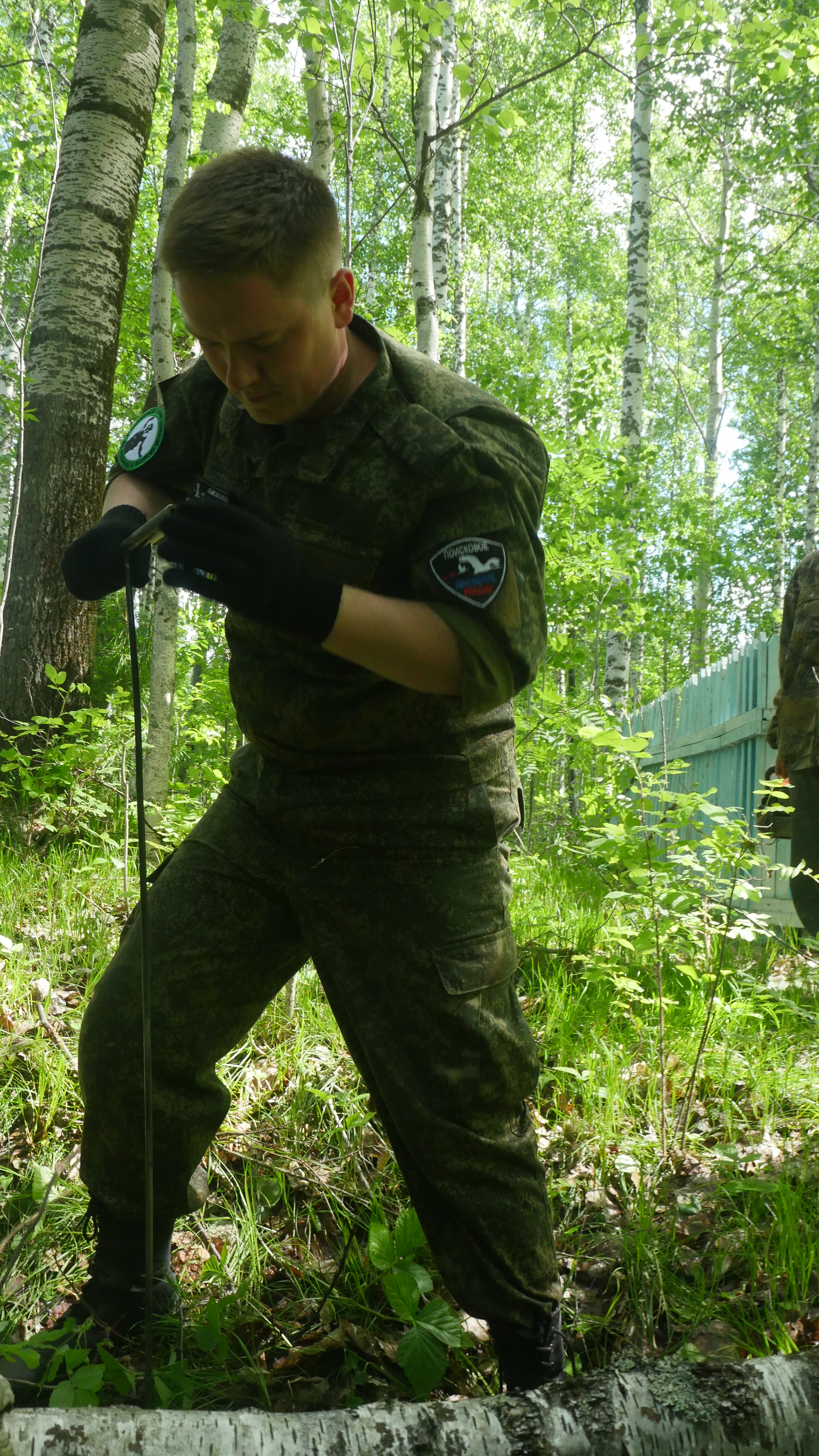
For the first time in its history, the Patriot detachment does not work at the battles, but in the deep rear. Residents of the village of a stick of the Tomsk region Irina Yangchenko and Gulnara Koryagin asked the search engines to check: whether mass burials are really around their village.
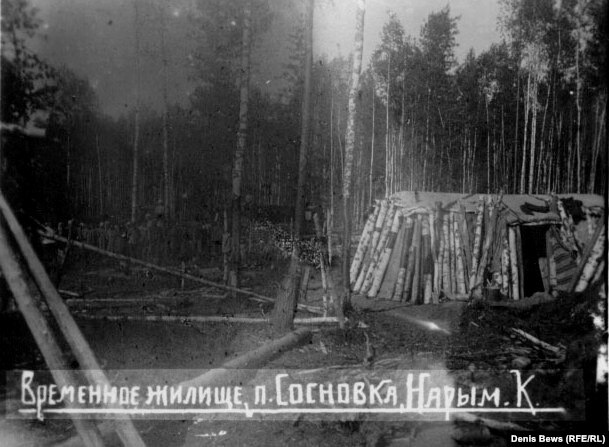
The modern village of the wand was formed as a result of the merger of the four settlements: Suigi, grooves, Gorodets and old wand. All four settlements were created on the territory of the Narymsky (Northern) District as a special settlement for exiles. The Narymsky district itself in 30–40. The last century was part of the Siberian correctional labor camp.
“In the spring of 1931, a barge with“ dispossessed ”peasants came here,” says a resident of the sticks, the local historian Gulnara Koryagin . - Seven thousand eight hundred people were unloaded ashore. This is more than the population of our district center, the village of Bely Yar. And after a year and a half, seven hundred people remained.
The fate of the seven thousand special settlers disappeared in the taiga is still unknown. They say that more than half of those sent to a stick in the very first months died of hunger.
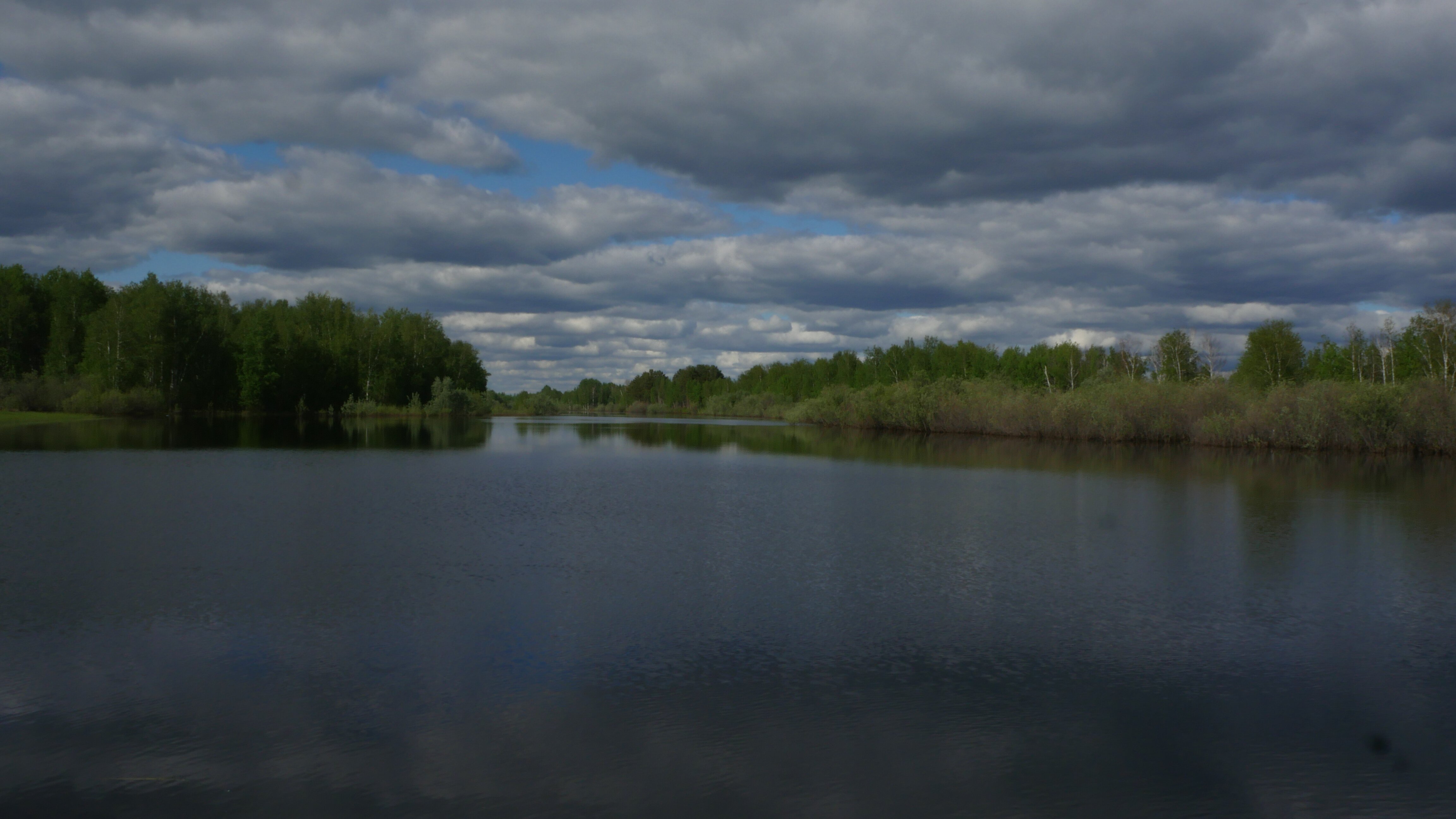
“I wanted to eat all the time,” Ilya Fedorovich Bedarev recalls, a five -year -old child he fell into a wand with his parents, peasants from the Altai Territory. -Somewhere you will clamp the grass, sing-that’s all. On the banks of the river, Ros Roseknik. The berries have just begun to tie, and we already cut them all off and ate them. They ate people. My daughter ate her mother. Mother died, and the daughter hid it from the commandant’s office to get a ration on her when the term is suitable. And then she could not stand it and began to cut off a piece from her and eat.
- She was condemned in the village?
- But who will condemn. All hungry went. Everyone was not up to it. And then, after a couple of months, the daughter herself died.
“Mom told,” says Nina Nikiforovna Markova, the daughter of the sedentary migrants, “one woman in the village had many children.” She herself went like a skeleton: some bones. And her child is all swollen, the stomach is large, the legs are swollen - the dropsy has already begun. He sits sways and the same word repeats: "Ist, Ist, Ist." And nothing more, only this "Ist". And so it went on for a long time. As a result, this woman could not stand it, took a rolling pin, as she gave and killed her child. Mom says, right before our eyes she took and killed.
- You can understand today what you did with these people, how they brought them to such a state?
-This is some kind of absurdity.
In the 30s of the last century, 11 orphanages appeared in the Narymsky district at once. Never before that and never after that in the Tomsk region there were so many orphans.
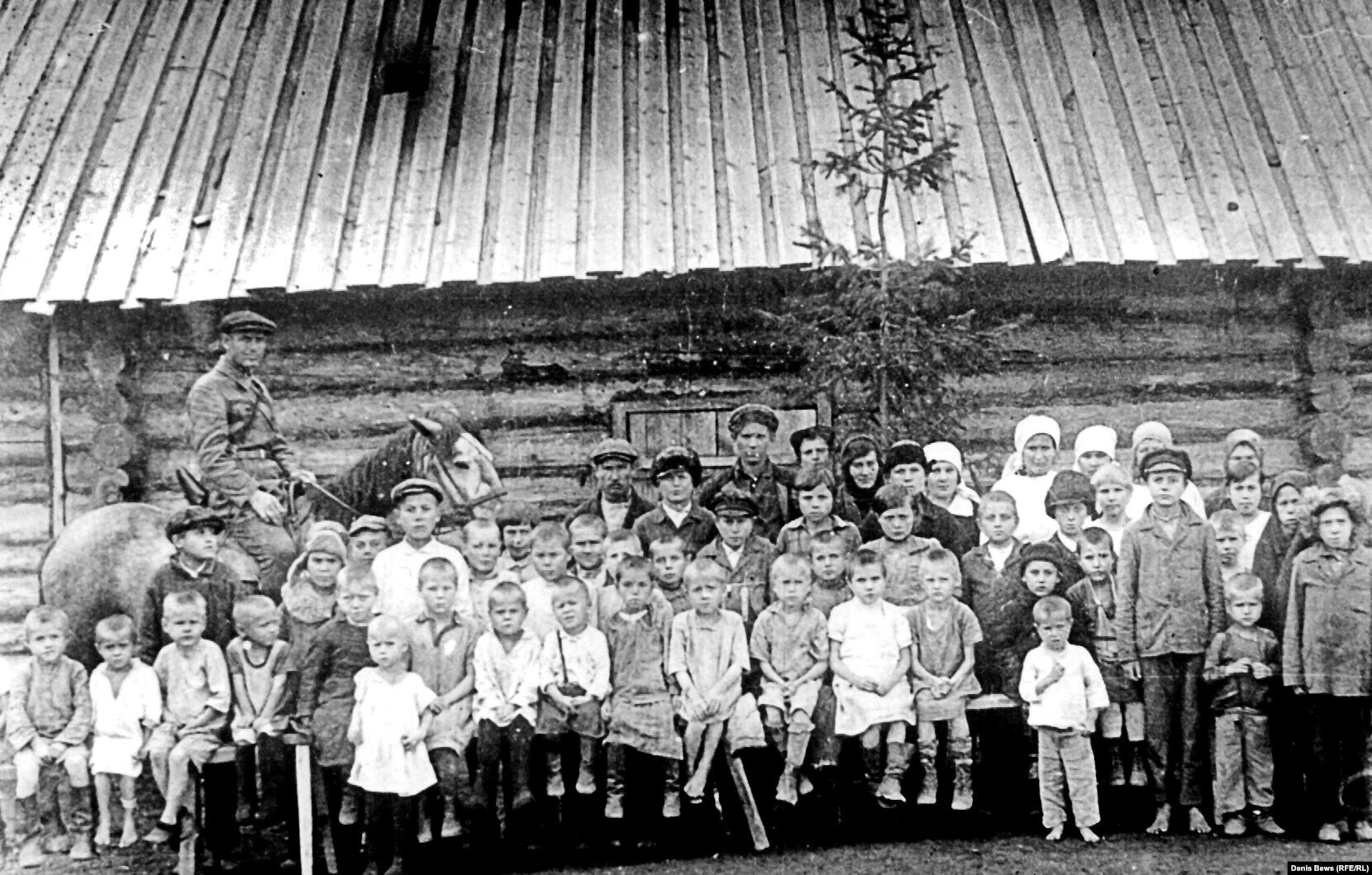
“When I moved to the village of a wand, my friend asked me to find the graves of her grandparents,” says the local historian Irina Yangchenko . - I asked the locals, but they could not say anything. Until I met an elderly woman, she took me and Gulnara for the village, stood in the middle of the field and said: "Here is the cemetery here too. And we are in the cemetery." It is scary when you see that the place of mass burial is overgrown with forest. There should be a monument to stand, not pine trees. We want to enclose this territory so that people do not go along it, the cattle are not grazing. And install at least some memorable signs. Suddenly it will be possible to find out the fate of the people buried here. Suddenly relatives want to come to the graves of their ancestors.
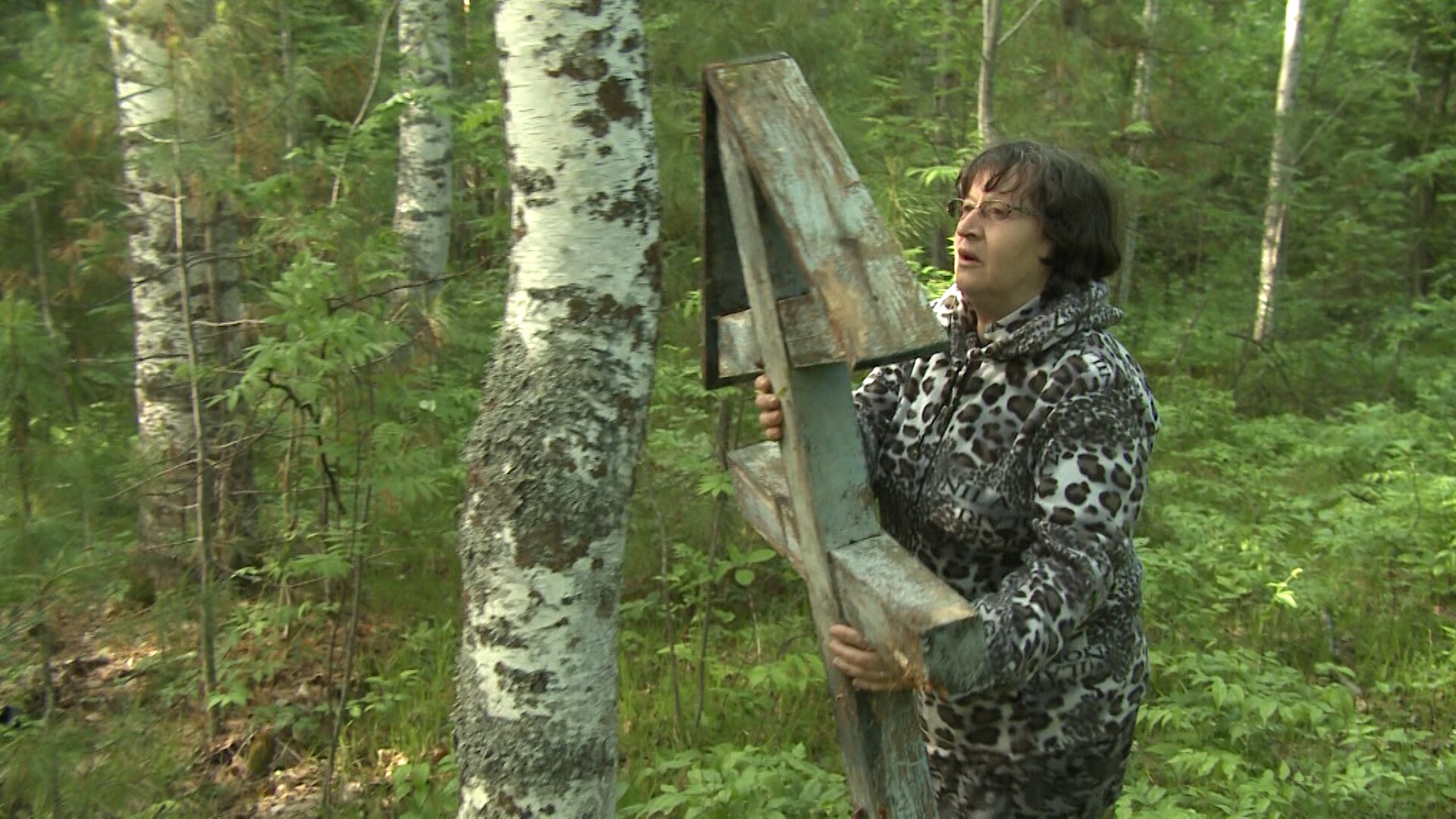
“Everyone tells us: you started late,” says the local historian Gulnara Koryagin. - Already everyone died, no one can show you or tell you anything. But, thank God, people who remember those events are still alive.
In just a couple of days of searching, the fighters of the Patriot detachment discovered more than a dozen fraternal burials and a plot of underwear with an area of half a heGETAR, where the remains lie on the surface.
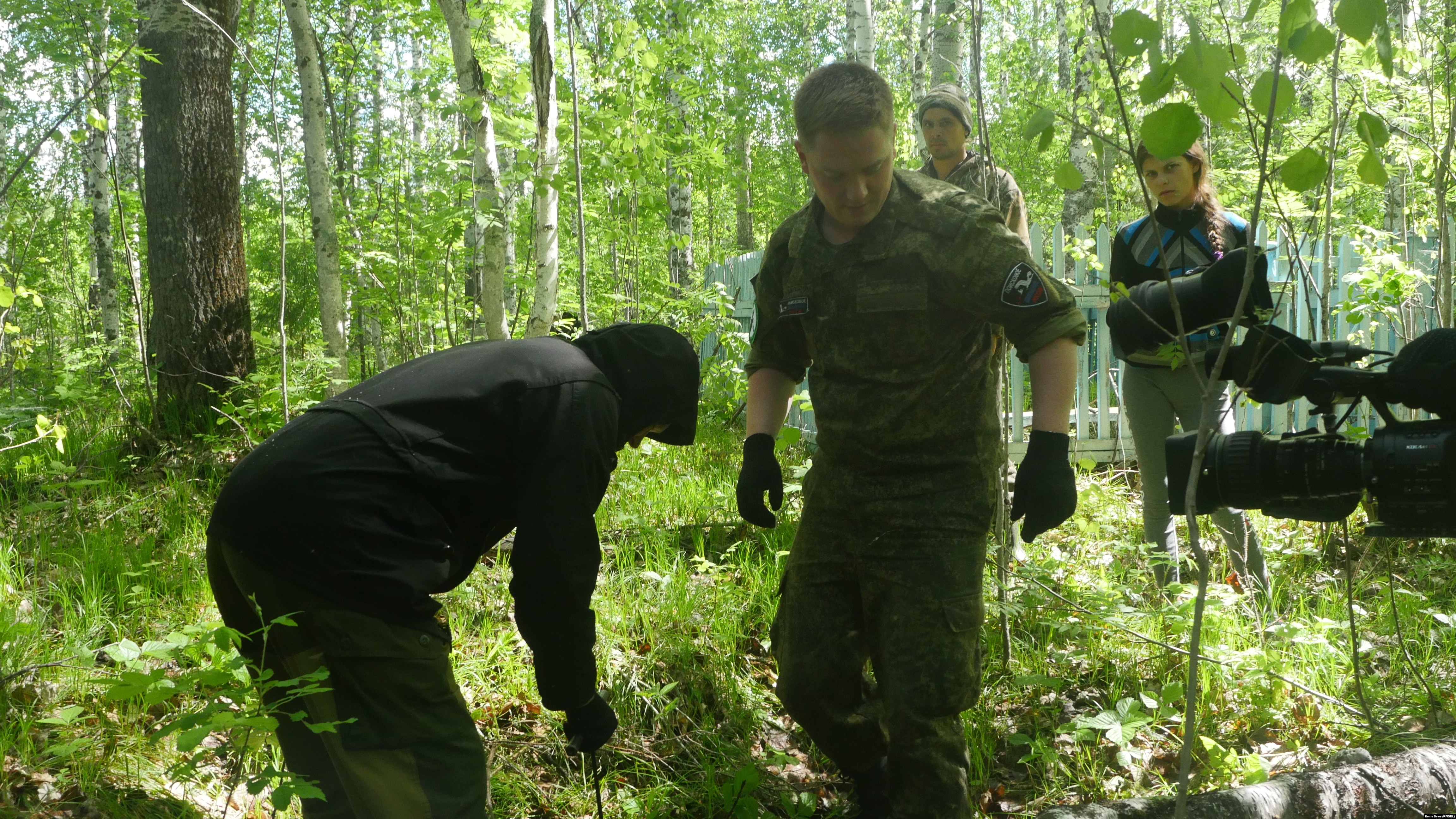
“The depth of the occurrence is 80, 40 and even 10 centimeters,” shows the commander of the search detachment Maxim Yolezov. - It is clear that at such a depth, no one buys people. When we first found bones here, the locals were just in shock. They graze cows here, walk literally on skulls.
“There is a feeling of horror,” 22-year-old search engine Vladimir Cherkashin shares his impressions. - We are used to seeing this only in combat regions. We were warned that mass graves could be here, but I did not expect that there would be so many of them! In the European part of Russia, in the place of battles, a similar situation can be explained: there was a war. And there was no war here, but the consequences are the same. And this is in Siberia, at our house!
Nobody buried deeply. In the evening, the bodies of the dead were left, they did not dig, since there was no strength left
“There was no strength to bury people,” Ilya Bedarev recalls. - My older sister was put in a drill for three days for refusing to dig graves. And she just was exhausted.
“Nobody buried deeply,” continues Claudia Filippovna Bedareva , the wife of Ilya Fedorovich. - In the evening, the bodies of the dead were left, they did not dig, since there was no strength left. During the night, the living will rest a little, go to work in the morning and dig up as much as enough. There were a lot of living creatures then, so she climbed, pulled her bodies. Therefore, the bones and skulls were pulled along the taiga.
“Bears came to the cemetery, they ate people,” says Ilya Fedorovich.
“If you do humanly, then these remains must be betrayed by the Earth,” says Maxim Yelezov. - But for this you need permission from local authorities. And here in the administration something is incomprehensible to us. Therefore, neither to dig or reburrowing, we did not.
“History should be true,” the head of the Verkhneketsky district of the Tomsk region, Alexei Sidikhin , expresses his position. - Now it has become fashionable to identify various excesses of that era. All "special migrants" are trying to reckon to the victims of the "Stalinist repressions." This is wrong. This is another category of convicts.
- When you say "another category", what do you mean?
- That not all of them are innocent sacrifices, most of them are to blame.
- What?
-I don’t know who exactly lies there and under what article, but I’m completely sure that any state cannot just take an innocent person from the street and send him somewhere. Know who is buried in a stick is necessary. And it is too early to erect monuments to them. I think this time has not come yet. Or never will come.
Alexei Sidikhin expresses his position openly, does not hide for press releases, does not run from journalists, as is now accepted by officials of different levels. The unwillingness to recognize special migrants with innocent victims is Sidikhin's fundamental position. And he is ready to defend her.
The time was very difficult then, it was necessary to build a new state. And there were enemies who set people against the new state
“When such a super -state was created as the USSR was inevitable,” continues Alexei Sidikhin. “But to say that everything was wrong there, I can't do that.” And in our time, a number of examples can be given when they condemn the innocent. All with whom I communicate through life, with great gratitude, remember what was created in the era of the USSR, and we understand how much this we got all this. Yes, perhaps somewhere innocent were injured. But you can’t cross out everything done because of this.
The position of the head of the district is also shared by part of the inhabitants of the village of a wiper.
“We have such comrades who really want a lot of innocent to be executed by Comrade Stalin,” says Marina Vilisova, a former history teacher of the village of Palekoy. - Allegedly too many millions of innocent suffered. The time was very difficult then, it was necessary to build a new state. And there were enemies who set people against the new state. But they were not killed, but they referred here, they were given the opportunity to live. Yes, there were many exiles, and there were many deaths. But it was necessary to preserve the state, as at the moment. And I am glad that Vladimir Vladimirovich Putin does this.
“It was necessary to unite the peasants so that they worked in one place,” says a resident of the village of a wand Sergey Koryagin . - All these are not fools. It’s just that later they went too far a little wand.
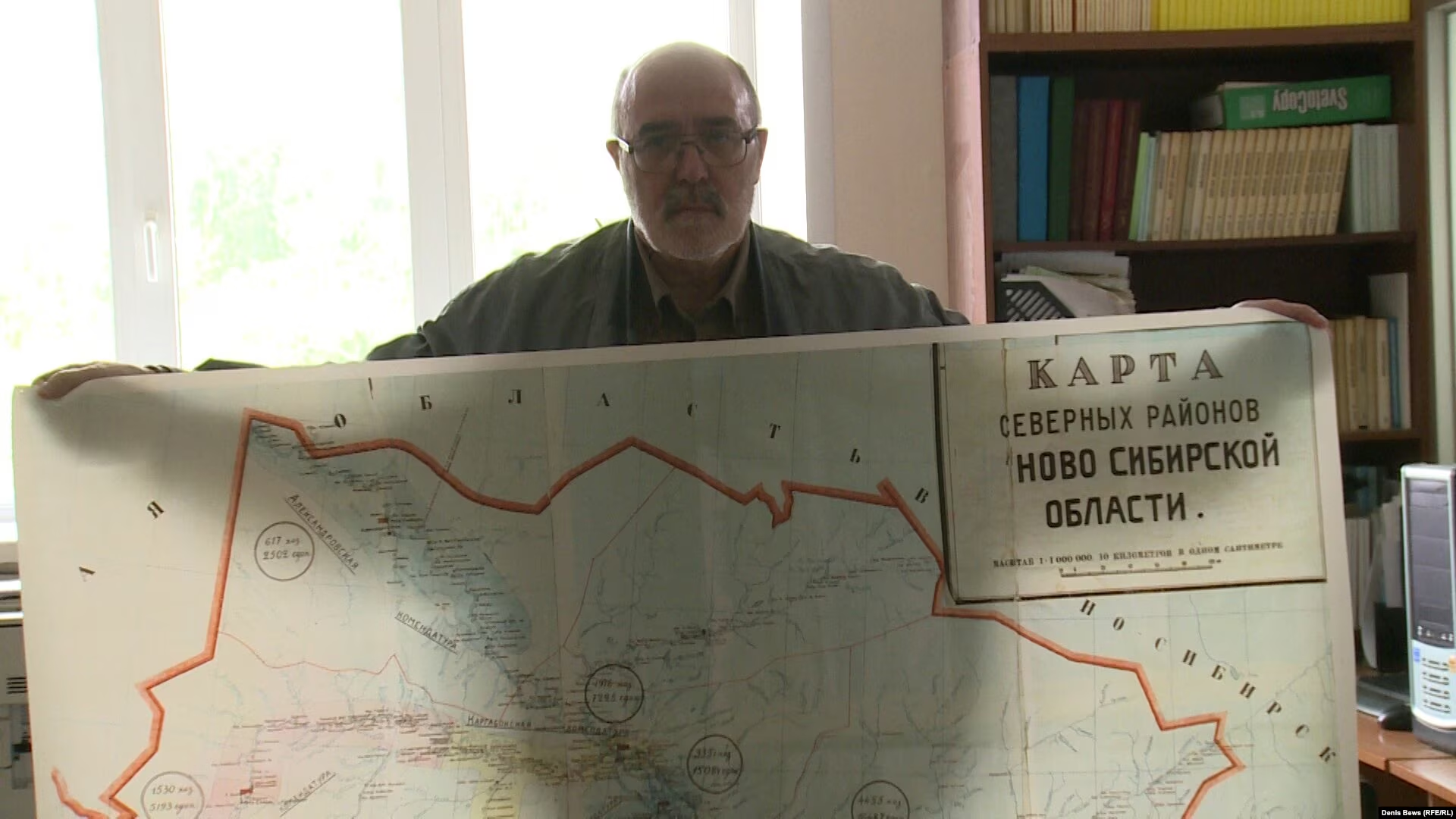
- This is a war of memory. The war of the memory of some people against the memory of others, ”says the doctor of historical sciences, the author of scientific papers about the peasant exile" Sickle and Moloch "," Roots and chips " Sergey Krasilnikov .
He himself was born in the family of special settlers, but he realized the scale of the tragedy of the peasant exile, already being an adult when he first saw the map of the northern territories of Siblag in the State Archive of the Novosibirsk Region.
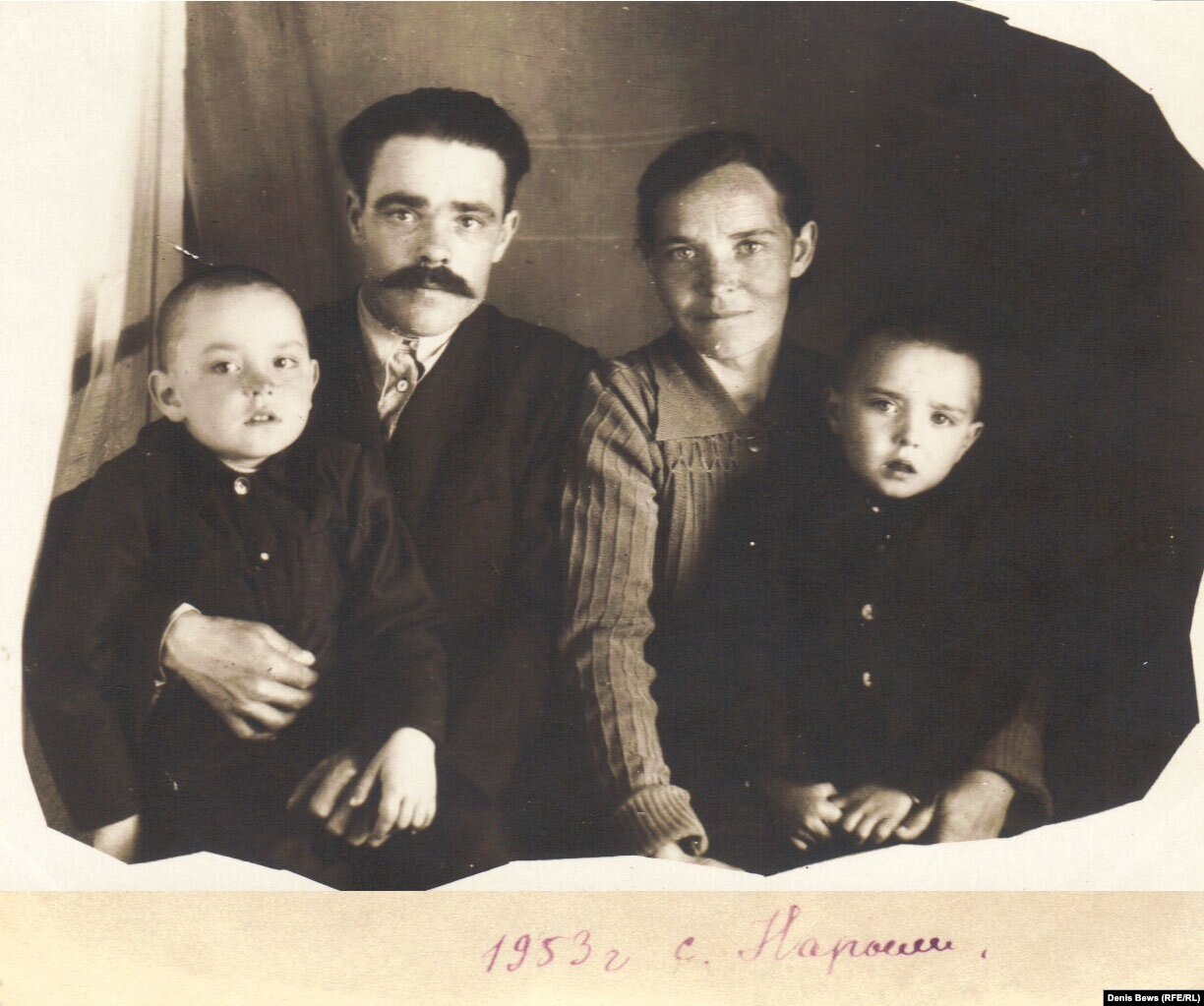
- Everything that happened to me and my family, I suddenly saw on a geographical scale and realized that I was in the center of a huge tragedy, which can be understood only in categories comparable to the categories of the tragedy of the Great Patriotic War. I still can’t choose the exact scientific term. But I would call this a war of power and regime against my own people. In the USSR, about six million people were convicted under political articles. And six million three hundred thousand were deported for various reasons. At the same time, every tenth special settler was deported to the Narymsky district.
- What was the mortality rate among the exiles?
- I can name the lower border: at least 10% of the total number of exiled. That is, at least six hundred and thirty thousand died throughout the country. This is the figure that I can justify. It is possible that it can be increased to a million. But the point here is not the absolute values. Whatever the final figure is - this is a tragedy, because adults, children, and old people died.
- What could have happened in a stick?
I would call it a war of power and regime against my own people
- In 1931, full chaos reigned in the Narymsky district. Only in 1932, special settlers began to be registered in local registry offices. We cannot operate with accurate numbers. But we can correlate data on a stick with average indicators. The commandant’s offices recorded the "decline of the contingent." In 1930, for some commands, it could reach 70%. But this does not mean that all these people were dying. Approximately 10% of the total number of "reserved" were transferred to other commandant's offices, sent to prison or allowed to return home. They fled up to 30%. Speaking of mortality, you can try to draw an analogy with mortality in prisons. In 1932, she was the highest and reached 15–20%. But so that the decline reaches 90%, as in a stick, I did not hear about this. There is information about another - "Nazin tragedy." On the island, which will later be called the island of death, landed in six and a half thousand people. And when a month later they began to be transported to special settlements, it turned out that two and a half thousand people died or were killed. "Nazinsky tragedy" was resonant. Information reached Moscow. An investigation was conducted. Several people were punished. Dozens of documents have been preserved. For all the time of work with the archives, I did not come across information that seven thousand people reached in some separate special settlement. There are statistics on the dislocations of special settlements and on commanders as a whole. According to this summer in the summer of 1931, 4 special settlements (wand, Suga, Gorodets and groove) were brought in a maximum of 5.5 thousand people. Then - in statistics, failure. Even if the mortality was half, then this is 2 and a half thousand people. This is the maximum permissible figure. In reality, when you take into account the factor of epidemic diseases of the summer of 1931, then the lower limit of mortality is 1,5 thousand. I would speak carefully about these figures: at least 1.5, a maximum of 2.5 thousand.
For more than a year now, Irina Yangchenko and Gulnara Koryagin have been working with archival documents. With the help of books registration books, several dozen names managed to set. The data for 1931 has not yet been found. It was this year that the peak of mortality came. About a hundred more names were found in the archives of orphanages.
“If we find information that the child died or got into the orphanage, then his parents should be somewhere,” explains Irina Yangchenko, “he could not get into the Narymsky Territory alone.”
A breakthrough in the investigation of the tragedy of the sticks occurred completely unexpectedly.
“We knew from the old-timers that in the 30s, peasants from the Altai Territory were referred to us,” says Irina Yangchenko. - All our attention was concentrated on the archives of the regional center, the city of Barnaul. And quite by accident, we called Biysk, asked you have something. We were told that there is some daddy. We took a chance and drove away. We come, and we are taken out by two boxes with documents. And there are lists for expulsion on all village councils of the Biysk region.
By that time, Yankhenko and Koryagin were already able to set more than a hundred names. The collected data coincided with information from folders. This was confirmed by the fact that it was from the Biysk region that the peasants were sent to the wand. In the 30s of the last century, residents of the same village, as a rule, were deported in one stage. Thus, it was possible to set the names of more than thirty villages.
“In 1931, my grandfather and grandmother fell under the dispossession,” says Valentin Slustunov , daughter of special settlers. - First they took his grandfather. When he was taken away, he said: "Do not worry about anything, I am not to blame for anything. They will figure it out there, and I will return to you soon." But he never returned. We still do not know anything about him. A few months after the arrest of my grandfather, my grandmother with a three -year -old child (my father) was sent to the Narymsky Territory. One, without her husband, she could not survive there. The group of exiles prepared an escape, and they took it with them. We walked at night. They were afraid to breed bonfires, as they were hunted by guards with dogs. They caught up, beat. Once in the taiga, they stumbled upon a dead woman. And a three -month -old child crawls along it. Hungry, screaming. On the way, my dad constantly cried, asked to eat. All that my grandmother managed to find, some kind of berry or grass-she gave everything to him. And she was hunger. Twice she threw her son in the taiga. I thought that she herself would not survive, and she would not save the child. But the mother’s heart still could not stand it, and she returned after him. She was twenty -four years old at that time. Later, when the grandmother remembered all this, she cried. And her father expressed her insult: "You threw me in the taiga." To which my grandmother answered: "I myself barely held on my feet. But I did not leave, returned, took it, raised." This is a tragedy.
“Five hundred people, adults and children, were sent from our village in Narym,” says Lyubov Shibalina , the head of the Museum of the village of Lugovskoye. - They took away property, took away at home. Other people settled in these houses, opened offices, schools ... The life of the village continued as if these five hundred people were not at all.
For many years, Lyubov Dmitrievna tried to find traces of her missing fellow villagers.
- I came across lists of persons affected in rights. Opposite some surnames on the right, it was written: "Restored in rights because he joined the collective farm." That is, he gave the collective farm all his property and thus could save himself and his family from expulsion. Opposite some surnames, it is written: "It is unknown where." That is, he could be warned of expulsion, and he managed to escape, they lost him. But on the contrary, most of the names indicate: “expelled”, “expelled”, “expelled”. Where expelled is not written. But now we know that it was the village of a wand.
People affected in rights were called the "deprivation" in the USSR. Since they were deprived of the right to vote. Lists of "deprivation" began to form in 1918. In the beginning, they were included in the former royal and white officers, police officers, gendarmes, Kolchakovtsy, clergy, criminals, “persons resorting to hired work”, etc. In the same lists, all family members who had reached adulthood automatically found themselves. For children, the status of "deprived" was often inherited.
“My grandfather was a carpenter,” says Nina Nikiforova Markova , the daughter of special migrants. - At first, the family began to tax on large taxes. Somehow paid. They will only pay, they carry it again. When there was nothing to pay, they began to select grain. Then they were deprived of suffrage, and in the end they were exiled to Narym.
At the same time, local security officers in their reports to the center often complained of what "non -) contingent they sent them to master the North. For example, as follows from these reports, which exiled did not suit the Chekists:
Ekaterina Zolotareva , 81 years old. Disabled, for 25 years has not been moving without outside help. Sent from Kislovodsk as a former owner of a factory.
Popseko Maria , 18 years old. The father was arrested for wine trade, was serving a term in Novorossiysk. Maria was sent without parents with sisters for 10 years and 6 years, brothers 5 and 3 years old.
“My grandfather and his brothers made a mill, who worked until the end of the 1920s,” says Sergey Krasilnikov. - Until they were crushed by taxes. Almost all profit was removed at the expense of taxes. The fact is that the Soviet economy of the 20s turned out to be clamped in itself. После прихода к власти большевики отказались платить по внешним долгам и оказались в экономической изоляции. На них наложили санкции. Выход был только один: искать внутренние источники, увеличивая налоги. Субъектом налогообложения, как правило, становились те, кто занимался индивидуальной хозяйственной деятельностью, практически все крестьянство именно этим и занималось. Финансовые проблемы дали основания для того, чтобы запустить репрессивную машину. В 1931 году уже существовал государственный заказ на даровую рабочую силу. Заказ этот формировали крупные ведомства. Они говорили, что им нужно столько-то спецпереселенцев на металлургические предприятия, на лесозаготовки, на сельхозработы. А дальше – ничего не надо было изобретать. В сельсоветах лежали списки лишенных избирательных прав, начиная от главы и заканчивая членами семьи. Из центра спускали контрольные цифры, а в сельсоветах брали списочный состав "лишенцев" и выполняли план.
– Так до чего доходило, – говорит житель поселка Палочка Юрий Трифонов , – председатели сельсоветов соревновались, кто больше найдет у себя врагов народа.
– Потому что там, наверху, только подумают, а здесь, на местах, уже рады стараться. А сейчас разве не так? – говорит Николай Вилисов.
– Здесь уже действовали законы самовыживания, – говорит Сергей Красильников. – Если ты председатель сельсовета или секретарь партийной ячейки и не выполнил план по репрессиям, то ты сам можешь оказаться в числе ссыльных. Но не все было так однозначно. Когда мы изучали материалы, связанные с первыми карательными операциями по высылке крестьян, то обнаружили устойчивую тенденцию. Главу могли предупредить. И тогда, бросив все – скот, имущество, он вместе с семьей успевал бежать к дальним родственникам, в города, на стройки. 15–20% из тех, кого вносили в списки, они просто исчезали. Это были беженцы.
Перед высылкой у крестьян изымали имущество в пользу колхозов. За экспроприацию отвечали местные сельские советы. В разных деревнях этот процесс происходил по-разному.
– Когда моих родителей вместе с другими бедолагами сослали осваивать сибирские просторы, – вспоминает Николай Александрович Першин , чью семью сослали в Нарымский край из Забайкалья, – разрешили взять с собой на каждую семью по два пуда груза. Брали самое необходимое: топоры, пилы, продукты, которые можно было долго хранить, и семена. Я даже помню, что взяли с собой семена сахарного гороха.
Мама помнит, что начали умирать один за другим. Умирали мучительно. К 1933 году из пятнадцати человек умерли двенадцать
– Моя бабушка одела на себя несколько юбок, кофты. Вот только поэтому и удалось хоть что-то с собой взять, – вспоминает Нина Никифоровна Маркова , ее предков ссылали из села Луговское, Алтайского края. – А так отбирали все. Даже мотки ниток – и те отобрали.
– Большая была сковородка семейная, и ту отобрали, – вспоминает Людмила Шапорина , чьи предки были высланы из села Новая Чемровка, Алтайского края.
– Это не политика, это человеческий фактор, – говорит Любовь Шебалина , – люди ненавидят тех, кто живет лучше, кто живет богаче. Кто может быть успешнее.
– Мои бабушка и дедушка поженились, когда он уже был вдовцом и она вдовой. У каждого были дети от первого брака. Так вот и получилась огромная семья: пятнадцать человек, – рассказывает дочь спецпереселенцев Валентина Умрихина . – Жили на хуторе. Взрослые дети создавали свои семьи, но не уезжали, а работали вместе с родителями. Все было свое: сеялки, веялки, пасеки – одним словом, мини-колхоз.
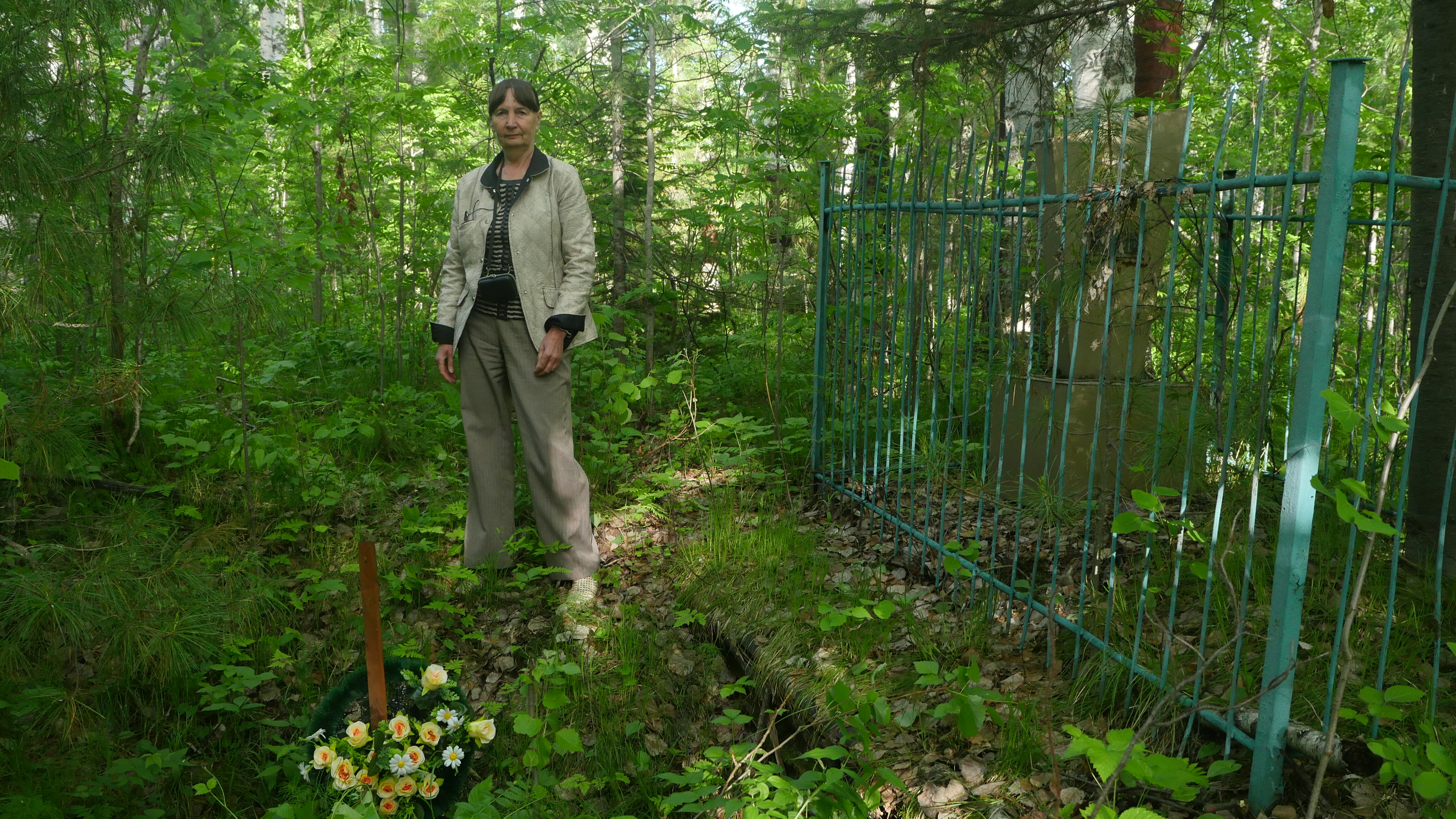
– В 1931 году их раскулачили и сослали в Нарымский край, – продолжает Валентина Умрихина. – Мама помнит, что начали умирать один за другим. Умирали мучительно. К 1933 году из пятнадцати человек умерли двенадцать. В живых остались трое: моя бабушка, моя мама и братик. Они решили бежать. Шли по тайге. По дороге бабушка скончалась. И вот два ребенка – моя мама двенадцати лет и ее братик восьми лет – остались в лесу одни. Какое-то время еще они не хотели верить в то, что их мама умерла. И двое суток они лежали в обнимку со своей мертвой матерью. Но потом все равно до детских головок дошло, что маму не воскресить, не вернуть. И они пошли дальше. Я не знаю, каким чудом, но по звериным тропам они вышли к реке. Несколько дней сидели на берегу, пока мужчина, проплывавший мимо на лодке, не подобрал их.
Я мечтала найти могилу своих бабушки и дедушки, но я даже и представить не могла, что это возможно, что это когда-то случится. И вот это произошло благодаря двум женщинам из поселка Палочка: Ирине Янченко и Гульнаре Корягиной. Спасибо вам от всей души, от всего сердца.
Василий Исаев – тоже потомок спецпереселенцев. И он также специально приехал в Палочку с Алтая, чтобы почтить память родных.
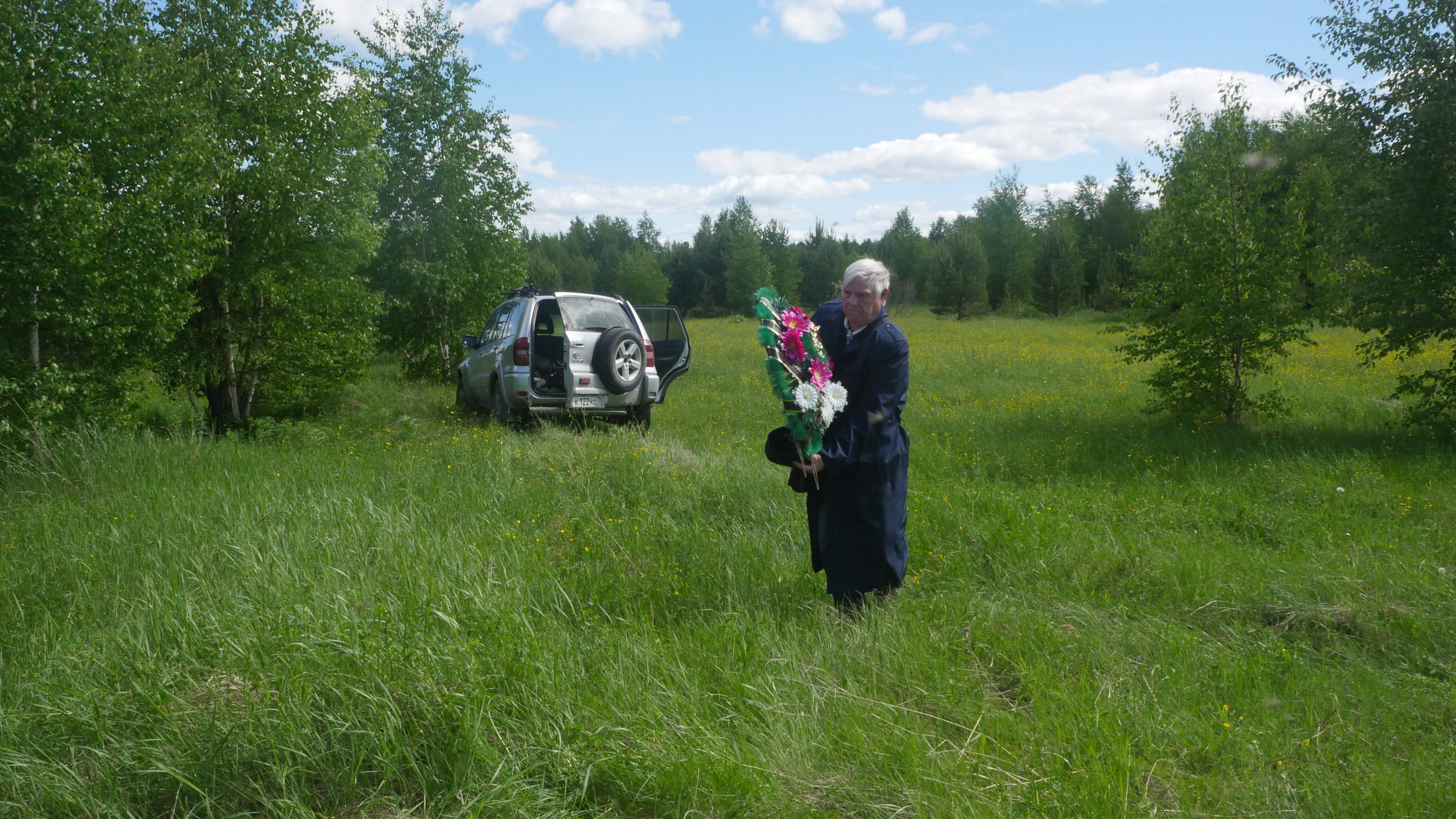
– В нашей семье сохранился поминальник. В нем – восемнадцать имен: двенадцать взрослых и шесть детей, – говорит Василий Петрович Исаев. – Раньше мне казалось, что от этой трагедии меня отделяют десятки лет и тысяча километров. И вот я оказался на месте братских захоронений. И сразу все нахлынуло. Словно эта беда случилось только вчера. Словно все эти люди и сейчас рядом со мной. Я не могу передать своих чувств. Мне тяжело говорить.
В планах Ирины Янченко и Гульнары Корягиной создать в поселке Палочка музей памяти. Если их мечта осуществится, это будет первый в России музей, посвященный спецпереселенцам. Янченко и Корягина мечтают также огородить места массовых захоронений и поставить там памятные знаки. А рядом разбить сквер Памяти.
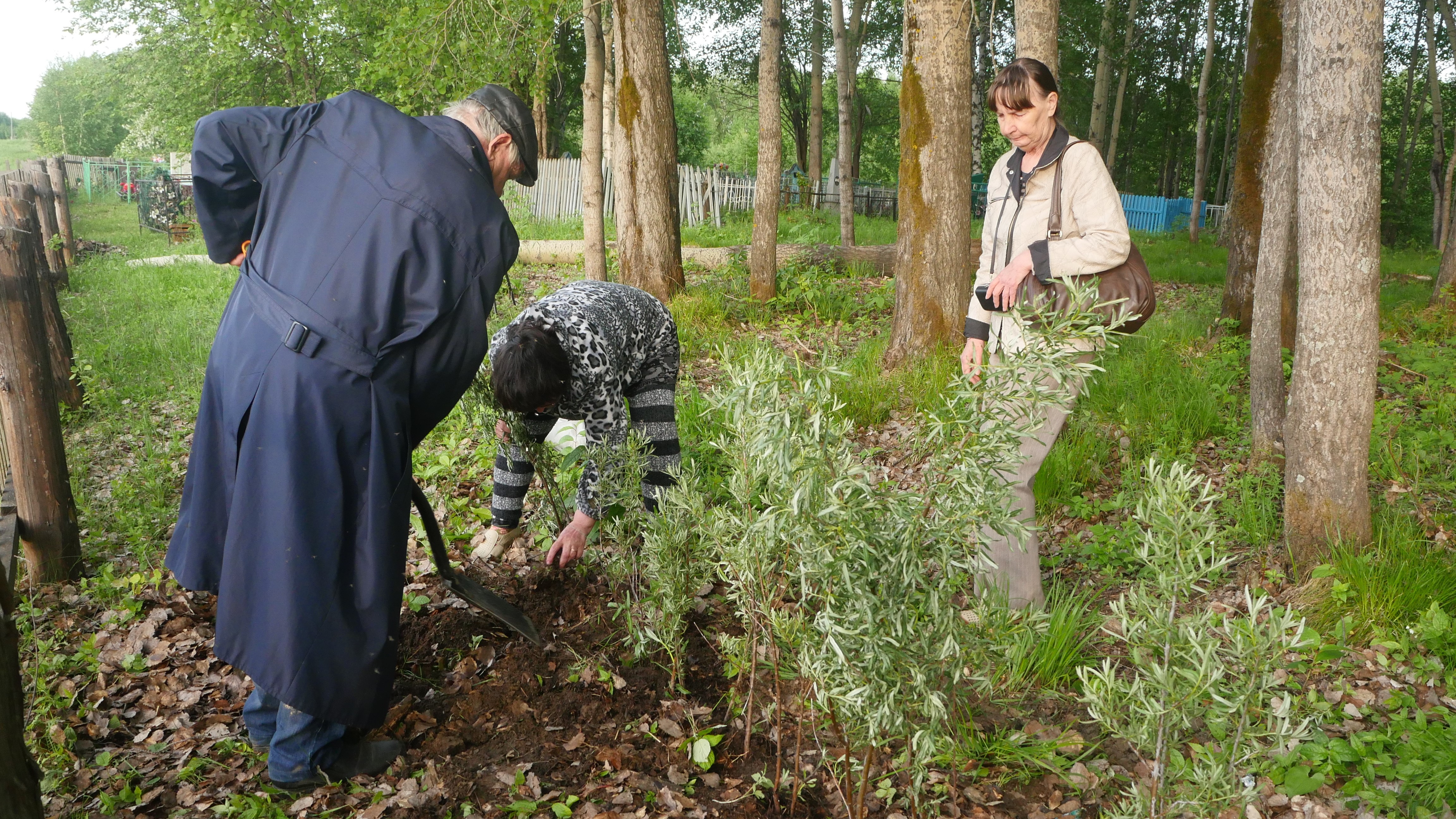
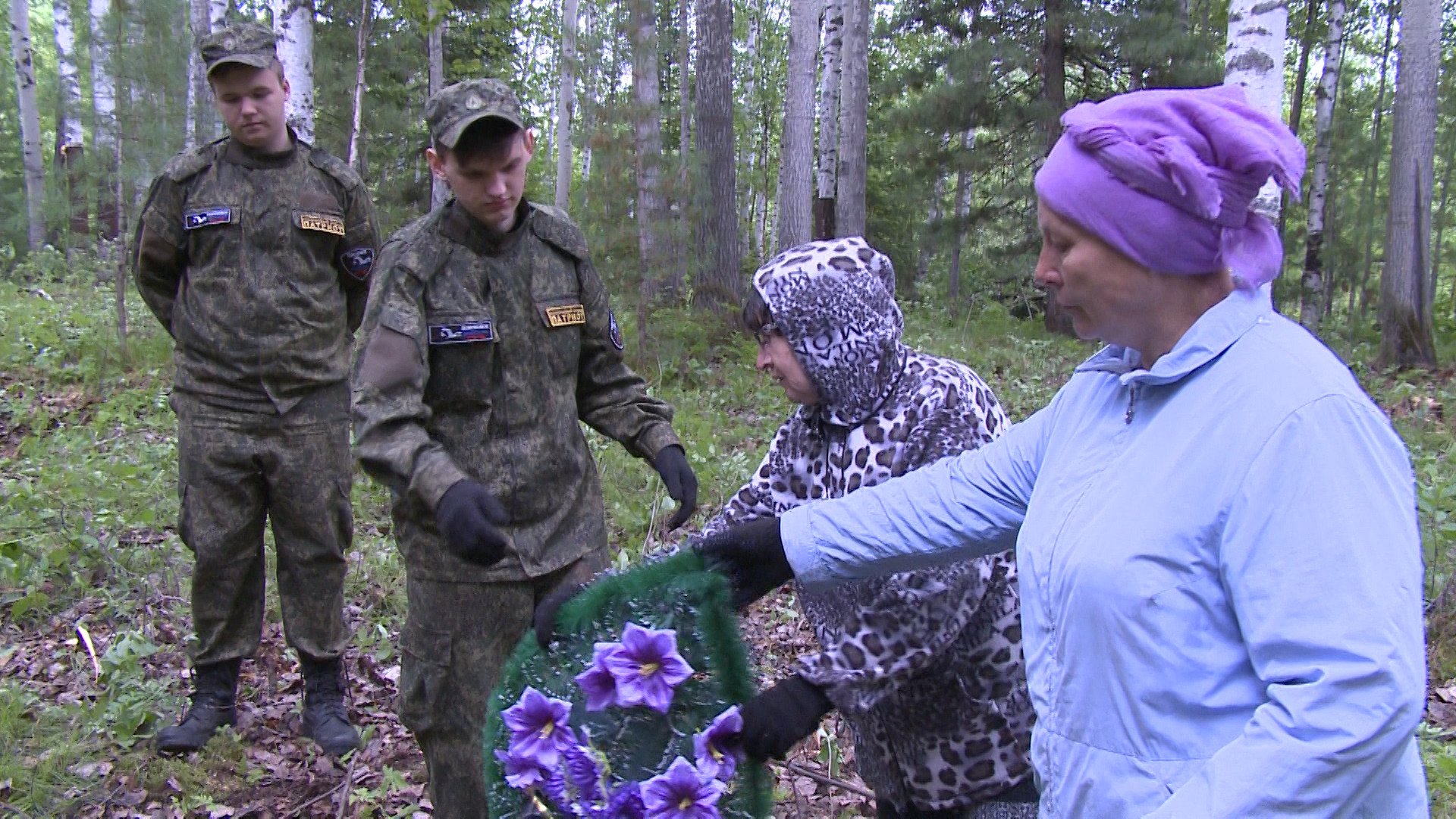
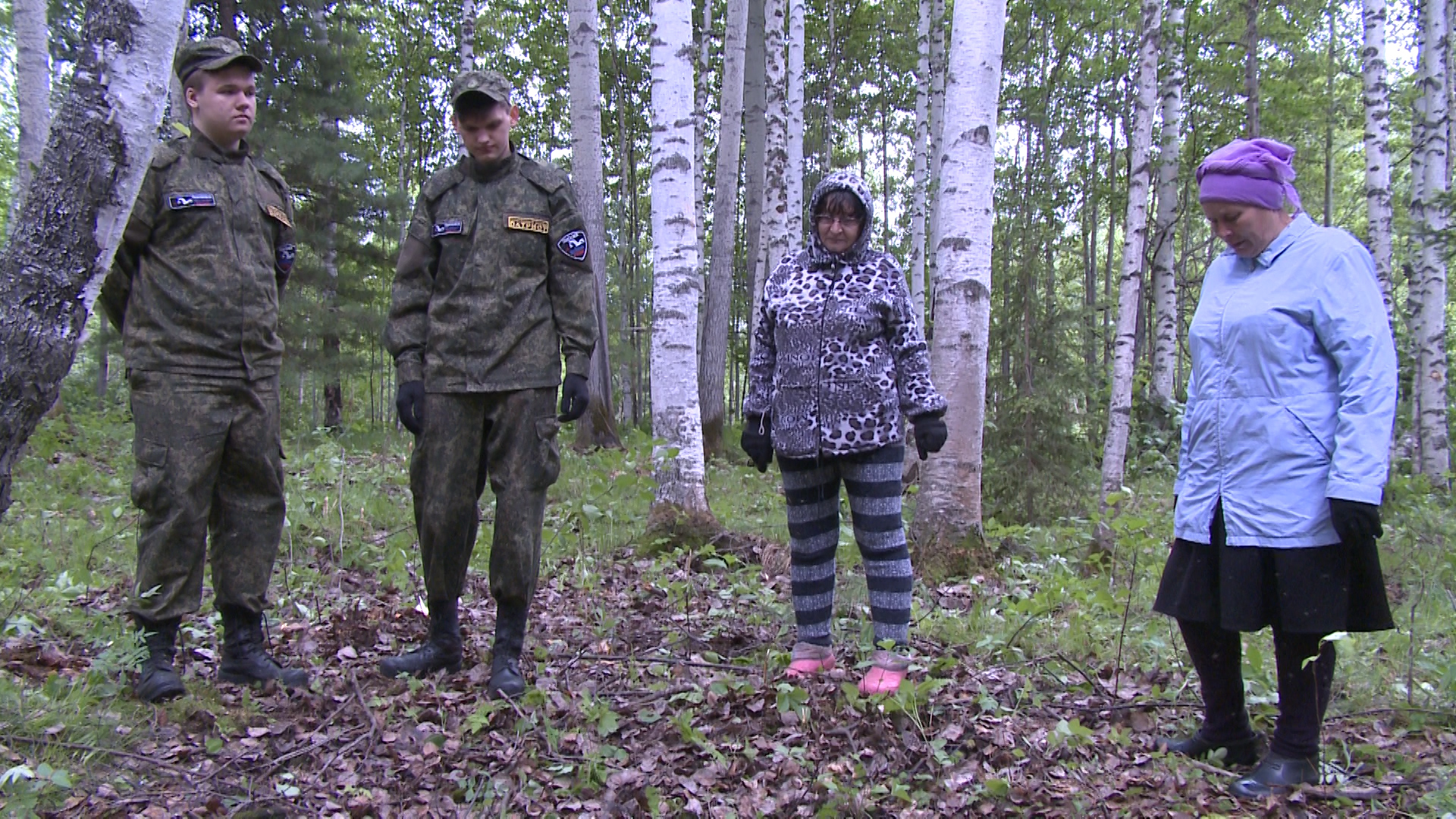
А пока Василий Петрович Исаев привез с собой кусты облепихи – символ Бийского района. Домой потомки спецпереселенцев увезли саженцы кедра с одного из захоронений Палочки. А поисковики из отряда "Патриот" в последний день своей работы в деревне вместе с местными жителями возложили венок на безымянную пока могилу. Со словами "Простите нас, усопшие и убитые!"
PS
– Если спецпереселенцы были нужны для того, чтобы осваивать Нарымский край, почему тогда они жили и умирали в таких нечеловеческих условиях?
– На тот момент наше государство оказалось ресурсным, и люди были одним из таких ресурсов. Их использовали как расходный материал, – отвечает Сергей Красильников. – Все то, что мы сегодня называем победами и завоеваниями, имело и свою обратную сторону – это уничтожение людей.
– Как показывает эволюция всего земного шара, – настаивает глава Верхнекетского района Алексей Сидихин, – там, где происходит что-то активное и энергичное, бывает, что страдают и невинные.
– Но ведь в Палочке были дети? Они за что страдали?
– Ответ на этот вопрос я для себя еще не получил.
– А что нужно, чтобы его получить?
– Я не стремлюсь. Для меня на сегодняшний день есть более важные вопросы, чем ворошить прошлое. Я на своем месте сижу. И мне нужно готовить почву и фундамент для будущего и нормального настоящего.
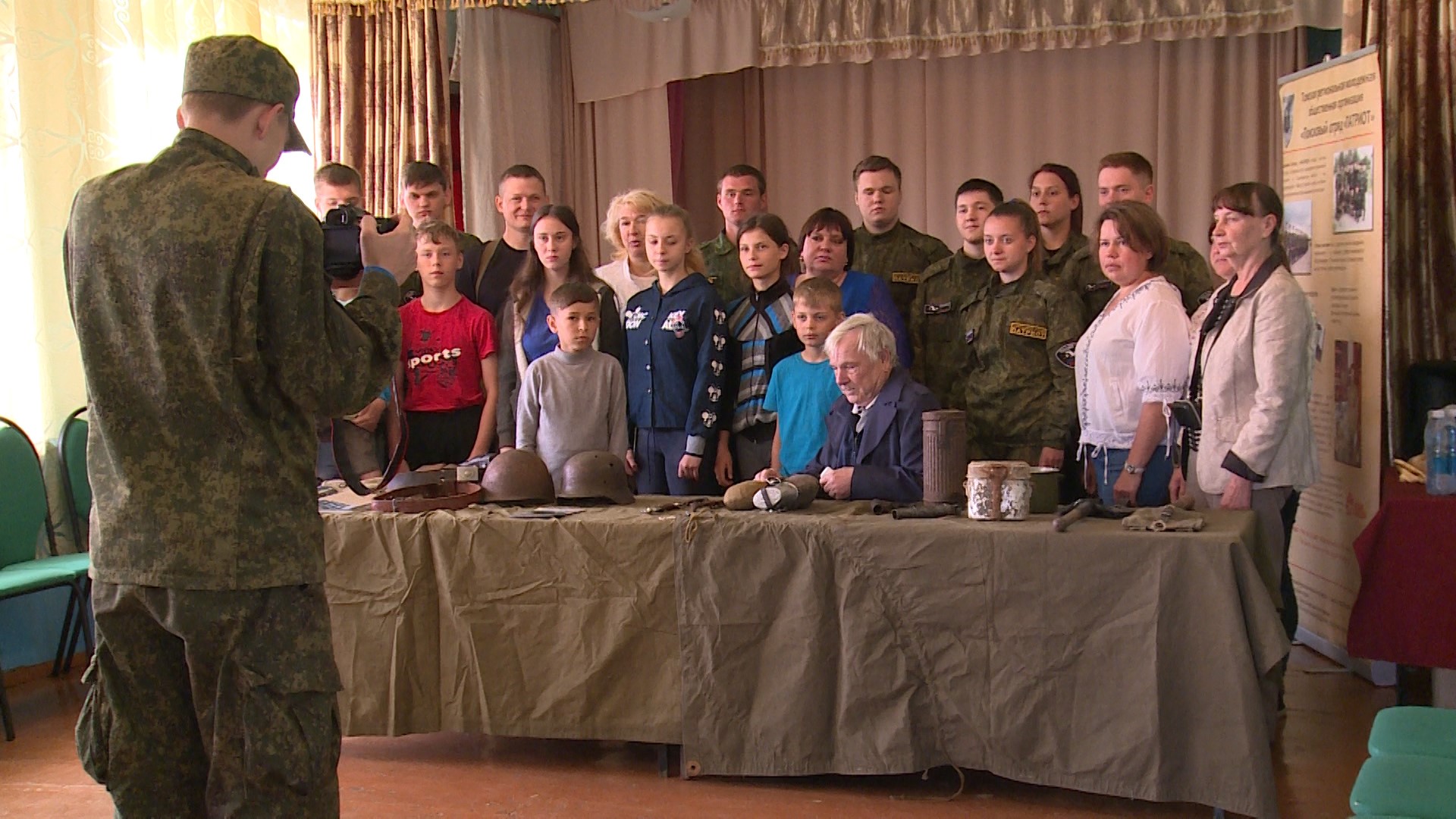
– Трагедия в Палочке – это тоже часть нашей истории, – говорит поисковик Владимир Черкашин . – Нельзя бесконечно гордиться одними победами и жить с мыслью, что мы славимся только лишь своими достижениями. Надо открывать глаза и на другую правду тоже. И нужно уметь договариваться вне зависимости от того, кто договаривается: человек с человеком, человек с властью, власть с человеком. Должен быть диалог. Я думаю, если был бы диалог – все было бы у нас по-другому.