Translated material
1983 - peak of a nuclear threat

The cycle " Nuclear threat "
The beginning of the 1980s is the time of the last mass nuclear paranoia, which threatened to develop into the present end of the world. In the textual series “Nuclear threat”-a joint cycle of the Samizdat and the Sieramadre telegram channel-we have already talked about how the fear of the atomic war was emerging, how it was displayed in the cinema and how civil defense was formed. In this episode, Yegor Sennikov will tell how and why 1983 became a peak of a nuclear threat.
“The announcer sobbed when he announced
That the earth really dies.
His face was wet with tears
Therefore, I realized that he was not lying "
David Bowie, "Five Years"
"Are you sure this is the teachings?"
In 1972, the Soviet General Staff was final teaching on the scenario of an unexpected nuclear attack by the United States. In the last and most important rehearsal, the country's top leadership took part. In addition to the generals at the table at the General Staff were the Secretary of the CPSU Leonid Brezhnev, USSR Prime Minister Alexei Kosygin, Minister of Defense Andrei Grechko and several members of the government.
At first, military analysts showed them the results of computer modeling of the consequences of the US attack on the Soviet Union. Dry numbers read: after the attack, the Soviet army will be reduced to one thousandth of its number, 80 million Soviet citizens will die in the very first minutes, 85 % of industry will be destroyed, and most of the country will be contaminated with a deadly dose of radiation. The forecast was so disappointing that, as the Soviet military expert Andrian Danilievich recalled , Brezhnev and Kosygin could not hide their fright.
“During the exercises, three launches of missiles without a nuclear charge were planned,” Danilievich said . - Before Brezhnev was a button, which he had to press at a certain moment. Marshal Grechko stood next to Brezhnev, and I am next to them. When it was time to press the button, Brezhnev turned pale, his hands were trembling, and he asked Grechko several times to confirm that there would be no consequences after starting. He asked: “Andrei Antonovich, are you sure this is just exercises?”

Six minutes before the end of the world
The American establishment and American society have been convinced for decades that the Soviet Union has been preparing for an offensive war with the United States. In fact, the USSR was led by people who began to shake from the very idea of a nuclear war. But the world learned about this only in the early 1990s, when the American researcher John Hines held a series of interviews with all Soviet generals available to that time-he was interested in a Soviet strategy in case of nuclear war.
Most likely, the fear of the nuclear war among humanity was finally formed in the days of the Caribbean crisis, when the end of the world seemed close as never before. After the crisis, it became obvious that no one would survive in the nuclear war. Mankind on both sides of the iron curtain, of course, was engaged in civil defense, lined up a whole network of bunkers, bomb shelters and underground plants, but the life that people will lead in them after the end of the world cannot be called life in the full sense. This will be the “postparties”, literally underground: survival under the thickness of the earth, on the surface of which instead of cities there will be a scorched desert. Realizing this, the leaders of the two superpowers developed a paradoxical, but effective protection: the concept of mutual destruction. The United States and the USSR understood that even if they try to attack the opponent, they would not reach victory due to the response that the enemy would cause.
So the thin world was preserved, and by the end of the 1970s, mankind has lived with the fear of nuclear war for almost three decades. Fear became familiar and dulled a little. In addition, in those years there was something to get scared without a nuclear bomb. In the west, the oil crisis, stagflation, poverty, protests, the rise of the left and right terrorism. In the USSR in the 1970s-stagnation and stagnation, when the economy and politics seemed stable, but the leadership and the people understood that the changes were risen, only no one knew when and how they would begin.
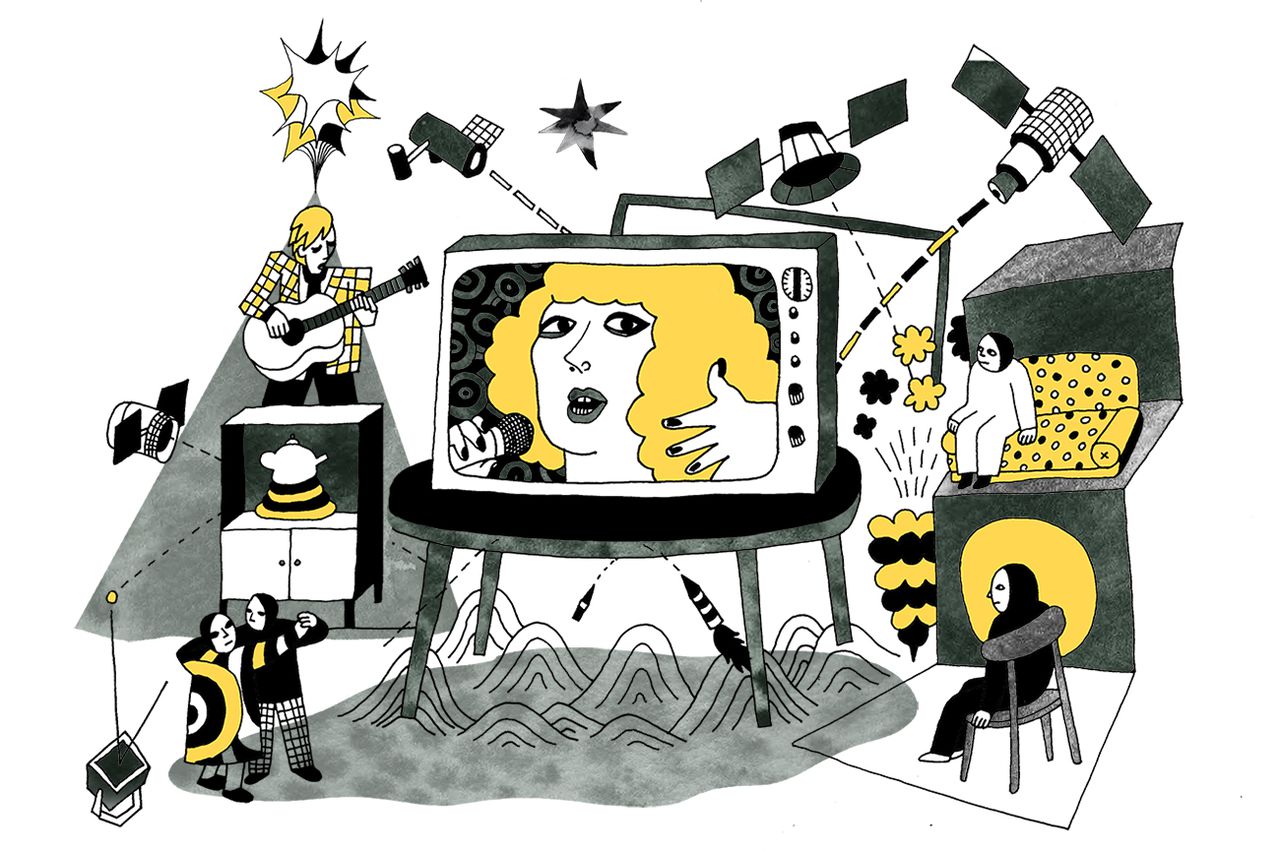
The 1970s were a time of “ discharge ”-a decrease in the intensity of the confrontation between the USSR and the USA, the era of constant peace negotiations and conferences in defense of the world. For Brezhnev, who was afraid of the “buttons”, the discharge was the main personal project - and therefore he tirelessly, regardless of health problems, agreed to reduce weapons with the United States. He rode on the Lincoln presented by Nixon in the Camp David, organized a historical meeting with President Ford in the closed city of Vladivostok, and he, along with Carter in Vienna, signed an Off-II agreement. The leader of the USSR was one of the main fighters for peace - the more ironic, that in history he was remembered primarily by the introduction of troops into Czechoslovakia and Afghanistan.
Meanwhile, under the noise of speeches about the desire for peace, scientists of both countries invented an increasingly sophisticated and deadly weapon. The missiles became more perfect, the underwater expanses plowed Soviet and American submarines that could produce a volley from almost anywhere, and in Europe, on both sides of the Berlin wall, there were the latest missile systems. By the beginning of the 1980s, the nuclear arsenals of world powers reached the peak: the USSR had about 30 thousand warheads, the United States had almost 25 thousand. Politicians and scientists, however, continued to argue that all this expensive weapons will never be applied.
However, both politicians and scientists in the 1970s had to reckon with the fact that the end of the world could come in a matter of minutes. Ronald Reagan described the situation: “Only I could make a decision to launch nuclear weapons. But everything was supposed to happen so quickly that I often thought: what can be planned at all during such a crisis? Russians sometimes held submarines with nuclear missiles right off our eastern coast; Rockets could turn the White House into a pile of radioactive debris for six or eight minutes. Six minutes to decide how to respond to a flash on the radar, and understand whether it is worth provoking Armageddon! How can someone act rationally in such a compressed period of time? "
On the Catholic Christmas of 1979, Soviet troops entered Afghanistan. This event meant the end of the era of discharge and the birth of a new reality, in which the leaders of the states turned into those who were trying to scare each other madmen locked in a room with a nuclear button, which is so scary to press.
OSV - a series of negotiations between the USSR and the USA on the issue of control and reduction of strategic weapons. The first contract was signed in 1972, the second-in 1979.
We keep the course for the apocalypse
The post -war world order was in relative calm only during those periods when two opposing blocks - Soviet and Western - managed to reach a compromise. Each one -way action caused anxiety in the opponent and forced to take aggressive steps. Reagan, a lover of visible metaphors, compared a constant threat of mutual destruction with a duel of cowboys in a saloon in the Wild West.
Ronald Reagan became the president of the United States during the period when the country was a deep crisis of identity. After the end of the Vietnamese War, around which there was a consensus as a shameful and lost, the most stringent economic crisis began in the United States since the Great Depression. Crime swept the country, entire areas of large cities became unsuitable for life, and New York, the richest city of the world, was close to declare itself bankrupt. An ambiguous international policy was added to this: it was not only about rapprochement with the USSR, which by many in Washington was perceived as a manifestation of weakness, but, for example, about the inability to pull American hostages from the country's embassy in Tehran.
After the Islamic Revolution of 1979, 66 people were taken at the American embassy in Tehran hostage - diplomats and employees of the embassy. The administration of President Carter failed to agree on the liberation of the captured Americans, the hostages left Iran only in 1981, already under Ronald Reagan.
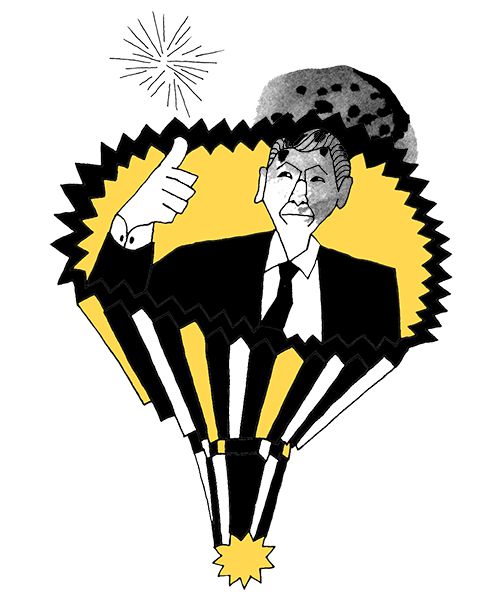
The American nation dreamed of the return of simple and understandable times when the country was strong and confident. The political image of Reagan was full of references to these dreams. The president wanted to build foreign policy so that they were not just considered the word America - it should have become a law. Therefore, he chose an extremely harsh approach to the Soviet Union: maximum pressure on all pain points, puffing, swinging, threats and blackmail - all for the USSR to be in a weak negotiation position and make concessions.
In these circumstances, the discharge policy did not have any chance of survival. She began to fall apart even to Afghanistan: back in December 1979, it was decided to place almost 600 medium -range missiles in Western Europe at the NATO summit. It was a response to the deployment in the western regions of the USSR new weapons with medium-range missiles SS-20-they did not fall under the OSV agreement, and in the USA they took this step as a cunning Soviet trick to deceive the Americans. After the outbreak of war in Afghanistan, the Soviet Union was criticized, and Western countries announced the boycott of the Olympiad-80 in Moscow.
But it was only a warm -up. Sanctions are always easier to start than stopping, and life constantly threw new reasons for them. Already at the beginning of the presidential term, Reagan decided to support Afghan Mujahideen, or, as they were called in the American press, “Freedom Fighters” (Freedom Fighters); In 1983, he even met with their representatives in the White House.
In December 1981, in Poland, due to the confrontation between the authorities with the independent union, solidarity, martial law was introduced. And two weeks later, Reagan accused the USSR of what happened and announced the sanctions that were unprecedented since the 1950s. Aeroflot flights in the United States were banned, licenses for exporting American high technologies in the USSR, as well as technologies used for oil and gas production, were frozen, the extension of Soviet-American trade agreements was frozen.
It seemed that the situation was getting out of control.
Laser Wunderwaffe
US President Ronald Reagan tried to solve the problem of the country's security. He really did not like that the only defense of the United States from a nuclear attack by the USSR was the concept of mutual destruction. He said to his advisers that he would like to offer the US people not revenge, but real security - that is, to make sure that in principle it would be impossible to inflict a nuclear blow to the country. The fixture of the creation of the defense was the result of Reagan's thoughts on national defense and long conversations with one familiar rappress general, to whom Reagan instructed to think about some way out of the situation.
In response to such proposals, the advisers only shrugged: this meant a departure from the doctrine, which was the basis of the national and international security system for almost thirty years. Such changes could lead to the most unexpected consequences - up to the beginning of the Soviet Union of a preventive war against the United States. Advisers and assistants dissuaded Reagan from a sharp change in the course and demanded to coordinate their proposals with Congress.
The president did not listen to anyone: he himself prepared a speech, and then on the air on March 23, 1983 he addressed the people with a story about how the USSR threatens the interests and security of the United States and what incredible prospects will open before the nation after the strategic defense initiative (soy, or SDI). Soy was supposed to become a system of satellites equipped with mirrors, lasers, microwave devices and particle accelerators. Being in the earth's orbit, this system was supposed to notice any launch of the rocket in the direction of the United States and intercept it in flight. The performance was supplemented with small videos and diagrams that depicted the flights of satellites and the laser work scheme.
Reagan did not like that the only defense of the United States from a nuclear attack by the USSR was the concept of mutual destructionTwo weeks before this appeal, Reagan publicly called the USSR the “Empire of Evil”, and the journalists quickly christened Soy's “Star Wars program” - all these lasers and satellites seemed to migrate from the franchise of George Lucas. Many, however, perceived Reagan’s speech as a pure fantasy, not believing that such a system can be built in principle.
The skeptics were right. Soy could not be created in the USA or somewhere else in the 1980s. The technologies necessary for such a system did not exist and could be developed only for decades. The only thing that consisted of soy was in 1983 was pictures, schemes and videos prepared for Reagan in a small defense research center. Attempts to bring them to life turned out to be unsuccessful: laser tests failed in 1986, the concept of the particle emitter turned out to be fundamentally non -working, and military experts realized that even if soy could be launched, it could be bypassed.
But in the Kremlin the Star Wars caused surprise and shock; They accepted Reagan's words on faith, despite the fact that some Soviet experts directly called Soy Blef. In Moscow, they realized that if the United States is built by such a defense, the Soviet Union will be defenseless against American aggression and will not be able to deliver a response. What was happening seemed to the leaders of the USSR the most serious challenge of the country's country since the Caribbean crisis. Four days later, an article appeared in the newspaper Pravda under the boring heading “answers of Yu. V. Andropov to the questions of the correspondent of Pravda”. Andropov said that Reagan wants to disarm the Soviet Union and achieve military superiority over it, but all these attempts are doomed to failure.
At the end of the statement, Andropov hinted that it was worth returning to the policy of compromises. A month later, he even showed the basis for starting peaceful negotiations: the powerful Secretary General answered the letter of the ordinary American schoolgirl Samantha Smith, who in November 1982 wrote a letter to the head of the USSR with the question: is it true that the Soviet Union wants to attack the United States? The Secretary General invited the girl to the USSR, where she swept “from the Kremlin to the very outskirts” (Leningrad and the Artek camp acted as the outskirts to see that no one wants war in the Soviet country.
In the United States, they understood the hint, but did not give up the pressure policy, because it has given the results for several years.
In the conditions of thermonuclear war
The Kremlin felt like in a besieged fortress; Analysts and advisers were sure that Reagan could decide on a warning blow to the Soviet Union, hoping that the USSR would not give an order to answer.
Most likely, this was an exaggeration, and the actions of Reagan were only a “rocking”, with the help of which he wanted to hit all the weak places of the Soviet Union. But the leaders of the USSR reacted to the deterioration of international relations very seriously. In May 1981, at a secret meeting of the Politburo, the head of the KGB Yuri Andropov launched the operation of Ryan (missile-nuclear attack). It is worth mentioning right away that any information about this operation should be treated with the well-known share of the skepticism, because the main and almost the only source that talked about it was Oleg Gordievsky, Soviet rebuke intelligence officer.
The operation was reduced to permanent observation of Western countries in order to notice preparations for a nuclear strike. Soviet intelligence officers were supposed to monitor people involved in making a decision on a nuclear strike. Analysts worked with reports of military exercises, studied the activity of civil defense, monitored political speeches and changes in the economy. Any suspicious incident fell into a selection that was processed by a special computer program.
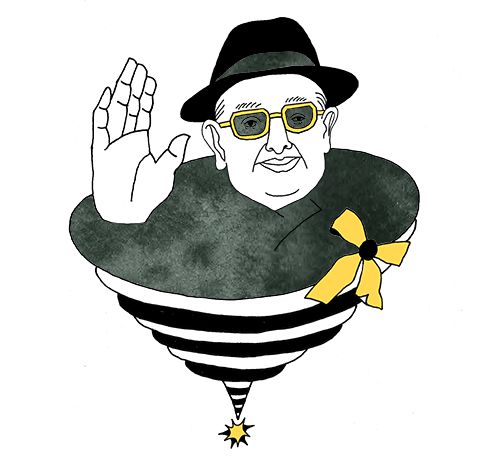
In addition, the Soviet army began regular combat readiness checks. In September 1981, the USSR was held in the USSR “West 81” -one of the largest in the history of the Soviet Armed Forces; A year later, no less large-scale naval exercises of the Shchit-82 were held, in which the fleets of the USSR and the Warsaw Treaty countries participated, as well as the grouping of space reconnaissance and navigation satellites. According to the scenario of exercises that lasted two and a half months, the troops worked out actions in the event of a thermonuclear war.
The Soviet military and intelligence activity was observed with anxiety in Washington-it is believed that it was the teachings of the “Shield 82” that were one of the factors that influenced Roagan’s decision to proclaim soy. But this was not exhausted by this. In the USA since 1981, the army has constantly carried out Psyops against the Soviet Union - psychological operations. These were mainly provocations and threats: for example, American bombers regularly approached Soviet borders from different sides and checked the air defense reaction. Any occasion was used: during the largest exercises of the American fleet, Fleetex '83 in the Pacific Ocean, the aircraft depicted an attack on the attack in the Kuril Islands, and the ships carried out secretive movement along the Soviet borders.
At this troubled time, Leonid Brezhnev, who led the USSR was 18 years old, died. О произошедшем народу и миру сообщили только на следующий день, 11 ноября 1982 года, но почти все уже догадались, что произошло: 10 ноября отмечался День милиции, в честь которого всегда давали телевизионный концерт, — он был отменён без объяснения причин. Похоронную комиссию возглавил Юрий Андропов, и это означало, что он и становится преемником. У руля страны встал загадочный многолетний руководитель КГБ, о котором почти ничего не знали западные разведки, дипломаты и население СССР.
Андропов не был заскорузлым консерватором ― он знал, что стране нужны реформы. Глава КГБ был покровителем некоторых наиболее эффективных молодых региональных партийцев, самый известный из которых ― Михаил Горбачёв. Проблема была в другом: Андропов как управленец формировался в 1940-е годы, со всей присущей им жестокостью. Кроме того, на него сильно повлиял опыт Будапештского восстания 1956 года: он был там тогда послом и из окна наблюдал, как взбешённые венгры вешают коммунистов на фонарях на проспекте Андраши. Так что его желание обновить систему и повысить эффективность работы в стране обернулось тем, что сама система не смогла породить ничего лучше посадок диссидентов, антикоррупционных дел против вороватых местных начальников, а также патрулей, проверяющих рестораны в рабочие часы, разыскивая тех, кто отлынивает от работы.
«Международная напряжённость», «СОИ» и «звёздные войны» ― это постоянные темы советской прессы 1983 года. На страницах газет и журналов они соседствуют с другими яркими приметами андроповского времени: укреплением трудовой дисциплины («милиция будет очищена от незрелых в моральном и политическом отношении», «Правда», 10 августа 1983 года), войной в Афганистане («представители советской и афганской общественности заявили о стремлении и впредь крепить нерушимую дружбу», «Правда», 29 ноября 1983 года), кампанией по «бережному отношению к хлебу» и рассказами о Продовольственной программе СССР.
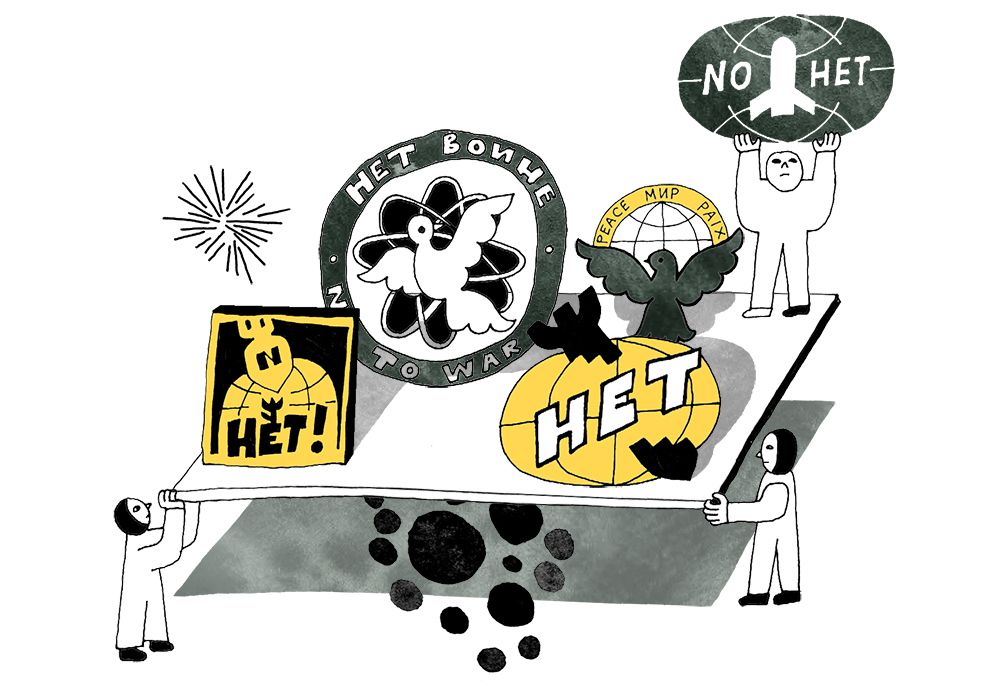
По телевидению регулярно показывали репортажи о советских манифестациях против ядерной угрозы. На улицы Москвы организованно выходили люди с плакатами «Нет ядерной войне!», а на митингах актриса Татьяна Доронина ругала президента Рейгана за разжигание войны, после чего отобранные рабочие клеймили позором «ядерных маньяков из Вашингтона». Сами же «ядерные маньяки» постоянно критиковали СССР за Афганистан и поддержку повстанцев, забывая, что США занимались по всему миру примерно тем же.
Именно осенью 1983 года нагнетённая «напряжённость» едва не переросла в настоящий конфликт.
Autumn. Inferno
Всё началось с того, что 1 сентября 1983 года над Советским Союзом был сбит гражданский самолёт. Boeing 747 авиакомпании Korean Airlines мирно летел из Нью-Йорка в Сеул через Аляску — и в какой-то момент стал отклоняться от курса. Это отклонение затем породит море конспирологических теорий. Самолёт вошёл в воздушное пространство СССР над Камчаткой, где полёты иностранных самолётов были запрещены из-за большого количества новых секретных военных объектов. Боингу не повезло из-за того, что в какой-то момент его курс сблизился с курсом американского самолёта-разведчика RC-135, и в дальнейшем в советских ПВО были уверены, что ведут именно разведчик, а не пассажирский самолёт. Ситуация казалась для них обычной: в ходе постоянных американских психологических операций бойцы советских ПВО привыкли к провокациям с участием авиации.
Пока самолёт летел, всё сильнее отклоняясь от курса, руководители советских ПВО обсуждали возможные действия. Решение принял генерал армии Иван Третьяк, командующий Дальневосточным военным округом. Он приказал устранить цель. В воздух поднялись истребители Су-27 и сбили боинг над Сахалином. Погибли все 246 пассажиров и 23 члена экипажа.
Нечто подобное едва не произошло ещё пятью годами ранее. Тогда самолёт всё тех же Korean Airlines, следовавший из Парижа в Сеул, по ошибке отклонился от маршрута и был перехвачен советскими истребителями в Карелии. Но самолёту удалось совершить экстренную посадку. В 1983 году корейскому самолёту не повезло.
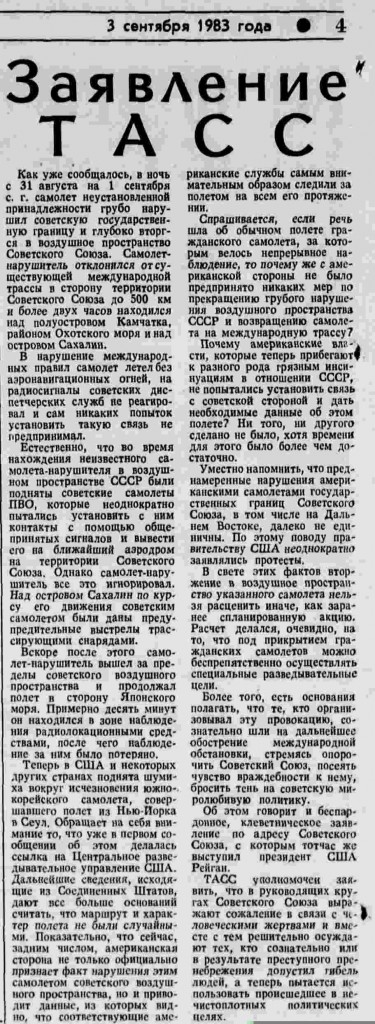
Сначала в СССР всё отрицали, в первом заявлении ТАСС говорилось , что самолёт «исчез с радаров». Но когда Рейган заявил , что «русский военный самолёт хладнокровно сбил корейский авиалайнер, следовавший рейсом 007», молчать дальше было нельзя. Андропов, чьё здоровье стремительно ухудшалось в течение лета, отдыхал в Кисловодске, но был вынужден вернуться в Москву. Довольно быстро ему стало понятно, что произошедшее было и ошибкой советских пилотов, которые не знали, как выглядят гражданские самолёты иностранного производства, и очевидной ошибкой навигации самолёта ― не случайно вскоре после трагедии Рейган объявил, что военная система навигации GPS теперь будет доступна и для гражданских.
Но Рейган собирался набрать в этой ситуации максимум политических очков. Виновником был объявлен Советский Союз, Рейган заявил, что советские ПВО намеренно сбили пассажирский самолёт. Советский посол в США Добрынин вспоминал, как Андропов, читая заявления Рейгана, порицал советских военных, считая, что они совершили глупость, последствия которой придётся долго расхлёбывать.
И он был прав: международная обстановка разогрелась. Примерно через месяц едва не произошло непоправимое. Двадцать шестого сентября советский офицер Станислав Петров находился на боевом дежурстве в командном пункте в Серпухове-15. Там располагался штаб спутниковой системы дальнего обнаружения «Око», которая постоянно наблюдала за местами размещения американских ракет. «Око» начала работать недавно ― военные торопились ввести её в строй — и она была принята с большим количеством недоработок.
В подземном бункере, где сидел Петров, включилась звуковая и световая сигнализации, которые уведомляли о том, что в США произошёл запуск ракеты в направлении СССР. Петров должен был сообщить о произошедшем наверх и фактически дать старт ответному удару по США. Но подполковнику показалось, что что-то не сходится: запуски были произведены лишь из одной точки, и выпущено было всего несколько ракет. Петров обратился к донесениям солдат, наблюдавших за обстановкой в воздушном и космическом пространстве, ― те не заметили запусков. Петров решил, что произошло ложное срабатывание системы, и сообщил об этом начальству.
Ложные срабатывания автоматических систем происходили и раньше. В 1979 году в США система обнаружения сообщила о том, что СССР запустил две ракеты в направлении США. Через несколько секунд система заявила о запуске двухсот ракет, затем ― двух тысяч ракет. Руководство было в замешательстве, а Збигнев Бжезинский, советник президента Картера по национальной безопасности, не знал, как доложить об этом президенту. Но вскоре выяснилось, что в компьютеры была ошибочно загружена перфокарта со сценарием для учений ― никаких запусков не происходило.
Ситуация с Петровым отличалась только тем, что происходила в обстановке серьёзного международного обострения, переходившего уже в ядерную истерию. Но вот родина поступка не оценила: сначала Петрова обещали наградить, а потом едва не наказали, пришлось через год уходить в отставку подполковником. О подвиге Петрова мир узнал только спустя десять лет — тогда на отставника посыпались награды международных организаций, а в 2014 году про него и вовсе сняли фильм «Человек, который спас мир», где в роли отважного подполковника снялся Кевин Костнер.
Виновником был объявлен Советский Союз, Рейган заявил, что советские ПВО намеренно сбили пассажирский самолётСвоего пика ядерная паранойя осени 1983 года достигла в ноябре, когда началась натовская военная игра Able Archer 83 («Опытный лучник»). Военные планировали отработать планы на случай ядерной войны и, кроме того, хотели проверить взаимодействие на различных стадиях боеготовности по DEFCON . В игре не принимали участия войска — по сути, это была отработка коммуникационного взаимодействия между штабами НАТО: по сценарию игры, ядерный конфликт начался из-за политического кризиса в Европе, который перерос в войну со странами Варшавского договора.
Но сложно было придумать более неподходящее время для начала тайных военных игр: за неделю до этого США вторглись на Гренаду, к концу месяца в Западной Европе планировалось размещение американских баллистических ракет «Першинг». Москве казалось, что всё происходящее — это часть чего-то большего, по всей видимости — подготовки ядерного удара по СССР. Аналитики, задействованные в операции РЯН, сообщали, что количество зашифрованных сообщений между США и Великобританией возросло в разы; опасения вызывало и то, что в игре принимали участие и президент Рейган, и премьер-министр Великобритании Маргарет Тэтчер. Каждый день военной игры в СССР воспринимался со всё возрастающим напряжением; особенную тревогу вызывала информация о повышении уровня боеготовности DEFCON вплоть до максимального. Девятого ноября, за два дня до окончания учений, советские резиденты за рубежом получили указание выявлять планы США по нанесению превентивного удара; советские войска были переведены в состояние повышенной боеготовности.
Выдохнули в Москве только после окончания учений. В США же вскоре после этого получили обескураживающую информацию: заместитель советского резидента в Лондоне Олег Гордиевский, снабжавший ЦРУ и MI6 бесценными сведениями об СССР, сообщил о панике, которую вызвала Able Archer 83 в Москве. Это удивило руководство США и прежде всего Рональда Рейгана, который так отреагировал на донесение Гордиевского: «Не могу понять, как они могли поверить в такое, — об этом надо хорошенько подумать».
Осень подходила к концу. В конце ноября в Европу наконец приехали американские «Першинги». Казалось бы, после этого противостояние должно было стать ещё более ожесточённым. Но, как ни странно, именно в этот момент конфронтация внезапно начала идти на спад.
DEFCON — шкала боеготовности вооружённых сил Соединённых Штатов Америки. Она имеет пять уровней боеготовности:
DEFCON 5 — готовность мирного времени;
DEFCON 4 — примерно такая же, как и предыдущая, но с повышенной активностью разведслужб;
DEFCON 3 — повышенная боевая готовность (была введена, например, во время Карибского кризиса);
DEFCON 2 — предшествует максимальной боевой готовности;
DEFCON 1 — максимальная боеготовность, армия готовится к войне с применением ядерного оружия.]
Почему мир не в огне?
Размышлять о причинах того, почему после осени 1983 года международная напряжённость пошла на спад, интересно. Версий так много, что каждый может выбрать себе любую, на свой вкус. Например, Рейган говорил, что вдруг понял: в Советском Союзе на самом деле опасаются нападения США. В своём дневнике он записал: «За три года я с удивлением узнал, что многие из представителей верхушки советской иерархии действительно панически боялись Америки и американцев... Я всегда считал, что из всех наших деяний любому понятно, что американцы — добропорядочный народ, который, начиная с самого рождения государства, всегда использовал его могущество для дела добра во всём мире».
Всерьёз верить в подобную наивность Рейгана довольно сложно: он прекрасно знал о деятельности ЦРУ по всему миру, о множестве военных баз, окружавших Советский Союз, о психологических операциях и свержении неугодных режимов. Такое «понимание» психологии советских лидеров кажется просто издёвкой. Ещё смешнее полагать, что позиция Рейгана изменилась из-за того, что в начале октября 1983 года он посмотрел телефильм «На следующий день», в котором показывались ужасы ядерной войны.
Более убедительной кажется версия, связывающая спад конфронтации с ухудшившимся здоровьем Андропова, скончавшегося уже зимой 1984 года. Его преемник Константин Черненко был ещё старше и болезненнее: кремлёвским врачам приходилось прилагать невероятные усилия для того, чтобы генсек мог просто дышать. Неудивительно, что он протянул немногим больше года. В СССР вовсю шла эпоха больших похорон, кремлёвские старцы умирали один за другим, и можно отчасти поверить, что они не смогли продолжать напряжённое геополитическое противостояние просто в силу слабого здоровья.
Ещё более реалистичным объяснением можно счесть то, которое связывает затухание конфликта с выборами президента США. В 1984 году экономический спад в американской экономике прекратился — этому немало способствовало падение цен на нефть. Для США дешёвые энергоносители были благом, а вот для СССР — злом. Теперь Рейгану не нужно было искусственно повышать градус конфронтации, выдумывать фантастические спутниковые системы и увеличивать и без того раздутые военные бюджеты.
В конце концов, можно даже поэтически допустить, что, как и во время Карибского кризиса, лидеры двух стран смогли связаться друг с другом и понять, что надо договариваться, потому что на кону стоит безопасность всего человечества. С той только разницей, что Карибский кризис был действительно случайным результатом постоянной игры на повышение ставок в начале 1960-х годов, а кризис начала 1980-х во многом был создан в ходе пиар-предприятий президента США.
Как бы то ни было, поэтично или обыденно, осенью 1983 года мир вновь заглянул в бездну и оказался очень близок к самоуничтожению. И хотя казалось, что все стопперы уничтожены, все ошибки сделаны, что нет ничего, что могло бы спасти от конца света за шесть минут, — человечество смогло отвернуться от бездны и постаралось найти компромисс.
В 1982 году Рейган выступал в британском парламенте и призвал выбросить коммунизм на свалку истории. Спустя два года там же выступал член Политбюро ЦК КПСС Михаил Горбачёв. Посмотрев на британских депутатов, он сказал: «Ядерный век неизбежно диктует новое политическое мышление».
До начала Перестройки — около полугода.
Следующий материал выйдет 26 июля в телеграм-канале « Сьерамадре ».