
Translated material
Art Kino pronounces time
The project "New Holland": the author’s cinema once driven into a dusty corner gains alternative rental
More recently, to see the brave, on the verge of recklessness, with air and color of the movie, it was rare. But the film distribution today is indicatively segmented. And next to Hollywood attractions, patriotic blockbusters and vacation comedies - an author’s, once driven into a dusty cornation, acquires its niche. These are regular shows of the magazine “The Art of Cinema” with discussions, and the festival line of the largest distributor Karo - Karo Art.
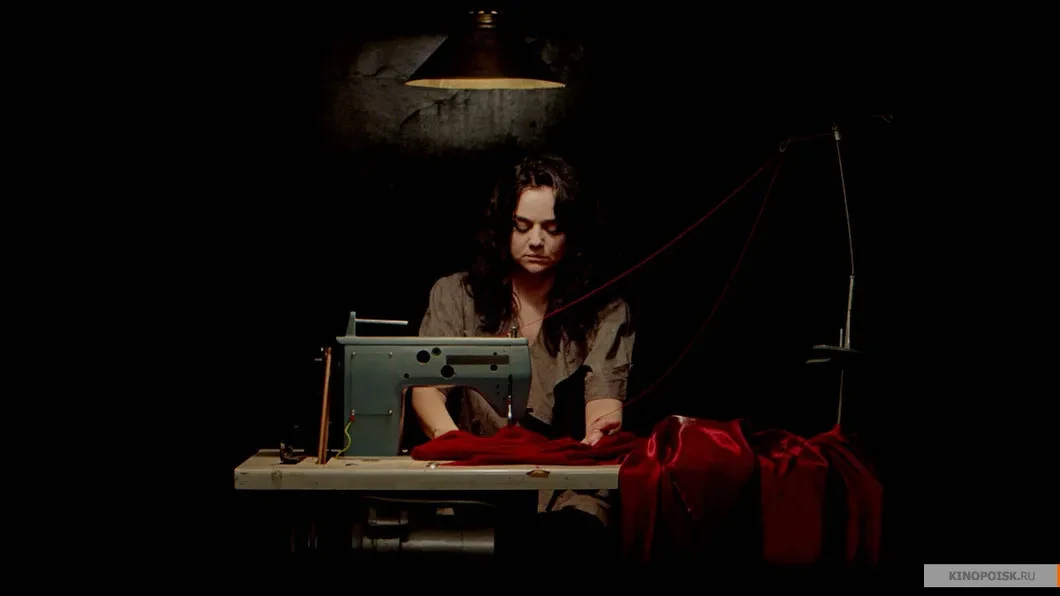
Now, for example, they release the visionary “little red dress” of the crazy genius of Peter Stickland, called “the top of a strange British cinema”.
The festival movement itself has turned into alternative rental, films migrate from one forum to another. It seems that the major international show of documentary cinema about the new culture of Beat Film Festival has ended, but the “point” shows are ongoing. For example, in August, we will meet with the famous film by Gudman “Woodstock: three days that changed the generation” about the revolutionary music festival, and then the picture will begin a trip to 15 Russian cities.
In cinemas, you can now watch theatrical productions, operas, fashionable ballet performances (see, for example, the sensational ballet in Moscow Akram Khan: Giselle).
Film festivals go in non-stop mode, replacing each other. The festival on the Strelka has not yet ended, on which you can see the exclusive movie of Cannes, Sandens and Toronto, and here is the news from St. Petersburg. A new international forum is born there, its organizers are the young team of the New Holland: Cultural Urbanization project. The review is focused on the debut cinema (first and second films), on new names, discoveries, finding a movie language, copyright statements, experiments.
Today, in the era of post -truths, distrust of the media, news programs, pseudo -documentary paintings, it is the author’s cinema with his uncompromisingness that can “pronounce his time”, feel his deeper breakups, comprehend a person, not afraid to be disappointed in him. Alexey German spoke of cinema as a document of time. The film is not only the "main witness", he himself is "the irrevocable time of our changes."
Here are some vivid movie events of the New Holland, which can be watched in a parallel “Art Prokat”.
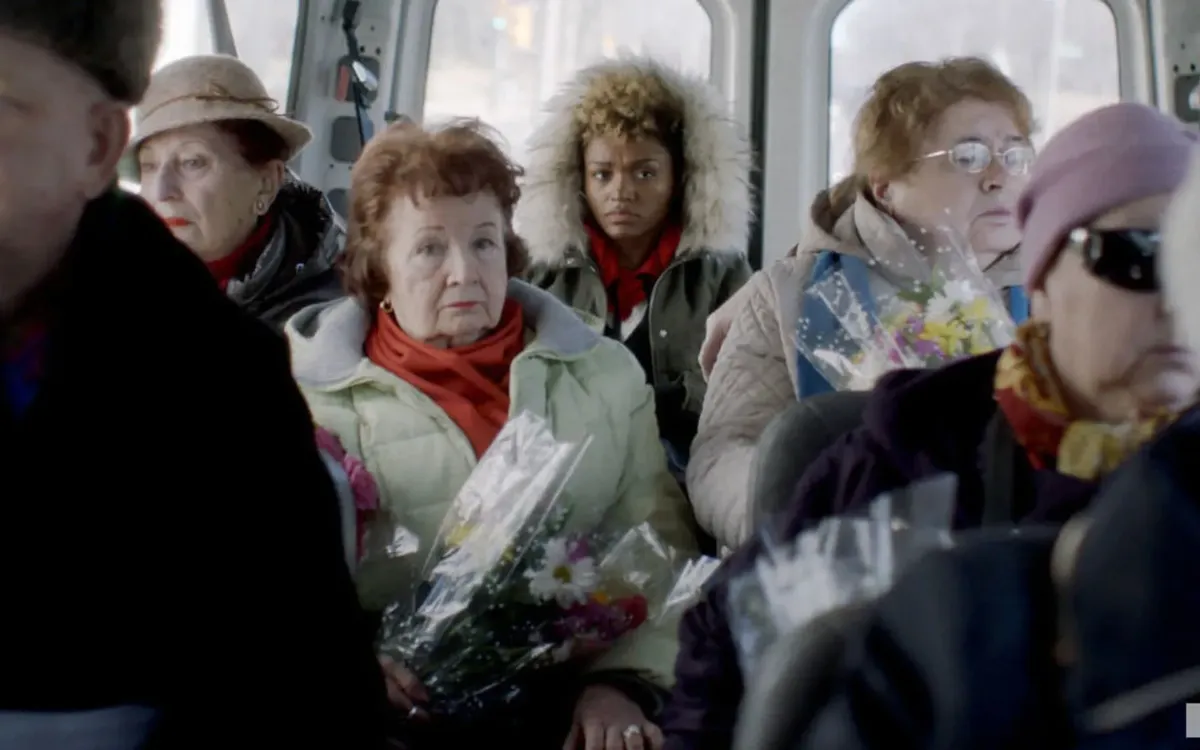
“Giv Mi Liberty” is the absurd, ominous and delicate comedy of Kirill Mikhanovsky. In many ways, autobiographical. The director from the emigrant family, received a versatile education in America. His debut “Dreams of Pisces” was awarded a reward for “Critics Week” in Cannes. This is Road Mui one day long. Vic (the author of the author is played by Chris Galust)-a driver of a minibus transporting people with disabilities. He is trying to help them all, have time, rushes at his van along the narrow alleys of Miluoka, exhausted by street riots. Lucky strollers, special, noisy marginals, feeling involvement in their life, in the cycle of problems, in urban chaos.
The fate of people of different nationalities, emigrant communities, and social layers are intertwined into one ball. Placing health and illness, hopes and death, the author reduces pathos by burlesque, almost farce.
What is the scene with the elderly emigrants from Russia, who have discovered that they say goodbye to their friend Lily, but with a completely stranger person.
At the same time, Lily finds a false-nephew, and this adventurer falls in love with a dark-skinned stroller.
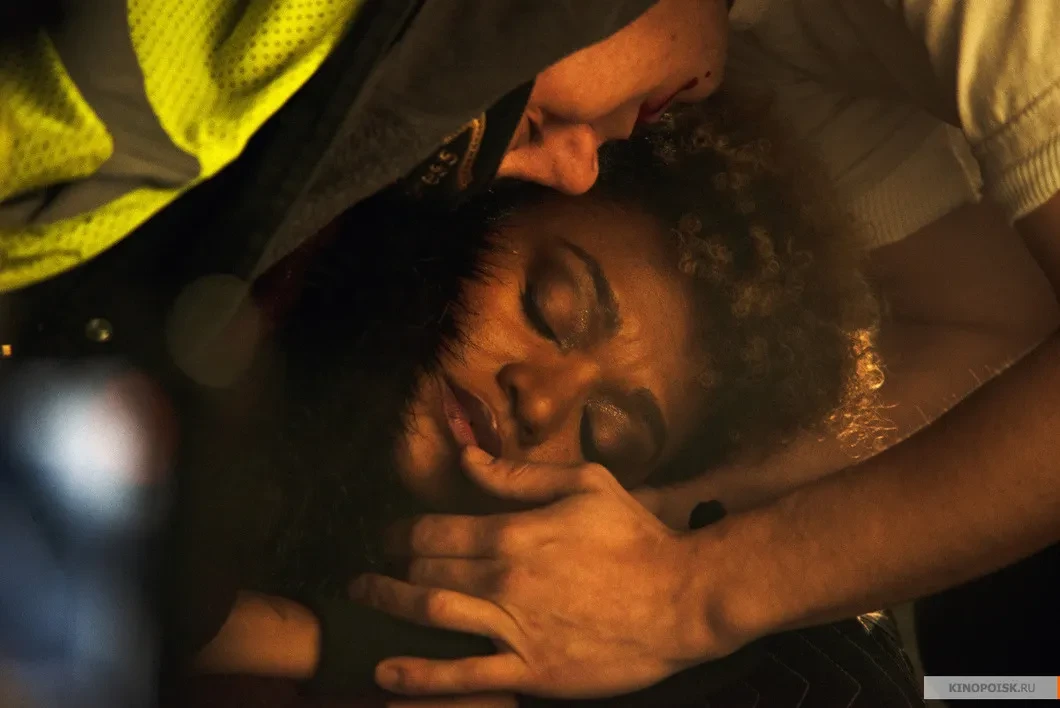
If life is the embodiment of certain plans, then the life of Victor, together with its passengers, rushes from a cliff into complete unpredictability to the music of Bon Iver. “Give me freedom” - the Kafkian dive into the multi -colored madness of the modern American city, shaken by the protests of the blacks. Confessional, adrenaline, voluminous cinema about the "discharge" of society. Should it be surprised that all these strangers and outcasts, ignoring problems, want to be happy? Mikhanovsky’s film about the dependence of all - on all. About the impossibility of being happy next to trouble and misfortune.
Young authors stretch their cinema like a thread, “thrown” themselves. “Souvenir” is the first part of the film booking of Joanna Hogg, called the British film institute “One of the leading directors working today in the UK”. Sensual, tactile movie about an alarming novel, love relationships as penetrating wounds. About the distance between the idea of oneself and its essence. The melancholy Voliya student Julie (Honor Swinton Burn) lives in a chic apartment in the prestigious Knightsbridge area in West London, sleeps in an embrace with soft toys. Her eccentric and caring mother is played by Tilda Swinton (Honor is the real daughter of Swinton).
A girl with the eyes of a wounded deer is difficult to get rid of naive, romantic ideas about life and profession. She dreams of making a film about the relationship between the boy and his mother in a dying, working area. The master in the film school is perplexed: why did she choose a topic so far from her life, can she even make a film outside the personal experience zone? And so Julie meets the impressive, mysterious Anthony (Tom Berk), Snob, fragonar lover, dandy with a brand wardrobe ... and forbidden passions. And everything goes awry.
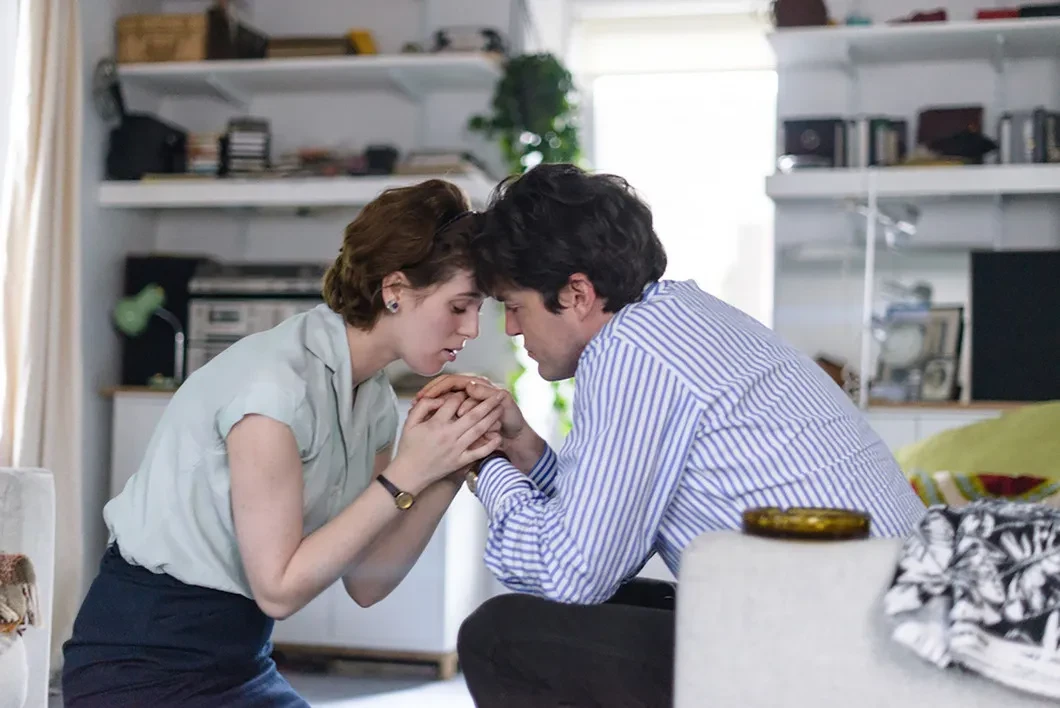
The film about the chemistry of shaky relations between the girl dissolved in the spirits and fogs and the exquisite hardcore drug addict. On the one hand, there is a trembling and alluring self -doubt, curiosity, longing and such a clear, although hopeless female rescue. On the other hand, emotional and psychological superiority, manipulations, provocations. But in personal and in cinematic experience, the heroine prefers memories of tender, poetic moments - ugly or without wise truth. “You are not ordinary. You are lost. And you will always be lost, ”her chosen one throws in the face.
Julie will not decide: whether her future film will be a documentary or fictional narrative. And in her relationship with Anthony, the line between the pre -official and reality is erased. She almost does not notice how her own life turns into material for films. Just like Joanna Hogg.
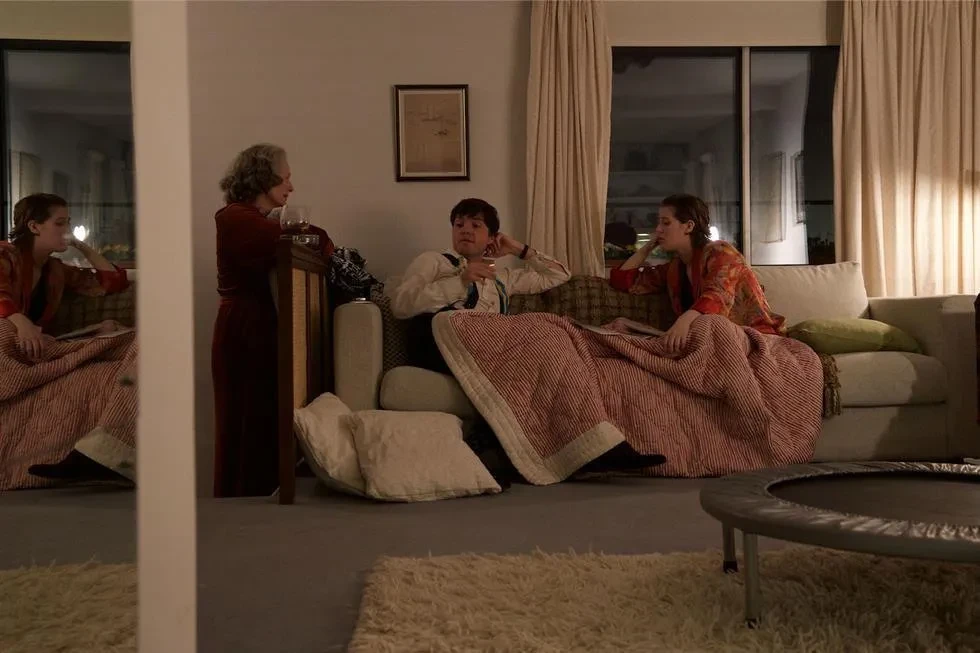
It is no accident that there are so many scenes with mirrors, reflections in the film. In one of them, a large mirror breaks, we see fragmentation images of the heroes who have just destroyed their relationship. In the final, the iron walls will spread, a landscape, delightful, as if from a picture of a fragonar, will burst into the frame. The heroine will step into him. Will he get out of the evading, invented reality into the real world? Or will be included in the fantasized space?
“And the fire will come” Oliver Lasha-an example of a laconic descriptive movie composed of personnel-poetic stanzas. Cosmopolitan Lasha shot his film in Galicia, in the homeland of his ancestors. The jury of the Cannes “special glance” admired the first picture shot in the Galician language, giving her her prize. The text here has a dual meaning: domestic and poetic. Like a conversation with a dried -up old woman with an adult son about trees resting against the sky.
An elderly recluse Amador Kor - a face as if from portraits of El Greco - having left the deadline for the fire that he allegedly arranged, returns home to the village, to his mother and rural everyday life. The locals shun the Amador, considering him a pyroman because of his obsession with fire.
This slow hypnotic journey is serving from the “everyday life” platform. The author primates us to harsh forest landscapes, into which peasant everyday life are inscribed, comparing the secret nature of man and the Galician mountains overgrown with greens. The days of ordinary labor lasting rhyme with the daily work of the air elements: the wind chasing the herd of clouds, the rocking crowns of trees awakening fire.
The cinema itself was created from everyday life and magic, fire and rain. The genre of the film with his ghostly bitter smell of smoke of past centuries calls Lavash "dry, hiding tears of melodrama." The director admits that his picture arises at the time of meeting with his hero: the spark of ideas is carved. He saw his Prometheus - Amador, whose name is translated “He who loves,” and was fascinated by this “bitter truth of melancholy eyes and hunched shoulders”, “hypersensitivity, which has no place in the modern world.”
Today, such an unknown author’s cinema has more and more sites. Marco Müller, who headed festivals in Venice, Rotterdam, Locarno, believes that art projects of new directors are able to spread through a wide variety of channels. Not only in cinemas, at online shows, but also in gallerine areas, in open areas in parks, in new territories. Such as cinema in the Tretyakov Gallery, Garage or Electrozone in the Elepeater.
Sessions of rare cinema, educational projects "School of a modern viewer and listener" are arranged.
A new audience is formed before our eyes, which prefers not only to watch, but to participate in the discussions of the film, to listen to lectures on the film process.
This audience is formed by a new fashion, a sense of ownership, chosenness, a desire to comprehend the unknown. And this is good news.