
Translated material
The roller in the opposition. When and how is the Kremlin inferior?
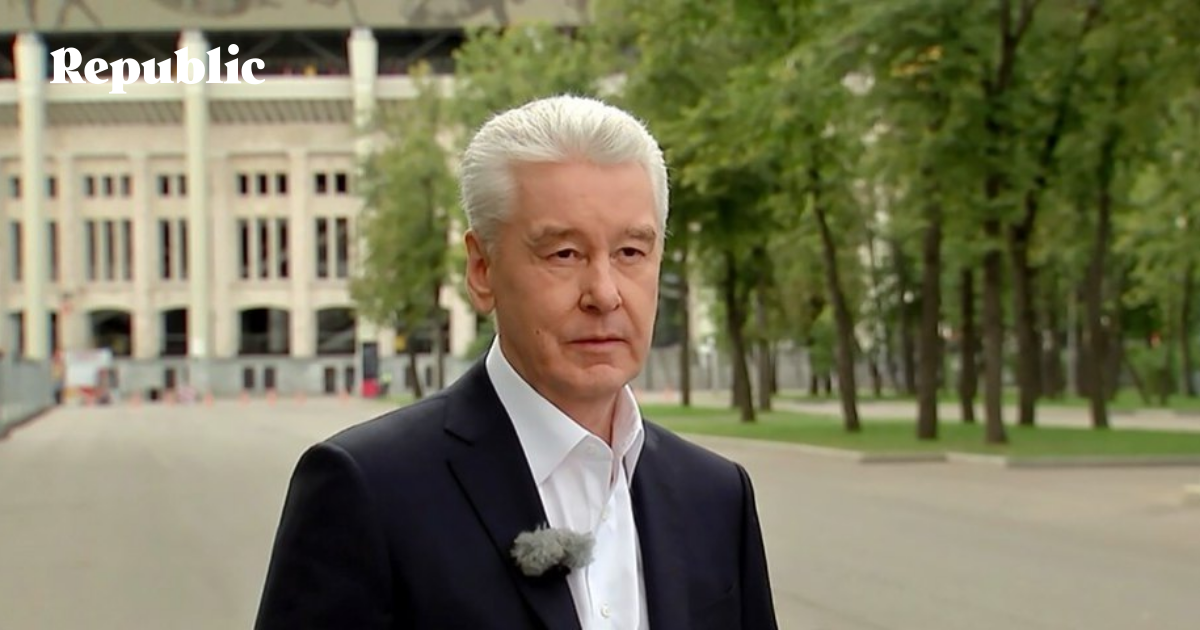
After the Saturday protest, the Russian authorities, both in Moscow and at the federal level, took an even more stringent position in relation to the opposition than expected. The leaders of the opposition were arrested, the TFR started a criminal case of riots (three more cases - about violence against police officers), Sergei Sobyanin acts with the full support of the security forces and condemns the protesters for the same “riots”. Many are surprised: why is the power after a series of concessions (choosing a place for the temple in Yekaterinburg, the affairs of Kirill Serebrennikov and Ivan Golunov) suddenly suddenly consolidated and went storm to the opposition? But is it so amazing to the turn and why such a strict reaction is more likely to look like the norm?
In order to correctly understand the motives and tactics of power as a whole, you need to keep in mind several important features of its functioning.
First and most importantly. Within the authorities-whether it is regional or federal levels, security forces or civilian, guards or system liberals, competing towers or anyone else-a tough and unambiguous consensus has been formed on two issues: the non-systemic opposition should not take part in the elections; Unauthorized shares must be dispersed. Outside of these priorities, both the Kremlin and the governors can make concessions, do some political gestures, but this should in no case be regarded as a concession to the opponents of Vladimir Putin.
Subscribe to read the whole
Make a subscription Redefine.media to read Republic
Subscribe [you can pay for a Russian or foreign card. The subscription is extended automatically. You can unsubscribe at any time.]
Where are the money subscribers going