
Translated material
Trust and creation technologies: how platform cooperativeism develops communities
In recent years, an alternative economy has been developing more noticeably in the world, the task of which is to benefit as many people as possible. Against the background of the desire for conscious consumption, the idea of sharing things, services and information with each other has become especially popular. To make this exchange fair, platform cooperativeism appeared-a movement that advocates democratic management of Internet projects and solving social problems. Victoria Safronova tells how this direction appeared in Russia and how it differs from the sherring economy - already familiar to us the rental of services on Airbnb or Uber.
Civil cooperativeism
In 2016, one of the main environmental protests took place in Karelia. Locals launched a tent camp in the area of the Sunda Bora to protect it from cutting down. Then Saturn Nordstroy was allowed to develop a quarry and extract a sand-gravel mix in this place. Bor was especially important for residents of nearby villages - this is the only place where they could collect mushrooms and berries, red -black species grew there. Among the defenders of the Sun Bor were pensioners over 80 years old. They were on duty for several months in the forest, sometimes at minus temperature.
The situation began to regularly illuminate the Activatica portal. According to the project participant Alla Chernysheva, Activatica played a significant role in the victory of activists - over time, other media drew attention to the story, and after resonance the new governor of the region, Arthur Parfenchikov, canceled the decision to cut the boron. “Activatica is the first resource to systematically monitor civil activism in Russia and write literally about everything that is happening to it,” says Alla Chernysheva.
The Activatica project appeared in 2013 and eventually united activists who are worried about the buildings of parks, spontaneous landfills, renovation, demolition of historical buildings and other environmental and urban problems in Russian cities. The founder of the project Mikhail Matveev conceived the resource as a platform on which activists could learn about each other's problems and ways to solve them, get acquainted and gain experience. The idea appeared after Matveev’s participation in the defense of the Khimkinsky forest in the Moscow Region in 2007-2012. In the camp, he met dozens of activists, who also defended the green zones in Moscow.
“The media did not talk about them, there was little information on social networks. We recognized each other almost by accident and thought about how to make this vacuum and isolation to destroy this vacuum. Activatica became the very site that people could go and see: here they are fighting behind the square, they defend the right to free access to the water ... We wanted to show what is happening with activism throughout Russia, ”says Matveev. Finally, they decided to create a project after the death of journalist Mikhail Beketov in April 2013. The Khimkinskaya Pravda newspaper, the founder and editor -in -chief of which was Beketov, covered the situation with the cutting of the Khimki forest, issued critical articles. Beketov himself was one of the first journalists openly opposing the construction of the highway through the forest territory. In 2008, he was beaten, he received a disability of the first group and died five years later. “Then we very clearly understood what the price of information is,” says Matveev. -Only after his death, the Russian federal media began to report something about the struggle for the Khimkinsky forest. That is, a wide audience about the problem began to be reported only after the person who wrote about it died. We wanted activists to be easier to reach the audience with their agenda. ”
Now Activatica users regularly cover problems in Moscow and the Moscow Region, St. Petersburg, Kazan, Arkhangelsk, Irkutsk and other cities. Activatica users can describe the editors of the problem - for example, if they see how they cut down the forest, or find a document about plans to build up the park and start its discussion. Messages on one topic are collected in a chronological tape: news, promotions, opinions. After looking at it, you can see the full picture of the event: how in Yekaterinburg a conflict developed against the construction of the temple on the site of the square or how activists in the Arkhangelsk region defend the ShIES station from the construction of a training ground for garbage removal from Moscow. User information is checked by moderators and editors.
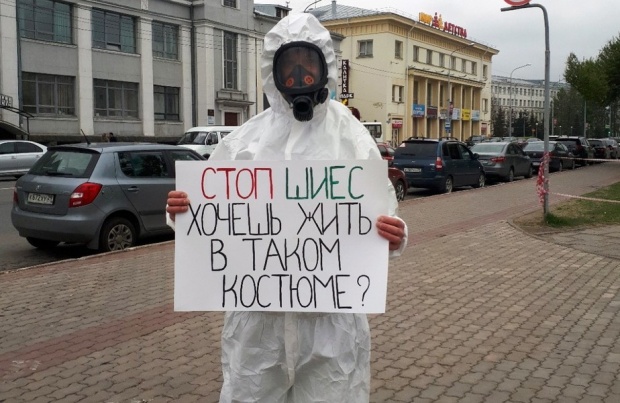
“If at the beginning of the project we wrote literally about everything, now the level of civil activity has become much higher. It becomes simply impossible to cover everything, so we select the most important events daily-our activist authors help to form a summons, ”says Alla Chernysheva.
Mikhail Matveev calls the project "a bridge between activists, large media and experts." Activatica is an example of a non -profit platform that unites users to solve problems.
Cooperative Uber, Airbnb and Ebay: How are analogues of rental services
Platform Cooperative (platform cooperativeism) is a common business model in the West, which is based on the exchange of services or goods between people related to each other with common interests. This interaction occurs through the site or project application. One of the main values that platform cooperativeism broadcasts is Democracy as an element of project management. The cooperative is built on the direct structure of management, self -organization of community members (in contrast to the vertical hierarchical control model characteristic of corporate culture).
For the first time, Platform Cooperative began to talk in 2014, when the professor of the New York New School ( New School ) Trebor Scholz published an article “Platform Cooperativeism Against Economy” Economy). The separated economy is based on the rental of services. Owners of services such as Uber or Airbnb do not have their own infrastructure. “They haven’t created anything, but simply use your cars, apartments, labor and, most importantly, your time,” the article says. What prevents employees of these companies from uniting with developers to create their own platform? “There is no magic in the creation of such software - this is not a missile engineering,” writes Scholz. So he shows that the absence of intermediaries in cooperatives helps participants gain great benefit than when working in the company. But this is not the only goal of associations.
The PEOPLE's Ride service, working in the north of the United States, positions itself as an alternative to Uber. He appeared in 2015, when several drivers united to work with clients without intermediaries. A year later, 15 people worked in a cooperative, each of whom was a full -fledged business participant. From the very beginning, the founder of People's Ride Matthew Bar chose a model of platform cooperativeism in order to return the social aspect to this work. In an interview with Democracy at Work, he noticed that the Uber model can make drivers feel like robots that will strive to earn every free minute. In PEOPLE's RIDE, the driver can get up to 55% more due to the same involvement of a smaller number of people in the work of the company. PEOPLE's Ride knows their customers well and offer more options for preferential trips. “When I don’t know how to solve the problem, another driver or client tells me the idea. This will not work in a huge capitalist company, ”says Bar. Uber drivers will not receive the benefits of the discount that the company will make to customers, while the drivers of People's Ride will decide together what to do with additional profit. Sometimes this money is directed to each other or members of the families of drivers, part of the income is regularly transferred to social projects in Grand Rapids (the city in Michigan, where PEOPLE' RIDE works).
Out of the desire to show social responsibility, another analogue of large business - the Fairbnb service. In Europe, promotions were repeatedly held against Airbnb. Users of the service were accused of overestimating the prices of housing rental for tourists, which is why finding an apartment for long-term residence was more difficult. In Bologna, where Fairbnb founded, students protested against raising rents due to dominance in the Airbnb market. The co -founder of the startup Emanuel gave Carlo in an interview with Forbes explained that Fairbnb was conceived as an ethical analogue of Airbnb so that none of the market participants suffer. “We want to show that large work in the tourism market can be combined with social responsibility. (...) We want to find a market solution that will open up opportunities for local communities in problems caused by tourism, ”says Carlo Dal. We are talking about a change in the urban environment under the influence of tourism. Due to the increase in rent, many companies were forced to move from the historical center. In their places, bars and shops with food for removal were opened, which turned residential quarters into tourist areas. For Fairbnb, it is especially important that their owners rent rooms and apartments, and the premises are registered according to local rules. The service does not charge a fee from the owners, and the guest pays the reservation commission. At the same time, 50% of the lease amount is transferred to the development of one of the social projects in the city, for example, the creation of parks (local residents make a decision).
In Russia, the first models of platform cooperativeism began to appear in the mid-2000s. Developer Maxim Karakulov , working on Khabra projects, noticed how online communities began to develop actively. At this time, social networks have not yet been developed enough, but users were already actively led blogs in the “living magazine” and used Wikipedia. “Friends and I realized that just like people share information, they can share material benefits with each other. It is only necessary to digitize this process and show them, ”says Karakulov.
So, at the end of 2008, Darudar appeared, which invited people to exchange gifts. At first, they decided to launch the project only among friends, but ten days later, when it began to be discussed at Habr, the number of users grew to a thousand people. “It turned out that people seemed to be waiting for this service. They immediately understood our idea - not to sell, namely to give things and services, ”says Maxim.
In order for the idea of the project to be preserved, the creators thought out the gift script. A person who wants to receive a certain gift must write in the comments under the gift of the donor why he needs it. For example, one of the gifts-the Xiaomi fitness bracelet-users asked for their loved ones: “My daughter is engaged in fitness, and is interested in this. I would like to wish this gift for her. She just told me yesterday that such a watch is better than the phone that displays the number of steps. Therefore, I wish with hope ”or“ I wish your gift to introduce sports among my mother - it is time for her to engage in health and similar calculations, and the gadget would have been perfectly dipped her, judging by her interest. ” The donor himself chooses who to give the thing, after which they will write gratitude to him, and the story of gifts in the profile will be replenished. Maxim says that such a system allows users to distinguish giving from the return of the unnecessary.
Darudar began as a non -profit project, but with growth it took money to maintain the site. The creators used banner advertising, launched a crowdfunding campaign. “The collection of donates in better times brought 20 thousand rubles a month for the work and development of the site, which 500 thousand people visited monthly, this is very few. We talked with experts and all as one said: “If there is no monetary exchange inside the community, how can you earn money?” But it is impossible to introduce a monetary exchange within the gift - the project will lose its meaning, ”says Maxim. The creators decided to make several paid options - an expression of public gratitude for the gift and the opportunity to give a virtual gift. Together, this brings about 10 thousand rubles a month, so the developers think about other solutions. “When there is no monetization model, the only development path is volunteer participation. To attract developers, you need to lay out the sources in open access and offer a convenient platform for those who want to participate in the development of Darudar. For such a project, development with the help of volunteers is already a different level of organization, but we hope that people will want to join. ”
It is difficult for non-profit projects working on the model of platform cooperativeism to compete with Uber, Airbnb or Ebay business analysis, Maxim notes. But as a developer, he believes in the prospects of the direction. “If everything develops in a spiral, then remember: the Internet has begun with free things. The first social networks and online communities were built on the same basis as Wikipedia. Only later, when the business caught these trends, technologies appeared for a commercial basis. I think that the next period will be again associated with the creation of platforms and the interaction of people on a non -profit basis. And the projects that will work in this sector will have to, first of all, ensure trust between people. ”
Creation economics exchange
Platform cooperativeism is an integral part of the economy of joint consumption, said the invited teacher of the faculty of business and management of the Higher School of Economics, partner of the communication agency PR Inc. Yana Osman. In 2010, economists Rachel Bottsman and Rogers presented the Sharing Economy concept in the book of What's Mine is Yours: The Rise of Collaboration Consumption (“What is mine: your growth of joint consumption”). “We begin to realize that in the united world we can share, exchange and trade everything you like. We exchange master classes for various topics: from cooking sushi to programming on Skillshare. We even exchange our pets for Dogvacay. Welcome to the wonderful world of joint consumption, ”Botsman said at the TED conference. The idea that it is more convenient for people to pay for renting a product than to own it constantly is Time magazine called one of the changing the world.
In a sociocultural context, the idea of joint consumption appeared much earlier than the release of the book, notes Yana Osman. Among the most interesting cases in the field of Sharing Economy, she allocates the American Kiva platform, on which lenders help entrepreneurs start and strengthen their business. They choose an application that they would like to finance, and give out an interest -free loan (minimum fee - $ 25). The project, which was launched in 2005, has already helped 2.8 million entrepreneurs from 78 countries receive microcredits totaling more than $ 1.3 billion. At the same time, the level of repayment of payments is 96.7%. The founders of Kiva call their mission the struggle against poverty.
Speaking about the evolution of Sharing Economy in Russia, Yana Osman identifies five stages:
- Second Hand Sharing is a basic, pre -sharing stage at which people exchanged clothes and books in libraries;
- Torrent Sharing-a period when people mainly divided online content: films, music;
- Uber Sharing is the stage of combining online and offline platforms, when people began to “haister” offices, houses, cleaning, transport and even instructions;
- Social Sharing is the current stage during which the technological relarm is transformed into a social one. “The traditional staircase of material well -being is destroyed. The rich poor are no longer an oxymoron: we take a comfortable life in the click of a button in a mobile application, ”says Osman;
- Conscious Sharing is the next stage that will require people more awareness and new actions. “We will not have to build ourselves, but create conditions for others to build. To inspire people not to be users, but by co -authors. It turns out a kind of creation economy, ”Osman believes.
The co -founder of the Rentmania rental service Lyudmila Bulavkina agrees that the creation of conditions is the right stage, but doubts its implementation in Russia. “I am engaged in entrepreneurship for the ninth year and during this time I have not met examples when a project emanating from the people from below became mass. The developing story is always based on the driver of the movement - namely an entrepreneur who leads and inspires others with his example, ”she says.
In order to determine the Sharing Economy in Russia today, Lyudmila Bulavkina turns to the definition of the Russian Association of Electronic Communications. “According to RAEC, this segment includes any kind of commercial operations, where the same thing and service passes through more than one user. That is, it turns out that the shelter also includes ads of ads-the Internet services of Avito or Yula, ”she says.
The development of the shering economy directly depends on the level of income of the population. Shering allows you to improve the quality of life without paying for this the full cost, says Lyudmila Bulavkin.
“Now we see that the population in Russia is becoming poorer. Как бы грубо это не звучало, но это означает, что сегмент шеринга на этом фоне будет возрастать. Шеринг растет от бедности, делая недоступные вещи доступными. Если раньше его основными потребителями были люди, которые выступали за осознанность как образ жизни, отказываясь от владения автомобилями и выбирая комнату на Airbnb вместо номера в отеле, то сейчас шеринг предлагает взять в аренду товары масс-маркета – одежду и даже еду», – говорит Булавкина.
По ее словам, только за последний год в России появились около пяти проектов, связанных с шерингом продуктов, в которых участвуют рестораны, поставщики и частные предприниматели.
Шеринг еды и одежды: как некоммерческие проекты входят в бизнес
Фудшеринг в России начал появляться в 2015 году. Тогда 26-летняя Анна Успенская, компьютерный лингвист, узнала о немецкой платформе Foodsharing.de , которую создал журналист из Кельна Валентин Турн. Работая над фильмом Taste the Waste («Попробуйте отходы»), он заметил, как много ресурсов теряет планета вместе с выбросом еды. Остатками продуктов, которые ежедневно выбрасывают во многих странах Европы, можно было бы накормить голодающих по всему миру.
По данным ООН, каждый день в мире выбрасывают 1,3 миллиарда тонн еды. Анну заинтересовала эта проблема, и она решила узнать, как ее решают в России. Она начала встречаться и с владельцами, администраторами и сотрудниками кафе. «Многие говорили, что остатки еды просто пропадают. Некоторые хотели или даже пробовали найти им применение, но не нашли удобного способа, а тратить на это рабочее время и силы не было возможности. Тогда я поняла, что этот проект нужно делать», – говорит Анна.
В первое время волонтеры « Фудшеринга » просто заходили в различные кафе в Москве и рассказывали администраторам об идее. «Мы спрашивали, остается ли еда, и просили ее отдать для раздачи нуждающимся. В основном нас встречали позитивно, редко отказывались, ссылаясь на недостаток времени. Кого-то просто останавливало то, что это что-то новое и еще непонятное», – рассказывает Анна. Через некоторое время у проекта появились постоянные партнеры, и теперь уже организации сами обращаются к «Фудшерингу». Сейчас основные партнеры проекта – это пекарни, столовые в бизнес-центрах и лавки с овощами и фруктами. Волонтеры проверяют пригодность еды в пищу.
Главное отличие российского проекта от немецкого – в решении сделать его благотворительным. Волонтеры раздают продукты нуждающимся людям, среди которых, например, многодетные семьи. В Германии фудшеринг – экологический проект: еду может получить любой человек, чтобы спасти окружающую среду от лишних выбросов.
Московский «Фудшеринг» сейчас волонтерская организация, которую Анна Успенская хотела бы зарегистрировать как благотворительную. Это позволит проекту, например, заключать договоры с партнерами. По мнению директора благотворительного фонда « Второе дыхание » и основателя сети магазинов Charity Shop Дарьи Алексеевой , некоммерческие организации должны стремиться сотрудничать с бизнесом и позиционировать себя как профессионалов. «Это позволит воспринимать НКО не просто как ребят, которые делают добрые дела, а как людей, которые могут организовывать дополнительные процессы в компаниях и получать за это доход. А полученные деньги организации могут потратить на свои проекты», – говорит она. Эта идея помогла ей войти в НКО-сектор и выстроить эффективную бизнес-модель на основе шеринга одежды.
В 2009 году во время поездки в Гонолулу (Гавайи, США) Дарья потеряла документы и банковскую карту и оказалась в центре для бездомных. «В ситуации, когда у меня не было денег, багажа и знакомых, я столкнулась с системой, в центре которой человек и его потребности. Меня поразило то, что в центре мне выдали бритву и гель для душа – вещи, которые нужны не для того, чтобы выжить, а чтобы просто комфортно себя чувствовать. Оказавшись бездомным, можно было сохранять обычный внешний вид, не превращаясь в запущенного, живущего на улице человека. Одежду можно было выбрать на большом складе, где все было разложено по полочкам», – рассказывает она. Позже Дарья узнала, что в США и Европе сбор использованных вещей и их сортировка для передачи нуждающимся – налаженный механизм. Люди сдают свою одежду, которую перестали носить, в специальные благотворительные магазины. Вещи в хорошем состоянии продают, а деньги направляют на социальные проекты.
Вернувшись в Россию, Дарья решила попробовать этот формат, но только среди знакомых. Она попросила приносить вещи известных брендов, чтобы продать их дешевле и вырученные деньги передать в благотворительный фонд. Одежды, которую люди перестали носить, которым она не подошла или просто разонравилась, оказалось много: если сначала вещи приносили друзья Дарьи и ее знакомые, то через несколько месяцев – люди, которые услышали о проекте случайно. Постепенно начали появляться вещи в состоянии, непригодном для продажи. «Встал вопрос: что с такими вещами делать? Продать их невозможно, выдавать стыдно, а выбросить можно, когда накапливается пара пакетов, но не «Газель». Мы начали искать способы переработки». Так появился первый благотворительный магазин Charity Shop, а также фонд «Второе дыхание».
«Очень многие вещи, которые мы считаем мусором просто за то, что они где-то помяты или имеют какой-то маленький дефект, можно наградить второй жизнью и увидеть в этом красоту, осмысленность и этику совсем другого свойства. Весь бренд об этом – о том, как можно сделать своим что-то, что уже побывало в чужих руках», – объясняет популярность идеи Илья Осколков-Ценципер, основатель журнала «Афиша» и дизайнер, компания которого работает над фирменным стилем проекта.
В 2018 году фонд «Второе дыхание» собрал 300 тонн вещей, а сейчас ежемесячно получает около 70 тонн. Дарья уверена, что этот объем будет расти: кроме частных передач, проект поддерживают магазины, торговые центры и компании, которые устанавливают на своей территории контейнеры для приема одежды. «Мы собираем все – одежду, обувь, аксессуары – и сортируем это, отправляя то, что нельзя использовать, на переработку. Это убыточная для нас история – мы занимаемся переработкой исключительно из социально-экологических ценностей. Чтобы раздавать вещи в хорошем состоянии нуждающимся, у нас должны быть деньги от продажи брендовых», – говорит она.
«Второе дыхание» привлекает к своей работе подопечных других благотворительных фондов. Например, бездомные люди, у которых практически нет возможности трудоустроиться, могут сортировать одежду и получать зарплату. «Получается так называемый шеринг между фондами с точки зрения людей и компетенций. При этом мы не вмешиваемся в повестку друг друга и продолжаем специализироваться на том, в чем разбираемся».
Дарья отмечает, что изначально проект был ей интересен как фандрайзинговый, а не шеринговый. «Это лайфстайл-концепция: когда ты сам хочешь, чтобы у тебя дома не было лишних вещей, мы поможем с этим справиться. Нам почти никто не помогал, но мы и не просили денег. Расходы на склад, логистику и сортировку вещей мы окупаем за счет собственных же продаж». Но когда со временем «Второе дыхание» начали воспринимать как серьезную компанию и полноценного оператора по переработке вещей, компании были готовы частично оплатить работу фонда. «У бизнеса есть выбор – нанять какой-нибудь завод, который просто сожжет вещи (и это будет законной утилизацией), или обратиться к нам и таким образом поучаствовать в благотворительности», – говорит Дарья.
В июле 2019 года она стала победителем в номинации «Социальные практики» рейтинга «30 до 30» журнала Forbes. Для развития НКО в сегменте шеринга Дарья советует организациям четко представить, в чем заключается их конкурентное преимущество, и обратиться с полезным предложением к бизнесу.
Технология доверия
Платформенный кооперативизм – составная часть шеринговой экономики, убеждена Осман. Она называет удачным примером создание локальных кооперативов, которые могут ответить на вызовы местных сообществ. «К сожалению, пока многие кооперативы – это не самостоятельные идеи, а калька с успешных коммерческих проектов. Fairbnb сложно конкурировать с Airbnb. Кроме того, кооперативам свойственны медленные и неэффективные процессы принятия решений, а также обратная сторона эксклюзивности – когда в погоне за удовлетворением собственных целей члены клуба могут пренебрегать потребностями потребителей».
Золотой серединой между шеринговой экономикой и кооперативизмом можно назвать пиринговую экономику (peer-to-peer – равный к равному), которая работает благодаря самоорганизации участников, без иерархической модели управления. Пример – британский проект Landshare, который в 2009 году создал предприниматель Хью Фернли для объединения землевладельцев и начинающих садоводов. Вместе они начали выращивать собственную еду. Через два года после появления на Landshare было зарегистрировано более 60 тысяч человек и организаций – землю предоставляли не только частные собственники, но и футбольные клубы, и даже церкви. Вскоре после запуска проект объединился с сообществом SharedEarth в площадку SharedEarth Globally , которая охватила уже пользователей в США и обратилась к ним с призывом Help us make better use of the planet («Помогите нам сделать планету лучше»).
Выступая на конференции TED, Рэйчел Ботсман назвала секретом шеринговой экономики технологию, которая способна создавать доверие между незнакомыми людьми. Баланс сил на рынке начинает меняться в пользу потребителей, заметила она еще в 2010 году. «Люди вступают в значимые связи, благодаря которым мы заново открываем для себя человечность, которую мы потеряли по пути. Все это происходит через такие площадки, как Airbnb, Kickstarter, Eatsy, которые построены на личных отношениях, а не на безликих транзакциях».
Яна Осман согласна с тем, что доверие – актив любого шеринга. По ее мнению, в России будет все больше утрачиваться доверие к институтам – банкам, правительственным организациям – и возрастать к «незнакомцам» из сферы шеринга. Стоит ожидать, что государство начнет регулировать этот процесс, а также встраивать шеринговые проекты в экономику. Так, каршеринг с выходом на рынок «Делимобиля» стал частью проекта «Московский транспорт» наряду с метро и автобусами. «Все это будет оказывать давление на классических игроков: они будут пытаться противостоять подобным вторжениям, и государству придется лавировать между новым и старым», – считает Осман.
Впрочем, Людмила Булавкина считает, что перед шеринговыми проектами сейчас стоят вызовы, с которыми всегда встречается бизнес. «Важно не пытаться объять весь рынок сразу, а выбрать максимально узкий клиентский сегмент и попытаться на нем заработать, – говорит она. – Угодить всему рынку сразу пока ни у кого не получалось. Предприниматель должен четко понимать, для кого он придумал свой продукт – с этой точки начинается успешный сценарий».
В последние несколько лет появилось несколько объединений нового типа – GovTech и CivicTech. Если проекты платформенного кооперативизма и шеринговой экономики чаще всего представлены как бизнес, задача этих направлений – связать технологии для решения государственных и общественных проблем.
GovTech использует инновации малого и среднего бизнеса, чтобы сделать работу правительства более эффективной. Forbes приводит несколько примеров GovTech-работ – система распознавания лиц на основе искусственного интеллекта, которую используют для безопасности, методы глубокого обучения (deep learning) для улучшения медицинской диагностики и чат-боты для облегчения взаимодействия с гражданами. В ноябре 2019 года в Париже пройдет Summit GovTech, который поддерживает президент Франции Эмманюэль Макрон. На саммите соберутся политики европейских стран и бизнесмены, чтобы обсудить, как новые технологии могут улучшить предоставление общественных услуг.
В отличие от GovTech, бенефициаром CivicTech выступают граждане, а не государства, объясняет брюссельский проект CitizenLab. Проекты в этой сфере создают для того, чтобы люди узнавали о проблемах и объединялись с местными властями для их решения. CivicTech в основном построены на использовании открытых данных. Один из главных примеров – сервисы Open Government (Открытое правительство), которые начали появляться в разных странах для того, чтобы сделать работу правительства более прозрачной для граждан. После открытия этих площадок люди начали объединяться в более локальные – например, сообщества соседей. Проект может одновременно относиться к GovTech и CivicTech-сферам, если его главная цель – решение проблемы.