
Translated material
The British PR man Tim Bell died. He helped Thatcher to come to power, Pinochet - to avoid prison, and Berezovsky - to draw attention to the murder of Litvinenko
At the age of 77, the British political strategist Tim Bell died. He began with work on Margaret Thatcher, who admired until the end of his life, and subsequently participated in political campaigns around the world, including Russia. He was distinguished by commitment to right ideas and confidence that in his work professional values mean much more than moral. Medusa tells what role he played in modern world history.
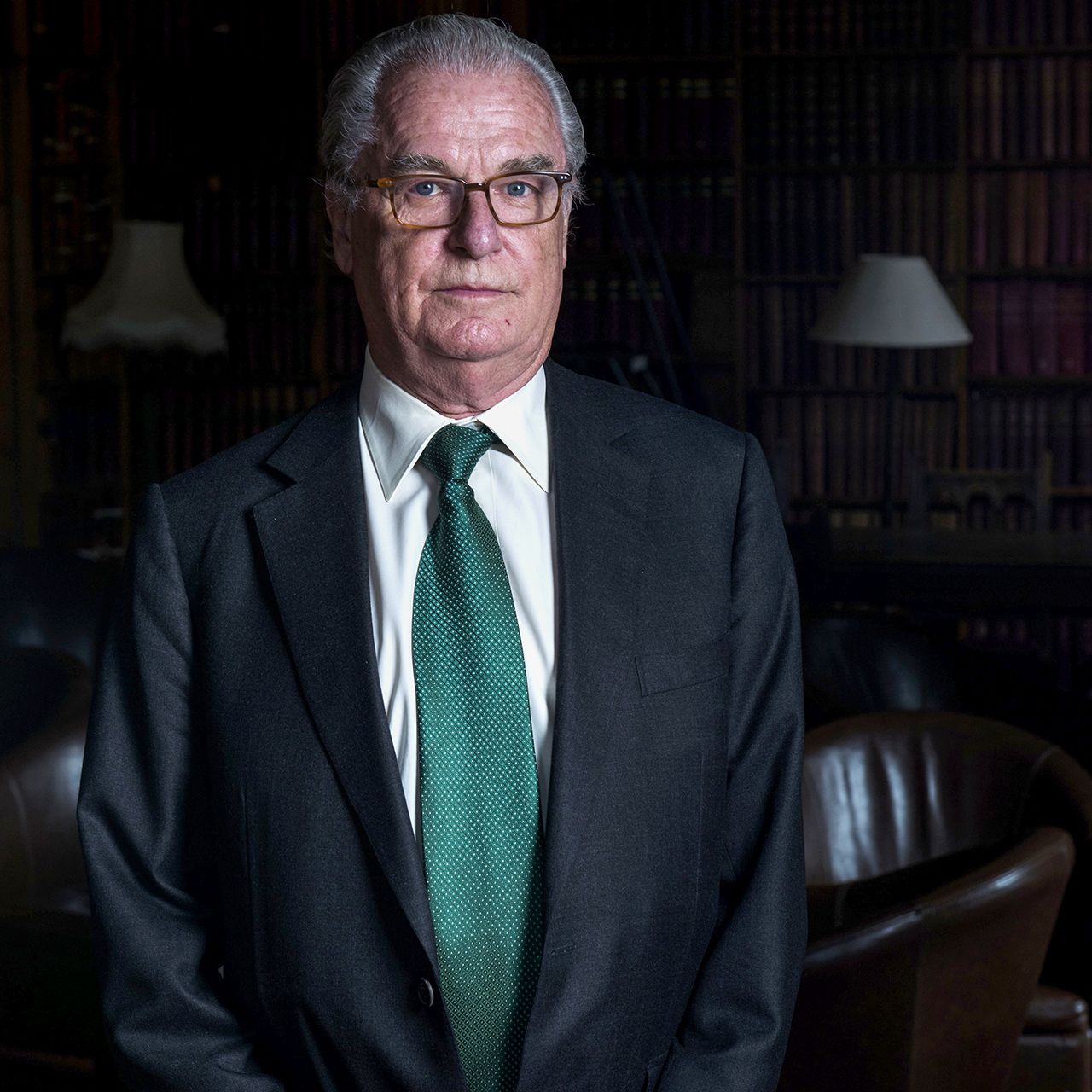
Was the main PR man Margaret Thatcher
Tim Bell was born in 1941 in London in the family of Irish and Australian immigrants. It belonged to the wealthy part of the middle class, in which the commitment of the conservative party was commonplace. In his youth, Bell was more passionate about commercial advertising than political PR, but the environment in which he was brought up predetermined the main work of his life.
In 1978, the Conservative Party, led by Margaret Thatcher, fled the agency in which Bell worked to develop his election campaign. At that time, the Labor Government was in power. With the name of Bella, the plants “Labor do not work” are associated, which shows the queue near the labor exchange - it was at the same time a hint of unemployment during the party’s reign, and its inability to cope with this problem.
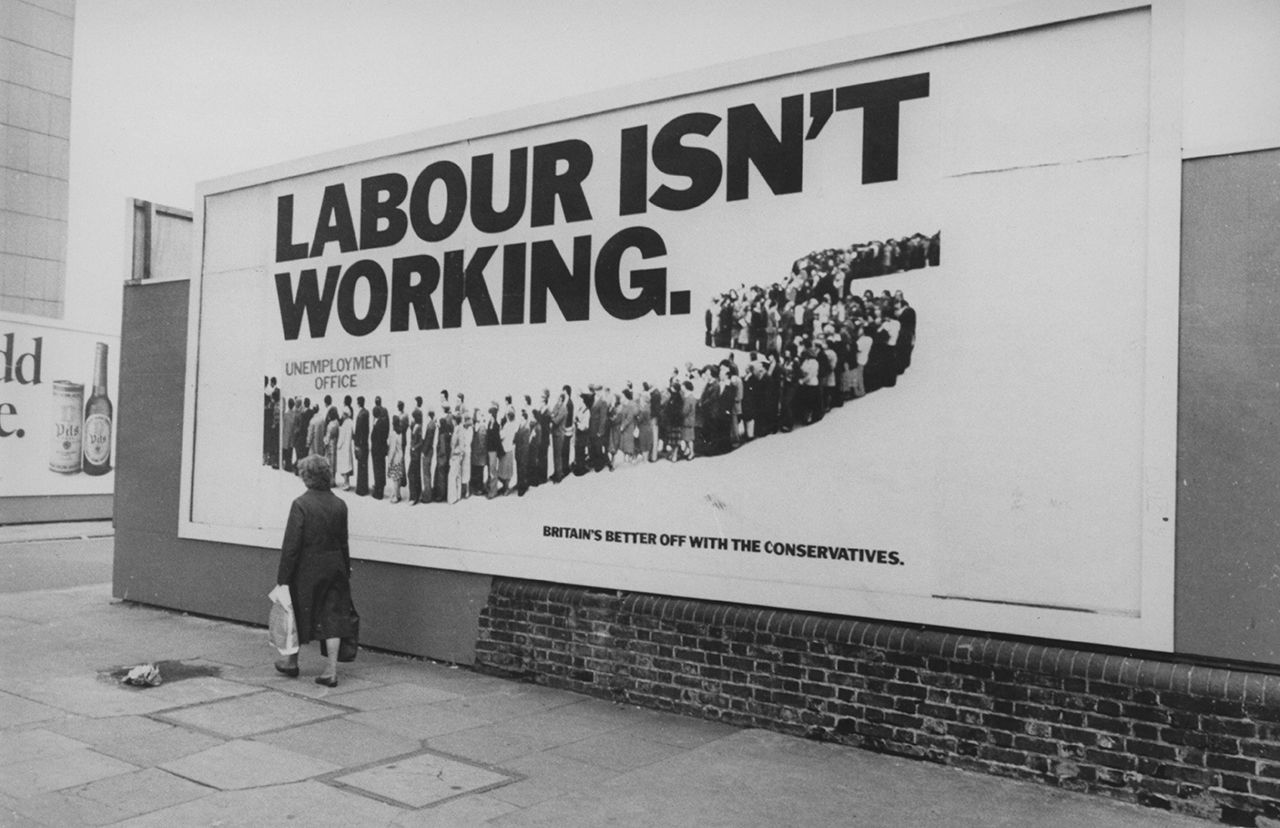
Tetcher, according to the memoirs of Bella himself, at first was far from enthusiastic about his idea and even called him an idiot, but in the end the poster became one of the most successful samples in the history of British election advertising, and it was to him that that was largely owed his victory. Subsequently, Bell entered the circle of closest advisers to Tatcher, who held the premier post from 1979 to 1990. By the way, the peak of unemployment in the UK fell on the period of its premiere.
“For some reason, she believed that I understand the needs of ordinary people, the devil knows why,” Bell recalled . Under Thatcher, he was erected into knightly dignity, later became a British peer.
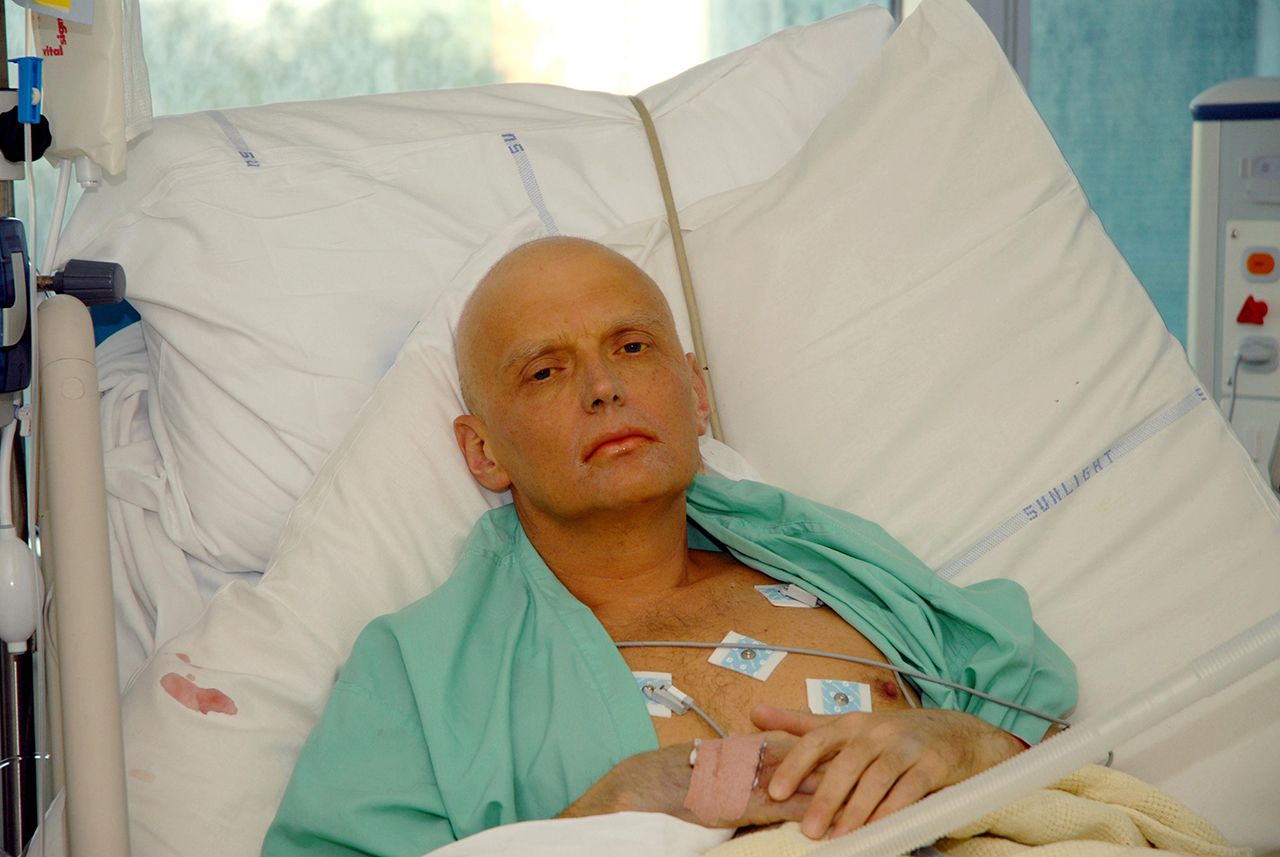
Published a picture of the dying Alexander Litvinenko
In Russia, Tim Bell visited the 1990s, when he was offered to advise Boris Yeltsin during the 1996 elections. He himself recalled that his ideas, based on election experience in democratic countries, did not cause much enthusiasm surrounded by the President of Russia. Bell wanted to convince the citizens to vote for Yeltsin, and not to order. “Russian people were born unhappy,” said Alexander Korzhakov, the head of the guard of Yeltsin, so to convince them, asking for something is a bad strategy.
Nevertheless, in Russia, Bella got acquaintance. Ten years later, he advised businessman Boris Berezovsky, who by that time emigrated to the UK, in his struggle against Vladimir Putin. Public attention was then attracted by the former FSB officer Alexander Litvinenko, who received political asylum in the UK and accused the Russian authorities of organizing explosions of residential buildings in 1999. Berezovsky actively helped him.
At the end of 2006, Litvinenko was poisoned, and immediately a version appeared that there were Russian special services behind this. It was Bella employees who organized the shooting of Litvinenko in the hospital and distributed his last lifetime photograph in the media, although the photographer was sure that she was shooting for relatives. Two days after the appearance of the photo, Litvinenko died. As it turned out, it was poisoned by Polonia - an extremely rare radioactive substance.
British law enforcement agencies believe that Russian intelligence agencies are worth the murder of Litvinenko. These events led to the fact that Russia's relations with Great Britain worsened at least a couple of years earlier than with other Western countries. Bell claimed that he advised Berezovsky and Litvinenko in a friendly manner, without reward.
He collaborated with Lukashenko, Pinochet and other dictators
Bell's reputation was ambiguous. Colleagues noted his charm, tact and truly British sense of humor. At the same time, neither he nor his agency Bell Pottinger never disdained cooperation with rather odious clients.
In 1998, the former Chilean dictator Augusto Pinochet was arrested in the UK. He made a military coup and came to power in Chile in 1974. With the name of Pinochet, they often associate the conclusion of the Chilean economy from the crisis, but he also organized mass persecution of left -wing oppositionists, activists and journalists, including foreign ones. It was because of the killing of their own citizens that Pinochet wanted to condemn in Spain. Bell was the main organizer of the campaign in order to prevent the issuance of Pinochet to this country, which was always the faithful ally of Thatcher in the anti -communist camp. The campaign was under the slogan “Reconciliation, not retaliation” and ended with the release of Pinochet.
Bell worked with dictatorial regimes in Bahrain and Egypt, and also helped the American military administration after the United States invaded Iraq and overthrew Saddam Hussein. Everyone who writes about Bella note that he was far from the only political strategist who collaborated with authoritarian regimes and leaders. However, as the Guardian newspaper claimed several years ago, Bella himself distinguished his commitment to right ideas - and work exclusively on the right dictatorship. “If someone inspired me, it is Ain Rand ,” he said.
True, this is easy to question. Among the clients of the Bella agency was, for example, the wife of the Syrian President of Asma Assad, and in Eastern Europe he helped Alexander Lukashenko, who could hardly be called an adherent of a free market and a capitalist economy. Explaining his consent to this work, Bell said that Lukashenko assured: Belarus wants to follow the democratic path.
Survived the collapse of the agency he created-due to a racial conflict in South Africa
Even less than ideological disagreements, Bella, obviously, bothered the thoughts of morality, which he called the "business of priests, not PR managers." But it was precisely because of the accusations of moral unscrupulousness in 2017 that the agency created by him was crisis.
A year earlier, Bell Pottinger agreed to work for the Gupta brothers - South African businessmen of Indian origin, who were extremely close to South Africa President Jaycobe Zuma. Customers wanted political technologists to cleanse their reputation from accusations of corruption, and at the same time introduced competitors as white monopolists who take money from the Black Most. In order to disseminate the relevant ideas, PR managers actively used Internet technologies, in particular, they created fake accounts and engaged in opponents trolling. The case ended that South Africa was on the verge of racial war, and it was precisely Bell Pottinger who accused of this - which took responsibility from the Gupt family and the President Zuma behind them.
Bell moved away from managing the agency just that year when cooperation with the Gupt brothers began. He subsequently claimed that he was against this project. Not for reasons of morality, but due to a conflict of interests: many of those against whom the PR campaign was directed, they themselves were the clients of the agency. For Bell Pottinger, it all ended in deplorable: it was expelled from the professional Association of PR managers, the company introduced external management. Bell was forced to make excuses for former colleagues, but few doubted the industry that if it were not for his name and authority, Bell Pottinger would not have received an order in South Africa.
Dmitry Kartsev