Translated material
"With a hole in the head and without a cross." Chronicle of the death of the Assumption Church
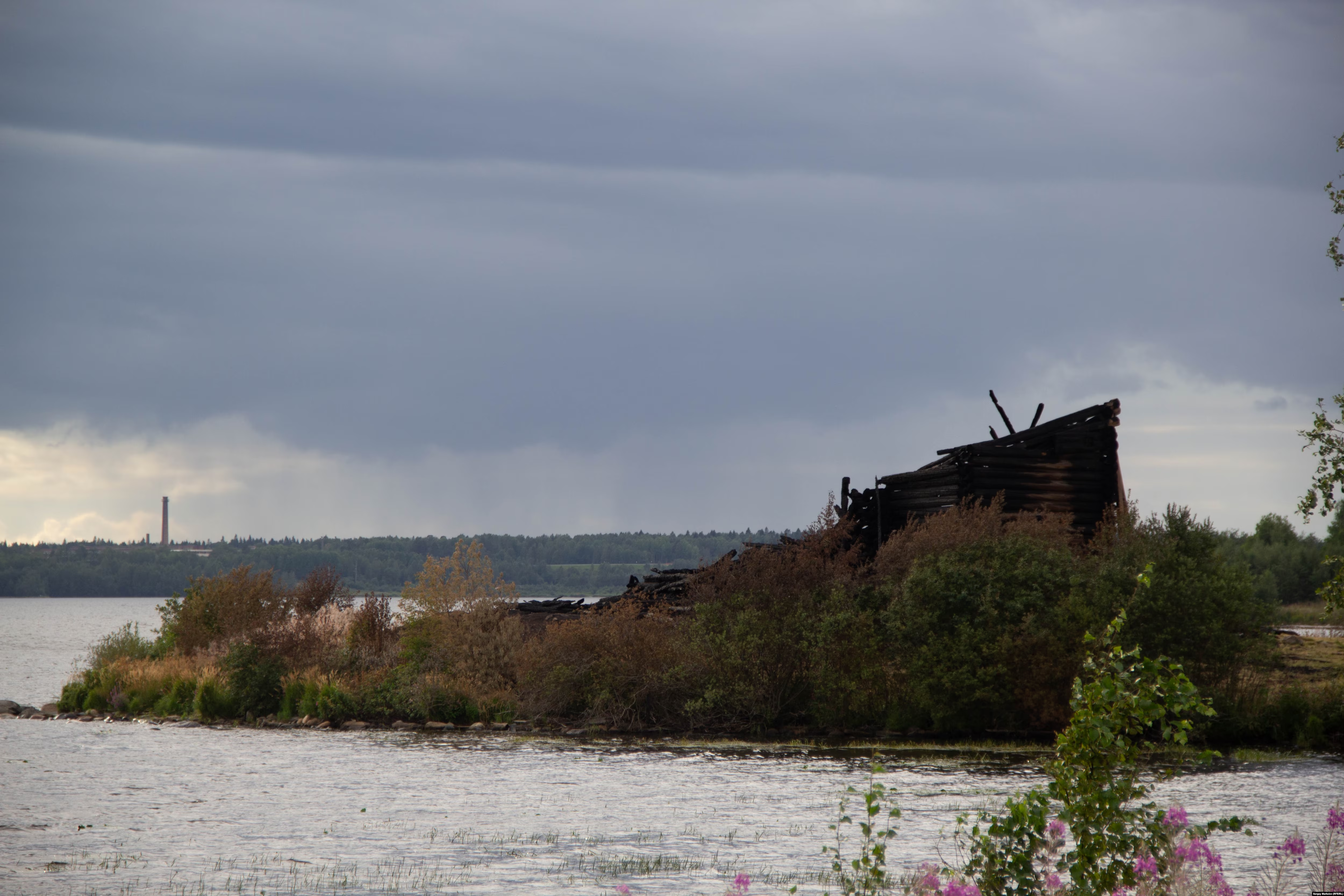
In Karelia on August 10, a unique monument of the 18th century burned - the Assumption Church in Kondopoga. The main version of the Ministry of Emergency Situations is arson. Investigators found a suspect and opened a criminal case. By the time of the fire, the Assumption Church was very dilapidated, the monument demanded reconstruction for many years. In recent years, only small groups of tourists have visited the temple, and now in Karelia they are discussing the possibility of restoring an old temple.
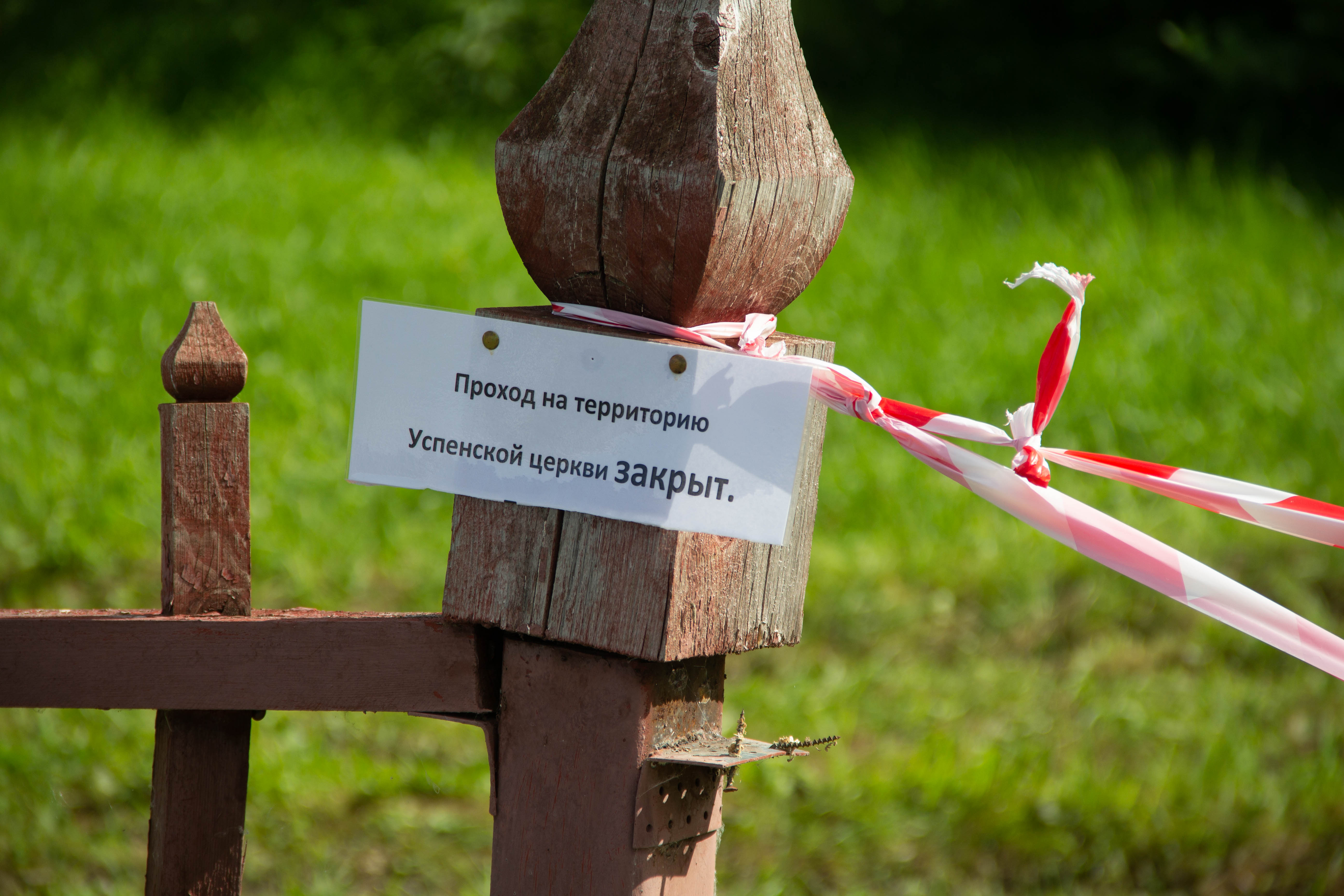
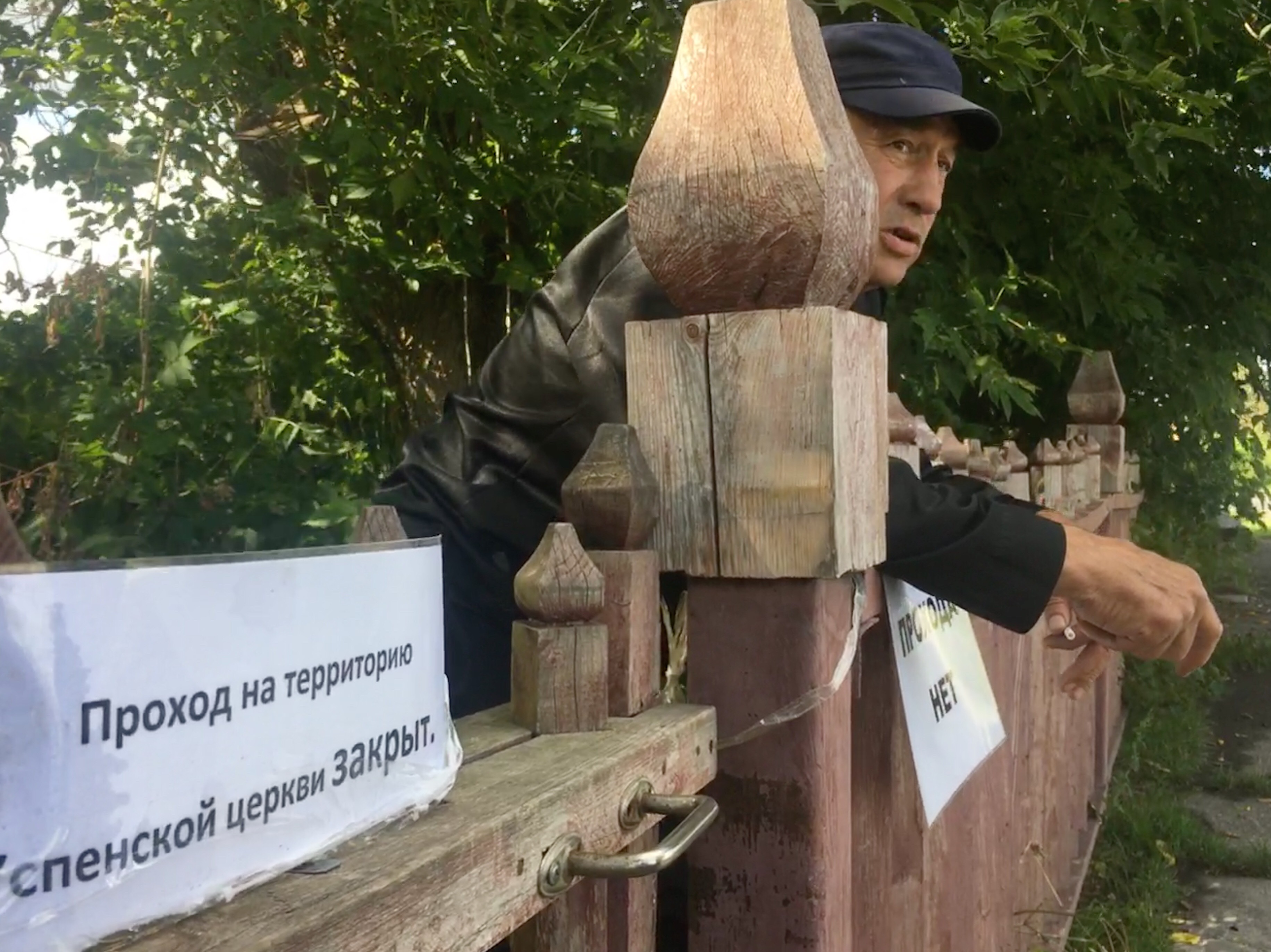
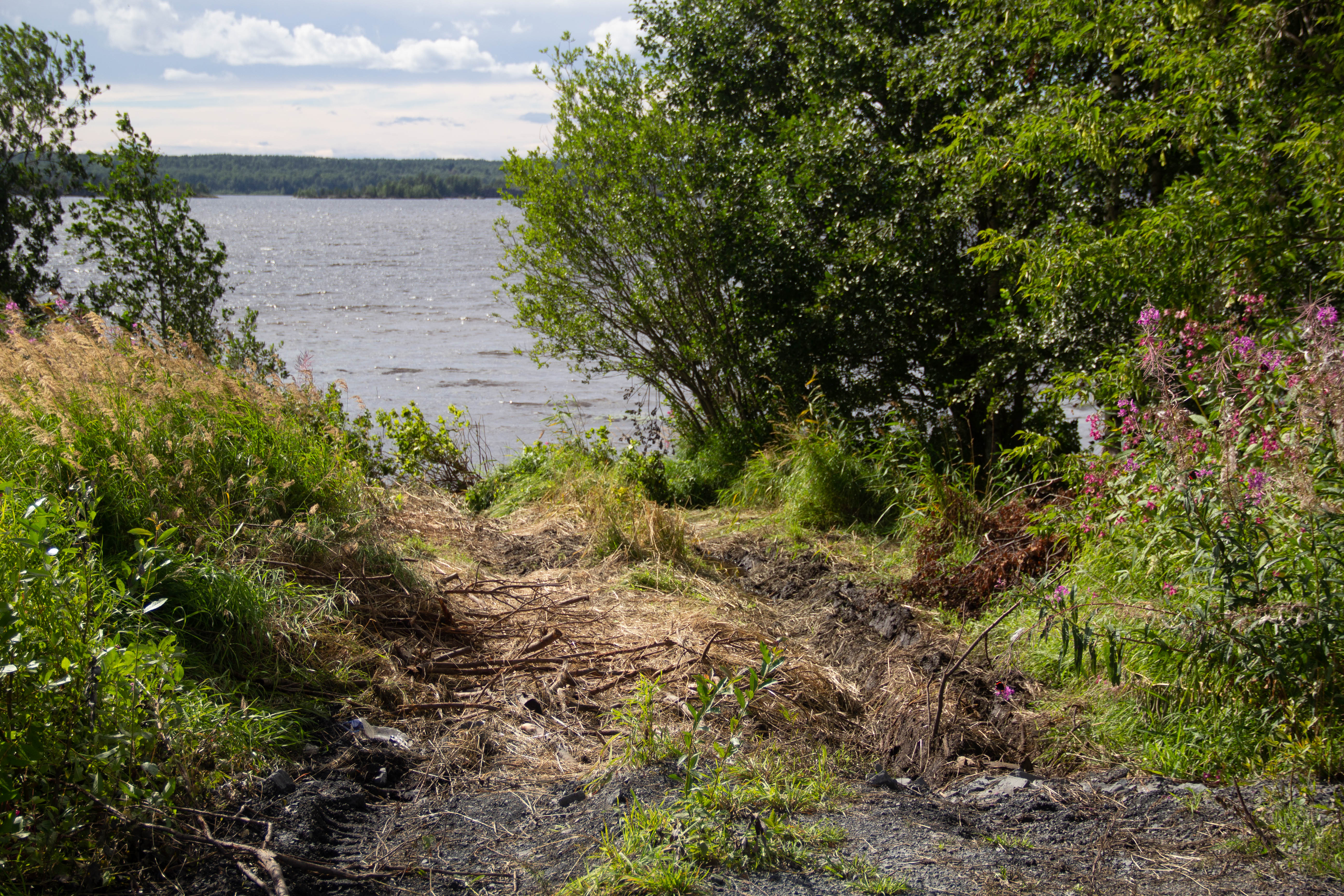
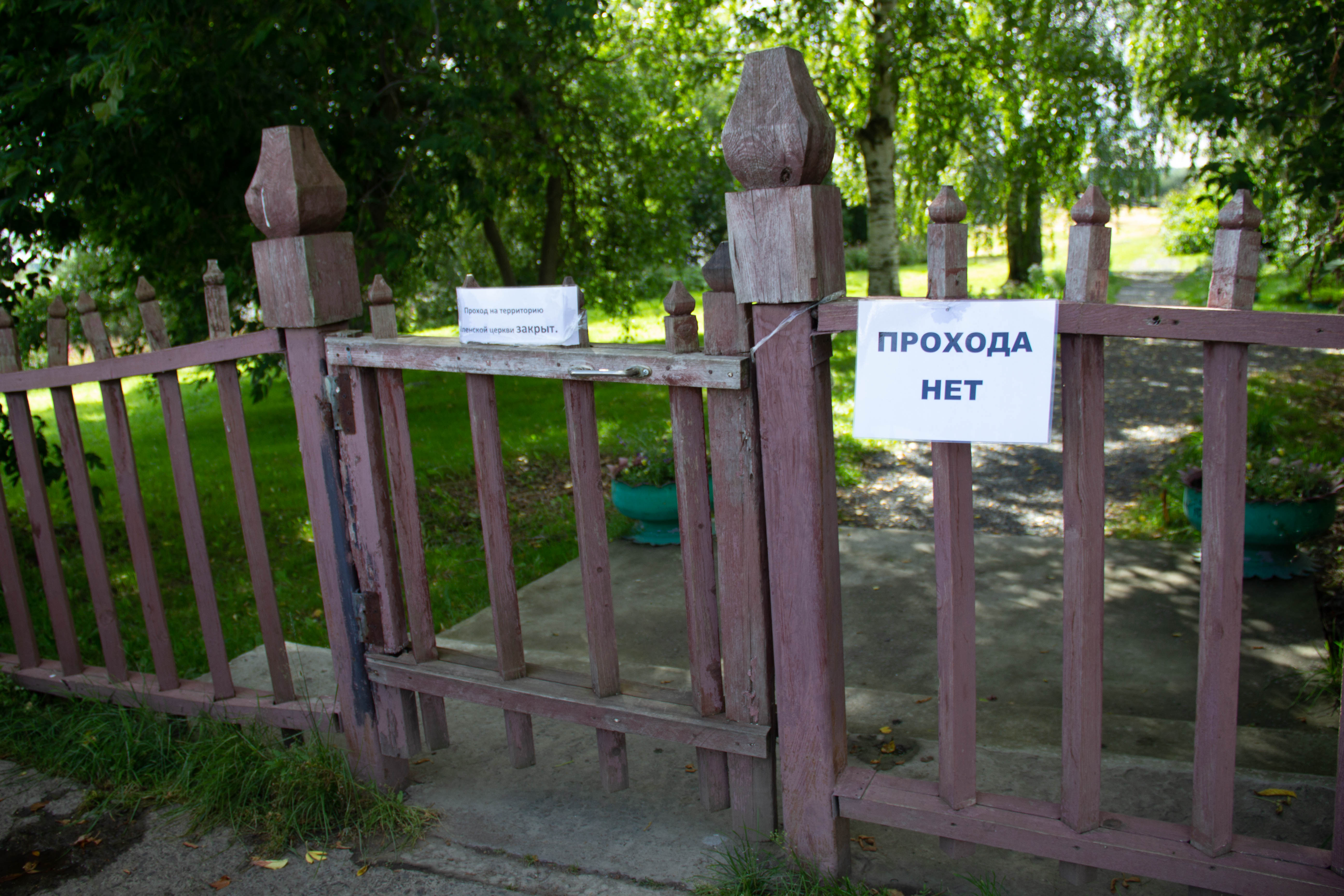
At the site of the fire around the perimeter-where the firefighters drove into the territory and broke the fence-the red-white tape is stretched, everywhere there are no passages. The wind from the lake brings the smell of conflagration, black charred logs peep through the trees. A taciturn caretaker in black uniform does not let into the territory and refuses to comment.
- All questions for my director, please.
- Did you work when the church burned down?
- Don't know. I don’t remember, ”he answers and turns away.
In the first hours after the fire, the caretaker said that the Ministry of Emergencies did not arrive as fast as they say, asked where the hydrants were located. One tank was not enough, I had to cut the road to the lake to get water - wide traces of the car are really visible next to the lake.
Now the watchman is not so talkative. It only says that the arsonist made his way along the shore of the lake, doused the church with gasoline and set fire to. Nobody saw him. Now this is an official version.
Investigators reported on August 13 that they detained the suspect-a 15-year-old teenager-satanist from Petrozavodsk, who came to Kondopog for the summer vacation. Local women say that the guy threatened to burn the church more than once.
"According to investigators, on the morning of August 10, 2018, a 15-year-old teenager, who visited a grandmother near the church in the city of Kondopoga, set fire to the Assumption Church of 1774. Based on the circumstances of the incident, a forensic psychological and psychiatric stationary examination was appointed in the case," the Karelia Investigative Committee reported on his site .
The teenager was placed in the Center for Temporary Contents of minors at the Karelia Ministry of Internal Affairs. Local residents are afraid that someone will want to take revenge on his relatives for the arson of the temple, but the name and surname of the suspect fell into the press. His page on the VKontakte social network is really dotted with satanic symbols and reposts with anti -religious statements. The author of the page regularly enters the network, but he voluntarily gave his tablet and password from social networks, who detained him on the way to Petrozavodsk, where he went on foot.
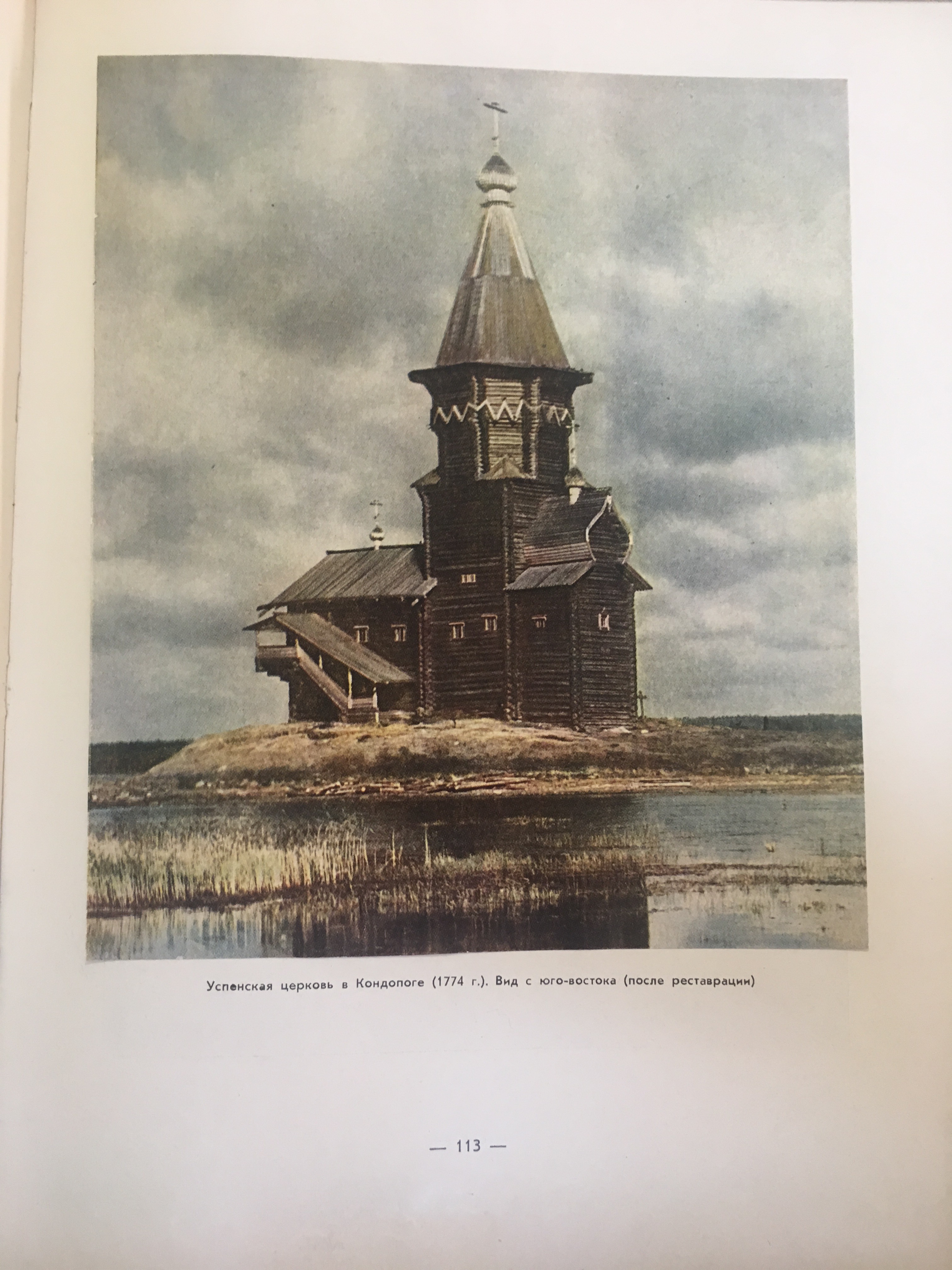
The local historian Viktor Karelin in the book "Essays on the History of the Kondopoga Territory" says that the first temple was burned by the Swedes in 1581. After the Swedish raid in the 17th century, a new church was built in the same place. “She apparently dilapidated and was replaced by a new one, which appeared“ Voice ” - a bell tower,” writes Karelin.
In 1774, a cannon factory was built at the mouth of the Lososinka River - after three years, Petrovskaya Sloboda became Petrozavodsky. Raw materials were brought to the factory through the waterways through Kondopoga; The Kondopogsky Pogost became an important transshipment point, through it, marble from the village of Tavda walked through it for developing St. Petersburg. In the same 1774, a 42-meter Assumption Church appeared on the shores of Chupa-Guba. It has survived to this day and, according to architects, has become, "the highest point of development of wooden tent architecture of the 18th century." In 1829-1831, the master Vasily Akimov cut down a bell tower near the church.
"The Kondopogsky Church was a peculiar beacon, its role was played by the open in the 19th century, the open tents on a small eight, facing the lake, which disappeared in the restoration, could successfully fulfill the role of a sentinel tower and allowed the sound and light alarms to the vessels walking along the Onega Lake," wrote Soviet Architect Alexander Opolovnikov in the book "Monuments of wooden architecture of the Karelian-Finnish SSR".
This is a pattern, not an accident, just the fate of the "Durik" slipped some
It was according to his project in the 1950s that the first post-war restoration of the Assumption Church was carried out. Before the war, she was reconstructed only in 1927. Three years later, in the Assumption Church, they stopped serving, and the last rector, father of Ionna Lyadinsky, was shot in 1937. The Kondopozh Temple received the status of a monument of wooden architecture.
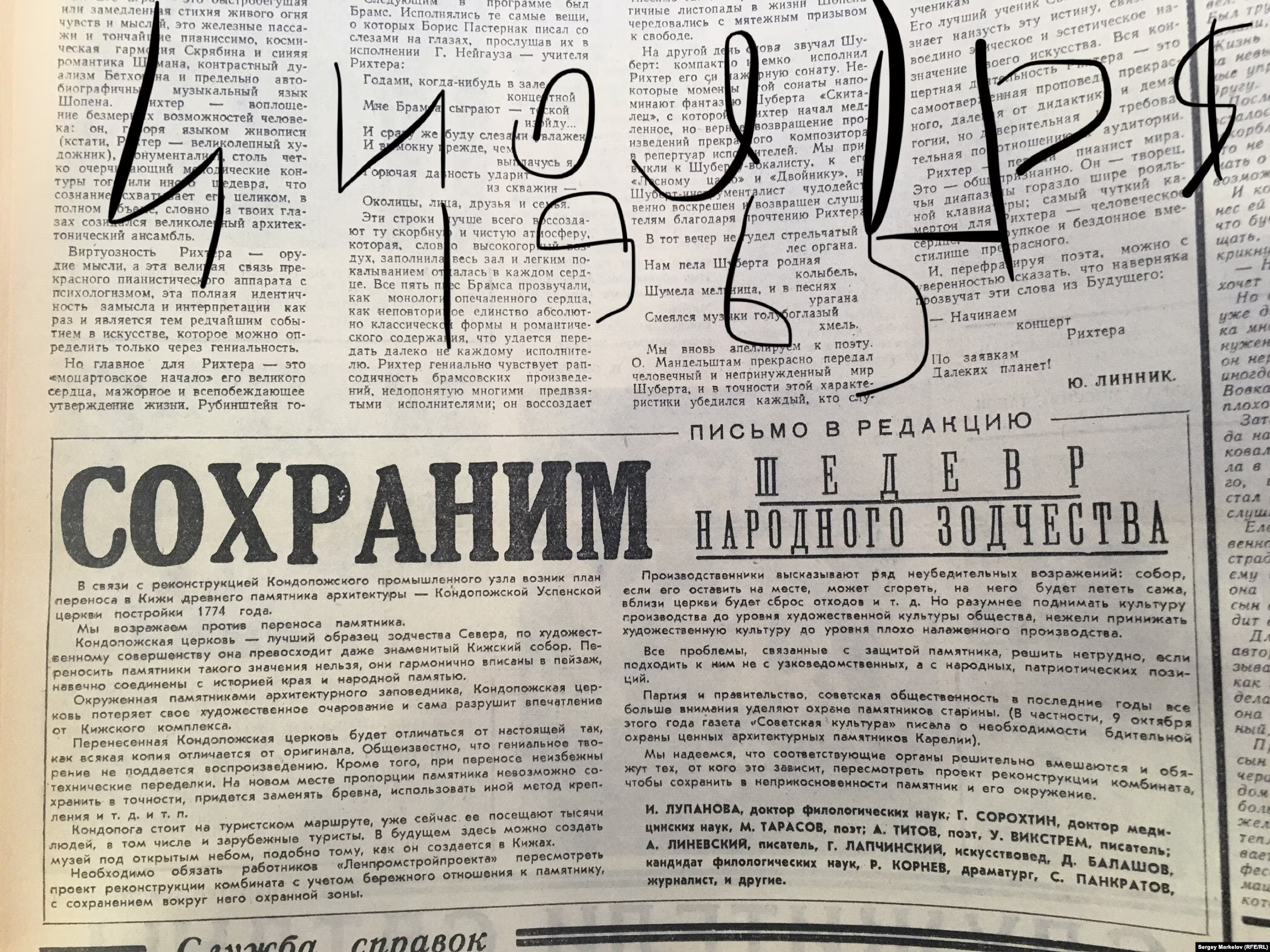
In the mid-1960s, the Assumption Church decided to transfer to the island of Kizhi. On November 4, 1965, the Komsomolets newspaper published an open letter "Preserving a masterpiece of folk architecture," under which scientists, poets, journalists and writers of Karelia signed. The initiator of the transfer of the Church was the Kondopogsky Central Bank: its leadership planned to dump industrial waste near the church.
“Production workers express a number of unconvincing objections: the cathedral, if you leave it in place, can burn out, soot will fly to it, there will be a reset of waste, etc.,” the authors of the letter wrote.
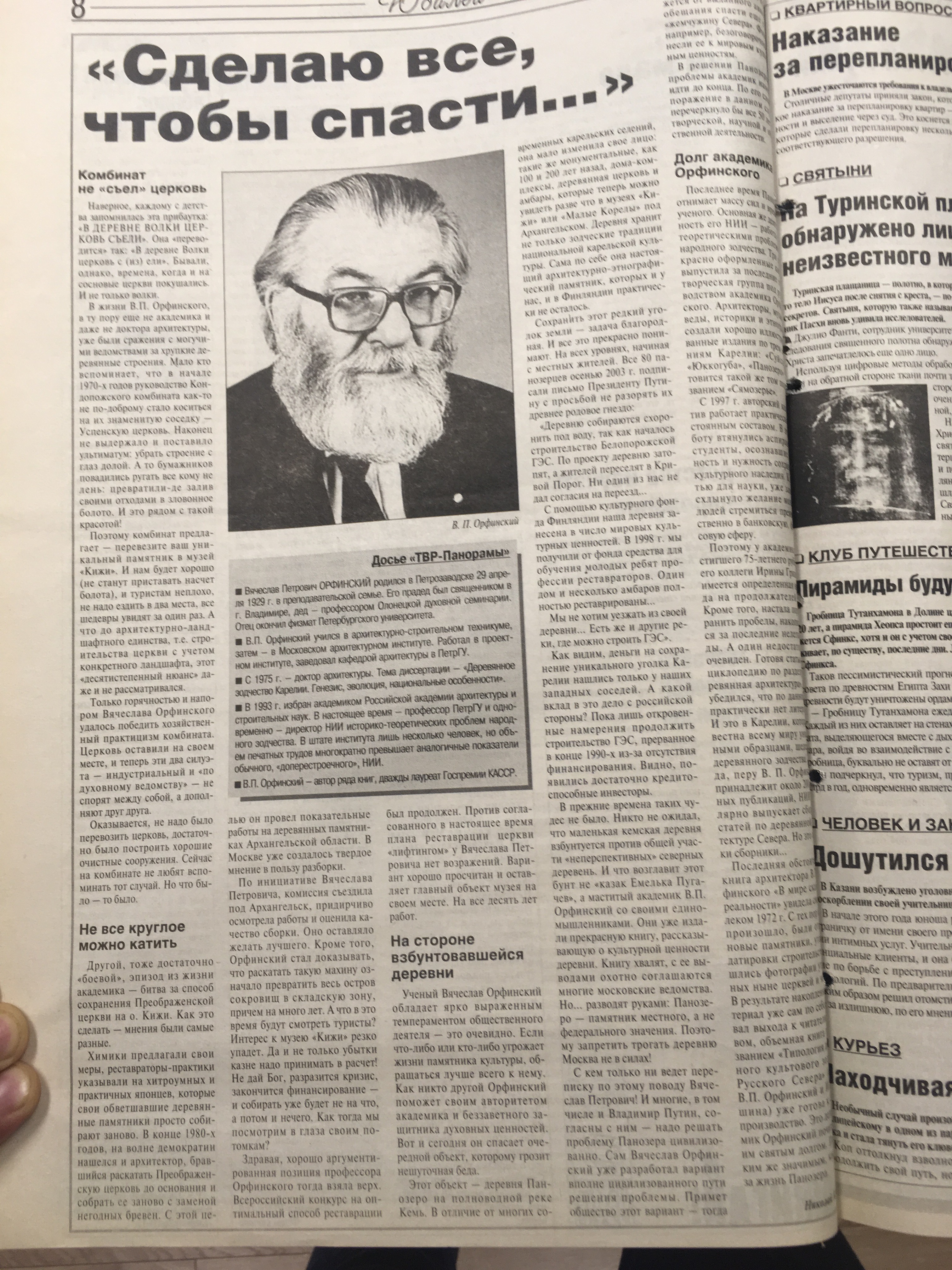
The church remained in its place thanks to the efforts of the Karelian architect Vyacheslav Orfinsky, and the plant installed treatment facilities.
The Assumption Temple in the press was again spoke in the 1980s. In the Komsomolets newspaper, several articles were published with an appeal to the authorities to pay attention to the Kondopogov Church, and in 1986, Petrozavodsk restorers were nevertheless repaired.
Ten years later, a large amount of pigeon drops raked off the attic of the temple, garbage was taken over the senes. A specialist from Kizya conducted the conservation of icons. In 1996, journalist Alexei Karpenko wrote an article in the newspaper "New Kondopoga" under the name "The Assumption Church - the Pisan Tower?" - The temple was noticeably tilted, and experts appreciated its condition as critical.

“Soon after my publication they made repairs,” Karpenko recalls. - I believe that the officials dragged on, did not save the shrine. This is a pattern, not an accident, just the fate of Durik slipped some. I wrote in my diary: "This is a tragic day in the memory of Kondopoga." This is our relic. I was busy, other architects came here.
In the beginning of the zero years, a group of foreign tourists came to the Assumption Church. Impressed by the deplorable state of the church and the “ceiling-neba” tourist from the United States contacted the World Foundation of World Monuments and spoke about the unique temple that may die. The fund annually chooses a hundred architectural monuments for restoration, in 2005 the Assumption Church included in its list.
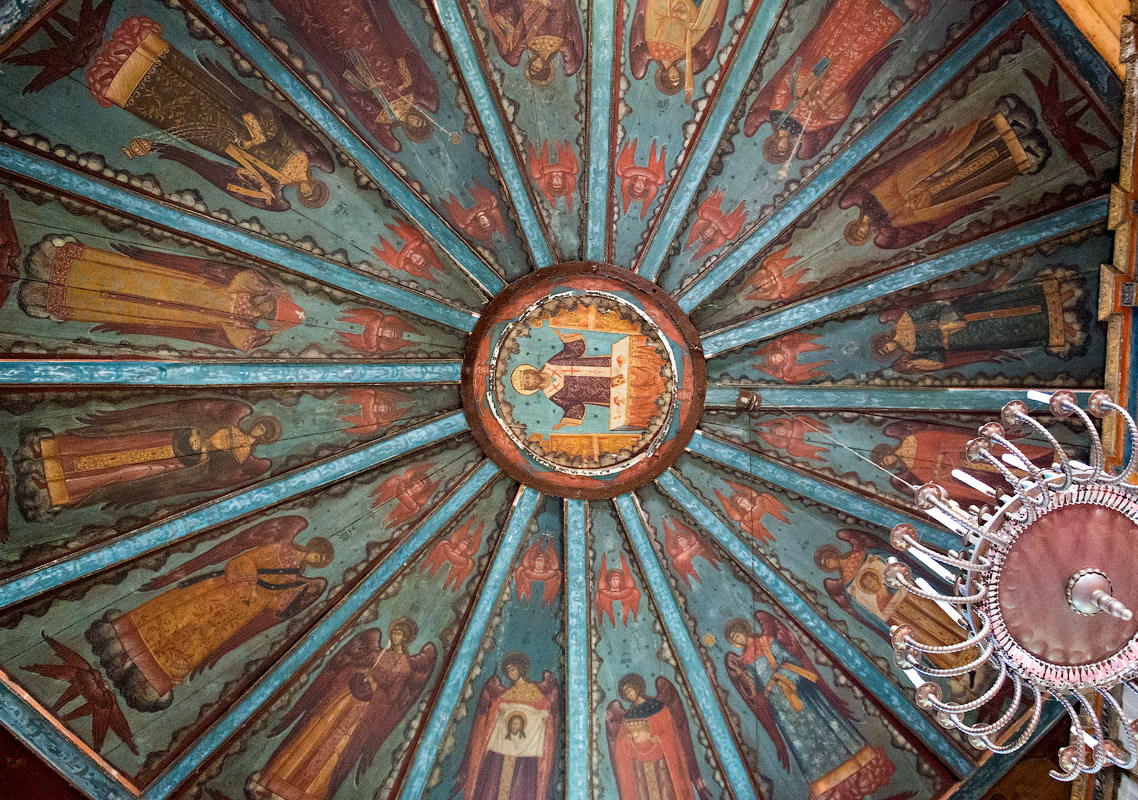
For two years, with the money of the fund, Russian restorers, together with the American architect John Ramam, dismantled the supporting structures, closed the gaps in the walls and restored the ceiling-neopo. At the expense of the budget of the administration of the Kondopozh district, the roof was replaced by the iconostasis and the refectory, several icons were updated.
We understood that we would not be able to ensure either security obligations or restoration measures, but there was no other way, except to sign a use agreement
At the end of 2012, the storm wind demolished two crossbars of the cross on the church, the temple tilted again and dilapidated. Due to the malfunction of the thunderbone, lightning struck the dome of the church in 2014-the church has since, as the journalists wrote, “with a hole in the head and without a cross,” stopped service in it, and began to let no more than 15 tourists into it at a time. In the same year, the church entered the financial plan for restoration as part of the federal target program "Culture of Russia".
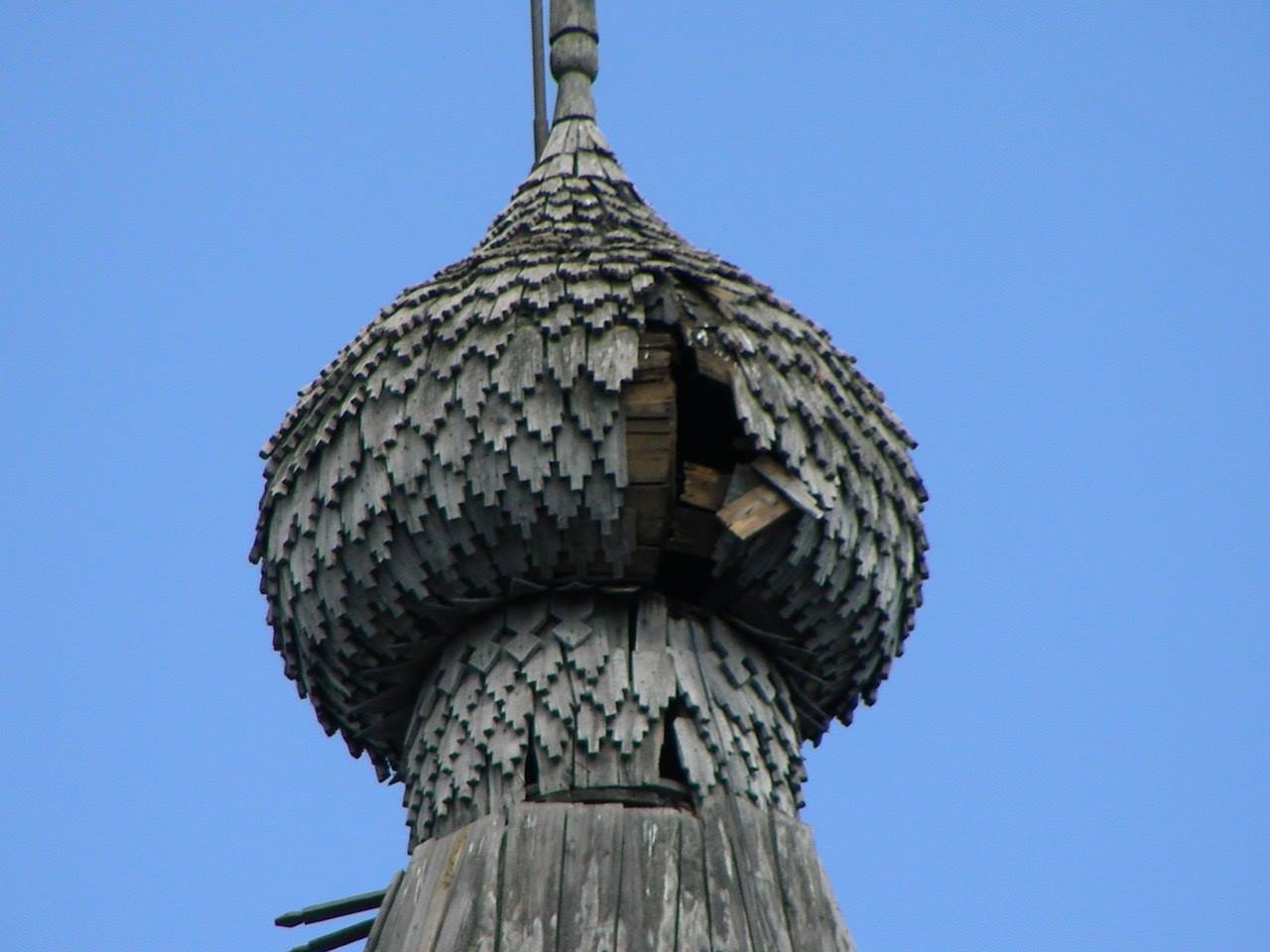
After the fire
On August 13, an initiative group gathered in the parish house of the Kondopoga diocese. Local deputies and social activists, deputy of the Legislative Assembly of Karelia Anna Lopatkin, Archpriest Lev Bolshakov, local historian Viktor Karelin discussed the possibility of restoring the church and collecting funds. Locals want to see a new temple on the site of the burnt.
- It hurts that the church disappeared forever. This is a huge misfortune that befell us. Even those Kondopozhanes who were not in her, they perceive her as their own, ”said Karelin.
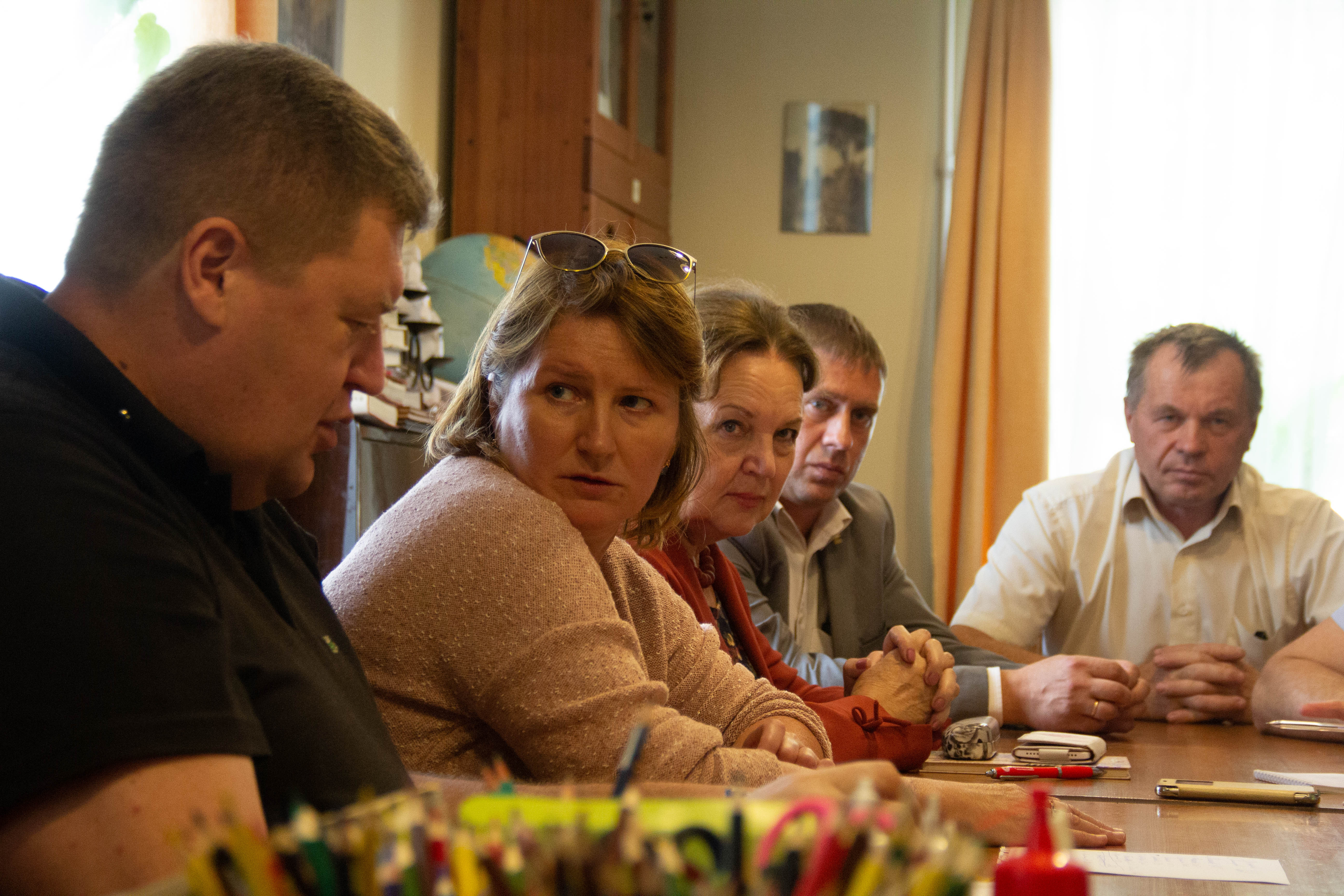
The abbot of the Kondopog Part, Father Leo said that the Church of the Assumption was transferred to them in 2012, but this was a formal procedure to put the temple for restoration.
“Of course, we did not want this - we understood that we could not provide any security obligations or restoration measures, but there was no other way but to sign an agreement on use,” the priest explains, and when the church was restored, he answers: “Yes, never.”
“There were some private restoration work, in particular, the northern porch restored twice in my memory, both times, the second time worse than the first,” says Father Lev.
The parish allowed the church to use the Church to the Museum of the Kondopoga Territory, which put round -the -clock protection and installed a fire alarm, allowed tourists to the church, mowed grass and contained a fence. Money from tourists, according to the director of the museum of Olga Lokteva, went to the salary of the Temple's caretaker and for the maintenance of the territory.
“In 2018, the church was supposed to restore, but the restoration was postponed,” she said.
Restoration
On August 13, the Government of Karelia published a press release that there was a developed project for the restoration of the temple-it was planned to begin in 2020 as part of the same federal target program "Culture of Russia". After the fire, it is impossible to apply it - the Assumption Church is destroyed by 90%.
Julia Alipova, head of the Karelian Office for the Protection of Cultural Heritage Cultural Heritage, said that the restoration of the church was postponed several times. Since 2012, experts have found new problems in the dilapidated structure and remade the project. The management tried to find funding for the restoration of icons - the applications have never been supported.
- You see, what a complex system? This is the problem that does not allow us to quickly solve the issues of preserving the monuments. The restoration of any object implies the need for a scientific approach, ”complains Alipova. - If earlier the restoration was carried out, and the author, going to the object, and the restorer had the right and the opportunity to make changes in the course of the course, and in parallel the issue of financing these works was resolved, now we are all guided by the federal law on competitions and tenders, which all so violently praise, in quotation marks, and we can’t compete with it. This is a law that muffles, in fact, restoration.
The designer, explains Alipova, must strictly adhere to the technical specifications. If you need to carry out new works that are not in the project, for example, restore frescoes or solve the problem with groundwater, the contract must be terminated, returned to the federal budget and submit a new application to the FCP for the next year - the applications are collected before May 1.
This happened in 2015, when the restoration of the Assumption Church was considered in the Ministry of Culture. But then in Karelia there were two more destroying objects - the Assumption Cathedral in Kemi and the Barvarian Church in the Yandomozer. They decided to redistribute 44 million rubles, which were intended for the Assumption Church.
The Varvarinsky Church was dismantled in 2015, transported to a new place, but they still have not been collected - only last year they began to fill the foundation. They did not begin to restore the Assumption Church.
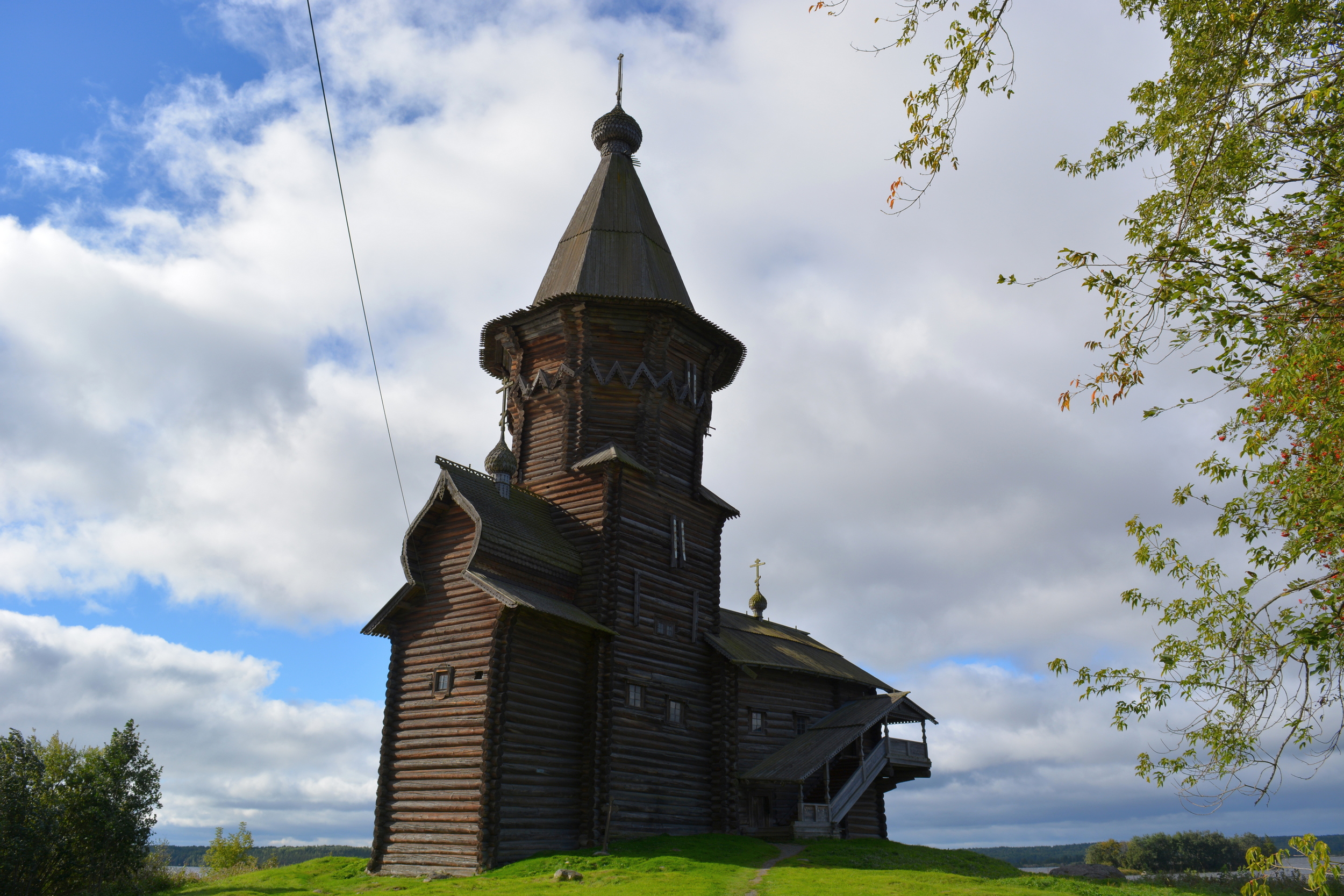
All over Karelia
Architect Irina Soboleva says that almost all monuments of wooden architecture are destroyed in the Kondopozhsky district-the church of Peter and Paul 1620, small chapels-part of the age ten years ago, some were never repaired, they are somehow supported by local residents. There is not enough funding, there are not enough specialists who could carry out restoration work.
It was possible to localize the fire and, before the arrival of firefighters, start extinguishing and, possibly, even extinguish or suspend, prevent such destruction
-If a monument of local importance or regional, it has some minimal funding for it, although nothing has stood out in recent years. Only locals can pump the grass, even throw a roof roof on the roof so that it does not run out. At the same time, local authorities do not give a penny, not to mention the federal and republican authorities. This is a global financing of wooden architecture - the main trouble. Somehow the state scored on it. People are very fond of their land, but they can do not have little themselves, says Sobolev.
People can only "beat in the bells" than for years and public activists in Kondopoga have been doing. They can also collect money, but several tens of millions on a small chapel will collect for decades until the monument rotates.
“In the small Liezmozer, the chapel, for example - there recently the tent fell inside, rotten,” says Sobolev.
In general, wooden monuments can stand for a long time. In Norway, the churches of the 9th and 10th centuries are preserved.
In Karelia, back in 1984, they made the first fire robot and installed on Kizhsky graveyard. The Fire Robots Plant at the Engineering Center of Fire Robotics Efer is still operating in the republic, but they only cooperate with the Kizhi Museum. Nobody offered them to install a fire extinguishing system of the Assumption Church. The head of the engineering center, Alexander Draisis, said that the system of robotic fire extinguishing for the Assumption Church could cost the state only 3-5 million rubles.

- Our systems are designed to search for large foci of fire. Not when it was already flared up, the fire has just begun. The operation speed is 20 seconds. There is a signal about the fire, then scanning the protected area - because each robot protects its area - finds a signal to open the valve so that the water goes. That is, after 20 seconds, extinguishing could begin well. Gasoline, of course, burns much faster, he ( the arsonist. - RS ) could pour gasoline there. But, at least, it was possible to localize the fire and, before the firefighters arrived, start the extinguishing and, possibly, even extinguish or suspend, not to allow such destruction. Of course, the Assumption Church is a straight blow to the heart. Such monuments once or two were dedicated, says Draisis.
Now experts, according to various sources, estimate the restoration of the Assumption Church of 250 million rubles. The Karelian architect Tatyana Vakhrameva believes that only for the reconstruction of the temple can at least be less than 80 million, but this is only a preliminary cost.
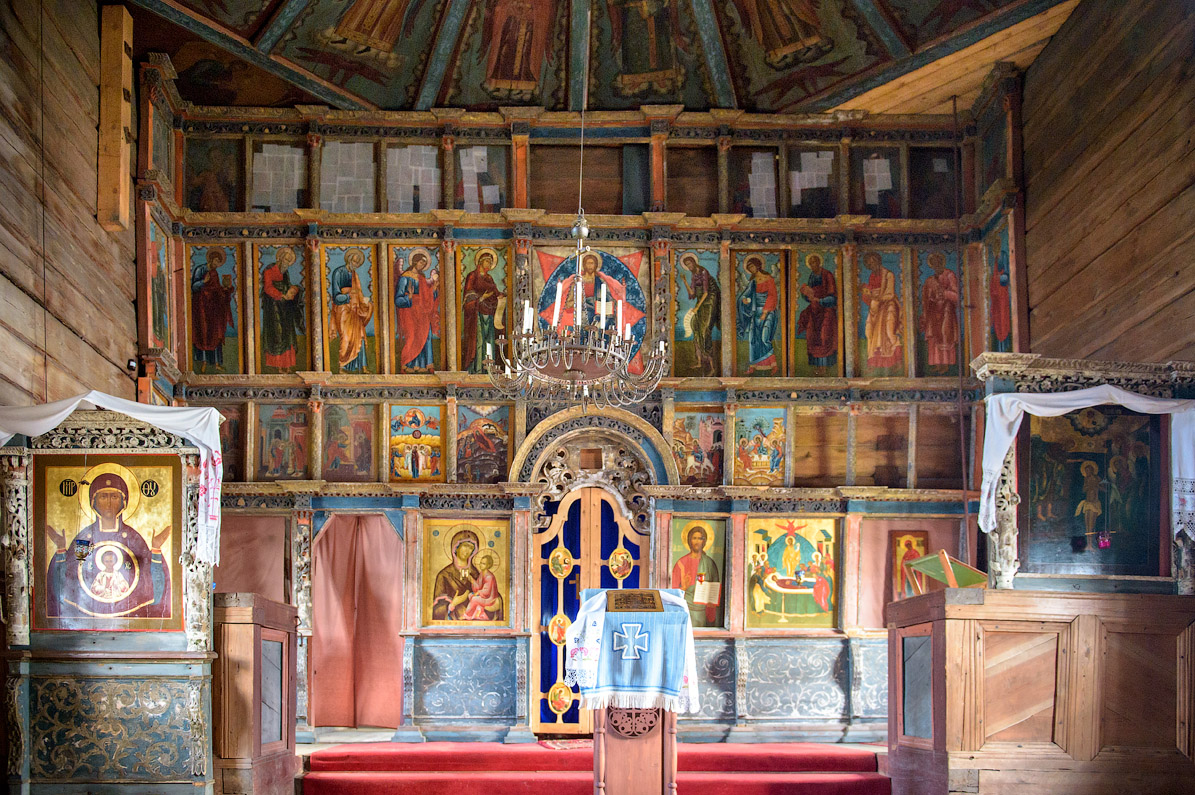
So far, the Assumption Church remained only on the coat of arms of the condophy and photographs.