
Translated material
Devil Island system
Polanski's film “Officer and Spy” - the reconstruction of the Dreyfus case - about the rotten state and hysteria of the masses
The bridge is mercilessly criticized for the inclusion of Roman Roman Polansky about the Dreyfus case “Officer and Spy” in the competitive program (I accuse ”). Due to many circumstances, the picture became the center of the review, identifying important signs not at all yesterday.
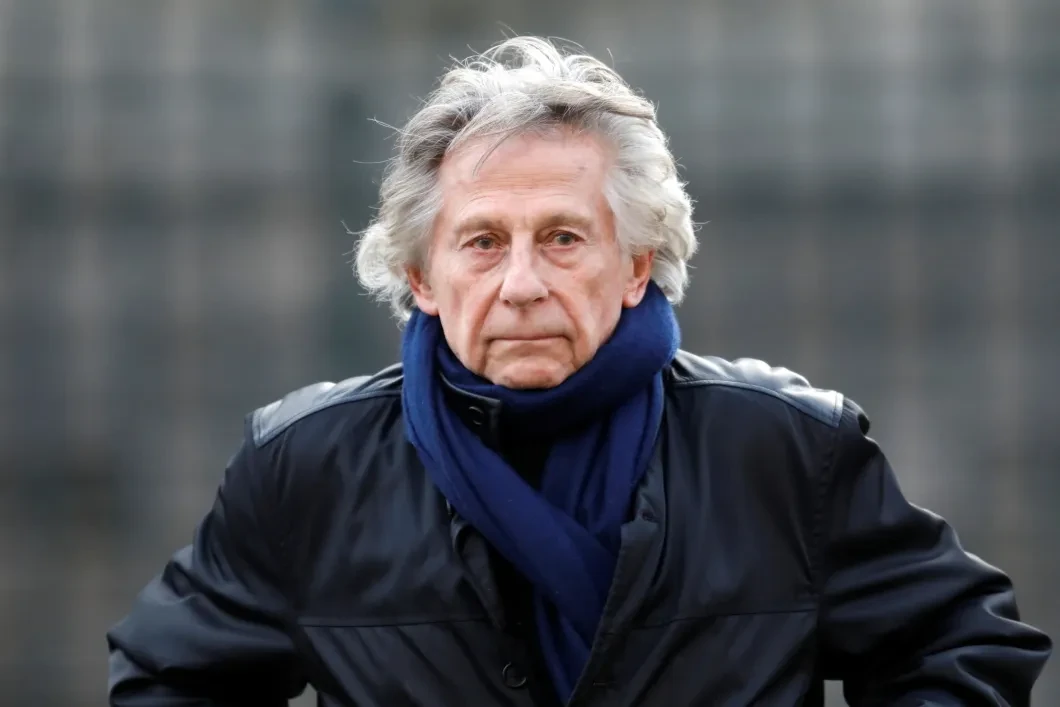
The scandal erupted from the very first press conference. Alberto Barber-the head of the Venice Festival-does not justify the director, accused 42 years ago of seducing a 13-year-old model, but believes that "the history of art knows many artists who committed a crime, and we continue to admire their work."
The opposite opinion of the chairman of the jury, the Argentine director Lucretia Martel: "I do not separate a person from art." In public, she announced that she would refuse a visit to a solemn dinner in honor of the film Polanski. Typically, the jury chairmen do not comment on the competition and its participants.
Martel's statement was already outraged by the producers of the film. Luke Barbarets threatened to remove the picture from the show and demanded apologies from Martel.
The director himself calls all the accusations absurd, and himself-persecuted by the victim of "neo-feministic macartism." He recalls how the in60s, after the murder of his pregnant wife, Sharon Tate, he was persecuted for Satanism. “The press grabbed the tragedy and, not knowing how to cope with her, illuminated her in the most disgusting way, implying, among other things, that I was one of the people responsible for her murder ...”
And about the process against Polanski in the USA: "Most people who pursue me do not know me and know nothing about the matter."
It looks like a movie today is more than a movie. In the case of “I accuse” it also became a platform for accusations or rehabilitation. And the quality of the film here matters.
Polanski shoots solid, evidence, motivated, as in the old days, cinema. Following the spirit of the novel “Officer and Spy” by Robert Harris (he became the author of the script), Polanski reproduces the history of scandalous processes over drifus in detail. In fact, this is a reconstruction, but with important semantic accents for the director, which make the film “first -person recognition”.
The key to the film is the first titer: "At the heart of our picture, real events with real participants."
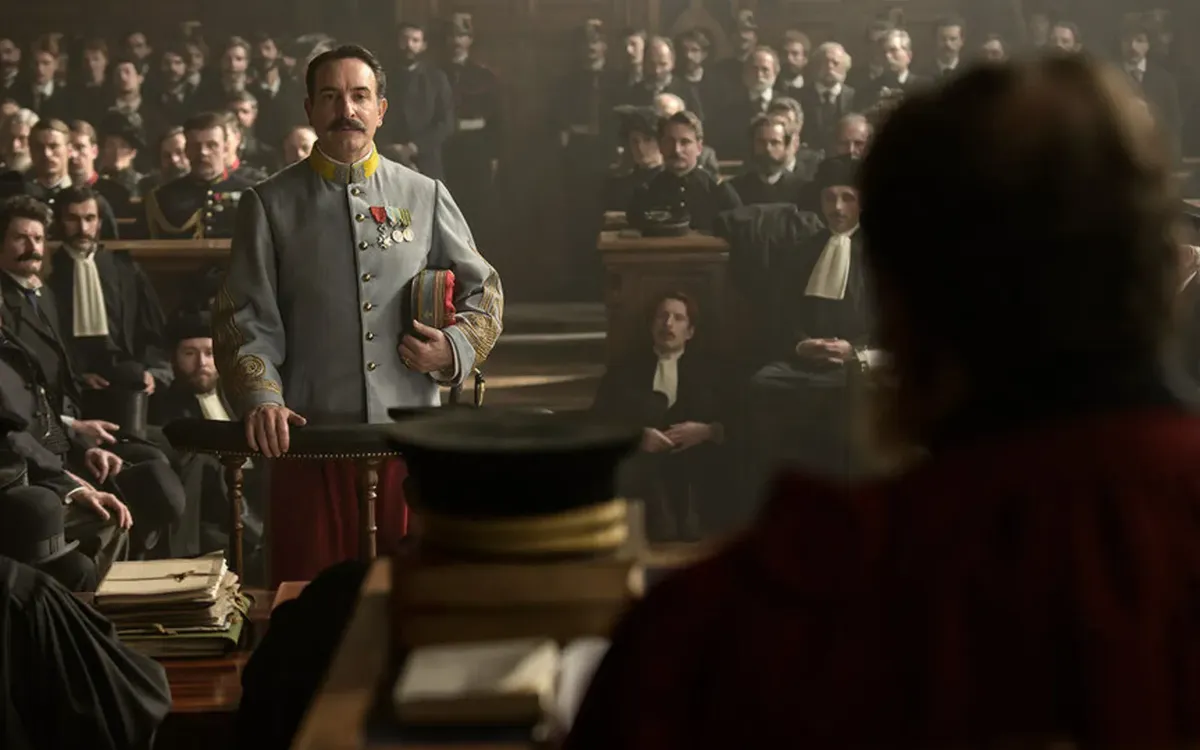
On the parade ground with the perimeter, like toy, soldiers and officers - Captain Alfred Dreyfus (Louis Garrel) with shame is deprived of the title. Epplets are torn off from him, a sword breaks. He is humiliated for espionage in favor of Germany and sentenced to life imprisonment on the island of the devil. This is January 1895. Then the whole ball of events is unwound.
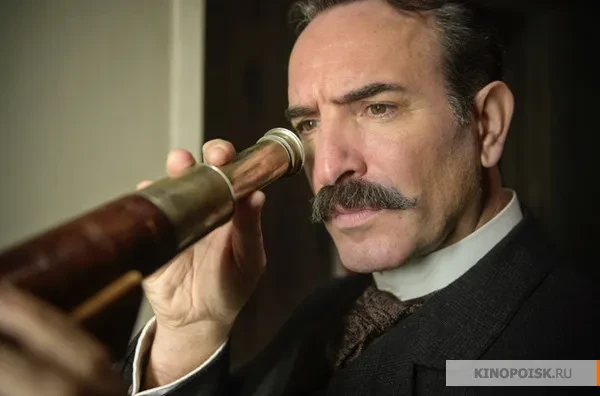
The main character of the film is Georges Picar (Jean Dyuzharden), appointed by the head of the military counterintelligence who discovered the betrayal of drifus. Gradually, he finds out that the leakage of the information continues, that in a letter transferred to the Germans, the handwriting is not drifus, but Major Estherhazi. But as soon as he indicates the command of the “judicial error”, and refuses to participate in the operation to “neutralize” drifus, hunting begins against him. He is referred to Africa, and then put in jail.
Polanski carefully reanimates the facts, they are like living, events of yesterday or even today. Court processes with the creak of the pen and the cry of the crowd.
Again and again, a military lobby pushes the accusation with the help of grants and fakes.
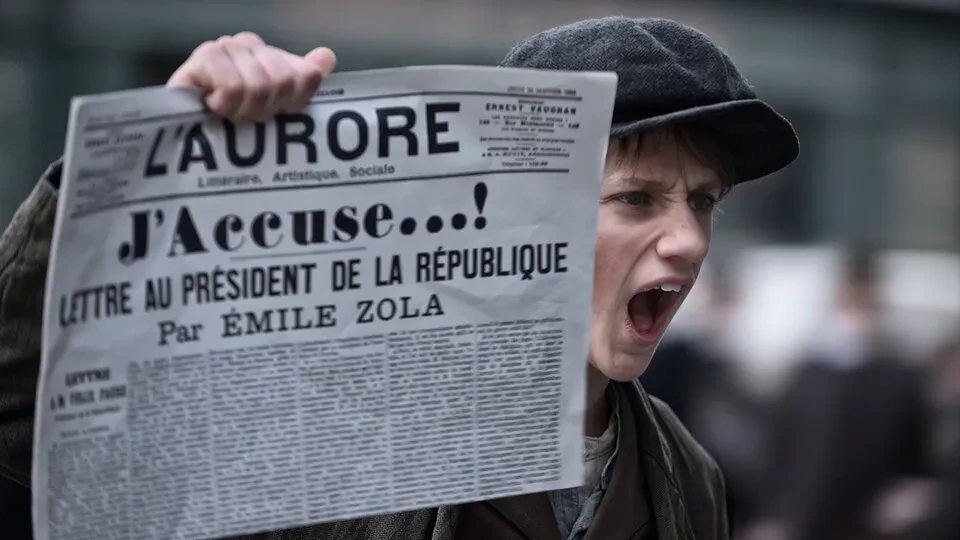
We observe the walking of the torment of Picar, who himself is not very much for the Jews ... He is simply for the truth, without which there is no society. And society, meanwhile, is divided into drifusars and antidraifusars. And finally, there is a significant meeting at which the Picard in the apartment of his friend tells how exactly the case was fabricated - in the presence of the brother of the rotting on the island of the devil Dreyfus, Clemanso - the future chairman of the Council of Ministers, and Emil Zola. Actually, then the famous open letter of Zola “I accuse” arose, which caused the excitement in France.
Zola not only accused the generals, calling all their names, pointed to “delusional speculation and fantasies”, which became the basis of the prosecution, the bias of the military court and the lack of serious evidence. The writer accused the French government of anti-Semitism, because of which drifus was imprisoned.
Polanski shows how mass hysteria covers society.
As the crowd requires reprisals first over drifus, then over Zola. Anti -Semitism, corroding all institutions of the state. “They gave a Jew to Christians to be torn to pieces,” one of the high -ranking characters of the film grins.
The graphologist (Mathieu Amalrik), who lied that Dreyfus wrote a letter to the enemy, admits: "As I could not testify against the Jew, of course, he is a traitor." After the publication of the letter of Zola (which will be forced to escape from the country), pogroms will begin. The press and public opinion placed brushwood, brought fire - masses enter into business.
Polanski wants to be evidence in detail - he succeeds. In the film, there are stuffy dirty cabinets of special services, in which, with the help of steam, they open and read personal letters of the French, cold booming apartments of high military officials.
It is difficult to breathe everywhere. Here is the smell of just re -polished boots here.
And only the private space of small apartments seems suitable for life. In the climax, the action is transferred to the courtrooms, where there are places for military VIPs, zealous gallery and “judicial scene”.
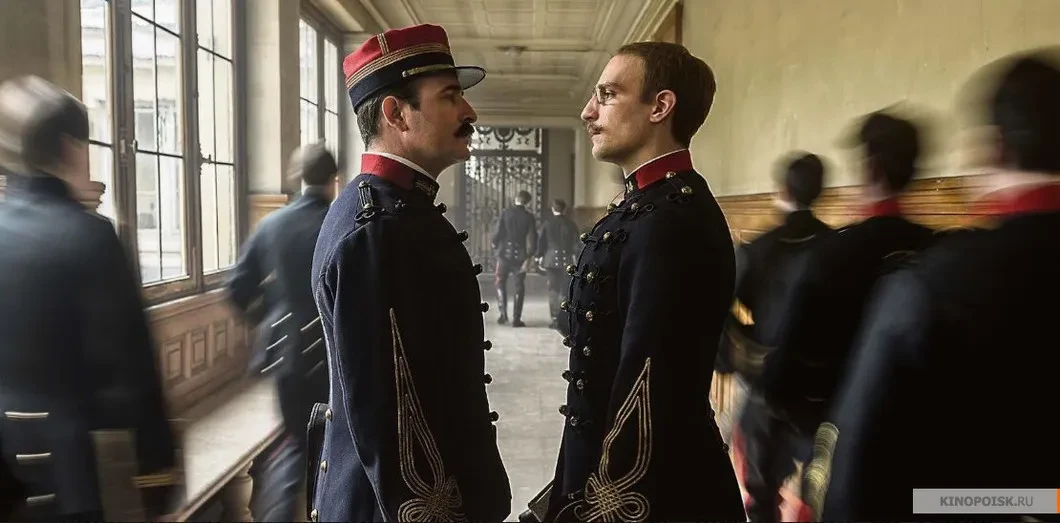
“Each scene was carefully thought out,” says Dyuzharden, “and still, the clock went to prepare the shooting so that every detail was restored.”
For Polanski, this movie is, first of all, about the honor that you have to protect, despite the tremendous pressure, literally, risking life. The fact that on the conditional island of the devil can be anyone who does not like the system. And that for mass hysteria it does not matter whether the facts of violations of the law or public foundations have been proved. And mass hysteria can acquire a dramatic or even tragic character.
And he also reflects on an irreconcilable clash of inconvenient truth with a lie in the interests of the state. Since the army is on the protection of state interests, the court is designed to defend the army.
And, of course, Polanski, who spent almost seven years on creating a film, partially shot cinema and to himself. “My cinema is not therapy,” he admits, “however, I must admit that I am familiar with many principles of the work of the persecution apparatus shown in the film, and this clearly inspired me.”
For Russia, the Polanski film is no less relevant than for France or America. After all, this movie tells about courts - performances according to a pre -written play. The system itself fabricates the charge, itself appoints the accused. How can you not recall Zola: "They judged the accused, not reasoning how the soldiers went into the battle." They are hiding behind the interests of national security, and therefore close the admission to the documents to all, even judges.
“We are created to bury secrets,” says a representative of law enforcement agencies.
This is a movie about total suspicion. The former chief of the guard tells Picaru that he counted 2500 potential traitors, and has already compiled a list of suspects. Fortunately, he died of syphilis - he did not have time to use business.
Apparently, the 86-year-old director, hiding from the US justice, realized that he could not appear in Venice. But he still appeared. In one of the episodes of the film, Polanski stands among the audience listening to classical music. In epaulettes and uniforms.