
Translated material
"There was a real panic." Neonox: Continuation of the investigation
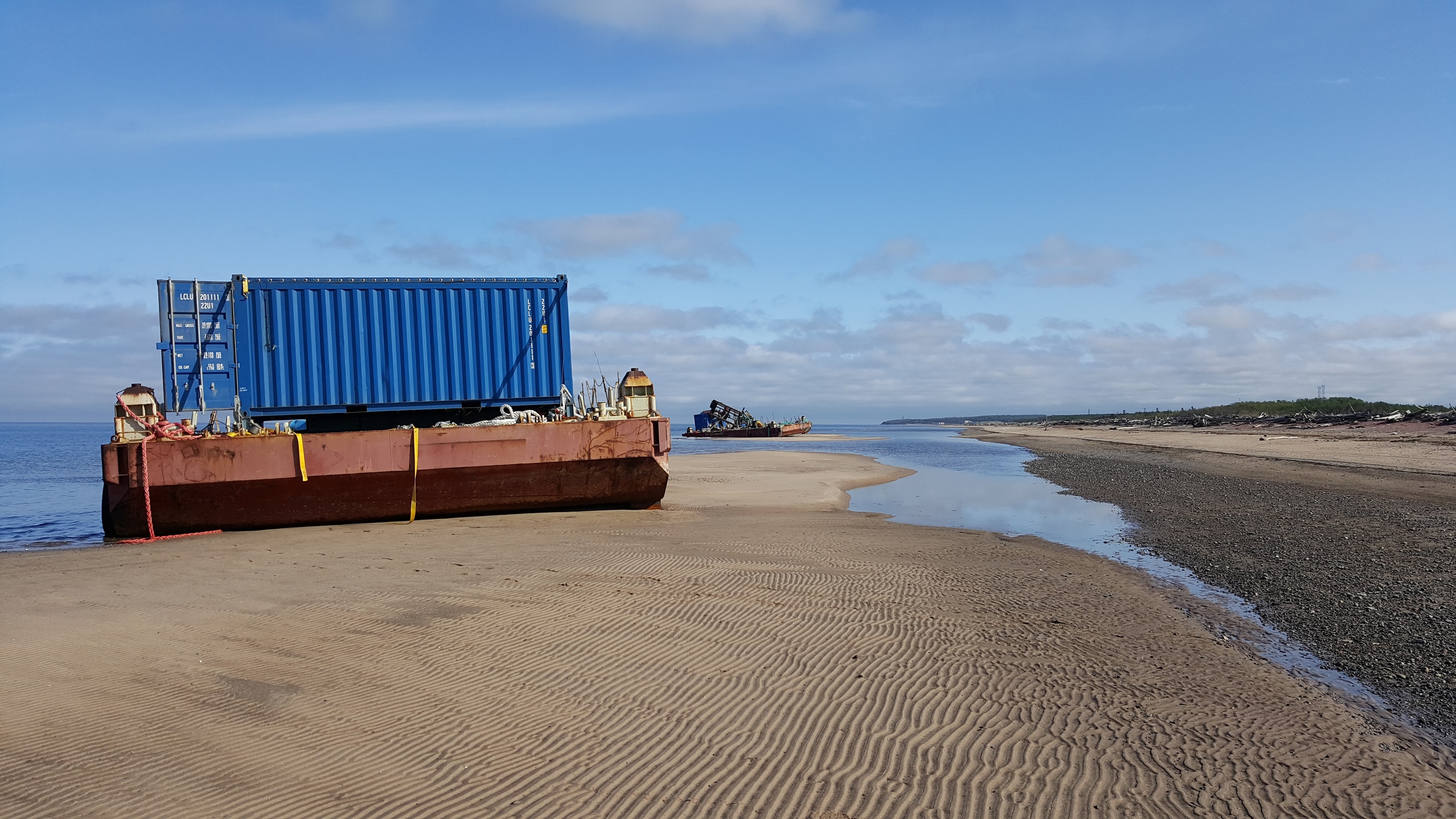
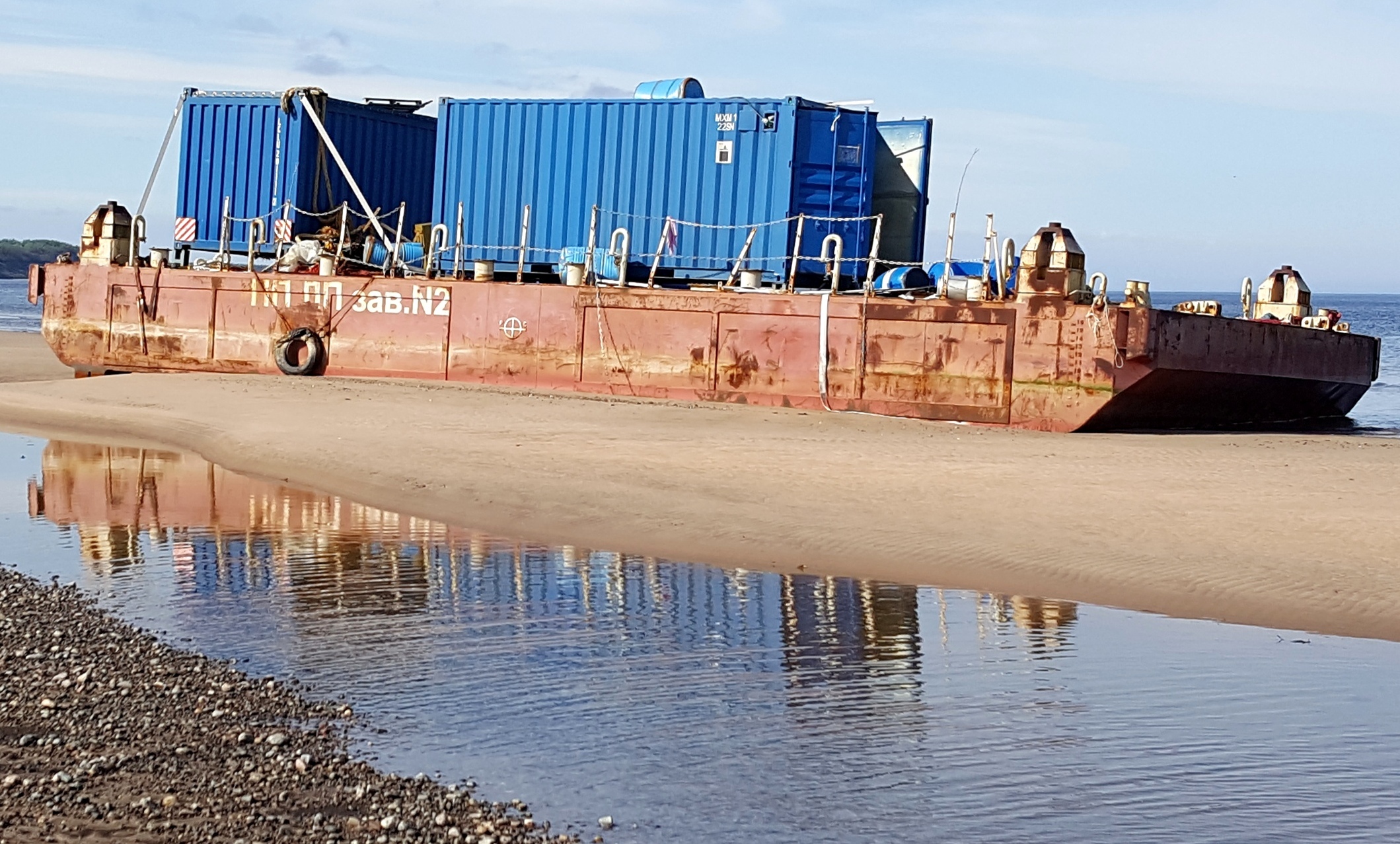
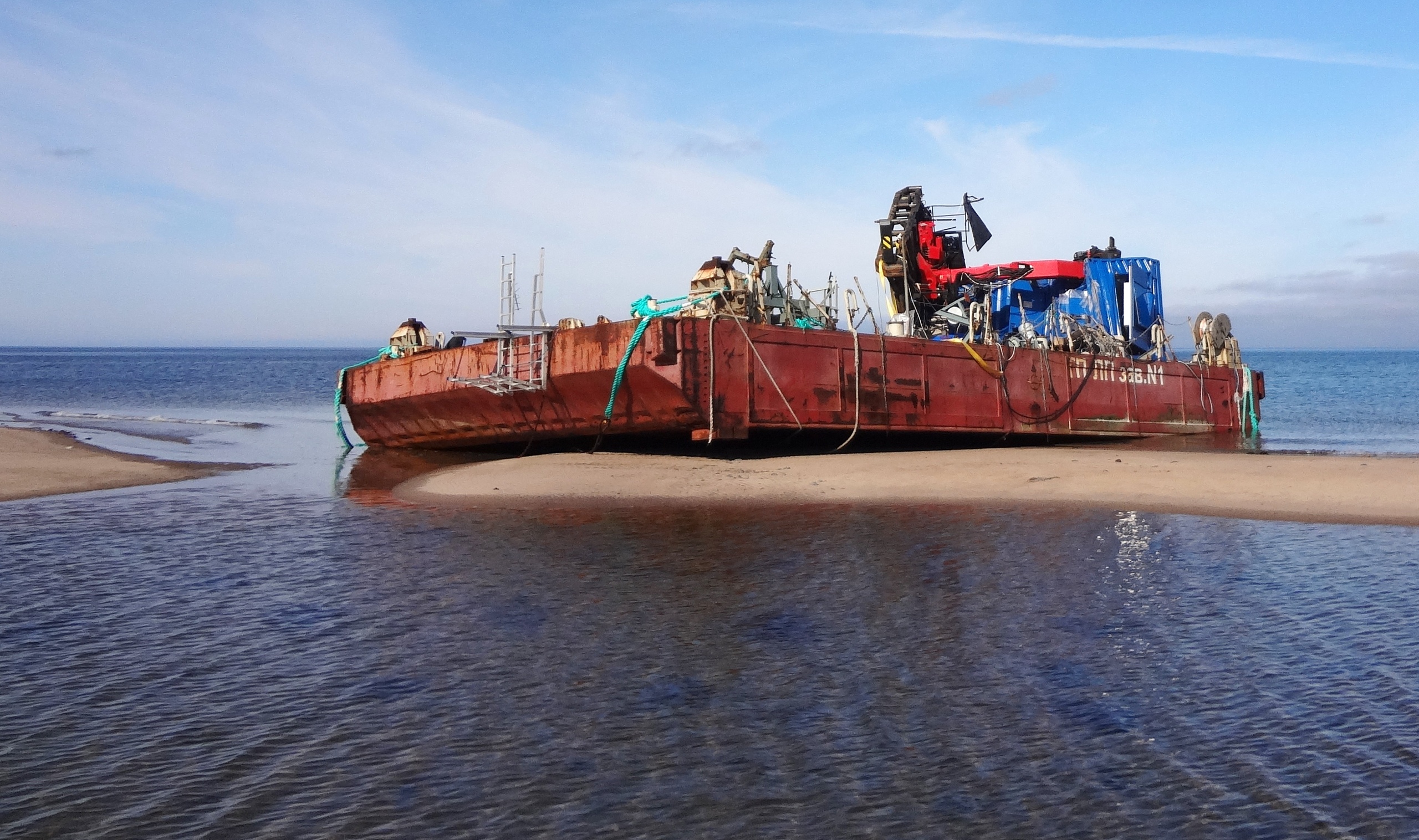
The pontoons standing on the shores of the Dvinsky Gulf after the incident on August 8 at the Russian Navy’s sea training ground is still very “phony”, while access to them is completely free: even a special pass to the closed village of Nynogs, where the military unit is located. According to eyewitnesses, the security, at first exposed around the pontoons, fled from the place, leaving behind the boxes with things and food-due to the fact that Rosatom and the Ministry of Defense could not agree on supplement to the guards "for harmfulness" and provide them with overalls. Locals also demand compensation for the damage caused by the release of damage to the atmosphere, and also want the testing of the Burevets rocket with a nuclear engine to the new land, where they were carried out earlier. New photos of pontoons, which for the first time in full resolution publish Radio Liberty, allow you to consider in detail the equipment located on them: its composition and nature of the damage supports the version that the explosion occurred under water while trying to raise a compact nuclear reactor to the surface.
On the morning of September 2, the Belomorkanal news agency published a video shot on August 31 next to two pontoons that appeared on the shore of the Dvinsky Gulf near the village of Neonox after the explosion at the Navy’s sea training ground. The video shows the measurement of the radiation background, and its level next to the pontoons significantly exceeds the permissible. Today, Radio Liberty first publishes photos of pontoons in high resolution: on one of them we found a lifting crane, diesel generator, and most importantly-a small yellow container for transporting dangerous radioactive waste.
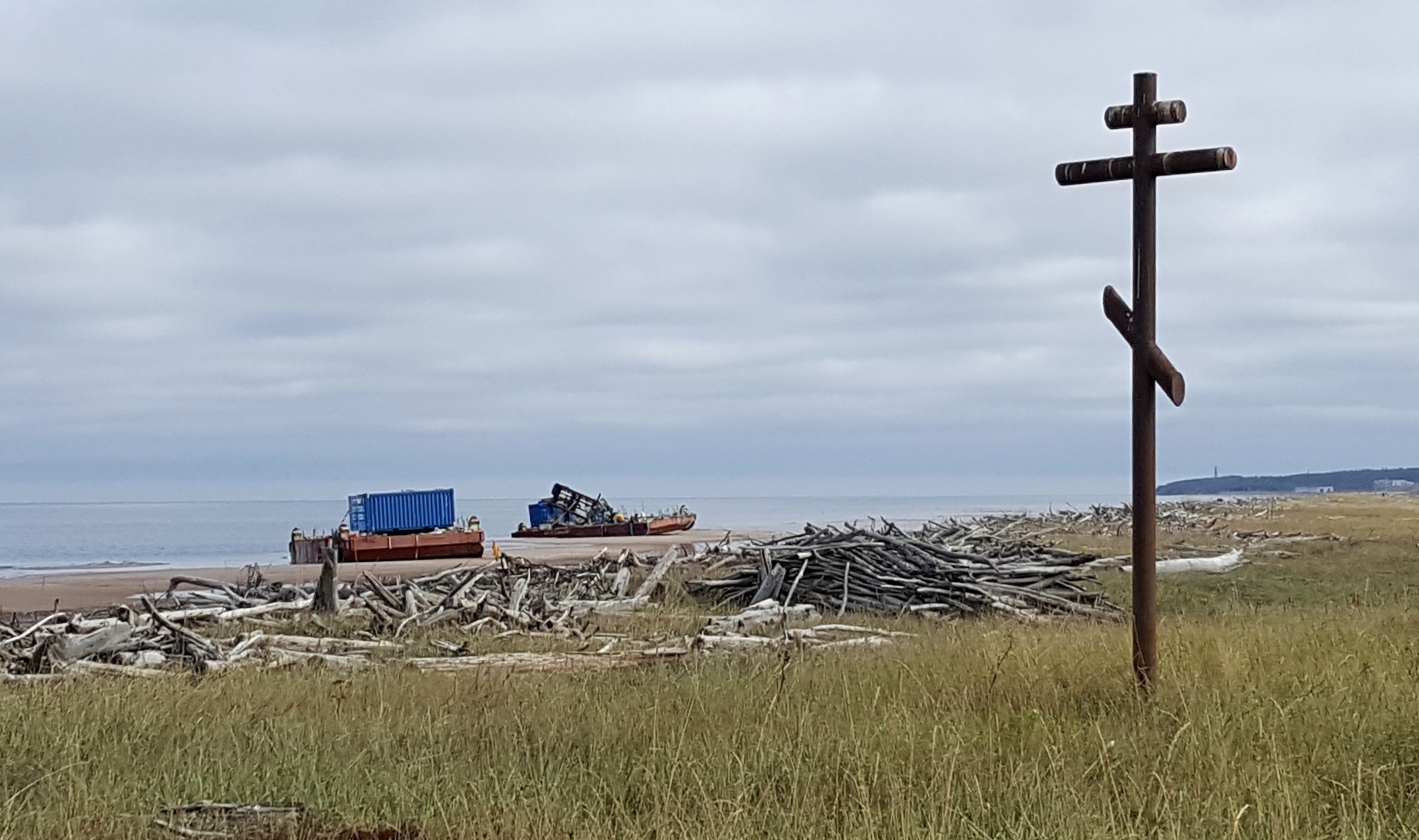
In combination with the data of Roshydromet, published on August 26 and showing that short -lived radioactive isotopes were thrown into the air, these photos allow finally focus on the version of the accident of a small nuclear reactor. The presence of a lifting crane on one of the pontoons also confirms the version nominated in the last investigation Radio Freedom that the emergency in Nynoks occurred while trying to raise the previously tested rocket from the bottom. Apparently, the yellow container was intended for unloading from the raised nuclear fuel missile, but the participants in the operation did not have time to do this. The explosion that prevented them from and took the lives of at least seven people, according to one version, could occur due to the features of the composition of sea water in the White Sea: on the surface it is much less salty than at depths-unlike the Barents Sea, where the Burevetnik was previously experienced by Vladimir Putin with the nuclear engine. However, this and other versions without additional information are still doomed to remain only guesses.
"Rosatom’s employees left food, things - just fled"
On August 31, a folk gathering took place in Nynoks, during which the Severodvinsky ecologist and public leader Alexei Klimov spoke in front of the residents of the village. He said that on August 30, he walked from the village of Solza, located on the outskirts of Severodvinsk, to Nöhins, making measurements of the radiation background. According to Klimov, on the shore and in the forests on this section of the path, the background did not exceed the natural and amounted to 9 to 14 micro -crenden per hour. Klimov called on local residents not to be afraid to pick mushrooms and berries in their plots and in the forest, but advised him to wait for fishing (it was the fishermen, as Radio Freedom said earlier, became direct witnesses to the explosion at the training ground). On the same day, August 31, Severodvinsky journalist Nikolai Karneevich, together with a group of local residents, was able to approach a record close distance to the pontoons, which were near the shore after the explosion of August 8 - about 150 meters. Here the measurement results were already completely different: 70-154 micro Borentgen per hour with a natural radiation background of 20 micro Borentgen.
In the video of Klimov’s meeting with the inhabitants of Nöhins, it is noticeable that many of them, almost a month after the incident, are extremely outraged by the lack of detailed information about the incident. Karneevich, who was also at this meeting, describes his impressions of moods in the village like this:
“The main mood is an alarming silence. You can distinguish several groups of reaction to what is happening. Firstly, there are quite a few pensioners who since the USSR are“ trampled ”by the Ministry of Defense in terms of testing at the training ground. People are familiar to leave their housing for a while, to leave somewhere, to leave for a short time in the forest, and even this incident with radiation. Some people simply dropped their hands, believing that the tests will still be carried out in the volume of the state and the Ministry of Defense. It takes a waiting position: it seems that they are waiting for someone to ask them, when to pay them, and so on, but they are not ready to act themselves, because they are afraid that such precedents were already coming: to one local resident who measured the radiation about 750 micro-Offers per hour, and they expected and intended for an hour. They took a non -disclosure subscription from him - after he tried to post a photo with these testimonies on the Internet. "
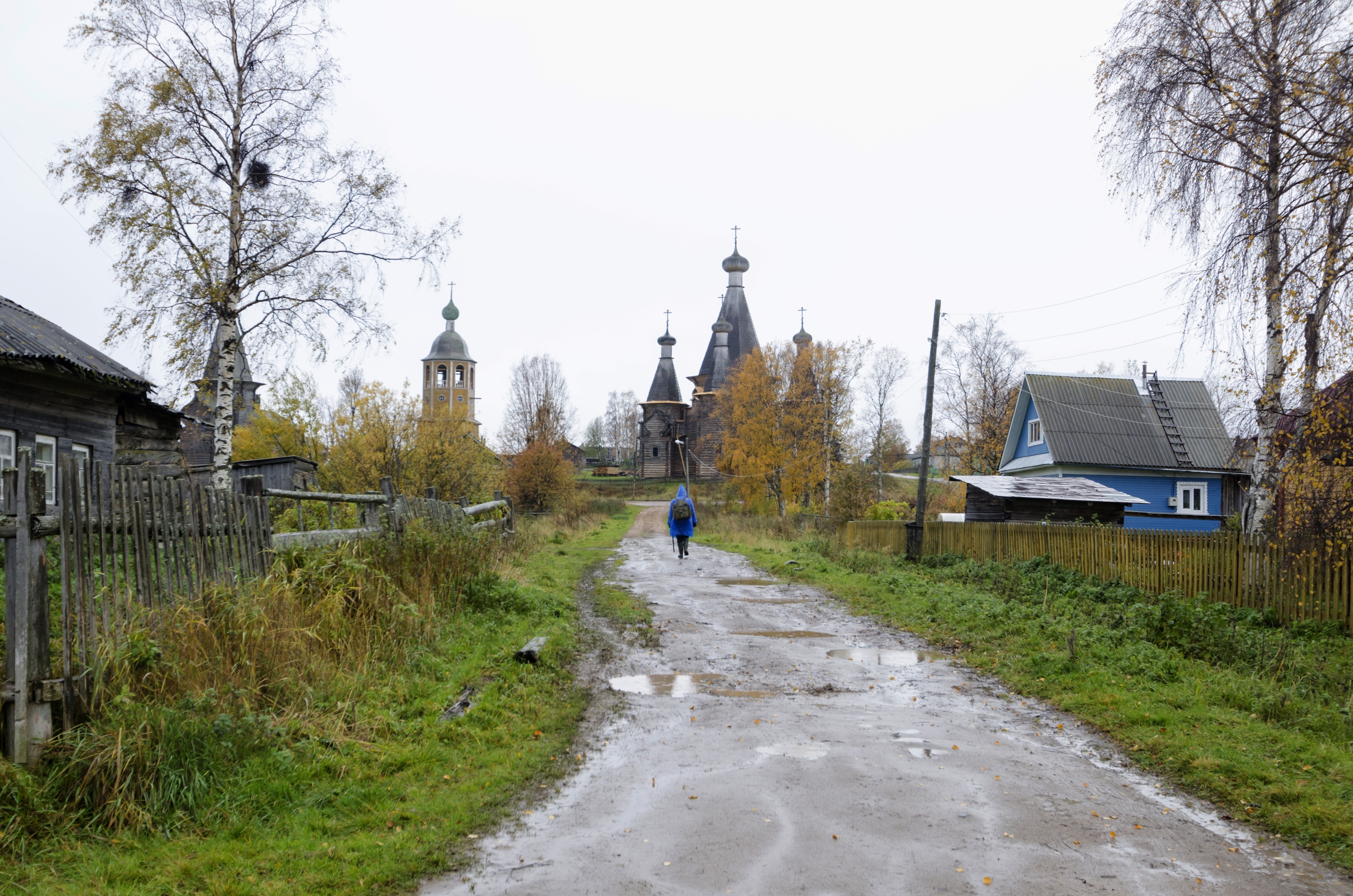
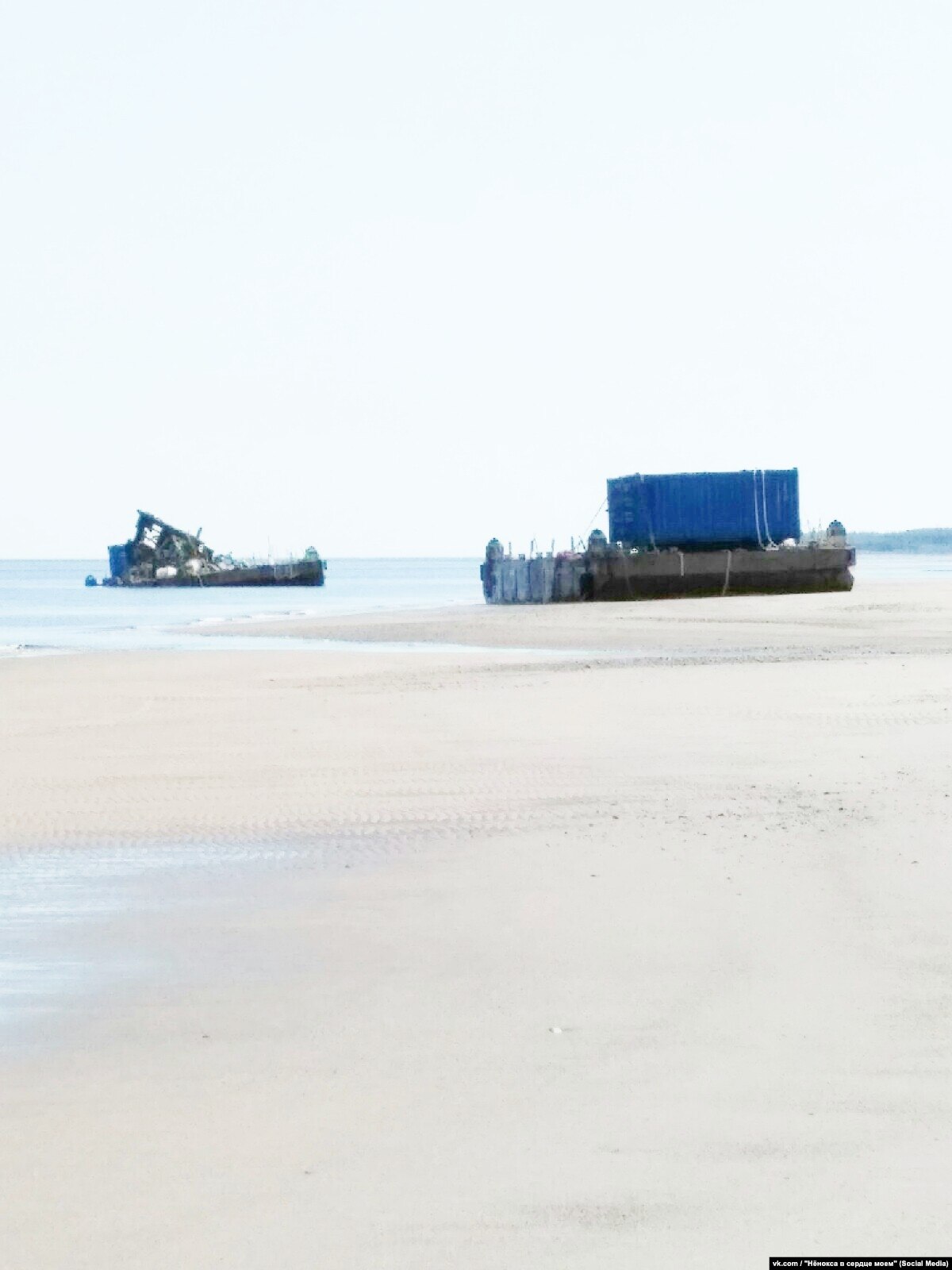
According to Nikolai Karneevich, who refers to conversations with the inhabitants of Neyins, one Ponton carried the sea to the sea a day after the accident on August 8, but the second - with traces of damage, which were noticeable in previous photos found and published by Radio Liberty - dragged two towing towards about five days to the shore. It was after this that the locals rushed to measure the radiation in this place. Soon, Rosatom put the guard around the pontoons - "either from the local military, or his own." However, as the journalist says, the guards simply fled from there: the locals discovered this, once again, having arrived at the pontoons and seeing abandoned things and products. "It was like a panic. They say that the guard asked about percentage for harmfulness, demanded special means of protection. Apparently, they could not provide them with Rosatom or the Ministry of Defense, and they simply left."
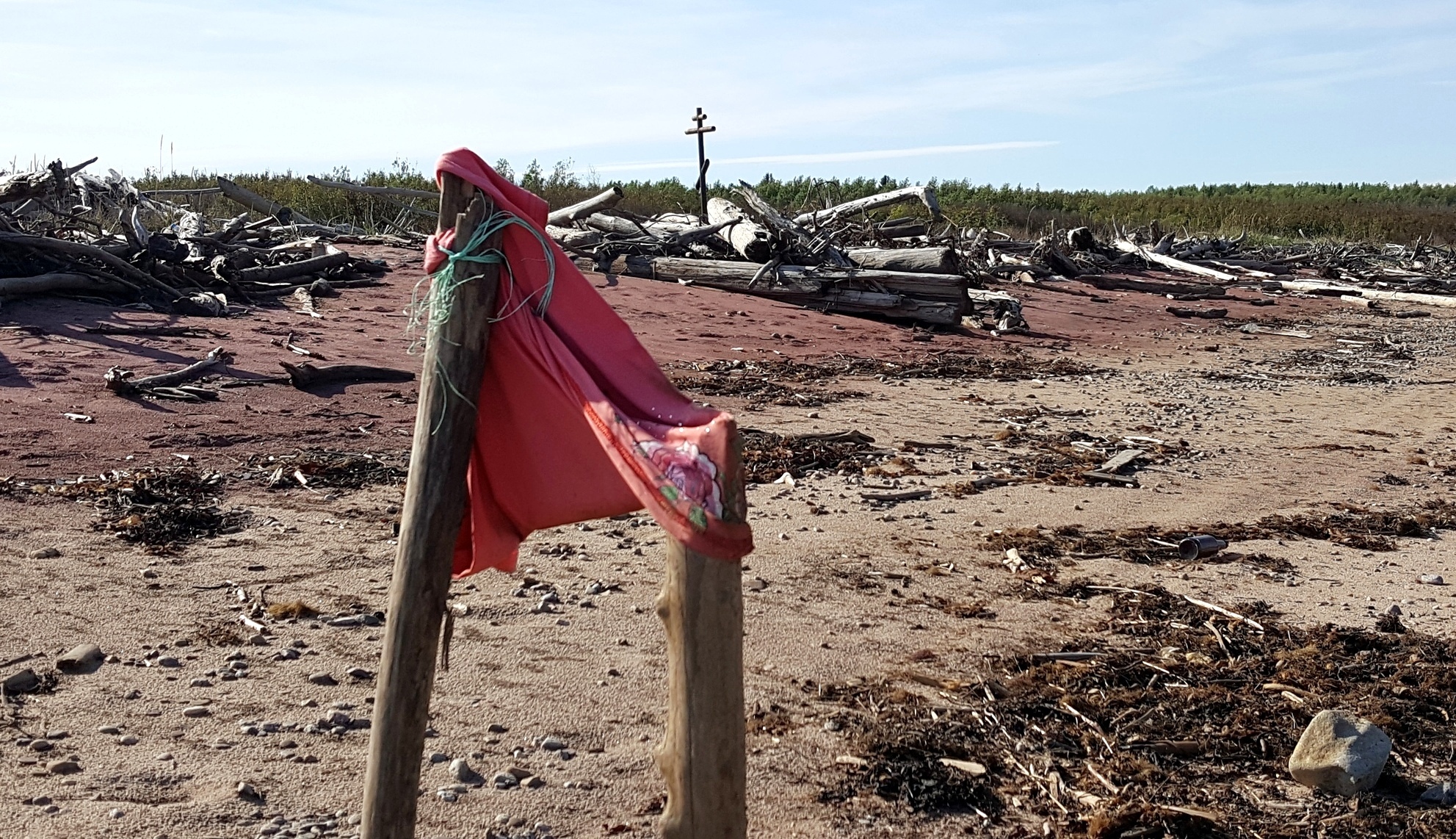
In open sources, Radio Freedom could not find evidence that the shore in the Ponton area was guarded for some time, but there isa message on the forum of local fishermen that at least the water area of the Dvinsky Gulf in the area of the explosion was blocked for the passage of fishing boats and boats on August 10.
Nyonox is a closed village, the rules of entry into it are rather strict. As follows from several messages in the Nynox community in my heart on the social network VKontakte, from the middle of last year, lists of guests to the military unit, to which the training ground is attributed, must be submitted once a month - if you did not have time, it is impossible to issue a pass until the next “window”. Despite this, anyone can get to Nyonox and to pontoons: for example, Karneevich himself never had such a pass.
“Officially, a pass is needed,” he says, “if you use the services of public or private transport. Unofficially, different people can get into the territory, after all, it is quite far from civilization, each person he met usually will not go there.” According to another source of Radio Liberty in Severodvinsk, who wished to maintain anonymity, to walk along the shore of the Dvinsky Gulf from Severodvinsk to Nyonox and it was always possible to get to the village without passing, it was only necessary to get around the coastal strip directly opposite the military unit. One way or another, now you can approach the pontoons freely, Korneevich says: “Even if you admit that no one will climb out of fear on the pontoons, 150 meters from them, on the beach, next to the confluence of the Verkhovka River into the White Sea, there are also scraps of cables, special clothing of white color. All this is quite seriously“ phonit ”, so you can imagine how the pontoons themselves should.”
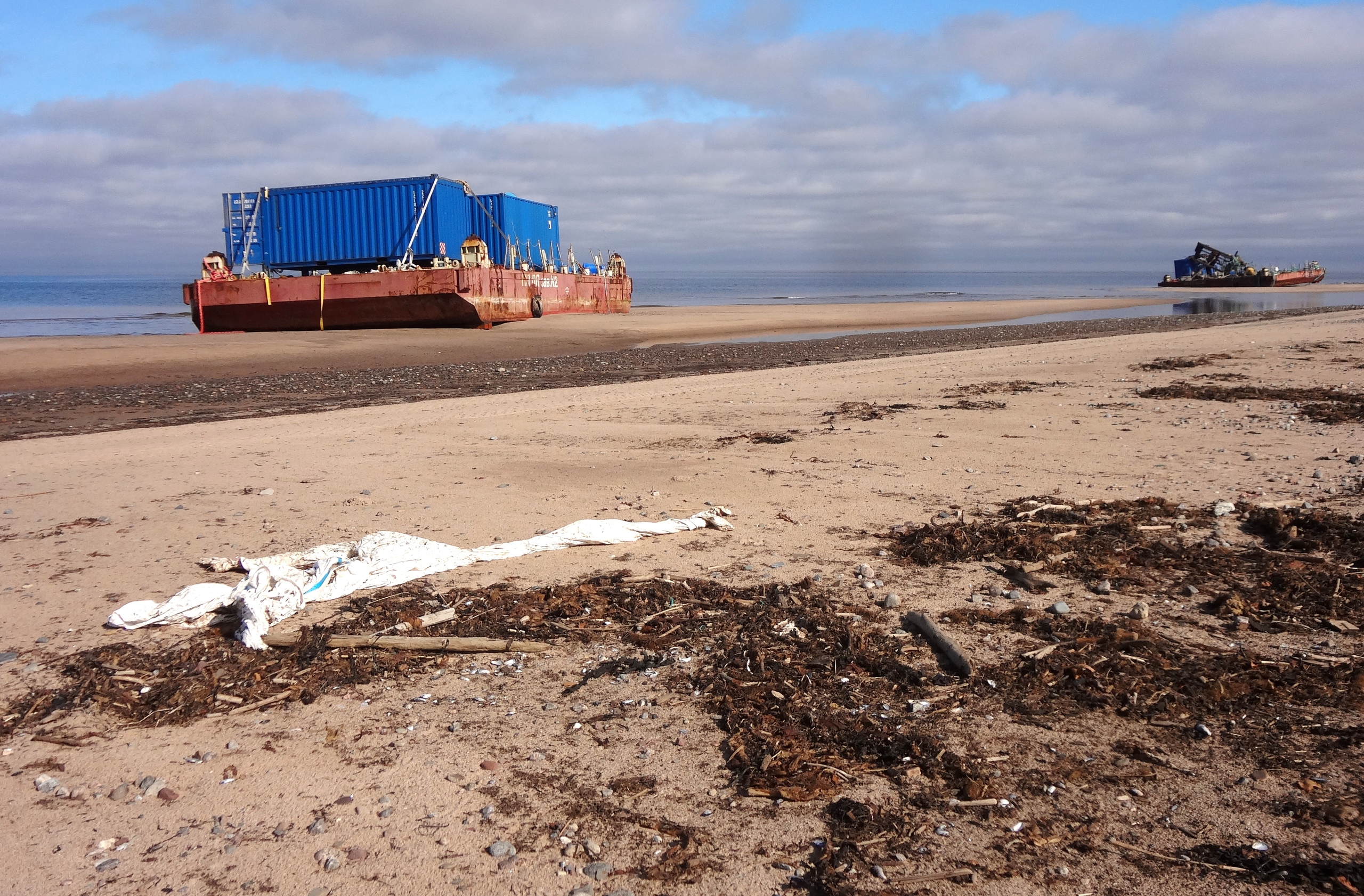
In this photo there is an allegedly thrown out special protective costume. Pay attention to the blue strip: there are, for example, on one of the overalls of chemical protection presented on the Russian market. According to the description , the overalls are intended, among other things, for "protection against the penetration of radioactive particles."

As for the versions of what happened, circulating among the inhabitants of the Nynexes, they are diverse, although most often they come down to a conversation about the rise of a previously sunken rocket - however, now, after several materials in the media on this subject, it is already difficult to say whether these versions are a consequence of such publications. Some of the versions sound quite exotic, although their truthfulness also allowed Radio Liberty in the previous investigation: for example, one of the inhabitants of Neyozovy told Nikolai Karneevich that this is not the first attempt to raise the "Petrel" from the bottom of the sea. According to this person, after an unsuccessful launch in the winter of 2017-2018, the rocket "fell directly onto the ice and lay there, until when warming it went under water." As Radio Liberty had previously been able to establish, at the end of October 2018, in the area of the Navy’s training ground in Nyonoks, a ship of Rosatom was noticed to collect radioactive waste, its presence was accompanied by August events. Perhaps in October they did not experience a rocket, but also tried to get it after an even earlier test, but for some reason they decided to postpone the operation for a later date. In one, angry residents of Negoges are unanimous, as you can judge by the video of the "rural gathering": they have no doubt that they experienced a rocket with a nuclear component at the training ground and demand to return such tests on the landfill on the New Earth, where they took place earlier.
Thanks to the free access to the pontoons, Nikolai Karneevich not only shot the video in the record closeness from them, but also made a number of high -quality photos in high resolution, which he kindly agreed to share from Radio Liberty. Based on these pictures, we managed to find out a few more details about what happened on August 8 and confirm the previous theory that the explosion occurred while trying to get a certain object from the water.
Tuk-tuk, who lives in the house?
In a close photograph of the damaged pontoon, you can consider in sufficient detail the equipment remaining on it. The most obvious destruction is the crane-manipulator falling on its side, the arrow of which was remembered by a blue container.
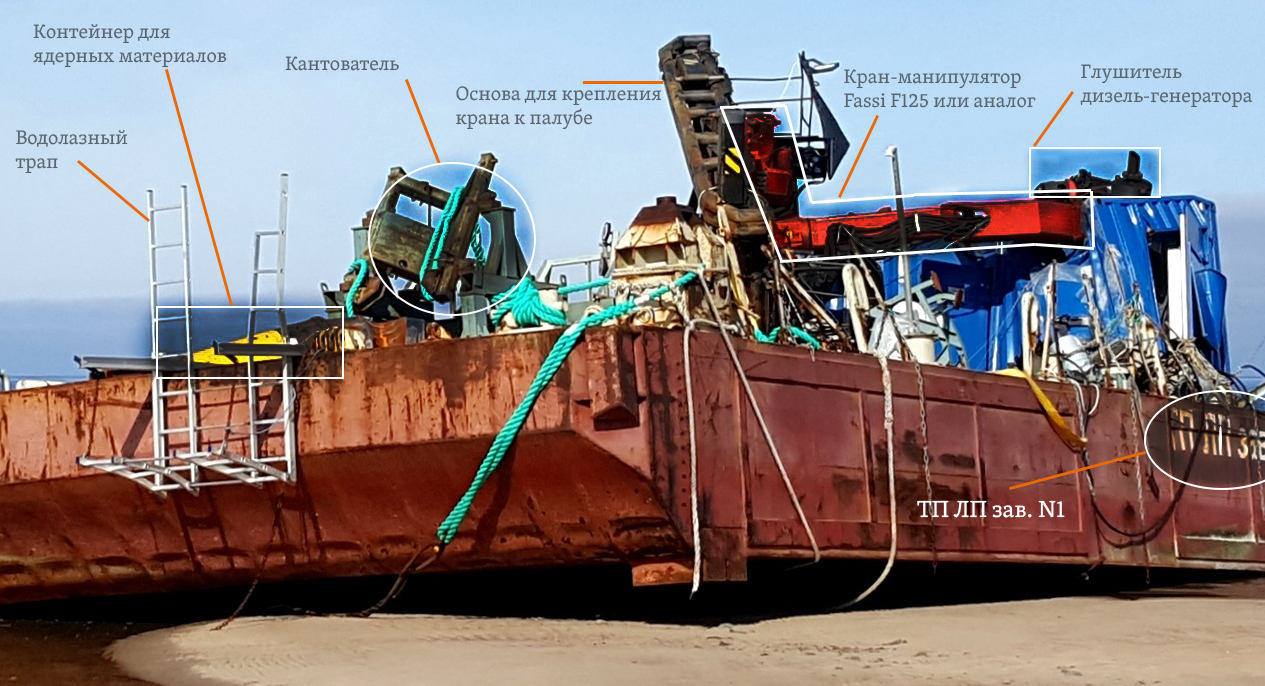
Radio Liberty managed to install the brand of this tap-manipulator: judging by the elements distinguishable in the photo, this is the KMU of the Italian company Fassi , which produces a wide range of commercial lifting devices popular in Russia, including in marine performance for installation on the deck of the vessel. The representative of the Russian dealer Fassi , to whom Radio Liberty sent a fragment of the picture, suggested that this is a model from the F85-F125 , with a carrying capacity (with a minimum shooting of an arrow) from 4.5 to 5.5 tons. However, the Fassi assortment has models and a higher carrying capacity.
Nyonoksa Platform Debris (Left) and Part of Fassi F110 Crane (Right) Pic.twitter.com/owtdxpnuwa
- NEMALEVICH (@PUSTOTA) September 3, 2019
The crane fell along with a metal frame (black, with yellow marks), which probably served as its basis for reliable attachment to Ponton's deck (the concrete counterweight, which can be seen in another photo), served as this goal). The arrow of the KMU washed the roof of a blue container on which you can distinguish the device with a exhaust pipe: we assume that this is a muffler of a diesel-generator installation, which is located in a container. Diesel generators of such a layout with a silencer on the roof of the container are quite widely represented on the market , they are mainly offered for Arctic stations.
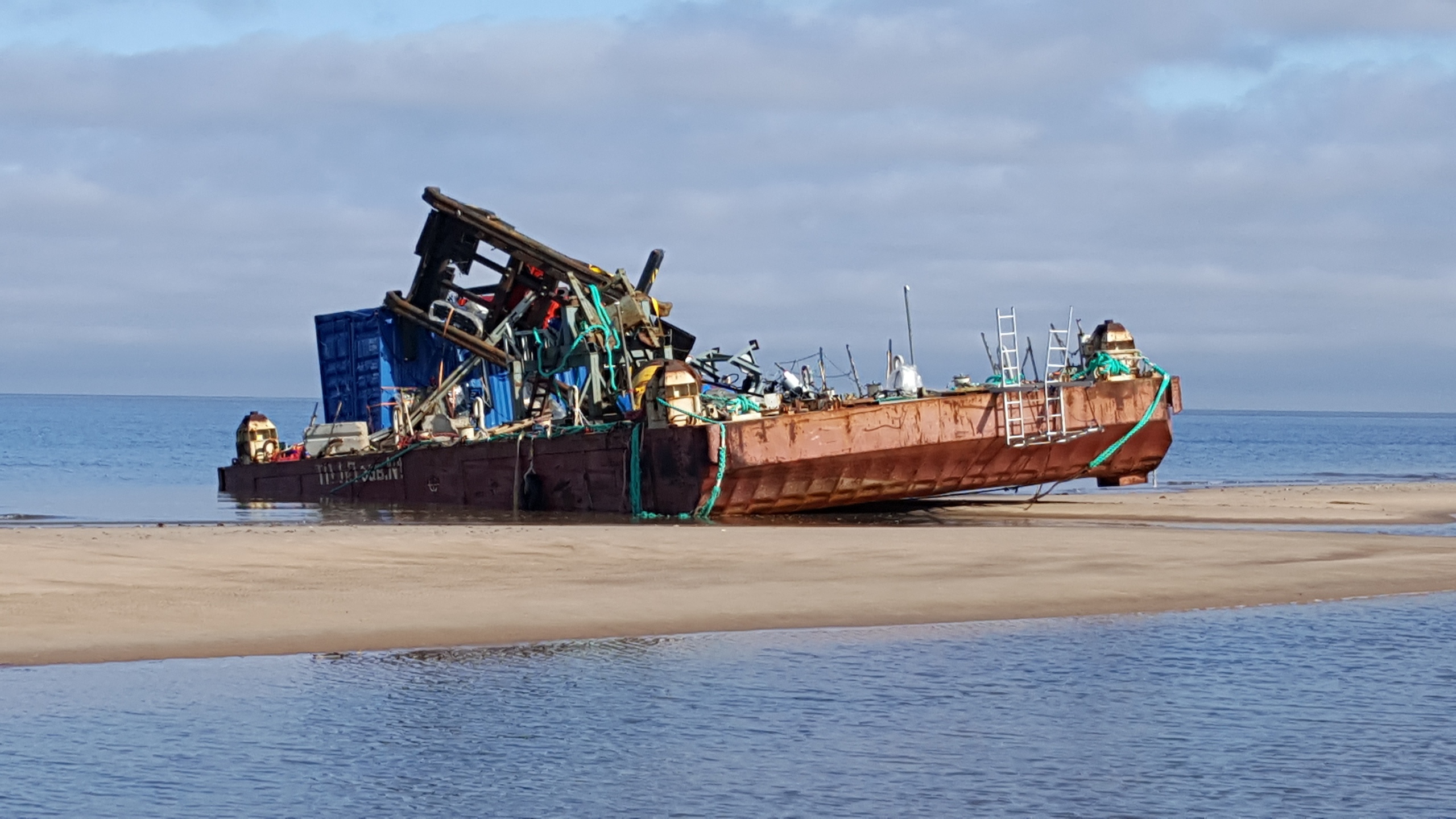
The left of the fallen crane is visible a metal structure with a V-shaped lodge. Radio Liberty assumes that this is the editor - a mechanical device designed to fix objects and their turning at different angles, a kind of large vise. The shape of the tank hints that it is designed to work with cylindrical objects . Whether it makes it possible to turn the object or simply serves as a stand, it is difficult to understand the picture.
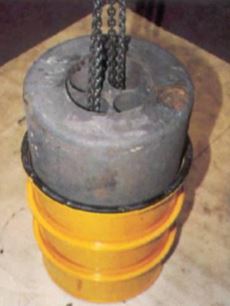
To the left, in the depths of the pontoon deck, one can also notice a cylindrical object lying on the side with a yellow base and a gray-brown top. This can be a container for the transportation of highly active nuclear waste-the so-called TUK (transport-package container). A similar tuk can be found in the presentation ( .pdf ) of the German company Siempelkamp for the exhibition "AtomExpo-2014": "Special container" looks like a barrel of yellow color, which houses a cast-iron bio-protection liner with holes for nuclear materials. During the accident, this insert could half the barrel, so in the photo from the Nezoxes, the tuk seems to be consisting of two parts.
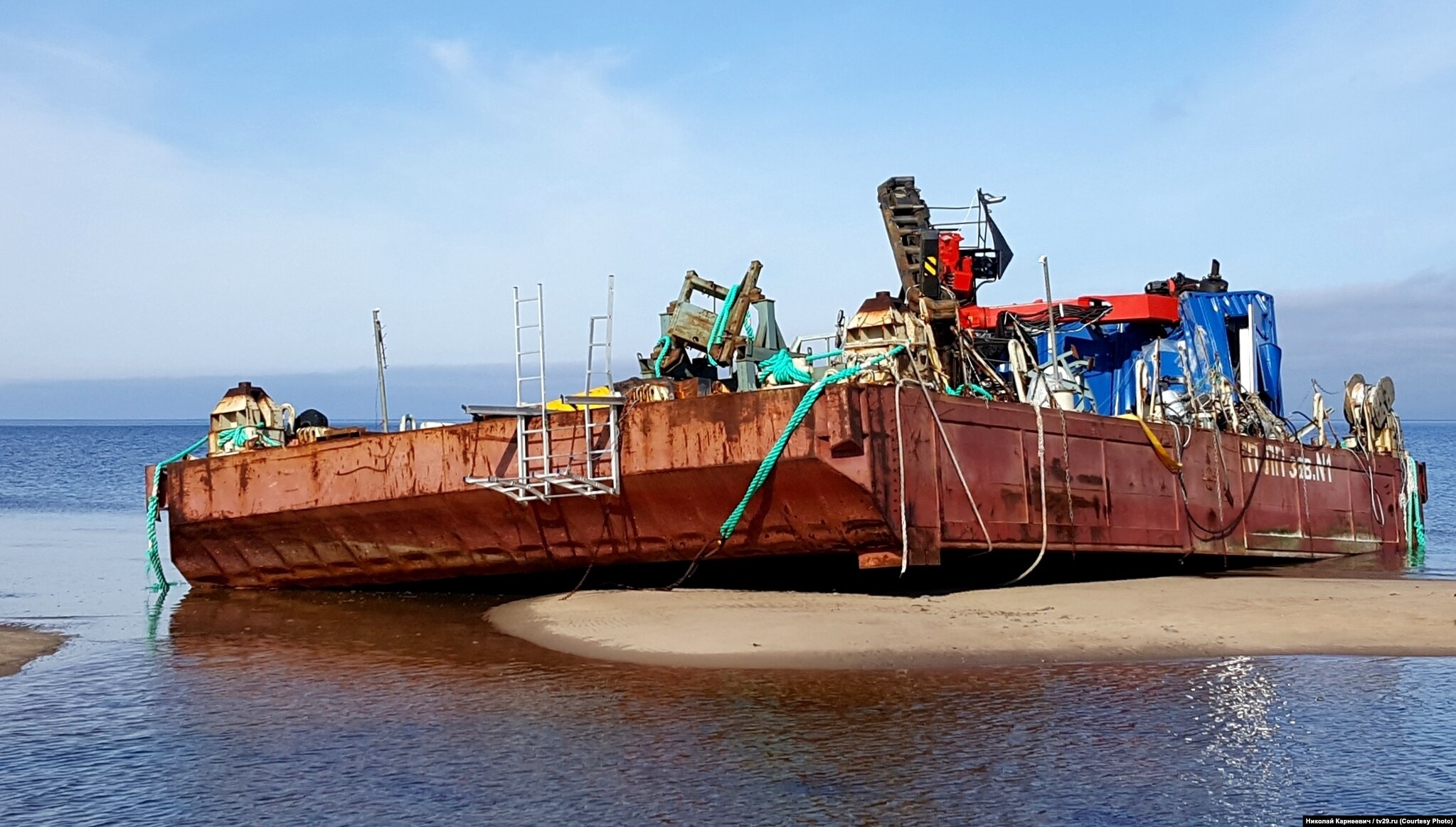
Finally, the last of clearly distinguishable objects on this pontoon are two stairs that can be diving lamps. The upper part of one of the stairs is damaged. At the same time, the ladder itself is raised: if it was used for lifting a diver, then at the time of the explosion it was already on the platform. The Newsader publication previously wrote about wounds and the subsequent death of a military divers during the accident in Nyonoks.
Ponton # 2
Thanks to the good resolution of the photograph of the second pontoon, you can distinguish the indices of one of the blue containers: LCLU 201111 22U1. The second group of symbols indicates the type of container: a standard 20-foot tall 8 feet 6 inches (22) with an open top (U1). Indeed, you can see that the top of the container is closed by the extension attached using a fraud on the gross. The letter code LCLU allows you to install its owner. This is the St. Petersburg company "Container Leasing", offering transport containers for rent and sale. Radio Freedom failed to detect the economic ties of the Learing container with NIIEF, the atomoflot or the Ministry of Defense of the Russian Federation, however, the container in Nynoks could change the owners several times.
What did all this equipment look like on the eve of the accident on August 8? Judging by the satellite picture from the pier on the territory of the Sevmash enterprise, both pontoons were loaded at the end of July-even then containers, a crane-manipulator, an editor and other equipment were placed on them.
In the Image from Severodvinsk There Two Pontoons, One with A Ramp for the Entry of Equipment From The Shore. The Second Without a Ramp. These pontoons tranferred to Nenoksa. Pontoons Loading Capacy 100t., Length 18.72m., Width 9.5m., Depth 1.60m. pic.twitter.com/dwt57zuepn
- Evgeniy Maksimov (@parramtadam) August 28, 2019
Radio Liberty assumes that to perform work on August 8, the pontoons were applied to each other and were 3-5 kilometers from the shore opposite the Nezovy in the Dvinsky Gulf. The crane attached to the deck using a special base could be used both for the rise of the previously sunken object from the bottom, and for manipulations with it on board one of the pontoons. The editor or stand could serve as a vise for working with a nearby yellow container for radioactive waste, took designed to transport radioactive materials. There were also several standard cargo containers on the pontoons, one with a diesel-generator installation, the other with an open but tightened top on top, the third with a hard roof.
Interestingly, on the first radio published Radio Freedom Pictures of the pontoons, the doors of these containers are closed, and in the pictures of Nikolai Karneevich are open. Perhaps, after the first pontoon nailed to the shore, the military or Rosatom’s employees took something from there: for example, documentation or equipment, the value and secrecy of which was higher than the risk of obtaining a dangerous dose of irradiation.
In the process of working on this investigation, Radio Liberty drew attention to the complex of equipment created by the scientific and production company "Sosna" from Dmitrovgrad. It is intended to withdraw from operation of the floating technical base (PTB) Lepsa (nuclear icebreaker reforler), in particular, for unloading the worked out nuclear fuel that accumulated in the tanks of the floating base-work was carried out in 2015-2018. This complex includes a manipulator close in parameters to the Fassi KMU, and a special "transition plate" for attaching the crane to the deck (it resembles a metal base for the KMU in the photo of the pontoon). In one of the pictures on the site of the "pines" the manipulator is loaded with the designed element of the nuclear fuel of the reactor (veil rod) into a barrel-shaped container, reminiscent of the form and size of the one that is visible on the pontoon deck in Negonox. Another project of the same NGO "Pine" is a large-capacity "Transport package" based on a standard ISO container without a roof for transporting cylindrical tuk.
Power manipulator (CCM) to perform auxiliary technological operations during work on safe unloading OHS. pic.twitter.com/r9w22favxu
- Mark Krutov (@kromark) September 3, 2019
Open-Top ISO Container for Transporting Nuclear Waste Cylindrical Heavy-Duty Containers by "Sosny" Company Pic.twitter.com/pq6yhmjgkkkr
- NEMALEVICH (@PUSTOTA) September 3, 2019
It is unlikely that NGOs “Pine” was related to military work in Nyonoks, but in a might, the set of equipment that matches the composition indicates that the devices on board the pontoons could be used to unload and conservation of nuclear fuel from a small-sized reactor.
Conclusions
The equipment that Radio Freedom managed to discern in the pictures of the pontoons, similarly to the one used to dismantle and conservation of the worked out fuel of atomic reactors, in addition, the crane could be used not only for manipulations with the reactor, but also to lift the emergency rocket from the bottom of the Dvinsky Bay. The fact of underwater work additionally indicate the ramps available on one of the pontoons, presumably for a diver (or divers).
The nature of the damage in these and earlier photographs correlates with the version that the explosion occurred on the platform itself A under water or directly above the surface. This can be judged by the fact that in earlier pictures, where the damaged Ponton was at the distance from the shore, its back part looks flooded - probably some sections of the floats were crushed or broken. The dents on the end part of the damaged platform also speak of this. At the same time, the main damage on the deck is caused by the fall of the crane, and on a container with a diesel generator there are no obvious traces of the impact of flame.
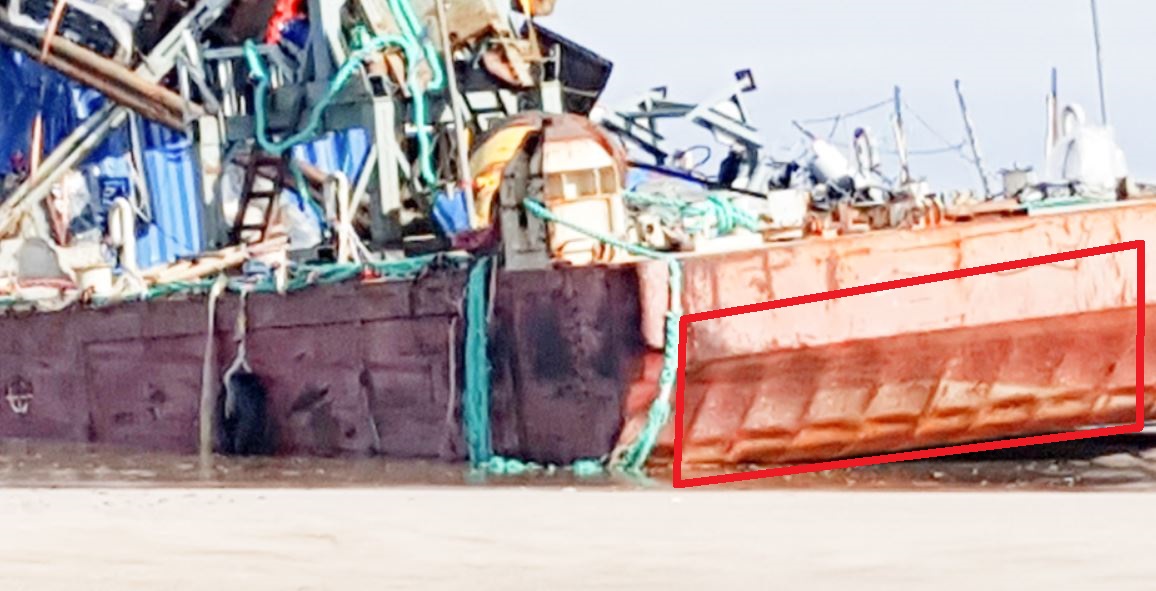
We consider new photographs by another argument in favor of the version that the accident occurred when an attempt to raise a combat unit with a nuclear power plant on board previously lost in the water area could be the Bureveznik missile or a new Poseidon underwater weapon system.
An independent expert on nuclear technologies, Valentin Gibalov, noted in a commentary Radio Liberty that the composition of radionuclides found in air samples is similar to the consequences of the outbreak of a spontaneous chain reaction in the reactor, while at the same time the expert emphasizes that the composition of the “fragments” in this case is not complete. Among experts, there is still no single version of how exactly such a chain reaction could arise. The main hypothesis: in the process of lifting the nuclear device, a special protective rod fell out of the reactor, which restrains the launch of the reactor until the end of the first stage. An alternative hypothesis : the launch of the reactor (its access to criticality) could occur as a result of a change in the medium - water into the air or salt water in the depths of the bay to more desalinated water in the surface layers. Gibalov sees inconsistencies in each of these versions: the risk of an abnormal removal of the rod should be especially taken into account with any manipulations with the reactor, and the transition to criticality due to changes in the environment or coolant means too exotic structure of the nuclear installation.
Specialists of the French non -governmental organization CRIIRAD , dealing with radiation safety issues, whom Radio Liberty asked to comment on the video shot by the agency on the shore near the pontoons video, emphasized that judging by the testimony of the dosimeter, the beach is unsafe and must undergo compulsory deactivation:
"The authorities must collect radioactive platforms and their fragments, measure the level of radioactivity of water, sand, flora and fauna. Until this moment, it is impossible to go out on the coast without a dosimeter and protective clothing and touch garbage and fragments thrown to the shore, at least without protective substances. Particular attention should be paid to the dangers of radioactive substances, in the one. number, plutonia, we must not forget that the radonuclides from the pontoons are easily tolerated by the wind, ”the CRIIRAD Director Bruno Shareyron warns.
PS
Radio Liberty thanks Blogger Evgeny Makaramtadam and Twitter user @ain92ru for help in preparing this material.