
Translated material
The British parliament opposes the Hard Brexita, which is insisted by Prime Minister Johnson
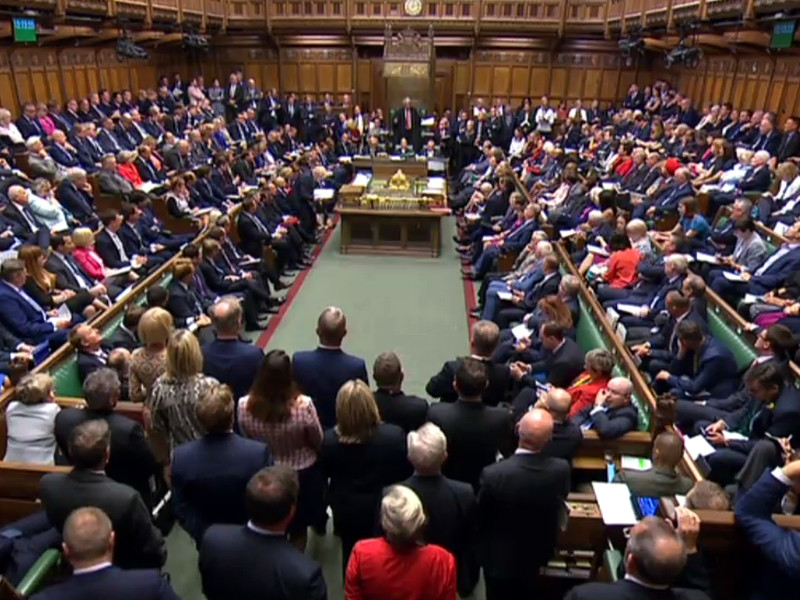
On September 4, deputies of the UK parliament are discussing how to prevent Prime Minister Boris Johnson to bring the country out of the European Union without a contract with Brussels about the conditions of this exit (the so-called No Deal Brexit, or Hard Brexit). At the moment, the date Brexit is October 31.
On September 3, Boris Johnson lost the minimum parliamentary majority unanimously, which had previously had his office. One of the deputies of conservatives speaking, unlike the Prime Minister and his supporters, against No Deal Brexit, went to the opposition. Then a new blow followed: when voting, whether the deputies should consider a bill prohibiting the government to carry out a “hard Brexit” without the consent of the parliament, 21 conservative voted with opponents of the office. The proposal was 328 votes against 301, BBC reports.
Johnson immediately excluded the "rebels" from the conservative faction, and in fact, from the party (they will not be allowed to run from Tori in future elections). Among the punished was the popular deputy Nicholas Soms, the grandson of Winston Churchill, who Johnson himself seeks to imitate.
On the evening of September 4, a discussion and voting on a bill is outlined, which would limit Johnson's independence in decision -making. According to this proposal, if London does not agree with Brexit by the end of October by the end of October, or such an agreement will not be approved by parliament, the government is obliged to ask the EU about a new postponement of the UK Great Britain - this time at least until the end of January 2020. However, the country's exit from the European Union on October 31 under any conditions is the main promise of Johnson, the clause of the program on which he put his political career. That is why the Prime Minister fell sharply criticism of his opponents, accusing them - and above all, the leader of the opposition Labor Labor Jeremy Corbin, in the intention of capital in front of Brussels, the Freedom radio station reports.
Since the arrival of Boris Johnson, the Prime Minister’s post has noticeably jumped. This is caused by the transition (or return) to them supporters of the new batch of Brexit, created by the radical Euro -attack by Nigel Farah.
The goal of Boris Johnson is opposite to the intentions of Jeremy Corbin. The Prime Minister would like to either allow early elections, or if the law against the “tough” Brexit will still be adopted, on the contrary, to hold these elections as soon as possible (BBC calls the date on October 15). In this case, the conservatives have a chance to win and enlist in the future parliament with a stable majority.
Meanwhile, the official representative of the European Commission, Mina Andreeva, recently called No Deal Brexit “a very real opportunity”, and European diplomats admit that negotiations with London have come to a dead end.