
Translated material
You can no longer shout "Freedom!" Or "Plant!"
The second season of the project “This is a real story” comes out - about the affairs of the Khachaturian sisters and “GTA gangs”. We talked with its creators
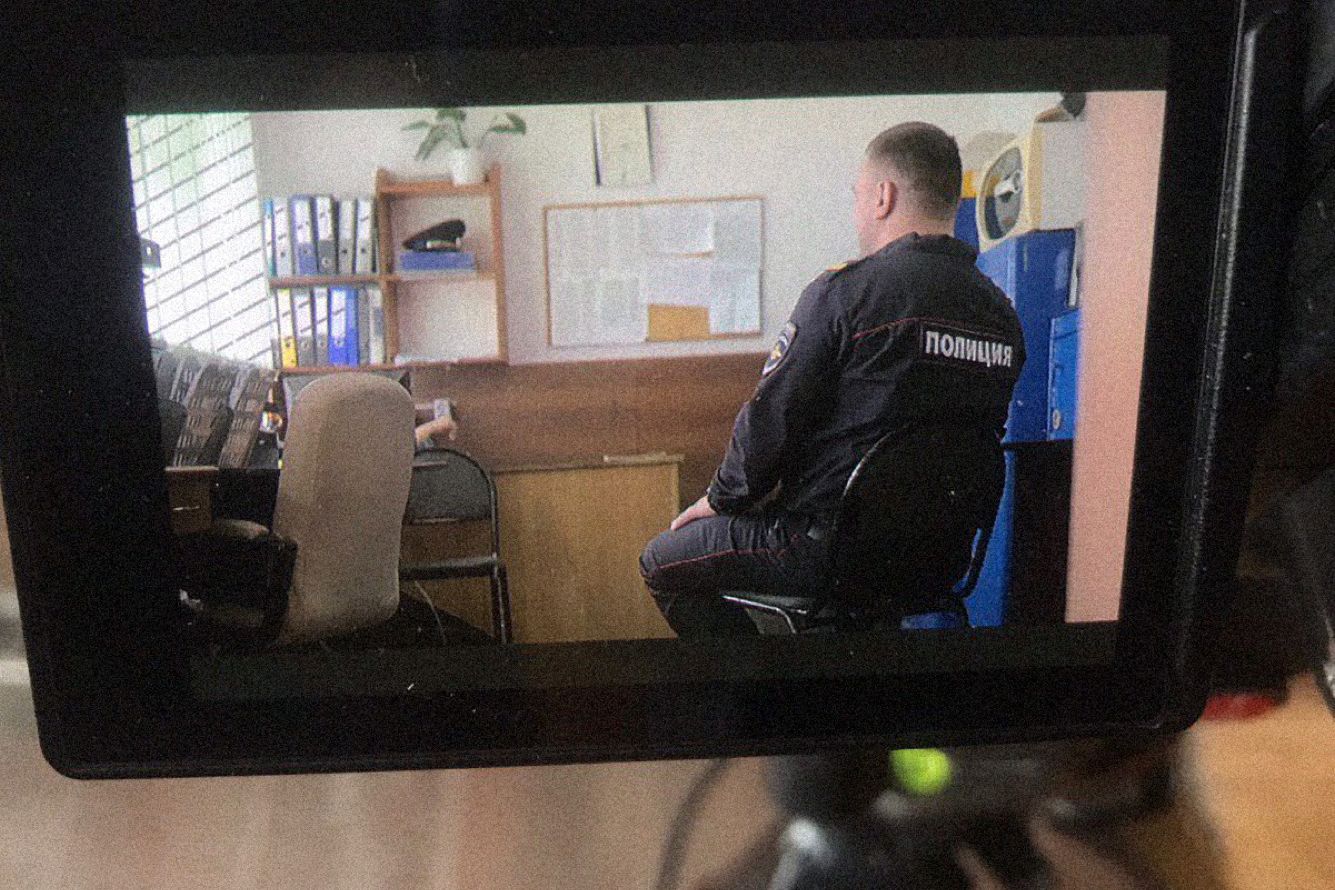
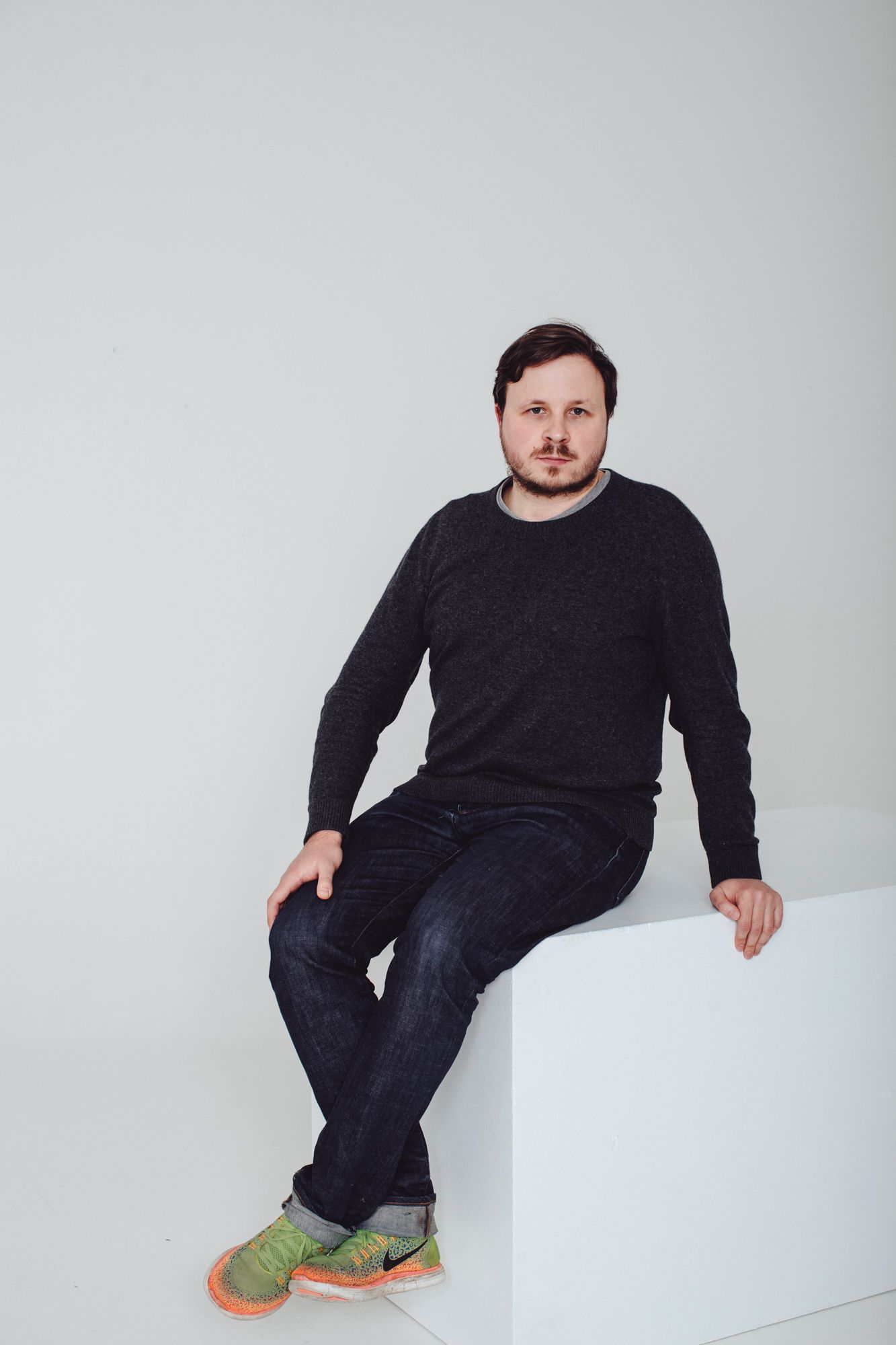
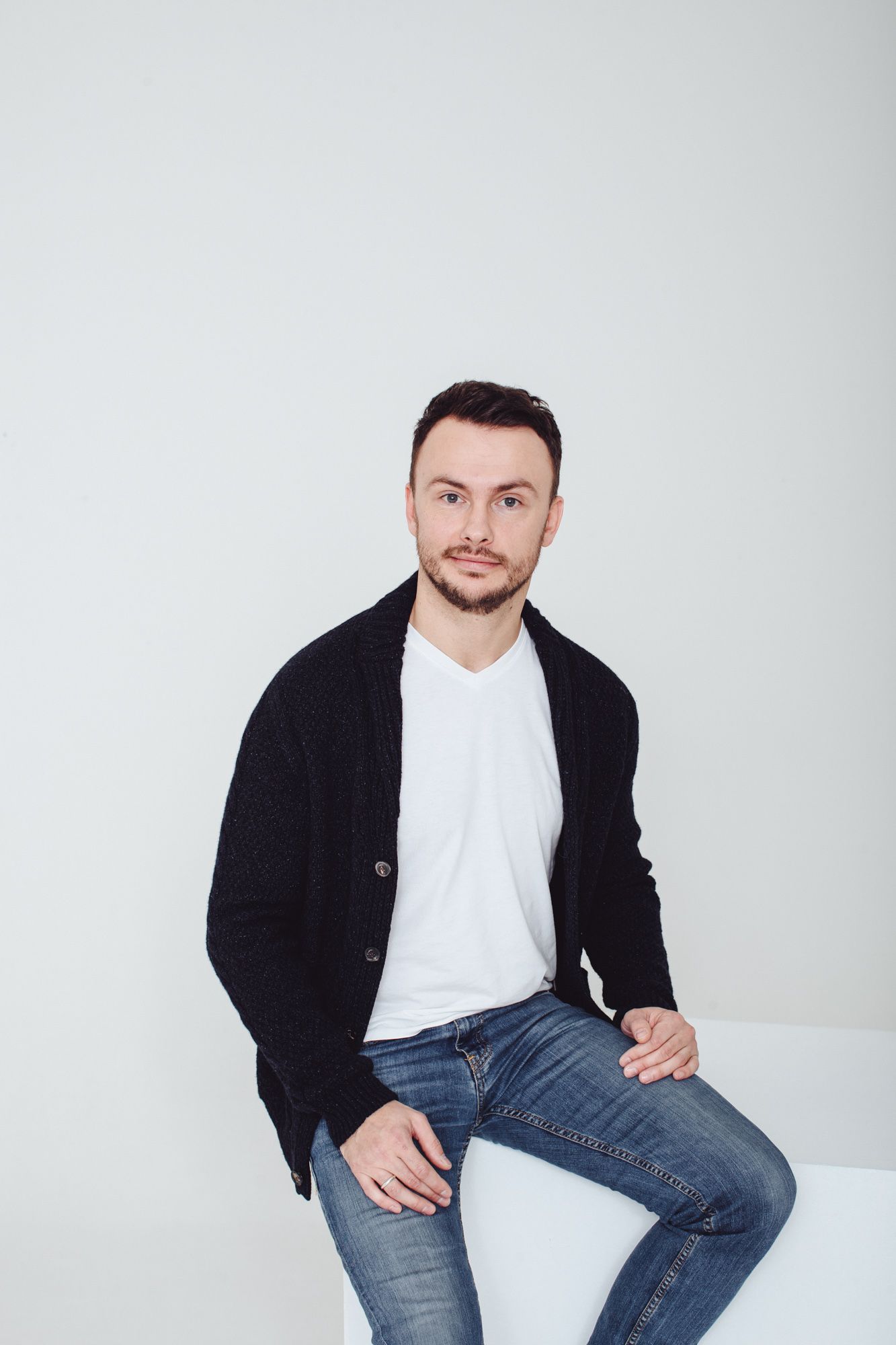
On September 12, the second season of the documentary project “This is a real story” will begin on the TV channel, which talks about the most high-profile and ambiguous criminal cases in Russia. For this season, the authors removed the issues of the case of the Khachaturian sisters, the Primorsky Partisans, the tragedy on Syamozer and the GTA gang. The creators of the project Rodion Chepel and Alexander Urzhanov told Medusa why they take off the series about real crimes, why the Russian security forces agree to frankly talk to them on the camera and whether it is possible to protect the innocent in Russia by making a film about them.
- How does your project differ from other criminal programs on Russian television? Many of your heroes have already gone through a talk show such as “let them talk” or “live broadcast”.
Alexander Urzhanov : There are several ways to tell TrueCrime-observants who are well acquainted with the viewer and the reader. There is a way to tell them in the online "mediazons" or "jellyfish" from the ships. Or in reports and long text stories. But in fact, when you see heroes close, you hear them, talk to them, it gives a different picture in general.
For example, in the second season we have a story about the GTA gang . Before starting to work on this series, I thought that I know in detail what happened there, and I imagine what this story was about, because I read about it in the media. In the cinema, she looks completely different, and she is much more about the country, about reality and about the air that we breathe. This is not about a purely criminal plot, not about how to scatter the “ chicken paws ” on the road so that a certain number of victims get there. This gives a different perspective.
It seems to me that very often we are in such a socio-media bubble, interpreting other people's words and deeds in separation from context. The movie gives this context, it allows you to look at actions and words in life, and not in letters. Not in the statement of the statement, but in the mode of how it happens around.
Rodion Chepel : This is another question of format. How does this differ from “let them talk” if most of the stories are already told there? Indeed, “let them talk” and other conversational talk shows on federal channels is a powerful production machine that pulls out stories. But still, a lot remains behind the scenes there. Because the mode of conversation and the presentation of information in the talk show is more connected with the emotions and facts that people can try on. These current shows have the task of surprising the viewer, but surprise with something familiar.
Our task is to introduce the viewer to a full unfamiliar phenomenon and give the opportunity to enter it with the help of a classic dramatic solution. In the talk show, the engine for the viewer is a familiar face of the TV presenter, who is all so home. And so you swaddle children or wash the dishes, and his bright eyes from a laptop or from a TV screen look at you. And this is a drive belt of your interest in this story. Like the fact that this story is similar to yours, only more tough. And in our work, a drive belt is a sappress and a classic detective plot, that is, the structure of the story, which allows you to keep interest and adds to an unfamiliar area.
Urzhanov : Any current show is a tabloid. The tabloid implies a very bright and rather stereotypical perception of any of the actors. If this is a victim, then it should be an angel, and if it is an aggressor, then it should be a devil. And if in the process some become others and vice versa - this is generally great.
But the thing is that all these stories are actually happening in half -tones. When we declare someone an angel, this very often cuts off too many circumstances, facts, motivations and makes the story less, and not more interesting. It is cool that most of the stories that were in the series were told by other media. It is cool that they have become food for talk show. This is also some important way for the country to experience what is happening to her.
Chepel : What is convenient for others to throw out and leave behind the scenes, it seems to us the most interesting and the most important. There is an even greater culture of criminal programs that come out on other channels. And there, for example, a policeman, an investigator or prosecutor can never turn out to be a negative character. He, most likely, will not be the current character there. He is like a function there. And for us, investigators, police, prosecutors are the same important participants in history. The more you plunge into this, the more you see that no one is definitely good and no one is unambiguously bad. Everything is much more complicated and everything is much more interesting.
- Prosecutors, investigators and police in the first season really appear in almost every episode. How did you persuade them to act? Siloviki usually do not like to communicate with journalists.
Chepel: This series is a new product for our television production. This is a new communication format for the departments you mentioned. We all have-every journalist, a team member-has some kind of history of relations with law enforcement agencies. They understand who we are. They were used to us as well as they worked. That is, they provided the information that seemed interesting to them, and was beneficial to them. This is the normal work of any body that is responsible for contacts with the media.
And then they saw what it was [the project “This is a real story”] pours out.
Urzhanov : This is not the same as standing against the background of a press wave with the emblem of the department and pronounce the text on a piece of paper.
Chepel : They thought it would be so. And it turned out that they behave like people. In the first series of the first season- the stories of Victor Cohen -we have a girl-investigator. So she is a full-fledged hero with her attitude to the rest of the heroes, with her emotions and some decisions that she makes for one reason or another. But it seemed to me that they were not ready to be like that - living characters.
Urzhanov: Everything is different, in fact. When the heroes want to stand against the background of a press wave-this is not good for anyone. And as soon as they really want to become the heroes of these films, this immediately makes them look at them differently. As soon as they become more human, you begin to believe them much more. Even the opposite effect occurs. In the second season we have several such series. There are investigators, operational workers ... When you are sitting in front of you a burned operative in a leather jacket, you begin to watch him more as a movie hero than as a representative of a particular department. But there is no such thing that it is difficult to agree with the side of the law enforcement and it is easy to agree with the rest of the heroes.
Chepel : The negotiation process is quite long. We are trying to convey a simple thought: the most profitable position for them is participation in the shooting. This is a classic argument: otherwise there will be a situation when other people say something for you, better say it yourself. In general, in different regions, communication with the media is built very differently. Somewhere, the press services affect everything very much, and somewhere ordinary employees have more freedom. And here it all depends on their desire to participate or not to participate in the shooting.
Urzhanov: Plus, a number of things about which the series tells, there is a temporary distance. Among the heroes there are people who previously dealt with these matters, but have already resigned. Six to seven years is the deadline when a participant in the investigation will most likely become a former employee of the bodies. And this is also the reason why they tell about this.
For two seasons, I think, there was not a single hero who would come running around and say: “Of course, please, take an interview from me.” In this sense, the huge work of authors and producers. Each of these films has an author who spoke directly with the heroes, we have two of them - Anya Karpova and Vladlen Savenkova. Two producers are Nastya Semenova and Polina Shevchenko. And the chief producer-Masha Glebova. Here, in fact, are people who are indicated in the opening credits, this is the reason why these films are. And the reason why people in general [with us] say in them.
- How did your team determine what stories to shoot? Did you have to abandon something because the heroes did not make contact?
Urzhanov : The first months are always such a job. This is not nine topics ( in the first season of the project “This is a real story” there were nine episodes - approx. Medusa ), which were taken at will. For the second season, we previously selected 60 topics, then 40 were left, and in the end it will be eight.
Chepel : We try to clean the topics to a certain structure. We just discuss together, we are trying to understand what this story is about and whether it falls into our format, where there are different ways to tell the same plot.
Urzhanov : It cannot be unambiguous here where it is quite obvious that someone is bad, and someone is good.
Chepel : It only works when the viewer has a swing. You swing it between the arguments for one version or in favor of another version. As a result, only half of the topics may remain a little less. And then we sit down for their development, trying to understand how conditionally these are possible two plot lines to tell at the expense of the participants in these stories.
It is very important here that in our project there is no sunbeam. That is, we ourselves deprived of the opportunity to say something instead of our heroes. A significant part of the stories flies away, because we can tell them with the mouth of our heroes, for one reason or another. Sometimes people are inaccessible because they ...
Urzhanov : Dead, for example.
Chepel : Or sit. Or strongly sick.
Urzhanov : Or they just don't want to.
- They wrote about your project that you were inspired by the American documentary “Thin Blue Line” . Its creator Errol Morris decided for himself that his hero was innocent and should not be in prison. After the picture of her hero Randolla Adams was released, they really released. When you shoot, do you expect films to change something? Do you have such a goal?
Chepel: Such a goal is not with us, but in this sphere of activity, in principle. Public information has such a goal - to influence events.
Urzhanov : Of course, we do not plan any special effect. This is still another job: human rights, lawyer. It is impossible to completely calculate.
Chepel: But at the same time, there is a classic example of how it affects. I am not saying that this is the influence of only our product, but in general the influence of media - for example, it returned home Sasha Filippov in Novosibirsk. The Supreme Court canceled his sentence. He was able to return home. This is a radical change in the fate of a person. I am not saying that this is only our work, there was a lot of attention of the regional press. And if it were not for this attention, then the relatives and lawyers themselves could not do anything.
Urzhanov : Any criminal case, loud or not, is always an iceberg, and a huge part of what is happening is always under water. Of course, the media affect this. But I do not remember such things, not even of those about which we shot so that one of the journalists said: "I freed this man from prison." This is always a super -confused story. But, fortunately, the media power is sometimes useful to those who really deserves this: those who were unlawful condemned were arrested. Thank God that the media can at least a little to this, pulling out a piece of iceberg into the surface part-in a system in which there is manipulation, falsification, and torture.
Chepel : By the way, a “thin blue line” is an example or a guide not in the sense of the author’s ethical position, who was indignant at injustice and decided to fix it. For us, this is just an example of a qualitatively done work regarding the collection of material, interviews of heroes, structures and how reconstruction looks there. There is no offshore text. There are meticulous psychological portraits of those people who give interviews, and ascetic art reconstructions of key events.
Urzhanov : In general, this is a very old film that has very much influenced the visual language of the American Truecrime-gang, first of all. Actually, right now, all large American channels and streams are much larger than the show, which we can be more like. There are Keepers (“Keepers”), there is confession tapes (“Confessional films”), there is Jinx (“Secrets of the billionaire”).
I am sure that at the moment when Morris began to make a film, he did not tell himself: "Well, that's it, I release this person." He just saw a plot that is very important for society. These two power lines are how the system works, and the fact that we never know who is next to us is moving all this genre.
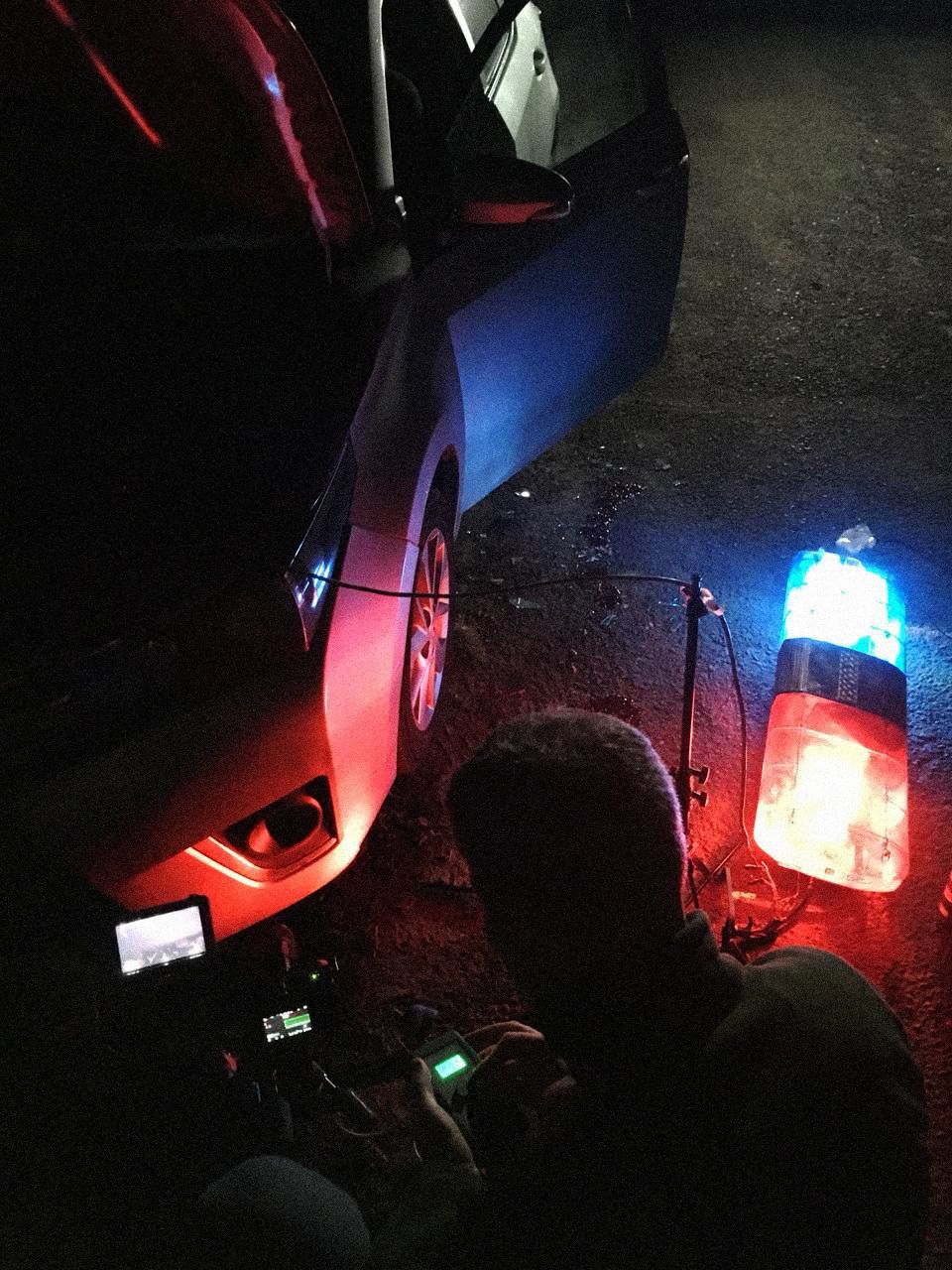
- The most anticipated episode of the second season is a story about the case of the Khachaturian sisters. Here you act in a new quality for yourself, because before that you shot the heroes that have already passed through the court, and then you did not even begin to consider the case.
Chepel: Yes, for us this is another type of work - work on the current history. There are difficulties. The positions of the heroes who are involved in history are constantly changing: families - from one side and the other - both lawyers and people from the state prosecution. They always change tactics and behave differently. In such a situation, one has to try to predict their interests, their tactics, their strategies and use it in the negotiation process. By the way, he was very difficult.
- Personally, do you support sisters in this story?
Chepel: In our country, this story is dismantled to some very specific facts. They are all compared, between them, they are proven from different sides, well studied and put in a certain sequence, which, unlike other different series, does not eventually give the polyphony of conclusions. There is a certain conclusion. Some event took place, which cannot be treated differently.
Urzhanov: This is exactly what our authors and producers are trying to do. The essence of the matter is formulated in three words: the daughters killed the father. This is a thing open to interpretations. Everyone sees something in her, and the bacchanalia of comments, columns and so on begins. When the film is made, the facts really appear there. What sounded like a slogan becomes a plot in which there are certain persons that took place in certain circumstances, a certain geography, with a certain attitude of people around him. In a certain context. And this context - it is the most expensive. These are such bulbs that are gradually turning on during the film. And you can no longer take the Khachaturian sisters from the point of view of the slogan after this film, no matter what he is there: “Freedom!” Or "Plant!" You can no longer look at it as a person who knows nothing but three words. In fact, the whole series is about this.
On September 10, by the beginning of the season, the authors of the project will conduct a discussion about the case of the Khachaturian sisters, about the problem of domestic violence and legislation in this area. The moderator of the discussion will be the special correspondent of Medusa Sasha Sulim, who wrote in detail about the problem of domestic violence in Russia.
Kirill Tikhonov