
Translated material
The price tags of rescue
The causes and consequences of the exchange of prisoners between Russia and Ukraine
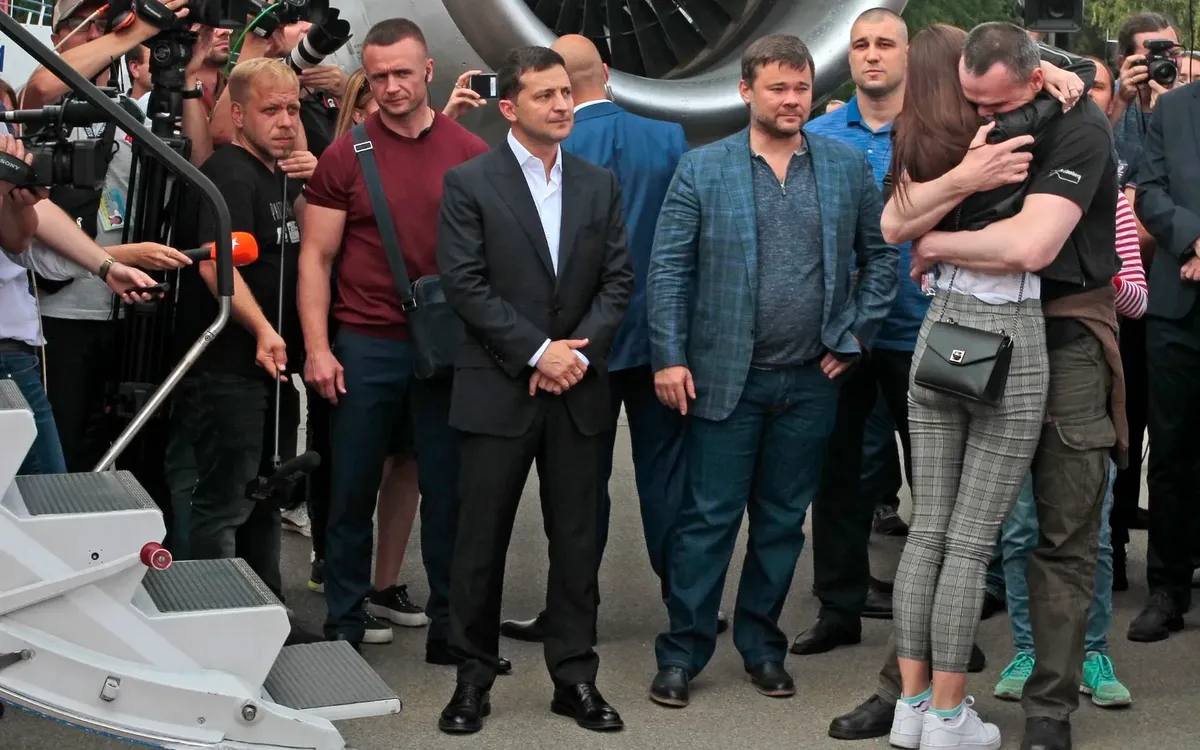
The long -awaited exchange of hostages of the Donbass conflict between Russia and Ukraine finally, thank God, glued. This action, in which humanism and cold political calculation have been woven by a bizarre “hybrid” way, caused approval almost everywhere-in Russia with Ukraine and the European countries participating in the “Norman format” and in the United States.
Further - more. The conversations began that the exchange of “detainees” could continue, having eventually reached the sixth of the Minsk agreements (which no one canceled) the “all for all” formulas in paragraph. That it is necessary to finally dilute the continuing to shoot “on both sides” of armed people (regularly entering the people of the unarmed) and thus ensure the real and final ceasefire along the entire line of contact in the Donbass.
Even optimistic statements sounded that the exchange that was held is only the beginning of the process of normalizing Russian-Ukrainian relations. And almost up to their complete settlement.
So what really happened on September 7, why did the parties manage to do this and what could grow from this?
What happened
It happened, no matter how cynically it sounds, the zeroing of the status “exchange fund”. It is no secret that each of the detainees and convicted in Russia and Ukraine had its own exchange equivalent - a price tag for rescuing from the ultrasound of the opposite side of an equal value of the prisoner.
Moreover, some came to bars precisely as a potential material for the implementation of the upcoming exchange in the future.
Moreover, both sides were engaged in this shameless calculation. It is clear that in the list for the exit (35 by 35) were mainly the most media -promoted characters, the retention of which, contrary to the public requirements for their release, caused the most harm to the prestige of the holding side. Given that in international public opinion, Ukraine is a victim, and Russia is an aggressor, it was Ukrainian prisoners in Russian insulators and colonies that became the main objects of protection of the international community.
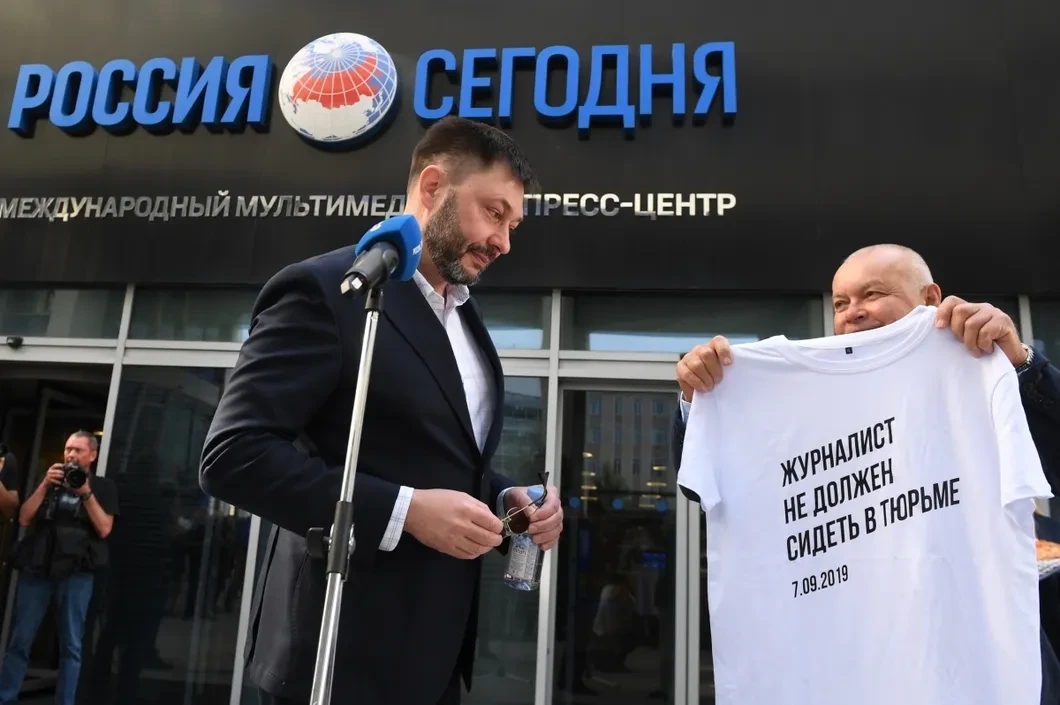
With Ukrainians Sentsov, Klykh, Kolchenko, Suschenko, sailors detained after the Kerch incident, from the Russian side you can compare the degree of rejection of their judicial persecution by the international community except that Kirill Vyshinsky, for whom some international human rights organizations and the OSSU representative on freedom of printing Arlele Dezir.
The status fund has been exhausted by the exchange, in prison in Russia and Ukraine were mainly those whose fate is much sadder due to the fact that there are few of them, who know. Moreover, there are much more of them than those “35 to 35”, which gained freedom on September 7 (for example, 113 citizens of the country are called from the Ukrainian side).
What was the interest of the parties
For the Kremlin, the success of exchange is a few important bonuses.
Firstly, this is the beginning of clearing the bridgehead for at least partial recovery of relations with the European Union and the USA. The time of warlike and arrogant self -isolation has passed. The Kremlin is not against moving from a new Cold War to a new discharge of tension - without passionate hugs and fictitious strategic partnerships, but also without the escalation of hostility, before the eyes of a dangerously uncontrolled, as well as with a greater pragmatic benefit. Indeed, in a worsening situation, it would be useful to restore the destroyed economic ties with developed countries inside, and in the future, it may be gradually step by step from the sanctions regime - well, say, by the forgotten “Steinmeier Plan”, which intended to weaken the “Nekhm” sanctions depending on the good behavior of Moscow in the Donbass conflict.
At every opportunity, Macron, Trump, Merkel, and others resembled the unacceptability of the “case of Sentsov” and the need to free the sailors Putin to President Putin.
“Do at least something so that we can regard this as the movement of Russia towards the settlement of the conflict with Ukraine”,
- The Western leaders who did not want the further destruction of relations with Russia have repeatedly said. So he did something. It must be admitted that the exchange of prisoners has little effect on the rest of the components of the policy of Russia in relation to Ukraine and the Donbass conflict, but it gives a positive image background: here it is, humanism, here it is, a kind will, to the manifestation of which you called us!
Secondly, this is the path to the acquisition of Moscow to a more profitable position on the Minsk agreements that continue to be the only officially recognized route of the Donbass settlement.
If further exchanges of prisoners follow, if it is possible to achieve real breeding of the parties, the ceasefire and its retention for a sufficiently long time, then it will be possible to more reasonably raise the issue of fundamental problems of settlement recorded in the Minsk protocol. And no Ukrainian authorities are ready for their decision today - neither for a wide amnesty participants in the conflict, nor to elections in separatist enclaves before Ukraine gaining control over the border with Russia, nor to the constitutionally assigned special status of East Donbass, actually representing him autonomy. In a situation of a long ceasefire on the contact line, it will be impossible to refer to the starting point of the Minsk agreements as an unfulfilled, and therefore blocking the rest. Like, here and look, dear Western partners, who does not fulfill the agreement here!
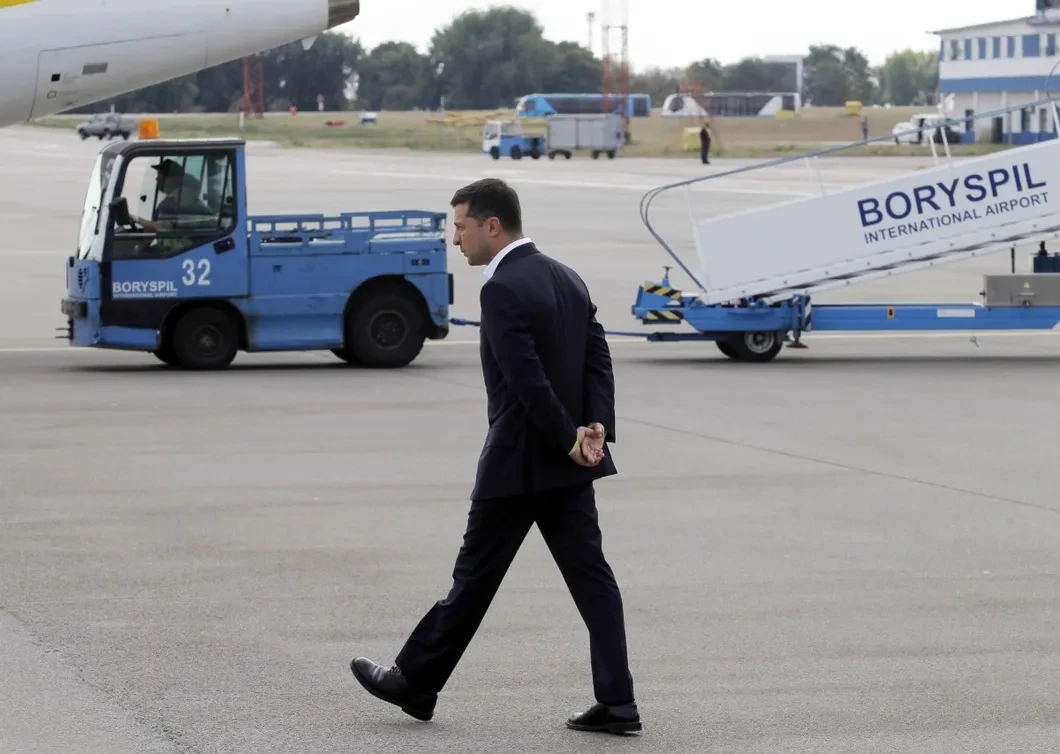
For Kiev and his new leaders, this is, first of all, the fulfillment of one of the main election promises of the President of Zelensky. People who know him well, claim that he really wants peace in the Donbass. That this is not a pre -election trick for him to collect the votes of Ukrainians tired of the war, but something deeper and personal.
He promised to return the sailors and returned. He promised to talk with Putin, no matter what - and talks.
By the way, I am sure that in relation to the breeding of the parties and the ceasefire, he will be just as persistent and ready for agreements. And this is not only a manifestation of humanism and anti -war consciousness. The Zelensky team, supported by Western, primarily European partners, really wants to free the long -ripened internal reforms, the fight against oligarchy and corruption from their blocking by military position and military ideology. War is not a time for internal transformations. Nobody is going to put up with the loss of Crimea, the defense capacity must be strengthened, the Donbass should be returned, but the military operations there, the underdevelopment of the problem with the “restrained persons”, the dominance of military thinking over the country's development projects (they say, now it’s not before what reforms can be ...) should go into the past, clearing the country's real path towards Europe.
On the consequences and prospects
Alas, there is no need to count on in the foreseeable future on a large-scale normalization of Russian-Ukrainian relations. At the current stage of promotion, they are possible only in the humanitarian sphere and in breeding the parties to the conflict for the termination of shootings and human losses. The Ukrainian authorities, based on the public mandate, as we have already noted, will not go to those political points of the Minsk agreements that lead to autonomization within Ukraine of quasi -state formations - the DPR and the LPR. And they will try to somehow convince Western partners of the need to reconsider them, since they, in their opinion, were imposed by the Russian side in a situation where at all costs it was necessary to stop the Donbass massacre. The Kremlin is ready to resolve only on its conditions, only on the basis of the step -by -step implementation of the Minsk protocol, maintaining its influence on separatist enclaves, but it is advisable without continuing bloodshed and with the demonstration of the Western partners of their “goodwill” and “intelligibility” of Kyiv according to political points of agreements.
Thus, the most real prospect is the freezing of the Donbass conflict. But what is important, at a less dangerous and bloody level - with the weakening of its military component in favor of diplomacy and activation of the struggle for the minds of the inhabitants of Donbass. Such "freezing Light."