
Translated material
University policy
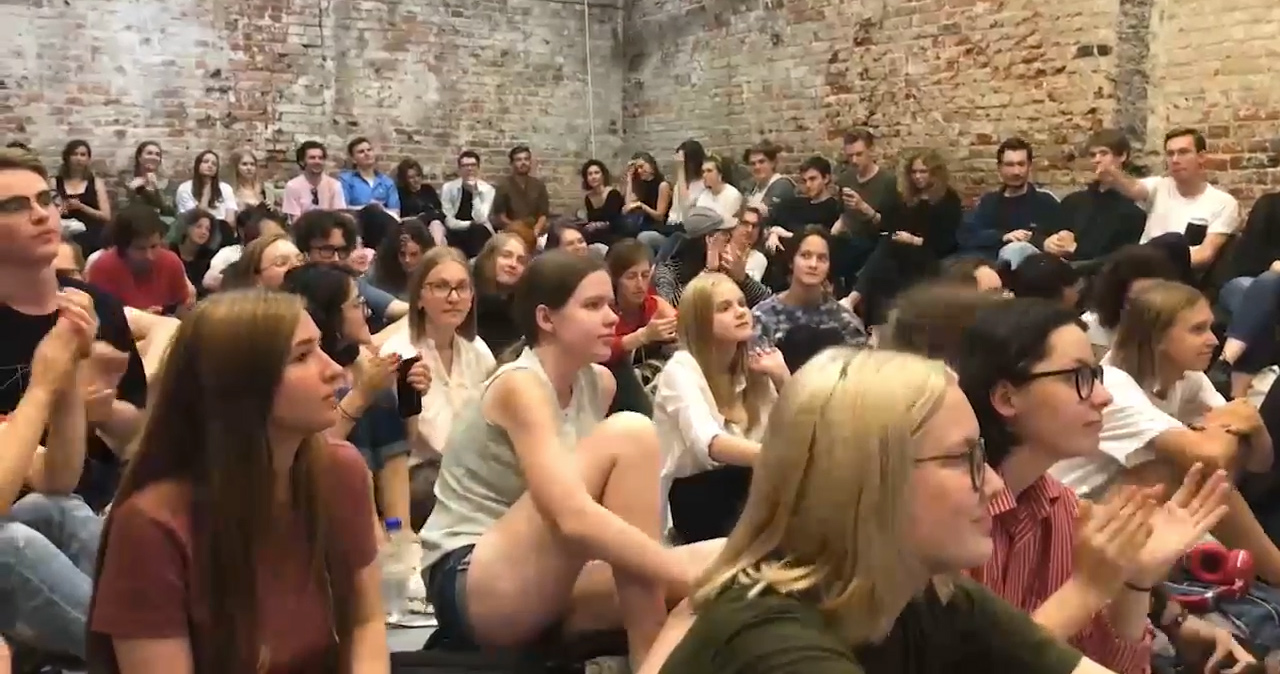
Why are students not to be afraid to be expelled for participation in protests, and teachers demand the release of all political prisoners
- The slogan "University outside politics" is already a political slogan.
- When teachers and students find themselves together on stocks, for example, in defense of political prisoners, this is a continuation of what they do together in the audience.
- In Russia, what we call "politics" is actually the usual natural struggle of people for justice, against cruelty, for human dignity.
- In America, there are problems with those whom to invite to the university, what article to read, and so on, are, but they are of a different order. For example, the students' faction opens against the speaker to come to the campus, because "we do not share these values."
- "No, I'm not afraid of deductions. And even if they expel me, it will be such a scandal that everyone will regret it." Indeed, the fear is not that the deduction is possible, but rather that you will be left alone.
- In America, relations are due to the fact that we pay money for training and our money goes somewhere, so students can even influence the university investment.
- Power passes the border of justice, truth, tramples the most important things, including those to which we serve at the university.
Tamara Lyalenkova : It so happened that the beginning of the school year is associated with political events-due to summer detentions and arrests of students, shares in their defense and attempts by the academic community to understand how the university in Russia can maintain political neutrality.
I have some doubts about this, which we will discuss with the teacher Boris Nikolsky , a student at the University of California Rebekahka Gershovich and Maria Menshikova , she submits the editorial office of the student Internet publication Doxa, who was banned from participating in a university event last week for quite political reasons.
Tamara Lyalenkova : There are enough examples of how politics is supplanted from universities. There is a recent story related to the RSUSU and the Moscow Pedagogical State University, when the university administration directly says that the participation of students in protest actions "may affect their fate."
Masha, perhaps, is that politics by students and teachers is understood differently? Perhaps for students a politician is an opportunity to defend their opinion publicly and thus influence the situation, and for teachers any public performance automatically goes into the category of protest against the current government? Maybe you must first agree on the concepts?
Maria Menshikova : The slogans “University outside politics”, “tower” outside politics are already political slogans. This is an attempt to reduce what political, what politics is (what they are taught at the university). It is quite strange when the university rector, the top of the community, university officials are trying to impose this slogan in the calculation of it as something like something like something like something like something like something like something like something likes Of course.
Tamara Lyalenkova : But there are other kinds of disagreements. Boris, when a declaration of teachers and students discussed in the group, a discussion arose that this struggle was not political (it was about the action in defense of political prisoners), but moral. And then the teachers argued that today it is political and what is moral. Do such disagreements affect solidarity?
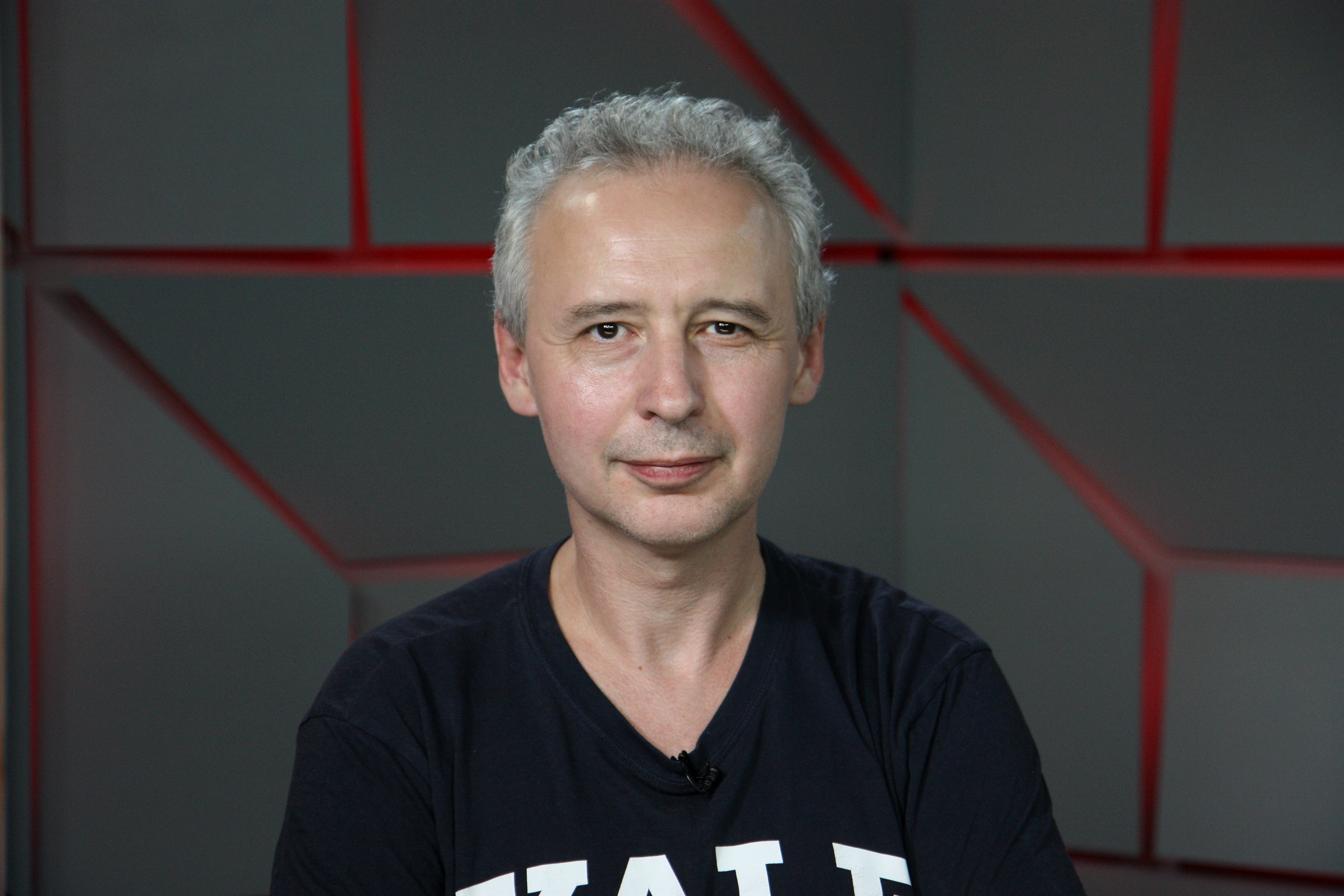
Boris Nikolsky : This problem was revealed when we began to discuss a declaration on Facebook with some of my colleagues who signed a letter that the university should be outside the policy. (The letter appeared in response to political actions in Moscow in late July - early August, when it became known that many students participated in the shares).
And at some point, we realized that we diverged in the very definition of what the word "politics" means. Because in the Western sense, "politics" denotes the struggle for power of different political forces and, probably, it makes sense to take out this kind of policy outside the universities. Since she, in fact, can share teachers, students.
We disagree in the very definition of what the word "politics" means
But in our country there is no such policy at all. In Russia, what we call "politics" is, in fact, the usual natural struggle of people for justice, against cruelty, for human dignity. All this began with the fraud of the Muscovites by the authorities when their signatures were invalidated. Actually, the whole movement, which is now commonly called political, is, of course, not the struggle of some political forces for power. This is a struggle for justice against cruelty and for the liberation of innocent people who were behind bars.
From a declaration of teachers and students:
Our country is in a historical fork. Either she will continue to follow the path of repression, or turn to the rule of law. We see the need for changes, we believe that they are possible in the importance of the role that each of us can play. We also see the collapse of public institutions in our country, where citizens cannot rely on the courts, or for trade unions, or for free elections. Higher school is designed to become one of the unifying principles in the struggle for justice and civil dignity.

Why are students not to be afraid to be expelled for participation in protests, and teachers demand the release of all political prisoners
The text of the copyWidth PX Height PX
The url has been copied to your clipboard
No Media Source Currently Available
0:00 0:02:36 Download the media fileForbidden action of DOXA magazine at the bottom of the tower
Tamara Lyalenkova : Rebekah, do you understand what we are talking about if you look at this from the perspective of a student from San Diego?
Rebekahka Gershovich : I don’t know if I can stand on the position of a student exclusively from San Diego, because after all in the "tower", at the RSUSU
The political idea of the federal level affects intra -universal policy
Learns a lot of friends. But I myself often have questions - how much the university should be in politics, what is politics, what we mean by this.
Because there is a policy of different levels: at the federal level, at the regional or urban, but there is a policy at the university level. The political idea of the federal level affects the intranius -test policy, and directly on the climate of the university.
Tamara Lyalenkova : At the University of California, in San Diego, it can be in the same context as in Russia? For example: can a student organization invite a speaker to the discussion, which the administration would not want to see in the audience, or collect signatures at a university event in defense of the arrested student?
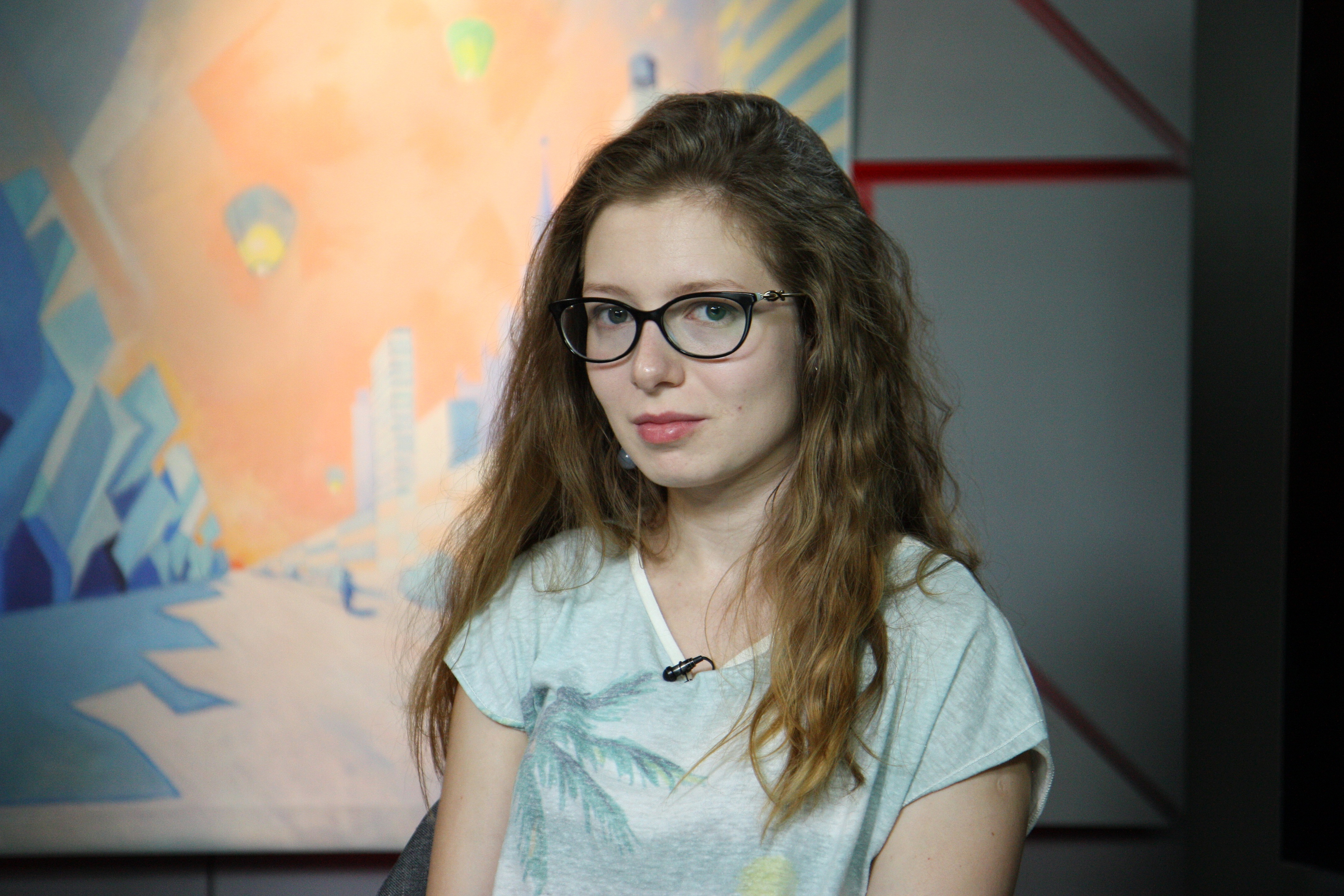
Rebekahka Gershovich : this can be. In America, there are problems with those whom to invite to the university, what article to read, and so on, are, but they are of a different order. It is quite a norm to invite a political figure. But it often happens that, for example, the students' faction opposes the fact that he comes to the campus, because "we do not share these values. Only through our corpse." But, in principle, the idea is to invite opposition politicians or not opposition, or in general some political figures are generally accepted.
Tamara Lyalenkova : That is, students may not want to meet someone, but if they want to invite someone ...
Rebekahka Gershovich : for example, there may be such a situation that the university is very liberal, it has a large professional community that will oppose a professor known for his sexist statements. Because of this, a big scandal may flare up. But there is no such thing (in any case, I did not hear) to invite someone a politician, and the reason why they did not want to put him into the university was his role in politics.
A survey of Moscow students: Do you agree to reduce your civic activity so as not to fly out of the university? Is the university’s political activity important to you?
Tamara Lyalenkova : There is such a Russian feature (in any case, as sociologists say) - study at the university is not perceived here as the acquisition of skills and knowledge that you can then sell in the labor market. For Russian students, studying at the university is a continuation of life, not the acquisition of a profession. And Russian students confirm this when they talk about the feeling of community. Perhaps belonging to a particular community, authoritative university gives a feeling of protection in a world where there is nowhere to look for protection.
Maria Menshikova : I think this is a very important sensation that many have appeared in this summer. And I hope that this sensation is realized in some new communities, which we still do not have or which are just beginning (our DOXA magazine is only two and a half years).
It is very significant that students say: "No, I'm not afraid of deductions. And even if they expel me, it will be such a scandal that everyone will regret it." Indeed, the fear is not that the deduction is possible, but rather that you will be left alone.
There is a positive example when the “tower” promises that “Yegor Zhukov will continue training, however, we don’t know how, but he will continue it anyway”, and the negative when the rector of Moscow State University Viktor Sadovnichy was going to amend the university charter in order to be able to expel Azat Meokhtakhov. As a result, they were rejected thanks to public intervention.
Tamara Lyalenkova : So - public opinion against the university administration attitudes. It is clear that in Russia academic freedoms are not a very natural thing, since the university was initially imperial and imprisoned under public service.
Rebekah, can American students influence the charter of the university?
Rebekaa Gershovich : Of course - yes! It must be understood that in America, the formation of the device is more diverse than in Russia. As a rule, the university prescribes some democratic institutions about how students can influence the charter of the university.
There were protests related to the fact that the university’s money was invested in non -ecological methods of oil producing
The second important aspect - all students in America pay for training. Therefore, a certain contract is concluded. Often the relationship is due to the fact that we pay money, and our money goes somewhere, so students can influence the university investment. For example, recently in my university system there were protests related to the fact that the university’s money was invested in non -ecological methods of oil production. The idea was the same as with taxes-these are our taxes, and you invest them in some nonsense that we do not support. The same thing - we pay for training, for the university, and you invest in those corporations that we do not support.
Of course, it all depends on how the university is organized. There are small universities, for example, in Pennsylvania, founded by Quakers. They have a lot left of the religious community, and certain democratic institutions are laid there. And there are huge universities, for example, California, which were organized by the state, and they have completely different institutions.
Tamara Lyalenkova : Whereas a poor Russian student is especially nowhere to go.
Boris, tell me, is the teachers as brave as students when it comes to the right to a personal statement in public space?
Boris Nikolsky : I think that both teachers and students are different: there are those who are more afraid of, there are those who are smaller. It seems to me that we have a wrong idea of the university as an organization, a company where there are bosses, there are employees, there are subordinates, there are those who receive our services, and those who give them. Not really! Even though the university in Russia has always been in the public service, nevertheless, the university had its own autonomy. The university is a free meeting, a free corporation of teachers and students who are together looking for the truth.
Tamara Lyalenkova : Boris, which of the Russian universities are you talking about now, please specify?
Boris Nikolsky : It seems to me that every university exists like this, at least its most healthy part. Under the university, I do not mean a particular university, but what really happens in the audience, where teachers and students gather and do a common thing. When teachers and students find themselves together on stocks, for example, in defense of political prisoners, this is a continuation of what they do together in the audience.
Tamara Lyalenkova : Boris, as I understand it, that you are a person is not very politically active. Why are you, a classic philologist, got involved in history, one way or another, politically painted?
Boris Nikolsky : There is a border that power begins to cross. Usually we exist within the framework of some agreement with the authorities, not always spoken. Power gives us infrastructure in order
We exist within the framework of some agreement with the authorities, not always spoke
So that we are engaged in the joint with students by the search for truth, and we are to some extent create an advertisement. They can say that, yes, we have a normal country, because we have a classic philology, something else. But sometimes (and in our country this happened absolutely irrevocably) power passes a certain border of justice, truth, violates the most important things, including those to which we serve at the university. And then it is already impossible to be silent, it is impossible to continue to calmly engage in work in the audience without thinking about it.
Tamara Lyalenkova : Masha, many young people supported the magazine for the last time? Because Russian students, so that they did not say, was very passively until recently. But some came just in the wake of support for political prisoners. And now it became clear that Doxa could accumulate a potential.
Maria Menshikova : We were really supported by many people. Student organizations were hung on the alley of student organizations banners in our support after we were forbidden to participate in the bottom of the tower. A lot of people expressed their solidarity.
I think that DOXA can become a platform in which different people with different political beliefs will find the right forms of expression and collective action for themselves.
Tamara Lyalenkova : So, such sad events as the arrests and detention of students gave an unexpected result. Firstly, solidarity: if DOXA magazine, I think, would still have a horizontal structure on the Internet that would unite people who are not indifferent to these events.
In addition, we see that even classic university teachers leave the sphere of scientific interests to the public protest sphere. And we must understand that foreign experience is familiar to Russian students simply because many study abroad, return to Russia or simply continue to be friends. Perhaps this is the beginning of a new, finally free Russian university.