
Translated material
Toxic atmosphere
Cycle "Disaster Medicine"
Toxic atmosphere.
Report on how patients of Russian toxicological hospitals have lost civil rights
Julia Lukyanova, September 18, 2019
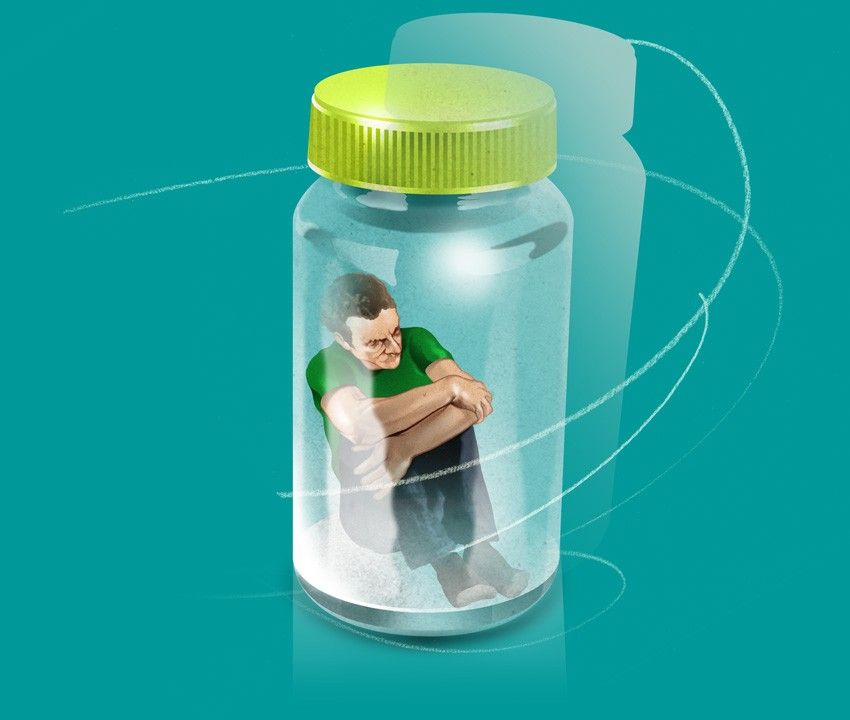
The hospital departments of toxicology in Russia take patients with a wide range of poisoning, including people who tried to commit suicide. It is because of such patients that the conditions in the departments are much tougher than in others. The “project” tells how the rights of patients and the obligations of doctors are faced and how in the process it turns out that the “victims of suicide” do not agree with their diagnosis.
The head of the department of acute poisoning and somatopsychiatric disorders of the Sklifosovsky Research Institute of Emergency Media Mikhail Potskhveri makes a bypass of patients, accompanied by a project correspondent and two press service of the country's largest emergency care hospital. In one of the chambers he is met by a patient with alcohol poisoning, a rumpled man, in appearance about thirty. “I wanted this, I wanted a refusal (refusal to stay in the hospital -“ project ”) to write,” the patient says. Poskhvegia replies that after artificial ventilation of the patient’s lungs, you need to observe in the hospital for a day. The factory goes out, the glass door of the department is closed onto the code lock. The patient knocks on the door with fists and shouts that he wants to go home.
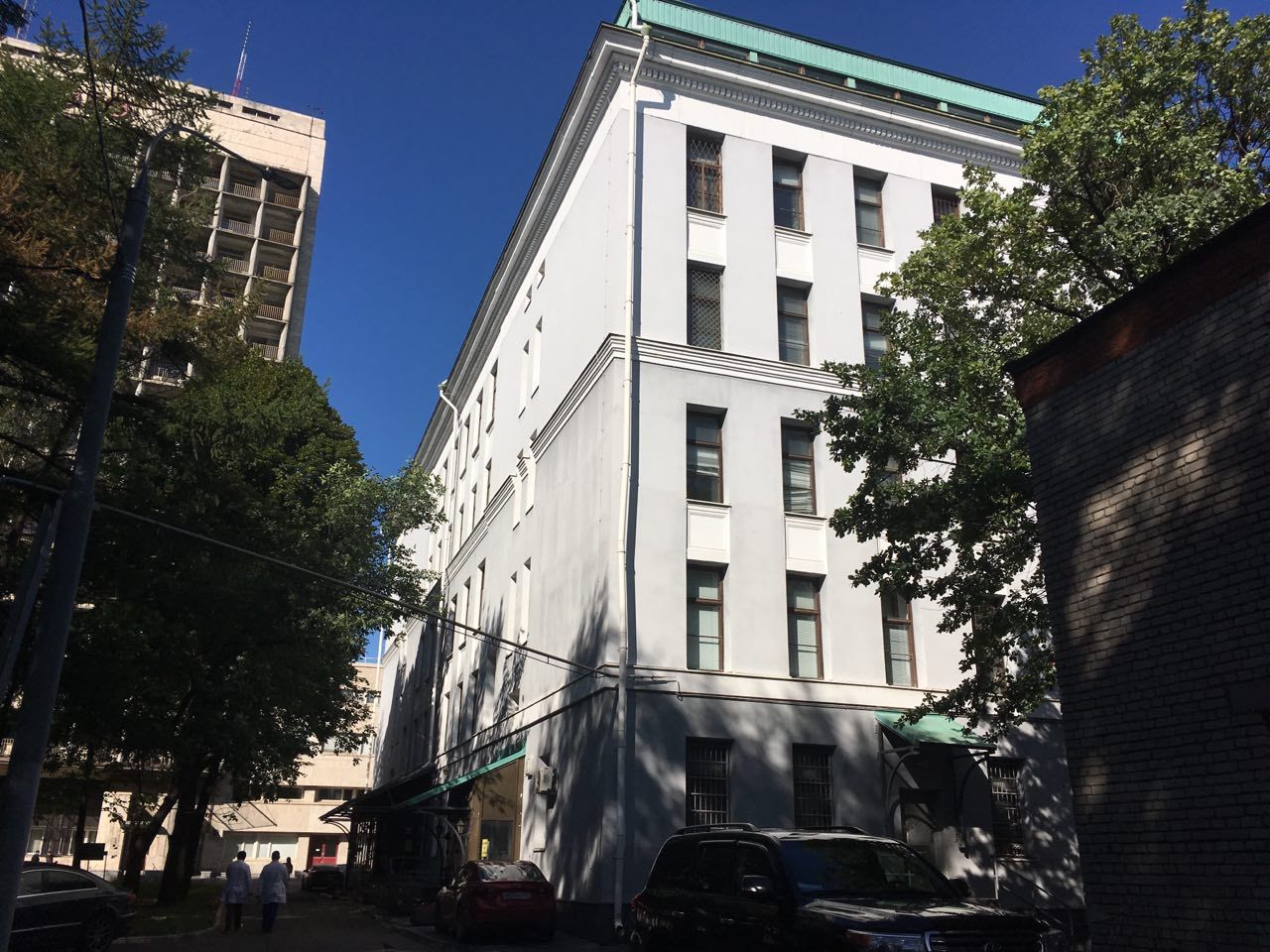
People in different cities of Russia complain of violations of their rights in toxicological departments: patients are recognized as trying to commit suicide, deprive of freedom and communication with relatives. Most of the stories described below occurred in Sklif, in the corresponding department of which about 50 patients are treated unanimously: this number is given by the press service of the hospital. After a month of negotiations, the leadership of Sklif invited the correspondent of the “project” personally to look at the conditions for the detention of toxicological patients.
The editors cannot argue that all the heroes of the text fell into the departments of toxicology precisely for the reasons that they describe.
On knitting
Patients with different diagnoses fall into the departments of toxicology and acute poisoning in Russia. In one ward, there may be poisoned by household chemicals, medicines, alcohol, drug user after an overdose, the person who was bitten by the snake, and breathing carbon monoxide in a fire. People who tried to poison themselves consciously also deliver here.
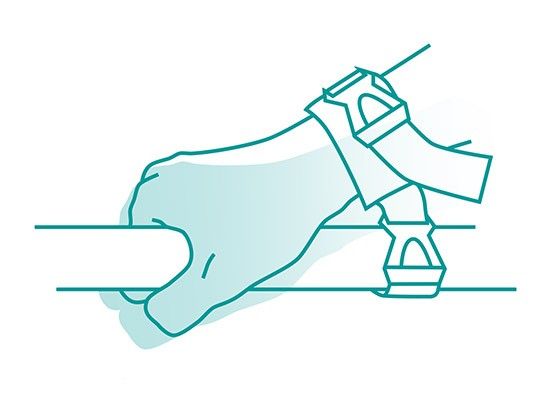
A resident of Moscow Svetlana S. got into Sklif in June 2019 (hereinafter, the names of some heroes were changed at their request, in the changed names the surname was reduced to one letter; “Project” found confirmation that the heroes really lay in the hospitals about which they were talking about). The woman drank sleeping pills, and her roommate thought that she was trying to commit suicide and called an ambulance. In the department, the patient put a dropper and tied a hand to the bed. When Svetlana woke up, she was able to untie herself and tried to get up. “There was an Internet or trainee, completely young, wrote something. He grabbed me by the hands and threw me [on the bed] so that I thought, my head will split like a nut. Bruises from his fingers even remained in his arms, ”says Svetlana. “Project” spoke with another patient “Sklif”, Alena A., who was in the department at the same time. According to Alena, she also heard about this story from Svetlana and saw bruises on her body. Svetlana did not complain about the interns: she did not want to disturb the doctors in the middle of the night, and in the morning she was transferred from the resuscitation to the hospital department.
“It is important to understand that all those horror stories that patients tell, it is necessary, firstly, to evaluate that it is difficult, since we do not know true information, and secondly, taking into account the condition of the patient and the department of the hospital in which he was,” warns the general director of the faculty of medical law, the legal adviser to Polina Gabai.
Poskhveuria claims that the situation described by Svetlana is impossible: “Very often patients enter the department in a state of changed consciousness, and after treatment, when the phenomena of intoxication leave, patients are difficult to distinguish with painful visions from reality.” At the same time, the doctor admits that many patients of his branches are really fixed, tied to bunks: special rules in the department are related to what, as the factory says, is undergoing treatment, including mentally unstable patients. According to Prochkhway, its department is not a psychiatric hospital (according to the law, for the hospitalization of the patient in a psychiatric hospital for more than 48 hours, a court decision is needed for more than 48 hours), but it has a “special status” because of patients with psychoses and attempts of suicide. "Status" is expressed in the locked doors and the presence of psychiatrists.
Patients of toxicology and toxicological resuscitation often go to the hospital in a state of changed consciousness, says ethnicity. According to the medical lawyer Dmitry Aivazyan, doctors can use force only in exceptional cases when the life and health of the patient or the doctor himself is in danger.

Without communication
Alena A. Freom -Street in June 2019 passed the exam. Having received the three, the student was upset, left the audience and burst into tears. The antidepressants that the doctor prescribed to her were at hand, the package was already begun, the student claims. Alena drank five tablets, although she usually took three. At the sight of a crying girl with empty packaging of antidepressants, classmates were frightened: Alena called an ambulance. Feldsher, having examined the student’s bag, found in it the begun packaging of painkillers. The ambulance decided that the girl tried to commit suicide. With this diagnosis, which the girl denies, she was taken to Sklif, there is a medical certificate at the disposal of the editorial office. In the department, Alena took a bag, phone, all things, including underwear, and gave out a nightgown. The girl recalls that she asked the orderly to get hygiene gaskets from her bag. “But they forgot. And when they saw, they said that they would not give anything new, although the sheet and shirt were all in the blood. They said that it was necessary to wash under the tap herself, ”Alena recalls, adding that she was not given a dry shirt in return. The student, according to her, was not allowed to call home. The girl’s mother learned about the hospitalization of her daughter only from the young man Alena, whom she managed to write from the ambulance. “Once they said that with the permission of the doctor you can call, but only on the home phone,” the girl says. “We have no home.” Major workers, according to existing rules, are not obliged to inform the relatives of patients that they were in the hospital, says medical lawyer Dmitry Aivazyan: “This is a more initiative to insure themselves. So that there was someone to pick up the patient and his things, bring money, whose phones are indicated as contact. ”
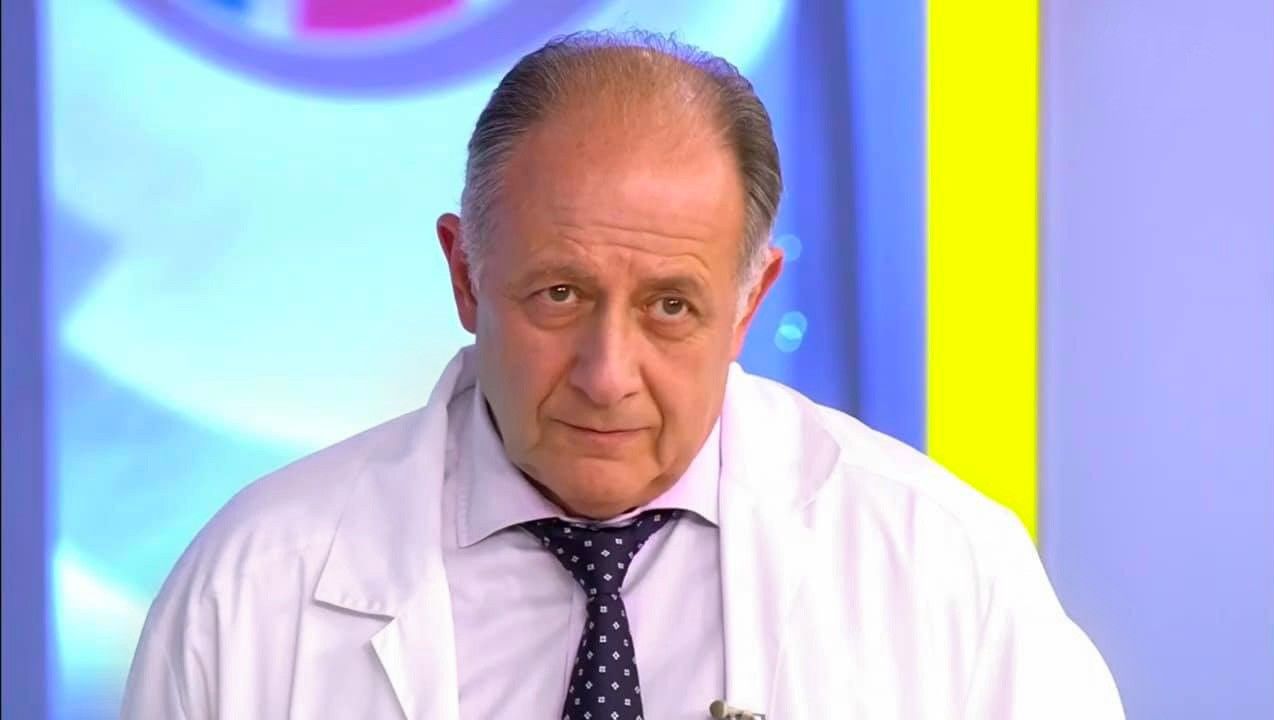
“I was warned that the mobile in the department was prohibited, and I hid the phone as much as possible,” says Ksenia Sergus, who came to Sklif from Taganrog. According to the girl, such rules were related to the fear that drug users lying in the department could call and ask them to give them a “dose”.
In 2016, the marketer Ilya Ermolaev fell into the department of acute poisoning of Sklif after the bite of the viper. Ermolaev on a stretcher was taken to the ward and took a mobile phone. “I was told that this is a closed department, and according to the rules it is impossible to use mobile,” says Ermolaev. A man needed a phone to work, he was still able to agree with the factory and, as an exception, leave the smartphone, promising to not give it to anyone. Another patient of Sklif, Anna S., who got there in 2017, confirms: the phones are selected, but you can try to agree with the cleaner about calls, sometimes for a fee. Poskhveri claims that he does not know about cases when the staff would offer calls for money, but if he found out, he immediately fired.
Nikita Zaitsev got into the toxicology department recently: he was detained at a rally in Moscow on July 27 and, while in the police department, cut the veins in protest. According to Zaitsev, from the phone that was in the department, it was possible to call only on the city one - and only from 19 to 20 hours.
The factory confirms: the mobile phones of patients are stored as a duty sister, patients have the right to use their phone in the presence of medical personnel. Such a system, according to the plan of doctors, firstly prevents theft, and secondly, does not allow patients to take each other on camera to put on the Internet. However, on the floor where patients with random poisoning lie, mobile phones are with them, says Poskhvery. This was also seen by the correspondent of the "Project".
The deprivation of the means of communication is a gross violation, says Ayvazyan, a medical lawyer: “It is clear that the phone in some cases may be a witness: you can take a picture, shoot a video, record audio. A patient who received in serious condition, things, among which the phone can take. But when the patient comes to his senses, he cannot refuse to return things. ” Another thing is that it is the doctor who determines whether the patient really recovered, the lawyer adds.
Locked up
When the mother and young man of the freshmen Alena came to the department, they did not allow them to visit the girl, they said that she was sent to intensive care, says Alexey, a young man of Alena. Upon admission, the girl was promised to write out the next day, however, according to her, she had to prove her right to leave the department for almost a week: “On the first day, the doctor on duty came to me, said that now they will register me [to the psychiatric dispensary], they will not let me out, they won’t give a visa, it would not be possible to drive a car, work on a civil service.” Typically, patients are called an approximate number of days that they need to spend in the hospital, says Proskhvery, but it is impossible to be confident in the exact duration of treatment - complications may occur at any time. Patients registered in a psychiatric hospital - not their care, claims ethnicity, but by decision of the patient, the patient can be transferred to a psychiatric hospital.
The suicidologist and medical psychologist Ksenia Chistopolskaya in 2009-2012 conducted a study on suicides for the dissertation in Sklif. Patients with a diagnosis of suicide was invited to participate in a study on the attitude to death in people in a serious psychological state. Among her respondents - they were all aged 18 to 25 - about a quarter denied suicidal attempt, despite the fact that their diagnosis was just that. “I do not think that they should strongly convince them, as doctors do: no, you wanted to [commit suicide], no, you did. Because it is a protective reaction. There was a strong collision with death, and the man said: sorry, I did not want to. I did not want to - and thank God. So, he felt that he had something to lose, ”the psychologist argues.
According to the law “On the Basics of Protection of Citizens' Health” before the doctors begin to treat the patient, he or his representative must sign an informed voluntary consent to medical intervention.
No matter what department the patient may be in, if his condition is not critical, the situation when he is held against his will, directly contradicts the constitution, and criminal law, and civil law, and the law on the basics of protecting the health of citizens, explains Ayvazyan's lawyer. “This is a direct and gross violation that is punishable by the Criminal Code. Even two to three hours are equated with illegal deprivation of liberty, ”says the lawyer. It will be extremely difficult to prove the fact of illegal imprisonment in court: for this it is necessary to provide evidence. From the hospital you can claim video cameras, but they will most likely not be provided. As a result, most likely, the court will believe in doctors, concludes Aivazyan.
In toxicology, this does not always work, and not only in relation to those patients who were unconscious. When Anna S. in 2017 was brought to Sklif with suspicion of an attempt by suicide, she was not offered to sign such a document, Anna herself claims. When the patient of the resuscitation department comes into consciousness, before transferring to the hospital department he is offered to sign consent to further treatment. All patients, as a rule, sign this document, says ethnicity. “I asked: why are you holding me? I was told that according to the 29th article of the Law on the provision of psychiatric care, you are forcibly detained and represent harm to yourself, ”says former patient Alena. “If a person drank 20 pages of PA ****** La, he is in a clear consciousness, but expresses suicidal thoughts - does not want to live, does not want to be treated, does not want to go to the hospital - we are guided by the 29 law“ On Invalid Hospitalization ” - this refers to Art. 29 Federal Law "On Psychiatric Assistance". The patient examines the patient and a psychiatrist and on the basis of his conclusion, the patient is hospitalized forcibly, which, from our point of view, is made in his own interests. Let him die? Is man the master of his life? Do you really think so? And if it is accompanied by close people, how to explain it to them? And what to do with the law on non -ordering medical care? ”, Potskhlya is getting excited. According to the medical lawyer Dmitry Aivazyan, not to take a receipt from the patient only if the psychiatrist recognized the patient with a psychosis that is dangerous for the patient and others. When the patient comes to his senses, but the condition still does not allow him to let him go home, they take a receipt from him. Formally, the doctors were right, but neither Anna nor Alena believe that they tried to commit suicide. According to the patients, the psychiatrist came to Anna on the third day, to Alena to the fourth. Sklif said that this could not be. They argue that as soon as the patient comes into consciousness and is able to communicate with a psychiatrist, he is advised by a specialist, without this procedure, patients are not transferred to the hospital department. If the patient is conscious, he is immediately advised by the psychiatrist of the reception department. “So for three or four days the patient does not remain without examining a psychiatrist,” says the factory of Potskhwriy. ”

According to Ksenia Sergus, she could only go out and go to the department, accompanied by medical staff, she could not leave the room on her own. The fact that it is impossible to leave the department on his own, Nikita Zaitsev also recalls.
“They say that they will not complain [if the extract occurs earlier and the complications appear -“ project ”]. As it will be! I can lose a diploma!” Says the doctor of Potskhveri. He said that he had already had to give explanations in the investigative committee: the former patient complained to the violence - he stayed in the department 18 hours after he was discharged from the intensive care. He explained that it was necessary to observe the patient, the issues of the security forces were disappeared.
- Patients are discharged after assessing their condition. If doctors are sure that nothing threatens the patient’s life, we write them out. If doctors have the slightest suspicion of the occurrence of early or late complications, then patients remain in the hospital department until complete recovery. All this is explained to both the patient himself and his relatives, ”says Poskhvery. However, three former patients said that they did not understand why they could not leave the department.
In isolation
Doctors believed that Anna S. tried to make suicide: they did not let her relatives let her go, did not allow her to respond to notes, says Anna. Mother tried to convey to Anna books, creams and deodorant. “Approved” was only hand cream. The transferred book on cultural studies did not reach Anna. In the situation with the programs, the lawyer Ayvazyan offers to take into account the patient's condition: “If a person is in psychosis, and friends give him the book“ How to manage the world without attracting the attention of the orderlies ”, then there will be no benefit from reading. But the general rule is that doctors do not have the right to introduce censorship. ”
The “censorship” of public books with a laugh denies: “Am I, television?”. Hygiene items can be transmitted, but food gearboards are really checked: according to the factory, they may contain alcohol, drugs, cutting objects. Once, in a package of juice was vodka, and the patient, who received this parcel, ended up in a coma two hours later, tells the factory.
The mother of Ilya Ermolaev during his treatment in Sklif was seriously ill and could hardly walk. On the phone, she was told that the son was in toxicology, but that they did not explain to him, they did not warn that he could not be visited. The woman came to the department, but refused to let her go. “Somehow it was possible to agree that I was released about fifteen minutes. Друзей тоже потом не пускали», — вспоминает Ермолаев, для себя объясняя позицию больницы тем, что в отделении лежат люди с изменением сознания. «Это неправда, — отвечает Поцхверия. — Общение с родственниками не запрещено даже в реанимации. Это общее правило для всех медицинских учреждений». После выписки из «Склифа» Ермолаев написал в фейсбуке большой пост об отделении, сравнив его с книгой Кена Кизи «Пролетая над гнездом кукушки».

Родственникам студентки Алены врачи говорили, что ей нужно «еще немного полежать и отдохнуть». Их ни разу не пустили навестить девушку и сначала даже не сказали, что ей не разрешено пользоваться мобильным. «Первые два дня мы думали, что ей нельзя дозвониться, потому что телефон разрядился, на третий день взяли зарядку», — вспоминает молодой человек Алены Алексей. Но общаться пришлось записками: он вложил листок в книгу, которую передал через медсестру.
Принять душ Алена, по ее словам, смогла только на пятый день — с санкции лечащего врача. «В душе лежал только кусок хозяйственного мыла. Полотенец не было, я вытерлась рубашкой, которую выдали», — до этого дня санитарка выдавала Алене кувшин, набирать воду и мыться нужно было в туалете без дверей. Передать родственникам, что у нее нет полотенца и зубной щетки, Алена так и не смогла. Никита Зайцев вспоминает, что на посещение душа в отделении был отведен один час и разрешение врача не требовалось. Возможно, причина в том, что Зайцева, по его словам, не подозревали в суициде. В «Склифе» объясняют, что душ принимать разрешается, но только в присутствии медперсонала, а душевые кабины изнутри не запираются в связи с особым статусом отделения: пациенты могут «повеситься или запереться вдвоем» , пояснил один из врачей корреспонденту во время обхода отделения.
К пациенту в психозе, после суицида, родственников не пускают, потому что они могут стать триггером, объясняет Поцхверия. Визиты родственников к таким пациентам разрешает психиатр, но если, по его мнению, это послужит провоцирующим фактором, родственников не допустят, пока больной не стабилизируется. Корреспондент «Проекта» видел родственников и коллег пациентов и в реанимации, и на этаже, куда отправляют больных после того, как они пришли в себя.
У пациента соматического отделения есть право просить допустить к нему родственников, говорит адвокат Айвазян. «Бывает, что в отделении карантин, или слишком много пациентов, и доктор не может уделить внимание родственникам, поэтому это остается на усмотрение завотделением», объясняет адвокат. Если недопуск родственников перерастает в конфликт, адвокат советует решать вопрос через администрацию больницы.
Суицидолог Чистопольская во время работы в «Склифе» тоже обратила внимание на ограничения в посещениях и звонках. Как медицинский психолог, Чистопольская считает это жесткой мерой: «Пациенту после попытки самоубийства хочется пообщаться с важными ему людьми. А врачам надо проводить процедуры, им некогда думать о душе, о том, чтобы психологически с человеком поговорить. В итоге пациенты помещаются в „чистилище“ — и в физиологическом плане, и в психологическом».
* * *
Доктор Поцхверия пролистывает ленту отзывов об отделении на большом мониторе рабочего компьютера и, кажется, обижается на пациентов, которые оставляют плохие комментарии: все особые меры в отделении, на которые жалуются больные, по замыслу врачей, придуманы для их же блага.
Что происходит в токсикологиях в России
Saint Petersburg
Летом 2018 года петербурженка Полина Топольян попала в токсикологию крупной больницы северной столицы с отравлением психотропным препаратом , «Проект» не приводит название больницы, однако оно появлялось в посте девушке на фейсбуке и в СМИ. По словам девушки, она выпила его по назначению психотерапевта, но после появились головокружение и тошнота, пришлось звонить в «скорую». Пациентка очнулась в палате с решетками. Заметив, что одна решетка открывается, девушка попыталась выйти, чтобы спросить у медработницы, где находится, и попросила телефон. «Она насильно начала запихивать меня в эту тюрьму обратно, охранники привязали мои руки и ноги к койке ремнями, хотя я вела себя адекватно и ничего не сделала», — утверждала позже пациентка. Соседка по палате заметила, что привязанные руки девушки стали синеть, и помогла освободиться. Топольян снова попробовала поговорить с врачами. «Но меня снова связали так, что я не чувствовала конечностей, при попытке сопротивления охранник сильно ударил меня кулаком по лицу», — утверждала потом пациентка. После этого девушке что-то вкололи. Выйдя из больницы, Полина обратилась в травмпункт, где ей диагностировали подозрение на внутренний перелом. Девушка обратилась в полицию . Топольян описала, с чем ей пришлось столкнуться в отделении, в посте на фейсбуке, в настоящее время он удален. «Проект» цитирует ее рассказ по скриншоту поста в издании «Бумага». Топольян не ответила на сообщение корреспондента «Проекта».
В октябре 2018 года в петербургских сообществах «ВКонтакте» появилось несколько постов, в которых рассказывалась история Александра Кипниса. Очнувшись в токсикологии, мужчина увидел палату с решетками, попросил у врача отдельную и добавил, что готов заплатить. Врач позвал охранника, а тот ударил пациента «с размаху локтем в нос». К посту прилагалась фотография заключения из травмпункта. Кипнис обратился в полицию . Кипнис не захотел общаться с «Проектом», сославшись на нехватку времени. В ГУ МВД по Санкт-Петербургу и Ленинградской области «Проекту» подтвердили, что мужчина обращался в полицию, его заявление зарегистрировали и провели проверку, однако чем она закончилась, не сказали.
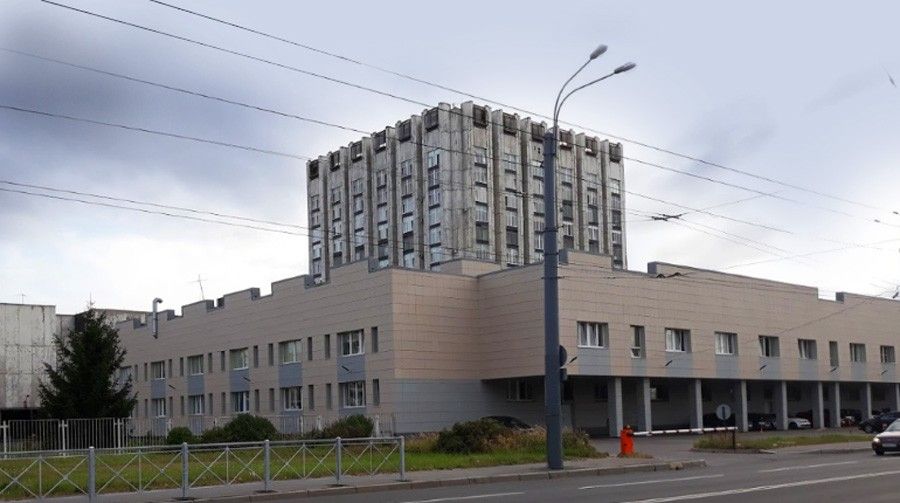
Петербурженка Ирина Р. в 2014 году попала в токсикологию НИИ Джанелидзе после того, как, по ее словам, перепутала внешне одинаковые бутылки с питьевой водой и жидкостью для мытья пола. Женщину привезли в реанимацию. «Мы с фельдшером и сотрудником отделения встали напротив огромного зала, посреди зала две каталки ногами друг к другу, на них два человека, абсолютно голые, у одного была ломка, он был бело-синий, его трясло. Может, была между ними какая-то ширма, может, не было. И мне сказали: вам нужно здесь полежать. Накрываться ничем не положено. Я, помню, попятилась: да вы что, здесь же мужчины. Я же нормальная!». В результате Ирину пожалели и положили сразу в палату. В НИИ Джанелидзе «Проекту» ответили, что пациенты в отделениях реанимации действительно госпитализируются без одежды, но могут укрываться простынями и одеялами. При наличии возможности пациентов мужского и женского полов разделяют в разные палаты или используют раздвижные ширмы.
Мария Т. оказалась в НИИ Джанелидзе в 2017 году — девушка пыталась отравиться. В больнице ей отказывали в лекарстве, которое передавали родственники, и только один раз выдали ферменты, без которых Мария не могла есть. Покинуть палату было нельзя: «там решетки с замком, тюремные условия», — вспоминает бывшая пациентка. Правда, по словам Марии, пациентка действительно представляла угрозу для себя. «Два раза моих родных пустили, несколько раз отказывали. Один раз я спросила, почему, на что мне проорали из-за дверей, что мне бы заткнуться, потому что я наркоманка — видимо, для них все пациенты по умолчанию наркоманы». Пользоваться мобильным телефоном было нельзя. «Изначально отбирали все, выворачивали карманы, снимали одежду. Далее родные могли передать еду — только ту, что можно съесть без столовых приборов, — воду, туалетную бумагу, сигареты: курить было можно, впрочем, это еще одно подтверждение того, что всем наплевать на условия». В НИИ Джанелидзе на просьбу прокомментировать слова пациентки ответили, что передача каких-либо лекарственных средств родственниками, тем более пациентке с отравлением при попытке совершения суицида, абсолютно исключена. В Джанелидзе считают, что говорить об отсутствии посещений некорректно, если пациентка сама утверждает, что дважды к ней пускали родственников . «Действительно, в связи с особенностями контингента пациентов, зачастую находящихся в неадекватном состоянии и не контролирующими свое поведение, на отделениях токсикологии осуществляются определенные режимно-ограничительные мероприятия в целях предотвращения противоправных действий пациентов по отношению друг к другу и по отношению к медицинскому персоналу. Особенности изменения сознания пациентов на фоне разнообразных токсических состояний (в том числе при употреблении психоактивных и наркотических препаратов) зачастую не позволяют пациентам адекватно оценивать окружающую их действительность, особенно при развитии галлюцинаторно-бредовой или деллириозной симптоматики», — добавили в больнице.
По данным ГУ МВД по Санкт-Петербургу и Ленинградской области, за 2019 год в полицию поступило четыре жалобы на работу НИИ Джанелидзе. В основном заявления касались «организации деятельности учреждения» , сообщили в ГУ МВД. По трем обращениям уже проводят проверку, уверили в полиции.
Izhevsk
Олеся М. попала в токсикологию ГКБ №6 в Ижевске в апреле 2019 года. «К пациентам относились отлично, но было ощущение, что нахожусь в местах не столь отдаленных: решетки на окнах, еда в железной посуде», — вспоминает Олеся. Пользоваться мобильными было можно, но розеток не было, приходилось заряжать на посту медсестер.
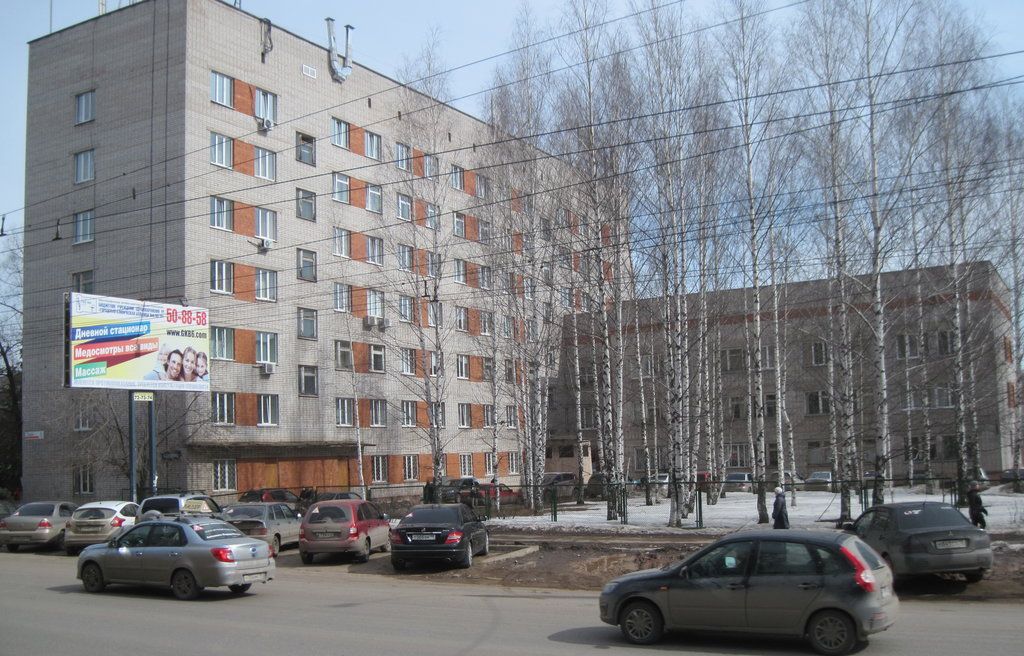
Бывшая пациентка утверждает, что отравилась таблетками из-за непереносимости лекарственного препарата, но ей поставили диагноз «попытка суицида». «Ко мне не пускали посетителей, разрешали только передачи: внятного объяснения не было, говорили, что мне нужно сначала пройти консультацию психиатра. Но разговор пришелся на день выписки, через пять дней. Очень странно». К пациентам с другими диагнозами посетителей пускали. Олеся рассказывает, что ее «еле отпустили на день помыться» — по словам бывшей пациентки, душ в больнице был закрыт на ремонт.