
Translated material
Last Udmurt
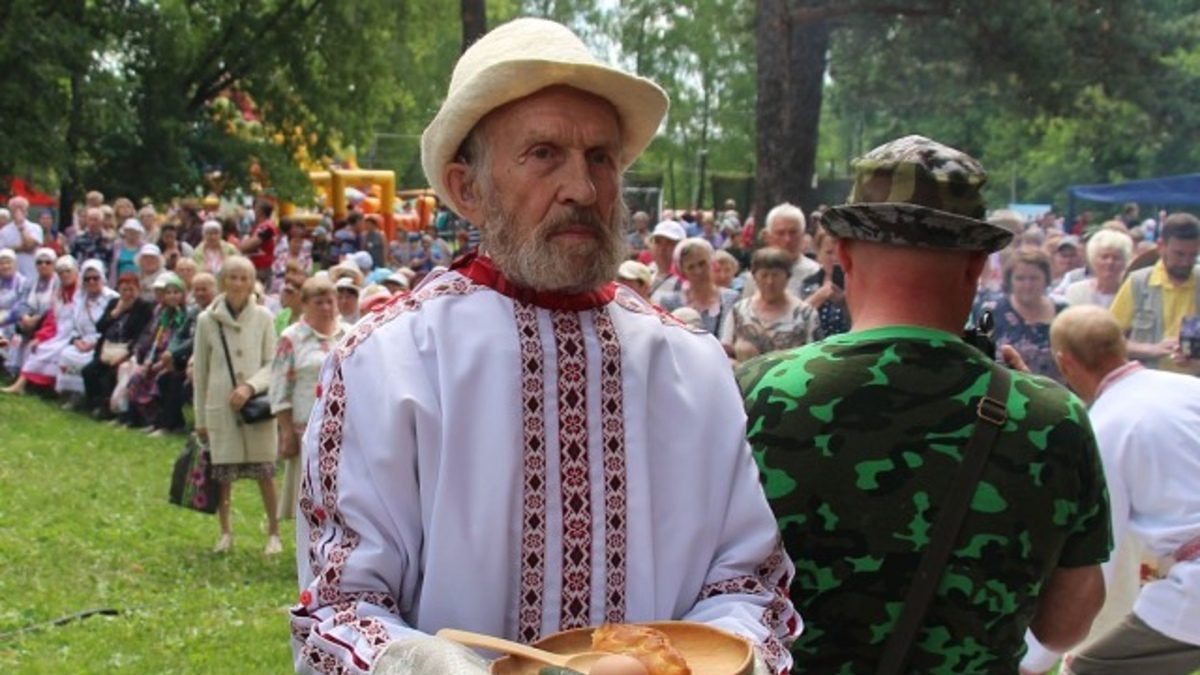
The story of Albert Razin, who wanted to save the culture of his people
On September 10, 79-year-old Albert Razin, a scientist and activist, went to the building of the State Council of Udmurtia in Izhevsk and set fire to himself. The man was taken to the hospital with 100% body burns. He died without contributing.
The scientist committed self -immolation, trying to attract people's attention to the problems of his national language - Udmurt. Journalist of TD Galina Sakarevich went to where Razin lived to find out who the “last great Udmurt” was, as the followers call him.
The ashes of Mount Clotker
In front of the blue gates of a small wooden house are 40-50 people. From time to time, people come out of the closed gates, take out a bench or a small table and again retire for the fence. This fence is like a curtain, and some idea will begin soon.
Almost no one says Russian: only Udmurt speech is heard.
The gathered mostly elderly people. Most women are in national Udmurt dresses and satin aprons of bright colors. Everyone stands a semicircle around a small low table. It has a white tablecloth with four apples in the corners - so that it does not take the wind. Today it is very strong. On the tablecloth there is a portrait of a man with a white beard and gray hair, edited in Photoshop as if he flies in the clouds against a bluish background. To the left of the portrait, the inscription: "And if my tongue disappears tomorrow, then I am ready to die today."
It was with these words that the scientist and activist Albert Razin entered the picket on September 10, before setting himself up. Today, September 14, they say goodbye to him in his native village of Kuzyumovo near Izhevsk. Next to the portrait of the urn with the inscription: "Specialized service plant." The ashes of Albert Razin on the same day were hastily brought from Yekaterinburg (there is no crematorium in Izhevsk). According to his friend and fellow villager Peter Timoshkin, the authorities who took over the cremation procedure, wanted to complete the farewell to the scientist as quickly and to the maximum to avoid publicity. Therefore, the fact that the urn was delivered to Izhevsk, relatives and friends learned in fact.
“We invited people in an hour,” says Timoshkin. - When the car had already left Izhevsk, I had to urgently ring up everyone who wanted to get goodbye. But today we have two anniversaries in the village, and some of the people went there. And some are afraid.
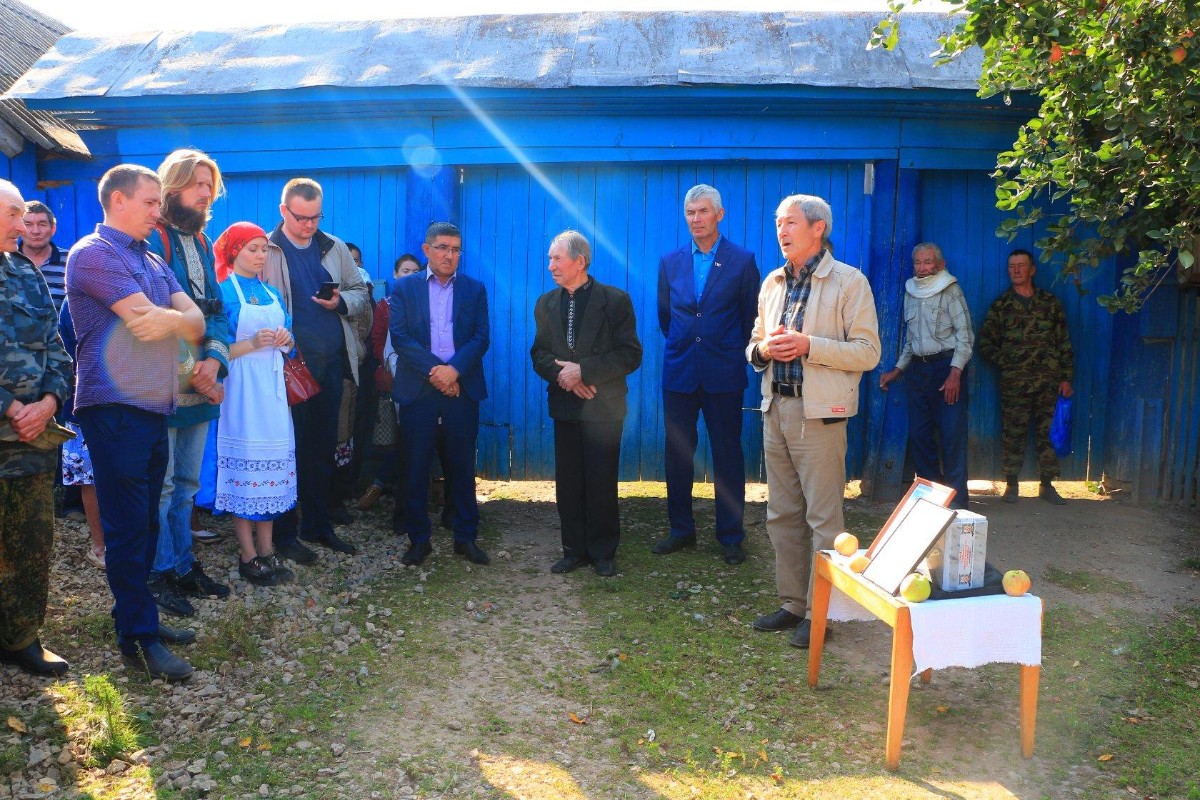 Farewell photo: Anatoly Zyryanov
According to the village headman Alexei, dressed in the national Udmurt shirt and jeans, people in Kuzyumov were shocked by the decision of Albert Alekseevich: in his will he wrote that he would like to dispel the ashes of his native village. Firstly, in Kuzyumov they never buried anyone like that. Secondly, in the village of Razin they knew and many loved and still have not accepted the fact of the death of a scientist and activist.
- Some people were categorically against. They said: “How will we collect berries in the place where there was someone’s dust!” - explains Alex.
Farewell begins. Within two hours, the chairman of the collective farm, friends, relatives say speeches in honor of Razin - all in the Udmurt language. Small children, whose parents came to goodbye, openly miss: almost no one knows the language from the younger generation. They are sitting on the rubble and gnawing apples that fall directly above the tree near the house. Women cry. Albert Alekseevich’s godfather, the oldest resident of the village, who is 90 years old, recalls that she always said to Alik that she would die earlier.
With his hands clenched into fists to whitewashed dots, in a mourning national suit - a black apron with embroidery, black dense tights, a scarf - the wife of Albert Alekseevich, Julia Razina stands. A young woman, Sophie, 30-year-old daughter Julia and Albert, also came to parting-and also in a national costume. Next to her is a guy with long hair and a curly beard, in jeans, sneakers, a national shirt with a belt. This is the Udmurt shaman and follower of Albert Razin Andrei Perevozers.
Julia's face is almost gray, the body shakes with sobs, and it almost completely relies on the hand of a relative of her husband, who stands next to her. The daughter of Razin, Sophie, stands straight, sometimes tears appear before her eyes.
- He was a great man for Kuzumov! - says in his speech one of the oldest inhabitants of the village.
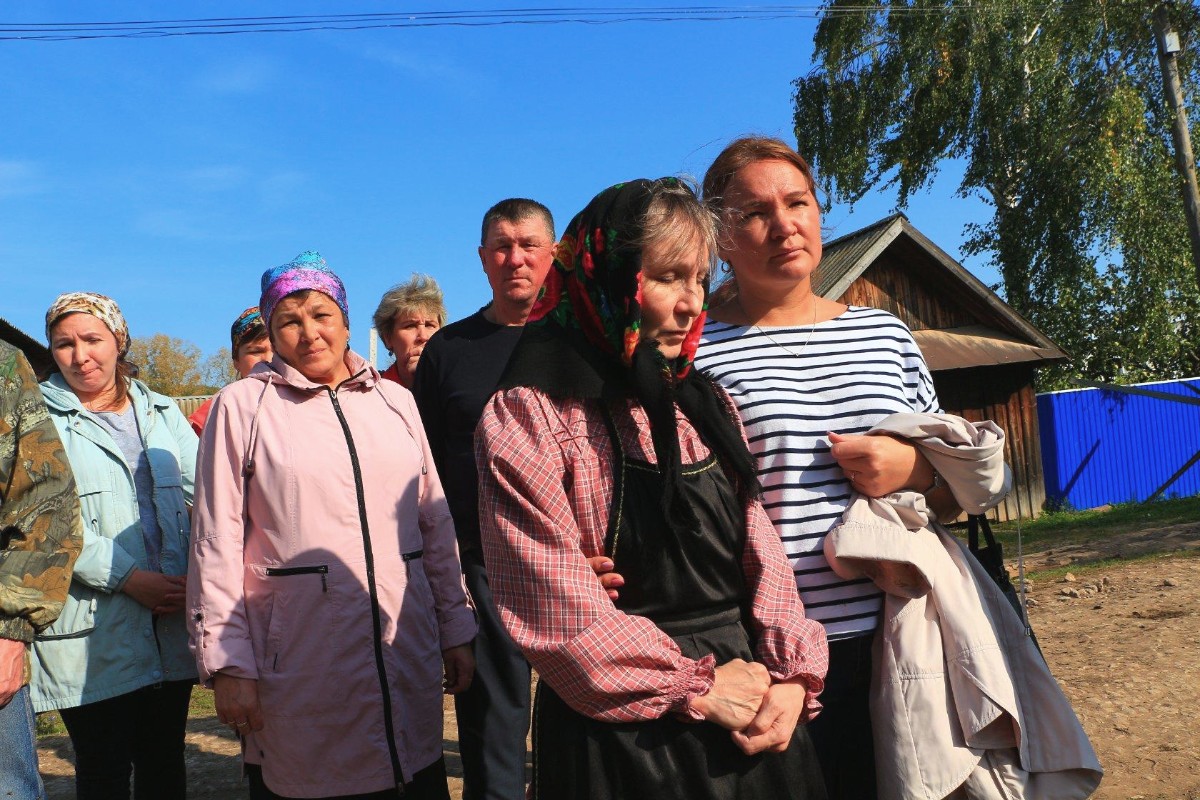 The widow of Albert Razin Julia photo: Anatoly Zyryanov
After two hours of speeches, everyone goes to the favorite mountain of Albert Alekseevich Chetker, which the locals consider the sacred. The guide of Razin sits in a dozen cars and, leaving the village, create a cork unprecedented for Kuzumov. The road is so bad that it is impossible to travel more than 40-50 kilometers per hour. While we are driving around the village, it becomes clear that not all residents gathered goodbye - today is the last warm day, people are harvesting and digging the land in the plots.
About 50 people, even the oldest Kuzyumovites, climb onto the Sloky Mount of Clotker. Under the feet - wild strawberries, thorns cling to clothes. Ahead is Andrei carriers, now there is white clothes and a high felt cap, next to him, also in national clothes and a cap, the upper priest of Udmurtia Nikolai Mikhailov.
Sophie and a young hollow man Mikhail, the nephew of Razin, carry an urn with dust.
While the majority slowly rises to the top, women busily spread a tablecloth on the ground and put treats on it. Almost every family brought something of its own: there is a national pie with fish, rooster, homemade bread, apples, pancakes, sweets. Nearby in bottles - compote, cognac, moonshine.
The farewell rite begins. The main vӧsyas (priest) Udmurtov Nikolay Mikhailov takes the singing bowl (so often used yoga) and leads a mortar about its edge. A melodic, but sinister sound is carried away by a furious wind, and striving to tear off the shawls and disheveled the hair to the audience. Nikolay and Andrey pronounce the words of sweat on Udmurt. The dust from the urn is carefully poured into a plastic bag-and because of a strong and changing direction, they cannot understand for a long time where to get up, how to dispel the ashes so that it does not fly to the audience. In the end, Sophie and Mikhail decide to slowly walk along the slope of the mountain, moving away from goodbye and in small portions scattering the dust. The gathered a little bewildered, but there are almost no tears from anyone except the widow of Razin.
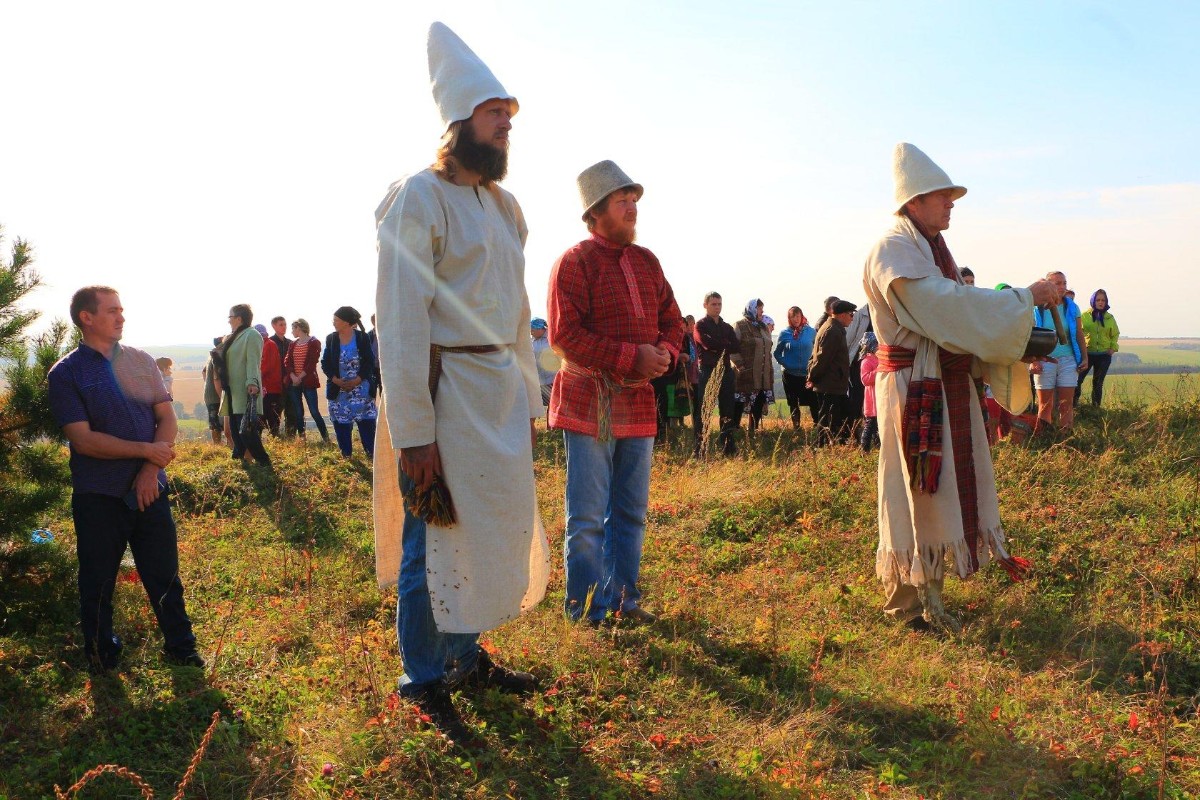 Farewell photo: Anatoly Zyryanov
She, clutching her hands into fists all the time of farewell, now, now, can no longer withstand what is happening and tearfully begins to shout something incoherent in Russian, or in the Udmurt language. She faints directly into the grass, women surround her, clap on her cheeks, rub the ankle and palms, trying to bring her to life. No one has an ammonia, after a few minutes Julia still lies unconscious. To the proposal to call the doctor of women who surrounded the widow, they abruptly answer: “We are the doctors here” - and ask to move away.
When Julia comes to their senses, women are starting the Udmurt song “Lompu Wais” (“Besemokhi Color”).
“The bird cherry was so beautiful, and I tore it. If I knew that everything was dying in the world, I would not tear her, ”Petr Mikhailovich Timoshkin translates me.
After the song, everyone seems to feel relief. Women come to each guest, offering him a treat-by tradition to refuse to eat something is to show disrespect. Arriving from the city rush back to Izhevsk.
Kuzymgurt
About 400 people live in the village of Kuzyumovo. Most young people have already moved to the city. From Izhevsk to Kuzyumov an hour and a half by car, in some places there is practically no road as such. Primary school, in the center - a monument to the winners of the Great Patriotic War, covered with silver, three stores - that’s all the sights of the village. However, there is also a pond and mountain, which, according to the stories of the locals, was loved by Albert Alekseevich so much. The vast majority of the population are Udmurts. Each of the more than a dozen inhabitants with whom I talked knows something from Udmurt history, language, culture, although part of this refers to folk etymology or folk beliefs. In parting, you must definitely go counterclockwise, around the table to visit a guest is to show dissatisfaction with the owner of the room, the Udmurt word “cards” - “man” - is suspiciously similar to the word “map” and speaks of the exclusivity of the Udmurts on the globe.
Each street has its own, classically Soviet name-central, collective farm, labor, but residents call them in their own way, in Udmurt. Here, almost everyone will not only tell you something about Udmurt culture, but will also remember some fact from the life of Albert Razin. The former director of the school where Razin studied, Rodion Semenovich is three years older than him. He remembers how completely a child Alik hid books under the desk, reading in the lessons, and at the same time managed to answer perfectly when the teachers called. This summer they sat at the table at the festival of the 90th anniversary of the school.
- I am very worried, I regret it very much: why did he commit such a stupidity, such a smart person? -With an accent, but in Russian, says Rodion Lesnikov, a thin, low elderly man in a black shirt with national embroidery.
- What do you think, why?
- For us, so that the whole Udmurt civilization does not disappear!
Both reader and priest
The children of the dispossessed family, Albert and his brother and sister - twins of Rev and Lucia (they were named in honor of the October Revolution, now only Lucia is alive), and grew in the post -war years. The school in Kuzyumov was only initial, in the middle one had to go to a neighboring village. Udmurts, Russians, Tatars of six surrounding villages studied there. There was no school boarding school, so in any weather the children walked on foot, wet clothes, fufikes, bast shoes, it was impossible to dry. Sometimes in winter they were lodging in the village where the school was located, but only those who were able to pay at least a little for living or had a relatives in the village. Because of this, many children quit their studies.
But Razin studied and entered the institute for teachers of chemistry and biology. True, he was not drawn to school: Albert managed to finish the directorial courses at the same time and worked as an announcer on the radio (already about the elderly Razin, representatives of the national organizations Udmurt Kenesh, Udmurtlyk said that it was extremely important for Albert Alekseevich to “have a rostrum”). Then the university ended, along with it - a career on the radio. Alberta was sent by distribution to a village school.
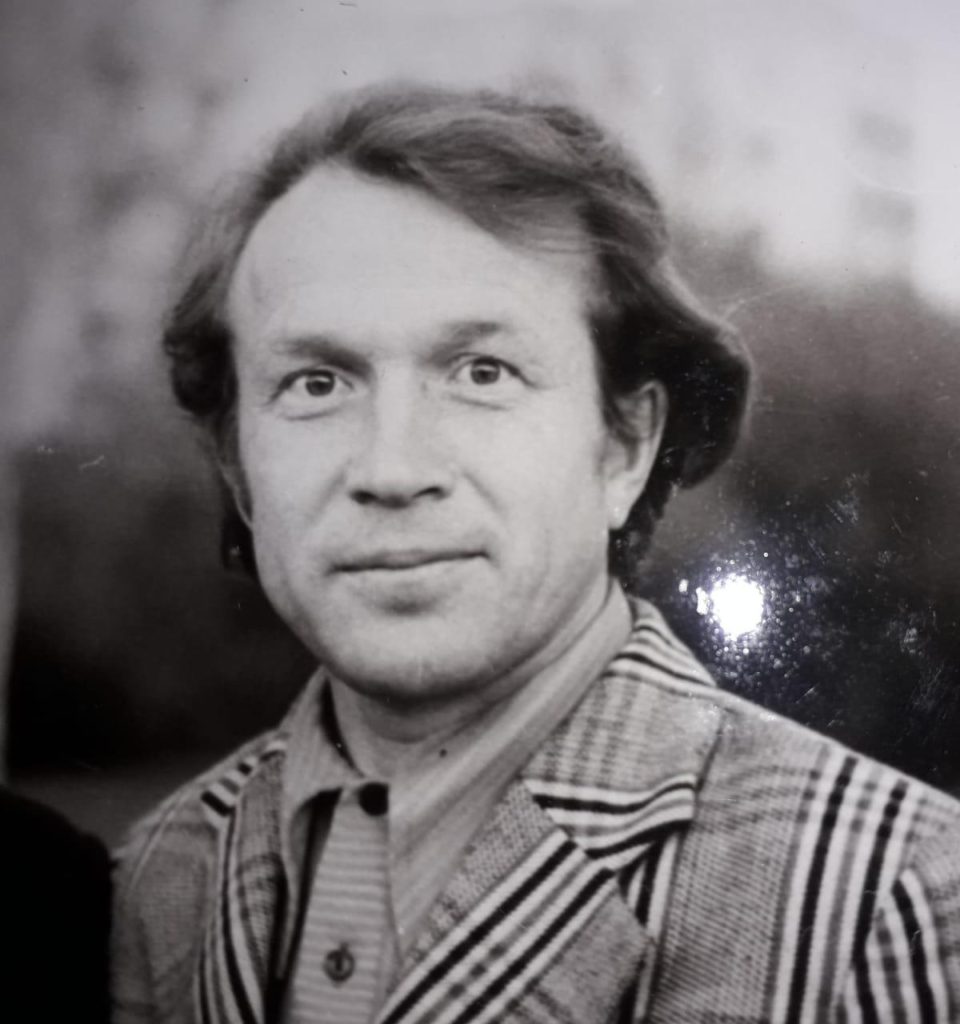 Albert Razin, 70s Photo: From the Archive of the Razin family
Sophie Razin recalls his father’s stories: the students loved him so much that they burst into tears when Albert Alekseevich was almost taken from lessons into the army. After the service, Razin taught at the universities of Izhevsk, then at the age of 35 he entered graduate school in Moscow. His main passion has been reading all these years. He loved to read so much that he was ready to work as a loader at night, spending all the money on books, says Mikhail Kamitov, the nephew of Razin.
- He called himself a Tolstoye. Tolstoy was very fond of, - recalls Mikhail. - Madly loved to read the biographies of great people. He was very attracted to the image of the French politician, the first prime minister of France Talleyrand. He often repeated his phrase: "My enemies taught me much more than my friends."
“Razin wrote a dissertation in the image of a worker, now his sphere would be called local history, but Albert Alekseevich was at the Faculty of Philosophy of Moscow State University,” says Razin’s colleague in the Union of Scientists of Udmurtia, philosopher Ildar Latypov.
After defending the dissertation, Albert Razin returned to Izhevsk.
- He was offered to stay in Moscow, offered to leave for Germany, but he replied: how can I leave when I have my Udmurtia? - recalls the daughter of the scientist Sophie.
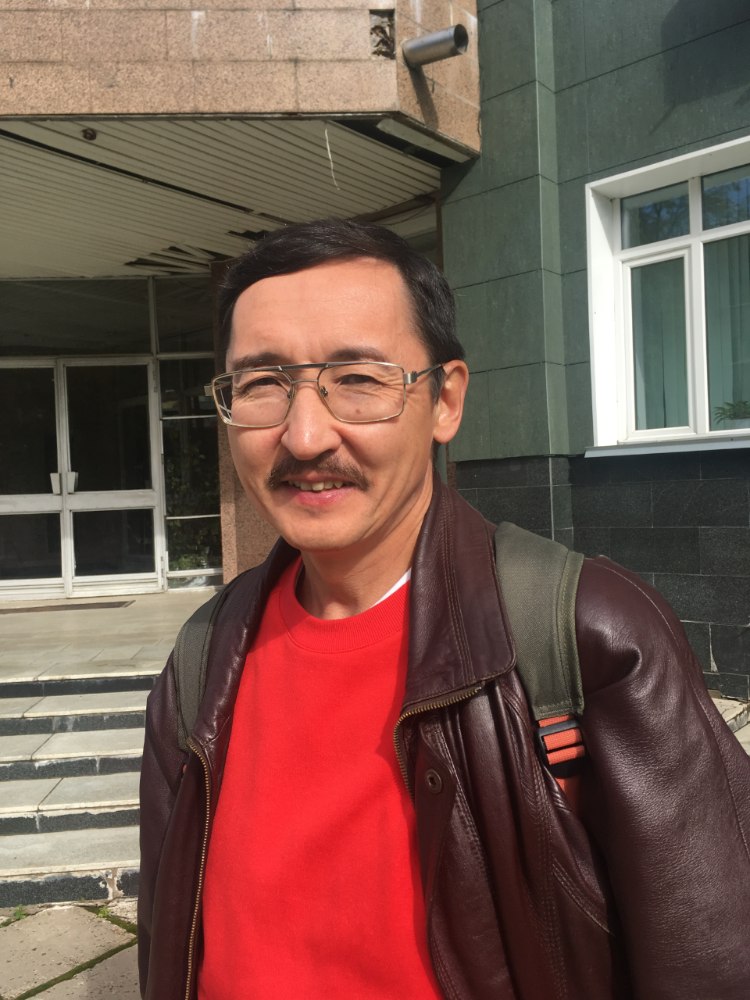 Ildar Latypov Photo: Galina Sakarevich
Razin settled in the Udmurt State University (UDSU), to the laboratory of national relations. Later, already in the 90s, a man was created at the university. Its director was Razin, who headed the sector of sociological research at the institute (according to Ildar Latypov, now all the mention of the institute of a person is removed from the UDSU website due to what happened with Razin). When the institute of a person was closed due to optimization, Razin moved on a voluntary basis to work in the Union of Scientists of Udmurtia Todoschi: he arranged conferences, wrote articles and books.
This is the labor biography of Razin, but, not knowing about his activism, it seems that it is impossible to figure out how he was a man. All the time, his friend and fellow countryman Peter Timoshkin tells, Razin did not forget that he was Udmurt. Where did the Soviet guy come from, who went through the graduate school of the Faculty of Philosophy with the concept of Marxism-Leninism, such a love of folk culture?
The very place in which Razin was born contributed to this. Of the 37 sacred places (sanctuaries, altars, spots, sacred groves, mountains, lakes and others) located in Udmurtia, more than all such places-21-is located in the Alnash district-exactly where the native village of the scientist-activist.
According to Peter Timoshkin, Albert from childhood loved to listen to songs in Udmurt, who sang his sister and mother.
- This was preserved in adulthood, he called his sister and said: “Lucia, sing me!” He sang along with her on the phone, and then one could hear his voice changing: he began to cry from the fact that he was moved.
Religion on a special position
Razin adhered to the traditional faith of Udmurts. It is perceived in different ways by society and science: someone considers Udmurtov pantheists, someone-pagans. Family Family Culturologist Dmitry Madurov (got closer to Razin in the community of priests of Chuvashia, Udmurtia, Marie and Erzi) explains that the main signs of paganism are polytheism, idolatry, human sacrifice, which is neither in the faith of the Udmurts, nor in the faith of Chuvash.
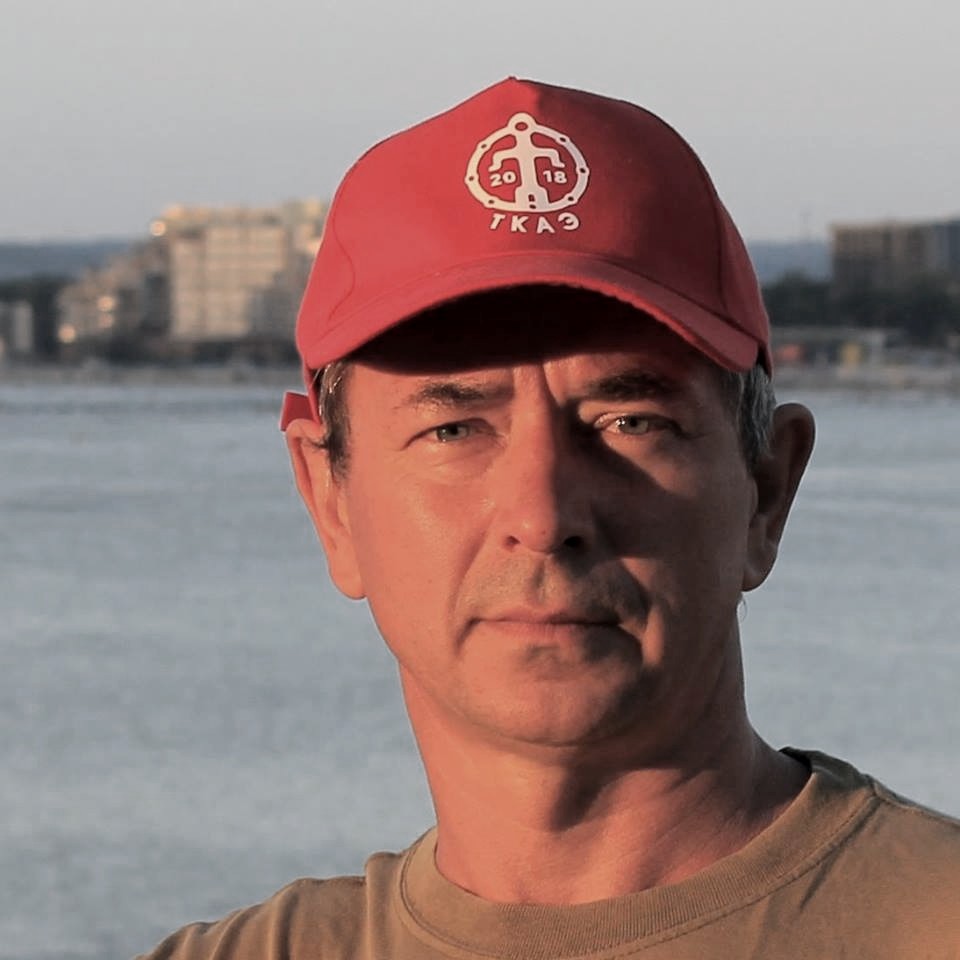 Dmitry Madurov Photo: From Personal Archive
The key feature of the faith of the Udmurts - there are no special rules in it: there are no clear words of prayers, there are no clearly formulated rites. Many scientists consider this to be signs that the religious culture of the Udmurts cannot be called completely established, moreover, it was almost lost during the period of Soviet power, and before that, Christianization.
For example, researchers conclude that the concepts of absolute good and evil and the Institute of Priesthood (as attributes of developed religion) were not formed by Udmurts. About what their original religion was is unknown either by the representatives of the people or scientists: the first descriptions of religious rites relate only to the 18th century, when the Utyaki (this is how the obsolete Russian name of the Udmurts sounds, in the figurative meaning - “Ladent, uncultured person”) have already begun to adopt Christianity. Spirits, gods, sacred places differed for Udmurts depending on their places of residence, and this also did not contribute to their rapprochement on the basis of religion. In addition, in Soviet times, it was recommended to eradicate “religious remnants”. So, party workers asked to pay special attention to the "such gross forms of manifestation of backwardness" as cattle sacrifices. Udmurts made sacrifices of livestock or wild animals on holidays and during prayers.
The main reason for the “unbelief” Udmurtov Razin saw in “erosion” of culture: unlike neighbors - Chuvash and Marie - Udmurts almost do not believe in their gods. It is not clear whether it is possible to talk about any beliefs common to all Udmurt, again due to the dispetrability of rituals depending on the region of the republic. But, according to Albert Alekseevich, it was Vera that was supposed to rally Udmurts.
"Radical and conservative"
Timoshkin recalls that every morning Razin turned to the Udmurt gods in prayers, but his personal practice was not enough for him. The activist scientist wanted to revive the Udmurt culture throughout the republic and began with his native village. In 1992, he decided to arrange in Kuzumov Gerber-a national festival of the end of spring-field work.
According to Peter Timoshkin, then the head of Kuzyumov, the party functionary, opposed the holiday in the village, and Razin held a holiday in neighboring Kuzabaev, and with real priests, in sacred places. Already in the first year, Gerber visited about 20 thousand people. For several years, Razin brought the holiday to the national level, now it is celebrated throughout Udmurtia.
Then, in the 90s, Albert, together with his brother Rev., is also a sociologist (at the beginning of the zero he died of cancer), were in the group of the creators of the All-Udmurt Association "Udmurt Kenesh" (translated-"Council of Udmurts"). A little was found out about the revolution: he managed the sector of sociological research of UDSU, and the main directions of his scientific activity are studies of social tension, the sociology of religion, and culture.
How Razin changed people
“I worked in the KGB, I was a party functionary, but I retired and realized: something in my life is not enough,” says Nikolai Trofimovich Mikhailov.
We go to Izhevsk from the native village of Razin with the Supreme Shaman of Udmurtia. He is dressed with a light velvet jacket and the same color of trousers. If you do not remember his prayers on the mountain, then in appearance it is no different from an ordinary pensioner. Mikhailov says that after acquaintance with Razin, his life rolled over. He felt that he had found a best friend and man who was engaged in what is really important - the revival of Udmurt culture. Nikolai Mikhailov was the chairman of the community of the area where he and Razin came from, Alnash. Устраивая очередной Гербер, Альберт Разин попросил Михайлова помощи в проведении праздника — так бывший и нынешний верховные жрецы удмуртов и познакомились.
— Есть те, кто меня не понимает, но если этот кто-то — один из бывших нынче спивающихся служак, то я ничем не могу им помочь, — говорит Николай в ответ на вопрос, как отнеслось его окружение к переменам и решению стать жрецом.
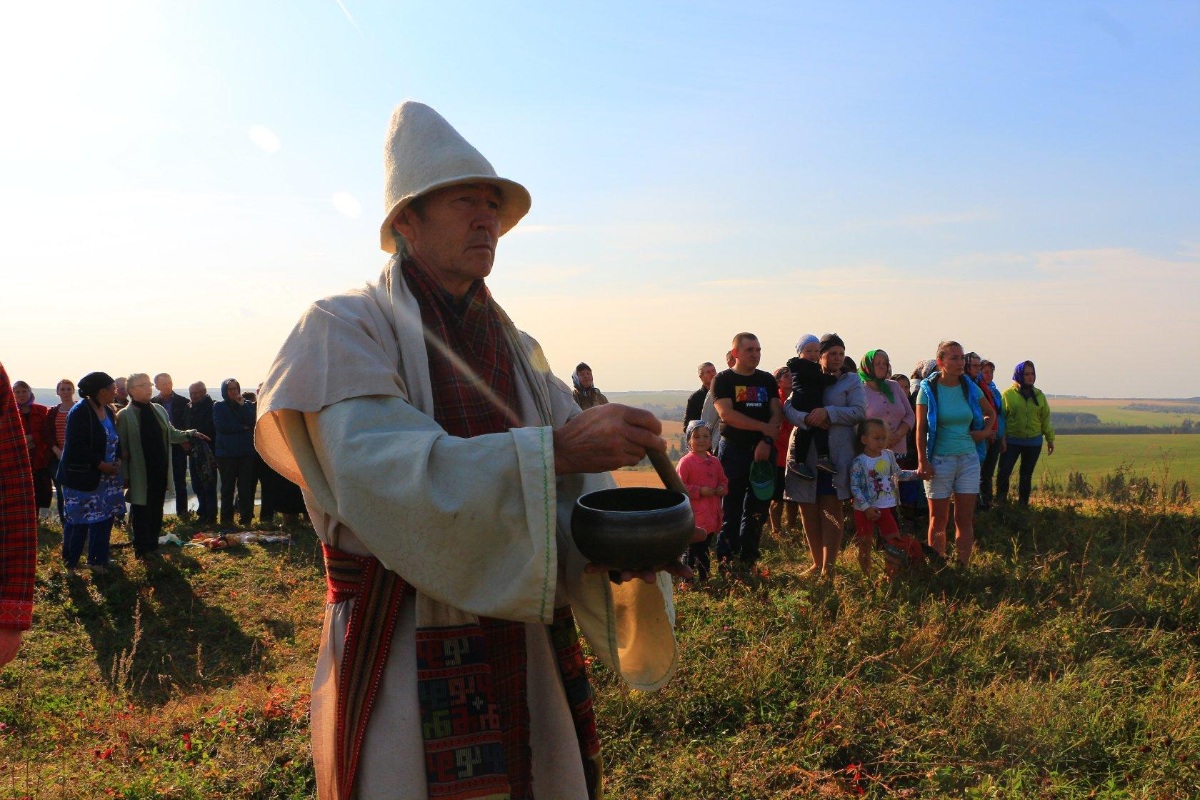 Николай Михайлов Фото: Анатолий Зырянов
По словам Михайлова, Разин больше года назад решил передать ему звание верховного жреца. Это в принципе невозможно, позднее пояснил мне друг семьи, ученый Дмитрий Мадуров: жрец — это тот «титул», который сохраняется до самой смерти. Михайлов пытался убедить Разина, что еще не готов, но Разин стал везде представлять его как верховного жреца, и у Михайлова практически не оставалось выбора.
Еще один сторонник Разина и, как он себя называет, его последователь — 32-летний Андрей Перевозчиков. Он окончил университет по специальности «энергетик» и больше десяти лет работал в нефтяной сфере. Но четыре года назад ушел из профессии, расстался с женой, из-за этого же конфликтовал с родителями. Это был сложный период, рассказывает Андрей. В какой-то момент он даже думал, что близок к смерти. Но потом, говорит мужчина, словно почувствовал, что его предназначение — в шаманстве. Андрей — удмурт, и в 2015 году он организовал пешее путешествие по республике. В каждом районе он рассказывал об удмуртской культуре и представлялся удмуртским шаманом. Об Андрее написали местные СМИ, и одну из заметок прочитал Разин. Так они познакомились.
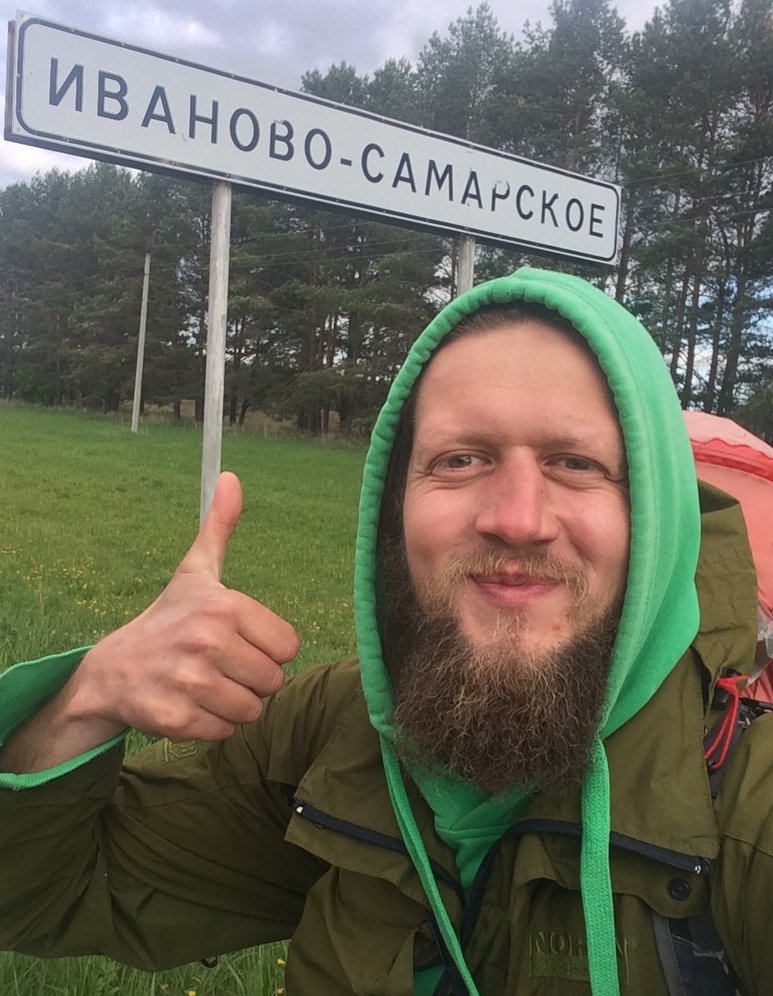 Андрей Перевозчиков Фото: из личного архива
— Было видно, что я для него человек неизвестный, никак не засветившийся в республике в сфере культуры. Ему стало интересно, что я уже тогда говорил, что исповедовал традиционную веру, а не только интересовался культурой.
— И что тебя так поразило в нем настолько, что ты называешь себя его последователем?
— До этого я по книгам изучал, в каком направлении двигаться, как поступить в той или иной ситуации, а здесь появился живой человек, с которым можно было советоваться. Для меня был большой подарок судьбы. Так близко, как меня, он никого из современной молодежи не подпускал. Сначала задавал мне вопросы на различные темы, чтобы понять, как я мыслю. И про политику, и про национальные проблемы. Мы начали общение, он мне присылал схемы типологии людей в психологии, по разным критериям людей классифицировал… Я думаю, я принимал это безоговорочно, потому что на меня так повлияла его национальность, эта наша связь, родство.
В последние годы у Разина, когда-то стоявшего у истоков «Удмурт Кенеша», стало все меньше рычагов влияния в этой организации: с 2016 года ее возглавляет Татьяна Ишматова, в прошлом — певица, исполнительница эстрадных песен. У нее, по мнению предыдущего руководителя Игоря Семенова, было мало опыта в решении нацвопросов. Разина в организации «от трибуны не отстраняли», но те решения, которые он предлагал, не поддерживали.
После принятия в 2018 году поправок в закон о родном языке ситуация стала для ученого еще более драматической. Изучение удмуртского, как и всех остальных национальных языков, стало необязательным.
Как рассказывает Андрей Перевозчиков, в последние годы Альберт Алексеевич довольно часто просил его пойти на встречу с каким-нибудь чиновников или депутатом, потому что пожилой активист считался довольно «радикальным». Во всех детсадах и школах вести удмуртский язык, обеспечить школы удмуртскими кадрами, принять меры для лицензирования учебников удмуртского языка, обязать учащихся всех национальностей изучать удмуртский, вывешивать в городе лозунги на удмуртском, создать энтопарк — вот лишь неполный список требований Разина к депутатам и чиновникам. Добиться не удалось ничего: Перевозчиков и Разин продолжали получать отписки, но Андрей в правильности пути своего наставника не сомневался.
Недоступная языковая среда
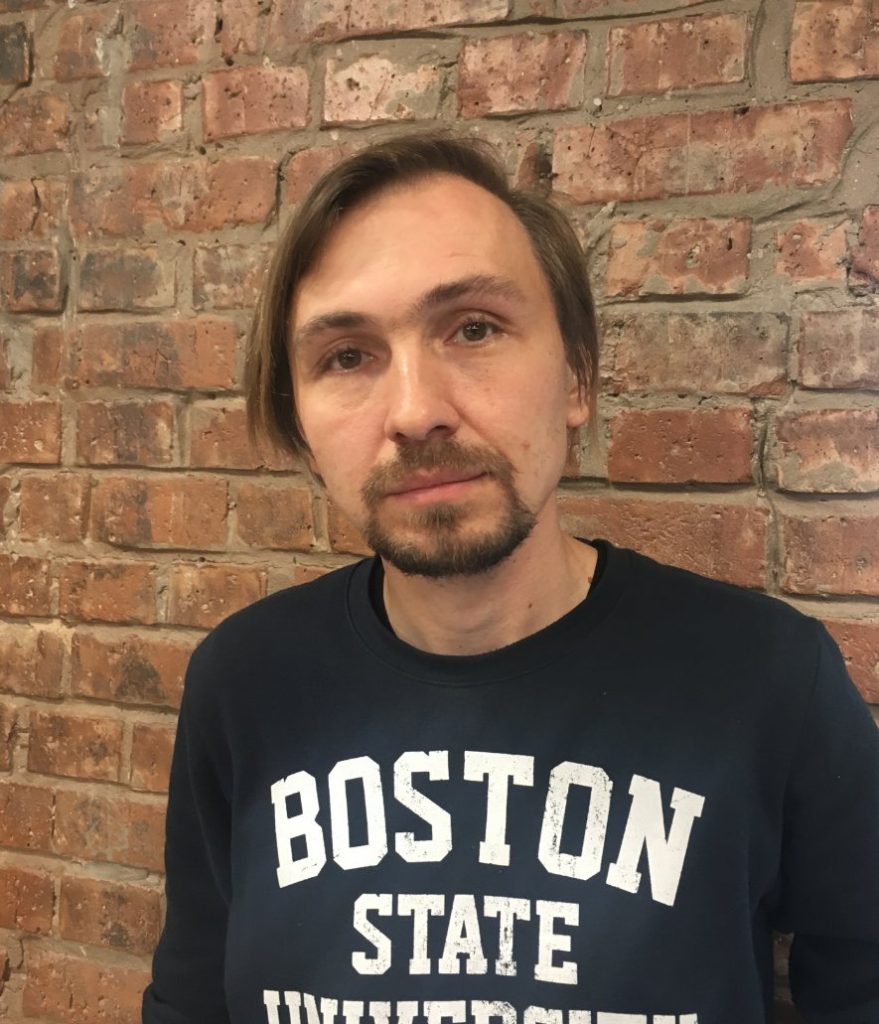 Алексей Шкляев Фото: Галина Сахаревич
Администратор самого популярного паблика во «ВКонтакте» об удмуртской культуре « Удмуртлык » активист Алексей Шкляев говорит, что в его детстве, еще в советские годы, изучение национального языка в раннем возрасте осуждалось врачами, психологами, педагогами. Считалось, что это приведет к задержке развития ребенка. После распада СССР такие суждения были признаны антинаучными, но судьба языка в лучшую сторону не изменилась. Исходя из статистики, которую приводил в своих обращениях к депутатам и чиновникам Альберт Разин, количество говорящих на удмуртском за десять лет уменьшилось на треть. Даже если родители говорят только на национальном языке с маленьким ребенком, он идет в сад и начинает этого стесняться.
По словам Шкляева, в Ижевске есть всего два садика, где проводят занятия на удмуртском, но и там не существует полноценной языковой среды. Как только ребенок вступает в коммуникацию с русскоговорящими детьми, то моментально выбирает говорить на русском. Сам Алексей рассказывает, что учился в финно-угорском классе, где удмуртский был четыре-пять раз в неделю, но после выпуска не знал, что делать с этим знанием языка. Если ребенок рос в деревне и говорил на удмуртском, то, переезжая в Ижевск на учебу, он начинал стыдиться языка, объясняет Петр Тимошкин. «Мне всегда было это обидно: язык что, грязный, что ли?» He says.
Поэтому Разин пишет в своих книгах и обращениях предложения вернуть в школы и сады национальный язык. Также он рассуждает о роли удмуртов, связывает их по происхождению с арийцами, предлагает более глобальные политические решения: «Поставить заслон имперской идеологии и бряцанию оружием — у России есть много чем гордиться, кроме завоеваний. Госбюджет разделить на три равные части, в Москву отправлять лишь треть налогов».
Мнения о популярности Разина расходятся: в «Удмурт Кенеше» говорят, что последователей у Альберта Алексеевича крайне немного, потому что тот был излишне радикален. Разин действительно весьма резко отзывался о мероприятиях, которые призваны влиять на популяризацию национальной культуры, но казались ему лишь блестящей оберткой: праздник пельменей, праздник рыжих (считается, что рыжеволосых удмуртов особенно много), Гербер, из которого убрали настоящих жрецов и посещение священных мест и добавили театрализации. Как рассказывает племянник Михаил, Разин не любил театр, считал его бессмысленным, пассивным мероприятием. Ему было важно делать что-то самому. Народ соприкасается с культурой только через активное действие, считал он. Не принимал Разин и поп-культуру, связанную с национальными корнями: рэп на удмуртском, «Бурановских бабушек».
— Но, если мы хотим привлекать внимание молодежи, культура должна развиваться! — говорит вице-президент «Удмурт кенеша».
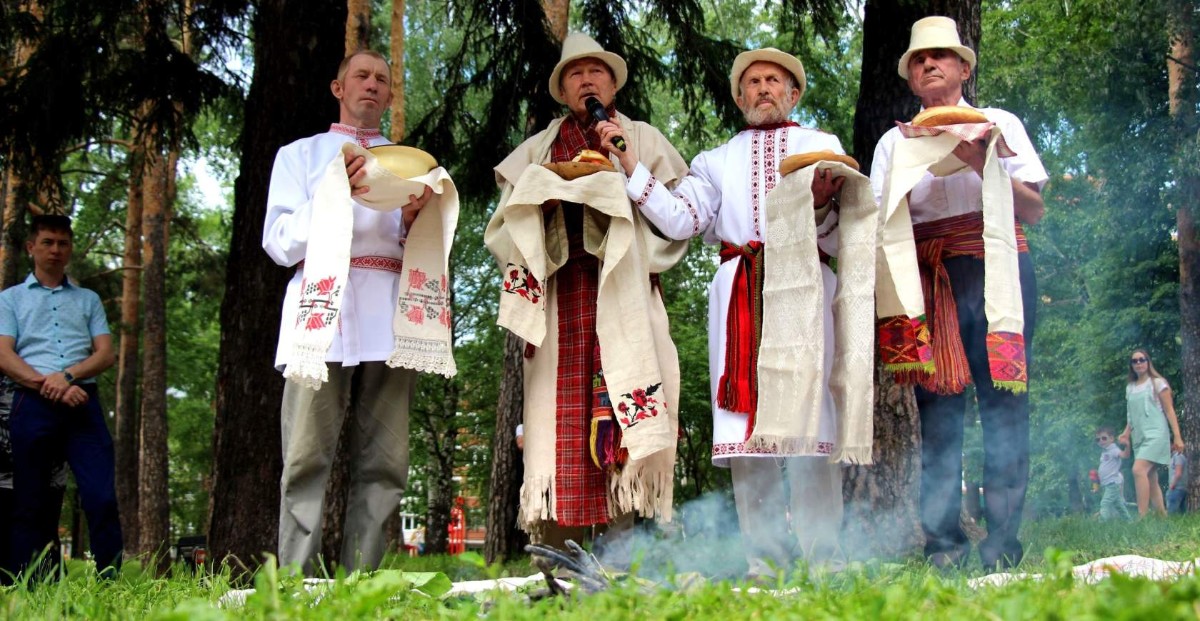 Альберт Разин (второй справа) Фото: из личного архива Петра Тимошкина
Привлечь молодежь Разин, несомненно, тоже хотел, поэтому дорожил своей дружбой и сотрудничеством с Андреем Перевозчиковым, пророча ему славу великого удмурта. По той же причине он сотрудничал с пабликом «Удмуртлык».
— Я не разделяю нелюбовь Альберта Алексеевича к западной культуре, напротив, считаю, что удмурты — это европейцы, мы хотим видеть себя частью глобального мира. Но мы всегда публиковали информацию, которую предлагал Разин, звали его на свои мероприятия, потому что он настоящий носитель языка, носитель культуры, — говорит Алексей Шкляев.
Бунт Разина
В последний год своей жизни Альберт Разин мало и плохо спит, постоянно встает по ночам, чтобы писать новую книгу (всего он написал 10 книг о философии, психологии и национальной культуре). По словам Дмитрия Мадурова, книги мало кто читает, и Альберту горько от ощущения, что его работа напрасна.
Он передает свои заметки верховному жрецу удмуртов Николаю Трофимовичу с просьбой завершить работу над ними.
Иногда укоряет Андрея за то, что тот не слишком усердно изучает удмуртский и не слушает его наставления: «Я же не вечный».
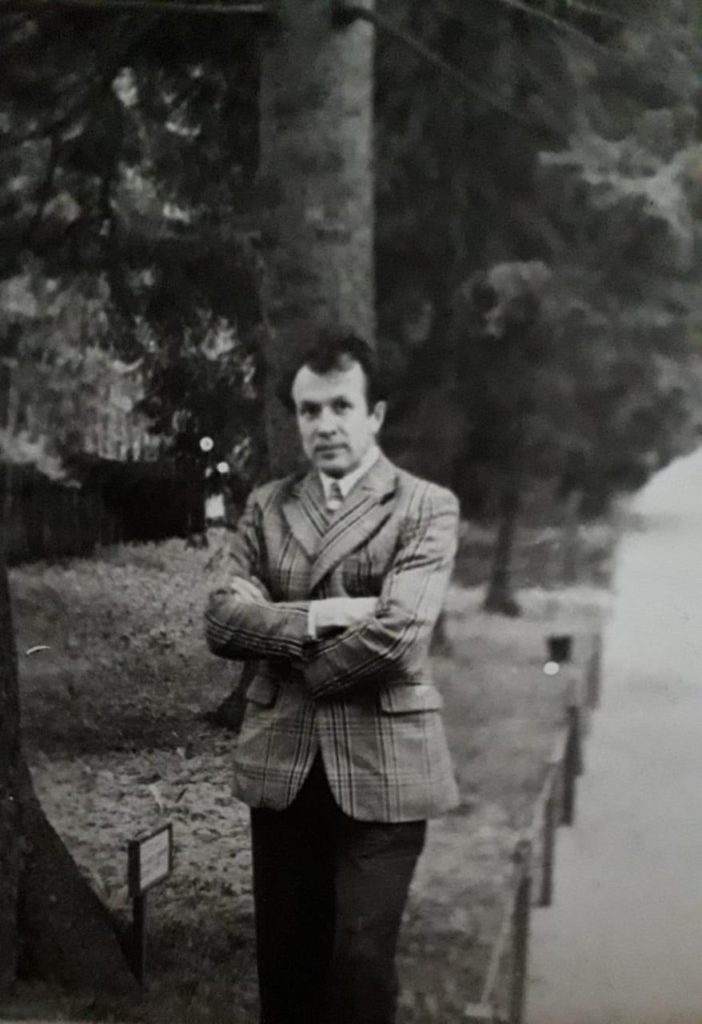 Альберт Разин Фото: из архива семьи Разиных
Вместе с дочкой Альберт Алексеевич пьет чай со сладостями. Софи удивляется, ведь папа ведет настолько здоровый образ жизни (может просто залить крупу водой и есть ее, даже не варя) , что «он и профитрольки» плохо сочетаются.
Перед пикетом он договаривается с Андреем Перевозчиковым, Петром Тимошкиным (тот специально едет в город из Кузюмово) и Николаем Михайловым, что те помогут ему в проведении акции.
Когда Андрей заходит с Разиным в его кабинет в Союзе ученых Удмуртии (он работал там на общественных началах), то видит полностью пустой шкаф, где нет никаких вещей Альберта Алексеевича. Он ни о чем не спрашивает своего наставника.
«Я сразу поняла, что это не самоубийство»
Мы сидим с Софи Разиной в KFC в центре Ижевска, за окном — дождь. Она радуется, что вчера, на прощании, погода была ясной. Сегодня Софи одета как обычная молодая девушка, только на шее — подвеска с национальными мотивами. У Софи собственный бренд одежды с удмуртскими орнаментами. По словам девушки, папа поддерживал ее работу.
Софи говорит, что она на сто процентов папина дочка, и опровергает почти все, что можно прочитать о Разине как о главе семьи на городских и республиканских «желтых» сайтах: что тот держал семью в строгости и заставлял придерживаться традиций. В ответ на вопрос, соблюдал ли Альберт Алексеевич какие-то традиции в семье и побуждал ли к этому семью и дочь, она говорит, что папа баловал ее настолько, что, например, до 16 лет она была уверена, что Дед Мороз существует.
— Он всегда говорил: «Моя дочь всегда права». Даже когда меня в школе ругали за зеленые волосы и синие тени.
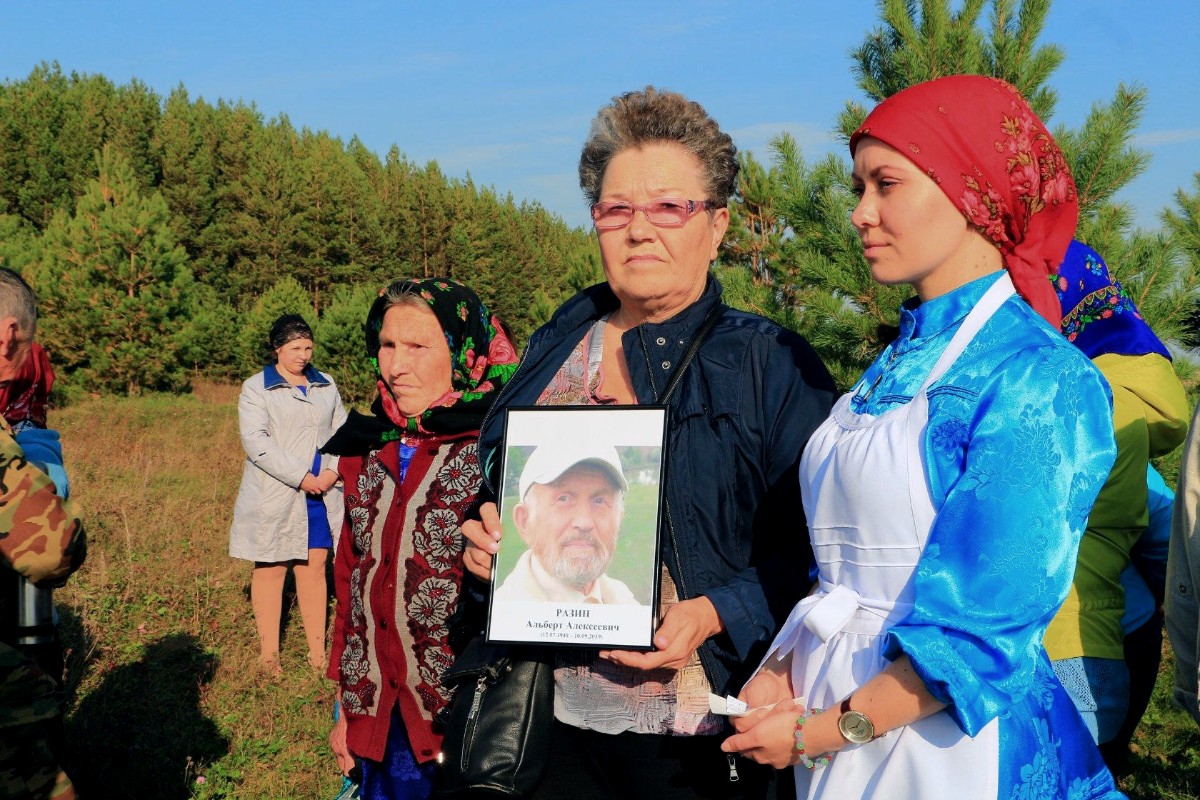 Дочь Софи на прощании с отцом (справа) Фото: Анатолий Зырянов
По словам Софи, отец был очень мягким к близким. Мог умчаться с работы, если жена Юлия плохо себя чувствовала, проведать ее и вернуться работать допоздна. Увлечение удмуртской культурой было для них семейным: Юлия сама пишет на удмуртском и переводит многих поэтов-классиков русской литературы.
Софи выросла билингвом, так как Юлия и Альберт между собой общались только на удмуртском, но специально языку дочь не обучали. Девушка никогда не чувствовала возраста отца, он всегда был очень бодрым: врач, к которому поступил Разин с ожогами, сказал изначально, что тело принадлежит мужчине «лет 50», хотя Альберту Алексеевичу на тот момент было 79.
Утром 10 сентября ей позвонила знакомая с вопросом: «Ты знаешь?» Софи только проснулась, ставила чайник и собиралась завтракать.
— Я говорю: «Что?» Она: «Ничего не знаешь?» Я начала просто орать. Потом хотя бы плакать смогла.
После Софи заблокирует странички в соцсетях, откажется читать новости (знакомые уже рассказали ей, как в интернете пишут, что папа ушел из семьи, что у него был рак).
— Я была поражена, когда мои знакомые стали говорить нам с мамой: «Вы уж, девочки, простите его…» За что нам его прощать?! Тот поступок, который он совершил, — это не самоубийство. Люди, которые так говорят, не читали его обращений. Я настолько далека от политики, что даже не знала, что такое «пикет» до 10 сентября. Но я прочитала — и все поняла. Папа сделал это ради нас всех. Я еще нахожусь в шоке, но я поняла и приняла его поступок. Даже не пью успокоительные.
What next?
— Я думаю, он хотел донести, что люди должны быть более активны и требовать от тех, кто им должен, — говорит Николай Трофимович.
— Я ни разу даже не предполагал такого. Знал, что он болеет за культуру, но чтобы пожертвовать собой… Это связано именно с теми проблемами удмуртского языка, которые он видел, это никак не связано с личными проблемами. Он был сильный волевой человек и никогда бы не сделал такого, — считает племянник Михаил.
В «Удмурт кенеш» назвали поступок Альберта Разина «его сугубо личным решением» и отметили, что он никак не связан с организацией, в которой тот состоял. Вице-президент «Удмурт кенеша» уточнил, что считает, что проблемы нужно решать «не таким способом».
— Я бы сейчас не хотел говорить: он сгорел как факел и всех пробудил. Это слишком громкие слова. Я боюсь, что пока что ничего не изменилось. Думаю, смысл этого поступка дойдет до молодежи позже, — говорит жрец Николай Трофимович и добавляет, что пока что не понимает, как это до молодежи донести.
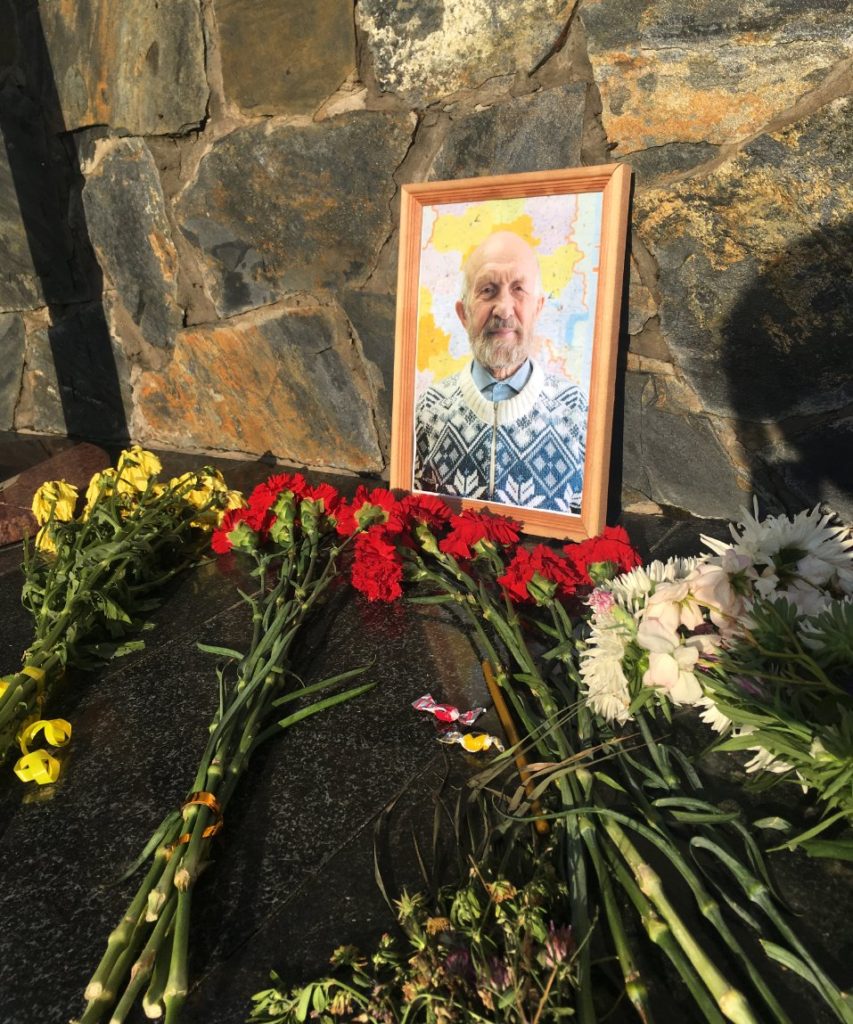 Цветы и портрет Альберта Разина родственники и его сторонники приносят к зданию Госсовета каждый день, хотя их оттуда ежедневно убирают Фото: Галина Сахаревич
Андрей Перевозчиков говорит, что это событие должно было повлиять на все «национальное движение», однако этого не произошло. Десятки людей писали посты в соцсетях, несколько человек поставили на аватарки плакаты «Я/Мы Альберт Разин» на удмуртском. Объединения и всплеска активности, как считает Андрей, не случилось, потому что движения как такового нет, есть лишь отдельные люди. Каждый из последователей Разина хочет заняться каким-то личным проектом, но никто не готов вставать на лидерскую позицию, на которую претендовал активист. Андрей Перевозчиков говорит, что хочет переехать в деревню, воссоздать в одной из усадеб удмуртский быт и делать туры, Николай Трофимович — что хочет закончить издание книги «Как оставаться человеком», которую они начали вместе с Альбертом Разиным, и помочь его жене и дочери. Дочь не строит планов на будущее, но повторяет, что максимально далека от политики и активизма.
Около здания Госсовета остались только темные пятна на асфальте, цветы и портрет Разина. Их уносят сотрудники администрации — родным они сказали, что здесь не кладбище. Но цветы и портрет появляются опять. This happens every day.
Редактор — Майя Соерова
Альберт Разин культура национальные традиции россия Удмуртия