
Translated material
Amazing Latvia:
15 places to truly find out this country
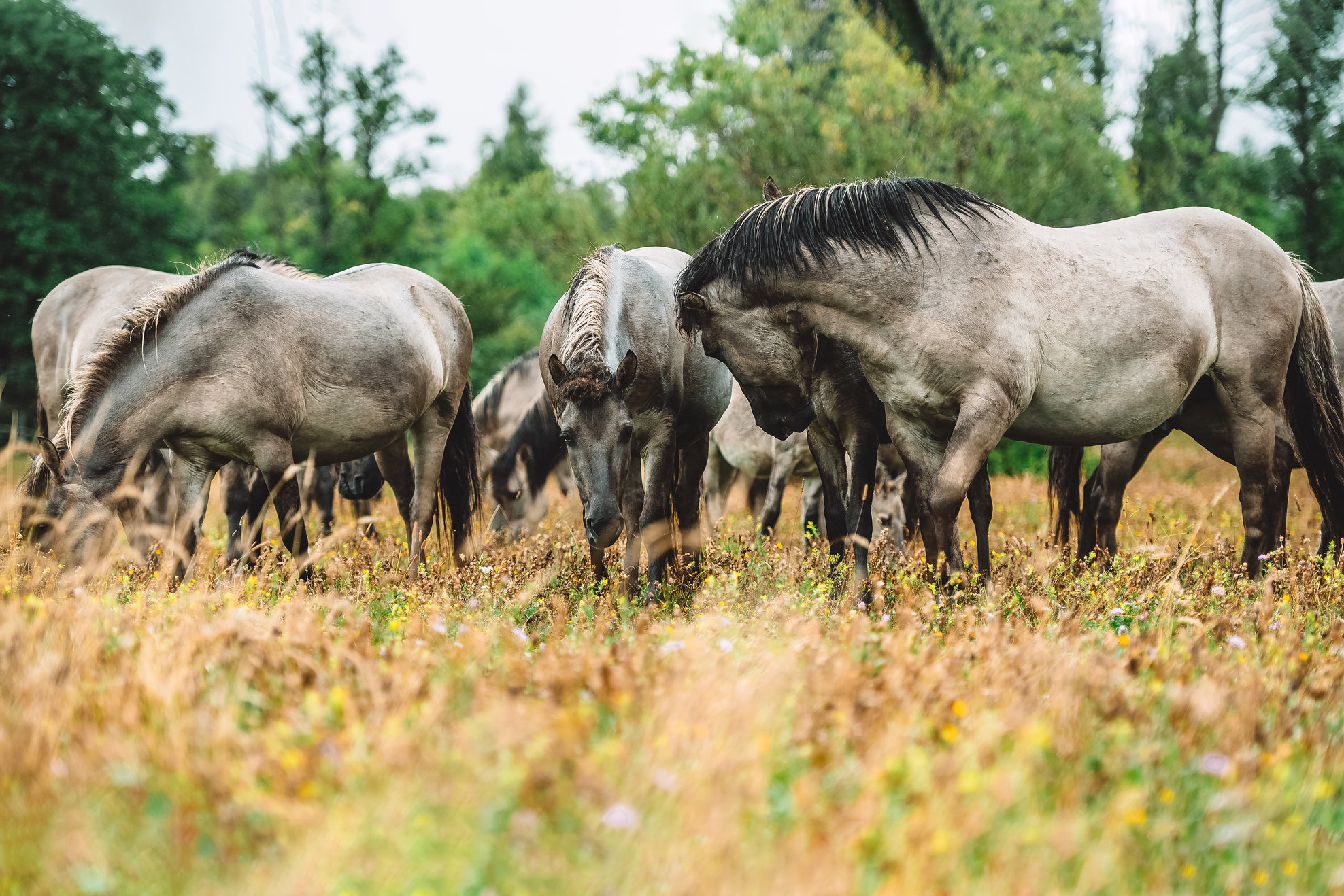
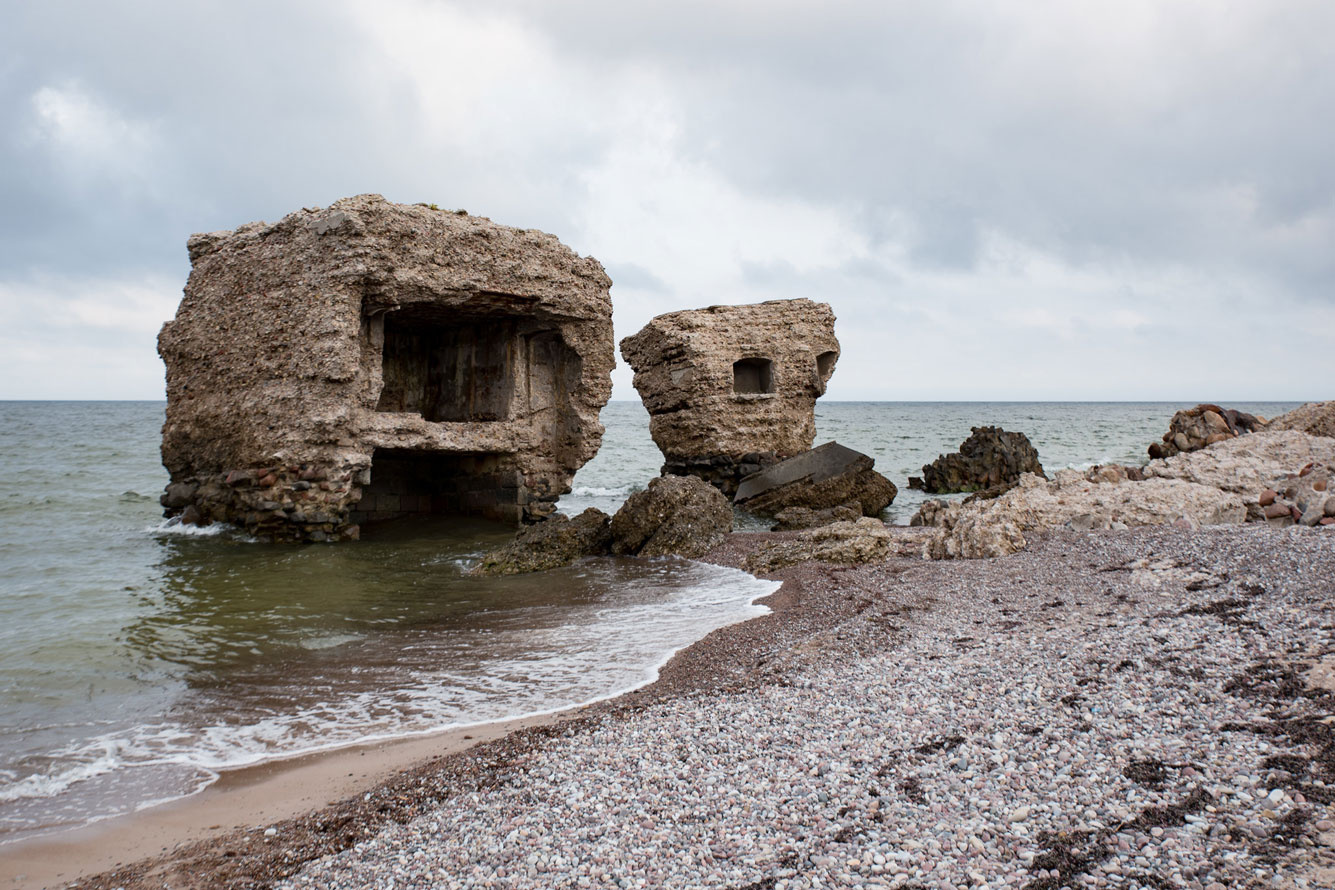
Latvia is much more and more interesting than the picturesque historical center of Riga, a walk on which the cultural program of travelers is often limited. Unusual farms, secret bunkers, world -famous locks, waterfalls and lakes, from which the breath caught, is all outside the Latvian capital. We tell you where to go and what to look.
This material goes within the framework of the Great Special Project about Latvia, which we do along with the Latvian investment agency . Here you can listen to the podcast "Laby", and here to read about the amazing Latvian cities and entertainment.
Try the Limel
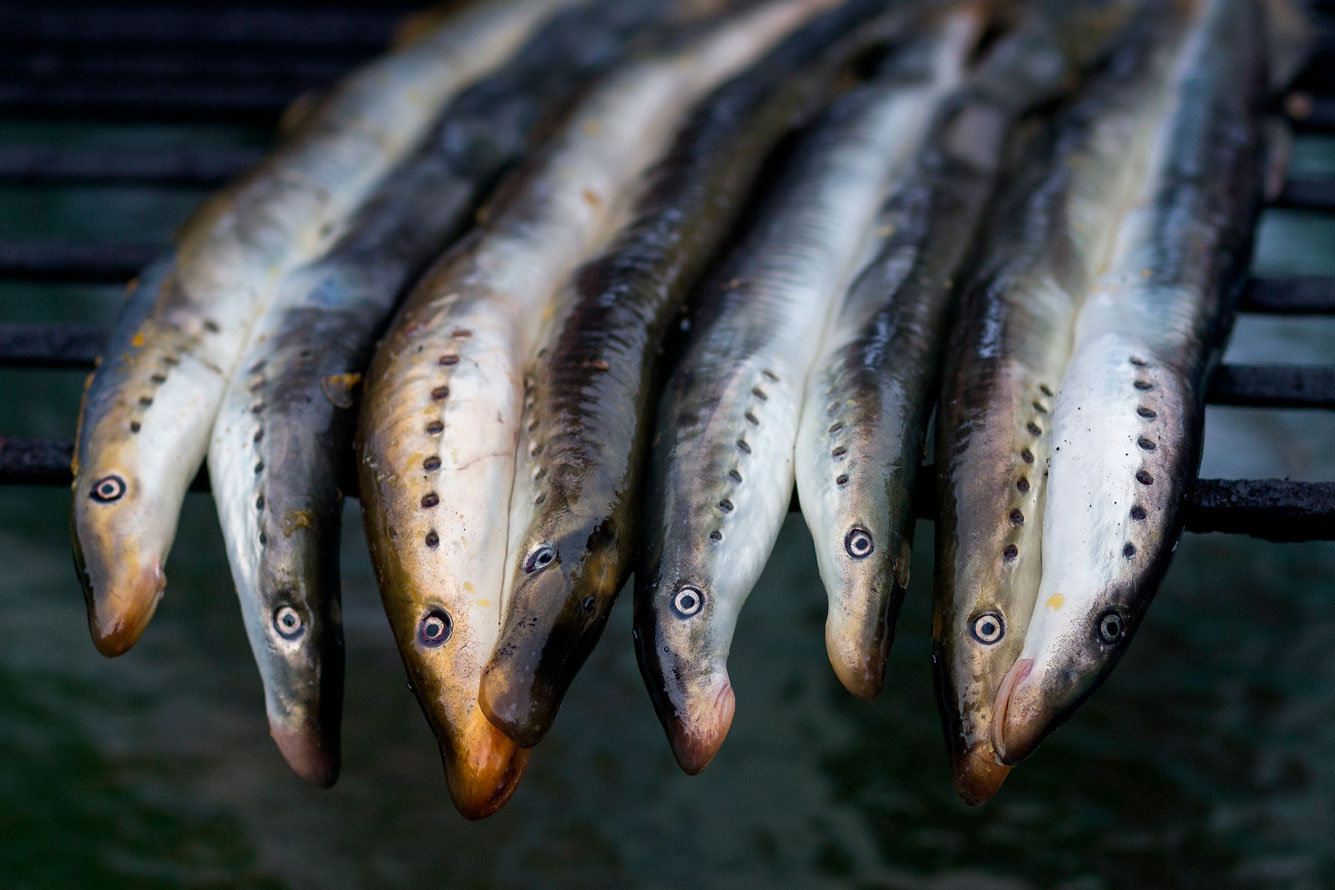
A lamprene is such a river animal that looks like eel, although technically lamps are a separate class of creatures. And the fried lamprey is the national delicacy of Latvia, and it is officially included in the list of important regional products of the European Union. The capital of the Latvian lampage is considered to be the village of Tsarikava 30 km from Riga, here you can try dozens of different recipes. We recommend starting with the classics - fried lampreer on coals or in a soup. Love Latvians for this delicacy is so great that every year on the third Saturday of August, the Tsarika day celebrates the day of the lamprea. The holiday is dedicated to the beginning of fishing, the season itself lasts until February. However, at any other time, it is also difficult to avoid tasting here.
Spend the night in prison. Not real!
In Latvian Liepai, you can stop at night not at an ordinary hotel, but in a real prison called Karost . Okay, this is actually a former military prison, but the experience will still be authentic: you will have to go in a special robe, the food will be at least special, and the guards should wait for the most strict circulation as possible. You should not be offended by their severity: such a right gives them a contract signed by guests. Perhaps the dream will be alarming, but the eyes of friends who listen to the story and colorful photos on Instagram are worth it.
Ride a real trolley, and then go to the bathhouse
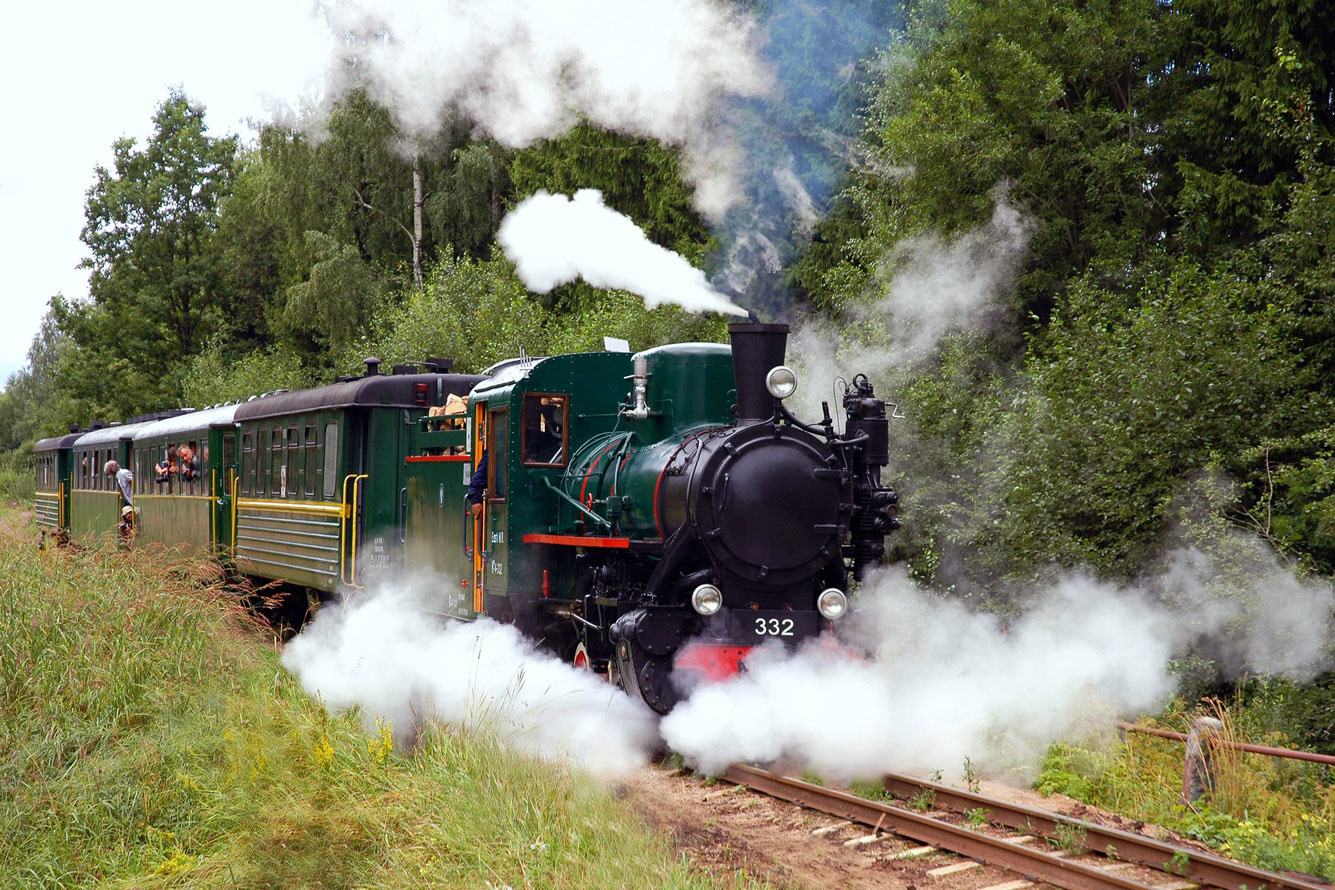
In Latvia, you can find the only narrow -blade railway in the Baltic states, which looks and functions in the same way as 100 years ago: a steam locomotive, bundor, wooden benches and a conductor in a characteristic cap. The most interesting thing is that on this route (the total length is 33 km, the road is called Banitis ) not only tourists, but also local residents about their business. And if you really want something even more unusual, then you can ride on a piece, rent a carriage of the leader of the Communist Party of Estonia, go out in the best place for a picnic (the train will also take the train back) and, finally, go to the bathhouse equipped at the depot.
Fly over the river and locks
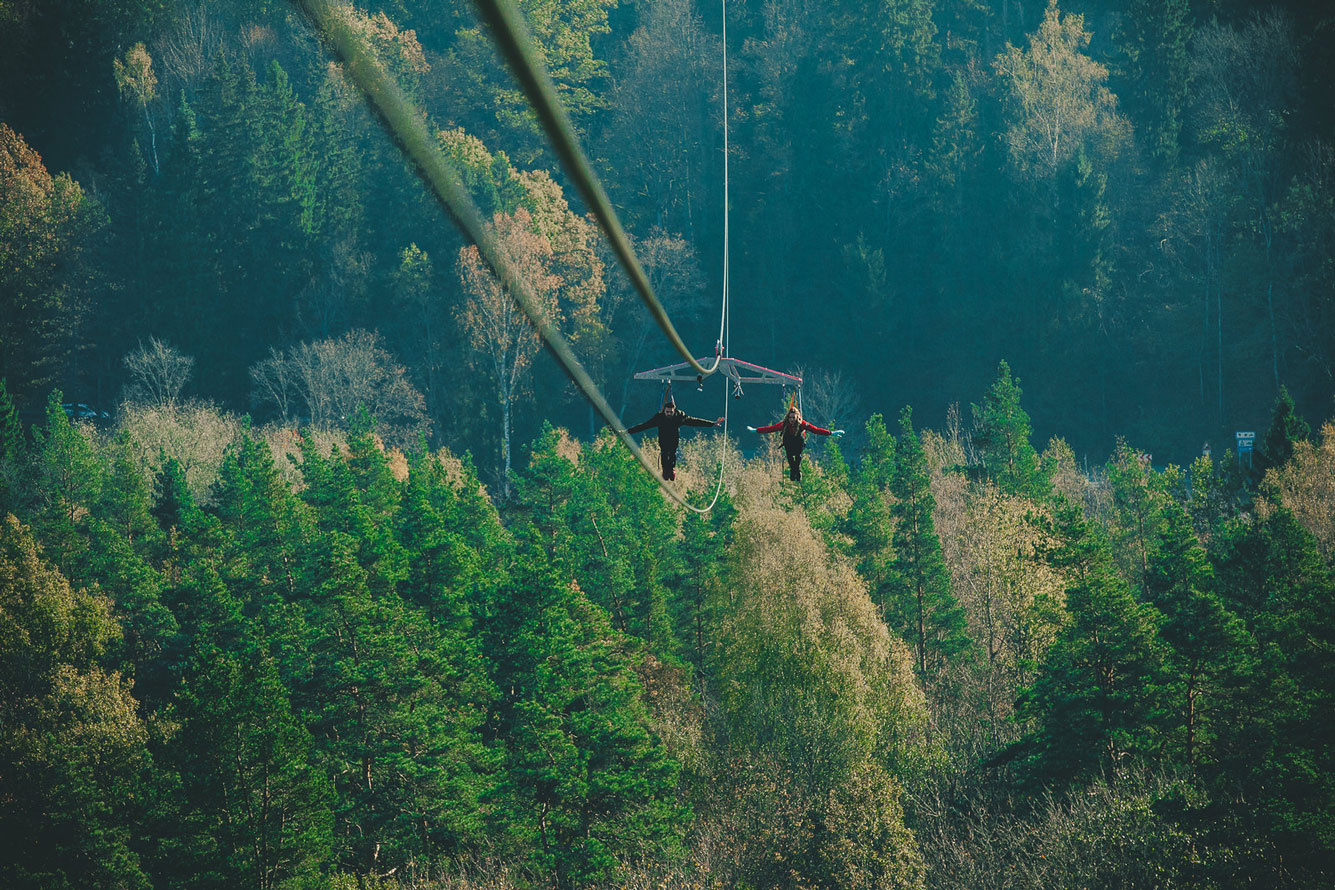
There is an attraction of the Grain in the place called Sigulda. It allows you to become a bird for 15 minutes: to fly to the cable road at an altitude of 55 meters above the Gauya River - the main in Latvia, forests and old castles - there are three of them along the route. This is completely safe: professionals who have been in the case of a quarter century, and there were no unpleasant cases have been recorded. No special skills are required, and even children can be taken with you. And, of course, the camera.
Visit a snail farm
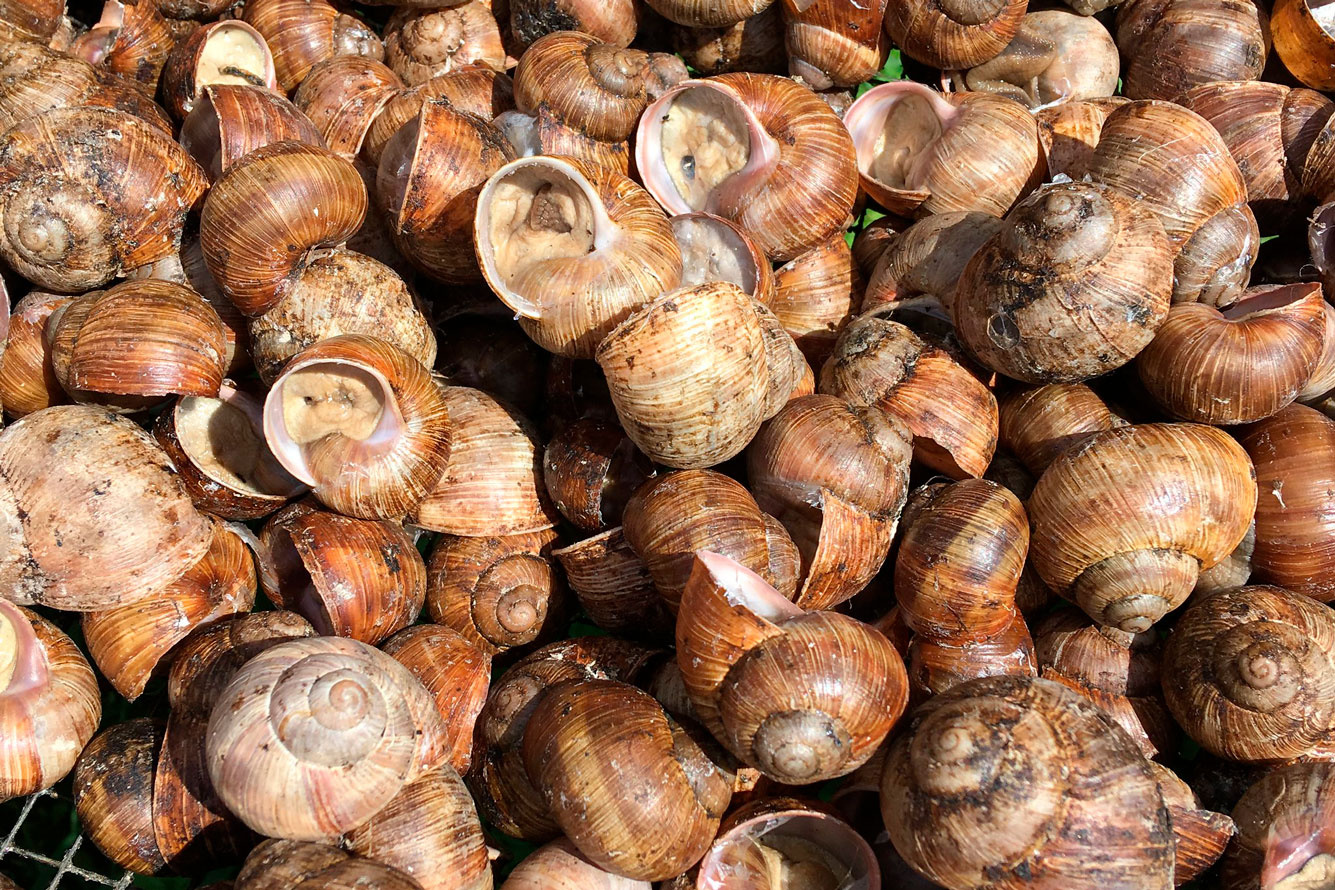
In a place called Rubili, you can find a unique farm - a snail , which began with just one snail in a private garden. You will surprise few snails as a delicacy, although in Latvia they are not prepared at all like in France or, say, in Ecuador. In the rejection, based on them, they also make tincture, the analogues of which cannot be found in the world. And before the snails become part of the dinner, they can participate in cosmetic procedures.
Look at sabil dolls
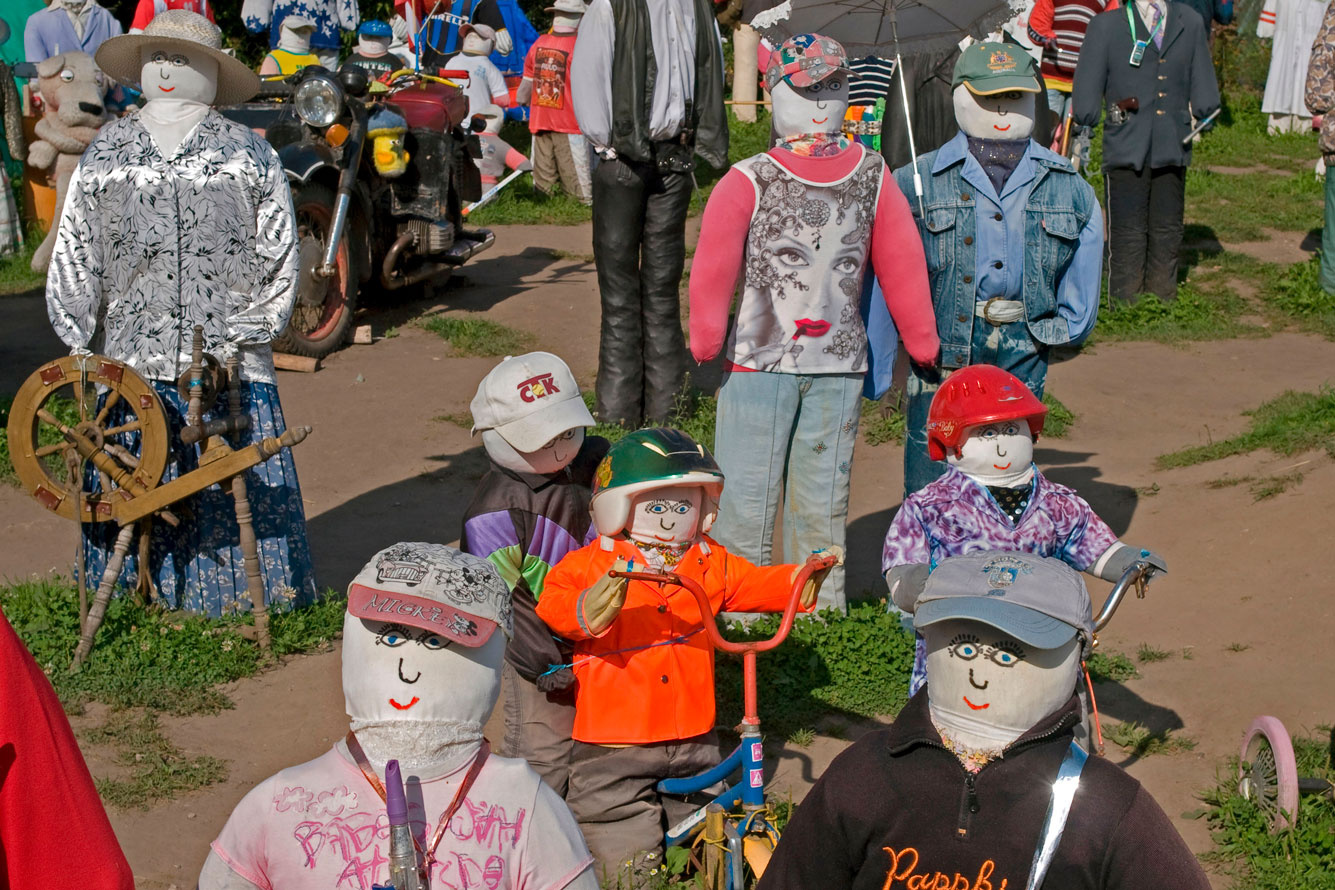
Sabile is a small town in the west of Latvia. His main attraction right now is the growth dolls of the people stuffed with straw, which a local resident makes. It seems that these straw men froze, performing the most ordinary things: they fried meat, play with children and repair furniture. Nevertheless, in their wretched smiling, similar to alternative emoji faces there is something hypnotizing. There are already more than 200 figures, and new ones are regularly added! If suddenly a whole city of strange dolls is too avant -garde for you, then in Sabil there is also the most northern open -air vineyard in the world. And, accordingly, the most northern wine made using traditional technology.
See how salmon bounces 2 meters up in the Ventas-Rumba waterfall
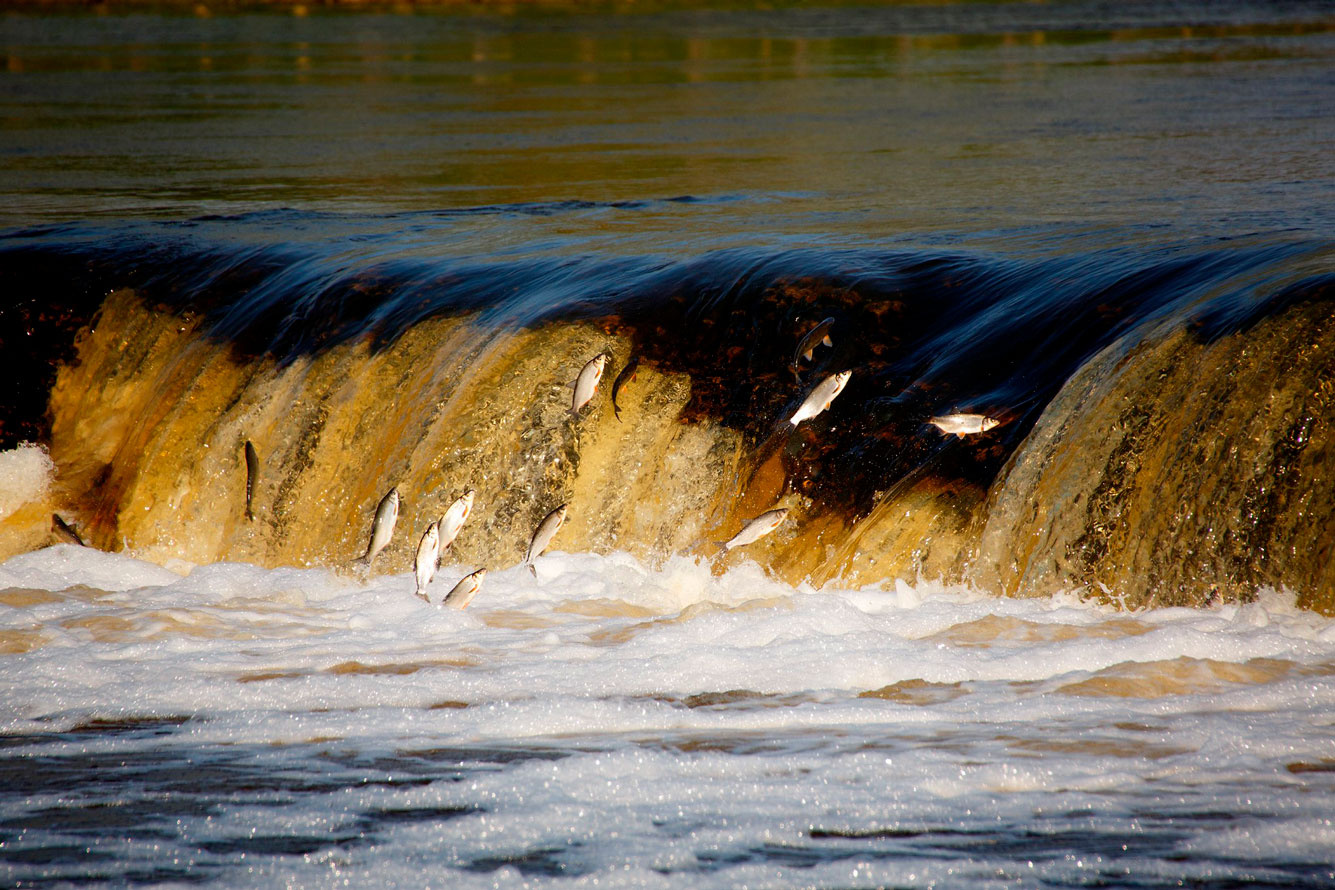
Not very well-known fact: in Latvia there is the widest waterfall in Europe-Ventas-Rumba, it is next to the city of Kuldig. The widest waterfall in the world, however, is about 50 times wider, but an amazing phenomenon can be observed on Ventas-Rumba. Salmon and other fish, going to spawning against the current, jump from the lower step of the waterfall to the upper one, and this is about two meters. Locals in the 17th century learned to put special baskets on the waterfall, where the fish gets themselves. In general, you know what needs to be ordered in nearby restaurants.
Walk around the square where the very first Christmas tree was once installed
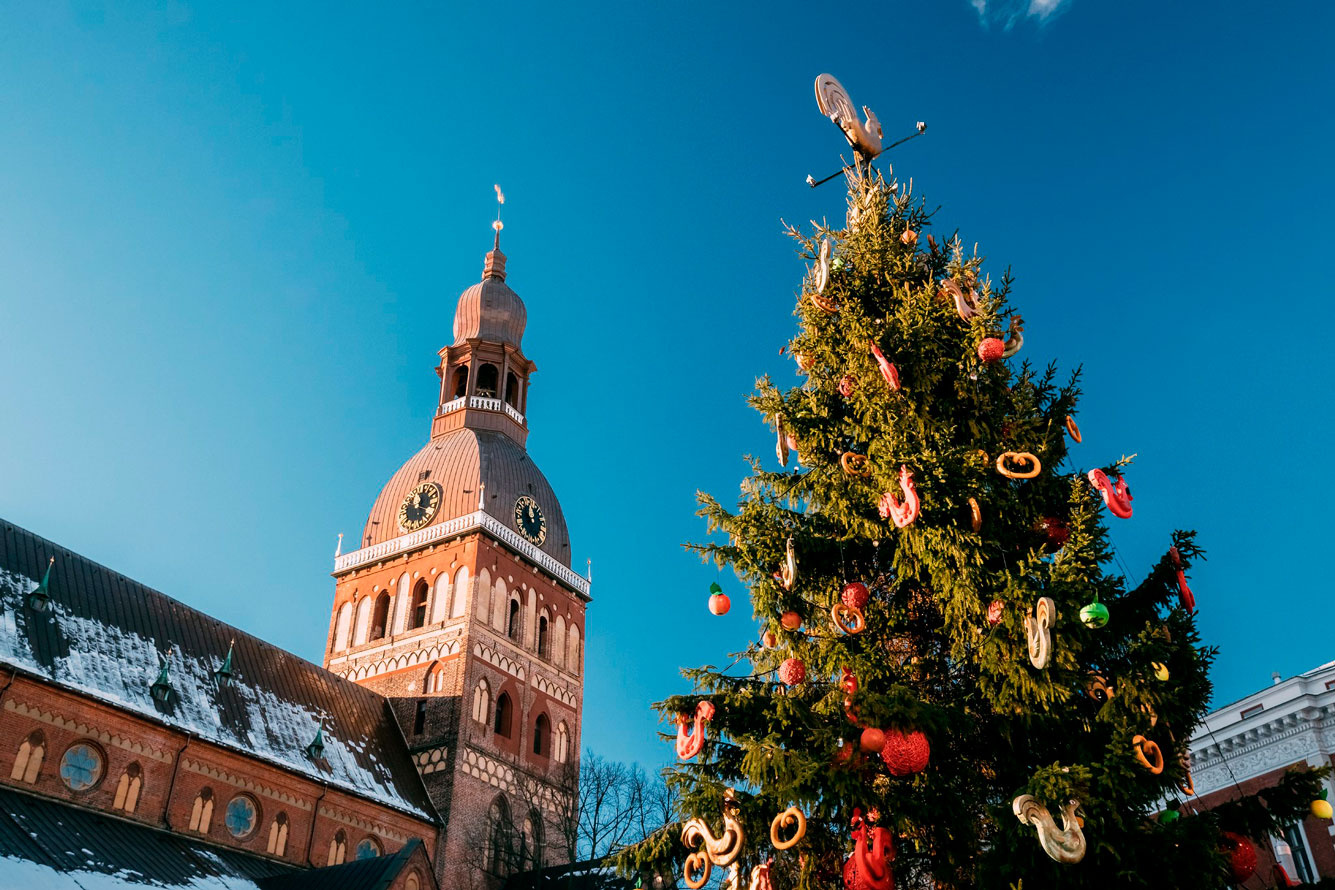
On the main square of Riga you can find a small patch, where in 1510 the first city Christmas tree was established in history. There are not enough facts to say for sure, but Christmas in modern form exactly appeared somewhere nearby. A few years ago, Estonia tried to challenge the Christmas championship of Latvia. However, the German news agency DAPD unconditionally recognized Riga with a place where at least the tradition of declaring a Christmas tree was born. They say that initially the Christmas tree was decorated not by Bethlehem stars and figures of angels, but by artificial roses.
Go to the giant radar in Irben
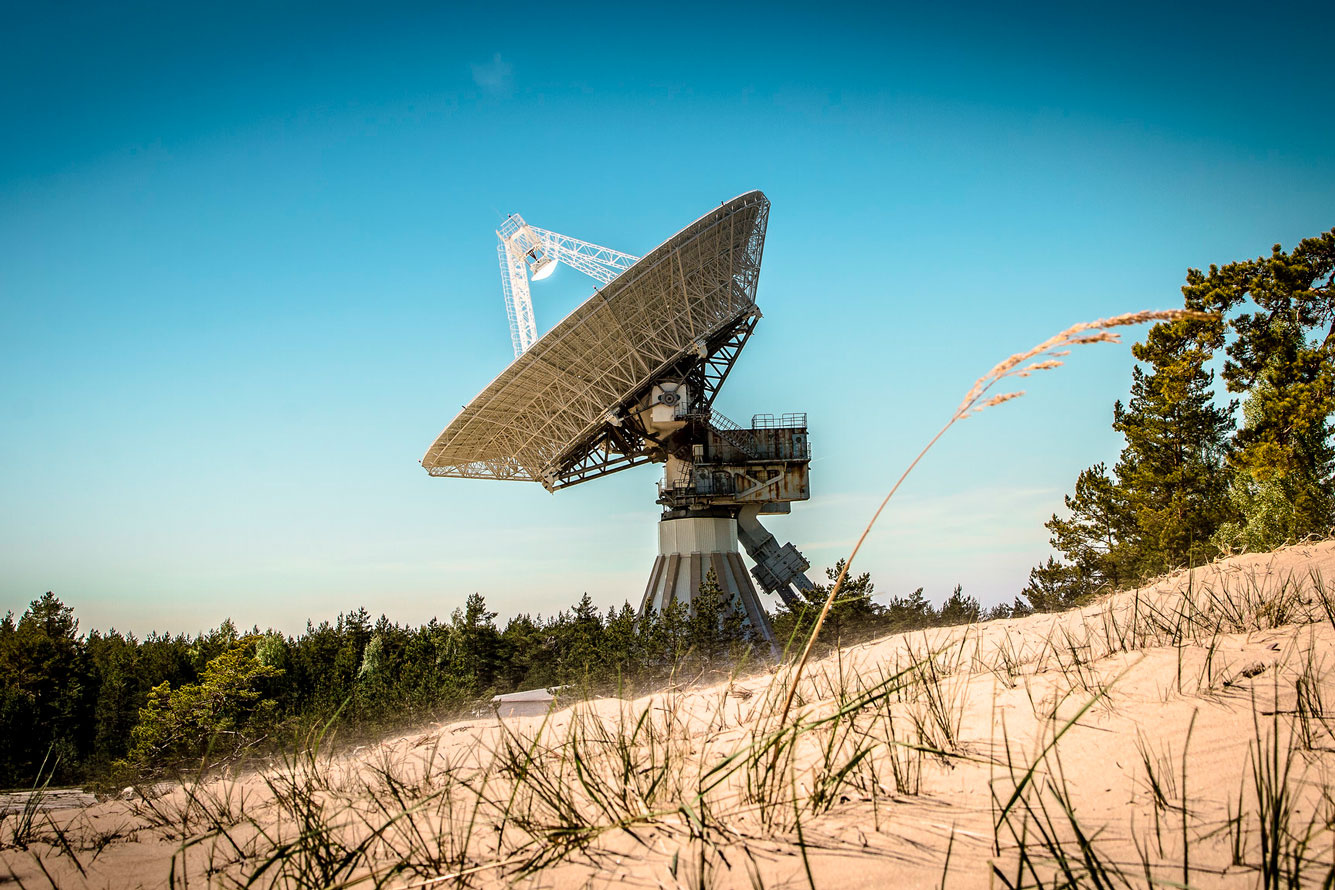
Radar in Ventspils is the eighth largest of all that has ever created by mankind. The radio -autonomic center is located in the former military town of the Soviet Army Irben, and its employees joke that dilapidated buildings could become perfect scenery for the filming of the film “Frankenstein and the KGB”. However, the main objects are still preserved - two huge antennas, with the help of which they observe the interstellar space and artificial satellites of the Earth. During the tour, you can take a walk around the radar, and also visit the laboratory building.
View Rotko's work in the fortress of the XIX century
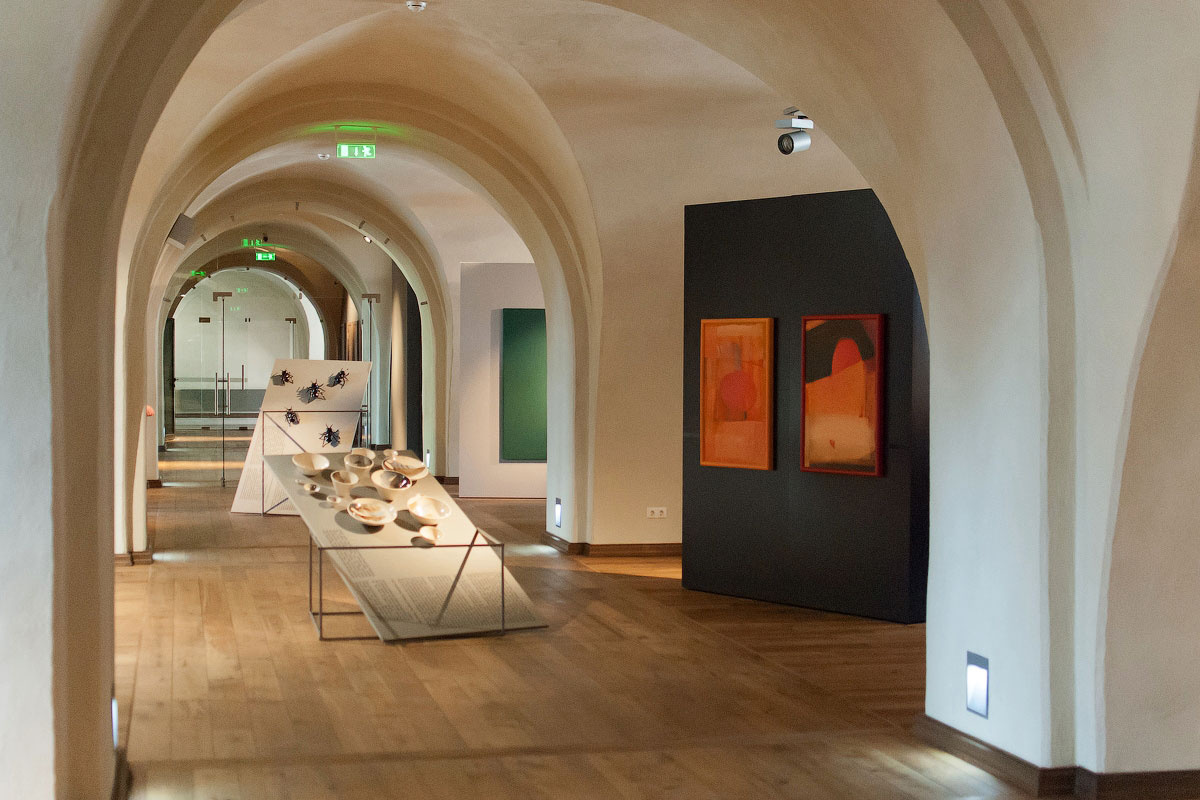
Right inside the ancient fortress of Daugavpils is the art center of the name, probably the most famous artist in the world from Latvia. The canvases of the abstract expressionist Mark Rotko here are the only ones at a permanent exposition in Eastern Europe. Even in the art center there is a digital exposition that explores different stages of Rothko’s work and shows Daugavpils at the beginning of the 20th century by his eyes. In addition, the center regularly shows the work of contemporary artists from Latvia and other countries. There is another reason to go to the art center-the opportunity to visit the only fortress of the first half of the 19th century in Eastern Europe, which has survived to this day almost unchanged.
Run naked on the kuldig. Or see how local
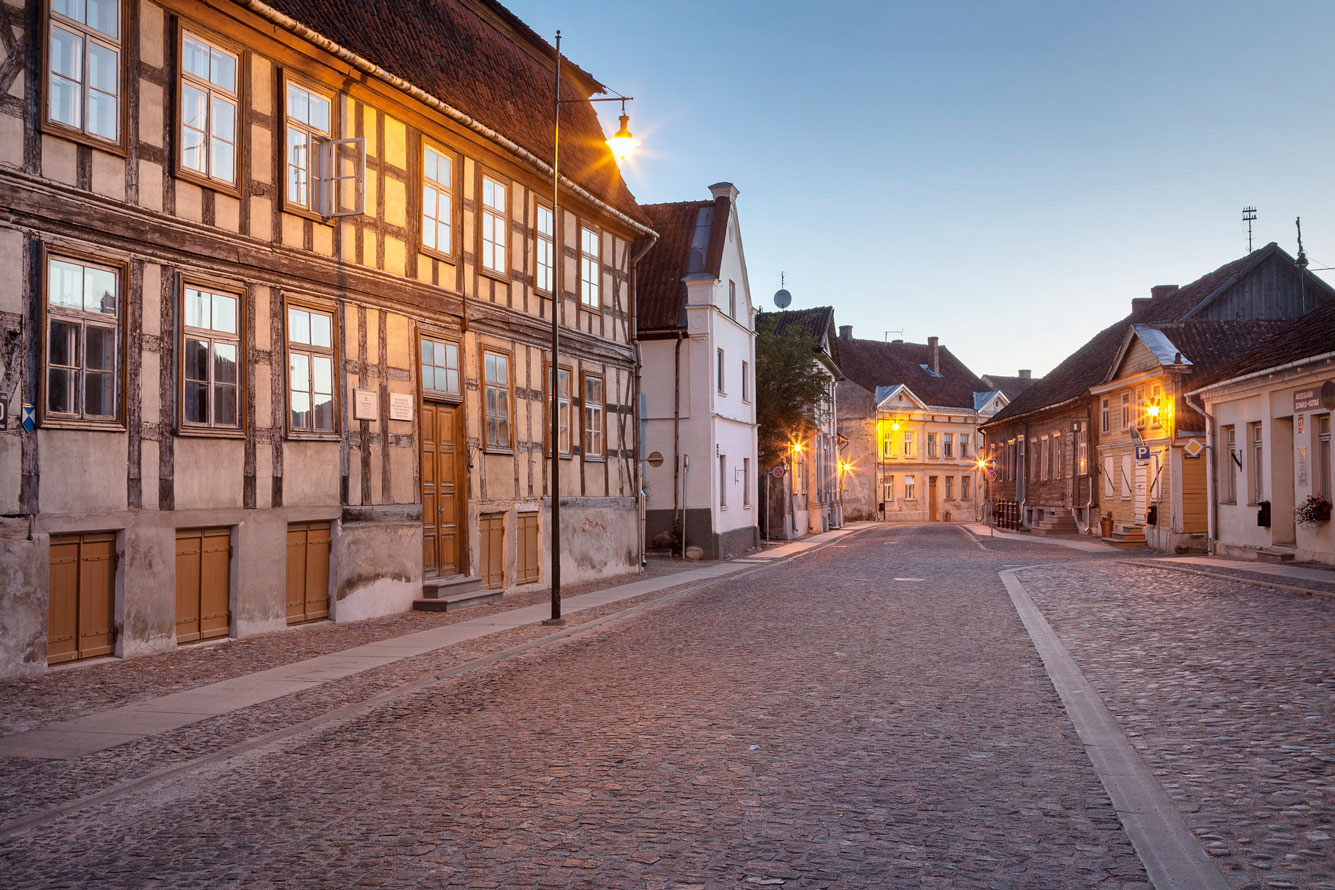
In the city of Kuldiga, every year a race takes place, the participants of which according to the rules can only wear a headdress (most often this is a wreath). Well, more sneakers. For 19 in a row, a “naked race” has been arranged on the eve of Ligo - one of the main folk holidays of Latvia. Cross is a tribute to tradition: according to legend, a run in which the mother gave birth to a night before the holiday contributes to health and beauty. Typically, the run under the starting shot begins in the center of the old city, from where the participants run to the old brick bridge over Veu. And at the end of the race they give everyone beer!
Find out the story of Shmakovka is such a national drink
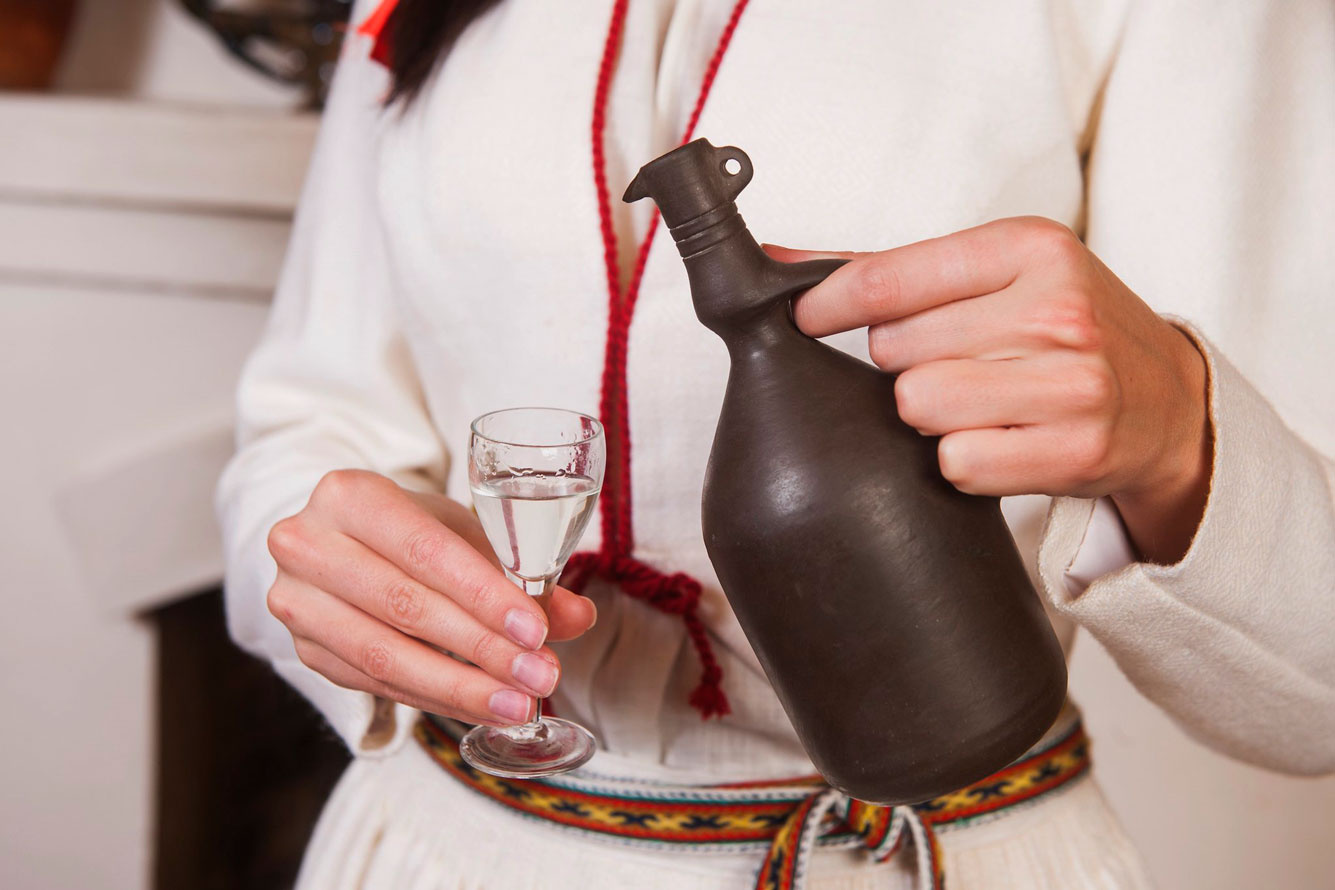
Since Soviet times, there is a stereotype that the dark Riga balm is the main alcoholic drink of Latvia. But this is not so. For example, in Latgaly, the eastern part of the country, the main drink is Shmakovka. This is a collective (and relatively new) name for various liabilities that are produced here. A whole museum dedicated to this drink is opened in Daugavpils. Here they talk about the history and culture of production (yes, these are family secrets, and yes, today even small production is official licensing), and also let it try. Shmakovka can be very different. For example, smell of the Baltic forest, if oak bark has become a product for it. Or be closer to Calvados if they made it on the basis of Latgal apples.
Live in a luxurious tent on Lake Dagda
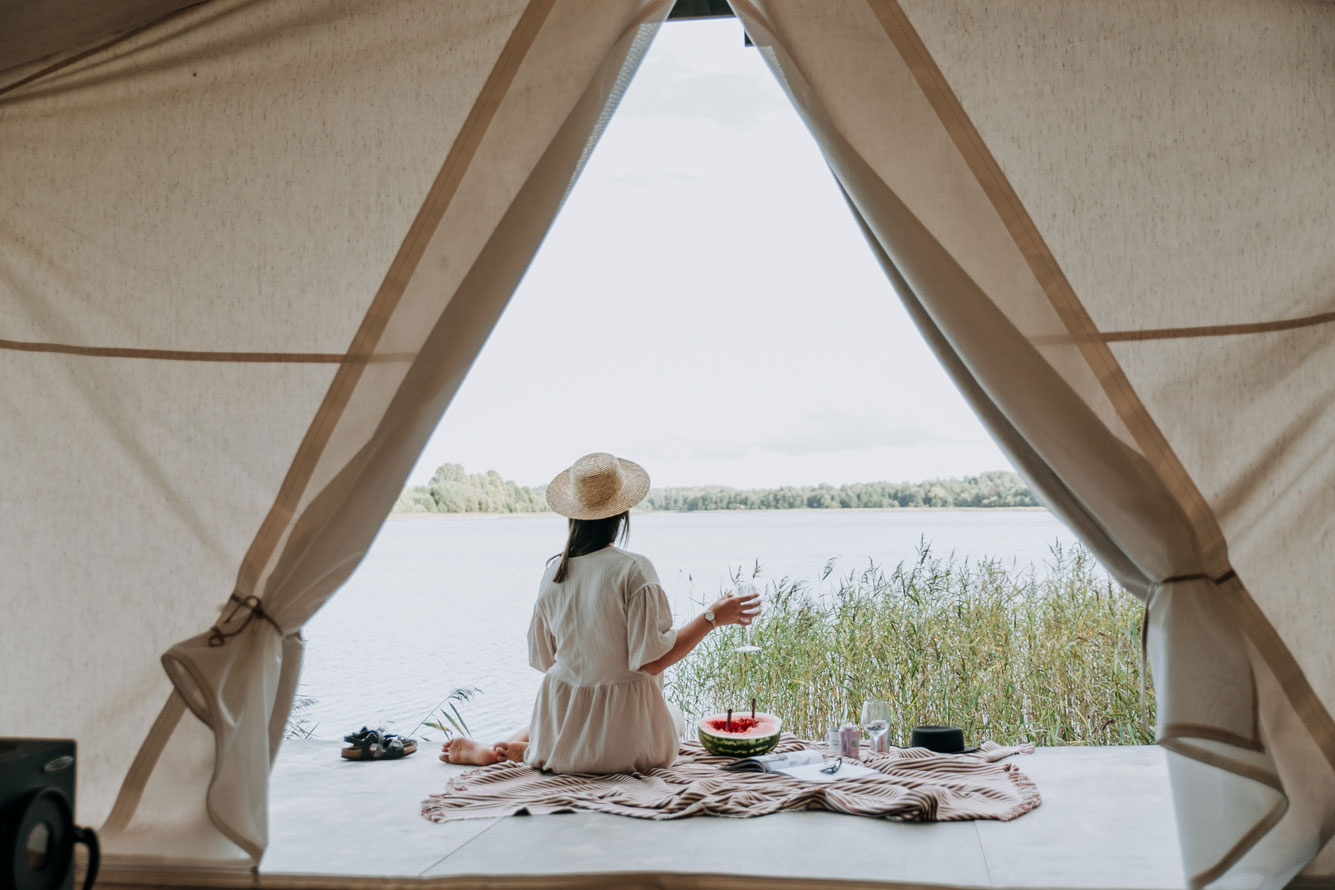
Glamping is like a camping, that is, a tourist rest with a tent as the main character, only this time a tent is no worse than a luxurious hotel. The word "glamping" is formed from the English Glamor and Camping, that is, in fact it is glamorous camping with all amenities: a shower, a full -fledged bed, sockets and wireless Internet. The main thing is proximity to nature. For example, as in Latvian Latgaly. A few years ago, on a small island in the middle of Lake Dagda, an elite tent town grew up: here you can wake up under the singing of birds, to contemplate the beauty of untouched nature for days and spend evenings with a glass of wine by the fire.
Go down to a secret bunker in a ligat
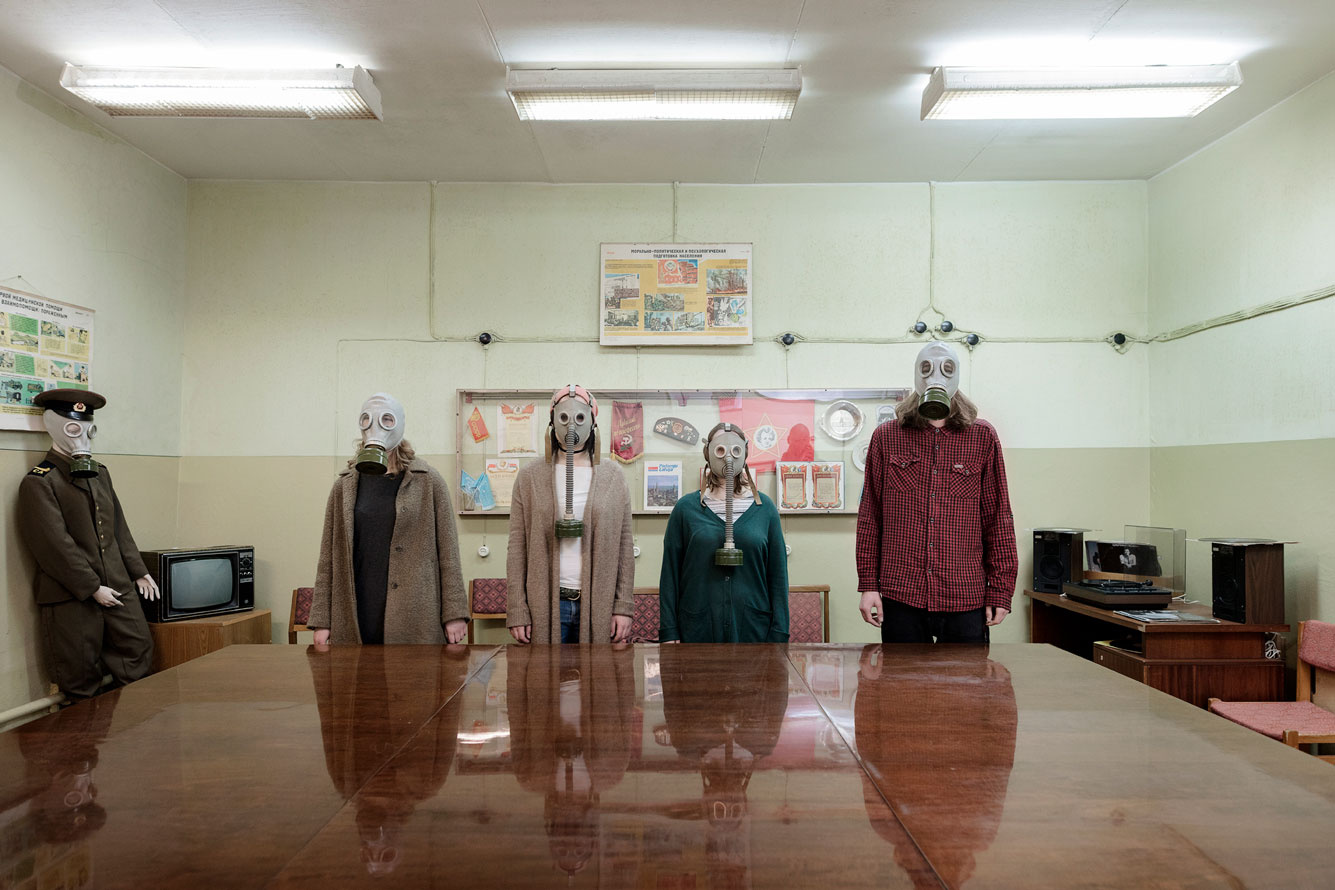
In the building of the former boarding house in a ligating, or rather right under it, there is a perfectly preserved hopper of Soviet times. Shelter was built in the 80s of the last century, it was intended for the Latvian Communist Elite in case of a nuclear war. The object for a long time remained secret: for 30 years, even the boarding officers did not know what was under their feet. Today the bunker is open to visitors. Here you can see a diesel power station and a oxygen production workshop, try a collective farmer’s lunch (soup, compote and rye bread), and also participate in a reality game. As planned, its participants become secret agents and fulfill the secret mission to save the country from the disaster.
Make your own chocolate at the Laima factory
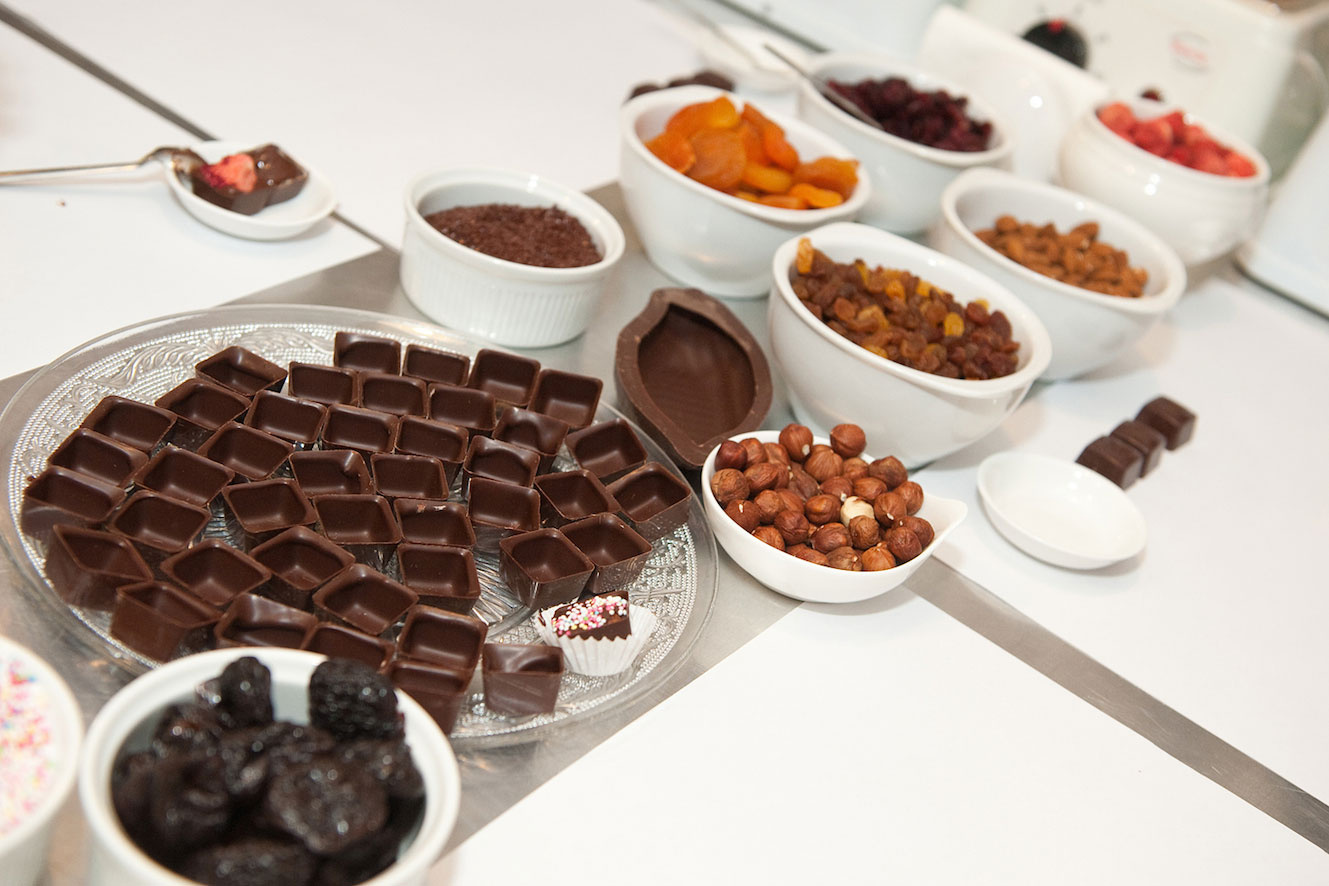
Latvian chocolate is sold from the United States to Southeast Asia, and with the oldest Laima factory there is a museum in the country. There you can see how cocoa beans turn into tiles and bars, find out the history of the industry and the features of the production of sweets, and also make your chocolate with any inscription. In the museum, you can even celebrate a birthday or arrange a bachelorette party. In addition, its own “chocolate school” works here, where you can spend all day and feel like the hero of Charlie and Chocolate Factory.
