
Translated material
Private virtues. Is there civil society in Russia?
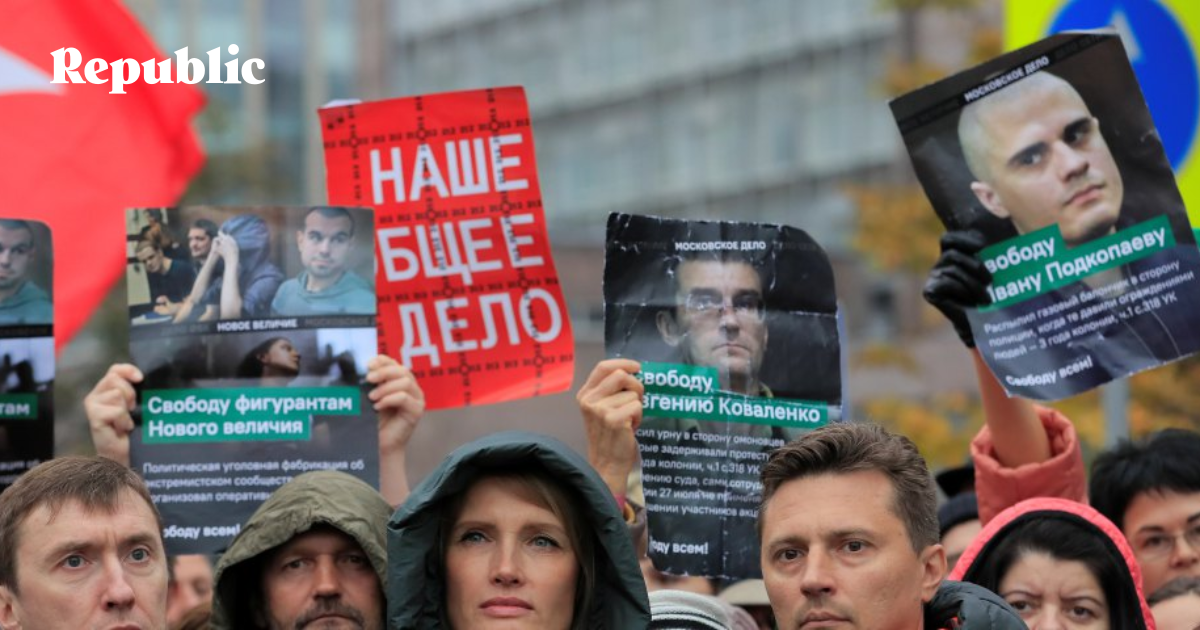
In the summer of 2019, a large group of opposition politicians attempted to take part in the elections to the Moscow City Duma, but they were denied registration on very dubious grounds. Unregistered candidates brought Muscovites to street protests. Hundreds of protesters were detained, dozens were subjected to criminal prosecutions. The response to detention, arrests and criminal cases were an even more powerful wave of protests.
Their basic requirements:
- freedom of peaceful rallies and demonstrations;
- reform of courts and law enforcement system;
- the release of political prisoners and the cessation of criminal persecution of the opposition;
- Free admission of the opposition to the elections.
The corps of independent observers turned out to be strong in the elections to the Moscow City Duma. As a result, the opposition received 20 out of 45 seats in the metropolitan parliament - the best result over many years. All this confirms the hypothesis of the progressive development of civil society (GO).
If civil society is widely understood, as a public space outside the family, state and market, where people are united to promote common interests (determining the international alliance on the study and support of civil society Civicus), then it is clear that 1) civil society is a defining factor (necessary condition) for the existence and functioning of the rule of law, liberal democracy and free market economy; 2) the prospects of the rule of law, liberal democracy and a market economy in Russia depend on the formation of civil society to a decisive extent. What is the state of civil society in Russia?
Our considerations can be formulated in 10 basic theses.
Subscribe to read the whole
Make a subscription Redefine.media to read Republic
Subscribe [you can pay for a Russian or foreign card. The subscription is extended automatically. You can unsubscribe at any time.]
Where are the money subscribers going