
Translated material
Toilet with a magic wand
"Medusa" and Jacob Delafon talk about the evolution of plumbing
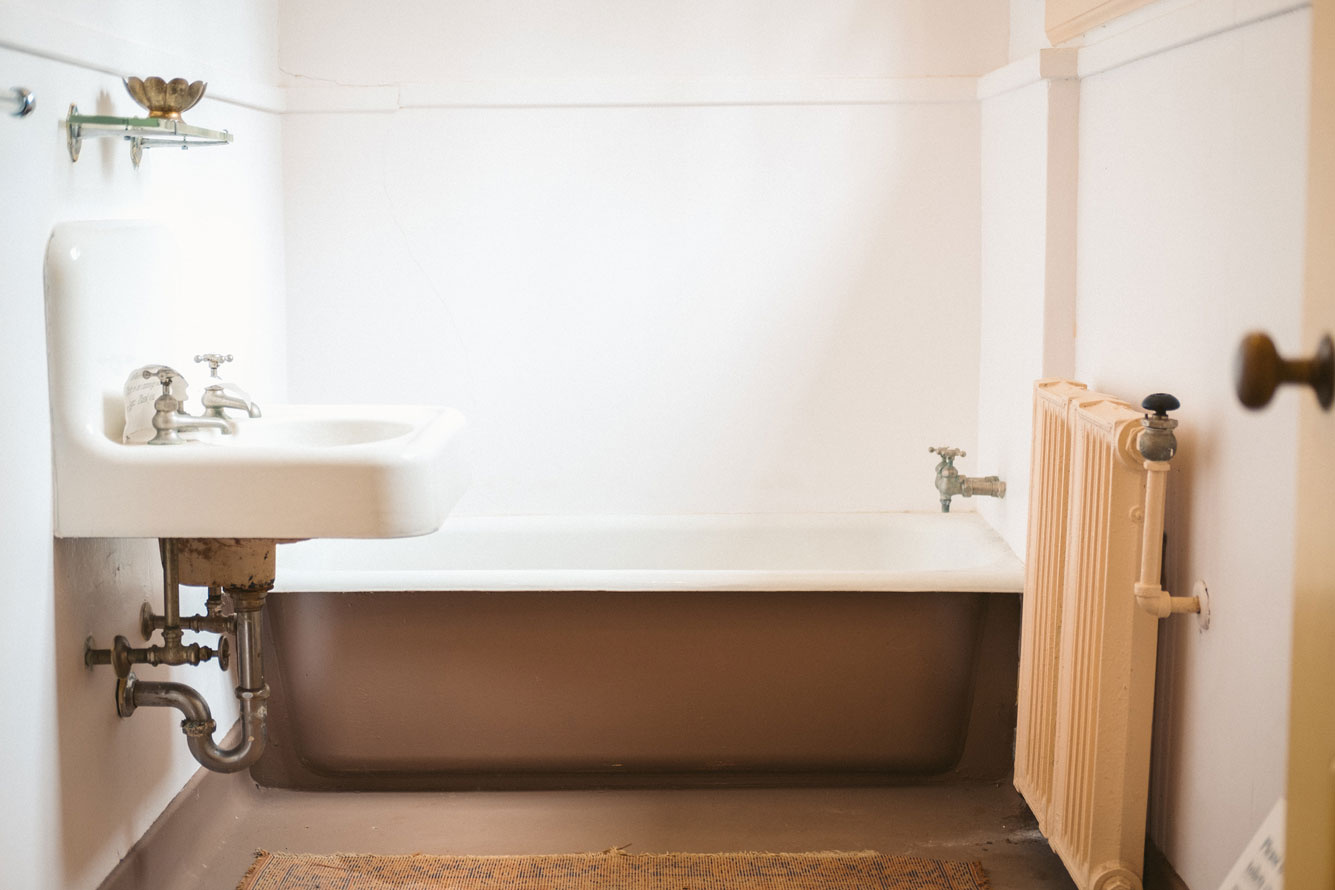
You can hardly imagine life without bathrooms. Do you know how bathrooms and toilets have changed and what opportunities they will have in the future? Together with Jacob Delafon, we tell how plumbing has evolved over the past 130 years.
End of the XIX century: toilets, mixers and public toilets
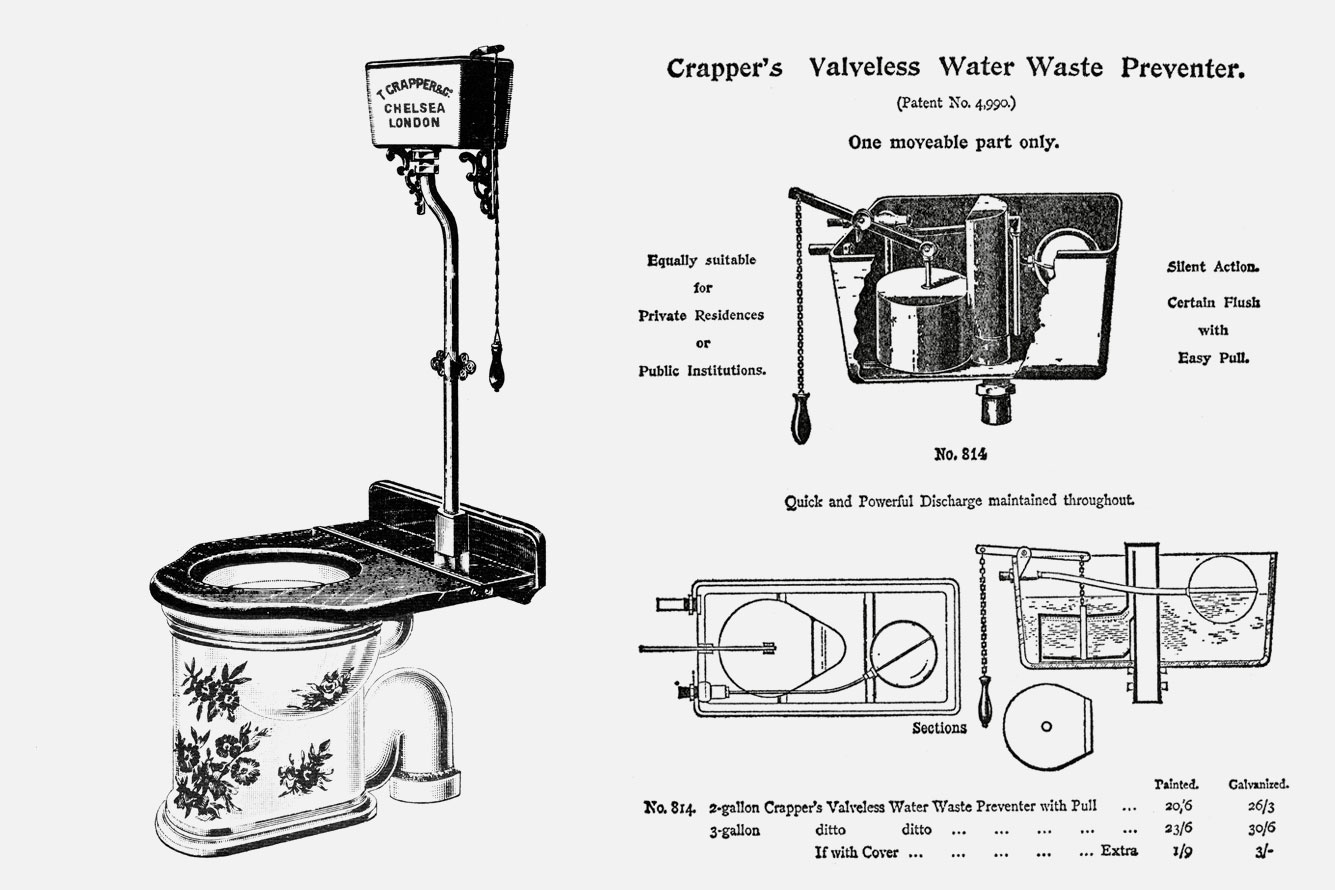
It was at the turn of the XIX and XX centuries that the bathrooms began to resemble modern. For example, in the second half of the 19th century, the Englishman Thomas Crapper invented the drain tank - in fact, with his appearance, the toilet began to look like today. A little later, they began to make the bowl out of the faience, and the structure was equipped with a wooden seat. If earlier the toilets were cumbersome and included a bowl and pipe-gone, now they have become compact-according to one version, it is from here that the word “toilet” comes from here (“unity” means “unity” on the Latin Unitas). For the first time, the modern toilet model was widely represented at the London International Exhibition dedicated to healthcare. There, the product received the highest award - a gold medal. Around the same time, modern public toilets began to appear. The first - at the World Exhibition in London in 1851, the entrance there was worth one penny. This phenomenon reached the end of the century.
The centralized sewer system appeared in Moscow in 1898, but by 1917 only half of the houses in the center were connected to it. In the rest, in the old fashioned way they used cesspools.
Then, at the turn of the century, other plumbing devices were invented, without which it is impossible to imagine the bathroom and toilet. For example, the Scottish-Irish physicist William Thomson came up with the first mixer-a device for combining cold and hot water. And at the end of the 19th century, American industrialists created household gas water heaters, which remain popular so far.
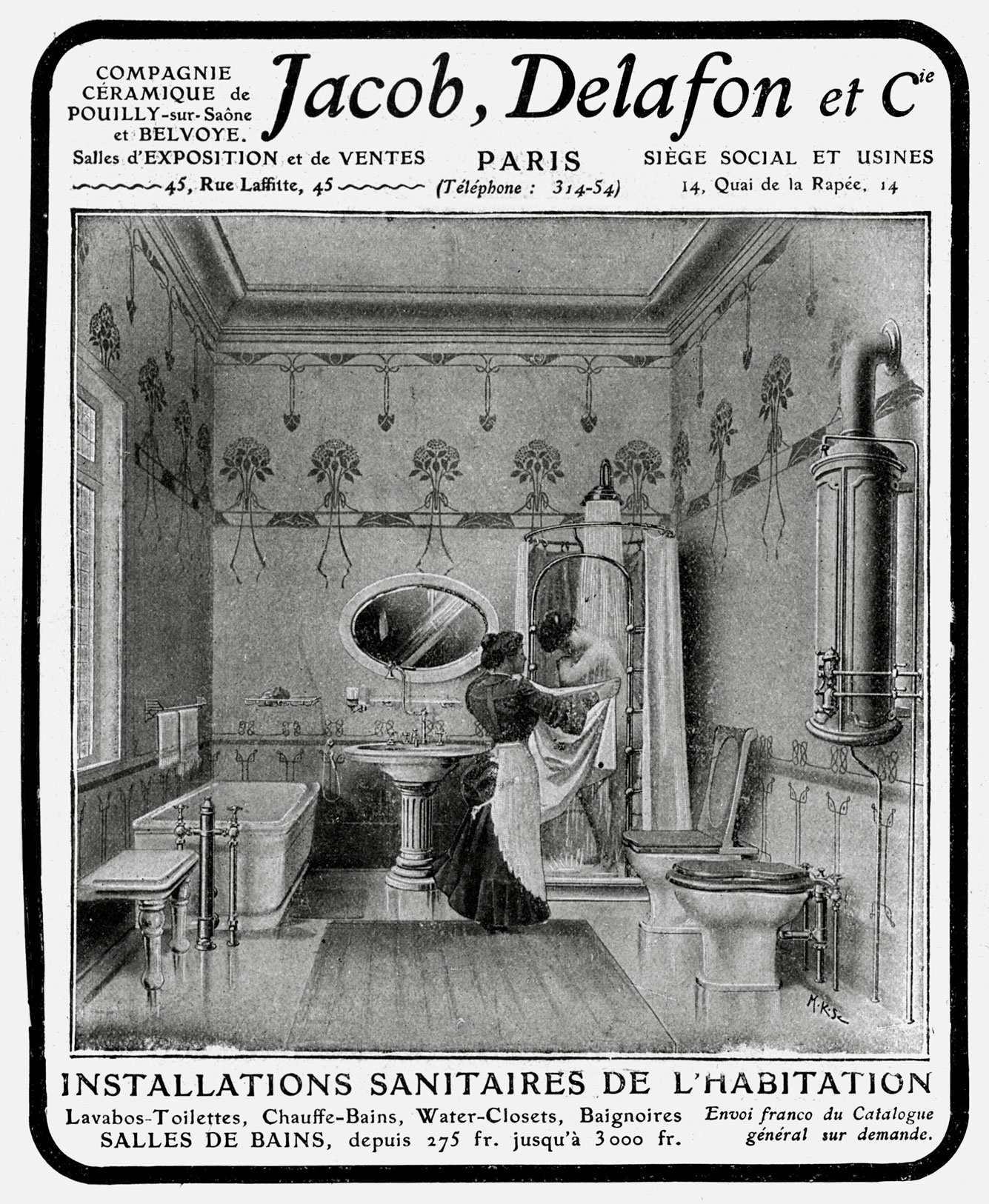
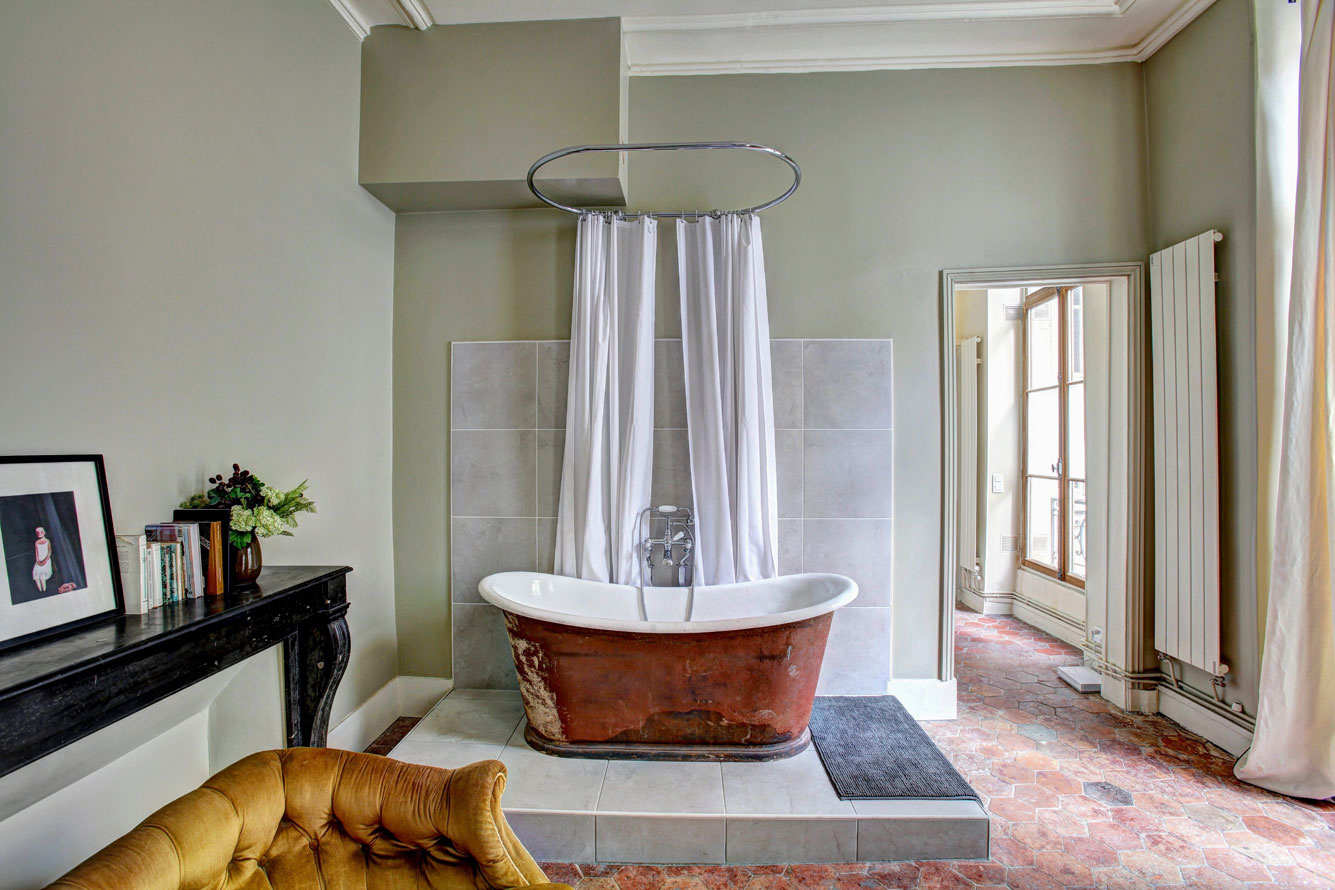
And 130 years ago, Jacob Delafon , which produces plumbing, was founded. From the very beginning, the company attached great importance to design. For example, this is what one of the first baths created by the company looked.
XX century: bidet and jacuzzi
In the middle of the 20th century, there are more plumbing devices. For example, at this time, Italian entrepreneur Candido Yakutszi comes up with a hydromassage bath. In 1943, his son fell ill with a rheumatoid arthritis, and as a therapy he was prescribed massage. Then the Yakutszi, which initially produced pumps for industrial needs, decided to use them at home: the device he had invented when immersed in the bath issued a massive stream from a mixture of water and air. Jacuzzi quickly became popular : Hollywood stars were publicly told about the device, he was played out in the popular American television show, they were installed everywhere in fitness centers and expensive cottages. And later, the product began to be used not only for therapy, but also just to relax and relieve fatigue.
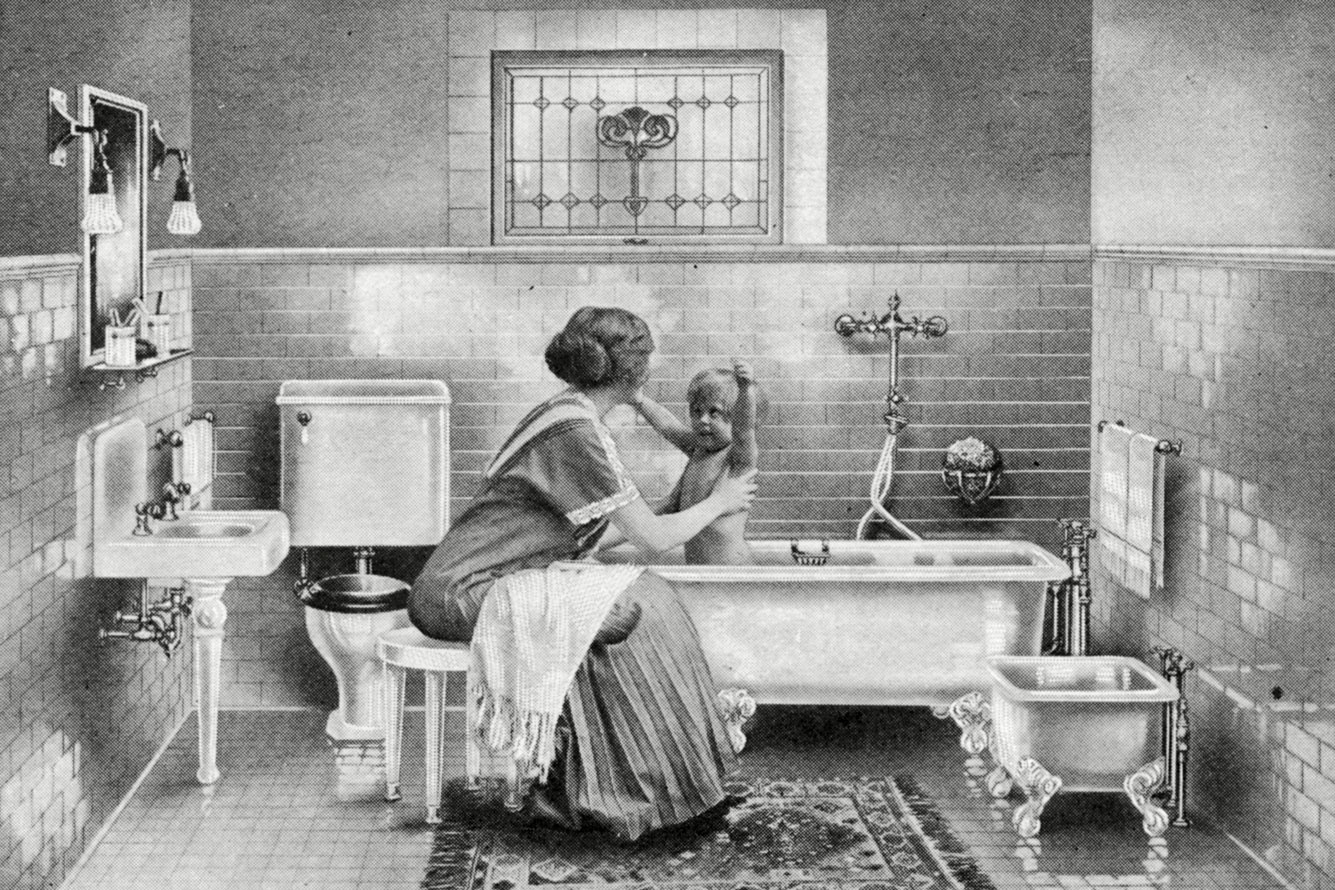
In 1960, an electronic bidet first appeared - more than two centuries after the usual was invented. Like a jacuzzi, initially the electronic version was invented for medical purposes. The bidet was intended for heavy patients who are not able to use toilet paper or hygienic shower. And in 1980, in Japan, full -fledged “toilets without paper” began to produce. They also combined the function of the toilet and the bidet, and could also dry the corresponding areas of the skin after hygiene procedures. At the same time, the bidet was popular in Europe. For example, in 1975 in Italy they even adopted a law according to which the device had to be installed in the bathroom of each house.
Initially, the bidet is a French invention. Jacob Delafon , which this year has celebrated 130 years from the date of founding, also comes from France. Its assortment has classic models that remain popular for decades. They, for example, include a bath on the legs of Cleo - its design remains unchanged for almost a hundred years.
Modernity: wooden baths and gold toilet
With the development of the chemical industry, this revolution is experiencing the production of baths. At the end of the 20th century, they began to be made from different types of plastic, acrylic and even marble. And the most expensive bathtub in the world was completely made of petrified wood with an age of about 180 million years. In addition, the forms and design of products are changing. The interiors of modern bathrooms are increasingly becoming a reflection of culture: for example, they are designed in the style of pop art or ar-deco , they are made emphasized luxurious or, conversely, deliberately minimalistic . And sometimes bathrooms completely expand their boundaries: for example, in recent years, the trend has become popular when the baths are installed in the bedrooms - right near the bed.
Today, plumbing products themselves become works of art. For example, in 2016, the Italian artist Mauritszo Kattelan created a toilet of real gold of the 750th sample worth more than a million euros. For the first time, the toilet called “America” was exhibited at the Guggenheim Museum in New York, while anyone could use it for its intended purpose. True, it is impossible right now: in 2019, the toilet was exhibited in the British Blenheim Palace and stole it from there. The thief has not yet been found.
Future: toilets with a “magic wand” and “smart” bathrooms
Plumbing continues to evolve. For example, last year, the founder of Microsoft Bill Gates presented a high -tech toilet, which does not need water or waste pipes for work. At the same time, the futuristic toilet is also environmentally friendly: it can process waste into chemical fertilizers.
And in Japan, some time ago they created a toilet with a “magic wand”. This, by and large, is an improved version of Japanese toilets without paper. But such toilet is attached to the control panel with the washing and drying option: it supplies a stream of water at an adjustable speed and at an adjustable angle, and then gives hot air and triggers the washing and ultraviolet cleaning. The toilet seat is heated to a pleasant temperature, and a special deodore provides a pleasant smell. There is such a product about 12 thousand dollars.
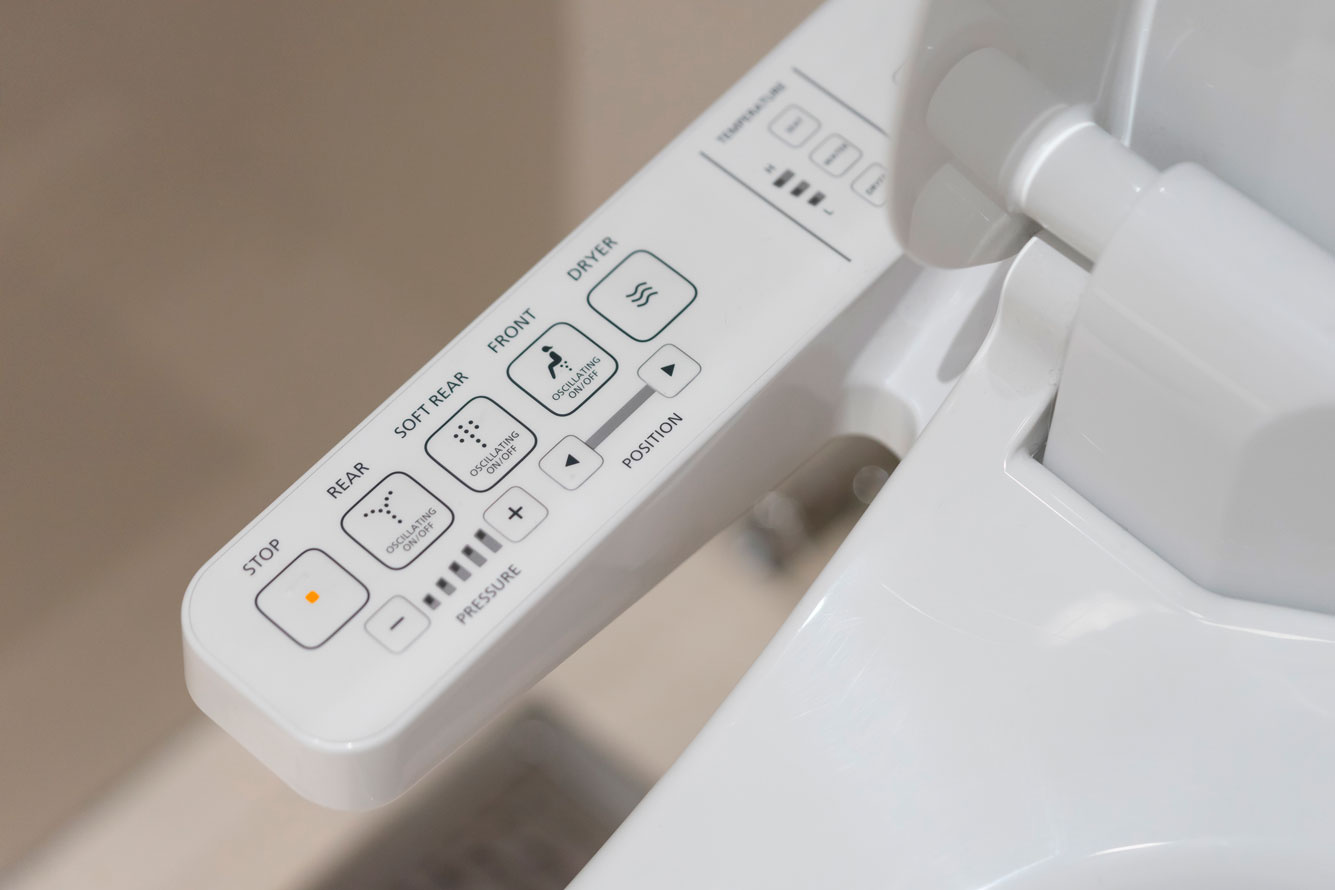
And the other Japanese company produces toilets, the settings of which can be adjusted from the phone-for this you must first download the mobile application and connect the device to Wi-Fi. In the application, you can even control the state of health - for this there is a "diary of visits to the toilet."
In the future, “smart” toilet technologies can make life not only more convenient, but also safer. For example, innovative devices will be able to monitor the health status of users: analyze the urine and send data to the smartphone so that they can be shown to medical workers later.
Since 1889, Jacob Delafon has been producing plumbing in the French style. For example, the new Nouvelle Vague bathroom collection simultaneously combines the features of the past and the present-it is inspired by the design of the 1950s and the loft style.