
Translated material
"Return meanings to the most important texts." Earlymusic festival was held in St. Petersburg
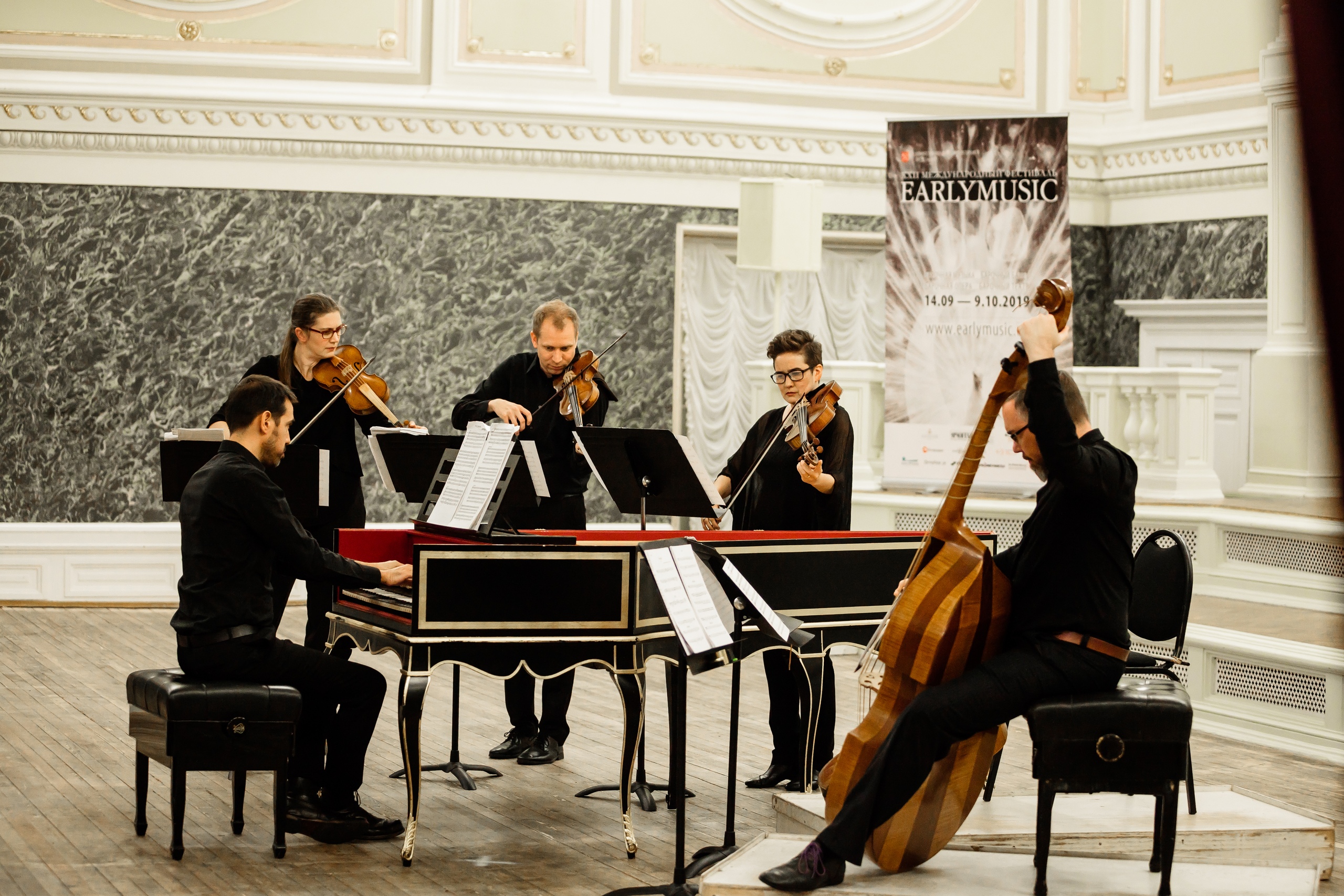
Almost a month, from September 14 to October 9 in St. Petersburg, one of the most magical festivals in the world - Earlymusic . Baroque violin sang in concert halls and palaces, the ballets dedicated to Anna Ioannovna and Louis XIV bizarrely bloomed. The festival with such an exquisite program has been held in St. Petersburg for the 22nd year
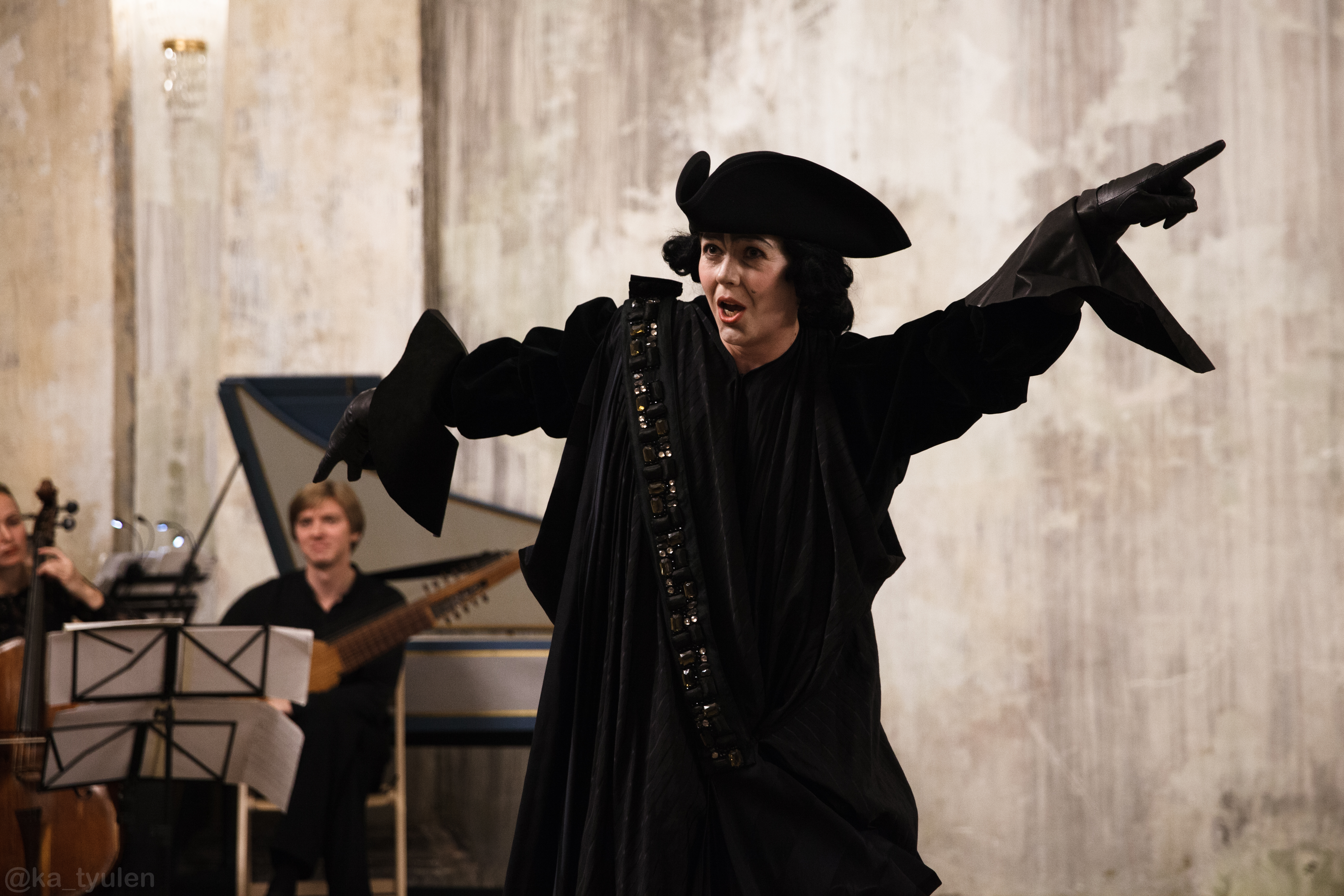
... newlyweds, young and beautiful, somehow frivolously, almost by distraction, change each other. However, love is stronger than other accidents - young people forgive each other, and it seems that the shadow of the tragedy dissipates forever - he and she will live happily ever after. But never say: the Cretan king Minos is in love with her, the goddess of Dawn Aurora is in him.
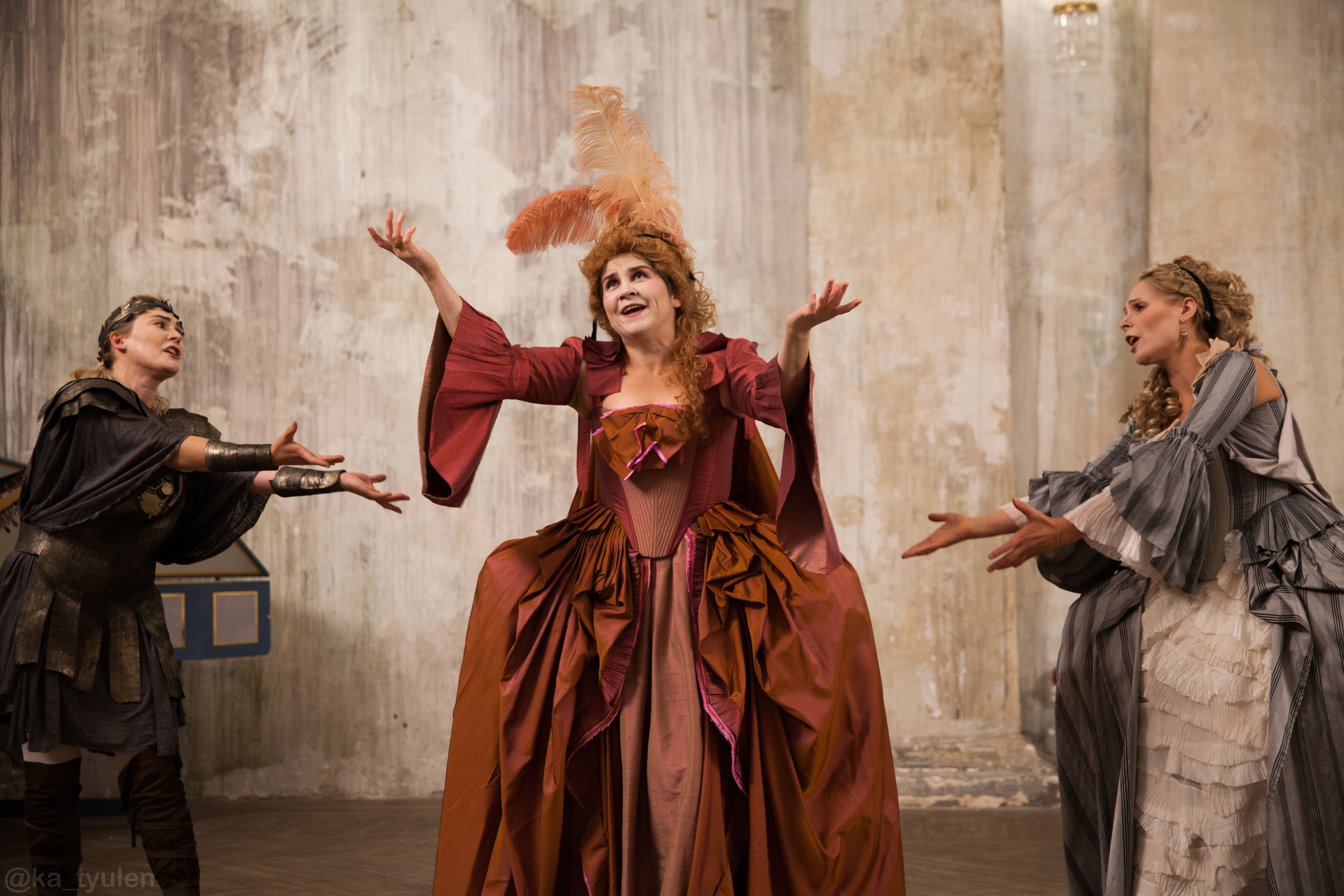
The young husband refuses the goddess, but the young wife, tormented by jealousy, hides in the bushes - to spy whether he does not change her. He takes her game and shoots her. This is the plot of the first Russian opera “Cephal and Shortes”.
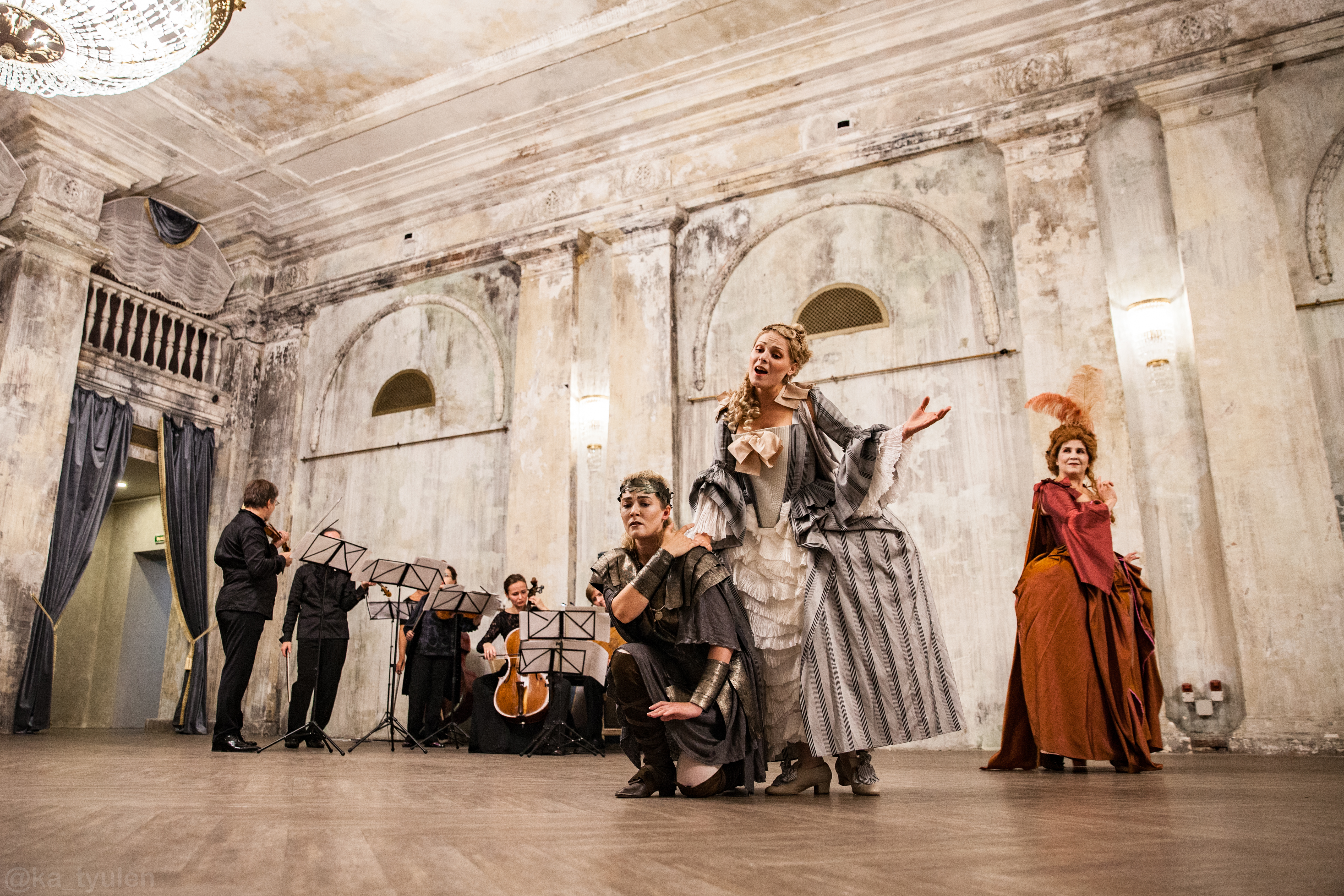
Two more young and beautiful ones, Atis and Sangaride, love each other, but Sangarida is promised to the wife of Atis, moreover, the gods intervene again, and it all ends very badly.
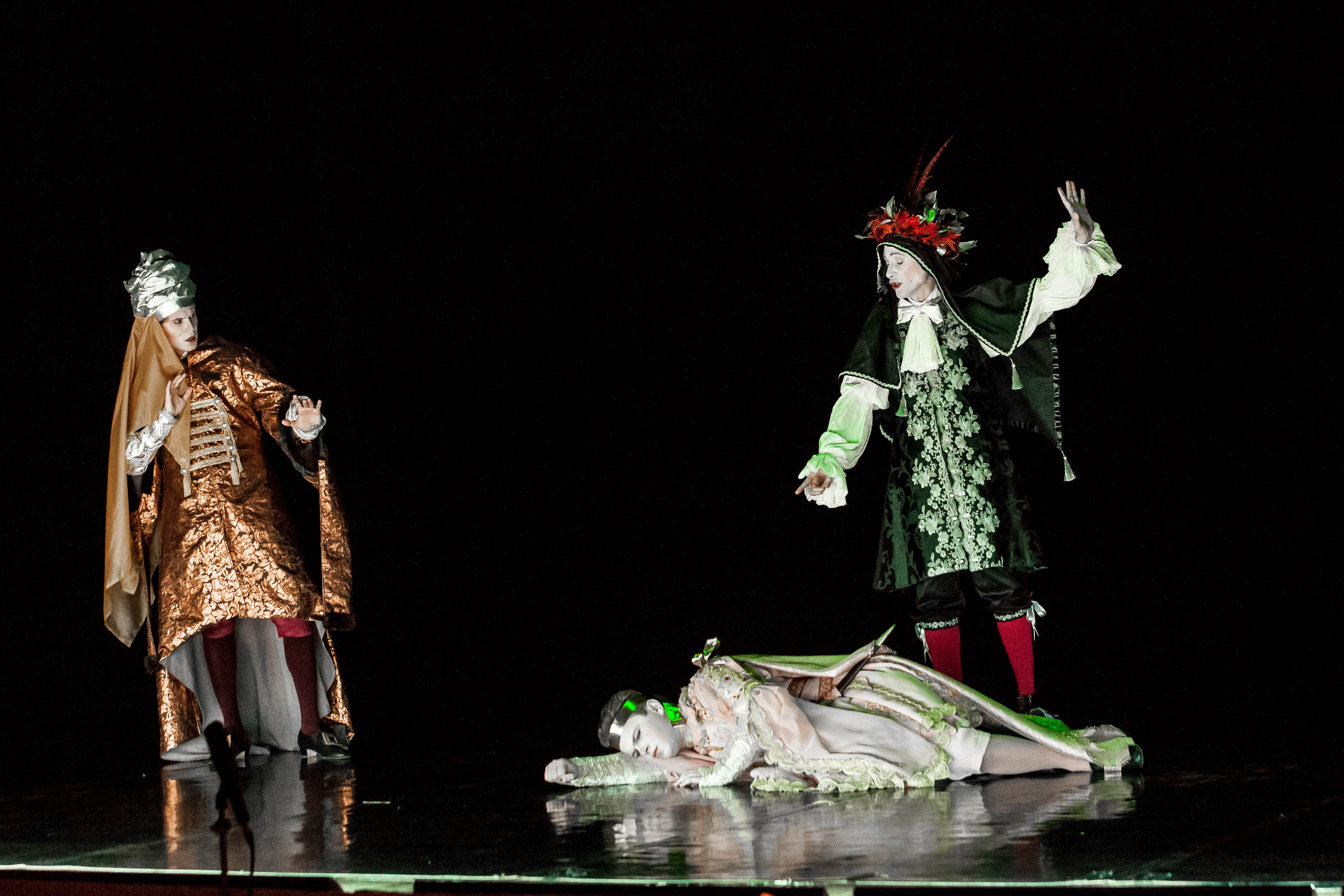
Atis, through the fault of the goddess Kibela, in a fit of madness, kills his beloved and, seeing his deed, hesitates, and the goddess in love with him in late repentance turns him into a pine tree. Such is the plot of the beloved opera of Louis XIV "Atis". You can’t argue with the Sun king, but it turns out that such performances today enjoy the great love of the Russian public.
The Earlymusic festival is not just the music of Baroque, Renaissance, the Middle Ages and classicism in authentic performance. Games over time are popular today, a lot of reconstructors recreates either Napoleonic battles, then the battles of World War II, then knightly tournaments. What Earlymusic does is not a reconstruction, this is a much closer peering in a person of past eras. Therefore, carefully recreated costumes, gestures, speech, a manner of playing a violin or harpsichord - this is not an end in itself, but an instrument - to better see a human soul. That is why today, 22 years after the birth of Earlymusic, its creators were not exhausted, but gained a clear vision of their tasks, ”says Andrei Reshetin, the Baroque violinist, who also heads the Ekaterina Velikaya ensemble, says the Baroque Scripter Festival.
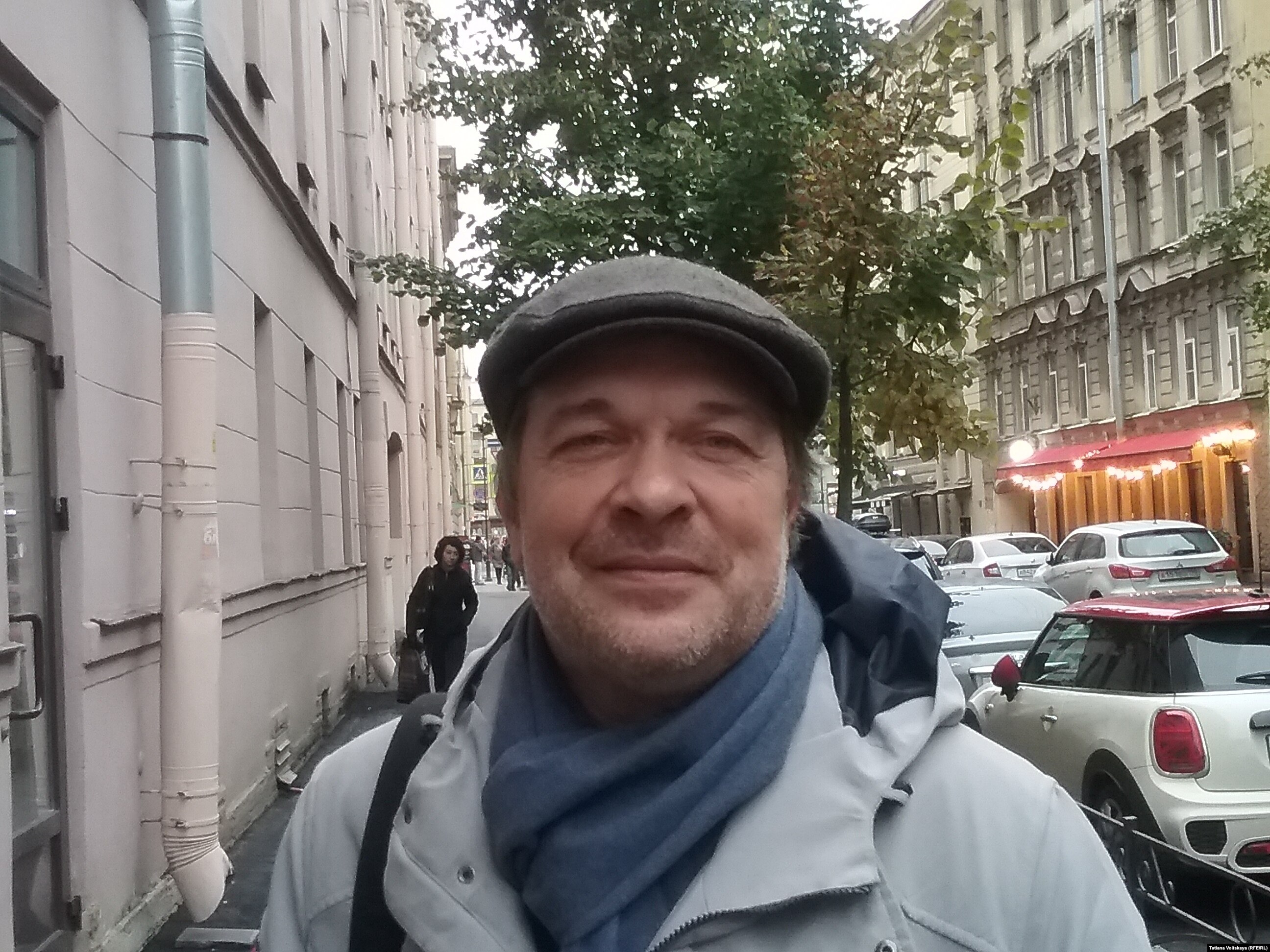
- Andrei, such a festival, like yours, should have a wonderful birth - do you remember how it began?
-In the 90s, a small ensemble of ancient music by Musica Petropolitana appeared in St. Petersburg, I was a violinist there. In 1993, we won the van of Wassenar , this was the first time when Russian musicians engaged in authentic performing rose so high. This revealed us different opportunities, we toured Europe, saw and heard a lot, and we wanted to share it. Once I walked on the Vasilyevsky Island, looked at the Neva and thought - Lord, because this city was created for the old music festival - why is it not? At that time in England there were the best baroque violinists, Monica Hagget and Andrew Manzi, we dreamed of inviting them. It was a year before the 300th anniversary of the Great Embassy. We turned to the British Council, and its new director, Elizabeth White, began to help us. The idea was like that-Peter's embassy to Holland, and then in England it became a powerful injection, after which we have everything, but the old music, which powerfully blossomed in Europe in the 70s of the twentieth century, is not-so we will not repeat the experiment, whether a set of concerts. And Elizabeth White said - yes, but why concerts, let's make a festival. The first festival took place in 1998.
- We got a fantastic country from our ancestors, it is unfinished, and this is fine - it means that there is work for us. This is an impetal blanket of cultures, it must be represented by one as a flowering meadow. Under Peter the Great, Dmitry Konstantinovich Kantemir lived here, Anna Ioannovna brought Italian musicians here, there were Turkish musicians next to them, Ottoman music, Kantemir first translated the Koran into the Tatar language, few people remember this. He wrote a huge treatise “The History of the Highness and Decline of the Ottoman Empire”, composed a lot of Turkish music, which is now considered folk, and he was also an excellent architect, he himself built his palace and several Greek churches in Constantinople. And here his palace was next to the marble palace, this was the first building of the young Francesco Bartolomeo Shotrelli. And, of course, Kantemir influenced him as an architect, we can assume that there were Ottoman motifs in that palace, and this circles his head and changes our ideas about St. Petersburg. And the first Russian-Japanese dictionary was compiled under Anna Ioannovna. That is, the flowerbed is visible on the surface-our fatherland, and the roots go to different ends, and this shows us that the key to ourselves always lies in someone else, so God arranged.
- How did it happen that your festival has become such a huge educational project?
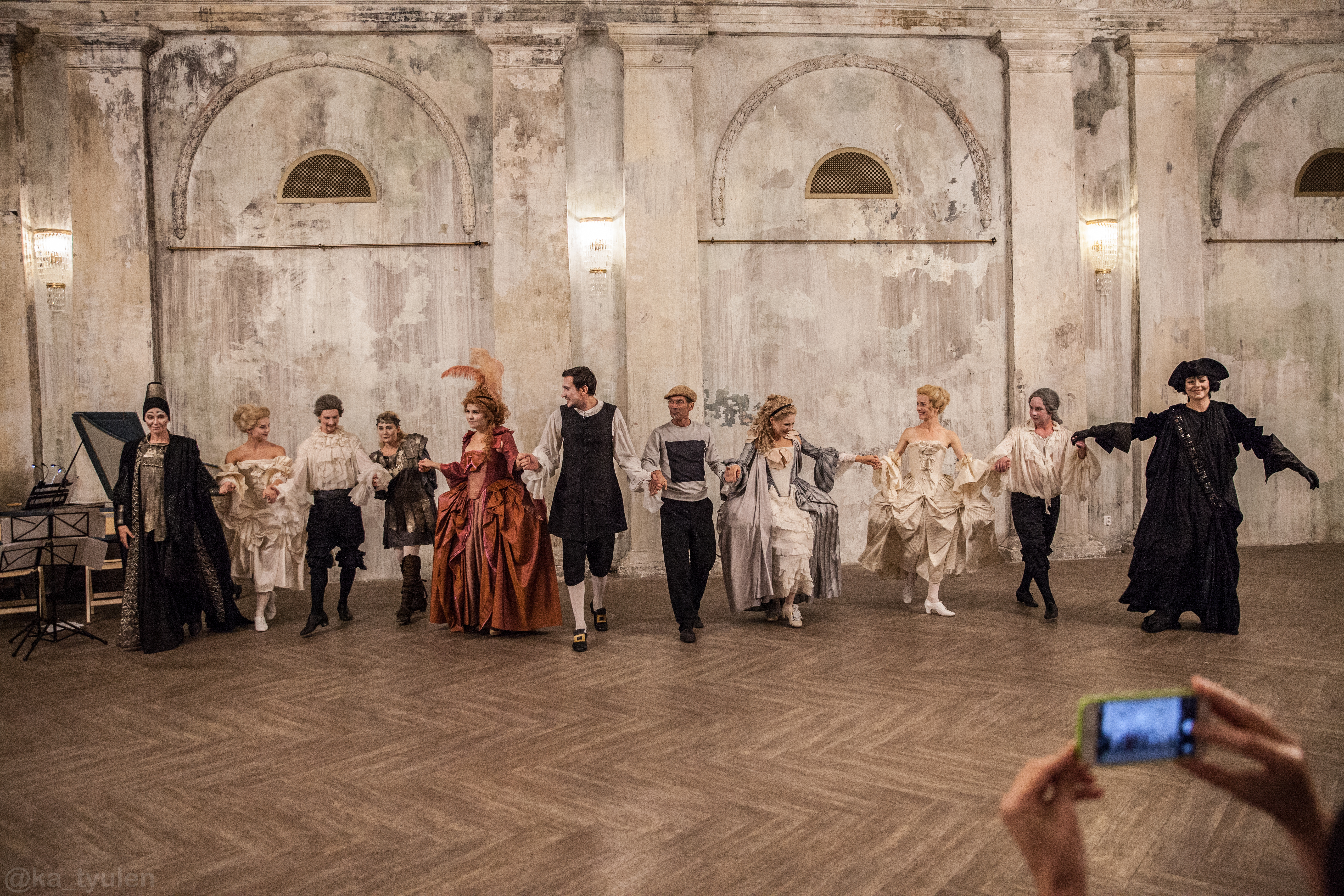
- We combined our educational projects called Old AXL Academy Earlymusic, in honor of the old Axel, the underground artist ( Boris Axelrod - SR ). He had such a property - next to him people opened. Old music exists in Russia largely thanks to his attic, it was the heart of the St. Petersburg underground in the 70s, in 1982 he was expelled from the USSR, it was very difficult for all of us. Now we understand that Old AXL Academy, our research educational projects have become the heart of Earlymusic. We have been conducting these projects for a whole year, and then we present the result and invite stars to compare this result with what is in Europe. The main word for the festival is development. We restored our idea of what the music was in St. Petersburg in Russia throughout the XVIII century. We have never been a secondary culture, we have always determined its paths, just in us unconsciousness - visibly, from our wealth. Opera and ballet in Russia in the 18th century were the best. The ensemble “Soloists of Catherine the Great” is engaged in this music a lot, we restored the opera “Cephal and Shortes”, we pay a lot of attention to the Russian ballet - which, for example, he was under Peter the Second. As for the music of the late XVIII century and the beginning of the XIX, there was a lot of the Moscow team Pratum Integrum, led by Pavel Serbin, who restored a huge amount of music. He himself is a cellist, and he discovered such outstanding cellists as Johann Henry Fatsius, who served for 25 years with Sheremetev. It was the best cellist of that time, he surpassed the Bockerry himself. Here is our memory - we are talking about the greatest quarters of the old Viennese school - Haydna, Mozart, Beethoven - and do not remember which quartets were created with us. Nothing can be compared with the quarters of Anton Titsa, the violin teacher Alexander the Great.
- How do you restore all this?
When the Chinese came to us, they were surprised - why do we need a special ensemble of ancient music? We explained - well, how, tradition is interrupted, we must restore.
- It was very difficult to find notes of the first opera in Russian “Cephal and Short”. She was ordered by Elizaveta Petrovna, but we were interested in how she was performed in a very small theater in Oranienbaum, in a picture house with Peter Fedorovich and Ekaterina Alekseevna. The notes on which I played was a copy of the notes by which the future king Peter the Three played. He was a fantastic violinist - there are very complex things, besides, requiring a sophisticated, exquisite taste. And at the festival of this year, we presented the discovery of historian Yulia Demidenko - what a beautiful professional singer Empress Elizaveta Alekseevna was. She published 16-voting Party concerts (this is such a style of singing, much naked), which she performed with her best singers. And Anna Ioannovna was an enlightened monarchy with an exceptional taste, it is enough to see which Italian violinists shone at her court. Empress is the soul of the 18th century. We are admiring Tatyana’s letter, which Pushkin wrote, we are surprised how such penetration is possible - but this was the norm: men in the 18th century, for the sake of a career at the court of the empresses, learned to read the female soul, understand the female heart. And all this was the impulse of Tsar Alexei Mikhailovich. In fact, Peter was not a reformer, his father was a reformer. And the main thought of Alexei Mikhailovich was - is there any self -confusion that our dynasty rules, but are we really pleasing to God? Peter tormented another question - is I worthy of my father.
- Andrey, your view of history is not dominant. How can the festival exist in line with such a vision of history?
“I have something to put on the scales.” We have restored many artifacts that confirm our point of view, artifacts, where there is no interpretation of historians. Last December, the year of the theater began in Yaroslavl about the Yaroslavl Theater of Volkov. A week before, we staged in the Moscow Kremlin, in the Patriarchal Chambers the performance of Simeon Polotsk “Nebuchadnezzar”. We showed how the Russian theater was in the 17th century even under Alexei Mikhailovich, how the Russian language sounded at that time.
- But how do you manage?
- This is again a conversation that the key is hidden from us in another. We have just shown at the Atis Ballet festival Lully. The French restored how the French language sounded under Louis XIV, this methodology allowed something to do something with the Russian language. Elizabeth prescribed that in the first Russian opera “Cephal and Shortes” children sang in Russian. And these are incredibly complex arias, and the drama is complex. But her idea was that children teach adults a lesson in feelings. Today we would say that 1755 was declared by her year of the Russian language and literature: shortly before that, Lomonosov releases “rhetoric”, and now Sumarokov writes Libretto to the first Russian opera. And we had to restore how it sounded. For several years I shook friends-philologists, I have not achieved anything. There was a clue in the form of Panov’s book, I found it in the university “Akademknig”. He talks about the pronunciation of the end of the 18th century, of the low and high style, for example, about how the sound “g” was pronounced differently-sometimes just as exhale, now we say only one word-God. For example, there were beautiful estates on the old Peterhof road-“GA-GA” and “AG-AG”, but it sounded completely different-“Ha-ha” and “Ah-Ah”. It was for me a small snowy lump, which then managed to wound a lot, it became clear, for example, that in the 18th century there were at least 8 ways to pronounce the letter “G”. Say, no one pronounced the “Genvar” as it is written - it was such an “Envar”, the first letter - just exhale. But “fire, obedient to the mind” - from the line of Kantemir - here the solid “g” should sparkle. In the word “who” is completely different “g”, closed, the memory of him remained in writing, and in oral speech it turned into “B”. People knew when to wear a word in what clothes. Art in the concepts of that time is the place where we can lead nature - where it cannot go without a person. Hence the fountains - water, flowing up, cutting trees, singing castrates.
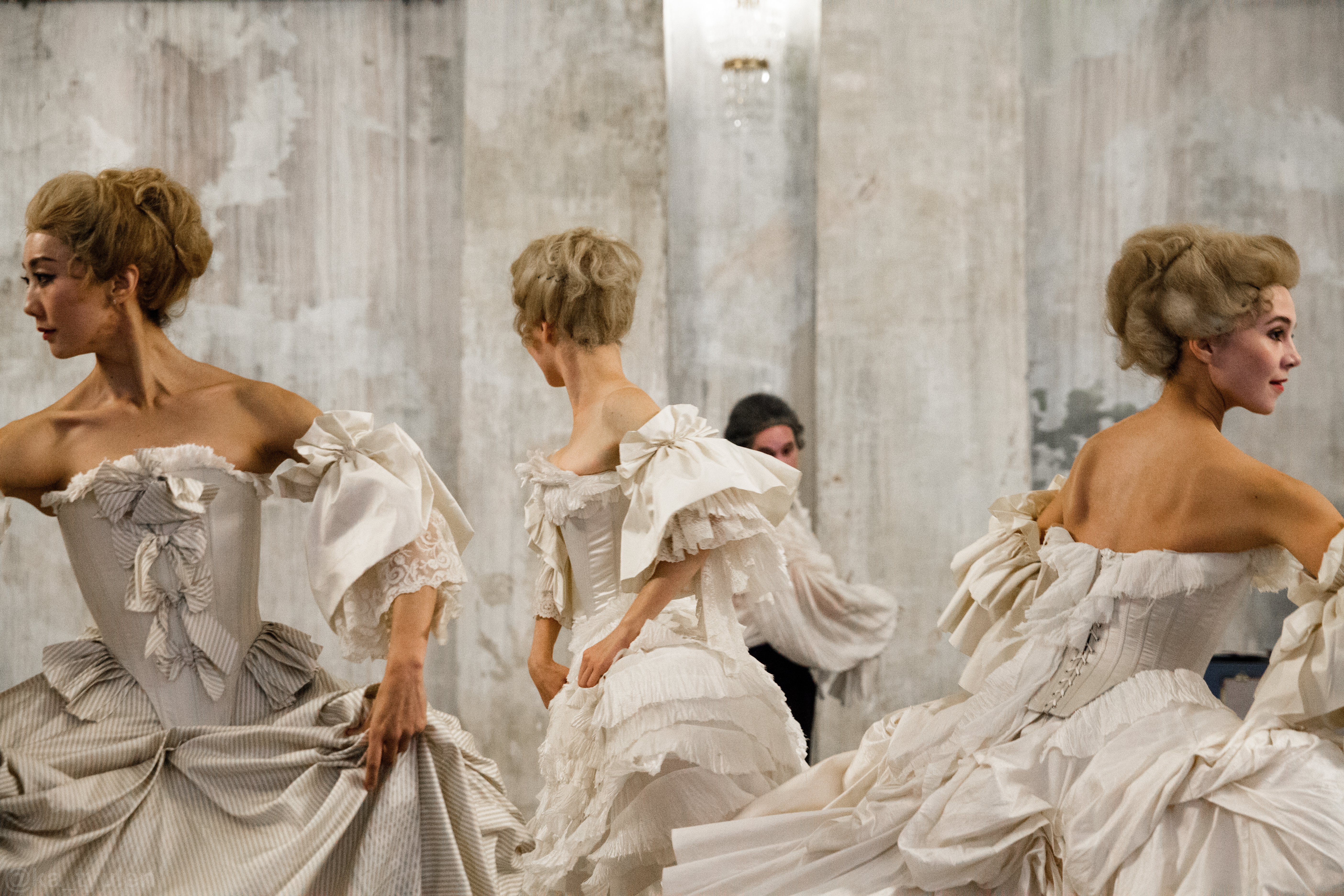
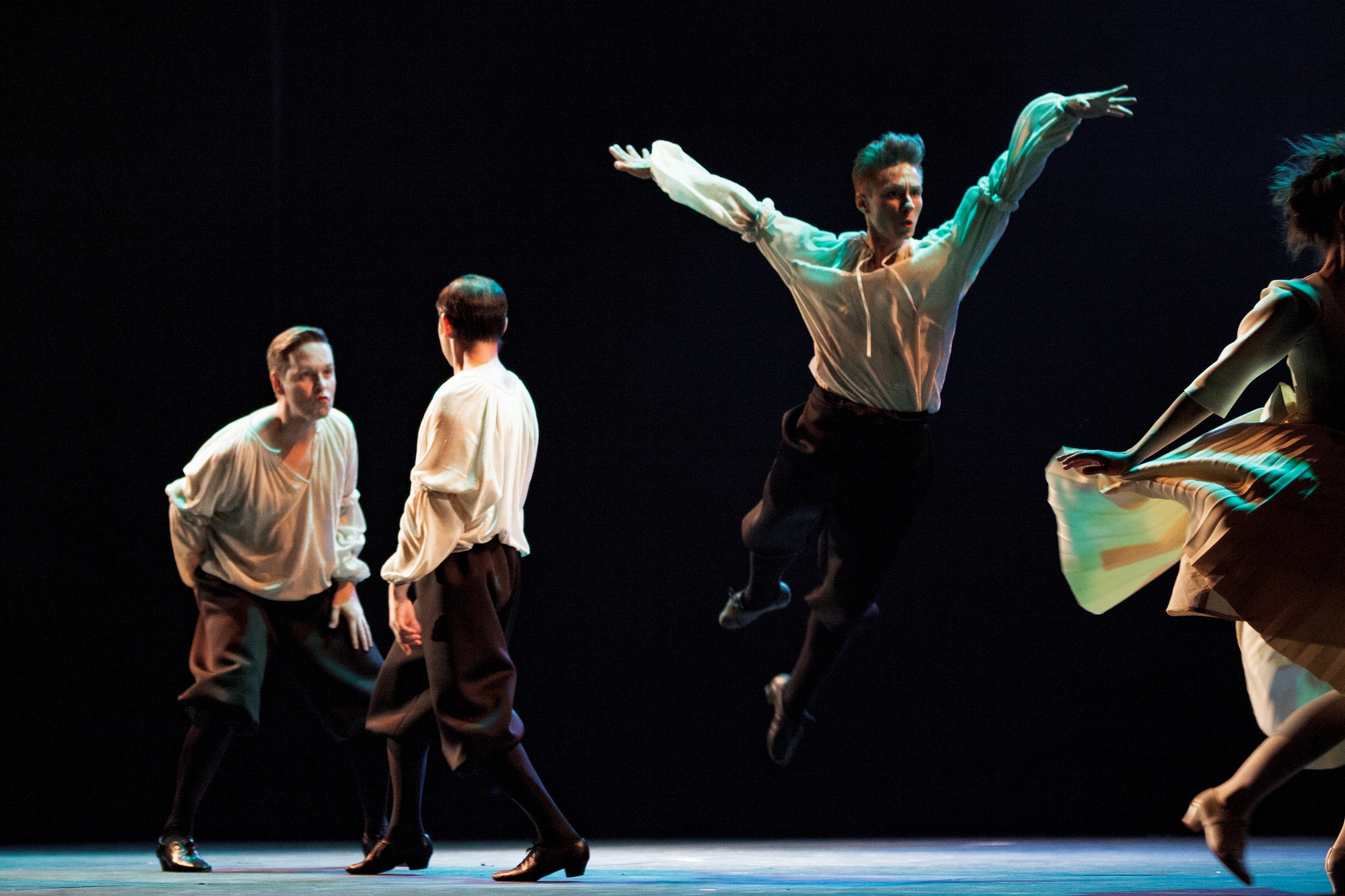
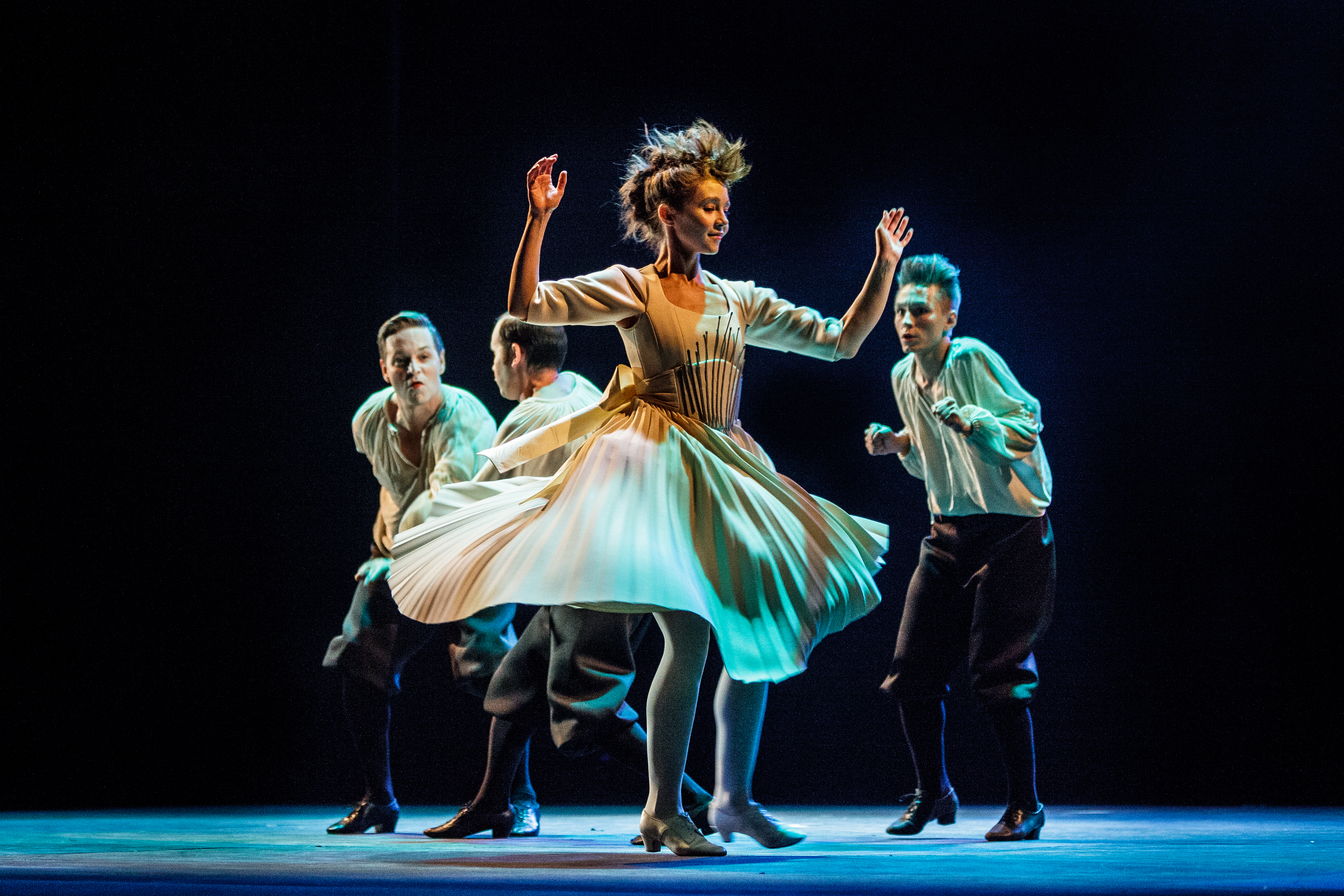
- If we talk about the key projects of the festival, then the Old AXL Academy made it possible to form several teams. One of them is the ensemble “Soloists of Catherine the Great”, there we have a wonderful violinist and an outstanding researcher Andrei Penyugin. At first there was an orchestra, but it is impossible to maintain it, and we retained the ensemble, which for large projects can grow into the orchestra. This year we made a recording of 24 whims of William Gershel, created long before Paganini, in 1763, but in their thinking they are so amazing - it seems that the music of Stravinsky or Prokofiev sounds, and this is Rococo. Another team is the “St. Petersburg Ballet Anjolini”. In Europe today there is no such ensemble as the one that we raised in 12 years. This year we presented the ballet “Dancing over time”.
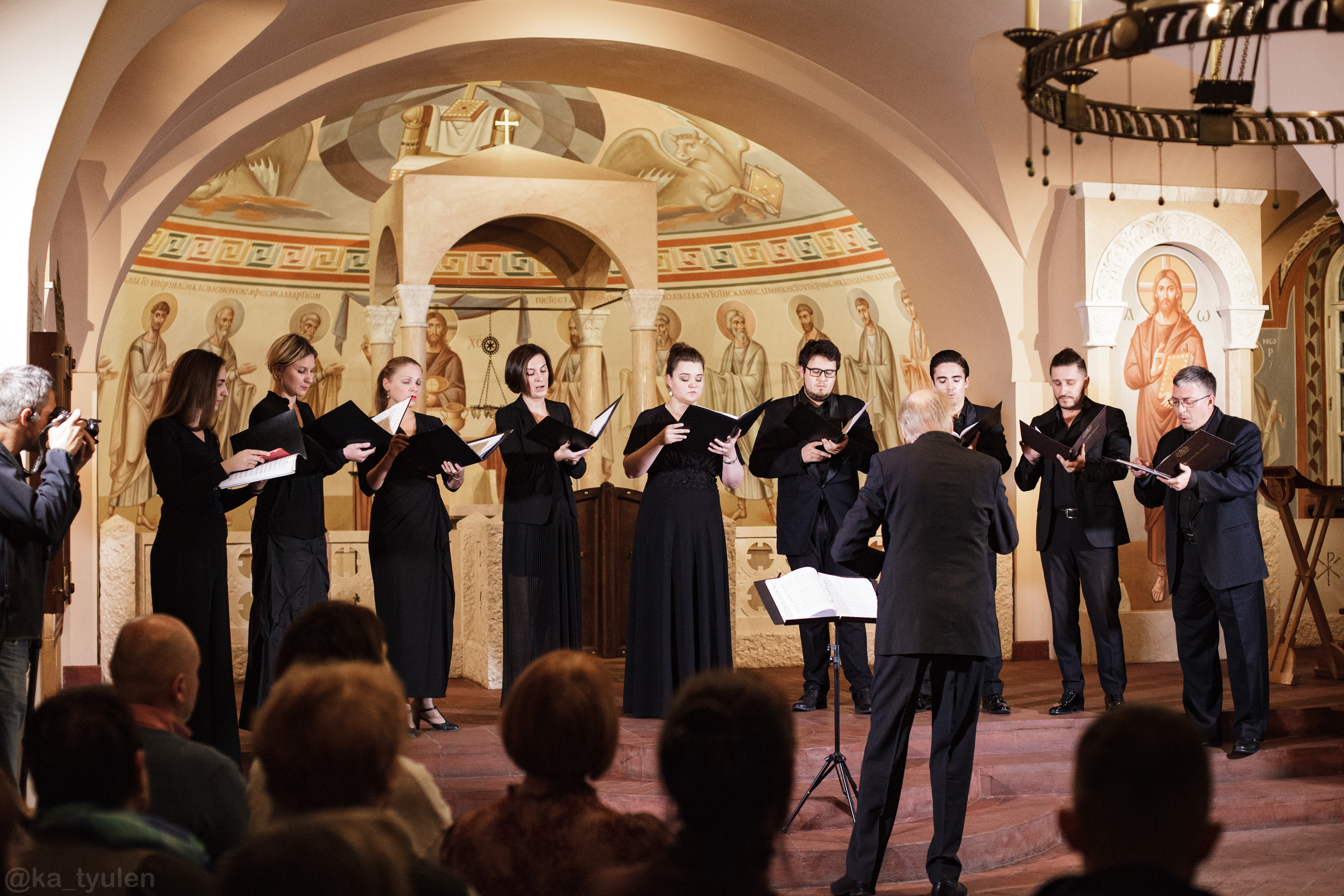
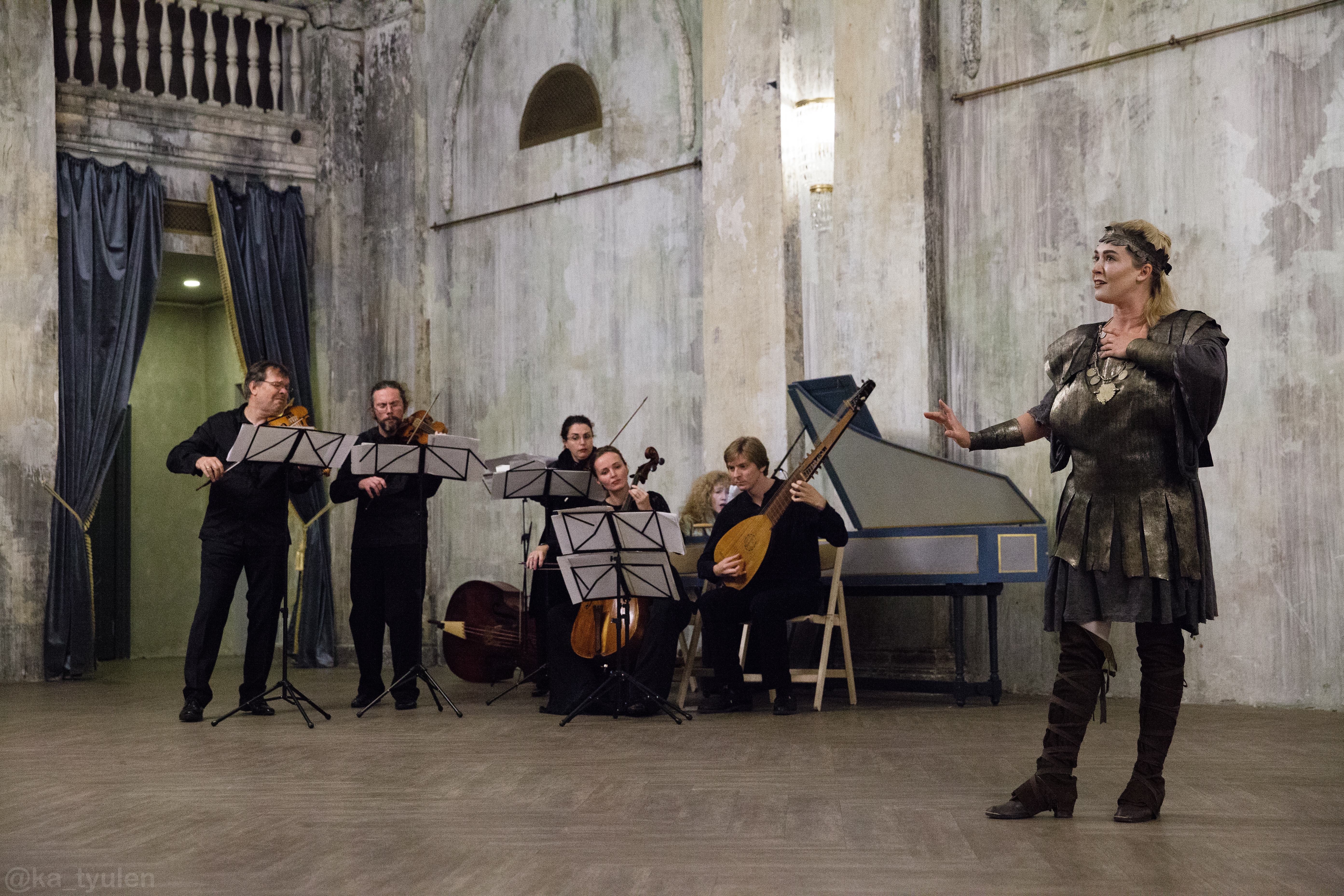
- The third project - we showed, albeit shortened, the beloved opera of Louis XIV “Atis” Lully. This is the result of our six -year cooperation with Tiery Peto, an outstanding baroque actor and singer. He taught us all of the genuine baroque gestures, their use, French pronunciation of the XVII century. I do not think that today in France you can see the opera from the times of Louis XIV at this level. And we understand where to grow further. The fourth project is due to the fact that in Russia today there is no Renaissance singing at a high level - starting from the Gregorian. And we began to add such an ensemble so that it could, on the other hand, give an answer to the question - how such music was performed in our 17th century. Still, under Alexei Mikhailovich, there were 4 styles-Party Singing, Dematic, Little and Significant. As a musician, I understand that today the ensembles have come to a standstill, and in order to get out of it, it is necessary to master European singing techniques, including the Gregorian chorary. And then we will understand how to sing our own, dear. Now at one concert we presented the liturgical music of Europe and Russia.
- Who are they, visitors to your concerts?
- This year we held an international conference, and all its foreign participants were surprised - how our audience differs from the European one. Only old people go to ancient music, and everything is developing so strongly and violently, a lot of young people come to concerts. Because we generally do not have the idea of raising the standard of living - how perfectly you can spend time, listening to ancient music. No, we form a person, the main idea is a person and development. And here is the result: baroque opera, baroque dances - and suddenly the attention where you will meet! We are happy that we managed to create such a festival and such an audience.
-Or maybe something is in the air in general, maybe there was a need not to chase modernist tricks, but to look at the culture as a whole, starting from the roots?
The goal is to return the meanings to the most important texts underlying our civilization - to understand what is behind the words of the Gospel, for example.
- This is a very important and difficult question. When the Chinese came to us, they were surprised - why do we need a special ensemble of ancient music? We explained - well, how, tradition is interrupted, we must restore. They say - how is it interrupted? And we never interrupted. That is, this property of European culture and, in particular, the Russian - the tradition is interrupted, much has been forgotten. At the beginning of the twentieth century, an attempt arose to recall - but it was such a game in Baroque. In the early 70s, it was possible to lay out the first puzzle, compose the first picture, and this is an objective process: the style was replaced by the style, and suddenly all the styles began to return. That is, this is an objective process of our culture: at first the roots were interrupted, and everything followed the path of science, and art stopped and forgotten. But when a person came up with a hydrogen bomb, stepped onto the moon, the old traditions began to return. Today we think whether artificial intelligence will push us away - in fact, we ourselves drove ourselves into a corner and are forced to answer the question - what is a person. I think those angels who monitor the development of man took care of the restoration of traditions so that our answer is more serious. This is probably an intermediate stage before answering the most difficult questions of interpretation of texts and meanings: after all, we restore meanings, not residential strings and costumes.
Probably, the goal is to return the meanings to the most important texts underlying our civilization - to understand what is behind the words of the gospel, for example. After all, we did not build the foundation of our civilization, we didn’t build the walls, and if we do not understand what was in the head of those who built it all this so well, then instead of moving forward, we will only destroy what they did. Therefore, we need this knowledge, and therefore they are returning right now. Our government all the time says - we must raise the standard of living. But the whole history of the twentieth century repeats to us that it is pointless-we must raise the level of a person, only then something will turn out. Unfortunately, these are opposite processes. I myself would like to raise the standard of living, but no, I need to raise the level of a person.
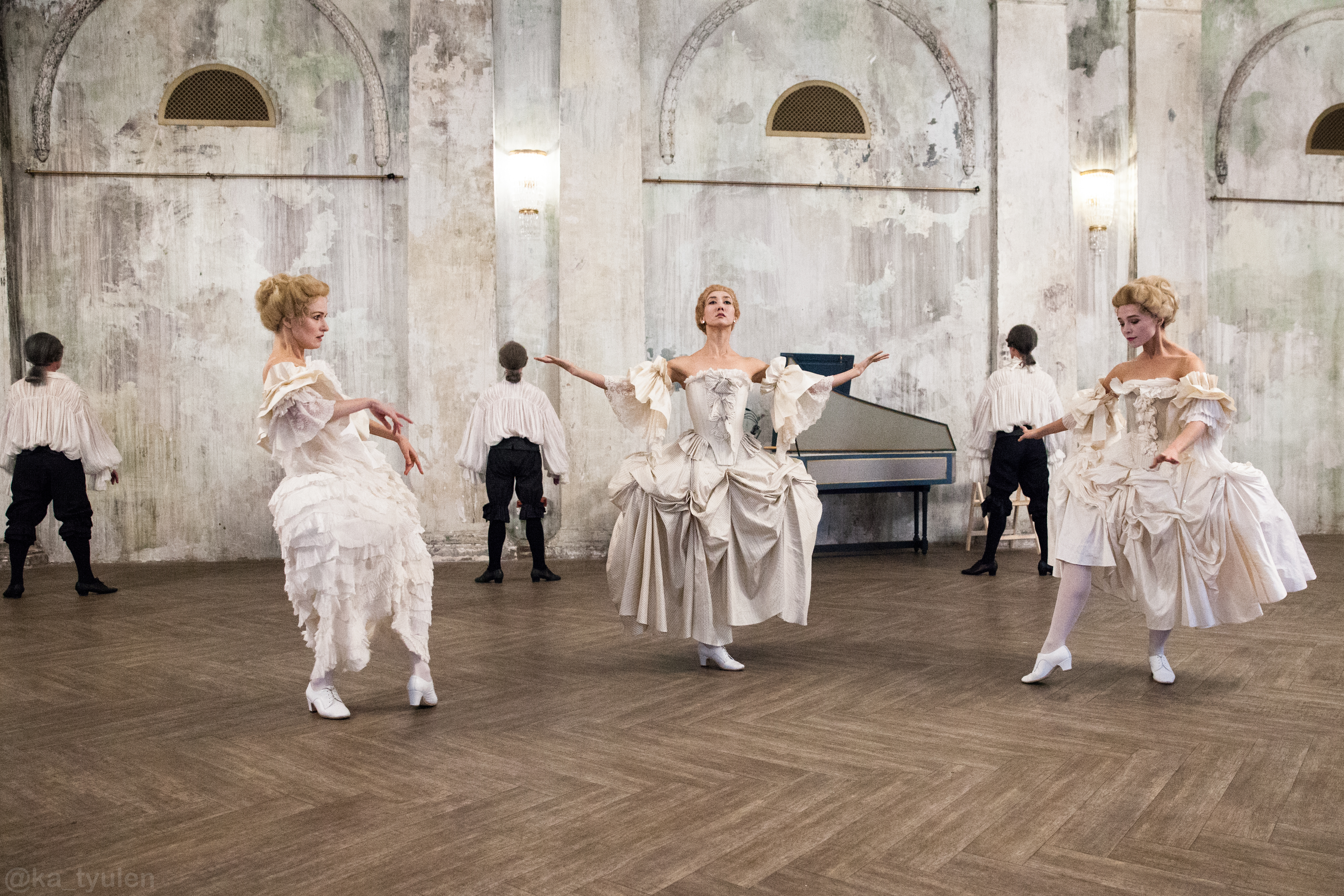
In conclusion, Andrei Reshetin spoke of freedom. About how easily and joyfully we repeat the famous words - that my freedom ends where the freedom of another begins. This thought seems incorrect to Reshetin, he believes that a person is determined by his service, the adoption of what he should do in this life. А свобода нужна ровно настолько, чтобы выполнить то, что он должен, на этом и построена иерархия людей, которые не равны, потому что они должны по-разному.
Вот к таким мыслям приводит музыканта его скрипка. Может быть, здесь и кроется ответ – почему на EARLYMUSIC тянется молодежь, ведь кому как не ей задумываться о смысле жизни.