
Translated material
Russia can become the main supplier of new drugs from marine organisms
Russia can become the world leader in the extraction of medicinal compounds from the marine invertebrates, the scientists of the Far Eastern Federal University (FEFU) calculated. Many invertebrates have a powerful antitumor potential, so they can be used to create new drugs for targeted cancer therapy.
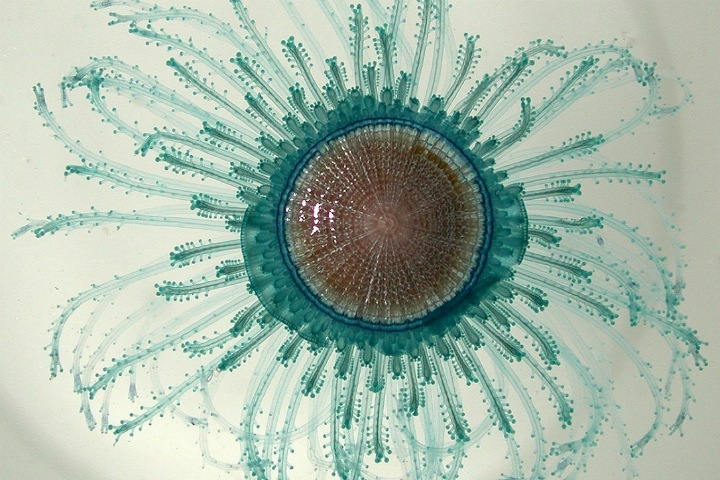
In the waters of the Japanese, Okhotsk and Bering seas, up to 2 million new types of invertebrates live, which have yet to be opened and study. Researchers are confident that the biodiversity of the northern territories may not yieldto tropics .
Having calculated the number of already known types of invertebrates in the north-west of the Pacific , the FEFU scientists, together with colleagues of the University of Geneva and the National Scientific Center for the Marine Biology of the Far Eastern Department of the Russian Academy of Sciences, made a forecast indicating the high commercial potential of the Far East asa center for the development of drugs .
“We know for sure that the chemical variety of compounds from marine invertebrates significantly exceeds compounds from ground -based medicinal plants,” said Yuri Khuritchenko, director of the Biomedicine School of FEFU. “This means that, studying marine invertebrates, we have much more chances to open promising candidates-candidates for the role of a new generation.”
According to scientists, in the Russian Far East you can find from 100 thousand to 1 million new medicinal compounds, of which from 6 thousand to 60 thousand will have anti -cancer activity at the preclinical level. Clinical tests will reach 150-1500 compounds.
At the same time, researchers warn about the importance of preserving the marine biodiversity - without it it is impossible to develop biomedicine and the development of new drugs. While 150 types of organisms disappear every day on Earth, the entire potential economic "flows through the fingers."
The material was prepared in partnership with the Far Eastern Federal University.