
Translated material
"Text" edited by time
On the screens - the long -awaited film adaptation of the bestseller Dmitry Glukhovsky
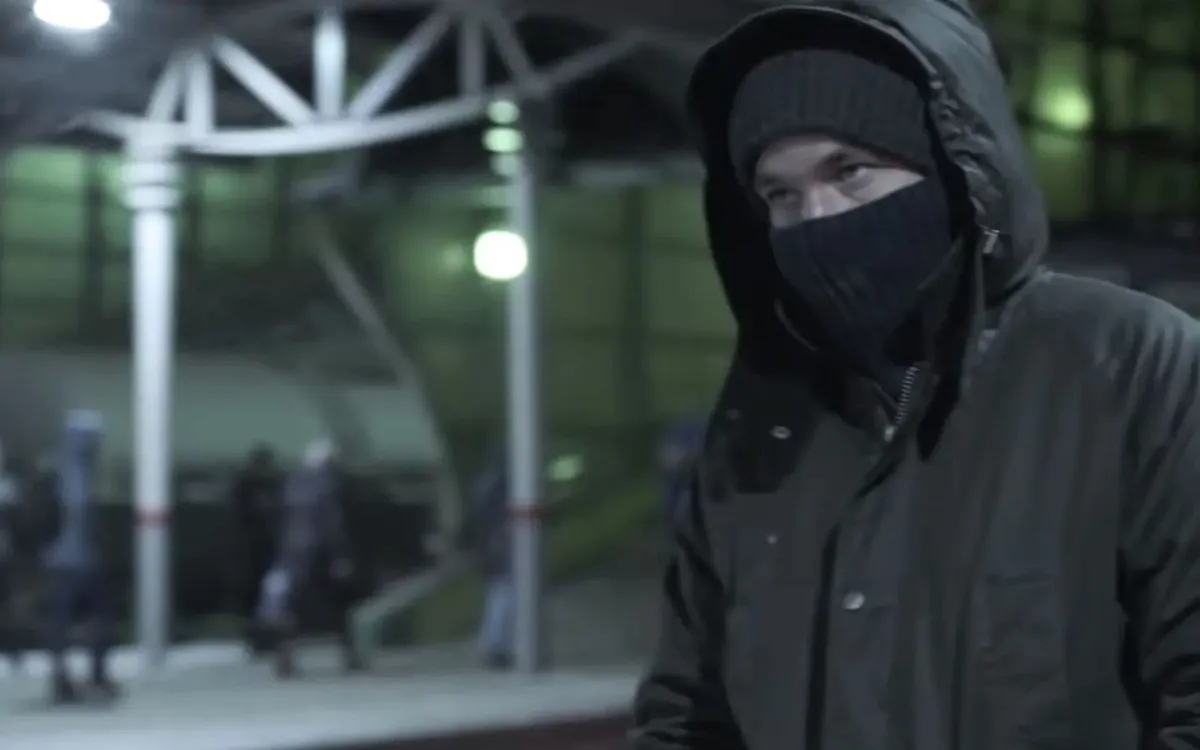
The novel is incredibly cinematic, as if the author had already shot his film. There are installation joints, and the exposition charged by Sassens, and the change of plans, although the author prefers the fraillar. Initially, Glukhovsky, writer of fantasy-Bestseller “Metro 2033” and “Metro 2034”, and ordered a script, but he wrote a book about our reality. And he composed a psychological thriller with pieces of unacceptable life, picked up from meat. Drive ping-pong between reality and its virtual clone.
Movie. The beginning, as in the book, the super -chic, rhyme with the “Case of Golunov” (by the irony of the fate of Shipenko and Golunov Odnoklassniki). The 27-year-old student Ilya Goryunov in the Paradise Night Club Major Menta Pyotr Khazin throws drugs: he dared to intervene for his girlfriend, who fell into the raid of an anti-drug raid (“You don’t understand who you are talking to now, you’ll come for seven years, arrived”).
Get, enemy, seven years of hell of the zone. After sitting from the call to the call, Ilya returns to his front. But Freedom also meets him with hard trials: his mother died the day before (“On the plate of a pan of soup.“ Thank you, mothers ”). Vera, for which he got involved in history, lives his life: "There was no need to climb."
One of the living feelings is left - to see the Khazin, who crossed out his life, into the eye. In the eyes of a bitch, pushing from paradise to hell, simply according to the law of a strong.
Ilya will kill Khazin in a state of affect, choking on a cry: "Talk to me !!!" The phone of the murdered will remain in his hands. His flickering “life after life” is SS, a video with a beloved girl, photos, drug agreements, quarrels with parents, beckoning the future.
The phone is not just McGaffin, the plot motor. He is one of the main characters of the film. With the help of a smartphone, Ilya is transported to someone else's life to try to save her. This sensory electronic matrix shimmers not with pixels, but with excited questions from loved ones, which Ilya was trying to answer, he is painfully looking for answers.
The smartphone today has turned into the second "I". But, having gained someone else's phone, you become the owner of someone else's “I”: memory, incriminating evidence, secret relations, outpourings, sins, fears. In the smartphone, we admit, deceive, cry, laugh, love. For the authors of the book and the film, the phone is transport for the relocation of souls, the "granary" of the soul. The space of the smartphone grows every day of life, sometimes absorbing reality. Responsible for the dead Peter, Ilya plunges into the "life of another", gradually turns into his alter ego. There is no place in unexpected sympathy, but the instinct of self -preservation. Hatred is taken out by understanding, almost forgiveness.
In the title role, Alexander Petrov. The fixation on it of our producers/directors is the topic of a separate study.
But it was he, who saturating the roles with energy and excitement, who became the favorite of the current generation of spectators. Kinematographic Ilya differs from the hero of the book. Book Ilya, a student of a philological faculty, gentle, reflecting, even dreamy, but doomed to follow the logic of Fatum. In the film, Ilya is a compressed spring, exalted and dynamic in any movement. With each click of a telephone key, a choice in its run around the edge. Almost the entire film is an actor in the frame, and this is a test. In many episodes, it is convincing, but in the middle the action is somewhat sags, and in the absence of different colors the actor on duty “performs the task”, moving along the plot quest. But the completely unexpected, powerful work of Ivan Yankovsky as a bitch. General Son, an impudent, charming monster created by the Frankenstein system: "You will know who to open the mouth on."
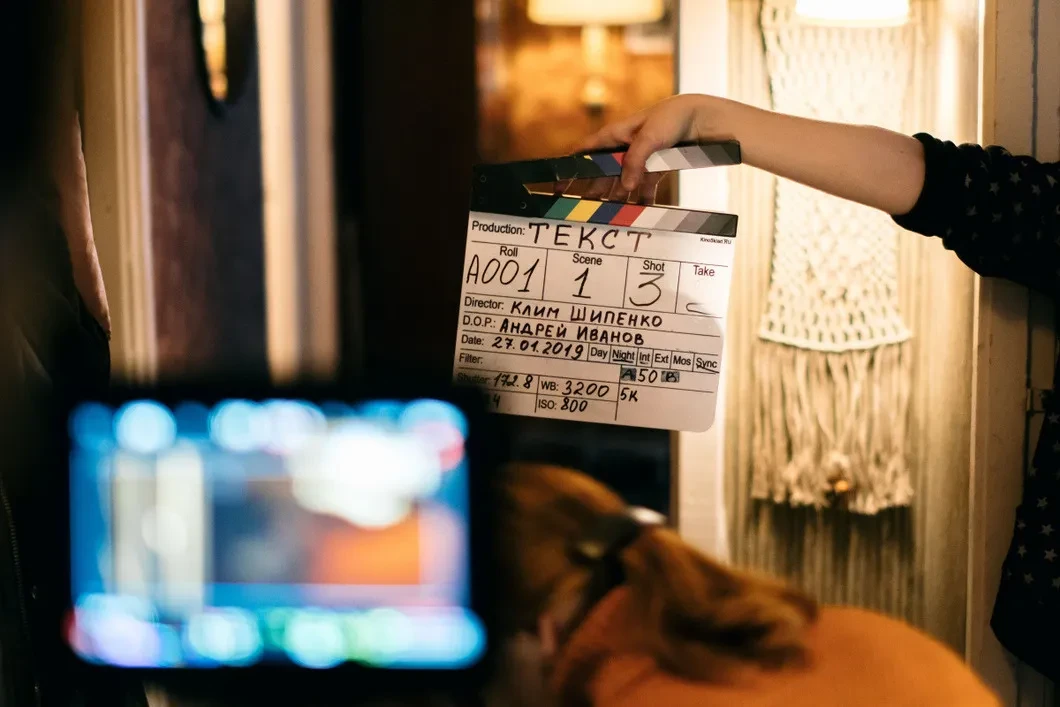
Klim Shipenko definitely feels and recreates the crookedly stitched space of today's life. On the one hand, dull, block lobnya (removed in Dzerzhinsk near Moscow) with dirty March snow. In this world: a morgue, a cramped kitchen, a desk with old student recordings and a self -portrait that changes during the plot: a drawing and life are crossed out, erased. And nearby is a sparkling fluorescent Moscow with “paradise clubs”, cafes, chic hotels, in which bearded criminal uncles are highlighted.
It seems to me that spectators who have not read the book will win.
Klim Shipenko carefully, meticulously recalls the novel, but quite much shifts accents. In the “text” of Glukhovsky virtual space, as in our present life, is the main character of the novel, and in the film the phone of the murdered one is rather a means of hiding a crime and delay the punishment. But where the director gives free rein to the imagination, the action gains pace, energy, breaks into a bright emotion. And the viewer at a frantic pace is spinning with Ilya in a shallow dance, which gives Nina's image in the smartphone of Peter, which the hero fell in love with the pictures.
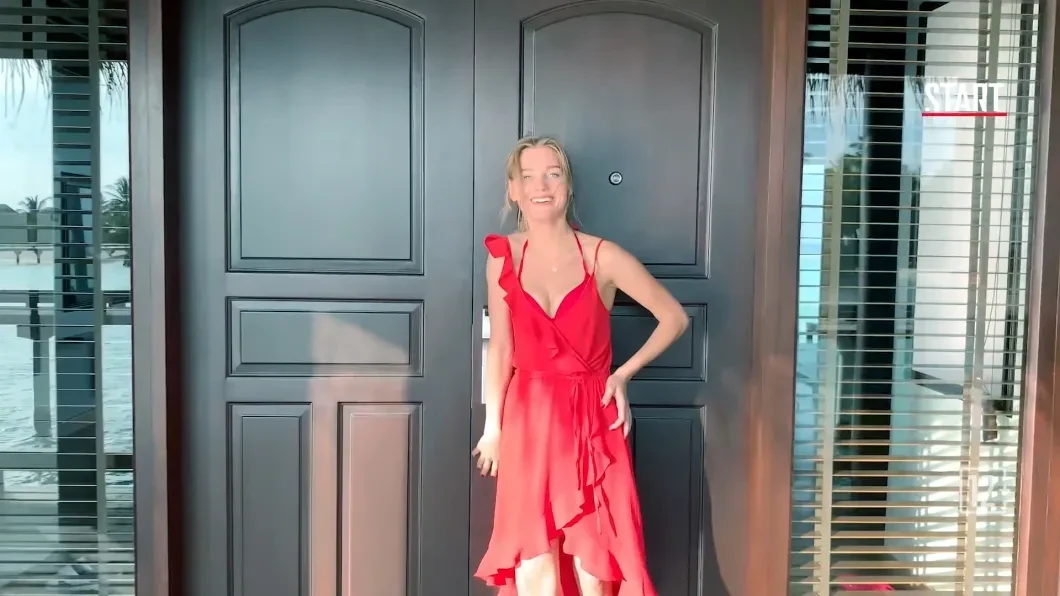
The electronic texts themselves, which hold the dynamics of action, sometimes “freeze”, as a similarly repeated technique. At the same reception, Timur Bekmambetov builds his films in the genre of “Ssnelife”. But his letters sometimes play roles on equal terms with characters.
The film has no direct anti -alignment statements of the novel, but his entire system leaves no doubt about his relevance. The soundtrack of the Baste's song “Terrible to Live” emphasizes her even more. And the version edited for a wide screen, in which the appropriate words are made by are also a tribute to reality.