
Translated material
Activism and politics
Putin system: adjust or change? Article Grigory Yavlinsky
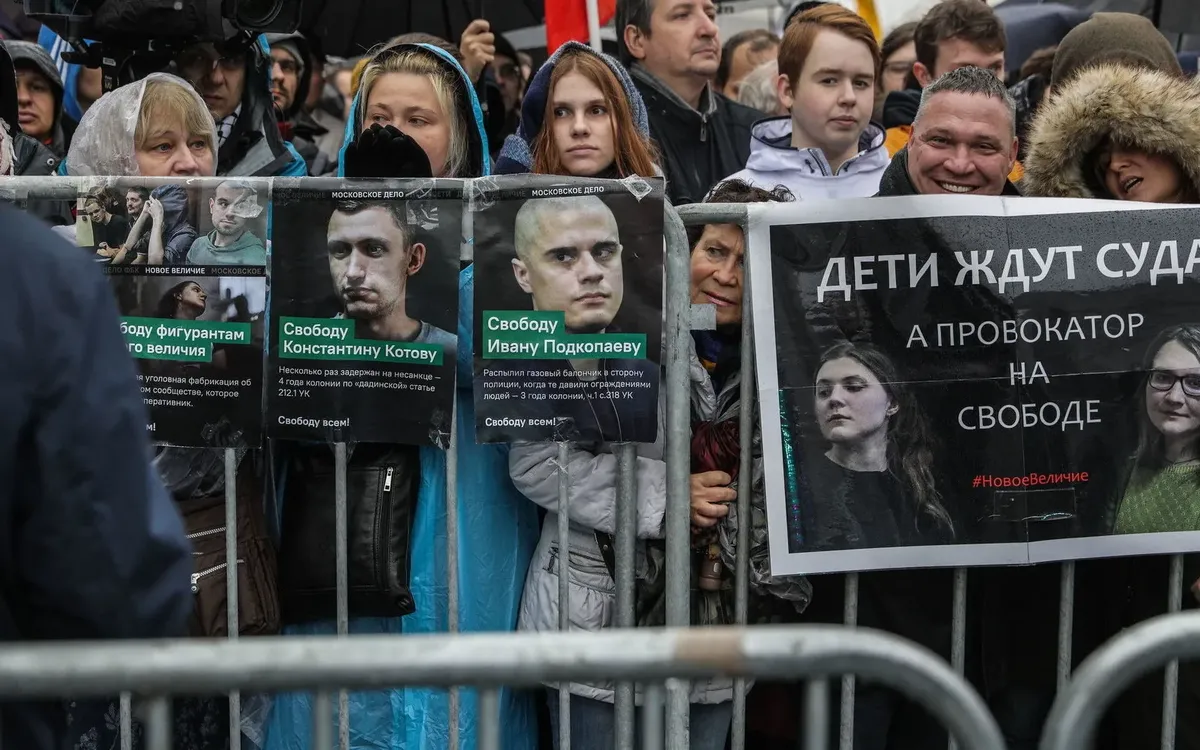
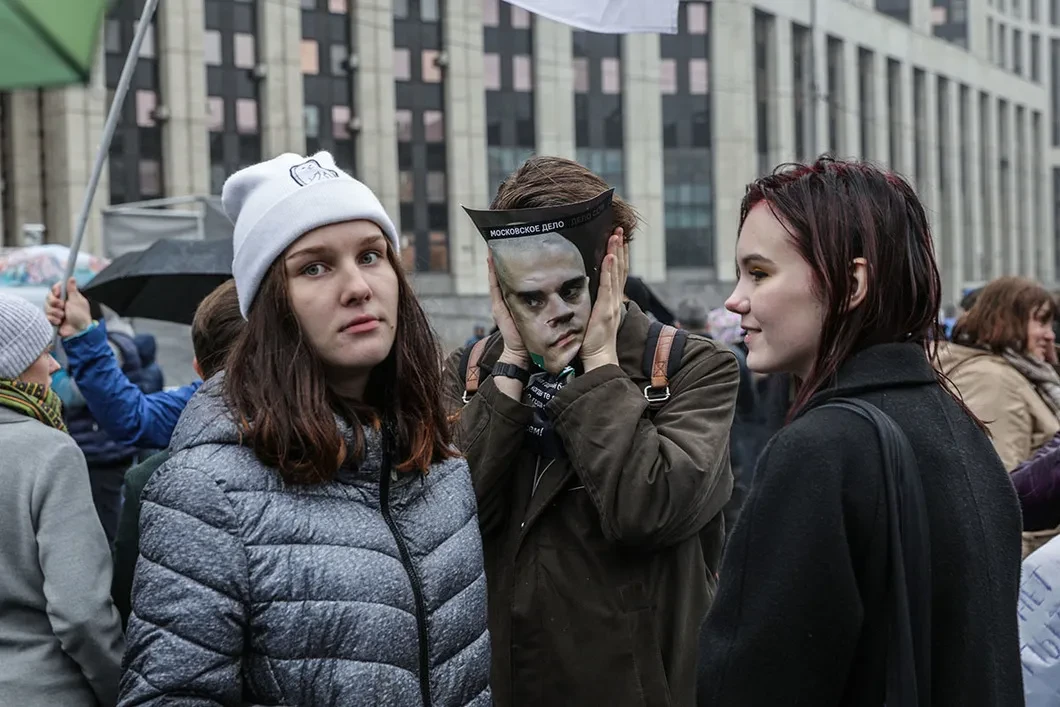
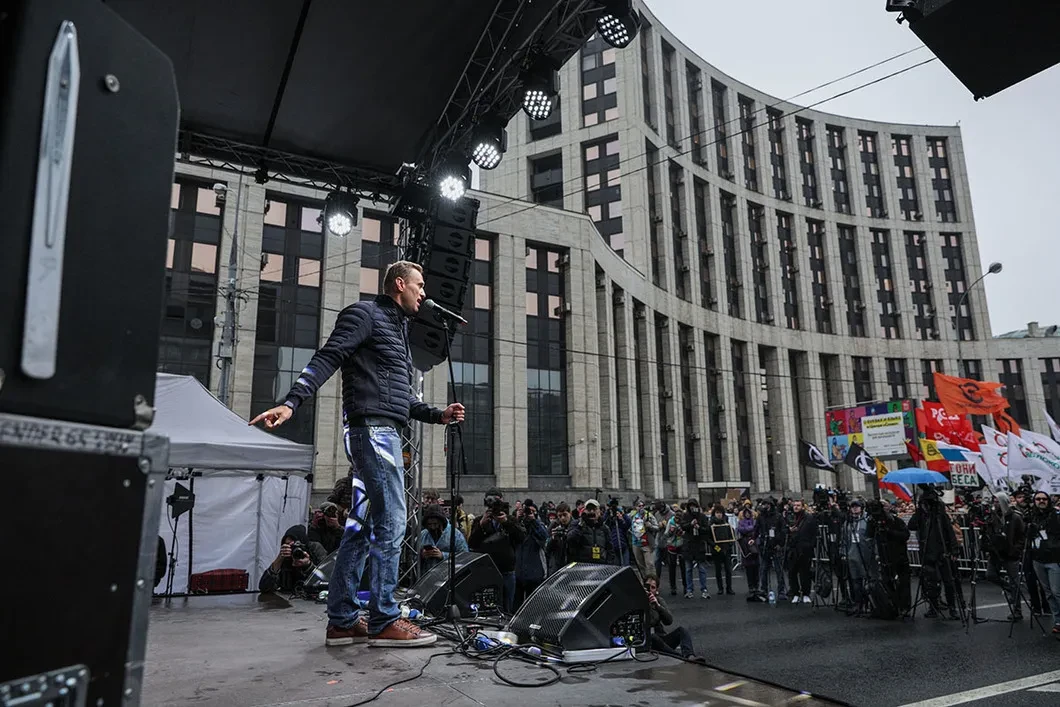
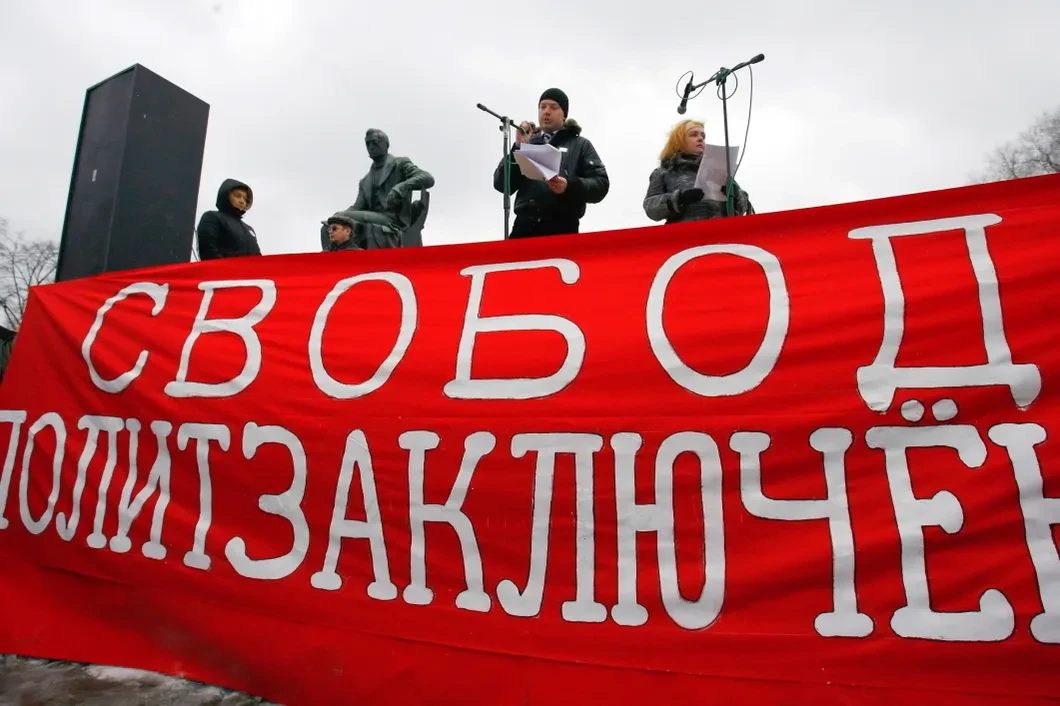
A little more than 20 thousand people gathered for the last from a series of protests in Moscow (and an hour after the start of the rally, according to the “white meter”, the flow of the departing was much more intensively more than the incoming flow). As early as August 10, more than 50 thousand people came to the same Academician Sakharov Avenue Academician Sakharov. And this trend in the decrease is understandable: the rally has no content, no one talks about the program and strategy of action, instead - only the slogans “release”, “allow”, “Putin - bad”. Therefore, many come only in order to talk with friends, swallow the “air of freedom” and disperse until the next “window” appears.
Running in place
Thus, the protest turns into a subculture that does not particularly interfere with the authorities. By the way, at the last action on Sakharov, the official data of the Ministry of Internal Affairs on the number of the rally first coincided with the information of the independent “white counter”
(probably from the point of view of the authorities, today 20 thousand people are quite a harmless figure).
From the stage of the rally of those who came, they continued to convince that “there are a lot of us,” they talked about the release of individual prisoners as a victory. At the same time, they shouted about the “victory” of the so -called “smart vote”, and the defeat of “United Russia” in the last elections to the Moscow City Duma (although most in the current MGD eventually received “United Russia”, and the same unicorn was again elected by the chairman). Such motivational statements probably make it possible to fuel the microclimate of the subculture, hold supporters in the comfort zone, but these “propaganda inaccuracies” are quickly opened, and then even more disappointment occurs.
The protest rally in Bolotnaya in 2011 - the most massive over many years, by the way, was a typical manifestation of civil activism: people demanded to put an end to falsifications in the elections and punish the perpetrators. They demanded either the Central Election Commission or the president, or the abstract officials, that is, those who were most interested in falsifications.
Of course, the requirements were not met. Why? After all, the authorities were scorching intentionally.
And no swamp Kremlin was terrible: Bolotnaya did not fight for power, did not have its own faction in the State Duma, did not support its presidential candidate. As a result, the protest on Bolotnaya was declared “non-political”, and the main function of the civil society at the upcoming three months of the election was named observation ... So they observed the design of the next presidential term of Putin in March 2012. As a result, disappointment came, and activity faded for a long time.
But if in Bolotnaya in 2011 the events developed according to the “outrage - protest - disappointment” scheme, then the conditional scheme of protest actions of the past summer already looks like this: “outrage - protest - stabilization and routing of protest”. Moreover, if earlier the authorities tried to prevent mass speeches at all, now, against the backdrop of the obvious growth of discontent throughout the state of affairs throughout the country, the Kremlin is more likely to the hand of turning protest into a banality, into isolated subculture. In the conditions of the growth of popular discontent, with the fragility of power on the eve of “transit”, such a subculture may seem useful - as a valve for the release of steam: they say,
Let people with great activist potential outraged within this reservation for their pleasure.
Seven and a half years after swamp change, it is hardly noticeable: the main problem of protest today, as in 2011-2012, is the lack of promising content and model of growth and the inability to turn into an all -Russian opposition movement.
Moscow protests of the summer of 2019 began with a political requirement to register those who gathered signatures of candidates for deputies in the elections to the Moscow City Duma. This requirement was not fulfilled.
Six protests became victims of demonstration processes and were sentenced to real terms of imprisonment. Recently, five more new ones were arrested, and one more on the wanted list.
The new Moscow City Duma freely continues to perform the attitudes of the authorities.
In St. Petersburg, after the ugly, criminal and dirty elections, as if nothing had happened, the inauguration of the new governor-subsidiary.
The historian and human rights activist Yuri Dmitriev, for fabricated accusations, extend the term of detention until December 25.
An honest and professional journalist of the Pskov Province Svetlana Prokopyeva is accused of justifying terrorism.
In Rostov, young children are sentenced to six years of strict regime for supposedly “preparation of mass riots” (and this is not another story that is different from “Moscow business”, but the same).
The recent activist success in the “Golunov case” did not lead to a revision of similar affairs, nor to terminate the practice of throwing drugs and the use of law enforcement agencies for political and personal purposes, or even to the punishment of criminals-police officers who threw drugs to the journalist.
All this is undoubtedly causing fair indignation. And it was this outrage that became the main trigger of activist protest last summer. But the protesters were outraged not by the essence of the system, but rather by its visible derivatives - by the fact that officials and security officials were “reconciled”, “crossed the borders”, “completely ...” In such discontent, a prerequisite for “releasing steam” is laid to return to their former life.
Nevertheless, the next falsifications in the elections and repression of the police contribute to the formation of a civil position in people. Many would like to consciously and actively participate in politics. However, the protest does not become a policy. People are not offered either a program, an action plan, or leaders, or even any medium-term goals. But, not offering anything but a mediocre organized rally or walking along the boulevards, people are left by and large in the framework of a long -standing domestic tradition - either to endure until the end, or when the limit of patience is passed, rebel, without changing anything in essence.
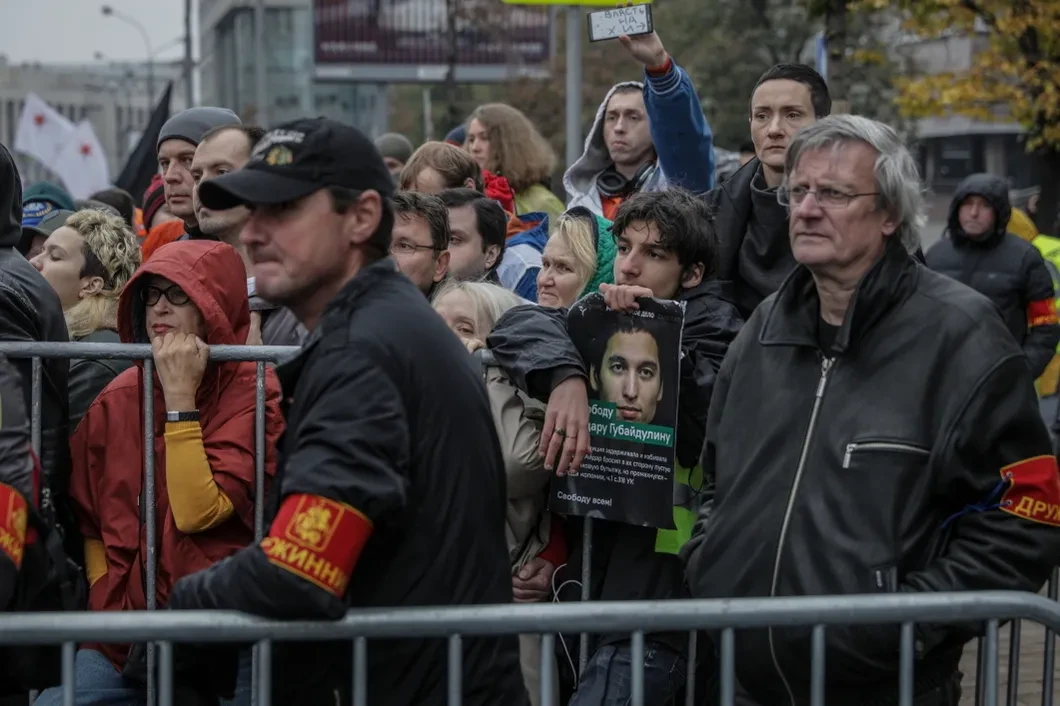
Activists who organize rallies and pickets are, on the absolute majority, bold, noble and honest people, I personally know many of them. They do their job disinterestedly. Their activity causes deep respect and gratitude for citizenship and the fight against injustice.
But, I repeat, this is not enough: according to the same scenario, protests developed in 2011-2012 and ended with deep disappointment and search for the perpetrators in the “plum”.
And then and now the protesters knew well and know what they opposed. But neither then, nor now there was the slightest idea of how to force the power to listen, to talk and, most importantly, to change the unacceptable state of affairs in the country. This is the peculiarity of Moscow civil protests: there is noble protest and activism, but there are no politicians.
Request to politics
What is the difference between opposition political activity and civilian activism?
Opposition policy is an activity aimed at changing the existing system of distribution and implementation of power and property. Not only power, but also property; Not in a single area, but in all. The political opposition should know which system he wants to build and how to do it.
In turn, activism is a protest against specific phenomena. Human rights activists, “green” or fighters against point development protect the persecuted by the authorities, save nature, try to resolve conflict situations. Activists evil and witty criticize the system - for corruption, violence and injustice.
In modern Russia, civil activism is a fair protest reaction of people to a certain action of the authorities or to an outrageous event.
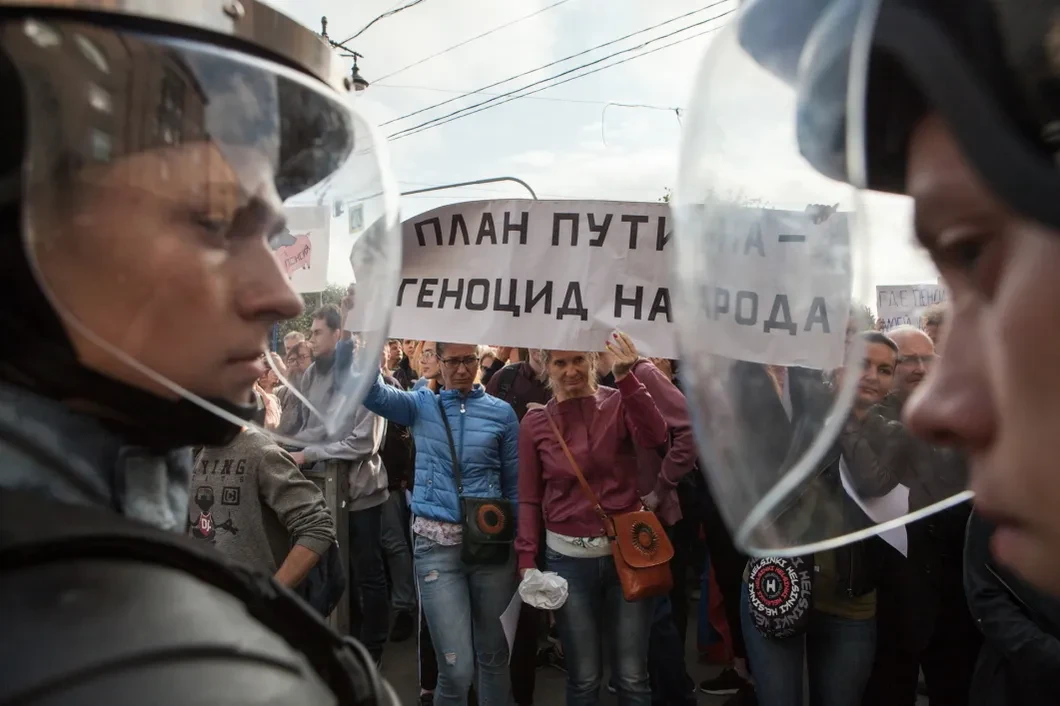
Most often, this remains an outbreak of indignation, fading even in the near future. Unlike a policy where, in our conditions, the main thing is a long -term action related to multi -storey, orientation to change a worthless and unacceptable system.
The functions of politics and civil activism are also different. Politics strives to coordinate the interests of various groups of society, while civilian activists naturally represent the interests primarily of their social layer and only in a narrow circle of issues. (The questions are very important - what can be more important than life, health, human freedom - but at the same time point; moreover, it is precisely this point that allows you to concentrate the maximum efforts on the implementation of the local task).
Politics sets the objectives of the country's development and offers options for their implementation. Civil activism solves the local tasks of its city, district, groups.
The policy of politics is a party with its structure, program and leaders. The tool of civil activism is the mobilization of protesters for one or more shares.
So what is it necessary for the opposition movement in Russia today - activism or politics? To answer this question, you need to understand what the purpose of the opposition is. Reforming and reconstructing the ruling system or its complete dismantling? Correction or replacement?
For example, Yabloko fought for other reforms until 2000 - for reforms in the interests of the majority, for the rule of law, against criminal privatization, against corruption and against the war in the North Caucasus. The party proceeded from the fact that the vector of the Russian post -Soviet movement of Russia is true and corresponds to global historical development, but the Russian leadership commits many severe mistakes, makes large -scale crimes. It was necessary to deal with this.
Thus, the merger of power and property as a result of collateral auctions laid the foundation of the mafia state, and there was a need to resist this (which, unfortunately, failed).
The task was to adjust the process of creating the post -Soviet system. And in this situation, politics was largely reduced to civil activism - rallies, processions, pickets, other forms of public activity.
Today, in the twentieth year of Putin’s reign, the point is no longer in the correction of the system and not in personnel rearrangements. It’s too late to do this.
If we are not talking about changing the system, but about the replacement of some judge or the resignation of, say, the chairman of the election commission, then “naked” activism with a large mass (street protests, stocks of professional solidarity) may be quite productive. But if we talk about the dismantling of the system, about the abandonment of the authoritarian regime of power in Russia, and even more so about a peaceful, bloodless change in the essence of the Russian government, then activism is a useful help, often an important, but far from a decisive tool - as in mathematics, a necessary, but insufficient condition. To solve such problems, political tools are required - in the form of parties and programs, competent leaders with whom the authorities will be forced to carry out dialogue are needed. Without this, without politics, changing the system will not work.
Therefore, the lack of politics from time to time becomes the beginning of the end of the protest. No one specifically “merges”, he just has nowhere to move.
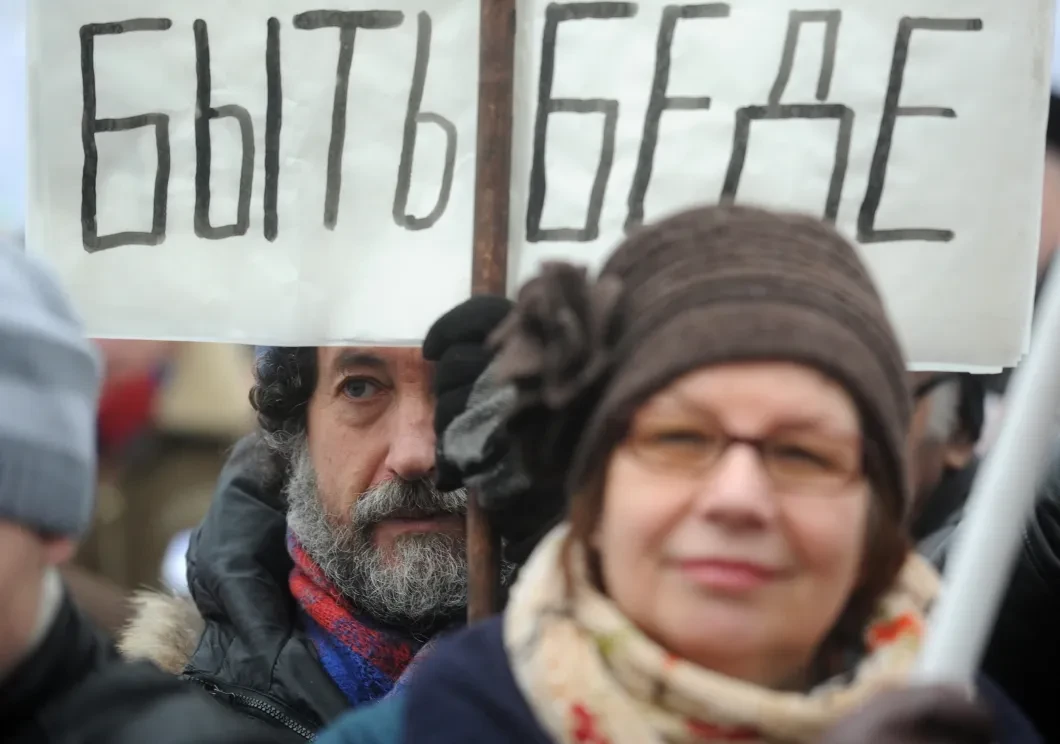
Before the last rally in Moscow on the Internet, calls were sounded to adopt a political resolution, to demand not only the release of political prisoners, but also of judicial reform ... But for judicial reform, as well as for economic reform, as well as to combat corruption (in the form of liquidation of the foundations of corruption, and not the next separate exposure), a program and its understanding are needed. Today's protest has nothing of this. As there is no readiness to discuss such a program (even if any) with the authorities, to push it, to force it to take it into a step.
You can’t just take and jump into politics, it is impossible to create an artificial organ from anything, which in itself will become the center of the opposition. It is like comparing the campaign of the Yakut shaman to Moscow with Martin Luther King Martin on Washington, to imagine that King is such a Forrest Gump, which "just got up and went."
Society can be represented in politics and participate in politics only through political structuring. This can be called differently-movement, front, party, but, in fact, it should be a serious professional political education. And the hopes that instead you can create a certain activist “Lithuanian party” or, more precisely, “Layk Party”, is an illusion (there is already the sad and noise experience of the “Coordinating Council of the Russian Opposition” in 2012).
Dangerous dummy of populism
Why is this happening? The reasons are different. The generation that grew in the 1990s and 2000s was formed in the conditions of the formation of a mafia state in Russia, the heyday of peripheral capitalism, the triumph of cynicism and pragmatism, the cult of success at all costs, and a decrease in the level of education. For the most part, the new generation is hardly distinguished by activism from politics. Young people go to teams and groups, where the main thing is enthusiasm, energy, carelessness and, of course, plans for a happy future. Undoubtedly, young people are comfortable in such an environment, and political reasoning is simply a burden to them. They do not need the experience of previous generations, they consider it unsuitable in the new conditions. They do not need wisdom either, they are fulfilled by revolutionary enthusiasm.
However, history indicates that most youth movements eventually brought only disappointment and devastation: their leaders died in prisons or gallows, and those few “lights of the new world”, which for a while became winners, could not achieve long -term positive results.
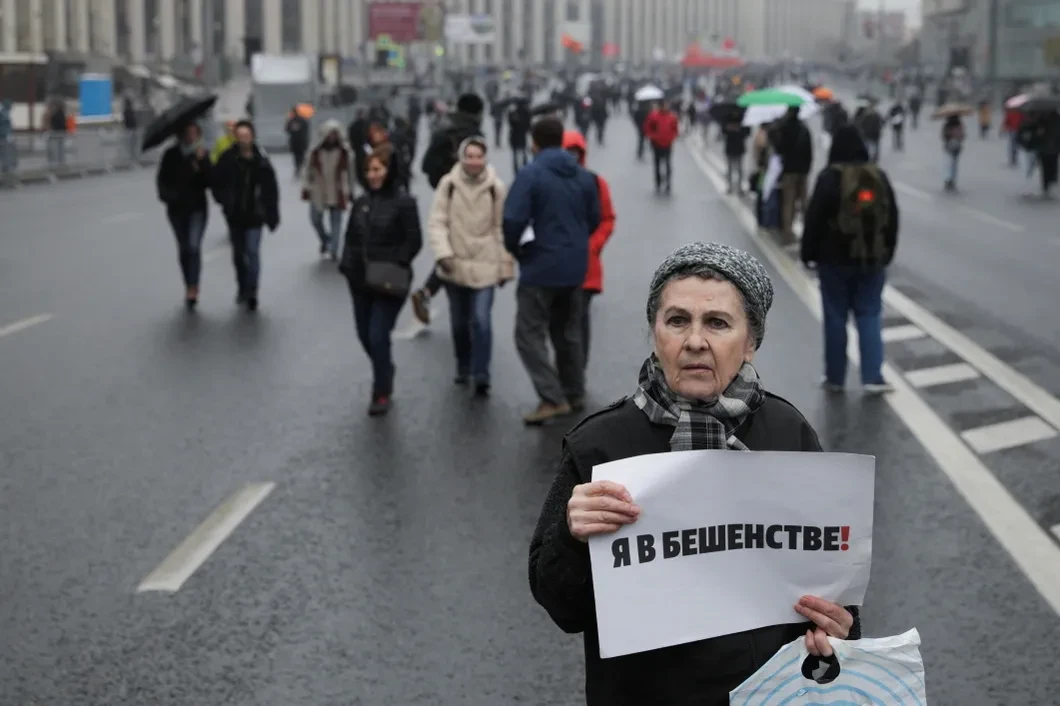
The matter, however, is not only in the gap of generations and the features of the post -Soviet mentality. There are other objective reasons. In democratic countries today, social dynamics is increasingly determined by the protest against the current situation, establishment and party-political structures. In the UK, for example, Brexit was animated simply by the opposition to the European Union, and not with any clear alternative to EU membership.
It is always easier to rally people around the idea against something than around the idea for something. Therefore, protest very often lack constructiveness.
This trend, due to social changes, economic problems and technological innovations, exacerbates some of the most serious problems of today's life, fuel anger and intransigence of position, people are organized exclusively around the confrontation to the other side. This cracks parties, causes populist uprisings, since citizens demand to demolish the establishment and change the status quo. Throughout Europe, the parties leading in their countries are splitting, weakening the centrist leaders and expanding the opportunities for hard populists. In the United States, the total inter -party war has made cooperation with the government unthinkable.
These processes are best visible on the example of “yellow vests” protesting in France. French protests embody anger in relation to orders in the country and a total distrust of institutions. However, despite the impressive ability of “yellow vests” to mobilization, they remained politically helpless.
What is happening in the world may indicate a sunset that scientists call Schupeteric (elitist) democracy, named after the Austro-American economist and political scientist Joseph Schumeter, a system in which the elites controlled the folk will and thought of categories of common good.
In return, the force is growing, which can be called a negative partnership . People are motivated by protest against the authorities to a much greater extent than the support of the desired prospect. This has a destructive effect: weakens enthusiasm for a positive agenda and strengthens the position of someone who promises simply to destroy the opponent. The ability to unite around any creative plan for the future is lost. It is not surprising that the energy of destruction leads to destruction.
Populistic parties are successful in the elections, promising to crush the current power, after which their humiliating defeat in the next cycle follows.
According to sociological research, when people experience distrust of power and do not expect anything good from the future, the support of populists is growing rapidly. And the traditional parties themselves, in connection with technological changes, experience serious difficulties: candidates can now raise funds through the Internet (for this they no longer need parties), access to voters is possible through social networks bypassing not only party, but also the main media, and intra -party advancement increasingly occurs through the institute of primaries. This, of course, is democratization, but one in which traditional parties, and with them, and their politics lose their effectiveness and meaningfulness.
And what instead?
Идея о том, что на смену партиям могут прийти движения, создаваемые под краткосрочные проекты, появилась на Западе еще в 1990-е годы. С тех пор прошло четверть века. Результат получился совсем не такой, как предполагалось вначале. За эти годы практически не было таких случаев, когда гражданский активист, обычный представитель среднего класса пробился бы на высокий пост. But
получили преимущество те финансисты, бюрократы и выходцы из элитных семей, которые научились использовать популизм и двигаться вверх, то вступая в партии, то отдаляясь от них. В их числе миллиардер Дональд Трамп, «финансовый Моцарт» Эммануэль Макрон, сын высокопоставленного чиновника Евросоюза Борис Джонсон.
Сейчас многие избиратели в США, Франции и Великобритании смотрят на своих лидеров с огромным беспокойством и даже со страхом, потому что не знают, чего от них ждать. Их относительная независимость от партий обернулась неуправляемостью и непредсказуемостью.
На Западе популистские партии уже пострадали от своей пирровой победы в 2015–2016 годах, потерпев на последних выборах серьезные неудачи. Тем не менее скрытое возмущение и недоверие к традиционному истеблишменту осталось, сделав основные политические партии неспособными заполнить пустоты, активированные популистами.
Проблема еще и в том, что вырастающий из политического развала популизм, проигрывая, — а проиграет он непременно, — спасается с помощью национализма.
Ну а национализм, как хорошо всем известно, рано или поздно приводит к фашизму и к войне — большой, настоящей.
Transit
В России есть тысячи, десятки тысяч людей, которые уже сейчас готовы выходить на митинги, шествия, отдавать подписи, голоса, силы и время за перемены. В разы больше тех, кто недоволен ситуацией в стране, не согласен с направлением движения и развития России. Однако для партии Путина (ПП) все это не сюрприз, они уже давно не «почивают на лаврах», а готовятся к возможным для себя неприятностям.
Впереди нас ждет пятилетка «транзита» — короткий, но крайне важный период до 2025 года.
ЧТО ТАКОЕ «ПАРТИЯ ПУТИНА»
Партия Путина — это вовсе не только «Единая Россия», это прежде всего Путин и его окружение: ближний, средний, дальний круги. Это его чиновники, судьи, прокуроры, спецслужбы, гвардейцы, полицейские, военные, пропагандисты и прочие зависимые, находящиеся в страхе чиновники, олигархи и предприниматели, а также некоторое число верующих в Путина и его политику властных людей, их общий электорат. Важно понимать, что ПП, безусловно, включает в себя и КПРФ, и «Справедливую Россию», и ЛДПР, и Общероссийский народный фронт.
А что такое транзит в условиях путинского режима в современной России? Это создание видимости перемен без каких-либо реальных изменений. То есть это сохранение в неизменном виде всех имеющихся на сегодня и созданных за последние 25 лет отношений механизмов власти и собственности. Это вовсе не исключает, а, наоборот, предполагает персональный передел как собственности, так и власти при сохранении самой системы. Поэтому ситуация так называемого «транзита из точки А в точку А» отнюдь не подразумевает «борьбу хороших парней с плохими». И ключевой вопрос не только и не столько в уходе Путина, сколько в том, что будет потом.
И это «потом» зависит, в частности, от того, будет ли у российского гражданского общества достаточно организационных, политических, институциональных ресурсов и инструментов, чтобы в шоу «Перемены без перемен» оказаться действующим лицом, ломающим этот сценарий и заявляющим о своих правах, а не частью подтанцовки.
Речь здесь идет не только о видении перспективы, но и о серьезной, тяжелой и опасной борьбе за будущее, за развитие и сохранение страны: о жизни без страха, о свободе и творчестве, неприкосновенной частной собственности и реальной конкуренции, о верховенстве права и работающей Конституции. Если в этой ситуации общество не станет самостоятельным субъектом политики, то его, общество, беспощадно используют те, кто уже включился в борьбу за будущий передел власти и собственности.
А время не ждет. Внутри самой партии Путина вовсю идет борьба номенклатурных вертикалей за лучшие стартовые позиции в период «транзита».
Совсем недавно вполне официально российские военные на высшем уровне предъявили городу и миру свое видение перспективы как национал-милитаристского будущего и бесконечной эскалации (!) и эксплуатации темы борьбы с внешними и внутренними врагами (см. интервью Шойгу, которого китайцы уже называют преемником Путина).
Тем временем слева нагнетаются популистские призывы к тотальному переделу, национализации, не говоря уже о полной поддержке коммунистами внешнеполитического курса ПП, в том числе и войны с Украиной.
Движение в сторону открытости института российской власти, разделения властей, независимости и самостоятельности судов смертельно для путинской системы.
А милитаризм , левачество и национализм , напротив, — прекрасное резервное пространство для изменения облика системы, некоторой ее трансформации и, главное, самосохранения.
Это те направления, под которые система будет мимикрировать и к которым легко приспособится, не меняя своей сути.
И хотя Путин разминулся с левой и социально-ориентированной публикой, поддержав пенсионную реформу, в резерве у власти есть еще тема национализации, которую пока не трогают, а только иногда намекают. Но, когда тронут, получат от этой публики мощную поддержку, и даже повышение пенсионного возраста властям простят. Если сейчас кажется, что идея национализации утопична, то можно напомнить, что еще шесть-семь лет назад и аннексия Крыма выглядела невозможной, о чем сам Путин говорил публично и, скорее всего, искренне.
В таких условиях совершенно недостаточно бороться время от времени за мифические «честные выборы» в путинской системе. Потому что кто будет организовывать такие выборы в этой системе? Кто будет следить за соблюдением правил и законов, препятствовать фальсификациям? Кто обладает необходимыми для всего этого силовыми ресурсами? Кто будет считать результаты? Говорят, в «честных выборах» якобы заинтересованы и крайне правые, и коммунисты. На самом деле и те, и другие заинтересованы только в выборах, на которых они победят сами. Этому нас учит история Учредительного собрания, которое разогнали в 1917-м проигравшие на выборах большевики.
Принуждение к диалогу
What to do in this situation? Ответ вроде бы очевиден: создавать массовую политическую структуру с внятной программой для демократического обустройства России как современной страны.
Говорят, партийная система устарела. Maybe. Однако происходящее в нашей стране и в мире все больше свидетельствует о том, что заменить такое политическое устройство нечем. Кстати, в России, как показывают социологические исследования, люди разочаровались не в партиях и в политике вообще, людям надоело смотреть бесконечное бессодержательное ток-шоу, мыльную оперу федеральных телеканалов с одними и теми же персонажами, где смешались в одну серую массу депутаты, шоумены, журналисты-пропагандисты. Но рано или поздно наступит пресыщение и от повторяющихся уличных протестов с отдельными локальными результатами и гипертрофированным вниманием к ним оппозиционной прессы (между прочим, на фоне несопоставимо меньшего внимания в СМИ к не менее серьезным нарушениям прав человека вдали от столицы).
Не надо рассчитывать, что власть устыдится, одумается, испугается. Репрессии, которые мы видим сегодня, — не от испуга. Это расчетливая политика Кремля, направленная на удушение протеста в зародыше.
Власти считают «естественными выплесками» протесты такого масштаба (повод даже не важен) и используют репрессивные механизмы для профилактики. И в этом смысле минувшим летом задача была выполнена: протест затолкали в формат силового противостояния, спровоцировали полицейской жестокостью спонтанные ответные действия, провели молниеносные процессы, посадили для устрашения невиновных людей (см. «Московское дело»).
Посылать этой системе корректирующие «сигналы» и ждать реакции бесполезно. Разрыв между властью и обществом, похоже, достиг такого масштаба, когда общественное мнение при принятии решений наверху, как правило, не учитывают. Нет даже видимости диалога с обществом, он вытеснен подавлением, пропагандой и манипуляциями. А такие сигналы, как рост поддержки и голосование за коммунистов-сталинистов «в пику» «Единой России», рассматривают как запрос на «твердую руку» и на наведение «сталинского порядка», что влечет за собой усиление полицейщины, репрессий к инакомыслящим, борьбу с «иностранными агентами»...
При таком положении дел необходимо вести собственную линию, собственную политику, а не следовать за тем, что навязывают власти. Нужно добиваться от власти диалога с оппозицией, представляющей значительную часть общества, заставить обсуждать ключевые вопросы и темы развития страны, в том числе — «транзит» верховной власти. К сожалению, нынешняя российская власть воспринимает реальный диалог с народом, с обществом как свою слабость. Поэтому убедить власть пойти на такой диалог не получится, можно лишь заставить.
Сделать это способна лишь внятная политическая сила, опирающаяся на массовую поддержку не только в Москве, но и по всей стране. Для этого нужны прежде всего содержательная повестка, цели, задачи, программа (например, «8+8» или «Дорога в будущее»). Без этого легко манипулировать эмоциональным недовольством населения, легко стравливать людей друг с другом. Путин уже недвусмысленно продемонстрировал намерение устроить травлю «гнилых либералов, ответственных за 1990-е».
Кроме того, необходима организационная структура — политическая партия, способная не только устраивать акции «по ситуации», но и работать систематически по всей стране. Если оппозиционную политическую структуру поддержат 5–6 млн граждан России, то этого будет достаточно, чтобы начать менять положение дел в стране, приступить к трансформации режима и запустить процесс жизненно важных реформ.
Этого можно достичь, если люди почувствуют себя субъектом политического процесса — гражданами, влияющими на ход событий и ответственными за будущее своей страны.
Сегодня в России реальная демократическая политика — это не активизм, не игра в алгоритмы и не политтехнологические фокусы, а глубокая системная идеологическая работа с избирателями и строительство большой современной политической партии (см. «Громче голос»).
PS
Если мы пока еще не доросли до политики, тогда будем заниматься просто активизмом: обустраивать детские площадки и велодорожки, бороться с точечной застройкой и транспортными хордами, собирать митинги от случая к случаю, освобождать одного из тысячи несправедливо осужденных (что, безусловно, важно), протестовать, выражать недовольство, выигрывать где-то муниципальные выборы и... ждать.
Не опоздать бы.