
Translated material
"Stop looking for enemies." Finnish historian Anti Kuyal about Sandarmokh
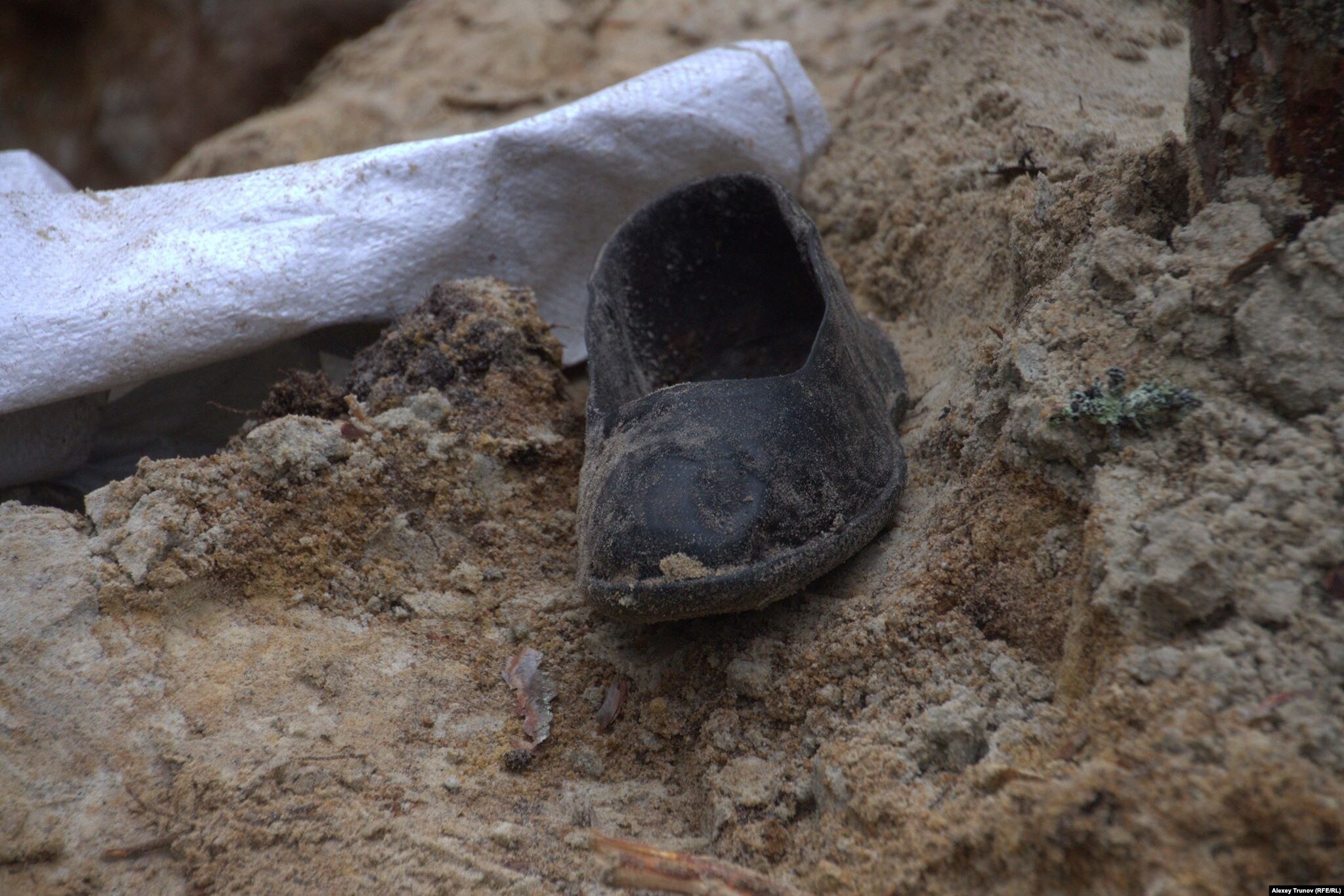
Why do the cemetery of captured Red Army soldiers make from Sandarmokh? Today, Sandarmokh is a unique memorial of victims of political repression not only for the northwest, but for all of Russia. Thanks to the work of the researcher Yuri Dmitriev, the names of all people who were shot there during the years of Stalin’s terror are known - more than seven thousand people. For the past three years, some Karelian historians, with the support of the RVIO (Russian Military Historical Society) have been trying to change the interpretation of the dramatic history of this place.
In 2017, Karelian historians Sergey Verigin and Yuri Kilin said that the Finns could be shot in the Sandarmokh of the Soviet Red Army soldiers during the occupation of 1941-1944, in 2018 and 2019, search engines from the Russian Military Historical Society came in Sandarmokh and excavated confirmations of the theory expressed.
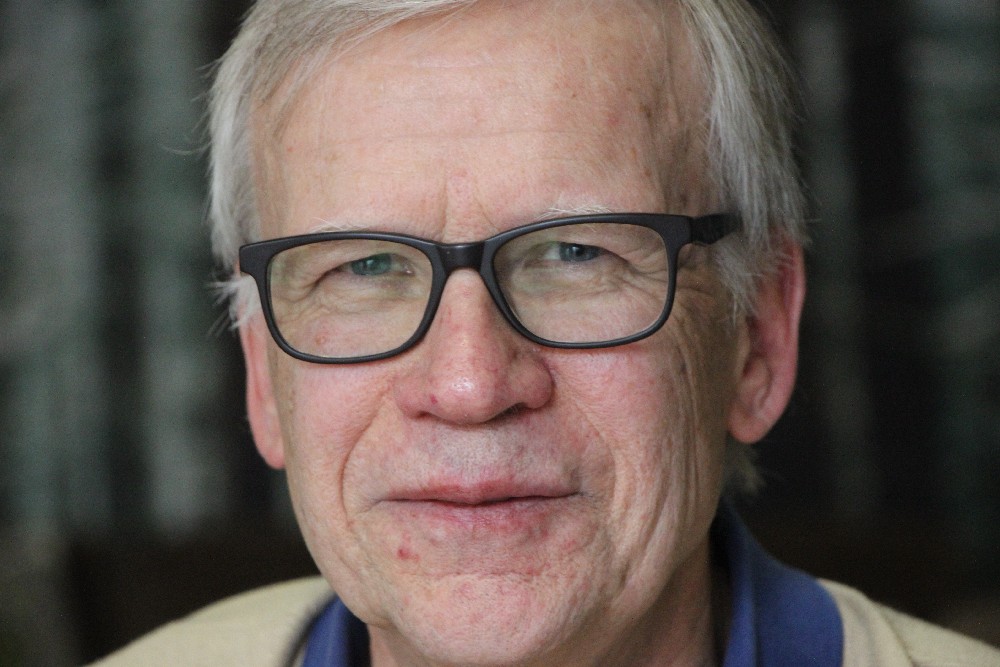
In the summer, in Finland, the book of Sergei Verigin and Armas Machine "Riddle Sandarmokha" was published. In the scientific community, this publication, like the hypothesis itself, caused a lot of criticism. One of the main experts on the topic of Finnish prisoner of prisoners of war, the scientist Anti Kuyala called the publication an unscientific "brochure", and its authors - second -rate scientists (literally "third -rate historians"). He cited reasoned evidence why the “hypothesis” of Karelian historians cannot be considered scientific. Consequently, everything that accompanies the “proving” this hypothesis - first of all, excavation of the RVIO - is not the process of obtaining new scientific knowledge, but the process of politicizing history, he believes. With an unusual directness for the Finnish scientist, Kuyal urged to abandon the further searches of enemies and return to constructive scientific cooperation to solve really important issues.
Especially for the Sever. Realii, Anti Kuyal prepared a journalistic review of pseudo -scientific attempts to pervert the history of Sandarmokh. We publish the text of this review (translated from Finnish):
Kilin and others against the "Memorial"
According to Verigin and Kilin, the Finnish army discovered the burial places in Sandarmokh and used them for the burial of Soviet prisoners of war sent for execution. The recently published brochure of Verigin and Armas, the Riddles of the Sandarmokh (Sandarmohin Arvoitus), is devoted to the justification of the hypothesis.
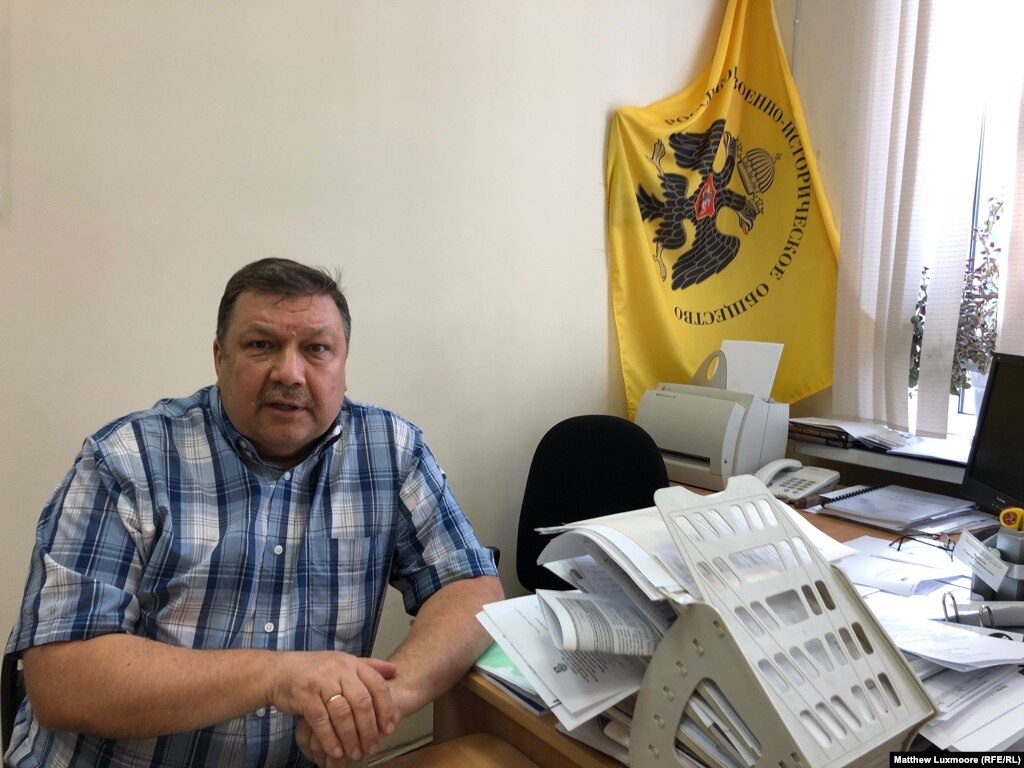
The publication was prepared with the assistance of Finn Johan Bekman, a participant in ambiguous "information campaigns", and [including for this reason] does not cause confidence in the target Finnish audience. In general, this work cannot be called noticeable or popular among Finnish readers. In it, Verigin talks about the origin and content of his "hypothesis", the refutation of which can be found below. It is not a historian at all, but a journalist, and his contribution consists in attacking the current and former employees of the Memorial [and people] who have ever worked with the theme of the Stalinist terror of the late 1930s. This brochure is not a scientific work, but a pamphlet. She is the background of excavations that are carried out by the Russian military-historical society in Sandarmokh, the purpose of which is to find evidence confirming the "hypothesis" of Verigin and Kilin. Obviously, in modern Russia there are people who consider it undesirable a reminder of the Stalinsky terror, the study of which is engaged in the "Memorial".
Facts instead of politics
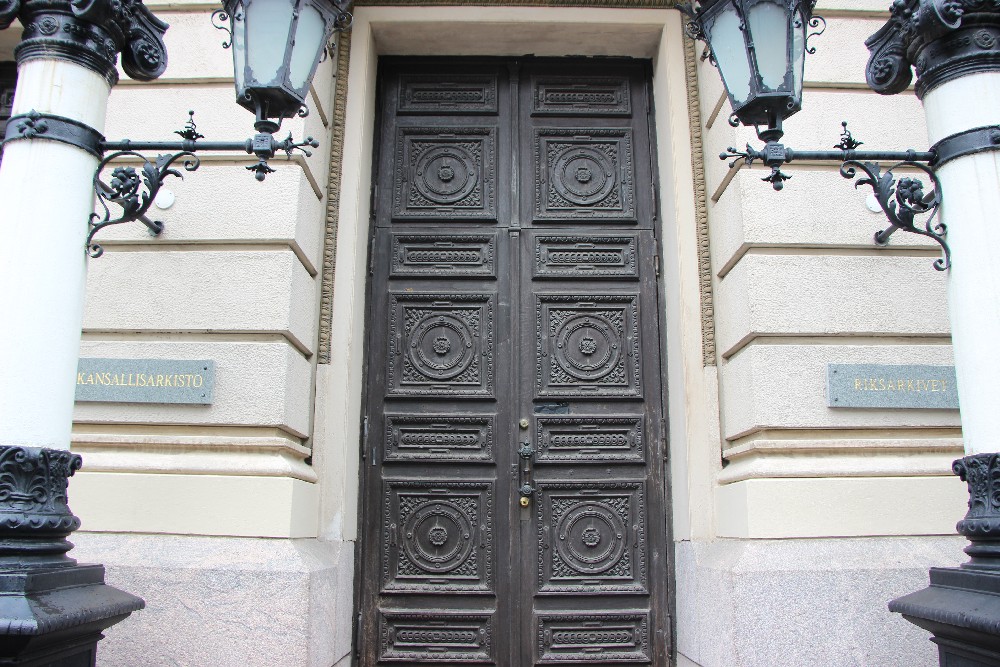
In the Medvezhyegorsk district [Karelia] there were indeed Finnish prisoner of war camps, about ten kilometers west of the Sandarmokh, who, in turn, was in the immediate vicinity of the front line. In accordance with the international conventions, prisoners of war, held in captivity of Finland, were under the close supervision of the Finnish Red Cross. Each prisoner of war had a Red Cross card, where the date and cause of his death, as well as the place of burial, were recorded. In 2008, the National Archive of Finland created an online data base with the names of all 19,000 Soviet prisoners of war who died in Finnish captivity. This base is open and available, including for Russians, but Verigin and Kilin did not work with it. Why? After all, this base should be the starting point of any significant study about prisoners of war.
In Medvezhyegorsk, camp buries were recorded [Finns during the war], but in Sandarmokh, where there were no prisoners of war camps, there are no data on such burials. In accordance with the established procedure, the dead [regardless of the cause of death] prisoners of war were buried in the immediate vicinity of the camp. Circumstances related to the death and burial of prisoners of war were monitored by the Red Cross. Thus, the idea of secret burial [in Sandarmokh] is absurd. It is impossible to completely exclude the likelihood of burial in Sandarmokh of several Soviet soldiers who died during the fighting, but this is very unlikely.
There are other arguments against the "hypothesis" of Kilin and Verigin. The contract on the termination of hostilities in September 1944 obliged Finland to bring to judicial responsibility citizens who committed war crimes.
There are errors and fraud, but they are rare
I studied the lawsuits of 500 Soviet prisoners of war, which were shot by the Finns, the majority was illegal. Personality 332 of them are established. According to the cards of the Red Cross, nine of them died of illness, although I know on the basis of the materials of the post -war courts that they were shot. Thus, errors and fraud are, but they are rare. In small camps, the cause of death was often established by a person who did not have a medical education, but only in very few cases it was indicated that the prisoner of war with gunshot wounds died of illness, that is, from something else than from a fatal outcome. Any large -scale fake of prisoners of war cards in order to reduce the level of violence using firearms is excluded.
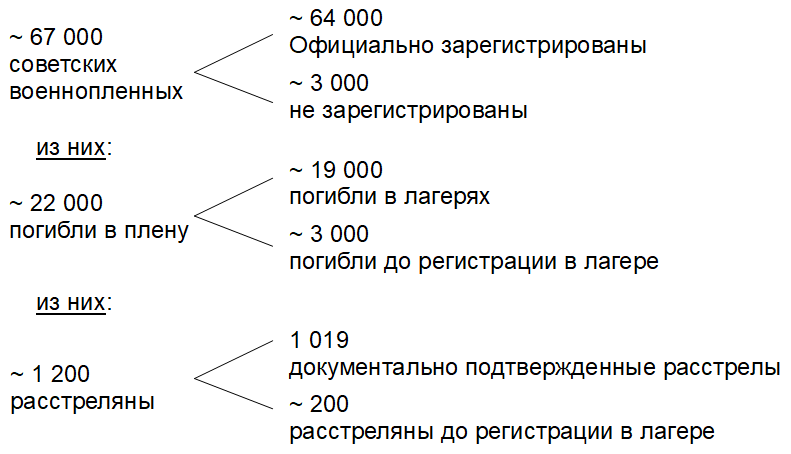
According to the cards of the Red Cross and the notes of military hospitals, in 1941–1944. 1019 registered and identified Soviet prisoners of war were shot in captivity in Finland. Based on the 500 prisoners of war I have studied, of which about 100 were not registered, about 200 should be added to the number 1019. They were shot down before they were registered as prisoners of war. Thus, 1200 or very close to this - this is the final figure of executions by the Finnish military of Soviet prisoners of war.
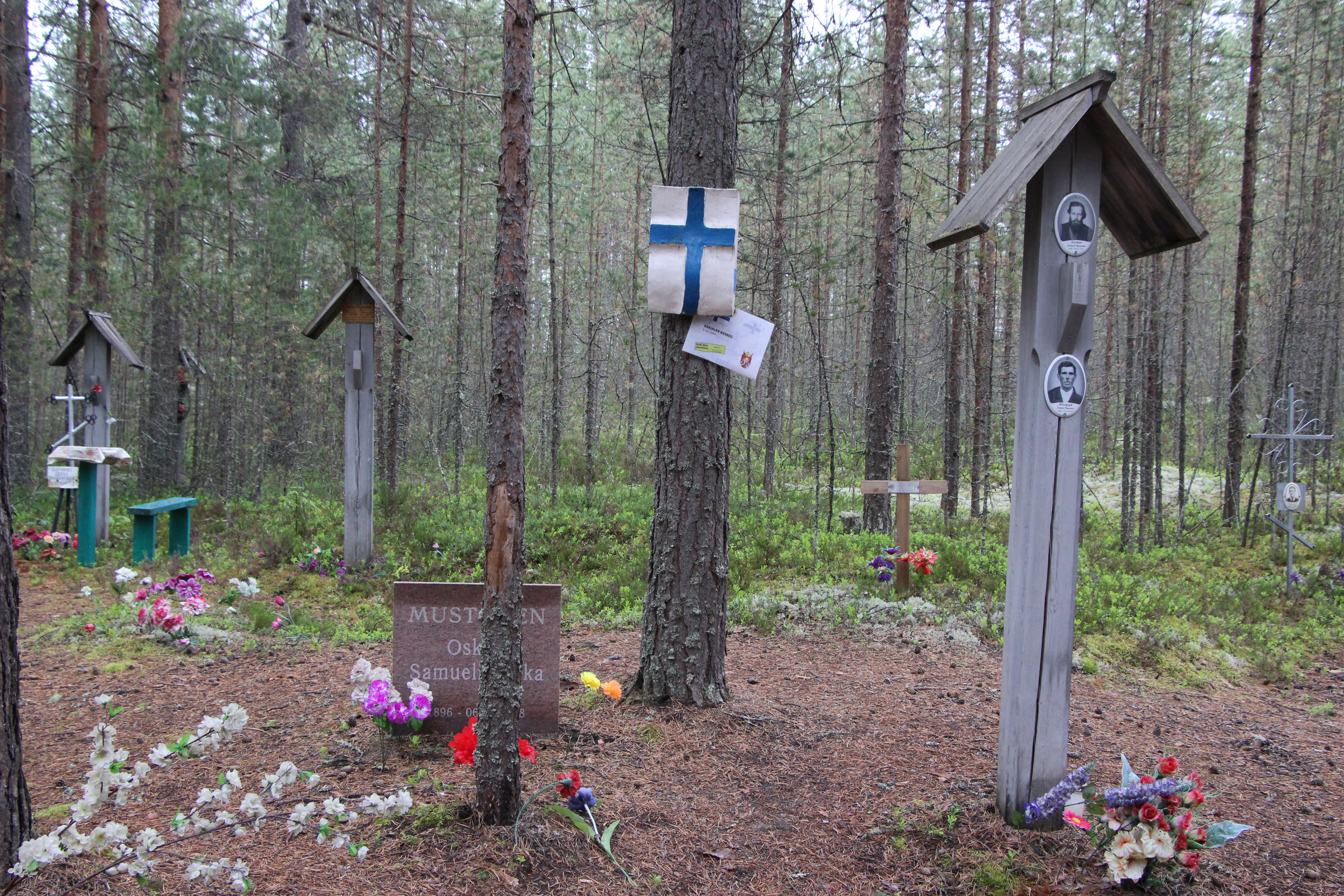
Invented grades and established facts
Verigin and the car are not given in the pamphlet of the [number of Soviet prisoners of war shot by the Finns], but in the press Verigin and Kilin talk about a much larger number of murders of prisoners of war [in the camps of the Medvezhyegorsky district], for example, up to 500 or even 1000 or 2000.
The majority were killed illegally, as a rule, in order to maintain discipline
In the publication of The Washington Post, according to Verigin, “up to a thousand people could die,” which probably means that they were shot. These accusations are groundless. There were no mass killings in the camps for prisoners. Basically, there were either single executions, or executions of up to ten or twelve prisoners of war at the same time. Some of them were shot legally while trying to flee or attack the camp workers, but most of them were killed illegally, as a rule, in order to maintain discipline.
In the camps of one army corps of the Karelian Isthmus (i.e. not in Soviet Karelia), more than 100 people were killed from the end of 1941 until the summer of 1942. The General Staff investigated the murders during the war and, of course, closed the case instead of transferring it to court (during the war, the charges of execution of a prisoner of war were very rare), but from the very beginning of the investigation the number of murders was reduced in the army corps. If such cases were in other units or camps of the army, then they would also attract the attention of the headquarters of the Armed Forces, or we would know about them on the basis of the cards of the Red Cross.
A lot of deaths
As mentioned above, the number of Soviet prisoners of war who died in Finnish prisoners of war was 19,000, but, according to my estimates, before registration there were another 3,000 [dead], whose names we do not know. The assessment is based on data on the number of prisoners of war represented by army divisions during the war. There are a lot of confusion in these figures, but at least 3,000 people should be added to the official post -war figures (64,000 prisoners of war). The executed 1200 prisoners of war accounted for 5.5% of 22,000 who died in captivity at the Finns. Most of the unregistered 3000 died of diseases associated with malnutrition (most likely, 19,000 registered prisoners of war had the same cause of death). To imagine that all or most of the unregistered 3000 were shot is nonsense. It should be emphasized that most Soviet prisoners of war were sent to Finland to minimize the chances of a successful escape. The idea that most of them were in Medvezhyegorsk or somewhere in Soviet Karelia is an absurd fantasy, not to mention the meaningless hypothesis that Sandarmokh is a secret Finnish Katyn.
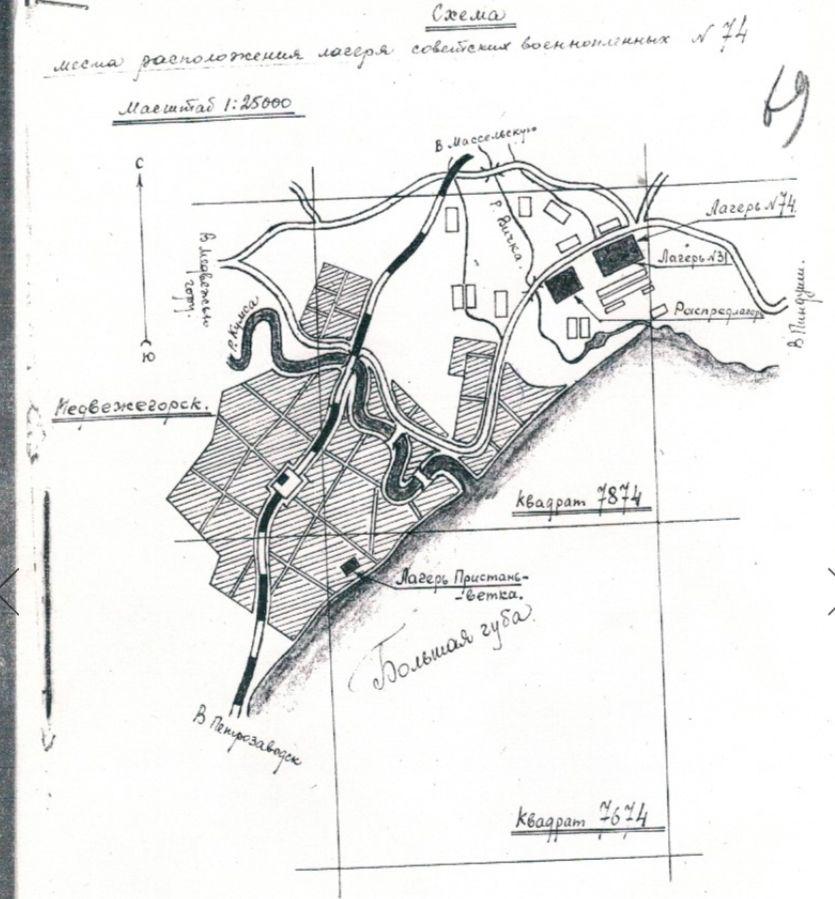
A third of prisoners of war died in Finnish camps. Although in Finland the policy of destruction (i.e., deliberate systematic murder or starvation) was not pursued, mortality in prisoners of war camps during World War II was higher only in Nazi Germany (in relation to Soviet prisoners of war) and the Soviet Union. As you can see, I am not trying to whitewash the acts of the Finnish army, but I would like to adhere to the established facts, namely, it is correct to use the numbers I have given instead of distorting the overall picture.
Why Sandarmokh is not "Finnish Katyn"
The answer to the question of whether the Finnish army knew about burials in Sandarmokh during the war can only be obtained from Finnish materials stored in Finnish archives. I or any of the Finnish researchers have never seen anything even remotely similar to it. As far as you know, Verigin and Kilin never worked in Finnish archives with data on Soviet prisoners of war (they wrote in the press that the National Archive of Finland invites them to get acquainted with materials, because all wartime materials are available for familiarization). And Verigin does not even know the Finnish language. Why did they decide that they know [the question of the fate of Soviet prisoners of war] better than us, Finns?
If the Finnish army discovered graves in Sandarmokh, it would lead anti -Soviet propaganda in the same way as the Germans against Katyn. Such conclusions are drawn by Irina Takala, an authoritative Petrozavodsky historian working with the theme of great terror, and they are quite justified. In addition, it made no sense to carry the bodies of prisoners of war from Medvezhyegorsk to Sandarmokh, when cemeteries for the dead prisoners of war were created near the camps in Medvezhyegorsk.
If Russian scientists do not know where the cemeteries of prisoners of war in the Republic of Karelia are located, then this is on their professional conscience. How, for example, the "organs" reacted if the Finnish authorities tried to control the burials (and keep them in proper condition) on the other side of the border in the post -war period? Verigin and Kilin “forgot” that the Soviet Union of the time of the Stalin era was only interested in the very fact of being captured by Soviet prisoners of war, in other words, in their treason of the USSR and punishment for this, but not in any potential crimes committed against these people while they were in captivity. The stigma of betrayal accompanied former prisoners of war for a long time before and after the death of Stalin, and is still reflected in oblivion in relation to the former camps of prisoners and their cemeteries in Russian Karelia.
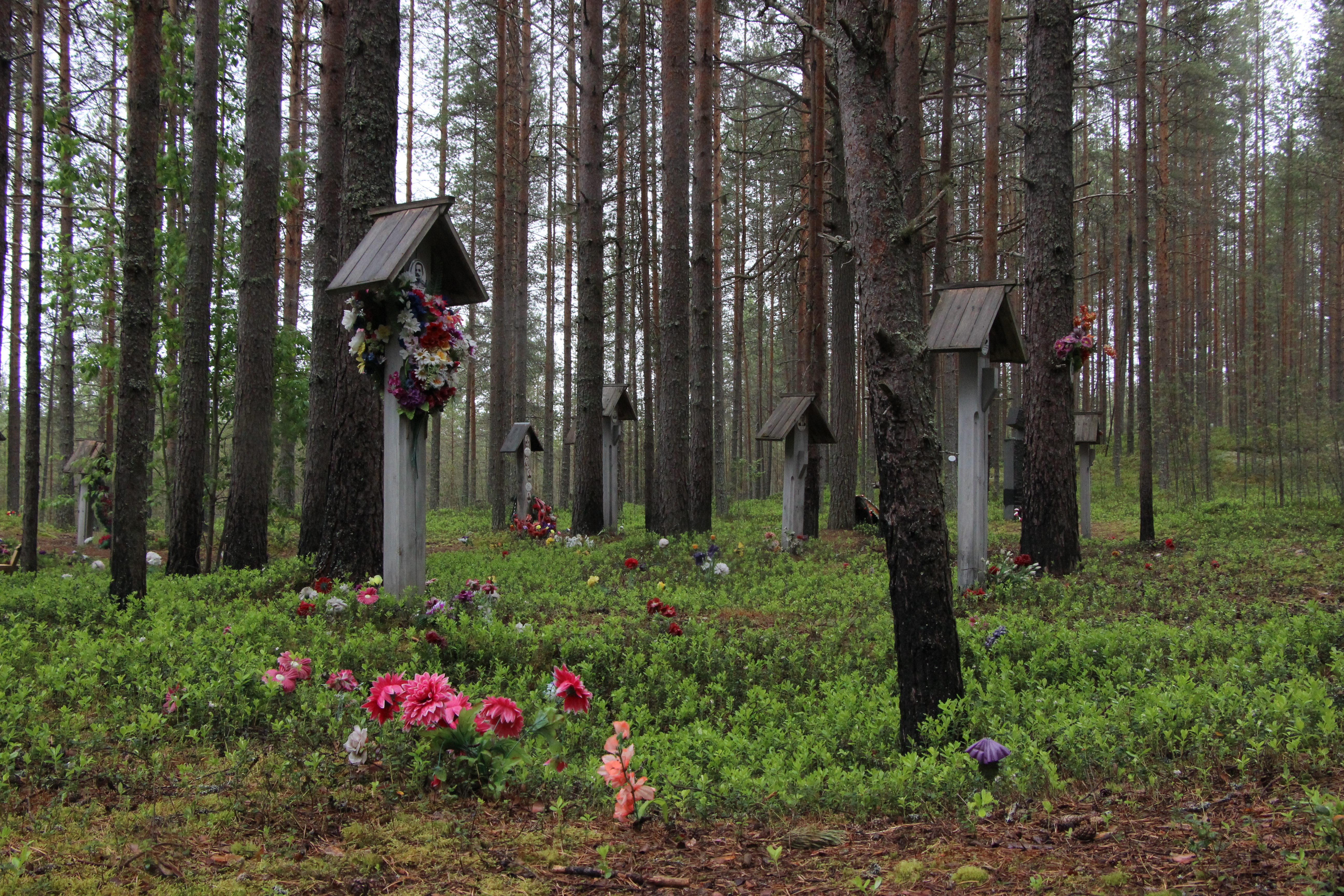
Research results RVIO: Evidence was not found
In September 2018, during the excavations [in Sandarmokh], the Russian military-historical society discovered pieces of green fabric. Contrary to the opinion of the employees of the RVIO, the color of the finds does not serve as proof of the executions of Soviet prisoners of war: it should be recalled that the British overcoats transferred by prisoners of war [to the Finnish camps] were brown, not green. In addition, according to the prevailing practice, during the legal executions on the basis of the death sentence of the military tribunal, the convicts and members of the shot team looked into each other's eyes.
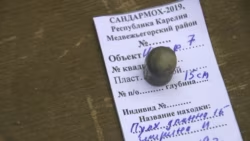
However, only a few prisoners of war were really sentenced to death. In most cases, these were illegal murders when the victim was told to go ahead of the guard who shot him in the back. Then the guard reported that the prisoner of war allegedly tried to escape, as the murder was legitimate when trying to escape. It was legitimate the murder of a prisoner of war in self -defense, which was sometimes used to conceal illegal execution.
A bullet in the neck with the victim’s hands tied behind the back resembles the execution of the NKVD
Thus, if the victim had gunshot wounds only in the head, as reported in some cases, then the obvious explanation is illegal murder. No one aims at the head of a escaping prisoner to prevent him from doing this. In addition, I do not remember that the hands of Soviet prisoners of war were tied behind their backs [as was established by RVIO excavations in Sandarmokh]. There was one case in 1941, but the victims were just Finnish prisoners of war, executed by Soviet organs. A bullet in the neck with the victim’s hands tied behind the back of the NKVD resembles.
Regarding the finds of the RVIO in Sandarmokh, it should be recalled: if the creature walks like a duck and runs like a duck, then, most likely, this is a duck.
How third -rate scientists desecrate history
I do not know what is happening in modern Russia, I only observe from the outside. However, it seems to me that the “hypothesis” of Verigin and Kilin, excavations in Sandarmokh and the arrests of people related to the study of repressions ( since 2016 there is a trial of Yuri Dmitriev, who has been arrested on charges of violent acts of a minor. - SR ) is an attempt to belittle and reduce the significance of Stalinist repressions, arouse suspicions of the work of Memorial, organization, organization. The fixing the totalitarian past of the Soviet Union and monitors the observance of human rights in modern Russia, as well as to intimidate and force people who are actively involved in its work. So, it is well known that until 2016, representatives of the Government of the Republic of Karelia participated in annual mourning events in Sandarmokh dedicated to the memory of the victims of the Stalinist terror, along with the Memorial. However, in recent years, on August 5, the government has not been represented on the annual civilian memorial service.
As for the Soviet prisoners of war, the reputation of the Finnish army is not accurately, but an attempt to shift the responsibility for Stalinist crimes to the Finns is a flagrant distortion of facts. Each nation should look into the face of the dark sides of their history, not trying to turn them out. The statements of politicians that "after all, others also sinned," are similar to the arguments of a five -year -old child.
In our relationships there is too much politicization and "search for the enemy"
I would like to hope that people responsible for questions related to Sandarmokh are reasonable enough to understand the absurdity of the "scientific hypothesis" of Petrozavodsk historians. Sadly, Verigin and his colleagues are third -rate historians, who, obviously, believe in the correctness of their ideas. They obviously live in the Stalinist reality, where foreign states and foreigners constantly threaten Russia. Their conclusions are based on this assumption. I sincerely hope that the real scientific Russian-Finnish cooperation in matters related to great terror and the Second World War is still possible, but in this case any political agenda should be absent. In our relationships there is too much politicization and "searching for the enemy." Russians and Finns deserve the best.
Anti Kuyala, University of Helsinki, especially for the Sever. Reali