Date
Author
Дарья Козлова, Арнольд Хачатуров
Source

Preserved copy
Translated material
Eye - to the people!
In Moscow, a system of digital control over citizens is being built: thousands of cameras, a person recognition system, online access for "Comrade Major"

Peter Sarukhanov / "New Gazeta"
Last year, the Moscow Information Technology Department developed the Smart City - 2030 program. After 10 years, according to the plans of the city hall, Muscovites will live in a digital megalopolis of the future, reminiscent of something between the Silicon Valley and the Xinjiang-Uyghur Autonomous Region of China, where the system of total monitoring of citizens is deployed. The New Gazeta tried to figure out why the Moscow authorities were so carried away by new technologies and whether the townspeople should prepare for the “digital dictatorship” according to the Chinese model.
Digital city-garden
Moscow under Sergei Sobyanin not only noticeably “prettier”, but also became more technological. For example, the Russian capital took first place in the UN Development Rating for 2018. The city hall went to this result for several years, consistently increasing investment in digitalization.
In order to maintain this result, in 2020 the mayor's office plans to increase financing of the Department of Information Technology of the city of Moscow (DIT) by 20 %. In total, it is planned to spend almost 240 billion rubles on digitalization in 2019–2021. In terms of financing, the Smart City program is approaching the costs of the development of the urban environment and the communal and engineering infrastructure.
Until recently, Dit was supervised by Anastasia Rakova, deputy mayor and one of the most influential officials in the Moscow government. According to the interlocutors of the Novaya, at first, Rakov participated in all key projects on digitalization and delved into each detail in detail.
“Sobyanin’s personal contribution to digitalization is very large,” confirms the head of the standardization and automation department at the Information City GBU Ivan FOST, who worked in DIT from 2012 to 2018. -Now it is doing this [vice-mayor Natalya] Sergunina, she has a different management style. But the former frenzied dynamics is no longer needed, the IT revolution has replaced with evolutionary development.
The experiments of the city hall with the introduction of digital technologies began with the advent of Sobyanin in 2010. As officials themselves explain, this was due to the request of Muscovites to more convenient public services, on the one hand, and with the desire to increase the effectiveness of public administration - on the other.
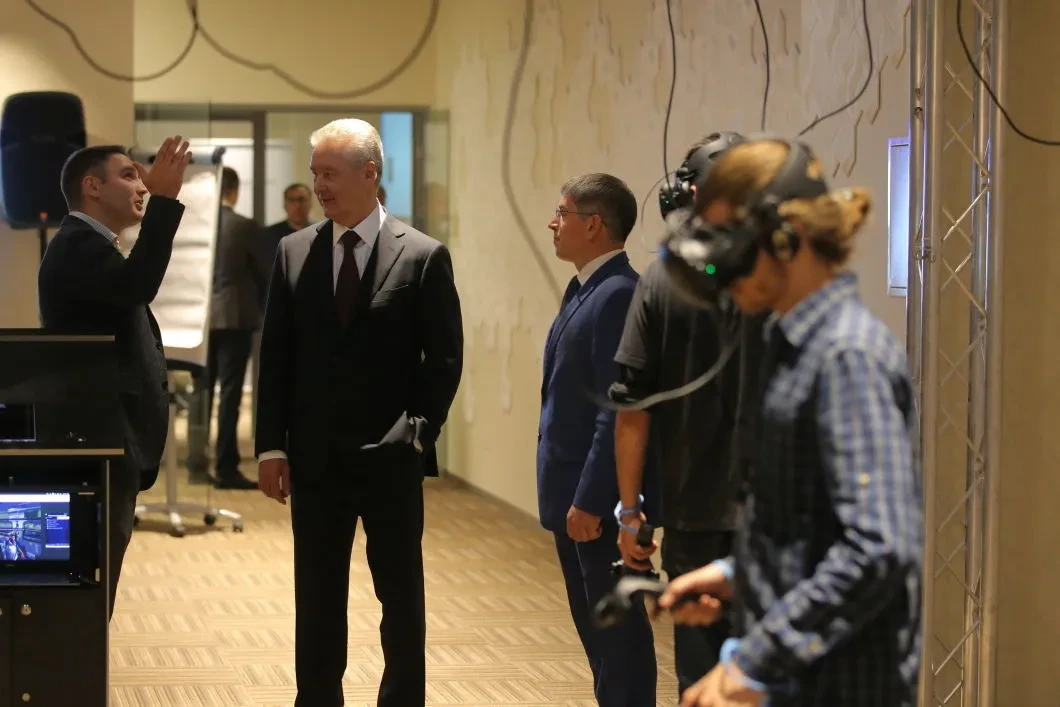
On this path, the Moscow government has passed several stages. The first and easiest - primary automation: refusal of paperwork and the transition to electronic document management (2010-2012). The second stage is informatization, when it is necessary to synchronize several automated processes with each other (2012-2016). A couple of years ago, the third and so far the last stage began - digitalization, which involves active work with large data arrays.
“You can imagine these stages on the example of a taxi call,” says Fost. - When you raise your hand, this is the most primitive approach. A call to the dispatch is primary automation. Informatization is when there is cloud accounting in the dispatching department, the history of the client is recorded and all these processes are connected with each other. And the third stage is Uber, when the entire taxi process is tied to work with data. ”
At the first stage, there was a “quiet horror”, recalls Fost: I had to get through the bureaucratic millstones of regulations, and there was no digital culture among officials completely. “The first 2-3 years 90% of the departments were hostile to us. At first they were forced, but then they liked it. Over time, many retrained and began to generate ideas themselves, ”he says. A number of through projects have appeared - for example, the applications “Our City” and “Active Citizen” for feedback with Muscovites - into which all officials, including territorial councils and prefectures, involuntarily became drawn.
In addition to the desire to make urban services better, the mayor's and more pragmatic impulses moved the mayoria. As the sociologist Petr Ivanov notes,
Digitalization is the easiest way to get into an international rating by which the authorities evaluate the work of state bodies.
“Working with IT for an international rating is much easier than with ecology, urban planning policy or social support,” the expert says. - These are all complex and complex tasks. And the Smart City system is much easier in embodiment due to the fact that the Moscow government is operating here in a clean field. Everything can be done from scratch, without entering a large number of conflicts and public discussions.
Recognize everyone
However, according to separate resonance projects, public discussions still arise.
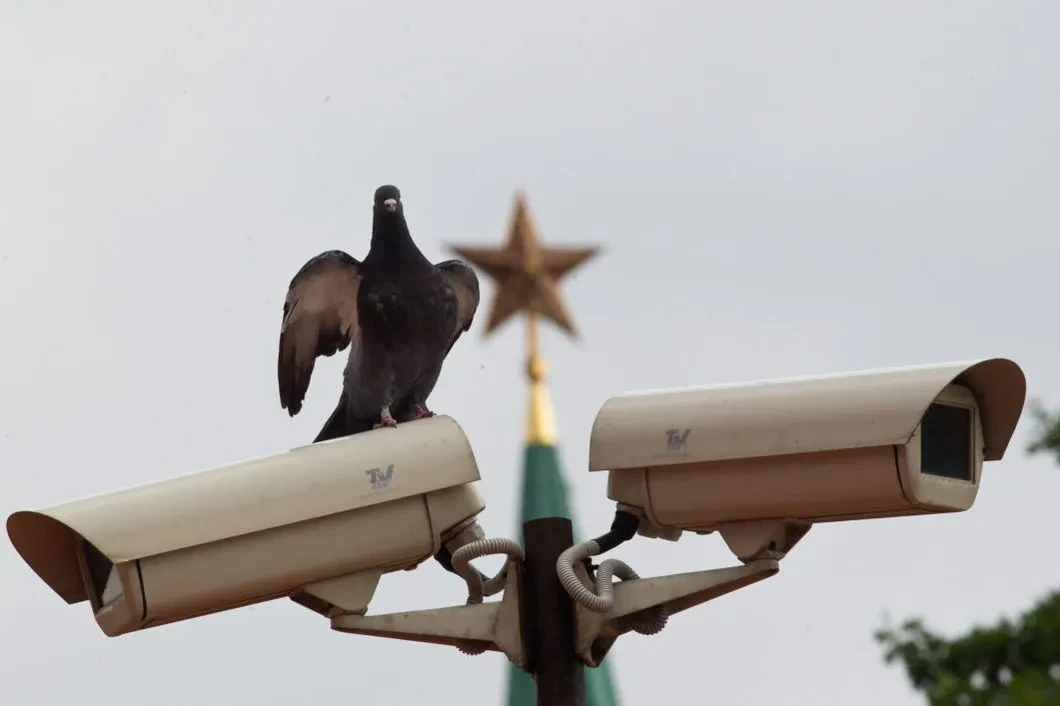
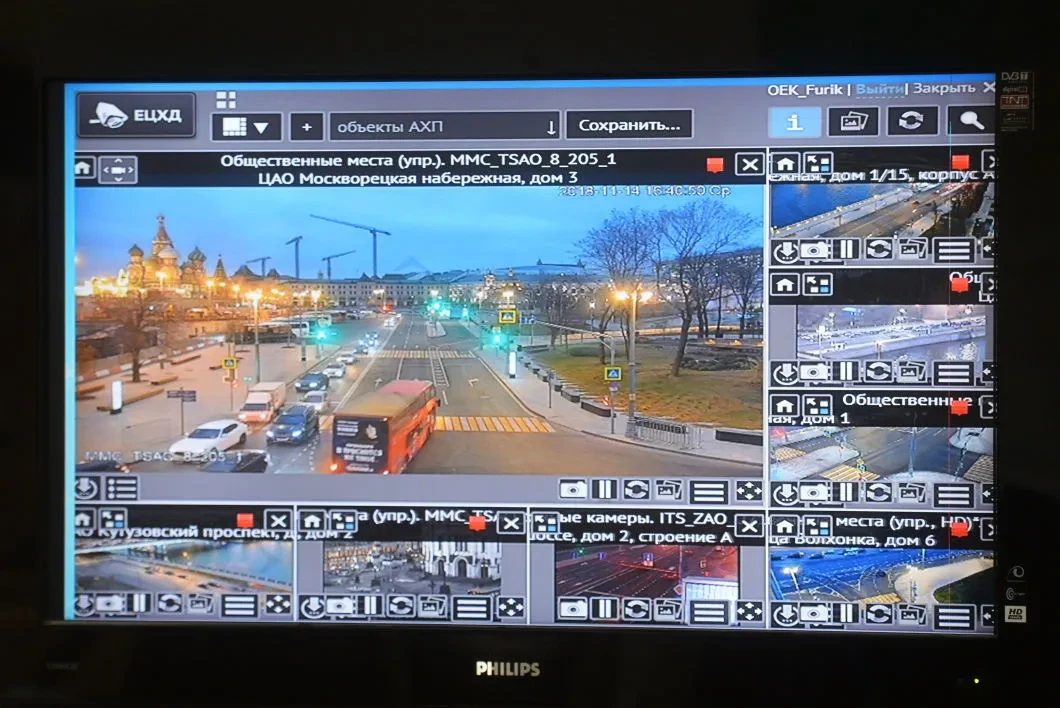
So, the Moscow authorities pay a lot of attention to city security, in particular, the introduction of an “advanced video surveillance infrastructure, video analytics and person recognition systems”.
Rumors about connecting Moscow surveillance cameras to the person recognition system appeared in 2016. Then it became known that the Moscow government is negotiating with NTECHLAB - a startup that has developed FindFace technology. This service allowed to find a person’s profile on the VKontakte social network from a photograph, but in the summer of 2018 it closed. From that moment, NTECHLAB became the “daughter” of Rostec and began to tightly cooperate with government agencies.
The pilot project for introducing “smart” cameras started in Moscow in 2017. According to the city hall, in September of that year, more than 3 thousand CCTV were connected to the recognition system. Glory to the system was brought by the 2018 World Cup. During the mundial in several cities of matches, the police were able to detain more than 180 people included in the offenders and federal wanted list. This required only 500 cameras.
The authorities took up the introduction of “smart” chambers in 2019. In May, Moscow Mayor Sergei Sobyanin announced a competition to create a large -scale recognition system of persons, which should cover more than 200 thousand CCTV. According to the mayor's office, by the fall, 40 % of the currently established 162 thousand cameras were updated to launch the system. The project “Daughter” of the System “System” “Sistema” is working on the project. By the end of this year, the company should prepare a technical solution for using the algorithm and a legal conclusion regarding its legality.
In city realities, recognition technology works as follows. CCTV cameras broadcast a video stream into the system, the algorithm breaks it through the frames and fixes human faces on each of them. Then a specially trained neural network builds a vector of signs, which allows you to identify a person.
If the algorithm is quite well configured, then neither the angle of view, nor light, nor all kinds of covers in the form of glasses or beards will prevent recognition.
After that, the received information is compared with a database loaded into the system. If a coincidence is found, the program sends an appropriate notification. The whole process takes no more than a couple of seconds.

- The cameras in automatic mode check the people passing by and compare them with the list [wanted]. If there is no coincidence, then the photograph is deleted and nothing happens. If there is, then she goes to the police officer so that he makes a decision, ”said Artem Kukharenko, founder of NTECHLAB. According to Kukharenko, this technology does not carry ethical risks, because the final choice "still remains for a person."
Neural networks are able to identify a person not only in the face, but also by silhouette. This is necessary in situations of a bad review - for example, when a person walked past the camera with his back. At the same time, it is practically impossible to hide from the cameras - CCTV can recognize the personality of a person, even if his face is hidden under the mask. The forensics of the Investigative Committee of the Russian Federation recently stated that the points of his skull are enough to identify a person. Due to the fact that such parameters as the shape of the skull, eye cut and the final edges of the lips do not change throughout life, and the mask usually does not hide them, the alleged criminal can be calculated with an accuracy of 60–70%.
Chinese older brother
In the development of the city video surveillance system, Russia is closely cooperating with China. In the summer of the deputy head of the Department of Foreign Economic and International Relations of the city of Moscow, Ilya Kuzmin said that the city government sends delegations to Beijing to study video surveillance systems and analytical systems that process data after their collection.
“Technooptimism” in China resembles an episode of the anti -utopian series “Black Mirror”. Since 2014, a social rating system has been tested in China, according to which citizens are charged with points for “worthy” behavior. The most common punishments for misconduct (from tax failure to buying too much video games) is a ban on air travel and train travel. The sanctions were introduced in May 2018, and by the end of the year the National Public Information Credit Center of the PRC reported that because of the rating, the aircraft tickets could not buy 17.5 million times, 5.5 million for the train. 128 citizens banned travel abroad.
The identification system in China began to be introduced back in 2016. Now with the help of a person here you can pay a check at KFC, remove cash at an ATM and get toilet paper in a public toilet. In addition, it is impossible to get lost in China. Thanks to 20 million CCTV, connected to the person recognition system, Chinese police officers are able to find a person even in a crowd of sixty thousand people.
Most of the “smart cameras” fall on Xinjiang (the region bordering Russia, Mongolia, several countries of Central Asia, India and Pakistan). The strengthening of digital control began here in 2014, after a wave of terrorist acts from the Uyghur militants caused by the murders of workers in South China at the end of the zero (in 2009, after mass protests in the district, the Internet was turned off for a year).
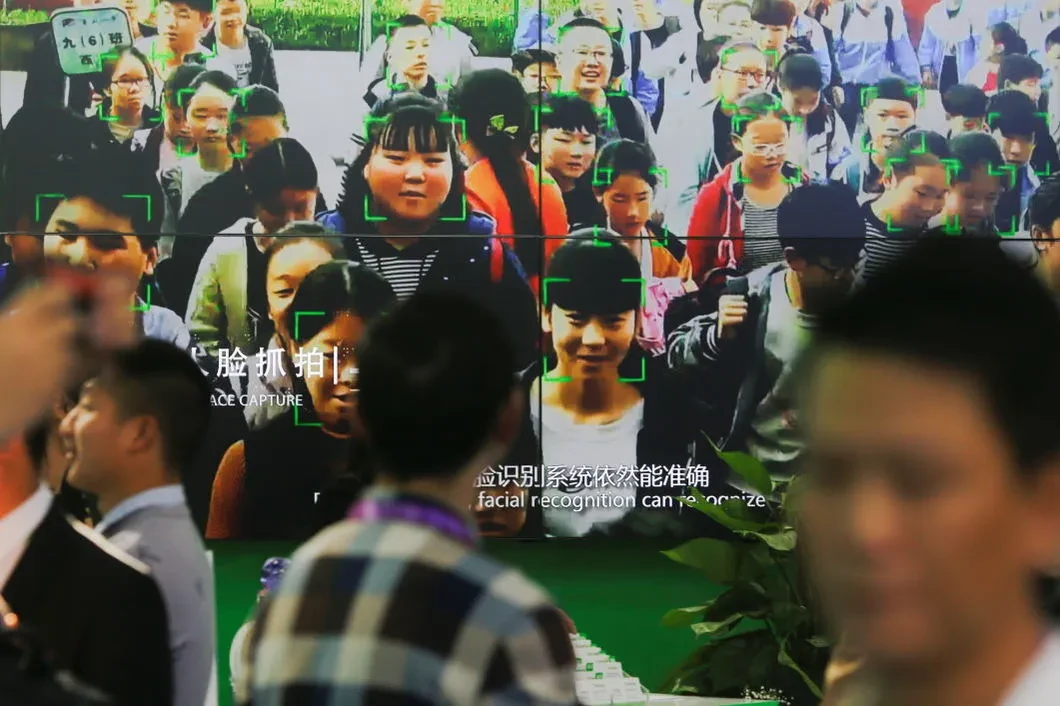
Last year, Human Rights Watch published a report on the persecution of Uyghurs (Muslim minority) in China. According to the organization, total surveillance has been organized behind the people, mass detentions are common in the district, and residents can fall into educational camps for excessive religiosity. In addition, the movements of citizens are monitored using a special application, which transmits the device identifier to the police, its model and number of the owner.
Support for a powerful video control infrastructure is provided by CEIEC - a state -owned company, which works not only within China, but also for export. The company's branches are open in Venezuela, Brazil, Algeria, Egypt and other countries of South America and Africa. In Europe, the CEIEC department is still operating in Moscow.
In terms of digitalization, Moscow is more likely not to all China, but only to Hong Kong, according to sociologist Peter Ivanov. For example, in Moscow, following the example of Hong Kong colleagues at the end of 2018, they began to engage in “smart” lanterns. The project is carried out by JSC United Energy Company. This year she plan to install 17 thousand devices that collect information about the weather, and can also record property in warehouses. Some of them can also be equipped with “smart” cameras.
To introduce widespread surveillance, serious goal -setting is necessary at the country's level.
In Russia, there are no economic and social prerequisites for this, experts say.
“In China, there is a serious base for digitalization and digital segregation, which is provided at the expense of cameras and cards of the townspeople,” summarizes Ivanov. - They solve such problems for which there are democratic processes in Europe. In this regard, Russia is still more than a European country. Our recognition of faces will rather turn into a dangerous toy of security forces than a tool of mass social engineering.
In Russia, there is still a low level of digitalization, and the authorities do not have enough motivation for organizing mass surveillance, the political scientist Malek Dudakov agrees. However, even without turning into a “digital concentration camp”, this technology can have serious risks for Muscovites.
Surprising without borders
Now in Russia there is no legislation that would regulate persons. According to the Law “On Personal Data”, biometrics are allowed only with the consent of a person, and this restriction can be removed in exceptional cases - to counteract terrorism, protect public order and defense. According to the culture of using biometric data from citizens, Russia is now somewhere between San Francisco and Beijing, says the lawyer of Roskomsvoboda Sarkis Darbinyan.
The start of the campaign against the introduction of the identification system in Moscow was the lawsuit of Alena Popova activist, whom the Tver District Court fined 20 thousand rubles after a single picket near the State Duma building. The accusation was based on the record from the video surveillance camera, on which the applicant's face was detected with an increase in the image by 32 times. Popova is sure that this is a sign of illegal use of biometric data and a violation of the right to a private life that guarantees the constitution.
The wording of the law “On Personal Data” is very blurry, they leave a huge gateway for abuse of the system and non -thargeted surveillance, says Darbinese.
“The authorities motivates the introduction of the system by the fact that it is necessary to ensure public order, but there are no provisions in the legislation that would provide for the procedure for access to the system, supervision of unauthorized access and data leaks,” Darbinese explains. -The general problem of Russian legislation is that neither offline- nor online sitting now has clear criteria: when it is acceptable and regarding which circle of persons.
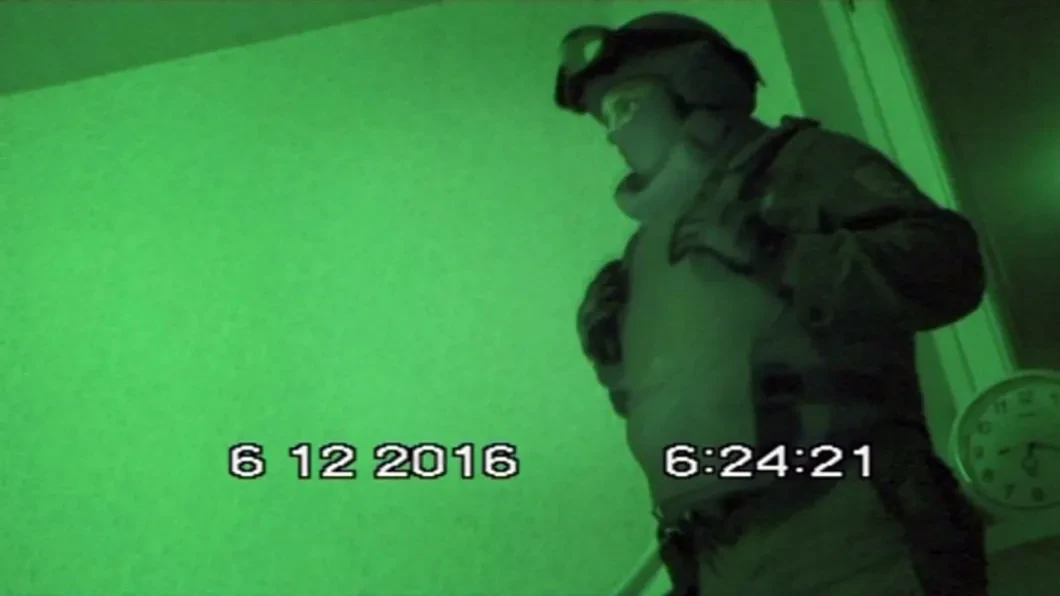
It turns out that the actions of the power structures are not regulated in any way, but in the system there may be false works. A classic example is the Champions League final - 2017 in the UK, when almost 92 % of 2470 coincidences in the person recognition were false positive. And in the summer of 2018, participants in the American Union of Civil Freedoms broke out the photos of all American congressmen through the Amazon Rekognition service and compared them with the database of criminals lying in the public domain (25 thousand pictures). As a result, the program accepted 28 members of Congress for offenders.
This can be especially dangerous in the future, when the main concern of the security forces is not eliminating the consequences of crimes, but their “forecasting and prevention” based on “big data”.
“Imagine that the Moscow person recognition systems reports that the terrorist is on,” Titov modeling the situation. - In which law is it spelled out, what to do next? This issue is very important, because persons recognition systems are not absolute, the accuracy of this system depends on a thousand factors.
“If there is a terrorist, then, probably, special forces should be called. And if it turns out to be just a pensioner? "
The disappearance of anonymity is the risk of not only legal, but also existential. Technologies do not actually leave space for privacy and personal space.
- Previously, the big city allowed people to be different. Today you are a professor at the university, tomorrow-a rock musician, the day after tomorrow is a Formula-1 rider. These were absolutely unrelated things. Now the border between the private and public sphere disappears. In addition, marketers will know not only our requests on the Internet, but also what, where and when we go, ”the sociologist Peter Ivanov warns.
Another risk of introducing the identification system is large -scale leaks. In Russia, and so problems with data security (which are only leaks from Sberbank), and the drain of a centralized base with biometric information of Muscovites can lead to catastrophic consequences.
Elusive technology
The main question is whether it is possible to use the recognition technology until all these problems are resolved. In October, Roskomvoboda lawyers published a statement demanding to introduce a moratorium on the use of identification systems, which would include recognition as illegal actions by the Moscow Government and the capital's Central Internal Affairs Directorate for the use of persons recognition technology.
- Russia has not yet become a country with adequate data protection, we do not have an independent regulator that would deal with privacy issues. Now there is only Roskomnadzor for this, which does not meet the criterion of independence, ”says Darbinyan. - It is necessary to introduce a number of new regulatory provisions, clarify cases and grounds when person recognition technologies can be used. Until this work has been done, a moratorium should be introduced in Russia to use this technology by the authorities.
In the requirement to introduce moratoriums, lawyers of Rokomsvoboda are not pioneers. A similar ban this year was introduced first in Somerville (Massachusetts), and then in California.
The first court decision on the use of the person’s recognition technology was issued by the high court of London in September. Activist ED Bridges said that the police twice unlawfully scanned his face, including during a protest in Cardiff. According to him, the automatic recognition of persons is equivalent to taking DNA samples or fingerprints without the consent of a person. However, the campaign participants lost this lawsuit. But attempts to limit the use of technology will clearly not end there.
“Recently in Switzerland, the regulator brought to administrative responsibility the school for using students of students,” says Darbinyan. -The school administration stated that it has consent to the use of data, but the regulator considered that due to the dependent situation, the schoolchildren could not not give it.
With the introduction of a moratorium, however, there are difficulties. Firstly, it is not clear what services it should be extended to. Secondly, identifying those who use identification services is illegal, technically extremely difficult. The ban on the system at the legislative level even for several years is actually utopia, Titov believes.
- Think, for example, about drugs: they can be obtained even where they are prohibited. And these are still physical objects, and persons recognition are a technology that is very difficult to catch, ”the expert summarizes.
In addition, most Russians are not too scrupulous about their personal data, and even more so to biometrics.
- Unlike the United States, we have no movement to maintain data confidentiality. Since there is no public pressure, there is no desire to introduce a moratorium, ”comments political scientist Malek Dudakov.
Unwanted faces
In any case, the Russian leadership is definitely not going to suspend digitalization. The emphasis on new technologies plays an important role in ensuring the transit of the authorities in 2024, which should be served by progressive “technocrats”, says Andrei Kolesnikov, head of the Russian Internal Policy and Political Institutes program.
“Digitalization creates a progressive image for the authorities, especially since the whole world is doing this now,” the expert believes.
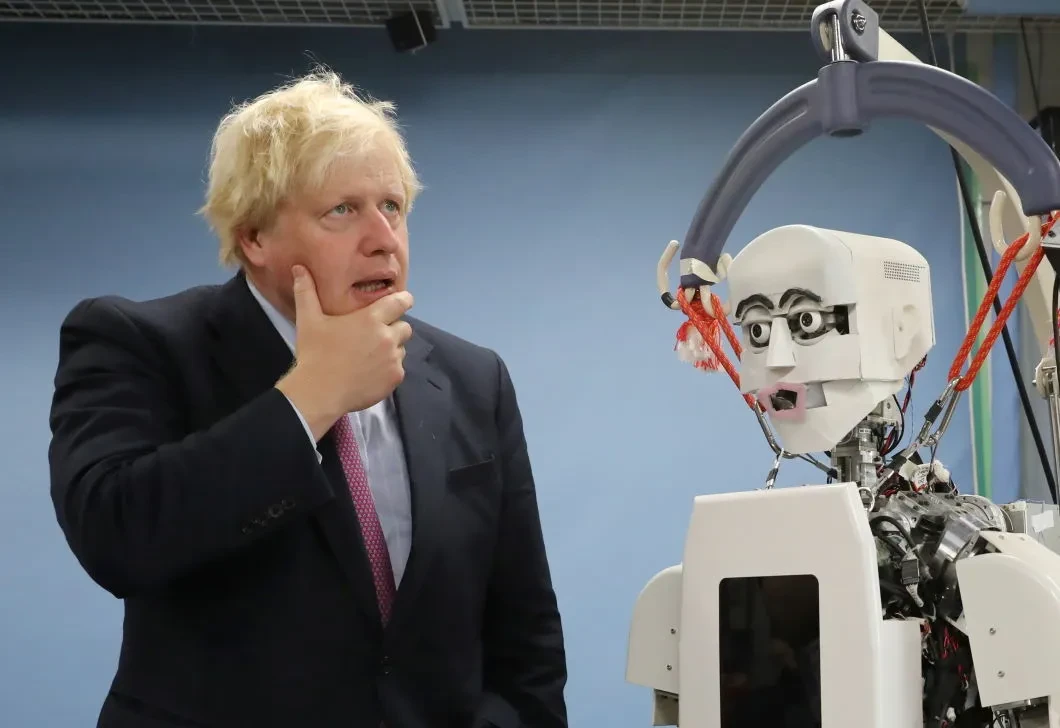
Modernization is necessary for the survival of the current political system, experts believe, and the widespread introduction of technologies should create a more convenient “new bureaucracy”, which will ensure the transparency and handling of various spheres of society. In such conditions, a obtained half-chorobot will be an ideal bureaucrat, Kolesnikov notes.
Political scientist Abbas Gallyamov is in solidarity with him.
- Passion for the technological side of modernization is generally characteristic of authoritarian regimes. In other areas, authoritarian authorities are forced to act as a conservative, and often frankly retrograde, ”explains Gallyamov. - Therefore, authoritarian governments are trying to compensate for this archaic with technical modernization.
But even more than “young technocrats”, the fruits of technological modernization are beneficial for strength structures. From the innovative method of combating crime, the person recognition system in one moment turns into a repressive machine. People, objectionable authorities, as in the case of Alena Popova, often fall under the sight of “smart” cameras. There are special sites “exposing” the participants in opposition rallies using persons recognition systems (for example, Jesuismadan.com).
“Suppose the Ministry of Internal Affairs and the FSB know that someone is a political activist or human rights activist,” Ivanov model the situation. -If this person goes towards the building with something like a poster, it can be detained in advance, even if nothing illegal was planned. Suddenly he has an anti -government action on his mind? That is, nothing remains of the presumption of innocence.
Such digitalization will help the authorities improve the methods of combating protest activity. Recently, scientists from the Center for Competence of NTI “Center for Technologies of Distributed Register of St. Petersburg State University” have developed software for identifying unwanted content (certain gestures, actions and objects in the hands). The direct purpose of the algorithm is the use of software as a filter for video hosting. However, as the developers say, the program can be used in public places.
The detention, arrests and criminal cases, as the Moscow events of the past summer showed, attract a lot of attention to themselves and do not always lead to the consequences necessary for security forces. It is much more effective to influence the financial incentives of citizens.
“They tried [fighting demonstrations] by power scenarios, but it turned out that it works badly and it looks even worse,” says the source of “New” surrounded by the presidential administration. - Using a person recognition system, if you connect it to the profiles of people in social networks and on public services, you can send fines to people, as they are sent to motorists today.
In this situation, there will be no Russian Guard on the boulevards, and the citizens will faced the question not “whether it is worth going to the rally”, but “how much will this rally cost me.”
Choose in smart
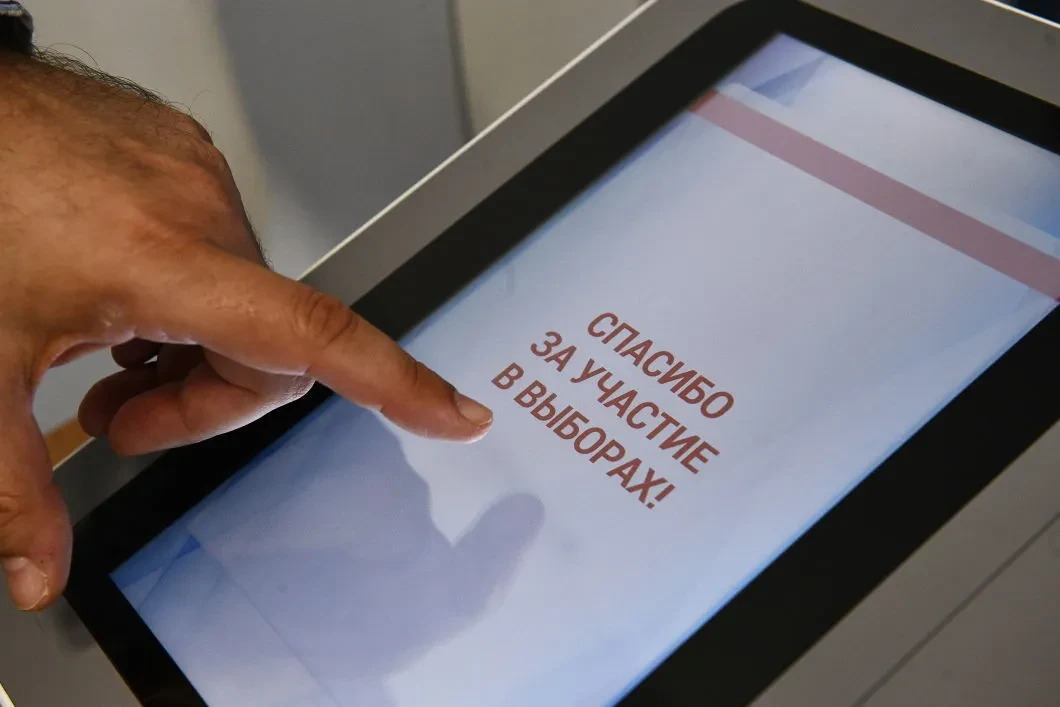
In addition, this year Russia first experienced the experience of digitalizing electoral processes. On September 8, in the elections to the Moscow City Duma, voters of three districts could vote remotely through the website of the Moscow City Hall Mos.ru. For one district, the result of the Internet voting became decisive: instead of an independent self-nominated novel by Juneman, the mandate received a candidate from United Russia, despite the fact that Juneman was a leader in ordinary areas.
The disputes around the electronic vote began before the elections. In August, Dit decided to arrange a public check of the system and invited everyone to hack it. The head of the public headquarters on observation of the election, Alexei Venediktov, even offered a generous reward for a successful “hacker” of one and a half million rubles. The French cryptograph Pierrik Godry could have turned out to be such a lucky one, who in 20 minutes calculated the secret encryption key and with his help found out who voted and how. The specialist coped with hacking using a regular personal computer and free software.
Despite the fact that later Meduza repeated with the same results, the child did not refuse electronic voting, but he denied his hacking. As Venediktov later stated, the cryptograph was only able to find the “vulnerability” of the system that quickly “darned”.
In the election, electronic voting still flown twice, and in front of the voters on the screen, instead of the ballot, the inscription "Error 404" arose. As noted in a conversation with the “new” co -chair of the Voice, Grigory Melkonants, this led to a situation not provided for by the Russian regulatory framework.
In addition to technical malfunctions, which over time can really be eliminated, excessive passion for digitalization in politics is fraught with imitation of democratic processes. As the professor "Shaninki" Grigory Yudin noted, in practice, such votes very often use precisely autocratic regimes, replacing them with public discussions and civilian movements.
“Electronic voting is a great way to reduce any democratic process to a purely administrative task, to press one button from the house,” the expert says.
Using electronic resources, draw the following elections with the desired turnout and adjustable results easier. You can do without gross falsifications, which are integral part -time companies using more subtle human behavior management mechanisms. At the same time, the large-scale use of IT services of the city hall in the nearest elections is still not expected, according to political scientist Mikhail Vinogradov.
“Such suspicions during the 2019 election caused a significant resonance,” the expert says. - Given the alertness of society, attention to the topic will surely be increased in order to prevent noticeable abuses. In general, digitalization is a world trend. The question is how and in whose interests it is used.
In Russian society there is a stable feeling that the state is an enemy, even when it does something useful, according to a former employee of Dit Ivan Fost.
- Of course, pragmatic people who think about their ratings are in power. But to create the appearance of digitalization in order to shift the tiles 30 times - no, there was no such plan. At least we, like ordinary officials, were sure that we were doing a good job.