
Translated material
Cyberpank we missed
On November 1, 2012, Roskomnadzor received the main tool for his work on the Internet - a single register of prohibited sites. One of the most resonant locks took place already on the tenth day of his work, when on November 11, access to the encyclopedia of Lurcomorye was blocked for Russians. The introduction of the practice of extrajudicial locks became the end of the whole era - it was then, with a calendar delay of two years, the phenomenon of the free Internet of zero finally went into the past. The culture of the Russian Internet was born in the parallel reality of Dvach, diary platforms and closed chats of district locals, at the request of Samizdat, the co -founder of Lurkomorye David Homak says.
In February 1998, I came to the PTT Telecom office on Tretyakovskaya and connected to the Internet. I was 17 years old, I loved science fiction and computer games and dreamed of once writing in a computer magazine. A year later, I sat in the IRC on the channel of Russian fiction and wrote articles in the magazine “Navigator of the Game World”. Thank you, the Internet.
Paper magazines of the Computerra type talked about the successes of the Internet in his homeland, in California. For example, some startup began to advertise his website on billboards along the roads. I raised my head and saw an advertisement for sheepskin coats and leather jackets. But he believed that someday there would be an advertisement in the Moscow metro, where instead of the phone there would be the address of the site. After 10 years, I looked at the metro advertisement of "Odnoklassniki" and thought that we, of course, won, but at what cost!
In the same 1998, the Orca Game club opened at the MISiS Institute - it seems the third in Moscow at that time. I was 17 years old, I studied in my first year in a geological one neighboring MISIS and found friends there who loved computer games and used the Internet. As a result, I even got to the team, or, as they said, as they said, the DDT clan - on the condition that I will never play on behalf of this team. Certy sports of high achievements is not mine. Further vaguely: the crisis of 1998, the launch of the Russian MTV.
Then we had two dream careers: to write in computer magazines or put video clips on the TV. It was necessary to choose MTV, of course.
“IRC (IRK, IRA, IRC, from the English. Internet Relay Chat-retrane by Internet chat) is a client-server system, with which you can communicate through the Internet with other people in real time. In short, a choke, but not simple, but sophisticated. "
Lurkmore.to
Playwoman: Paper Journals of the Life of the Internet
But I chose incorrectly. He stood October. My friend and I went-eight bus stops from the Polezhaevskaya metro station somewhere towards the main streets-to the editorial office of the magazine Navigator of the Game World. The editors were in the basement of a panel high -rise building. A sewer pipe passed under the ceiling, rusty and unpleasant in appearance. The editor -in -chief of Navigator, Igor Borisych, lived directly in the editorial office, because he had nowhere to live. He had a cot in his office. The release editor of the seventeen years also lived in the editorial office, preferring not to appear at home, but he did not have a cot. He slept in a pile of telogrek directly under the desktop. Under the neighboring table during the deadlines, an art director slept.
Of course, we were sent to the ass. I like to say that at that time they took everyone right from the street, but in fact they took us only the second time. The release editor of Navigator Igor tried to correct my debut article, I arranged an ugly scene-and somewhere we made friends. At 18, I wrote articles under the pseudonym “The Great Striped Leader”. I still think this is better than _deathkiller666_.
The life and death of the teenage press of the zero Victoria Arakelyan , Olya Osipova , Zlatina-Naryshkina Gomoerotika with Timati, how to find out the character of a girl by her panties and letters from prison. The author of Samizdat recalls the teenage press of zero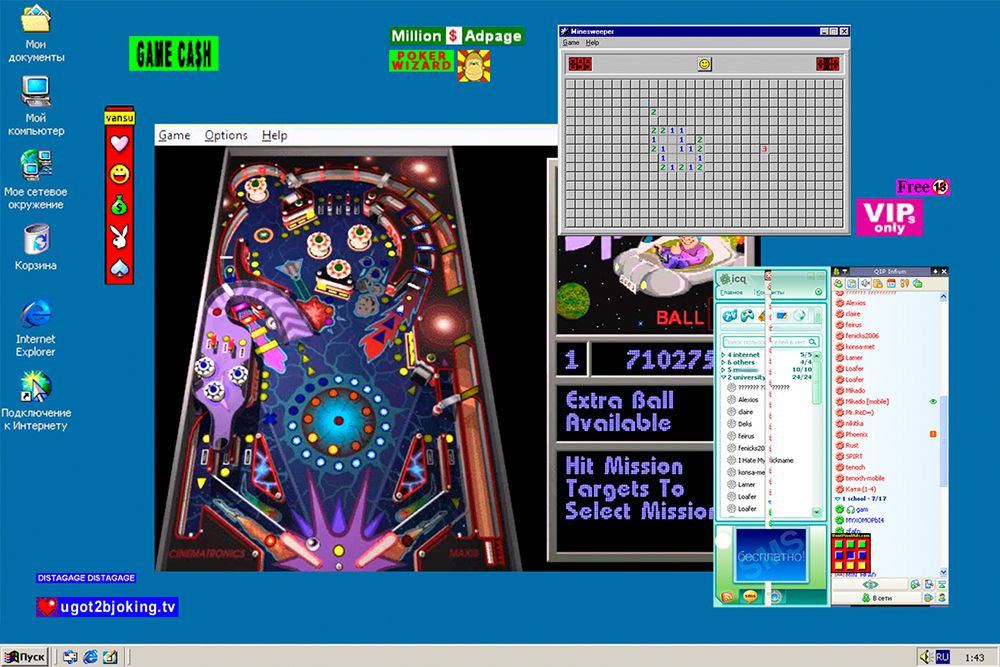
In the same 1999, our friend and colleague Kirill Alyokhin came up with the word “playplane”. He introduced me to Jovy Savovich, who then made Dirty.ru and the leprosorius. Cyril himself puts forward a rather unexpected version of the formation of Leprozoria from Dirty.ru: “I decided to rebuild it and wrote a column in YES! Message: It is here that all the most cool Runet boys hang out. Final: “Daring girls, pour in!” ”A shelter-proof was created to protect the old guard. I can neither confirm nor refute this version.
In the early 2000s, the games were still entertainment for children. My classmates, simple Lyubertsy guys, believed that an adult at the age of 18 did not need games at all. To go to football or play billiards is a completely different matter. And the games are for younger brothers and sisters. It enraged it terribly, and I wanted to tell everyone that there are such computers, they are useful! And games, they are interesting! And the Internet, it is very important, but someday later. In the bright future. You don't understand!
The Internet began the zero fundamentally different from the current one. The world clearly divided the online and offline, and there was absolutely nothing to do in online. There were web chats, a “crib” and a “sandbox”, where mostly bored office workers went. There were IRC chats where more technically savvy people were sitting. There were forums of game magazines. There was no only content: everything interesting was printed on paper. People waited a week or a month to read news about the Internet, about video games, about anything.
Early Zhozen: Internet as an alternative
In 2001, Russian Internet users began to start blogs on Livejournal.com. Hundreds of users! At some point, LJ began to grow so quickly that they were allowed there only at invitation. There were so few users that it was possible to read the FIF special battery tape - all Russian -speaking. There were not many of them. The web archive contains a copy of this tape of September 11, 2001, such a document of the era .
There were few of us, and all the most interesting in the Russian Internet happened, and we wrote long posts about it, received comments, naively trolls each other. We were fond of cinema, books, translations, and some even with poetry. We drank in the cafe "Pies" on Dmitrovka and behaved ugly. We liked on the Internet. The Internet belonged to us.
In 2000, we were called to do a megaportal. There were no search engines yet, so it was believed that portals should be made on the Internet. That is, you come in - and there you are at once everything interesting that is on the Internet. We were called to write about games, and it was absolutely unbelievable: to write texts on the Internet for money. That is, here it is the future, it has come, Cyberpank today! Well, here, of course, Crisis struck, investments ended, instead of salaries, employees pulled monitors and armchairs from the offices.
But still it was clear that the future is behind the texts on the Internet, and not on paper. And in 2001, our friend Kirill Alyokhin, whose contribution to the development of the Russian Internet is deeply underestimated, made unexpected. He collected the Internet edit of TGW.ru with the money of the pirate publisher Triada Games. Reviews of games not only uploaded on the Internet, but also recorded on disks with games. Moreover, the best reviews from the site were produced on paper: the CDPRO newspaper was a circulation of 200,000 copies, and it was distributed for free in computer markets. The future, of course, was behind the texts on the Internet, but no one was in a hurry in it.
I read a lot and randomly, and on the Internet you could read for free. Strictly speaking, then on the Internet it was only possible to do what to read in English and timidly socialize in thematic forums. The rest occurred outside the Internet. All life, all news, all interesting were not actually tied to the Internet.
By 2004, I finally moved from science fiction to the orange series of “Alternative” and books of the publishing house “Ultra. Culture”. On the Internet, from a shock-shocking one, it was possible to read only text notes on the website Rotten.com and some sites about maniacs on Geocities.
Here we must not notice to the place that my favorite character and role model of that time is Spider Jerusalem, a journalist of the XXIII century. The hero of the comics, elusively similar to Hunter Thompson, a gonzo journalist, whose books we met in the same series of "Alternative". Unfinished fucking. Well, it’s easy for him, he is drawn.
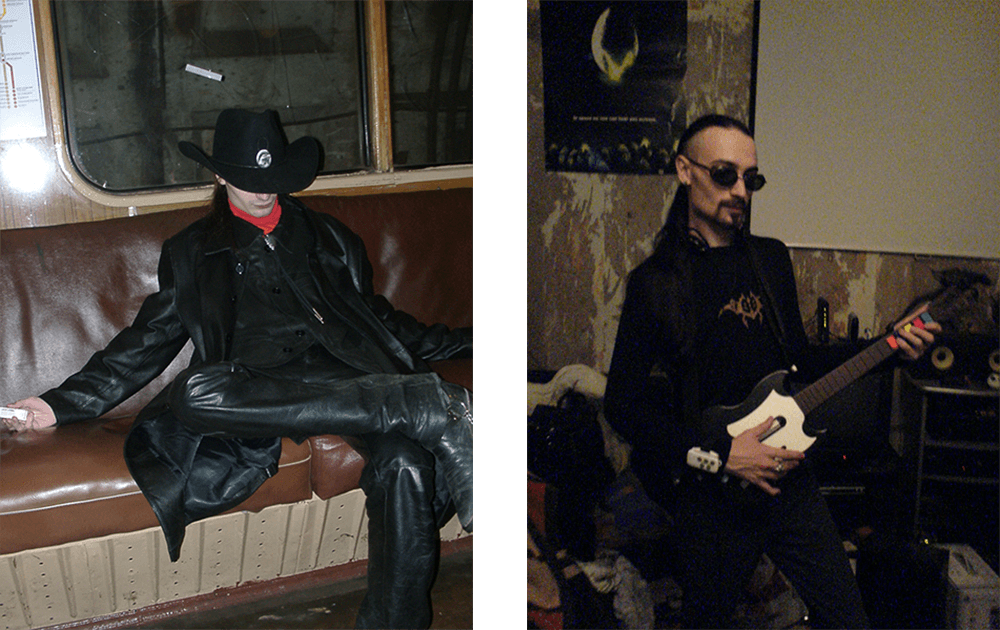
Localozoz: hard drives full of "Evangelion"
In addition to comics, there were two important television series: Bivis and Batthead and, of course, “Evangelion”. 2001, Eve in the .VIV format on two disks, the video the size of a little larger than the postal stamp ... Most of my friends watched and became anime. I did not become an animashnik, but my friends moved tightly on this topic, so the next year the anime recycling plant worked for three at home: people brought anime on hard disks and blanks, I overwriting all this. Some discs went to St. Petersburg, some in Irkutsk ... It was a pirate non-profite, simply because people need anime. And scans of comics.
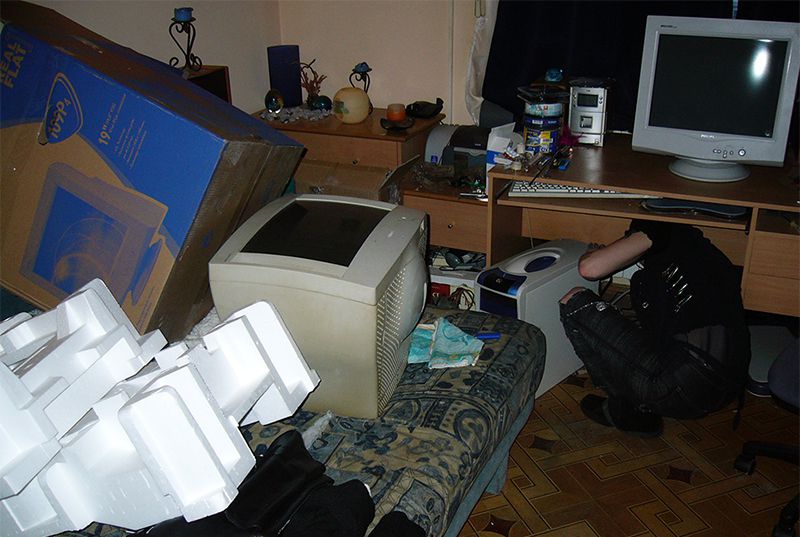
At the beginning of the zero, everyone went to visit with their hard disk. No, not with a portable USB-disk, but with a weighty three-inch. The recording CD drives were expensive, slow and rare. No one screwed up computers so as not to mess around. You stick a hard drive and drain music, video clips and funny videos back and forth. There were several more years before YouTube.
The first half of the zero is the time of pirate games, pirate software, pirate cinema and pirate translations. If in the 90s the video games were simple enough to go through them without English knowledge (what was there, we played in Japanese!), Then, by 2000, translations were needed. And, as in the era of Russian VHS, these translations provided pirates. These were very crooked and oblique translations, of course - but they were. And suddenly it turned out that games are not only for children under 15 years of age.
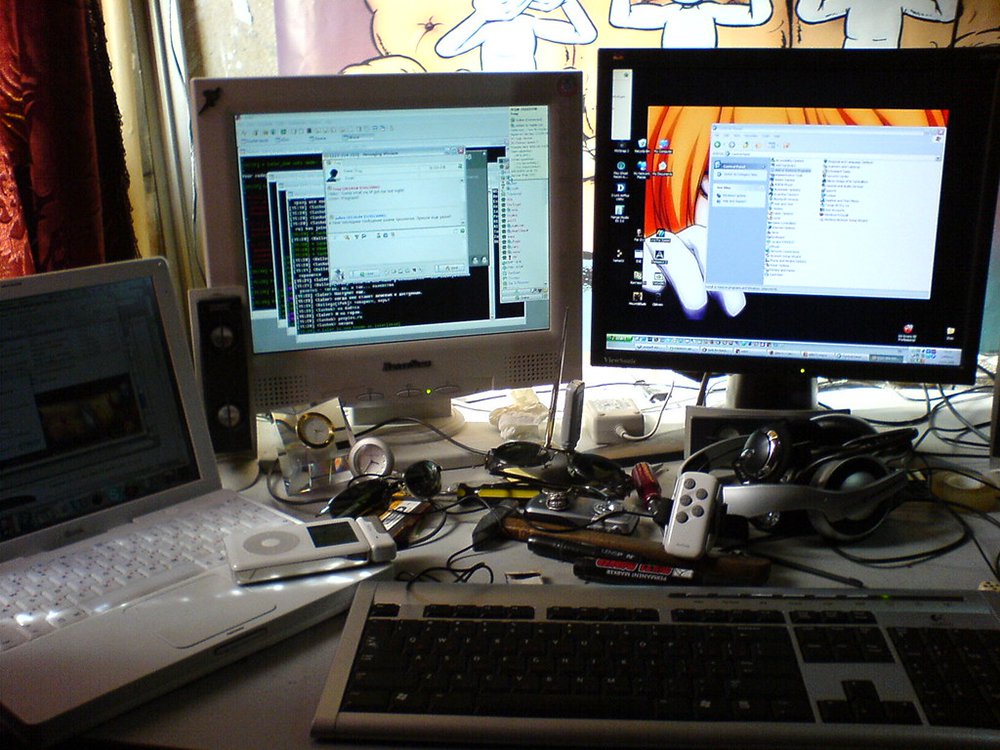
By 2005, most of the country sat in district or city local networks with expensive external traffic. “External traffic” is all that is not a local network. Well, that is, the Internet itself. In the morning, the admins of district and city networks updated mirrors of popular sites, such as anecdote.ru and Bash.org.ru. The sites were textual, convenient! You could buy access only to internal resources (cheap!) And sit in the DC ++ chat.
These chats had access to normal IRC servers. A resident, for example, Tomsk could go to the All -Russian Channel #anime and chat with, obviously, animashniki. That is, I could not really: in most decent channels, city networks of Chelyabinsk and Tomsk were banned as an inexhaustible source of shkolota. The Tomsk Internet ring was a legend-mainly, however, because of a vivid name.
By 2006, I managed to work in almost all game magazines. I was some time editor of the section about mobile phones in the Chip magazine (I failed, I must admit, everything that I can; I hate mobile phones). I wrote film alerance for the news site Utro.ru. He returned to Gambling, also a film facility. He wrote about Japanese cinema to the magazine "Anime-Guide" Valera Korneeva. He wrote reviews of books. He worked as a copywriter in some crazy startups. The normal career of the textual editor of the mid -zero.
“DirectConnect (DC, DC, DECE, DAIS, Dusya)-P2P protocol for the exchange of information. The basis of the DC networks are “hubs”-servers that are not related to which other users are connected. Habs serve for one and a half things - finding the right files and communicating with other inhabitants. "
Lurkmore.to
Dual: encyclopedicity and significance
It all started, of course, with Dvach. Someone decided to make a clone of a Japanese futab and an English-speaking forte. In Russian! On February 21, 2006, a link to Dvach began to spread in anime circles of LJ.
The next six months, dozens of people (up to two hundred, probably) carefully depicted anonymous. It was fun. Again to school! Anonymous communication among equals! Down with the authority! Let's come up with your cultural code! I withstood three months and crawled back to IRC. Some are still sitting, but I, perhaps, do not want to know anything about it.
In IRC there was a channel #2CH. As it should be in IRC, it was a channel about anything except Dvach itself. It so happened that because of this channel I once woke up by the moderator of Bashorg. This is the most funny that happened in my life. To rake up tons of shit and typos “slept/sra” to find a joke, over which the entire Russian -speaking Internet will laugh in an hour. Just take and remove all the bad jokes!
The other half of the story began on Russian Wikipedia. We tried to rewrite articles there with a living Russian language and write about modern culture (including geek culture). The backbone of the Russian Wikipedia was formed by former fidoshniks who loved to refer to monstrously verbose and confusing rules, completely Kafkian. The main, but unwritten rule was "which is not in the English Wikipedia, it does not exist in nature." Even in Russian Wikipedia, the Encyclopedic Dictionary of Brockhaus and Efron 1890-1907 was flooded. These articles were very respected, and they were proud of them. In the Russian Internet, from the point of view of the Russian Wikipedia, nothing deserved.
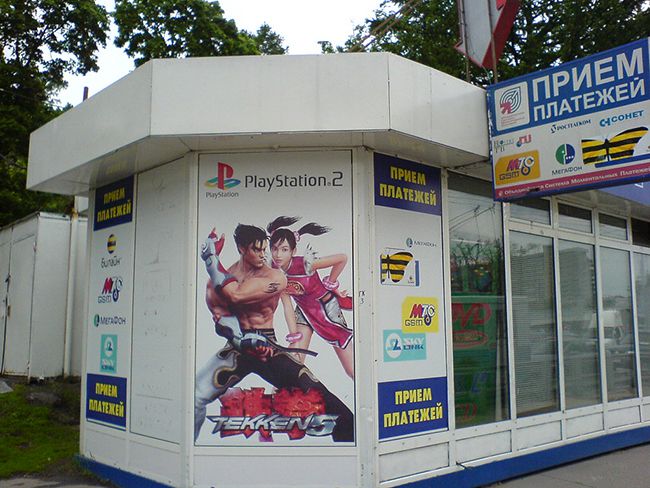
Many articles were translated with an English auto translator, and so abandoned. Others are written by bored schoolchildren who incorrectly know the meaning of the words they use. The text editor was indignant in me.
I was interested in writing articles. It was interesting to me all my life. But if I knew how to agree with the editors, then it was useless to talk with Vicky Admines: they were not interested in the text of the articles and the meaning of what was written-they were interested in encyclopedicity and significance. I still do not understand what these words mean.
But I really wanted my encyclopedia-approximately since I began to read the notes of Miroslav Nemirov “All about poetry” on russ.ru-that is, the year since 2002. Russ.ru, “Russian magazine”, was the main one at the junction of centuries - the only site that wrote about Russian culture on the Internet. There it was possible to read about the poets of the Silver Age, and about the Siberian panke, and about modern network culture. “I wish I could do the same, but about our new culture, with video games and cats!”
I needed its own encyclopedia, free from the madness of the Vick-Admines. I pushed several fiery speeches on Wikipedia and, of course, did nothing.
Lurkoza: "Let them try to ban something on the Internet!"
The summer of 2007 was going on. Konstantin Grusha, in those days better known as Zoi, bought the domain Lurkmore.ru, so that, someday, how his hands reached, to make his version of the "Encyclopedia Double". Soon, a mathematician from Germany Oleg Lobachev and a programmer from Nizhny Novgorod Drdaeman (I, to be honest, still do not know who it is) - they raised on the home computer the site Lurkmoar.ru. Also, of course, the encyclopedia is dual. It remained only to introduce some people to others - well, I introduced it. I had nothing to do with the early Lurk - I was not even a moderator in the first six months.
But for some reason, because of the tendency to stand on a stool and pushing the speech about the bright future of our text cyberpan, I became on Lurke something like a commander-manager. I understood conflicts between the moderators, between users, spoke about the bright future of the Internet.
In fact, my only serious act as a moderator was to restore the remote article “Lurkoob” . Because if you have to blame everyone in a row, then your own too.
Then, of course, difficulties began. In 2009, Dvach closed, without surviving the influx of real schoolchildren of anonymous. But Lurk by that time was no longer a dual encyclopedia - he was about culture in general. Well, or about counter -culture - the difference is small. My mission was to explain that the Internet is no worse than the paper, that on the Internet you can write about everything, and in general we have freedom of speech and territory free from the state.
Lurkoob is an unreasonable form of life on the Internet, generated by Lurcomorus. 95% of the regulars of this site are Lurkos. A typical Internet-darrow living in memes, to which he has nothing to do and learns about them exclusively from the Lurcoma. The one for whom the Lurcomorye became a Bible or the second house.
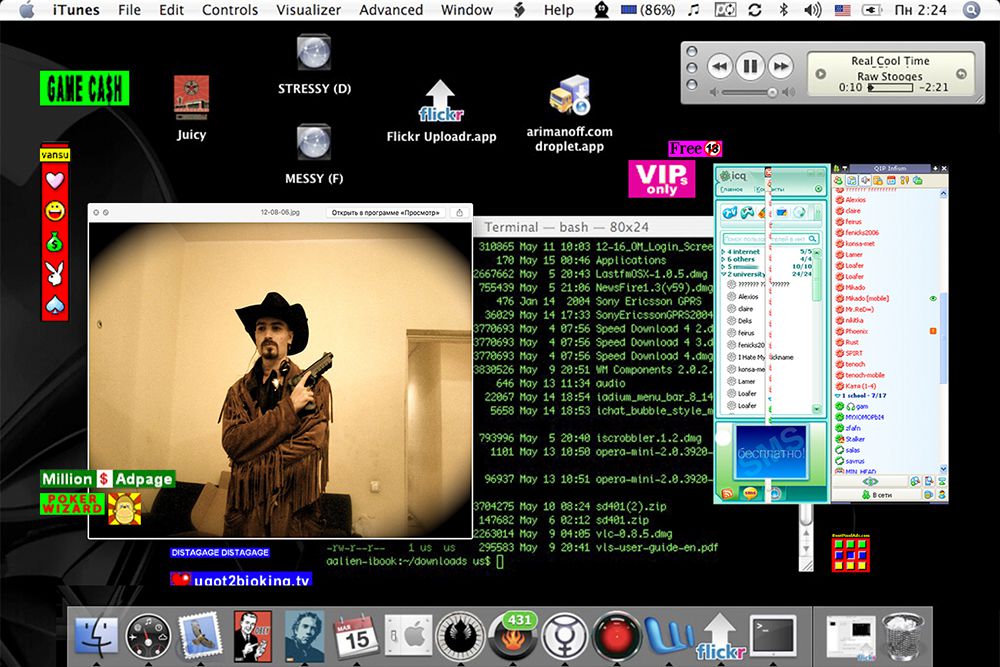
We had so much freedom on the Internet that we did not notice the gradual disappearance of freedoms in the real world. This did not touch us, and almost all the shortcomings of the real world could be corrected online. In 2006, the court of Yekaterinburg decided to destroy the circulation of the book “Culture of the Apocalypse of the Apocalypse”, finding in it drug propaganda. Ha ha, let them try to ban something on the Internet!
How I explained this: you just need to tell people why they personally need the Internet, and for this there should be as much content as possible on the Internet! People will stop watching TV, start watching the Internet - and the world will become better!
Moreover, in the English -language Internet, moods were largely similar. It is only necessary to defeat the copy - and everything will work out. Freedom, hypertext, RSS!
The connectivity of the Internet and individual sites inside it seemed very important in those years. It is convenient: people put links, search engines index these links - and everything that is put on the Internet does not disappear. In this, we saw the main value of the wiki projects in general and the Lurka in particular: nothing disappears without a trace, nothing is deleted, the entire unpopular content itself floats on the periphery. It turned out somewhat different.
Early prohibition: "Just wipe my surname"
The most ridiculous case in the history of Lurk is when Katya Gordon sued and demanded a million rubles of compensation for calling her in the article a dumb pussy. Сначала она опубликовала пост в ЖЖ, где предлагала денег за телефон администратора сайта. Телефон я ей, конечно, написал, но денег почему-то не получил. Зато по телефону мне пообещали переломать ноги. На этом инцидент вроде бы завершился, но нет.
Через полгода выяснилось, что Катя подала в суд. Суд долго не хотел принимать иск, потому что они приличные женщины, судьи, а там матом написано, как так-то. Ещё почти полгода эта история тянулась, пока не было заключено досудебное соглашение: мы удаляем статью, а Катя не требует с нас денег. Статью мы удалили: а что нам оставалось? Но повесили вместо неё материалы дела, которые, конечно же, содержали в себе особо ударные выдержки из статьи.
В первый раз мне позвонили из полиции поздней осенью 2010 года. Позвонили и пригласили «побеседовать». Я попросил вызвать меня официально — на том конце повесили трубку. До сих пор не уверен, пранкеры это были или кто.
Топ-10 звёздных Роскомнадзоров Владислав Моисеев Роскомнадзор запретил упоминать причину Роскомнадзора. Рассказываем о Роскомнадзорах Кобейна, Ван Гога, Есенина, Маяковского, Хемингуэя и других
В другой раз меня позвали в ФСБ, поговорить про сайт. Я на всякий случай вооружился адвокатом и пошёл. Там нестарый, но какой-то помятый человек в сером свитере попросил меня «разобраться со статьёй про одного знакомого, вот тебе телефон, сами разбирайтесь». Статья была, по меркам Лурка, совершенно невинной: неведомый школьник в балахоне Арии приносил в жертву Сатане портвейн и пиво «Балтика». Статью явно писали друзья, тепло и с любовью. Я позвонил, на той стороне меня попросили статью не удалять: «Просто сотрите мою фамилию, чтоб на работе не спалили». OK.
11 ноября 2012-го, вечер воскресенья. Я краем глаза посматривал в интернет — там весь день были новости о первом дне блокировок в интернете. Происходил именно тот абсурд, о котором предупреждали: Роскомнадзор блокировал сайты за упоминание игровых наркотиков в EVE Online и пародийную статью про суицид в Абсурдопедии. И тут мне начали писать, что Лурк не открывается. Мы проверили на сайте Роскомнадзора — и правда, заблокирован. It was completely unexpected.
Блокировку мы обошли минут за пятнадцать. А что нам оставалось делать? Отдельно бесило, что никакого письма с предупреждением мы не получали. Следующие 30 часов я давал комментарии в интернете и по телефону. Так мы с Роскомнадзором обменивались мнениями: я одному изданию даю комментарий, они другому, мне опять звонят за комментарием, потом Роскомнадзору…
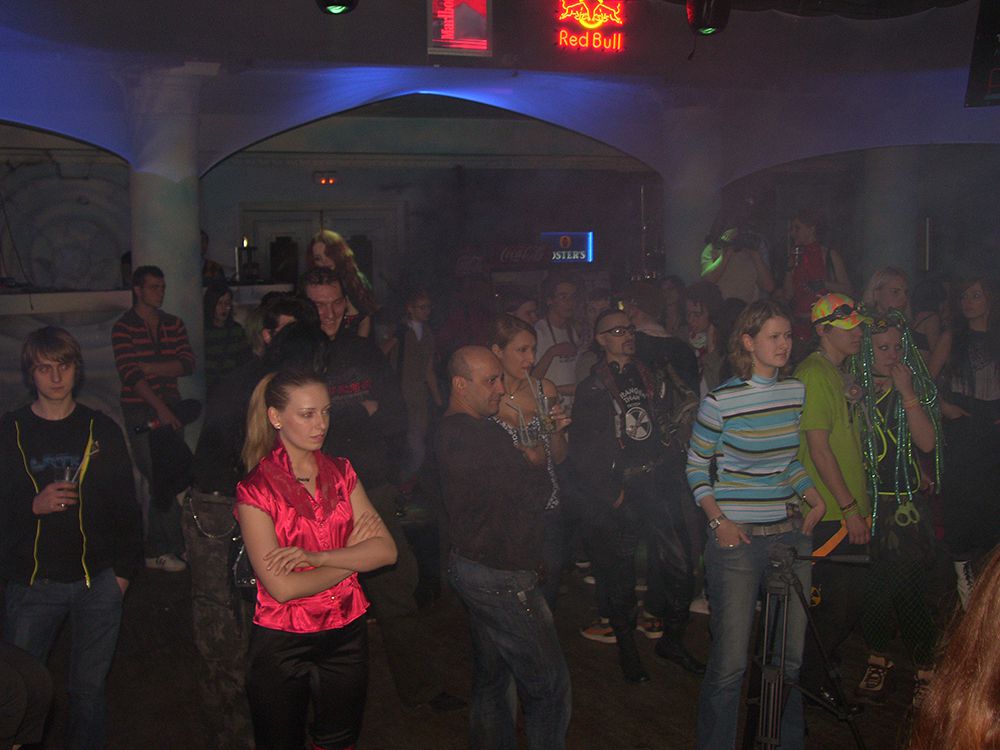
Обзывать Роскомнадзор дебилами и пророчить неконтролируемое разрастание блокировок — это, конечно, весело, но что-то надо было решать с грядущими банами. Телеграм показал, как это делать красиво, но нам, с одним сисадмином и отсутствующим бюджетом, этот вариант не подходил совершенно. Мы прикинули, сможем ли менять IP-адреса раз в день, и загрустили. Пришлось вводить геоблокировку для России на запрещённые статьи. В смысле, открываются откуда угодно, кроме России. В России — только из-под VPN.
Было ощущение, что это безумие долго не продлится. Ну это же нелогично и неправильно — портить людям интернет. Портить интернет российскому бизнесу. Не вы строили — не вам ломать. Но это эмоции, логика же подсказывала, что они не успокоятся, пока не сломают всё совсем. В построение китайской модели интернета в России я тоже как-то не верил: это дорого, это очень дорого, это вредно и бессмысленно.
Ркноцен: 400 писем о конце нулевых
Всего Роскомнадзор прислал нам за эти годы более 400 писем с требованием удалить статью (многие статьи по нескольку раз). Но это совершенно несерьёзно на фоне остальной борьбы Роскомнадзора с интернетом: всего они за семь лет заблокировали полмиллиона сайтов и почти 11 миллионов IP-адресов.
Уже в декабре 2012-го участковый вручит мне в полседьмого утра повестку на допрос в Следственном Комитете по делу об экстремизме. Следователь, путая Кондопогу с Адыгеей, будет спрашивать меня о том, кто такой анонимус и зачем люди всё это пишут. Одному нашему другу устроят по этому делу обыск с изъятием компьютерной техники. Интернет внезапно стал очень серьёзным делом.
2013-й начался с визита следователей ко мне домой с доносом от православной общественности. Начинался донос словами: «Прошу Вас незамедлительно пресечь экстремистскую, хулиганскую, клеветническую, оскорбительную и иную противоправную деятельность интернет-сайта „Луркоморье“» — и на десятке страниц с цитатами перечислял преступления сайта против православия и русского народа. Было смешно, но как-то неприятно.
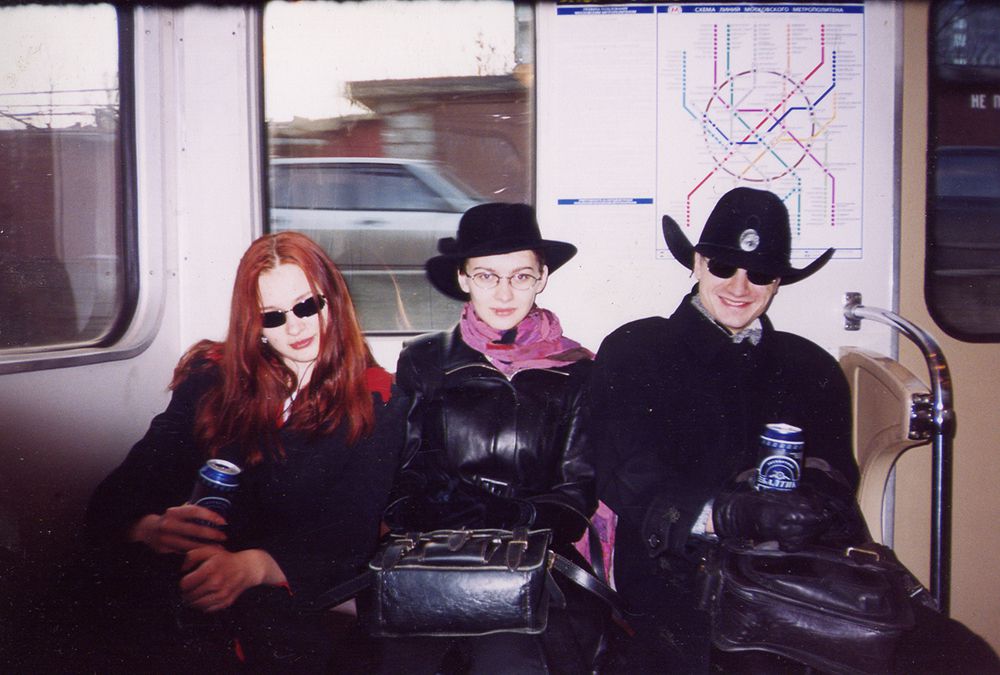
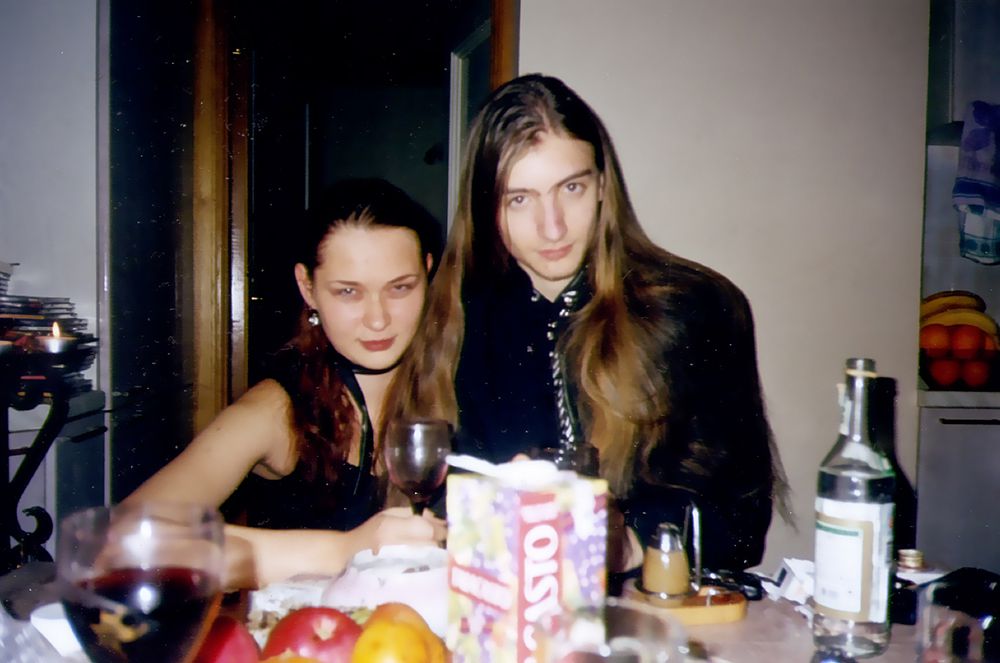
Мы надеялись, что с нами — с интернетом — не получится так же, как с телевизором. Потому что всё децентрализовано и нельзя разогнать редакцию интернета, чтобы поставить своих людей.
А потом разогнали Ленту.ру, запретили упоминать наркотики и суицид, начали запрещать мат в СМИ… Нулевые давно кончились, теперь и в интернете.
Осенью 2014 года меня вызвали в Центр «Э» (по борьбе с экстремизмом), чтоб я им рассказал, кто у меня анонимусы и почему они пишут гадости про Рамзана Кадырова, и надо ли возбуждать уголовное дело по 282-й статье. «Зачем адвокат? Ты мне что, не доверяешь?» — спросил старший оперуполномоченный по особо важным делам и начал склонять к добровольному сотрудничеству. При адвокате получалось плохо.
Через пару недель мне опять позвонили из Центра «Э». В этот раз кто-то нашёл на сайте страшный экстремизм — рецепт коктейля Молотова. Да ну вас в жопу, подумал я и улетел из России.
Через неделю мне опять позвонили из Центра «Э», но из другого. Хотели, чтобы я теперь уже им рассказал про Рамзана Кадырова и как так со статьей получилось. «Ну, если буду в Москве», — пообещал я и вынул российскую сим-карту из телефона.
Фото: Алина Олейник, Анна Вергун, Константин Груша