
Translated material
From the basement to Strasbourg
The ECHR will consider the first complaint about the pursuit of the LGBT community in Chechnya as a record time
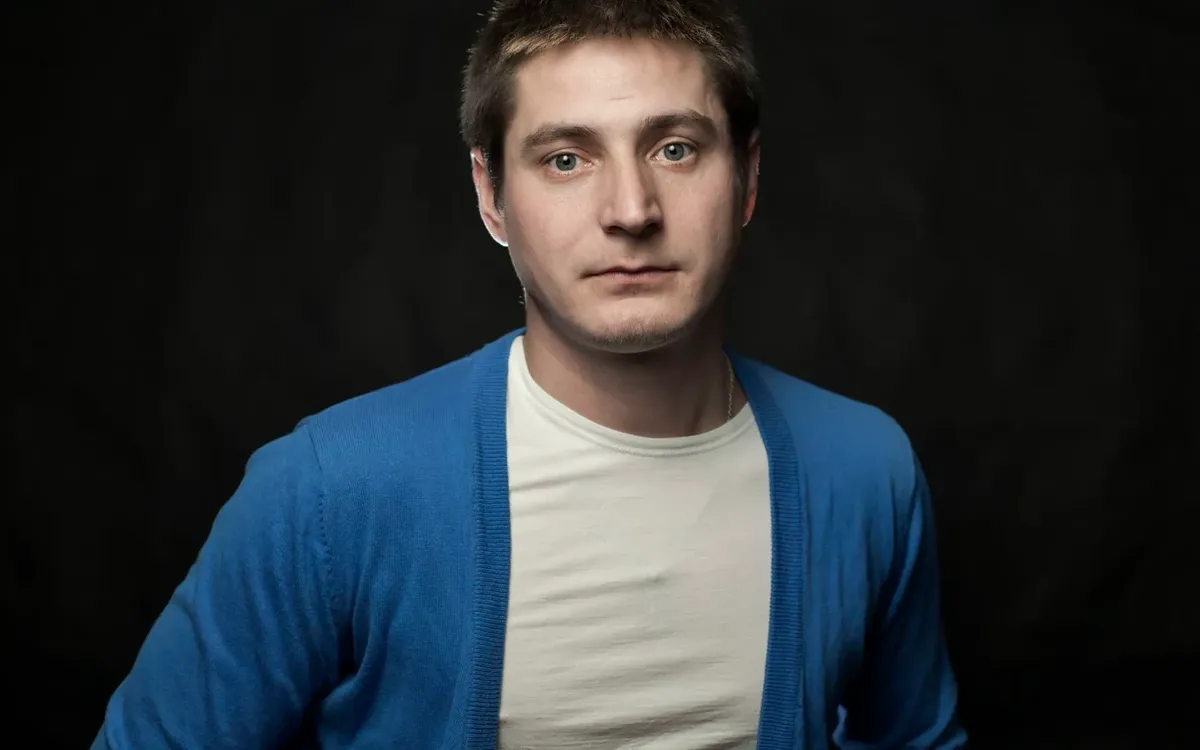
On November 14, the European Court of Human Rights Communized a complaint of the former resident of Grozny Maxim Lapunov, who was kidnapped and tortured in one of the secret prisons of Chechnya because of his homosexual orientation.
A complaint to Strasbourg was filed in May of this year. The speed with which the ECHR began consideration of its essentially almost unprecedented. According to the lawyer of the human rights organization “Committee against torture” Olga Sadovskaya, representing the interests of Maxim Lapunov: “The Strasbourg Court thus clearly demonstrates the importance of both the complaints and the circumstances that are affected in it.”
Maxim Lapunov is the first person who became a victim and publicly spoke about the campaign against gays initiated by the authorities in Chechnya in early 2017. He was detained on March 16 by employees of the criminal investigation department (Uur) of the Ministry of Internal Affairs in Chechnya after the police took his friend, a Chechen by nationality. Maxim tried to find out the circumstances of the abduction of a friend, but soon he himself was abducted right in the center of Grozny in front of many witnesses.
Until March 28, 2017, Lapunov was illegally contained in the basement of the building of the UUR Ministry of Internal Affairs in the Czech Republic. Together with him were dozens of other detainees. Maxim was released only for one only reason: his relatives promptly turned to the police at the place of residence in the Perm Territory with a statement about Maxim’s disappearance in Grozny, and they began to search for him. After the release, the Chechen police ordered Maxim to immediately leave the republic and, under the threat of reprisals, to be silent about what he had experienced in a secret prison.
Despite the monstrous fear, Lapunov disobeyed the police and stayed for a day in Grozny to find and tell the relatives of other detainees about the fate of their loved ones. And only then he left.
After some time, Maxim turned to human rights activists and federal law enforcement agencies for help.
- Employees of the Chechen police, among whom were the Russians, constantly called me and reminded me: “Do you remember our agreement? Will you be silent? Otherwise, look, we know everything about you, we will find everywhere! ” But the more often they called me, the more clearly I understood that they themselves, oddly enough, are afraid. They are afraid that I and other victims will talk ...
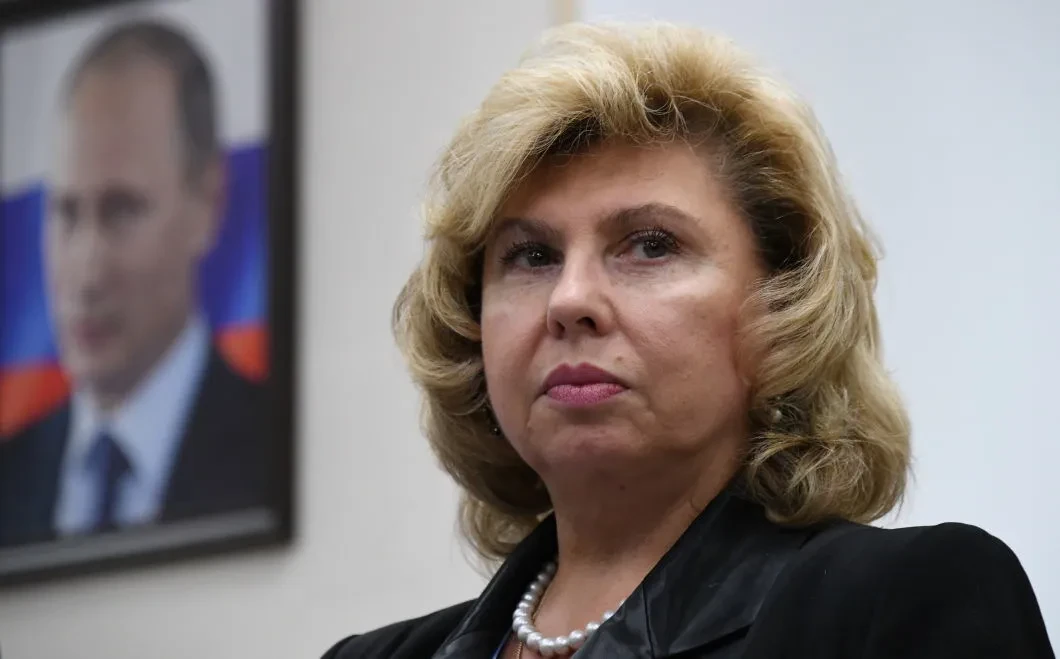
... The Investigative Committee of Russia, where Maxim Lapunov filed a statement addressed to the chairman of Alexander Bastrykin, demonstrated a clear reluctance to investigate this matter. Investigative actions began only a month later and only thanks to the persistence of the human rights of the Russian Federation Tatyana Moskalkova, whose role in the verification of the campaign against the LGBT community in Chechnya in the conditions of total silence is difficult to overestimate. She also repeatedly spoke about the need to initiate a criminal case on the statement of Maxim Lapunov, but even Moskalkov was powerless.
Instead of the criminal case, the Investigative Committee initiated a pre -investigation check, which attracted Chechen police officers. In fact, the TFR transmitted the information received from the applicant Lapunov and the journalists of Novaya Gazeta so that the police put pressure on witnesses and relatives of other victims living in Chechnya. In addition, the SK did everything to remove Maxim Lapunov from participation in investigative actions, from the inspection of the “secret prison”, from identifying Chechen police and confrontation with them. And it was the investigators, in fact, that forced Lapunov to go abroad: despite the threats received by Lapunov, the investigator Polivanov, who conducted the audit, refused to provide the applicant with state protection several times.
And then he actually transmitted information about the whereabouts of Lapunov to the Chechens and they tried to find Maxim. Miraculously did not find.
The check took almost a year. Investigators pulled time to sleep a global resonance and everyone forgot about Chechen gays. Having got rid of the active applicant, having carried out a minimum of investigative actions during this time and received dozens of false testimonies that the witnesses were forced to give, while under the direct pressure of the Chechen police officers, the Russian Investigative Committee eventually refused to initiate a criminal case in February 2018. This refusal, like the illegal actions of investigators, were appealed in Russian courts by representatives of Maxim Lapunov - lawyers of the “committee against torture”. The process has gone another year, which is completely pointless in all other relationships, has gone to this mandatory complaint in the ECHR. And all this time in Chechnya they continued to detain, torture and kill representatives of the LGBT community. I believe this is another reason why the Strasbourg court clearly demonstrated to the Russian authorities that he does not intend to pull with justice.
Representatives of Maxim Lapunov and representatives of the Russian government must submit their arguments and additions to the complaint to the Strasbourg court until March 12, 2020. In addition to the already known circumstances of this case, the journalists of Novaya Gazeta during their own investigation ( 18+! ) Received information about the death of three people detained in February and March 2017 and contained in the basement of the UUR of the Ministry of Internal Affairs for the Chechen Republic along with Maxim Lapunov. These are two residents of Chechnya: Shoto-Shamil Akayev and Ayub Ibrahimov, as well as Andrei Kobyshev, Russian by nationality, a resident of the Volgograd region who worked in Grozny. This information was transmitted by us by the “Committee against torture” and the “Russian LGBT network” for use as evidence in the process of considering a complaint in the ECHR.
In addition, finally, Chechens and Chechens, who passed through the secret prisons of Chechnya in March 2017, overcame their fear. Having fled from Russia and finding themselves in relative security, they also began to openly testify.