
Translated material
Camp where dissidents sat
A fragment of the book about the Museum of Political Repression "Perm-36". It was created by enthusiasts, and officials turned into a museum of the Gulag workers
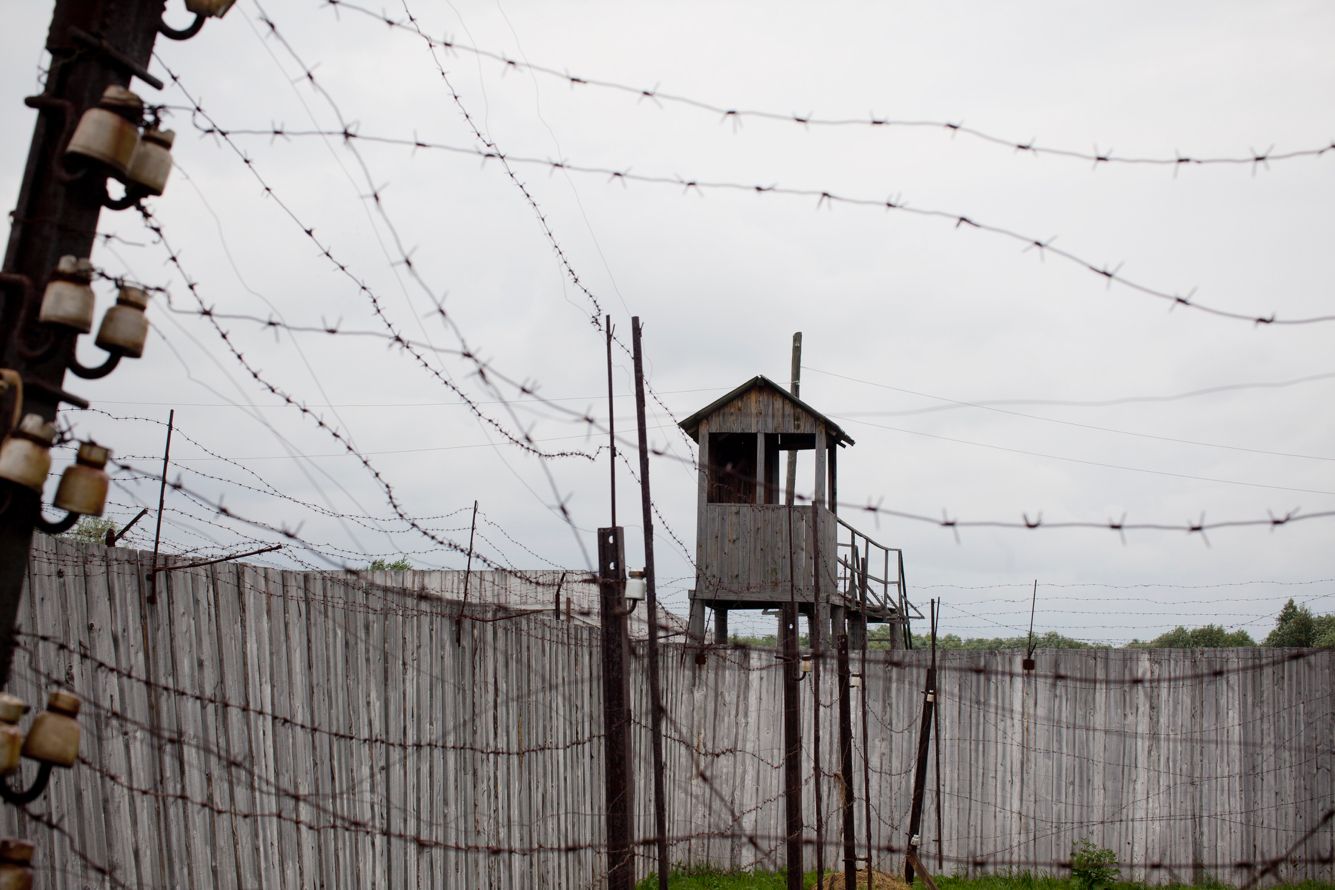
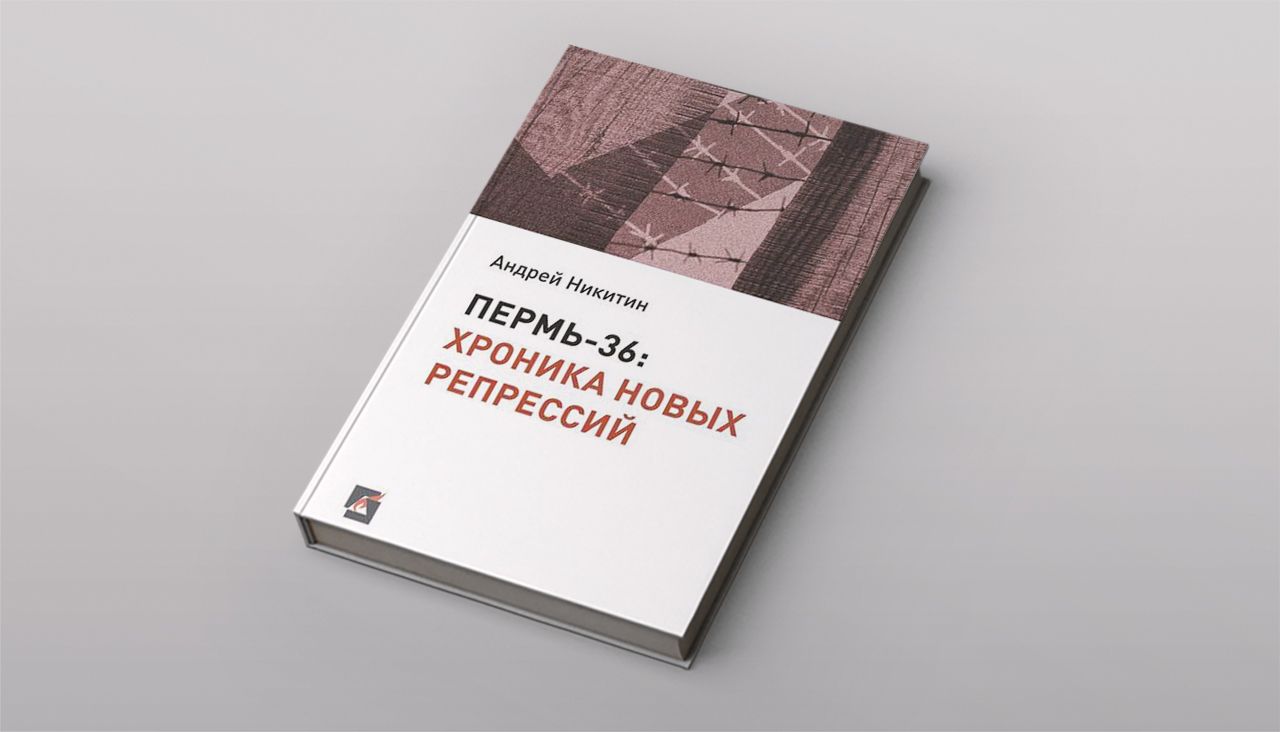
On November 28, the Astster publishing house is published by the book of Perm journalist Andrei Nikitin on Perm-36-the Public Museum of the History of Political Repression. It was created by enthusiasts on the ruins of the last camp for political prisoners in the USSR. Most of the property of Perm-36 owns the money for its development, including the region. In 2014, the Perm Ministry of Culture replaced the leadership of the museum. This was preceded by a pressure campaign for the founders of Perm-36, in which veterans of the FSIN and NTV TV channel participated (he dedicated a large report to the museum called the Fifth Column). Already with the new leadership on the Cosmonautics Day of 2016, Perm-36 issued an application for the effectiveness of the “sharashki” . In his book “Perm-36: Chronicle of New Repressions” Andrei Nikitin tells how the change of leadership of the museum took place. Medusa talked with a journalist and publishes an excerpt from his book with small abbreviations.
Andrey Nikitin
journalist
The forced labor colony No. 36 appeared in the village of Kuchino, near the city of Chusovo Perm region, after the Great Patriotic War. It was a typical Gulag zone, which was a lot then throughout the country. After 1953 and then the debriefing of the personality cult of Stalin, the camp was redesigned to the Red Zone - a prison for former law enforcement officials. And in the early 1970s-in a strict regime colony for political prisoners, which, along with ITK-35 and ITK-37, entered the so-called Perm “Troika of Camps”.
Colony No. 36 contained quite famous people: Sergey Kovalev, Vasil Stus, Vladimir Bukovsky, Leonid Borodin, Nathan Scharan and others.
Read more about these people
- Sergey Kovalev - Soviet dissident, human rights activist. In the 1990s-the first Commissioner for Human Rights in Russia, one of the authors of the modern Russian Constitution.
- Vasil Stus is a Soviet dissident, human rights activist who has been in defense of the Ukrainian intelligentsia.
- Vladimir Bukovsky - Soviet dissident and human rights activist, who spoke about the methods of punitive psychiatry in the USSR.
- Leonid Borodin is a Soviet dissident, the author of the works of the work printed in unquestioned (in samizdat).
- Nathan Scharani - a Soviet dissident who advocated the rights of Jews, later - a deputy of the Israeli Knesset, as well as the Minister of several governments of Israel.
In the midst of perestroika, when Mikhail Gorbachev in an interview stated that there were no political camps in the country, Perm-36 was urgently closed, and people were released. The camp began to collapse, the fences were equalized with the ground with bulldozers.
This place was accidentally discovered by Perm historian Viktor Shmyrov with a group of social activists and "memorials" - by that time the camp was practically defeated. Shmyrov came up with the idea of maintaining this place as the last political camp and the only preserved wooden structure of the Gulag.
Then there was a long and painstaking work on the creation of a memorial museum of the history of political repression - and its growing into the world museum community. The camp was restored for a long time and carefully, restored - including with the support of Russian and foreign grants. This was later used against a public organization that created the museum - it was declared a foreign agent . For consultations, when creating the museum, they turned to the people who were sitting there - the same Sergey Adamovich Kovalev came here almost annually. Numerous memories of the political prisoners were recorded, expositions were created that conveyed the real atmosphere and the appearance of what was here before.
In 2012, the museum was included in the project of the Federal Government Program for the perpetuating of the memory of the victims of repression-along with objects in Moscow and St. Petersburg. And then the state came and everything took. Actually, about this, the last stage of the life of the Perm-36 public museum, my book.
The destruction of the museum began in 2013 with the closure of the Pylorama International Civil Forum, which took place on its territory. The forum began as an amateur song contest with the participation of Alexander Gorodnitsky and Julia Kim, but soon the action quite global and significant for the Perm Territory was excited. There were stage, theatrical, cinema and exhibition sites, political discussions and much more. And most importantly - the forum was not accidentally called the "territory of freedom" - there one could feel like a free person in a free country.
Almost since the creation of the museum, the Government of the Perm Territory supported him, including financially, and took part in the Pylorama. So it was, until Viktor Basargin became the head of the region.
The Perm authorities, after they subordinated the museum to the Ministry of Culture, throwing began: either to make a museum of repression from Perm-36 from ancient times to the present day; Either develop a museum working with former camp guards and Stalinists. As a result, some expositions were removed, others replaced. Repair and restoration work ceased.
The current state of the monument inspires serious fears. They hired new guides, the recommendations developed and approved for them were replaced. Now the history of repression is covered as follows: some events are not told about some, about others - from the point of view of the camp employees. There is no more that atmosphere of the museum, that spirit. Only the walls remained.
Unfortunately, my book is very timely - today we see many awkward, but quite persistent attempts to legalize the capture of the museum. I am skeptical of her artistic merits, but it has a bunch of documents that clearly demonstrate how and what happened to Permu-36.
What is happening in Russia is free or involuntarily associated with what was in the 1930s and later. The less they talk about the past, the more difficult it will be to compare it with the present. Therefore, our task is to leave the maximum number of traces that indicate both distant stories and the history of today.
How Perm-36 destroyed
Excerpt from the book of Andrei Nikitin
Minister Igor Gladnev used to be the actor of the Perm Drama Theater. It seems to be a good actor. But not a magician. And now - follow your fingers.
As soon as Tatyana Kursina became the director of the state institution, only transferred almost all personnel from a public organization to a state institution, only rewrote the lease to the state institution, the Minister of Culture invited her to her and announced that he was withdrawing from his post.
No explanation of the reasons. Type - I have the right. Natalia Semakova, who had previously held the position of deputy minister of culture, was appointed the new director. Even before that, she graduated from the Perm Institute of Culture, they say, according to the art of vocals.
Following the item, the other personnel who worked with her and Shmirov began to leave. Someone left himself. Someone was squeezed out.
So, on July 15, early in the morning, a item with several employees who once worked in a public organization, then in a state institution, and now nowhere to work, went to Kuchino to evaluate the museum’s readiness for the reception of volunteers. They annually came to the complex, carried out economic work and learned the difficult history of the country on the actual material.
This was the time when the employees of the complex still skipped a italics in the territory without a ticket. They recognized, welcomed, stood up from their jobs when she appeared. She hired all of them to work.
As soon as the former found themselves in the territory, accompanied by the commandant of the complex, a young girl in training, the item suddenly made a rack and rushed to several men who were at a distance and lazily indulging in the ground. Nearby lay a “pile of metal”. The men, however, had nothing to do with it. They did not know that they destroy the artifact and museum exhibit. As it did not know, their leadership did not suspect about this, for which priceless museum exhibits, apparently, were represented by “pieces of iron and wood”.
The item, as she could, popularly explained to the peasants, how this could threaten stories. There were no strong words, but the work stopped. It immediately became clear who the boss is here. Even if the former.
On the same day, Viktor Shmyrov, who barely naked after a heavy heart surgery, sent a letter to the governor: “Employees of the Perm-36 museum and volunteers carefully crossed all this scrap metal, found out the appointment of all objects and most of them, having previously attributed, placed in one of the storage facilities of the museum. The gates and some other designs, which were not placed due to their sizes in any of the storage facilities, were left in the open air-we were going to restore them and restore them where they were in the camp. ”
The next day, in social networks on behalf of the new press secretary of the state institution, a record appeared that no one sawed anything, that the gates were cut by the past leadership a year ago, etc., etc. Later, the record was deleted.
Recorded Kristina Safonova