
Translated material
The plot of Bloomberg
How New York has become burdened at the current contender for the White House
Prologue. When the students asked Kurt Wonnegut how to learn how to write novels, the writer, surprised that they themselves do not know this, went to the board and put two points on it with chalk. One at the very bottom, the second - as high as it allowed him to be pretty growth. Then he connected them with a winding curve and said:
- The worse the circumstances of your hero at the beginning of the book, the higher he should rise at the end of it. Everything else is gyrus along the way up.
“So this is the plot of Cinderella,” the students shouted.
“If you understood everything,” said Vonnug, shakes the chalk from his palms, “you no longer need me.”
Exposition. The pre-election struggle for the post of New York mayor was to begin by autumn Tuesday. The city came to his senses after the recent heat and rejoiced at the upcoming months of serene weather, which often indulges in New York until Christmas. The only drawback of this after the morning was the date: September 11, 2001.
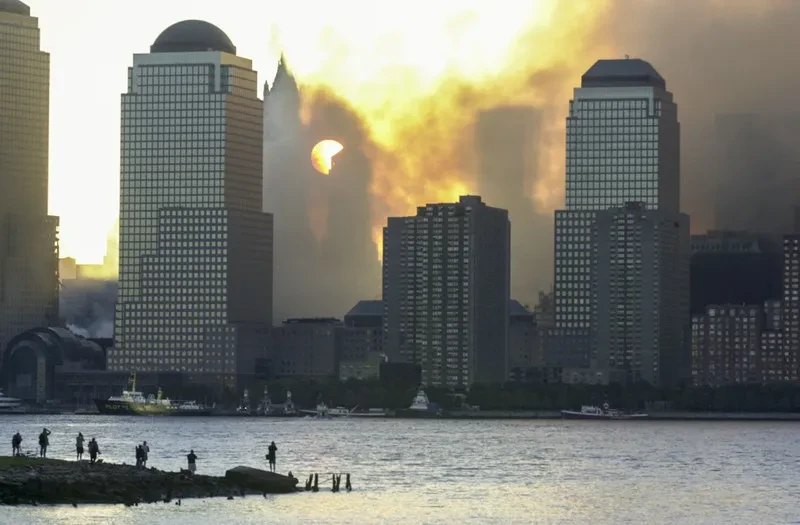
As everyone knows now, on this day the raid of terrorists destroyed the two most beautiful skyscrapers in New York, killing 2977 people, more than in Pearl Harbor. The country was in shock, although not in the way the announcer of the Moscow news described: "America in a panic, the president fled." In fact, Bush, while the Gemini were burning, read a fairy tale about a goat in a public library in a public library. But in the case was the mayor of New York. Juliani led the rescue work, encouraged the frightened, comforted the victims, searched for the missing and put things in order in Dauntown, where the funnels smoked for a very long time. That Juliani was very different from today. The harsh mayor, who fiercely fought with crime, did not resemble the concoor, who, as opponents of Trump said, "serves the gangster in the White House." Juliani’s popularity in those terrible months was so great that he was ranked to the deer of Santa Claus-one of them is also called Rudolph.
The city did not want to say goodbye to the mayor, who survived the tragedy with him, and even more so to change it to a beginner who unprincipledly changed his party to run for republicans.
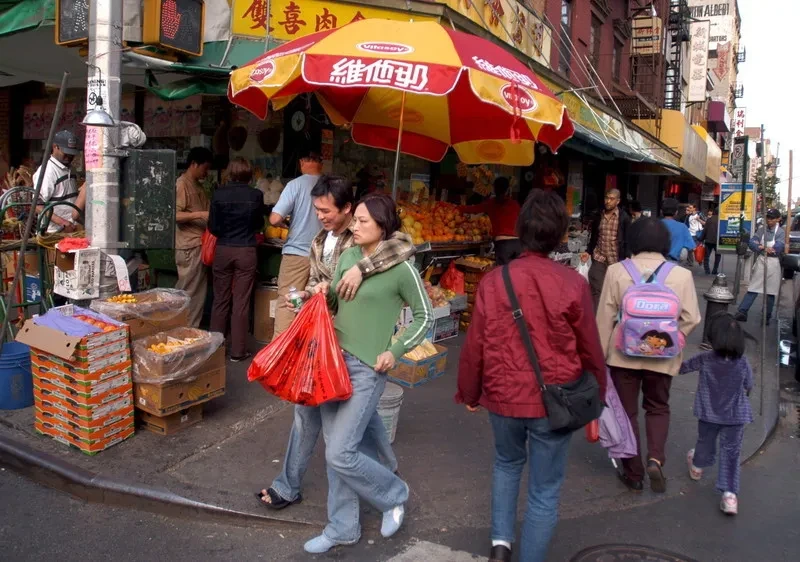
Ton. Nevertheless, the change of power occurred, Bloomberg won and began all over and in his own way. First of all, he destroyed the cabinets. The city hall, which occupies an old colonial style building, removed the walls and transferred officials to the open office so that everyone was in sight and communicate with each other. Then the expected thing happened: Bloomberg approached New York as his business project.
In those days, the city was in a monstrous state. To the south of the 14th street, police officers closed the passage, but they tried not to open the windows in Upper Manhattan because of Gary. The worst of all was a financial center, too close to two funnels. Many then thought to transfer him and disperse somewhere in the forests of Connecticut. But
Bloomberg understood that for New York it is most dangerous to lose millionaires. After all, the rich city made it the best city in the country - and everything that they appreciate, chole and cherish.
Action. Bloomberg has always been a technocrat. He believed in numbers and idolized statistics. Gathering a maximum of information about each area, he stubbornly and methodically cleaned and improved it, giving the city a new brilliance. Under him, New York survived the total dressing, which turned the ruins of the industrial era into invaluable real estate.
That's the trouble, his critics said. Bloomberg took the city from the poor to give it to the rich. He himself did not open. A loyal supporter of liberal capitalism, Bloomberg, considering this the first task of the mayor, lured into the city those who can earn and spend. Otherwise, he reasoned, can turn out Detroit, who has nothing to pay teachers and police officers. New York was already going on, living on the verge of bankruptcy, and was afraid that the story would be repeated. The city came to life when in the hands of an experienced businessman who knows how to count money, a six millionth budget deficit was replaced by a three millionth surplus. But that was only the beginning.
Bloomberg was one of the five mayors whom I found in New York. And each of them left an imprint on the city of his personality. The most unsuccessful was the black David Dinkins (1990–1993). True, he inspired the other African Americans (“our time has come now,” he told me alone on the election day), but this did not affect the crime level and did not save the city from racial riots. Ed Koch (1978–1989) was rightly considered to be most charming. A cozy bachelor with a Jewish sense of humor, he was very suitable for New York, although he hardly made him much better.
Bloomberg was very different from all predecessors in that he was not a politician.
He was deeply and sincerely not interested in party discord and ideological struggle. Being a democrat all his life, he also lived a Republican, then he became independent and, finally, returned to the Democratic Party, without giving these changes any importance. New York demanded not slogans from him, but of specific steps, reasonable decisions and executable projects. Lenin would have called this the practice of “small deeds” with irritation, but Bloomberg and I liked them.
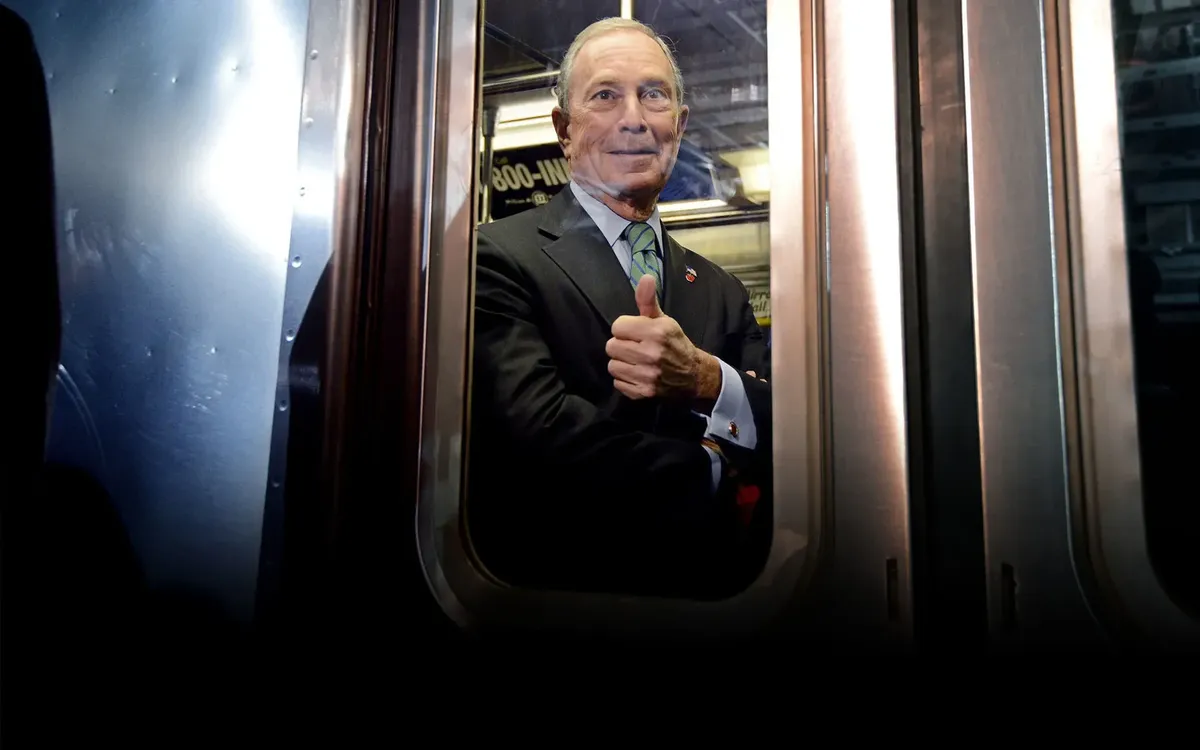
Everything that this mayor was taken for was growing and corrected, starting from the air. Having accepted New York by one of the most polluted cities in the country, Bloomberg took the necessary measures that made the New York air one of the cleanest in the world. For example, he managed to plant one million trees, arranged a network of bicycle paths and convinced the townspeople to use public transport. He himself went to work for Sabwewa, one trip cost him in two salaries (the mayor received a dollar a year).
Not afraid to take risks, Bloomberg was the first to limit smoking, forbidding to smoke in restaurants and bars. I myself smoked and understood well why he was taken. “Do not smoke for coffee, a glass and after lunch is like sitting all evening silently,” we complained until we got used to and stopped curse it.
And they did the right thing, because over the years of Bloomberg (2002–2013) authorities, the average life expectancy of New York residents increased by three years. Also because the crime rate fell to a record minimum, which the old -timers do not cease to rejoice and why the police do not get tired of boasting.
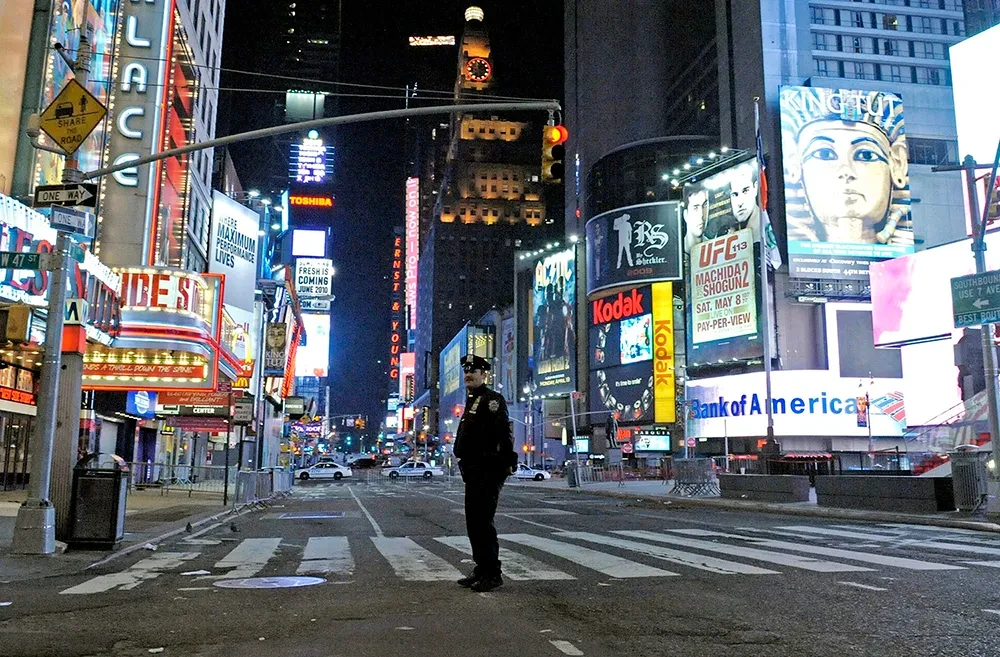
Climax. To understand what New York became, you need to visit it on these pre-holiday days. Standing under a skyscraper, from where a silver ball declaring a shift in the year falls, I feel like a character in a fantastic action movie. The case is happening in the future, which, as you know, begins in New York earlier. On the Times Square Square, not the walls surround everyone, but the giant screens on which beautiful people in colorful clothes are singing, dancing and having fun-Andromeda's nebula, only better.
New York and after Bloomberg retained the growth vector. Even the merciless struggle of the next mayor for equality - de Blazio could not interfere with this. Today it is the best city in the world, the richest, most interesting, diverse and endless. It is very expensive to live in it, there is nowhere to turn around and it is insanely difficult to store the car. But not in vain 67 million tourists come here every year. If you are tired of New York, you are tired of living.
Snow. After three terms, Mike Bloomberg resigned his power and played golf for a week. Tired of vacation, he thought about what to do next. Among the options was the struggle for the position of mayor of London, where Bloomberg holds the house (used to George Eliot in it) and accumulates friends. But the White House seemed much greater to the temptation. Bloomberg knew what to do there. His program is so clear and reasonable that it does not require protection. The struggle for ecology and against weapons; cautious, not an unbridled increase in taxes on the rich; the right to abortion and same -sex marriages; moderate health and education reforms; The fight against terror and the protection of Israel, and most importantly, the stable development of the economy and the predictability of the external, as well as domestic policy. The problem is not in the platform, but in the personality of the candidate.
“Little diluted Jewish millionaire,” Bloomberg said about himself, “is unlikely to appeal to most Americans as the president.”
Hoping that others will be carried out by others, the last time he gave way to Hillary Clinton, and in this one - Joe Biden. But when the radical wing of the Democrats moved to the distant left -wing curb, from where the victory over Trump seems impossible, Bloomberg finally got involved in the election struggle.
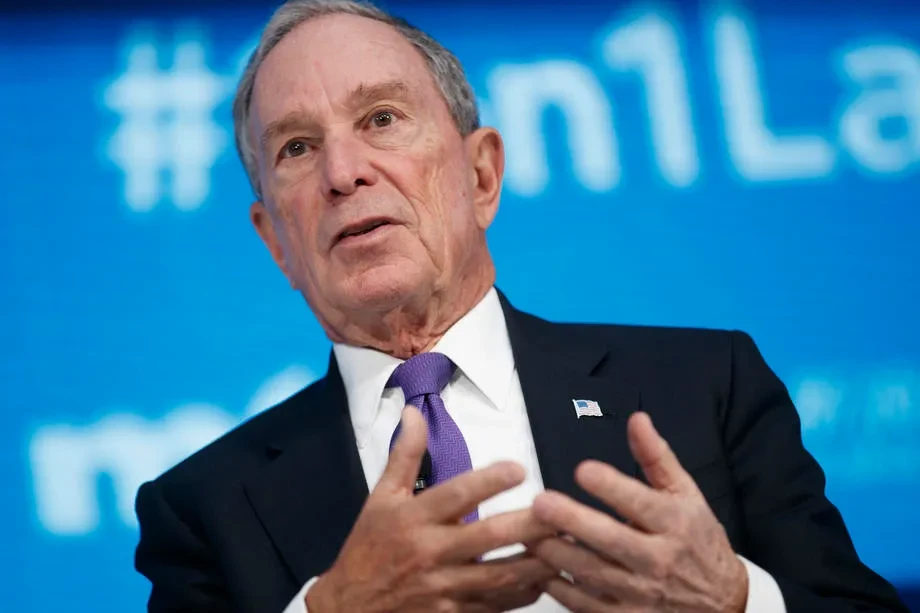
Epilogue. Contrary to expectations, Bloomberg attracted a lot of democrats to his side and even more independent. He impressed everyone who is looking for common sense in politics, and not the truth; compromise, not victory; Progress, not a revolution, that is, a candidate who is able to save the country from Trump. In their eyes, Bloomberg is a fabulous rich man, a super -assessed businessman and a generous philanthropist, which vowed to part to death with most of his condition. He is the one who wanted to seem a six -time bankrupt Trump, who spent money allocated to him on charity on his own portrait.
However, correctly evaluating the forces and making sure that the non -notious voters and the electorate in the Middle West, Bloomberg at the peak of popularity, came out of the struggle, conveying the voices of his supporters Joe Biden, which played a decisive role in the victory of the latter.
It is a pity that I hurried and gave out what I wanted, hoping that the first would become the second.