
Translated material
"I'm standing, you go, they are sitting"
Consideration of the appeal in the “Rostov case” provoked protests throughout the country
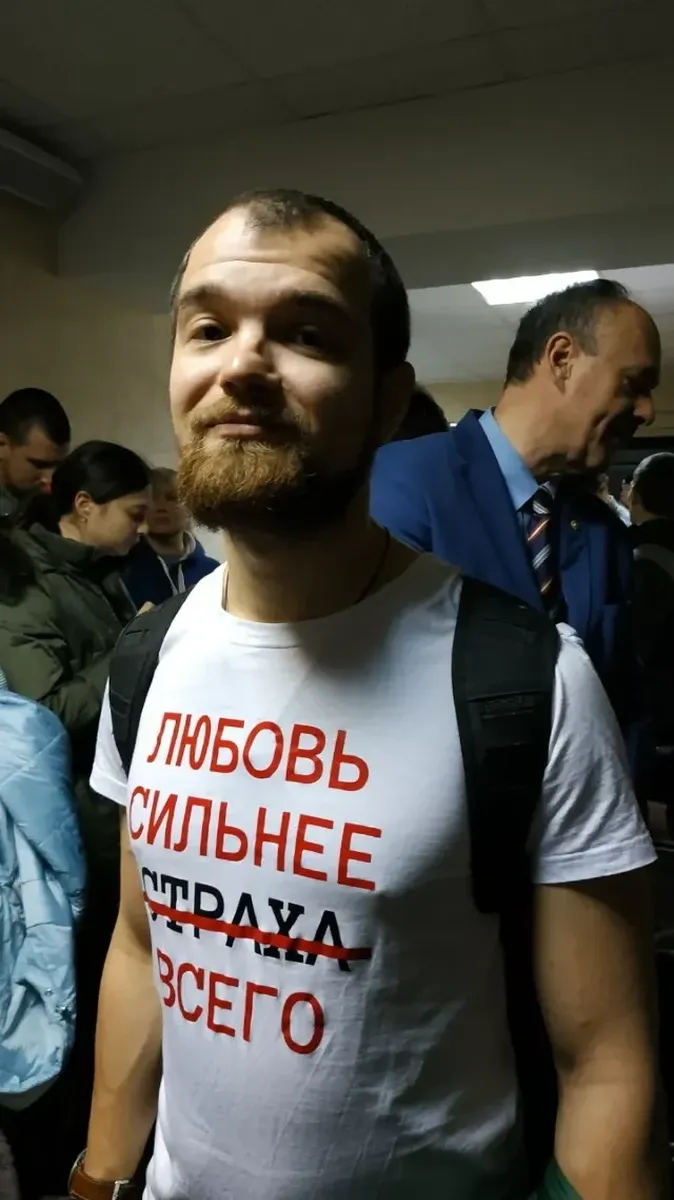
In Rostov, the hearing on the appeal of Yana Sidorov and Vlad Mordasov, convicted of trying to organize riots, ended. The side of protection again tried to achieve the introduction of examinations in the case proving the innocence of the guys. Support the main defendants of the so -called Dozens of people came to the Rostov “New Greatness”, including the participants in the “Moskvsky case”.
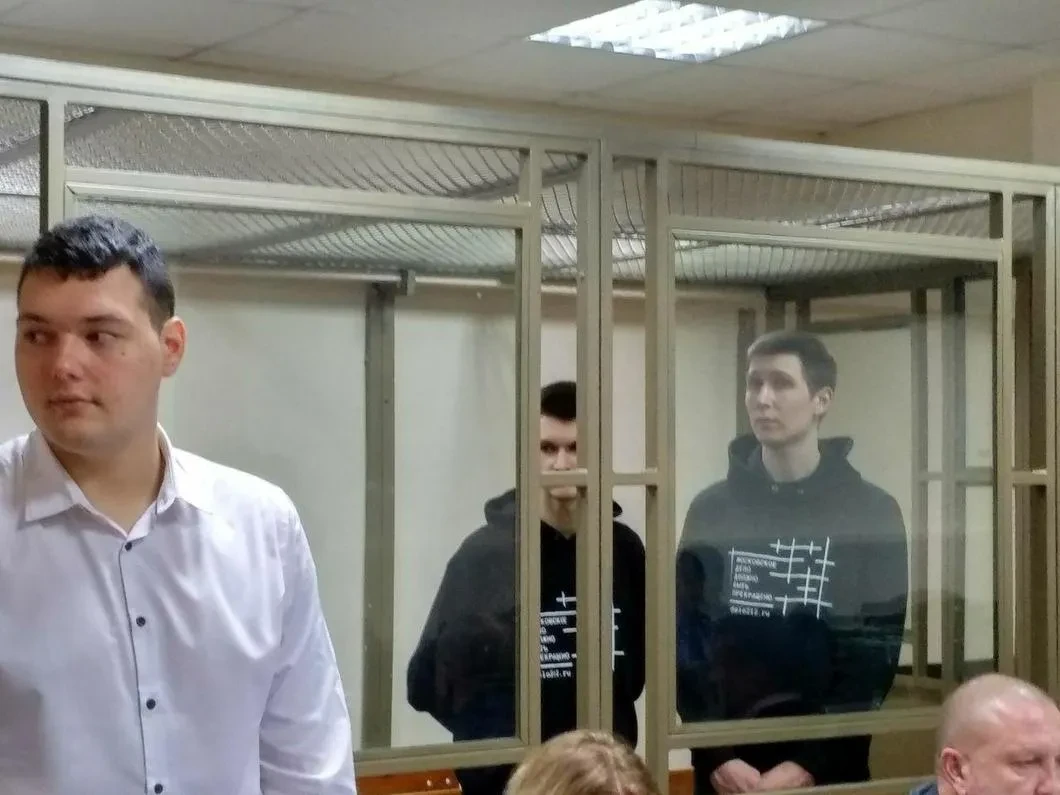
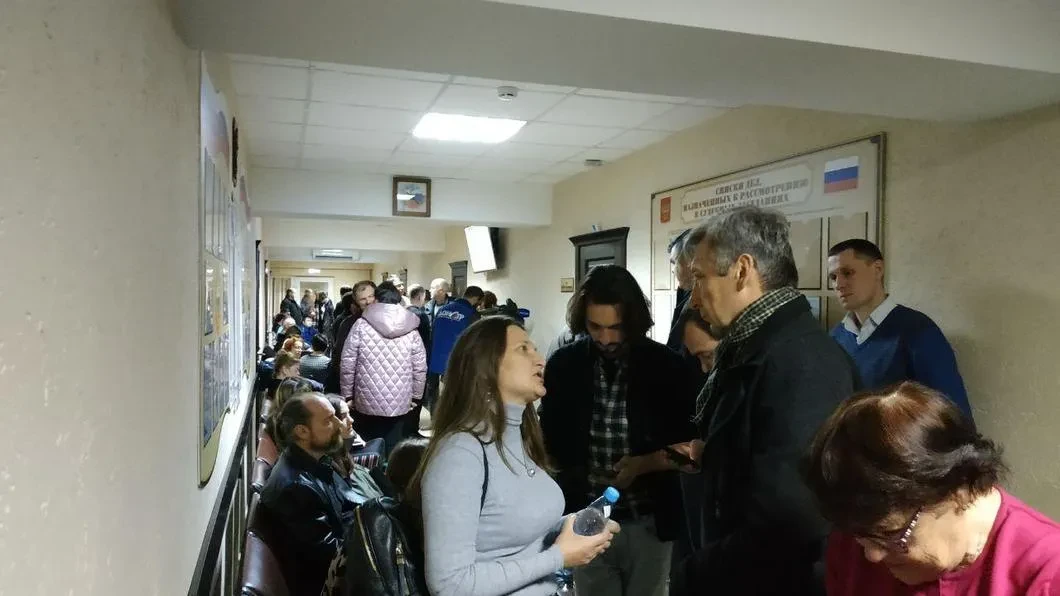
The Rostov third appeal court was organized in the North Caucasus Military District Court, where two years ago they sentenced the Ukrainian director Oleg Sentsov and where the processes over the Crimean Tatars are now going on, who, before the annexation of the Crimea, were participants in the Hizb Ut Tahrir, which was banned in Russia. To support Yana Sidorov and Vlad Mordasov came so many people that everyone could not get into the meeting room.
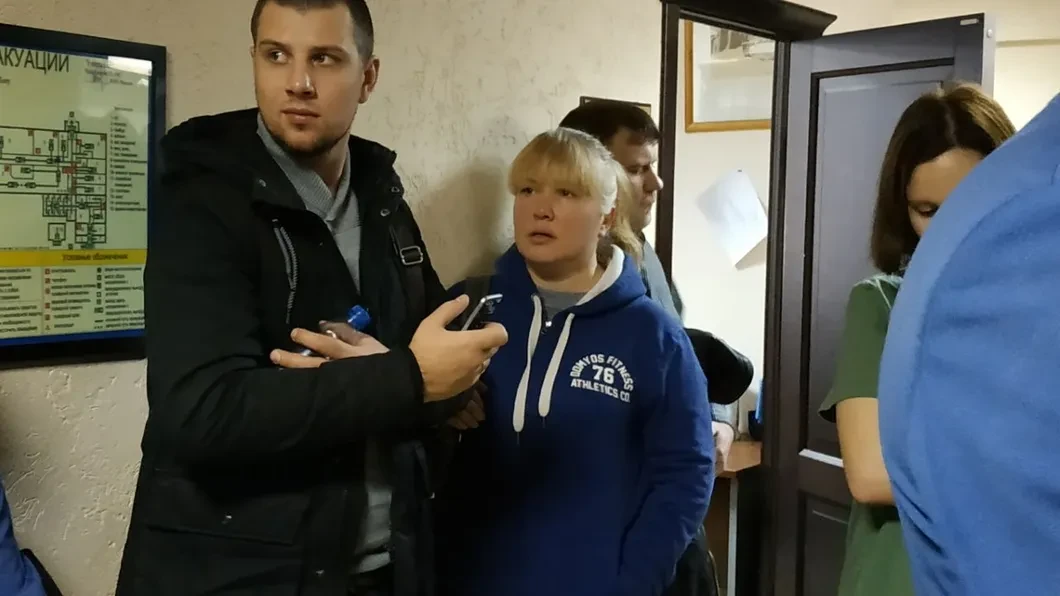
“This is Russia, people must suffer,” said Vladasov’s elder brother - Ruslan, standing in the trim of the court's corridor. He and his mother came to support Vlad, who was behind bars for the third year.
Young people were detained on November 5, 2017 after they reached the square in front of the government of the Rostov Region. They had a megaphone, a sports bag and two posters in their hands. On one it was written "Government to resign", on the second - "return the land to the Rostov Pogorelians." So they expressed solidarity with the affected fire in the center of Rostov, which occurred in August of the same year.
The court appointed them an administrative arrest for participating in an illegal protest, however, after seven days in the isolator, young people moved to a pre -trial detention center: the employees of the Center for Combating Extremism by that time opened a criminal case against Sidorov, Mordasov and their friend Vyacheslav Shamshin, accusing them of trying to overthrow the constitutional system. Shamshin did not take part in the action, so he was under house arrest before the court and, as a result, received a suspended sentence.
In October, the Rostov Regional Court recognized 19-year-old Yana Sidorov and 23-year-old Vladasov to be seen in the attempt on the organization of riots (part 3 of article 30, part 1 of article 212 of the Criminal Code of the Russian Federation). Sidorov was sentenced to 6.5 years in prison, Mordasov to 6 years and 7 months in prison with serving a sentence in a maximum security colony. The prosecutor asked for two years more.
The main evidence of the attempt on the organization of mass riots was the correspondence of young people in the chat “Revolution 05/11/17”, which was created in 2017. It is believed that the chat was created by supporters of Vyacheslav Maltsev, an ideologist of the artillery prohibited in Russia and recognized by the extremist movement. On November February, Maltsev promised to arrange a revolution in Russia. No mass protests that day in Rostov occurred, but this did not prevent law enforcement officers from interpreting young people to the square as an attempt to overthrow the constitutional system.
Sidorov and Mordasov acted as administrators of the chat, in which acute discussions were conducted on political topics. Over time, people began to appear in the chat who proposed to discuss the violent overthrow of power, methods of organizing pogroms and methods of combating police.
The employees of the Center for Combating Extremism received access to this correspondence made a linguistic examination of individual pages, with the help of which they convinced the court that, having entered the area with two posters, Jan Sidorov and Vlad Mordasov were actually trying to provoke riots.
In addition, there were confessions of young people in the case. In court, Jan and Vlad told how, seeking these confessions, the operatives tortured them. The court ignored these statements.
Even in the court of first instance, the defenders insisted that the investigators provided for the expert study separate part of the correspondence, torn from the context, according to which the specialists were made false, in their opinion, conclusions.
So, the “unidentified persons” in the chat discussed how to with the help of a soldier belt to confront police officers.
On this basis, the experts called the belt, which was on Mordasov on the day of the detention, “weapons”, which served as one of the evidence of the criminal intent of the defendant.
Also, Sidorov’s replica was interpreted “Yeah, and from a thinking citizen you will turn into a bandit, who can be shot in case of disobedience” - so the young man answered the call of one of the participants in the chat about the need to hold a power action.
The Rostov Regional Court refused to attach to the case of an independent examination. The party to the defense made and provided several more psychological and linguistic examinations to consider the appeal. The authors of one of them are the specialists of the Anko “Laboratory of Expert Research and Situational Analysis”, linguist Julia Safonova and psychologist Daria Besedina, on December 10 came to court to support young people.
Briefly the conclusions of experts look like this: the statements of Mordasov and Sidorov do not contain signs of motivation for violent, destructive actions; They held the position of organizers along with other participants in the discussion; The roles of the participants in the discussion are equal.
Specialists also noted that both defendants repeatedly stopped calls for violence, which were voiced by other participants in the discussion.
The prosecution was expected to oppose the conclusions of an independent examination, however, the court granted the defense of the defense.
The lawyers went further and demanded that the conclusions of the previous examination be excluded from the case, on the basis of which the verdict was sentenced to young people.
The court refused this, however, during its second study, he promised to take into account the opinion of the defense and the conclusions of independent experts.
The defenders of Sidorov and Mordasov requested a new examination that would study all the correspondence in the chat, and not its individual fragments. The defenders also asked to call lawyer to the court, who two years ago was a lawyer on the appointment of Vlad Mordasov, when he was interrogated by employees of the EE center.
Mordasov in court said that the lawyer specially left the office, after which the investigators strangled him with the help of a gas mask and beat him, demanding to admit the organization of riots.
The court refused to call Artamonov and do a new examination.
The meeting in the "Rostov case" dragged on for the whole day. Some people who came to support the convicts followed the meeting with the help of video broadcasting in another hall.
In the last word, Yan Sidorov reminded the judges that he, in fact, was accused of sharing the views of the organization “Artillery”.
“I am accused of thinking,” he said.
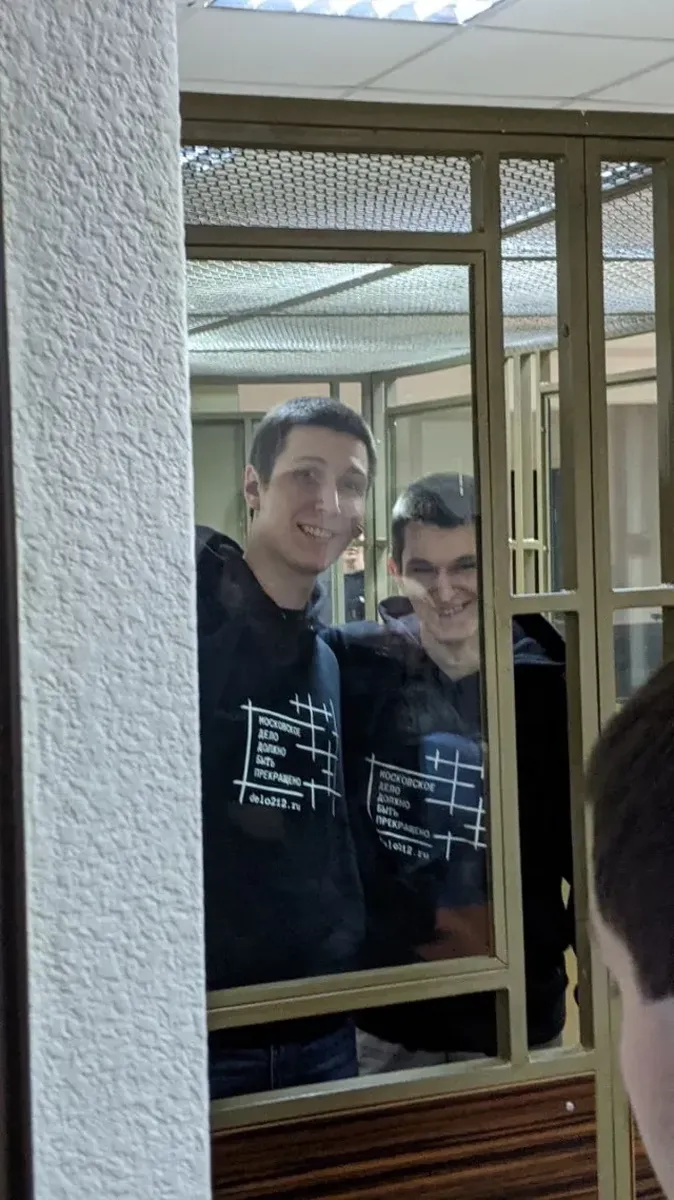
In a cage, young people stood shoulder to shoulder, smiled and even fooling around, trying to pretend that they were fighting each other. They were separated from the audience by the double cordon of the FSIN employees.
Having consulted less than an hour, the court left the sentence to Jan Sidorov and Vlad Mordasov unchanged.
“Today, the court convicted the Russian system of justice. The authorities stole the right to freedom of peaceful assemblies in the country, at the same time depriving these two young people and freedom, ”says Natalya Zvyagina, head of Amnesty International. Earlier, Amnesty International recognized Yana and Vlad prisoners of conscience, and the Memorial human rights center - political prisoners.
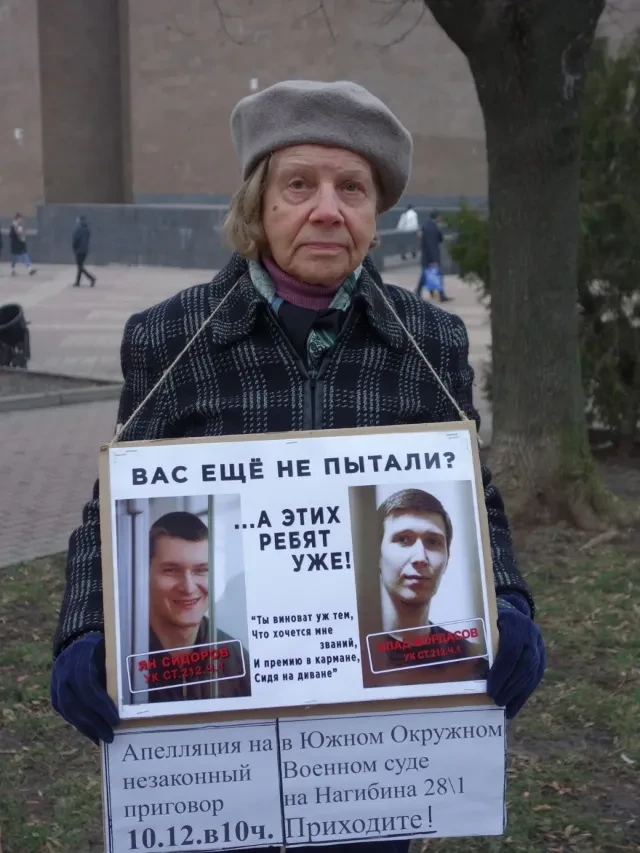
On the day of consideration of an appeal in Moscow, St. Petersburg, Rostov, Saratov, Barnaul, Chita, Kurgan, shares were held in support of the Rostov prisoners. “I stand, you are going, they are sitting” - it is written on the Protesters posters. In defense, Yana Sidorov and Vlad Mordasov came out members of Amnesty International in Africa.
The lawyers of the convicts said they would seek justice in the ECHR.