
Translated material
Symbol of the nineties. To the death of Yuri Luzhkov
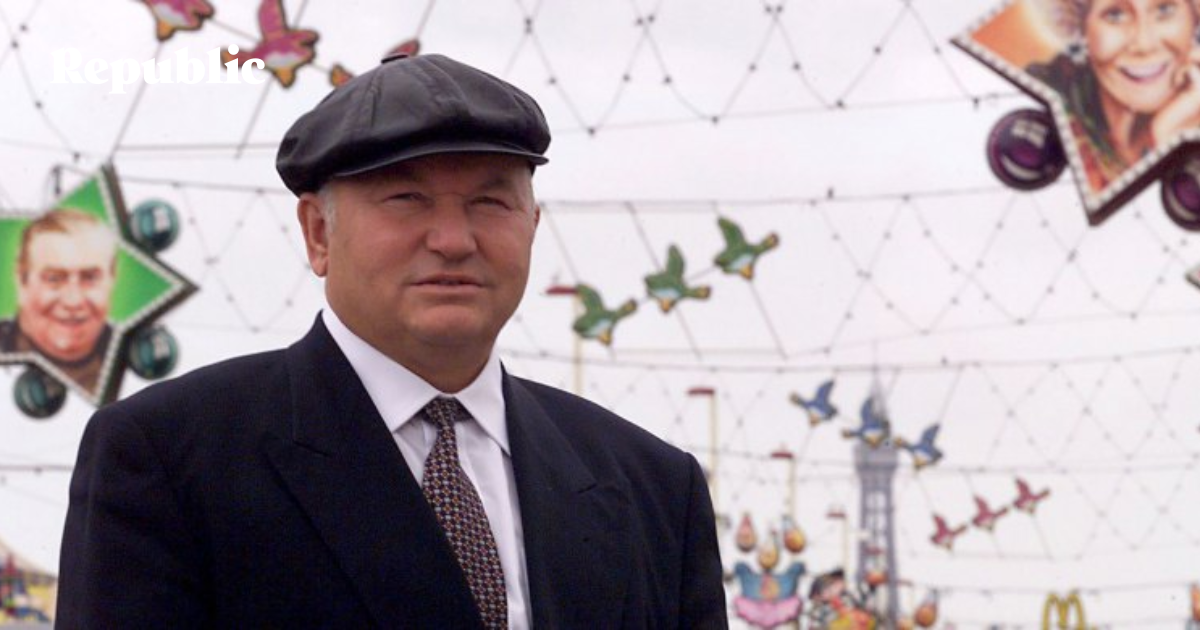
Yuri Luzhkov died symbolically - an exile, on a foreign land, and not in his hometown.
The former mayor of Moscow for the 83 years he had lived more than one life. Each time, finding himself in a new role, he seemed to embody his time. In the fifties, he is an exemplary student - a virgin, activist, social activist. In the early sixties, when the first, he was won in a dispute between physicists and lyrics, he was a young and promising chemical scientist. With the beginning of Brezhnev’s time - a career bureaucrat in the Minhimprom, where he was engaged in the then automated control systems.
The first step towards independent management was its appointment in 1974, in a relatively young age by Soviet standards-38 years-the director of the developmental and design bureau of automation (OKBA), not a very large enterprise almost immediately behind the fence from VDNH. Six years later, having shown himself, Luzhkov received a promotion - remaining at the head of the October Revolution, he headed the Himavtomatika NPO, which included fourteen enterprises throughout the Soviet Union, which worked more than 20 thousand people. Luzhkov was engaged in the development of various chemical devices, being at the intersection of science and production.
By the Moscow standards, his October Revolution was a small enterprise, but the NGO itself, taking into account the branches - a large structure. Perhaps that is why he headed in the Moscow City Council, still old, pre-perestroika, a commission on communal services. Or maybe none of the solid directors wanted to take this cargo from hairdressing and laundry, but the energetic Luzhkov did not refuse, and, as it turned out later, won.
Subscribe to read the whole
Make a subscription Redefine.media to read Republic
Subscribe [you can pay for a Russian or foreign card. The subscription is extended automatically. You can unsubscribe at any time.]
Where are the money subscribers going