
Translated material
ESET reminded Russian users about the risks of connecting Wi-Fi public networks
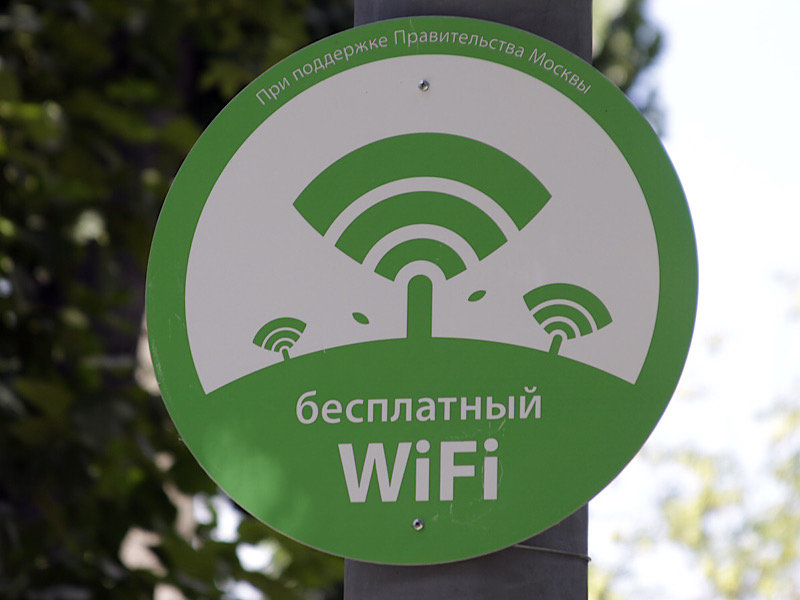
The ESET antivirus company has published the results of a study of Russian users' habits that are connected to public Wi-Fi networks. This was reported on the company's website .
According to the results of a fresh survey, in which 4 thousand users of Runet took part, it turned out that 74% of users are connected to the public points of Wi-Fi. Most often this happens in cafes, hotels, airports and shopping centers. Most users go to the Internet through public Wi-Fi networks to communicate in social networks, read news and checks. At the same time, 10% of respondents reported that they enter open networks to bank applications and make online buying. Every fifth participant in the survey said that he is making audio and video calls through public networks.
"Such types of activity are a danger to personal data. Attackers can intercept traffic, passwords from accounts in social networks, payment information. Creating fake access points, the lack of encryption of the transmitted information is only a few dangers of public Wi-Fi networks," Eset noted.
Experts admit that it is difficult to refuse to use public access points, since users sometimes urgently go to the Internet. To minimize risks in ESET, it is recommended not to connect to suspicious access points and use complex antivirus solutions.
Recall that at the end of November, the working group in the "Information Security" National Program "Digital Economy" approved the concept of creating an early warning system for computer attacks on the telecommunication infrastructure of Russia prepared in Rostelecom. The idea of the concept is to create the so -called Hanipot ("honey pots") on the infrastructure of operators - programs that imitate a vulnerable device or server. Hackers can use such baits to penetrate the operators network, and software will record their actions for subsequent analysis.