
Translated material
The Government of Great Britain rejected the idea of the new referendum on the independence of Scotland
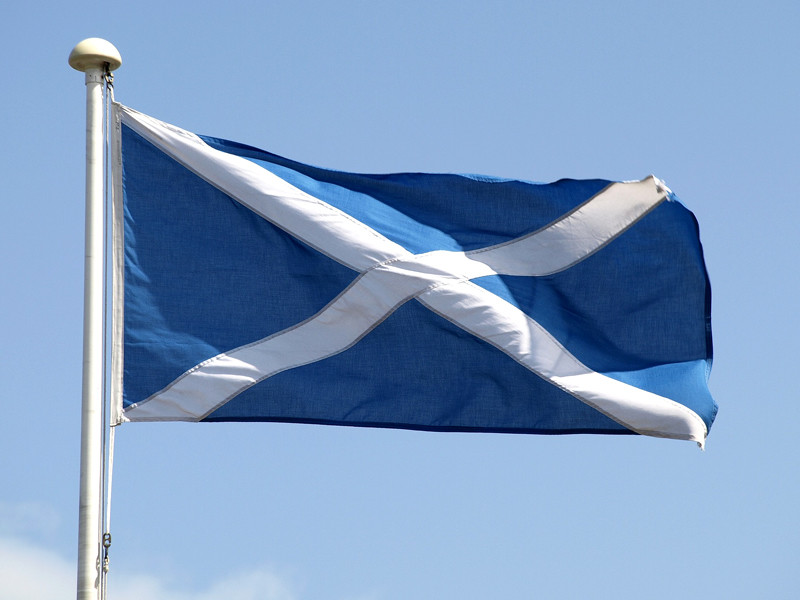
The British government rejected the requirement of the first Minister of Scotland Nikolai Rodzhen to grant the right to hold a referendum on the independence of the region. This is stated in the explanations that are common on Thursday to the throne speech of Queen Elizabeth II.
"The second referendum on independence [Scotland] next year would harm the confusion," the document says. The government added that such a vote “would undermine the convincing results of the 2014 referendum,” TASS reports.
The British authorities also emphasize that 60% of the goods produced in Scotland are sold in the United Kingdom, and additional investments in this northern region make up several billion pounds. In addition, the UK government intends to reconsider an alcoholic excise tax to support the Scottish manufacturers of Gin and whiskey.
On Thursday, Rodzhen officially asked London to grant Edinburgh the legal right to hold a referendum on the independence of the region, substantiating this by the results of the past parliamentary elections, in which the Scottish National Party (SHNP) won 48 of their 59 possible deputy mandates, which is 13 more than according to the 2017 elections.
Rodzhen formulated its requirement in accordance with section 30 of the Scotland act of 1998. According to him, the UK parliament is obliged to provide the region with the right to hold a referendum. This requires the consent of three state institutions: the parliament of Scotland, the lower and upper chambers of the Parliament of the United Kingdom.
The referendum on the independence of Scotland took place in 2014. At least 55% of its participants spoke in favor of preserving the Union of Edinburgh with London. However, the ruling in the region of the SHNP took advantage of the results of the general British referendum on the further membership in the EU, at which the population of Scotland, unlike the UK as a whole, did not support Brexit. This circumstance gave an occasion to promote the idea of a new referendum on independence, which Strajen is going to organize until the end of the powers of the current convocation of the Scottish parliament in 2021.
Boris Johnson says he will not allow a new referendum.