Translated material
The story of the most quiet killer
The shooter from the Virzhinsky Polytechnic University was painfully unleasable and suffered from affective disorders - many knew about it and sought to help him. Parents were worried, psychiatrists prescribed therapy and drugs, and classmates tried to include it in student life. But the internal demons turned out to be stronger, and on April 16, 2007, he shot 32 people on the territory of the campus. Before that, he sent a manifesto on television, in which he called himself Jesus Christ and admitted an infinite aversion to humanity. Having studied the documents and talking with a psychiatrist who analyzed the manifesto, the samizdat correspondent recalls the life and acts of the Virzhinsky shooter.
The professor closes the door
In the office of 204 of the Norris Hall educational building, as in almost all audiences of the Virzhinsky Polytechnic University, there was nowhere to hide, except behind overturned desks, and the door did not even lock the door. Non -stop sounds of shots, gradually approaching, came from the corridor and neighboring classes for several minutes. The killer could be on the threshold at any time, and the 76-year-old professor of mechanics Liviu Librescu decided, which for some reason did not occur to anyone in the building: he ordered students to jump from the window, and he rested his back on the door.
The windows of the mechanics of the mechanics overlooked a picturesque green meadow, grass and bushes grew below. True, I had to jump from a five -meter height. Someone landed unsuccessfully and broke his leg, but the majority got off with bruises and scratches.
Ten people were able to escape before the professor’s worst fears were justified, - the shooter reached the office of 204 and began to shoot the door point blank. Liviu Libresku, who survived the Holocaust, died, receiving at least five bullet wounds, but held the door to the last. Entering the office, the killer shot two students who did not have time to jump out.
The story of the terrorist Unabober Evgeny Shcherbina , Yegor Mostovshchikov , Galya Polyakova contacted the friend of the terrorist Unabober and learned how Hitler, Harvard, Timothy lyrics and progress are associated with 16 bombs, 3 dead and 23 wounded Photo: Alan Kim/Ap Photos/East News
  Photo: Charles dharapak/Ap Photos/East News
Then the shooter returned to the room 206, where he had already visited before, and finished off those who still survived. At that time, the police tried to get into Norris Hall for five minutes-the doors at all three main entrances to the building, the killer shook with thick chains that did not give in to shots point-blank from the table weapons. Finally, an additional detachment arrived, which, together with the main quick response group, found the fourth entrance. The castle was demolished with a shot from a shotgun. The police broke into the building and ran to the second floor - to the sounds of shots.
The killer was in the office of 211. By this moment, 32 corpses were already on his account. Hearing the noise of the approaching detachment, he shot himself in his head. The bullet was so disfigured by his face that this was drawn by identification. For all the time, the shooter did not utter a word - perhaps because he said everything in advance.
Manifesto
Two days after the joke in Norris-Hall, the NBC News TV channel in New York came a parcel from Blaxberg, a city where the campus of the Virzhinsky Polytechnic University is located. Inside, the journalists found video clips and photos, which captured a short -cut, dressed in a body armor and posing with pistols of twenty years old. Somewhere he threatened them in the cell, somewhere he held at the temple, and in one photo he put a hunting knife to his neck. In the video clips, the young man expressed his rage, resentment and desire to deal with some offenders.
Together with all this, NBC News employees also received an 1800 -word manifesto.
They doubted for a long time, but in the end they published only two out of 25 minutes video, seven out of 43 photos and 37 suggestions of the manifesto:
“You have succeeded in destroying my life. Frozen my heart was not enough for you. The rape of my soul was not enough for you. Emotional sodomia was not enough for me. Every second, wasted on your senseless hedonism and threatening sadism, could be used to prevent today. Ask yourself: "What did I do all this time?" All these months, hours, seconds. Oh, if you could be the victims of your own crimes. Oh, if you could be victims ... ”the killer wrote. “You could be at home right now, eating your fucking caviar and [using] your shitty cognac if you had not raped my soul.”
The author of the document compared himself to Moses and Jesus Christ, and sprinkled with imaginary opponents with epithets like “hedonists”, “Christian Nazis”, “descendants of Satan”, “apostles of sin”, “sadistic snobs”, in abundance using the word Fuck.
Later, the police found that the young man methodically recorded himself on the video for a month - in the van, rented, as well as in the room of the local hotel - the lamp that had fallen into the frame indicated this: exactly the same were in the hotel rooms. It is not known when the killer recorded the manifesto and how long he worked on it - on the day of the joke, he deleted his mail account on the university domain with all the data. But it is known when exactly he sent the parcel to reporters-before shooting at Norris-Hall and after a double murder in the hostel, West Ebbler Johnson.
The son of hee
At about seven in the morning, a first-year student Emily Hilsher entered her hostel “West Ebbler Johnston”, located next to Harper Hall. Emily was in upset feelings, as the guy threw her the day before. At 7:15 Following her, a man armed with two pistols penetrated her room, and shot her. Ryan Christopher Clark came running to the noise from the neighboring block of rooms and was also killed.
In the hostels of the Virzhinsky Polytechnic, there are no concierges, no guards, and it is customary to contact the police department on the territory of the campus about all suspicious situations. One of the residents asked the police to check what was the reason for the noise coming from the student’s room. The dispatcher called the university rescue detachment and the officer on duty. They were in place already at 7:24, discovered corpses and immediately requested an additional police outfit. The quick response detachment arrived in a matter of minutes and began to interview witnesses, but no one saw the killer.
At 7:30, her friend came to the Hilsher room, with whom they had to go a couple of chemistry together. She told the police that Emily was abandoning the guy just yesterday, - Karl Thornhill, a student of a neighboring university. He owned weapons, loved to practice in shooting, and this instantly made him suspect. The police rushed along the trail of the boyfriend of Hilsher and soon stopped him on the highway: Thornhill rode home to the neighboring town. They took a test for traces of gunpowder, but the result was negative. Tornhill was not that man, and the police were in the wrong place.
The story of the killer-prone-offer Marina Vasilieva , Semyon Sheshenin , Evgenia Shcherbina , Nastya Lobova as a retired sailor and a lord-wise, George Gennard hated women and arranged one of the most terrible jokes in the history of the United States in the Texas cafeteria Photo: Alex Brandon/Ap Photos/East News
  Photo: NBS screenshot
 The real killer at that time had already managed to return to his room, where he changed the clothes stained with blood to fresh. His neighbors slept.
At about nine in the morning, he calmly went to the post office of the town of Blaxberg and sent a parcel to the New York edition of the NBC News TV channel, then returned to the hostel to arrange again. Half an hour later he was seen near the Norris Hall educational building, where classes had already begun by that time. The young man locked all three main exits from the building, wound on the door of the chain. No one saw how he did it. There were also no external surveillance cameras that could fix the movement of the shooter. The young man was called Cho's son Huh, at the time of the joke he was 23.
Why Cho's son Hi killed first Emily Hilsher remained a mystery: he never met her and was not even familiar. The police put forward many assumptions - from the method to practice shooting before the main joke to jealousy and hatred of girls in general. All versions are likely, but Cho really had problems with girls.
"?"
Cho son Hi had to fall asleep students with annoying and gross messages in messengers, introducing himself as a “interrogative sign” - he also called himself in the classroom at the university, his same name was signed by his Facebook account. The neighbors in the room thought that this was an alter ego cho. Once Cho got out of one girl where she lives, and came straight to her to check if she was “cool”, but he discovered “only licentiousness in her eyes,” he said to his neighbors.
The student complained to the police, and that evening with Cho conducted an explanatory conversation. He was silent for a while. The legal department of the university told the girl that he could only do this case after her written statement, but she refused to make charges.
On the door of the room is another student, Margaret Bowman, in September 2005, the son of Hi wrote, using a special sign, a replica of the protagonist from Romeo and Juliet.
What is the name
I will call myself myself - I don't know.
My name is hateful: after all, you
It is hostile, dear, holy.
I would have broken paper with a signature.
When Cho was asked why he did this, he replied that Shakespeare did it. At first, Bowman did not attach the inscription of the value, but Andy Koch, a neighbor Cho around the room, warned her that the Hi son was distinguished by strange behavior. “I think he is a schizophrenic,” Koch said.
"Teach me to speak"
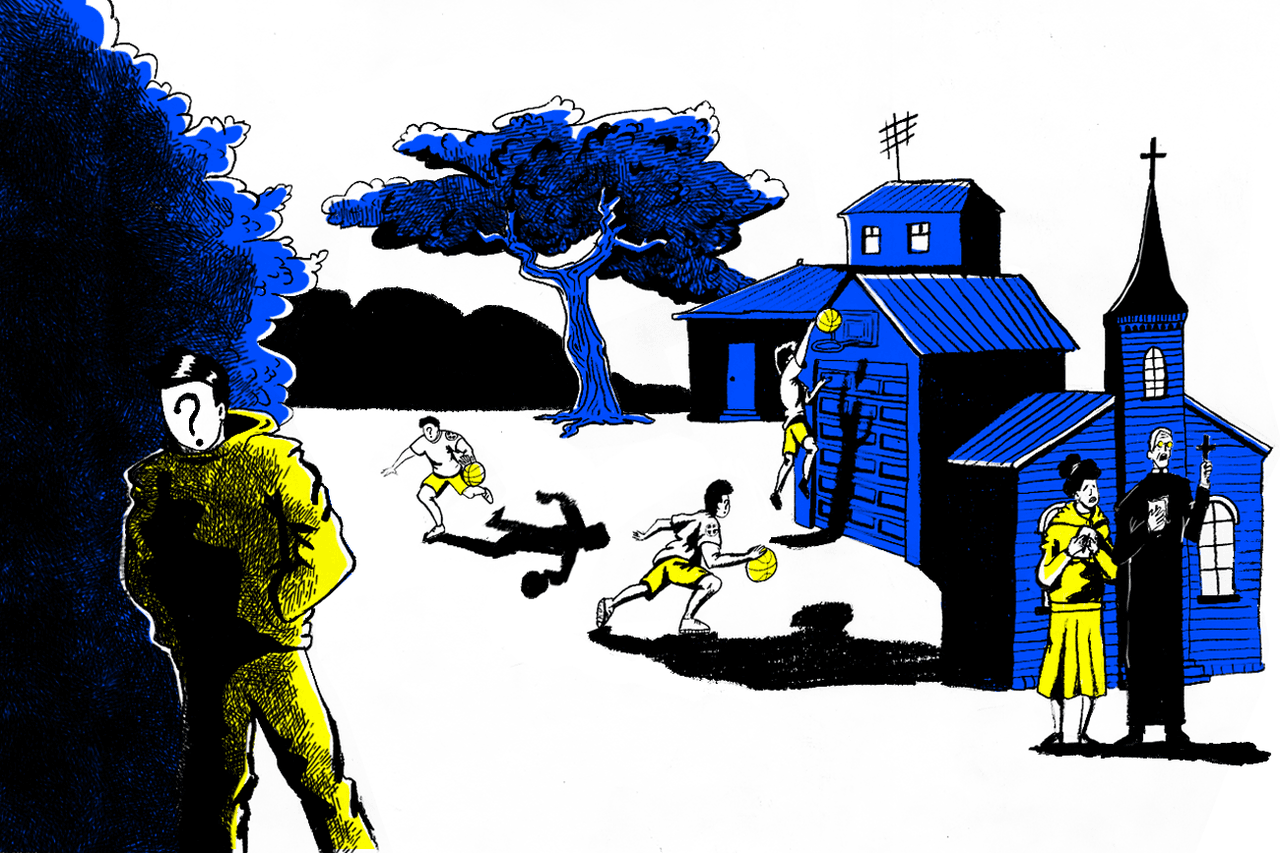
He entered the Virgin Polytechnic Polytechnic Polytech to the specialty "Information Technologies for Business". He moved to the hostel on the territory of the university campus, to a room with five neighbors. Soon he began to tell them that he has a girlfriend named Jelly, she is a supermodel, lives in open space, travels on a spaceship and "exists only in the measurement of his imagination." Once Andy Koch went into a common room, but his son Hah hesed on him and said that Jellie was there.
He spent all his free time alone: he had lunch, played basketball with himself, watched films on a laptop. For some time, students thought he was deaf-mute. One of them offered him 10 dollars if Cho says “Hello,” his son Hi said nothing. The classmates tried to take it with them to parties, where Cho seemed to be involved in entertainment like a “beer ping-pong”, but he did everything with a stone face, and he sat in a corner and did not talk to anyone.
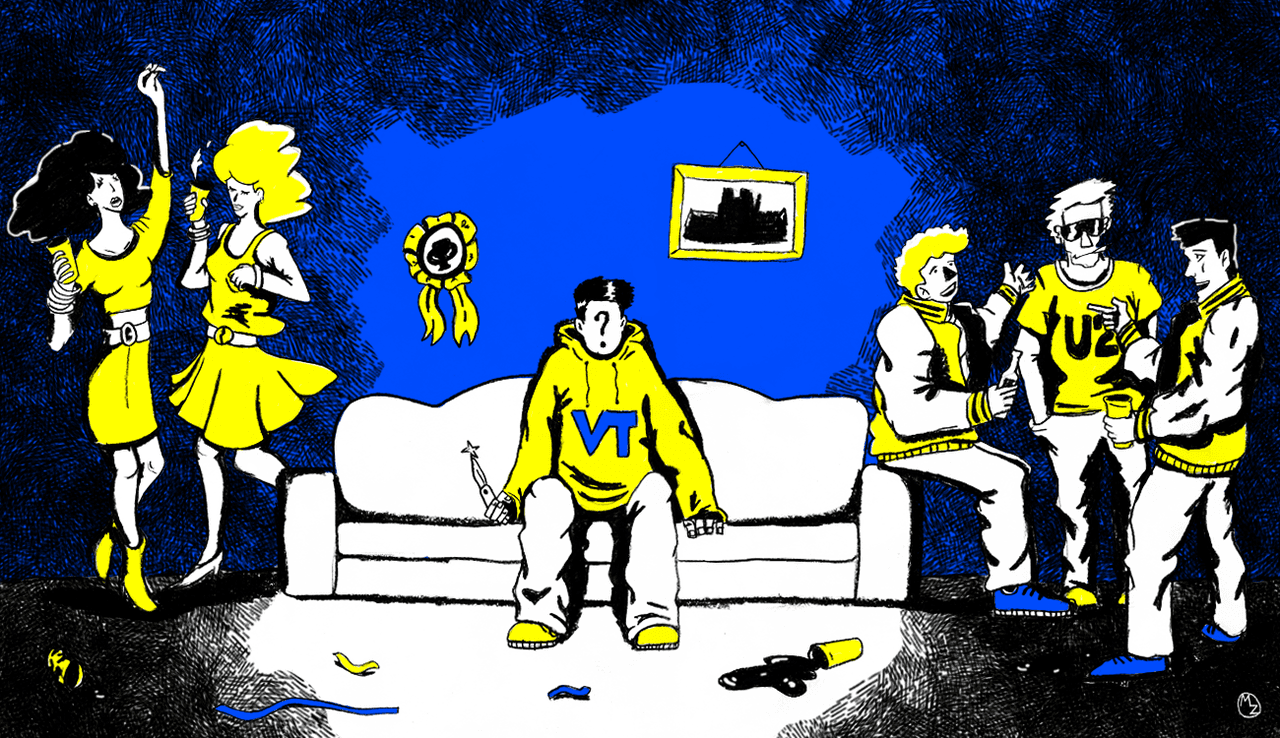
Once at such a party, he grabbed a penknife, ran into the girls' room and stuck it into the carpet in front of the amazed eyewitnesses. More than Cho was not invited anywhere. This became known to the university administration, but having a penknife is not prohibited with you, and there was nothing more dangerous for Cho, and no disciplinary measures were applied to it.
The neighbors noticed that the young man took medicines, but did not know which ones. He loved to listen to the same song on the repeat - the Shine post -grange group Collective Soul, and even wrote a line from this composition on the wall of the room: “Teach me to say, teach me to share, tell me where to go.”
Once, his son Hi called Andy Koch during the holidays on thanksgiving and stated that he was “resting with Vladimir Putin in North Carolin,” adding that he grew up with the Russian president in Moscow. “I am sure this is impossible, the son of Hee,” the student answered.
Hearing from Koch about the oddities of Cho, Bowman was frightened and again turned to the police. They talked again with Cho. After that, he wrote to Koch: “I could kill myself or like that” and “Everyone hate me.” Now Andy became terribly terribly, and he again called the police, but they considered that the situation demands psychiatrists' intervention, and turned to the Virginia State Mental Health Agency. The social worker talked with Cho son Hi and came to the conclusion that he was dangerous for himself and others. She revealed signs of anxiety and depression in him, but did not know that Cho had problems with social interaction since childhood: this information was stored in other departments, and they should not share it with each other due to laws on the inviolability of private life.
House without windows and doors
In early childhood, Cho's son Hi was extremely quiet and calm, too introvert even by the standards of Korean society, where equanimity and obedience are traditionally encouraged qualities. The boy never looked into his eyes, did not play with other children and did not talk to anyone. If a guest came to the house and the son of Hi asked to talk with him, he began to tremble and turn pale. He could sit for a long time silently, looking at one point. It was so frightened by the mother, Cho Hyan Ying, that she used to shook her son by the shoulders in order to achieve at least some emotional reaction. In elementary grades, he did not tell what was happening at school. Relatives tried to find out if they offended him, but the boy answered all the questions only: "Good."
In 1992, when the son of Hi was eight years old, his family in search of a better life moved from South Korea to the United States, where she soon settled in the town of Senterville. The son of Hi and his older sister Sun Kung went to the American school and quickly mastered English.
In the USA, the Hi son felt, at first glance, not bad. He loved to play basketball with himself, watch TV and go through computer games like Sonic the Hedgehog. He had ordinary interests for a teenager, which is known from the questionnaire , filled with the university after years: “I like to watch talk shows and listen to alternative radio stations, I love action films. My favorite film is “X -Men”, beloved actor - Nicholas Cage, favorite book - Night Over Water, Favorite Group - U2, Favorite Sports - Basketball, Favorite Team - Portland Trail Blazers, Favorite Food - Pizza, Favorite Color - Green. ”

To the sixth class, its isolation and the missing facial expression began to cause concern among teachers. Parents took his son to a psychiatrist who diagnosed him with sociophobia (“social anxious disorder”), as well as to an art therapist.
Since the boy did not talk to anyone, the therapist invited him to express himself in his work. Cho began to sculpt from clay houses without windows and doors. Soon he sometimes began to look into the eyes that the woman regarded as a step towards a healthier state of the psyche.
But after a couple of years, alarming changes have been outlined - Cho began to draw caves and tunnels. This in itself would not be scary if it were not for the sudden signs of depression. The therapist Cho replied that he did not think about suicide or something like that, but a month later-April 20, 1999-there was a mass murder at the Columbine school. Then two young people killed 17 people. After that, in the lesson of the English letter, the son of Hi wrote an essay where he expressed thoughts about the repetition of events in Columbine.
Mother went around all the churches in the district, praying that her boy learned to communicateParents were shocked from the essay and again took the son of Hi to the psychiatrist who diagnosed his selective mutism - the inability to talk with people in certain situations - and a single episode of a large depressive disorder. Hi son began to take antidepressants, soon cheerful, began to smile more often and stopped going to consultations. “Everything is in order with me,” he told his parents, stopping medication.
Mother tried in every possible way to stir up her son. After moving to the United States, she became religious and went around all the churches in the district, praying for her boy to learn to communicate. In the Christian Church, a single mind, where she visited, even suggested that the teenager was obsessed with demons, and the local pastor Lee proposed to cope with the trouble "with the help of spiritual power." True, the son of Hu by that time had already gone to the university and did not come to church. By the time of his age, the Hanga, in the age of his age, surrendered and decided that she needed to let her son behave as it is convenient.
When the question arose of receipt, the school assistant strongly recommended a small college for the young man, but he chose the Virgin Polytechnic University - a huge university, in which 26,000 students studied then and whose campus was spread out in one square kilometer. The school sent to Polytechnic data on academic performance by the son of Hi, but did not transmit any information about his mental state. He passed the standard SAT exam for admission to higher educational institutions and was accepted in 2003.
Cho returns to the university
At 9:40, having killed Emily Hilsher and her neighbor in Blok, sending a parcel with his manifesto, photos and videos to the New York TV channel, Cho went to Norris Hall, wrapped up door locks, then climbed to the second floor, reached the office of 206, where there was a pair of design for hydraulicists, and opened shooting from two pistols. He killed a professor and nine students in the place of the professor and wounded three more. Only one of the thirteen in the office survived.
After that, Cho went to the office of 207, where there was a lesson in the German language, and shot the teacher Christopher Bishop and several students. In the next room, 205 assistant professor Hayan Chen led programming, students heard shots and managed to barricade.
 Photo: Charles dharapak/Ap Photos/East News
Чо расстрелял запертую дверь кабинета программирования, но внутрь не попал — и пошёл дальше по коридору, в комнату 211, где занимались французским языком. Там тоже уже успели услышать выстрелы, и преподаватель Жослин Кутюр-Новак попросила студента Колина Годдарда позвонить на 911. Перед этим дверь загородили партой, но Чо отодвинул её, зашёл в кабинет и молча пошёл вдоль рядов, стреляя в людей. Годдарду он выстрелил в ногу, тот упал и выронил телефон, который подхватила студентка Эмили Хаас. Чо выстрелил и в неё, целясь в голову, но только легко ранил. Девушка упала и притворилась мёртвой, закрыв своими волосами телефонную трубку и оставив линию открытой, — так, чтобы оператор на том конце мог слышать всё происходящее.
Полицейские к тому времени уже получили сигнал о стрельбе в кампусе, примчались к зданию и пытались сломать цепи на замках — счёт шёл на секунды. В кабинете 207 четверо студентов, двое из которых были ранены, закрыли дверь, держа её руками и ногами и стараясь не подставлять тела. Чо вернулся и смог приоткрыть дверь на пару сантиметров. Он сделал несколько выстрелов около дверной ручки, но затем бросил попытки зайти внутрь и пошел обратно в комнату 211, где снова дважды выстрелил в Годдарда.
На крики и обращения Чо не реагировал и просто молча передвигался по кабинетам и коридорам, перезаряжая свои Glock 19 и Walther P22. Он уже дал понять окружающим, что у него на уме, — задолго до этого дня.
Сатира о мясной резне
«Бад просыпается непривычно рано… надевает чёрные джинсы, чёрный жилет со множеством карманов, чёрную шляпу, большие чёрные очки и лёгкую куртку. В школе он наблюдает студентов, которые стоят внутри, улыбаясь, смеясь, обнимая друг друга… Несколько пар глаз устремлены на Бада, но без тени узнавания. Он думает: „Я ненавижу это! Ненавижу всех этих мошенников! Ненавижу свою жизнь... Это оно… Вот когда вы, чёртовы людишки, умрёте вместе со мной...” Он заходит в произвольный класс. Там все улыбаются и смеются, как будто они на небесах, как будто есть что-то волшебное и чарующее в природе этих людей, что Бад никогда не испытает. Он вырывается из класса и бежит в ванную. „Я не могу это сделать… у меня нет морального права...” К нему подходит некая готичная девушка, он говорит ей: „Я ничто. Я неудачник. Я ничего не могу сделать. Я хотел, чёрт побери, убить каждого человека в этой проклятой школе. Клянусь богом, я хотел, но не мог. Я просто не мог. Чёрт, как же я себя ненавижу!”»
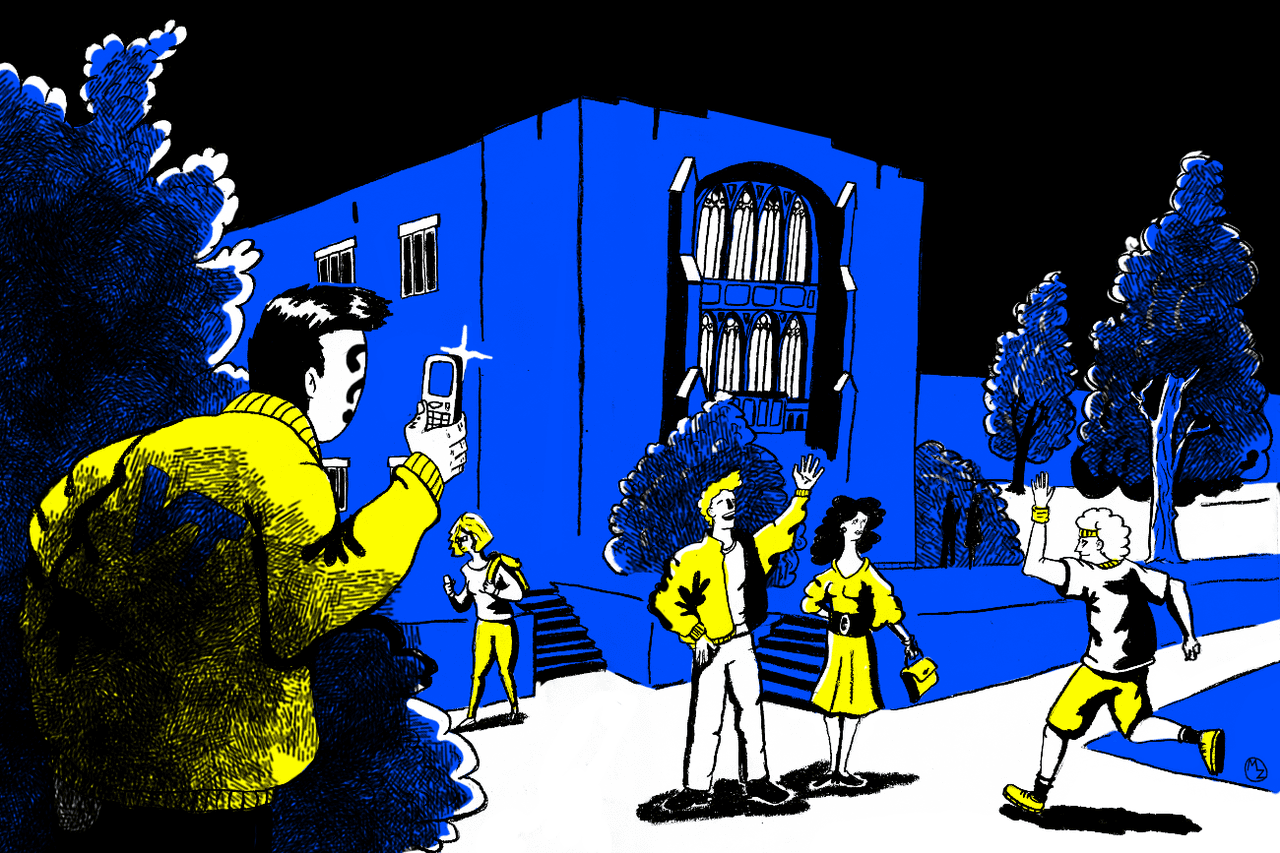
На третьем году обучения Чо неожиданно сменил специализацию «Информационные технологии для бизнеса» на «Английский язык», где требовалось много писать, а затем обсуждать написанное с другими студентами. Этот рассказ про парня по имени Бад Сын Хи написал на курсе беллетристики профессора Роберта Хикока. Студентам от рассказа стало не по себе, Хикок же счёл его жестоким и не слишком талантливым, как и остальные работы, которые сдал ему Чо. Профессор попытался установить с ним контакт и даже назначил несколько индивидуальных занятий, на которые Сын Хи так и не явился.
Каждое ведомство имело важную информацию о нём, но не обменивалось ею с другимиДругие преподаватели тоже не могли поладить с Чо, как ни пытались. На уроки поэзии профессора Ники Джованни он неизменно приходил в чёрных зеркальных очках и в кепке, надвинутой на глаза. Свои сочинения у доски он читал так тихо и невнятно, что никто не мог ничего разобрать. Однажды он услышал, как студенты в классе обсуждали какое-то мясное блюдо, и вскоре принёс работу под названием «Так называемое продвинутое творческое письмо — поэзия», которую описал как сатиру о «мясной резне животных».
«Не знаю, с какой дикой и нищенской планеты вы прилетели, но вы вызываете у меня отвращение. По правде говоря, вы мне все отвратительны, — говорилось в этом сочинении. — Вы низменные варвары, и меня от вас тошнит так, что я хочу блевануть на свои новые ботинки. Если вы, презренные люди, которые позорят человеческую расу, продолжите в том же духе, до того как это осознаете, вы превратитесь в каннибалов, которые едят маленьких детей, ваших друзей. Надеюсь, вы все сгорите в аду за массовые убийства и поедание всех этих маленьких животных».
После такого студенты стали избегать занятий у Джованни. В итоге она отказалась преподавать Чо и обратилась к главе департамента Люсинде Рой. Та связалась с Сын Хи — он согласился встретиться и написал: «Я знаю, это моя вина из-за моих особенностей. Можно сказать, что молчание отталкивает, но мне кажется, я получаю больше внимания, чем хочу (могу сказать по тому, как на меня смотрят люди)». Во время беседы с Рой Сын Хи казался подавленным, одиноким и очень встревоженным. По поводу написанного в классе Джованни он ответил, что просто пошутил.
На курсе драматургии Сын Хи написал две пьесы — короткие, полные сквернословия и грамматических ошибок. Прочитав одно из этих произведений под названием Richard McBeef, студент из той же группы позже сказал знакомому: «Этот парень из тех, кто может зайти в класс и начать стрелять в людей». В пьесе речь шла о 13-летнем подростке, который обвиняет приёмного отца в педофилии и угрожает убить. В другом произведении трое студентов хотят убить учителя и посмотреть, «как он будет истекать кровью, так же, как заставил истекать нас». Профессор Эд Фэлко оценил опусы Чо как «юношеские, временами с выражением гнева».
Позже эксперты пришли к выводу, что, хотя с будущим стрелком взаимодействовало большое количество студентов, преподавателей и работников социальных служб, каждый видел лишь часть картины и никто не смог «соединить все точки в одну линию». Чо вёл себя странно, но недостаточно странно, чтобы принудительно ограничивать его в действиях. Каждое ведомство имело важную информацию о нём, но не обменивалось ею с другими. Он писал жестокие сочинения, но мало ли в мире жестокой литературы?
Правда, однажды Сын Хи попал в психиатрическую клинику в Сент-Олбансе — после обращения соседа по общежитию Энди Коха в полицию и последующей беседы с соцработником — но его выпустили спустя сутки, потому что психиатры так и не нашли у него никаких серьёзных расстройств. Они пришли к выводу, что он не опасен для окружающих, а значит, не нуждается в принудительной госпитализации.
Rehearsal
Через полтора года после попадания в клинику в Сент-Олбансе в феврале 2007-го Чо заказал в интернет-магазине спортивно-тренировочные самозарядные пистолеты, патроны к ним, охотничий нож и бронежилет. В местном аэропорту он взял в аренду фургон, где в течение месяца записывал себя на видео, и пошёл на курсы стрельбы.
Он часто ложился спать в немыслимые для студента колледжа девять часов вечера, а просыпался в семь утра, но с февраля начал вставать ещё раньше. Соседи видели, что он стрижется коротко, на армейский манер, а по вечерам упорно занимается в тренажёрном зале. Дома Сын Хи не держал оружия, из книг сосед нашёл у него только Новый Завет, но решил, что это нужно для курса по библеистике.
14 апреля преподаватель вуза заметила молодого человека азиатской внешности в «Норрис-холле». Позже один из учеников сказал ей, что ручки дверей были замотаны цепью. Вероятно, так Сын Хи тренировался.
В воскресенье, 15 апреля, Чо рутинно созвонился с семьёй — родители не заметили в разговоре ничего странного. Они спросили, нужны ли ему деньги. He replied not. Они напомнили, что любят его. На следующий день Чо Сын Хи проснулся в пять утра и отправился убивать.
Лишь позже, когда специалисты проанализировали сочинения Чо, его манифест и обстоятельства его контактов с другими людьми, удалось восстановить приблизительную картину того, что могло происходить в его душе.
Нарастающая ненависть к человечеству как симптом
За свою жизнь Чо Сын Хи так и не прошёл глубокое и комплексное психиатрическое обследование, поэтому полная картина его состояния остаётся неясной. Но он, без сомнения, был ментально нездоров . В разное время у него обнаруживали эпизоды депрессивного расстройства, селективный мутизм, уплощённый аффект и социофобию. Джеймс Нолл, директор департамента судебной психиатрии университета «Апстейт-Медикал» в Нью-Йорке, заключил, что у Сын Хи была не в порядке аффективная сфера, то есть настроение и эмоции. Также он имел некое расстройство личности, делавшее невозможным нормальное взаимодействие с другими людьми.
Хотя высказывания Сын Хи близки к бреду, а уплощённый аффект считается признаком шизофрении, доктор Нолл в ответ на вопрос об этом от корреспондента самиздата сказал, что шизофренией Чо не страдал. У него не обнаружили галлюцинации, параноидальные идеи и другие психотические симптомы, помимо эмоциональной холодности. Нолл также подчеркнул, что люди с психическими расстройствами в целом не более склонны к насилию, чем остальные, и совершают менее одного процента всех убийств из огнестрельного оружия.
Джеймс Нолл проанализировал и манифест Чо Сын Хи. Он считает, что документ отражает нарастающую ненависть Чо к человечеству, вызванную феноменом, известным как экстернализация вины.
 Фото: Carolyn Kaster/AP Photos/East News
  Фото: Carolyn Kaster/AP Photos/East News
«У вас были миллиарды шансов и способов избежать сегодняшнего дня», — писал Сын Хи, и, по мнению Нолла, это означает, что стрелок до последнего дня подсчитывал «плохое отношение» к себе и «упущенные другими людьми возможности» всё исправить. Это и есть экстернализация вины, то есть приписывание ответственности за внутреннюю проблему человека внешним силам, которые якобы вмешиваются в его жизнь. Лучше всего экстернализацию выражает фраза «Вы решили пролить мою кровь. Вы загнали меня в угол и оставили мне только одну возможность. Это решение было вашим. Now there is blood on your hands, which will never wash off. ”
Судя по манифесту, у Сын Хи была патологически раздутая самооценка, из-за чего он считал себя безупречным, защитником слабых и буквально богом, и потому сравнивал себя с Иисусом Христом. После того как в 2005 году его выпустили из психиатрической клиники, чуть не назначив принудительную госпитализацию, он, вероятно, начал всё глубже погружаться в мрачные и агрессивные мысли о «сотне миллиардов» несправедливостей, которые с ним на самом деле не происходили, но которые он считал реальными.
Весь манифест приписан воображаемым и абстрактным обидчикам автора максимальную вину, чтобы выставить их злодеями. Доказывает это и записка, которую полицейские обнаружили в его комнате во время расследования. В ней Чо критиковал «богатых детей», «развращённость» и «лживых шарлатанов», христианскую веру своих родителей и моральную деградацию в кампусе.
 Фото: Amy Sancetta/AP Photos/East News
Но есть в манифесте и ещё кое-что: горькое сожаление Сын Хи о том, что другие люди имеют доступ к жизненным благам и удовольствиям, а он не может присоединиться к ним.
«В этом грустном утверждении он раскрывает своё истинное желание — быть принятым в общество и получить доступ к „гедонистическим” удовольствиям в жизни. Но та самая группа „других”, которые, казалось, обладали такими благами, была группой, подвергавшей его жестоким преследованиям», — пишет Нолл.
Такое самоощущение жертвы миллиарда несправедливостей и одновременно вселенского мстителя, параноидальное мышление и чувство социальной изоляции, как у Чо, не уникальны . В американской судебной психиатрии для подобных мстителей, склонных к тому же к милитаристской эстетике, есть даже специальный термин — « псевдокоммандо ». Сын Хи был одержим свирепой ненавистью и одновременно завистью к человечеству. Он долго пытался бороться со своими чувствами, но в итоге подошёл к точке невозврата, которую он сам осознавал: «Когда пришло время, я сделал это. Я должен был», — резюмировал он в манифесте.
11 минут, 174 патрона
В 9:51 16 апреля 2007 года Чо Сын Хи выстрелил себе в голову в кабинете 211. Через несколько минут его обнаружили полицейские, а медики начали оказывать раненым первую помощь. Рано утром на следующий день президент Джордж Буш обратился к нации из Белого дома с сообщением о случившемся и соболезнованиями. Стрельба в «Норрис-холле» продолжалась около 11 минут. За это время убийца израсходовал 174 патрона, убил 32 человека и ранил 17, устроив таким образом самый массовый университетский шутинг за всю историю США.
Теперь в центре кампуса Вирджинского политехнического университета, на огромном зелёном поле «Дрилл филд», полукругом стоят 32 камня в честь 32 погибших в стрельбе, устроенной корейским студентом. Каждый год 16 апреля там проходят молитвенные стояния, бдения при свечах и прочие мемориальные мероприятия.
Университет также ведёт сайт , где каждый желающий может написать слова скорби и поддержки, и другой сайт — с биографиями всех погибших. Студентам посмертно выдали дипломы по тем специальностям, на которые они учились. Документы передали их семьям на ежегодной официальной церемонии.
Жене профессора Либреску, спасшего ценой своей жизни десятерых учащихся, передали Большой крест Румынии — высшую национальную гражданскую награду «за научные достижения и героизм». Эмили Хаас, подхватившая телефонную трубку у раненого в кабинете французского Колина Годдарда, осталась в живых, как и сам Годдард. Он получил от Чо Сын Хи несколько пулевых ранений, но всё же выжил и спустя месяцы лечения и реабилитации полностью выздоровел и снял о своих переживаниях фильм Living for 32.
 Фото: Jeff Taylor/AP Photos/East News
 «Он задуман как позитивный обнадёживающий фильм, чтобы показать другим людям, что иногда в твоей жизни случаются безумные события, но они не должны определять тебя. Что ты будешь делать после этого, в конце концов, и определяет, кто ты есть на самом деле», — сказал Годдард.
Родители стрелка до самого дня шутинга не знали ни о диагнозах, которые поставили ему в психиатрической клинике в Сент-Олбансе, ни о его конфликтах с преподавателями и студентами. Они сказали расследовательской комиссии, что будут вечно оплакивать погибших. С тех пор о них ничего не было слышно. Сестра Чо Сын Хи успешно окончила Принстонский университет и теперь работает на Госдепартамент США.
В апреле 2009 года «Норрис-холл» снова открыли для посещения. На его территории разместили Центр исследований проблем мира и предотвращения насилия.
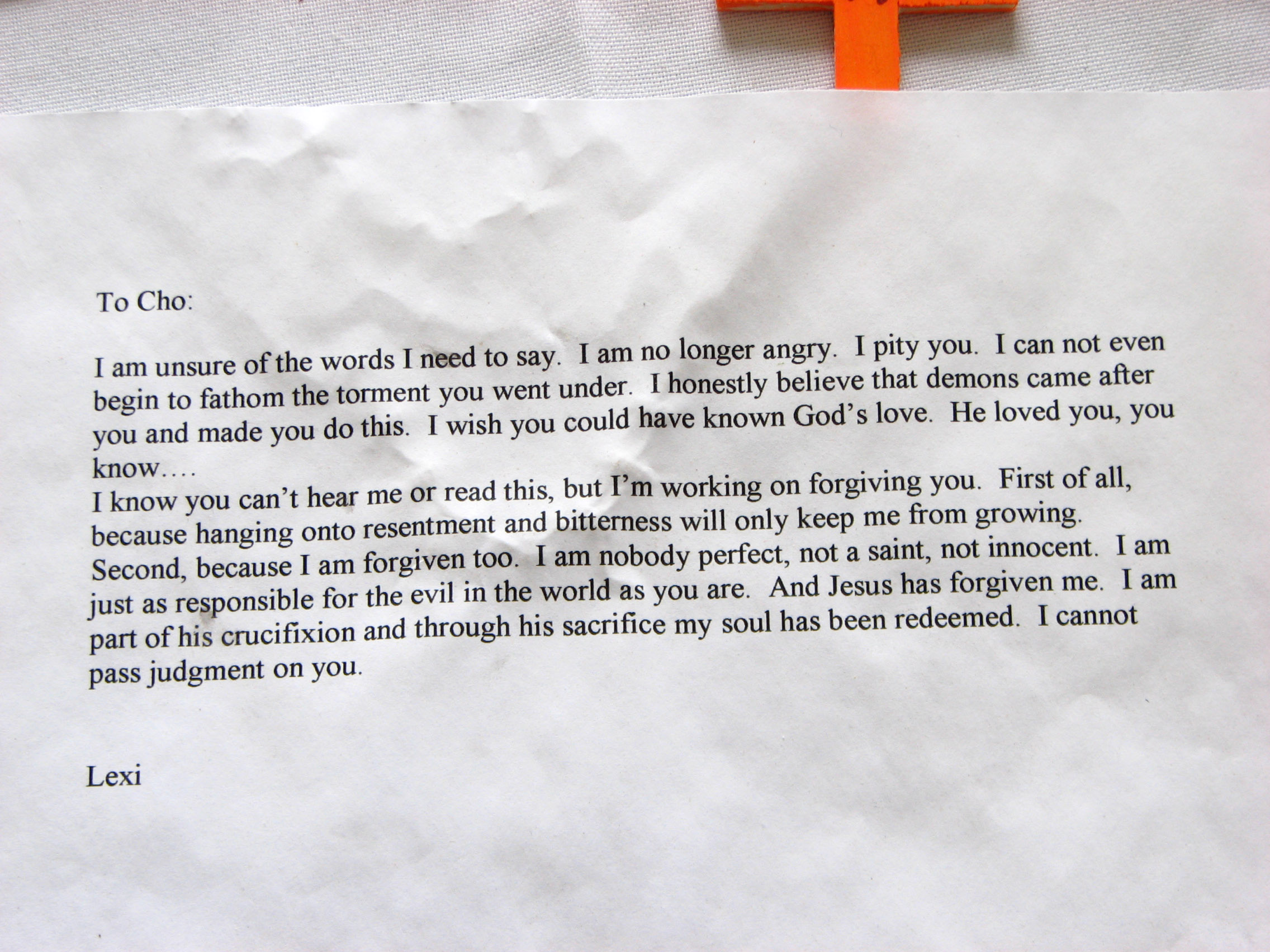
К мемориалу жертвам трагедии люди до сих пор приносят письма, в которых в том числе признаются в противоречивых чувствах по отношению к Чо Сын Хи — прощении, сожалении и даже любви. Многие уверены , что он не имел ни малейшего представления о том, что творил, борются со своим гневом, жалеют , что он не познал Божьей любви, а также напоминают: «Ты разбил наши сердца, но не сломил наш дух».
Здесь была Та самая история Константин Валякин , Валерий Зарытовский Здесь была история читателя самиздата, который после аварии потерял ноги, семью и друзей и остался с ненавистью к человечеству и отцовским карабином