
Translated material
Rosalía: “The oldest flamenco is punk.” Interview
Rosalía talks about her first album Los Ángeles and the ugliness of flamenco, her disgust with Korean trap and the importance of making music that has its own taste. About why early flamenco is punk, and how it is similar to the music of Kanye West. About how flamenco helps you not to hold back your anger, and about the feeling of mourning in your songs.
The interview was published on December 17, 2017 on the Vanity Fair magazine website.
Interviewed by: Jose Fajardo
Translated by: Stepan Botarev
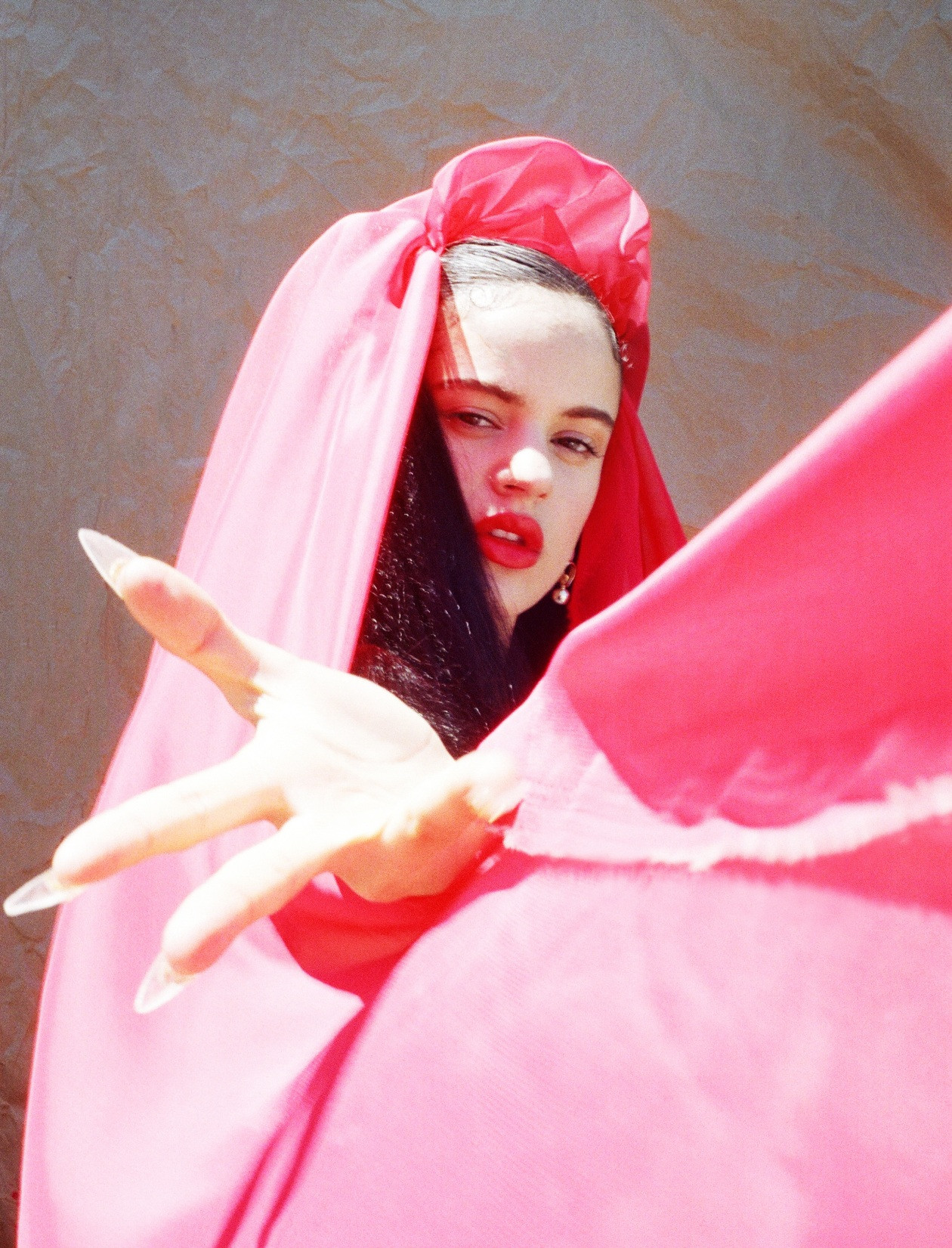
— Was it a difficult year?
- Oh, I had no life, I could barely see my friends and family. In addition to the album and tour, after four years of study, I graduated from the Catalan College of Music (one of the most prestigious music institutes in Barcelona). It's very difficult to get there. My specialty (vocal interpretation of flamenco) selects one person per year, and people come from all over Spain for the introductory ones. In fact, there was a lot of work, a lot, but if I see that I can handle everything, then I continue to move forward. The year has been exhausting, but I feel proud of everything that is happening to me now.
Song from the album “Los Ángeles”
— When did you become interested in flamenco?
— I was 13 or 14: when I left school, I met my older friends in the park. They played very loud music in the cars, opened the doors, and Camaron de la Isla was heard everywhere.
— Teenagers listening to Camarón is not a typical situation...
— I grew up in a town near Barcelona, it’s called Sant Esteve Sesrovires, in Baix Llobregat. Our family had a house, and around there were pine trees and forest. I remember that as a child I was attached to this place. My friends and the guys I talked to loved flamenco. As they got older, they liked electronic music more and more. And I continued to listen to flamenco, I was obsessed, already as a girl I knew that I wanted to be a cantaora [translator’s note: a cantaora is a flamenco performer].
— What attracted you to flamenco?
“There is something special about him: the depth of his expressiveness, the way his voices sound; there's something ugly about it, and I like it. I think it’s not so important to do something beautiful, the main thing is to give yourself emotionally. This truth attracted me. If you know how to sing flamenco, you know how to undress, you know how to release your emotions.
— Does this apply to your personal life?
- No, I spoke as an artist, but in my life it’s probably the same. It has always been difficult for me to express anger, but now, two or three years later, since I started singing like this, in everyday life it is much easier for me to get angry (laughs cheerfully) . I show my character, but I couldn’t do it before. This concert tour is like a mass, the repertoire is from ancient songs, and I sing in them to death itself. I'm trying not to miss this feeling of mourning. When I make music, I strive to get closer to things I don't understand and connect with the soul of the text.
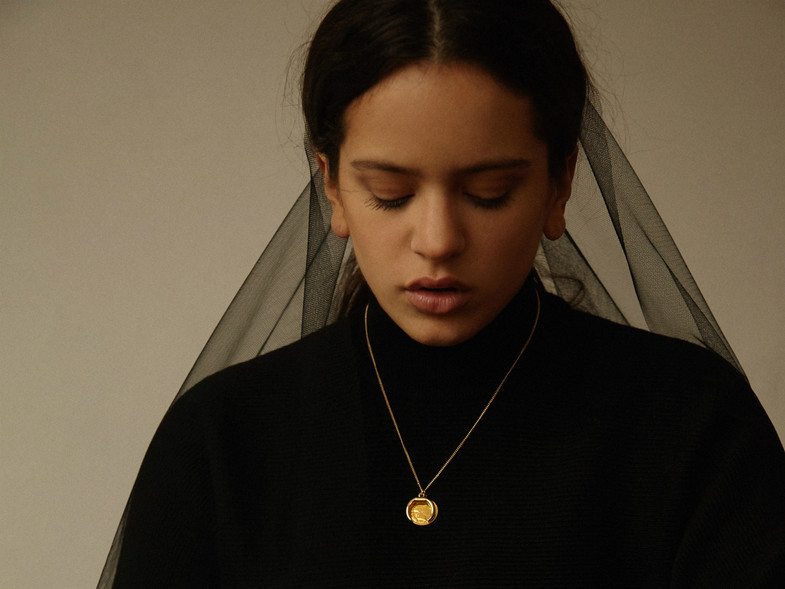
“ This image of the rebellious girl who at 13 met with older friends in the park to listen to Camarón does not match the image of this other girl who is so focused on her future.
“I’ve always been restless and I’ve always been very clear about one thing: for as long as I can remember, I’ve wanted to make art.”
2017 video for the song "Aunque Es De Noche". This composition is an interpretation of Enrique Morente's 1983 song of the same name, based on the poem "Que bien sé yo la fonte", written by John of the Cross in prison in 1577
“ Didn’t your parents tell you: learn something serious, and then try your luck in art?”
— I was very lucky: my family never asked me to look for some other option, they supported me in everything. They are very hard-working people who understood that there was no other way for me. It will be either this or nothing. I make all decisions related to my career myself, but I need a team to help me: my mother and sister are very important in this sense, they work with me hand in hand.
— Probably, a lot of things passed you by in your youth? Would you do anything differently now?
- Yes, it’s true: my youth was not entirely ordinary. Dedicating yourself to music is a big sacrifice, you spend a lot of time alone, on your own, and that’s it - you study all day. At the same time, I wouldn’t change anything, even if it turned out bad. If I hadn't done these things, I wouldn't be sitting here talking to you right now.
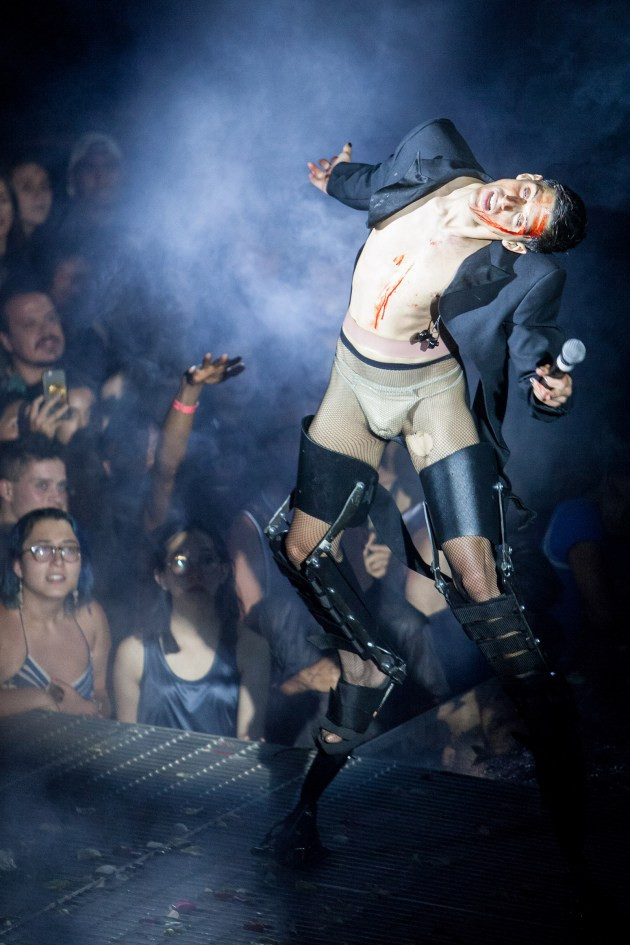
— How do you perceive the surprise of the music industry and the press when you mention such different artists among the musicians who influenced you?
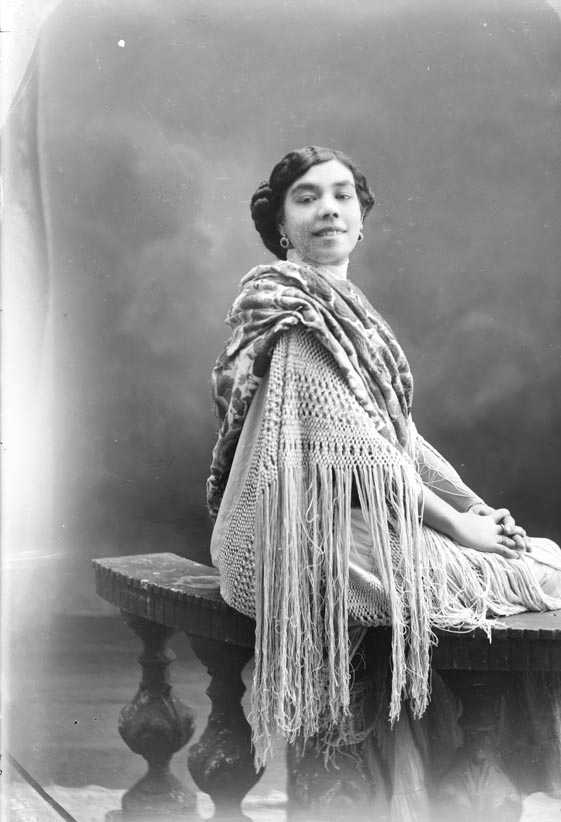
— The media is sometimes surprised that our generation connects things that have nothing in common for them, but for us, of course, have. Genres are a thing of the past; they have no meaning now. Everything was mixed up. When the press emphasizes certain things when talking about you, I don’t condemn it, I try to understand. But I know my story: this is the story of a girl from Barcelona who listens to La Niña de los Peines , and then Kendrick Lamar, Bon Iver, Arca... For me, there is nothing more natural.
— What connection do you find between electronics and hip-hop and flamenco classics?
“Both are very good, that’s what they have in common.” When I turn on Spotify on my phone, I listen to music mixed, and first the Pepe de la Matrona song comes on, and then the James Blake track. In this we are similar to Raul Fernandez [author's note: Refree, producer of the Los Ángeles album and one of the key figures in understanding the phenomenon of new flamenco] - we like any music as long as it expresses some kind of emotion. He started doing hardcore, and then suddenly became interested in flamenco, the most primitive, emerging one. The oldest flamenco is punk, because at that time no rules had yet been invented, they improvised, and there was a lot of personal things in the music. Similar to what Kanye West is doing now: crazy, really punk music, very vague. Today's urban music has a lot in common with flamenco, because it is the language of the street, it is a conversation about what concerns ordinary people.
In 2019, Rosalia released a joint video with James Blake
— Have you been criticized by flamenco purists for your desire to break the rules? You are a woman in a genre that has historically been so traditional and dominated by men.
“When I moved in more orthodox circles two years ago, I always noticed a very favorable attitude towards myself. Perhaps when I released this disc [Los Ángeles], some even more conservative audience did not like it. This is normal, I understand it, it would be a bad sign if everyone liked the album. And now everything is as it should be. I feel part of a new generation of strong and talented cantaoras like Rocío Márquez . And whether I do flamenco or it’s not flamenco, let everyone decide for themselves.
— Do you realize that your concerts have turned into a rite of pilgrimage for hipsters?
- Well, listen, completely different people come to me, many young people, but also older men and women. At one of the last concerts, a man of about 70 came up to say hello, and he was crying. He hugged me, and I thought: is there anything more important? And the fact that such a young audience comes only shows that new generations have also come to appreciate flamenco.
— What happened in recent years that made such changes possible?
— There are several artists thanks to whom this happens. Young people again began to look towards flamenco, because everyone was already tired of the standardization of music, tired of everything sounding the same. In recent decades, too much attention has been paid to Anglo-Saxon music. I look at Koreans who make trap, emulating the American mainstream. And I have no words, I’m shaking: besides, how interesting the folklore is, how unique each place is. And this is what they are waiting for now: let them offer something that will have its own taste.
— What is an authentic genre for Spain? Flamenco?
“It’s definitely one of the most beautiful things we have, something of its own, one of our most important musical traditions.” There is no point in staying on the sidelines for young people: people now, more than ever, understand the importance of reconnecting with something authentic that is unlike anything they would do anywhere else.
- Rosalia and flamenco - are they forever?
“I feel flamenco in me, and it’s something that will never go away.” For me, it means keeping a deep love for this music inside and feeling that it is a part of me. I'll continue to delve deeper, but I won't stop trying other things, even if it's something that the average cantaora wouldn't do. It costs me nothing to destroy these boundaries. First of all, I am a musician before anything else: and the industry, business, comes later. How can I say... there are artists who have different priorities, but for me music is most important. And no matter what, it will always be so.
Rosalía Rosalía flamenco new James Blake Arca Arch trap punk Kanye West Spanish music quiet west