
Translated material
"Everything will sprinkle if Ramzan does not"
10 years ago, the book of Jonathan Littlela about Chechnya was published. We discussed with him how the republic has changed over the years
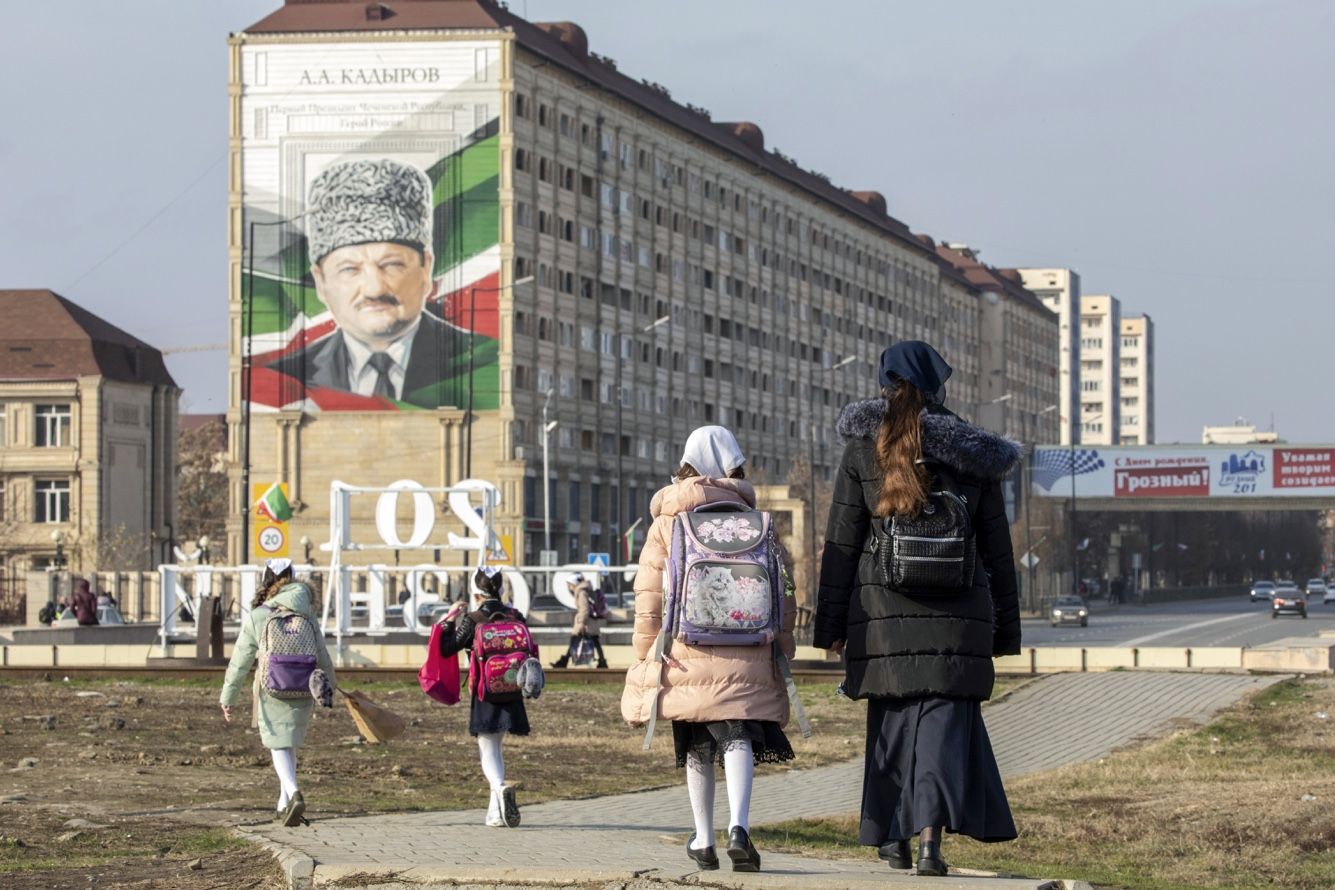
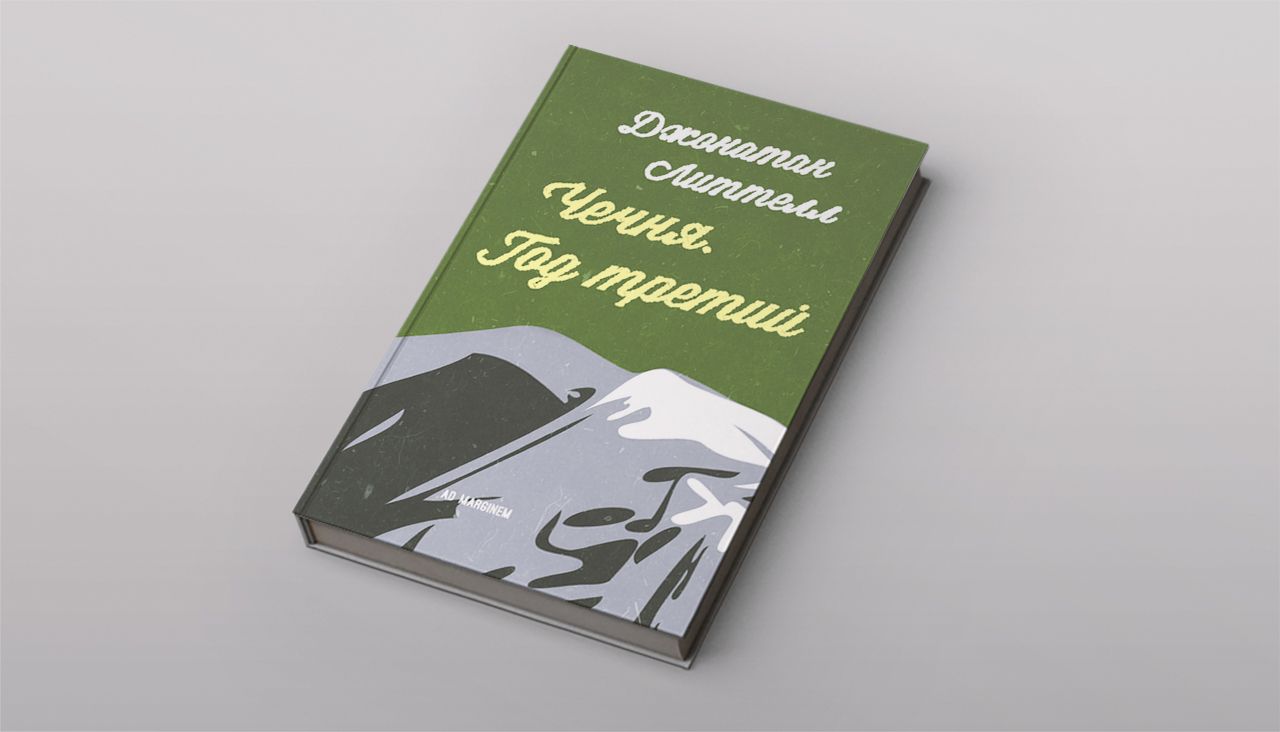
Ten years ago, the book “Chechnya. The third year ”of the American-French writer, the author of the bestseller of the“ beneficiary ”of Jonathan Littlel. This text is a report on Chechnya of the third year of being in power Ramzan Kadyrov. Litell wrote it after the trip, during which he wanted to interview Kadyrov, but it did not take place. Litell was in Chechnya in the first and second Chechen wars. Journalist and TV presenter Vladimir Raevsky met with Jonathan Littlel in Barcelona and talked about what had changed in Chechnya a decade after a memorable trip and 25 years after the outbreak of the first Chechen war.
- Ten years ago you wrote and published the book “Chechnya. The third year. " What has changed since then?
- I believe that now the thirteenth year is going on. When I wrote a book, I called it “The Third Year”, because Ramzan was in power for three years and everything looked there in a new way. Now, of course, he gained much more experience, strengthened his strength. The most noticeable history was a campaign against gays , but also became more frequent of the murder of people outside Chechnya. They [the leaders of the republic] became more involved in international politics, both personally and sending mercenaries to the thick of various conflicts - from Syria to Ukraine. In general, Kadyrov exactly gained strength, relics, and experience. Which, of course, makes him much more dangerous.
- There are still people in the Western world, fascinated by the republic, in which the world, prosperity, restored formidable and complete calm?
- People always get the impression of the picture - even in 1994-1996, the performance was mainly formed by television. The idea of the book was to give more accurate information, at least about a specific period of time. I know that my book was used, and maybe now it is used for interviews with Chechens by the French department of refugee protection.
-It all started exactly 25 years ago, in December 1994. Do you remember how you learned about what was happening in Chechnya?
- Then I worked in Bosnia in a non -state organization [movement against hunger]. We received little news there. The Internet, of course, was not yet, and it was difficult to get newspapers-magazines. But many of my colleagues immediately went to Russia. Then people who had already visited Chechnya began to come to Bosnia, they also told something. In general, in October 1995, I finished work in Bosnia, and in early 1996 I was sent to Chechnya.
-In the early 1990s, Russia, as far as I can judge, was on the rise in Western public opinion. Large changes, liberal reforms, and here is Chechnya. How did society reacted to this?
- After 1993, I was somewhat turned off from the western agenda. I spent two years in Bosnia and was focused only on those events. Even the genocide in Rwanda passed away from me. So about the events in Russia after the Raspad of the Union, I had a superficial representation until I went there myself. My first thought was: so, this is no longer daddy Russia. My dad is a rather large specialist in Soviet Russia, he wrote from there for Newsweek in the 1960s. But his Russia was a Russia of dissidents and kitchen conversations, as well as gum races in order to break away from the KGB and meet with Anna Akhmatova or something like that. And the picture that was in my head I grew up was just that: dissidents drink tea and talk about the universe.
The first thing I saw when I came to Russia myself was a checkpoint: riot police in masks and graffiti "Death to the invaders!" I was very impressed by some guys from the other side who managed to get into the Russian checkpoint at night and make this inscription at the entrance to Grozny. Well, that’s all, and then there was riot police in masks and with machine guns and a bunch of blown -up cars. And so I stood on the northwestern outskirts of Grozny and thought: “Hmm, this is still not daddy Russia. A little different. "
And for me, a good source about what was happening was the ancient Roman historian Tacitus, whom I then read. He has a whole book about the Civil War in the 68–69 years of our era, with field commanders and rebellious provinces - after the death of Nero, as you know. In general, all this reminded me of chaos in the empire.
- And what about the Chechen war did you have?
- Not very intelligible. I knew that there was a disgusting war there, even more disgusting than I saw - with torture and others. Compared to Bosnia, there was a rather concrete difference there - it consisted in the fact that in Bosnia there were peacekeeping units of the UN, and even if they did nothing (and they did nothing), then at least they were a kind of shock absorber. And there, of course, violence happened, but these were certain cases. And yes, there were mortar shelling, but there were, for example, attacks from air, aviation bombing, because NATO ban was in effect: it was a useless zone. And urban infrastructure was not so much destroyed. Of course, tanks and mines caused great damage, but they did not smooth entire buildings with the ground - for this, aviation is needed. I believe that the number of victims was smaller. There were no UN or non -state organizations in Chechnya, there were almost no journalists. Complete wildness.
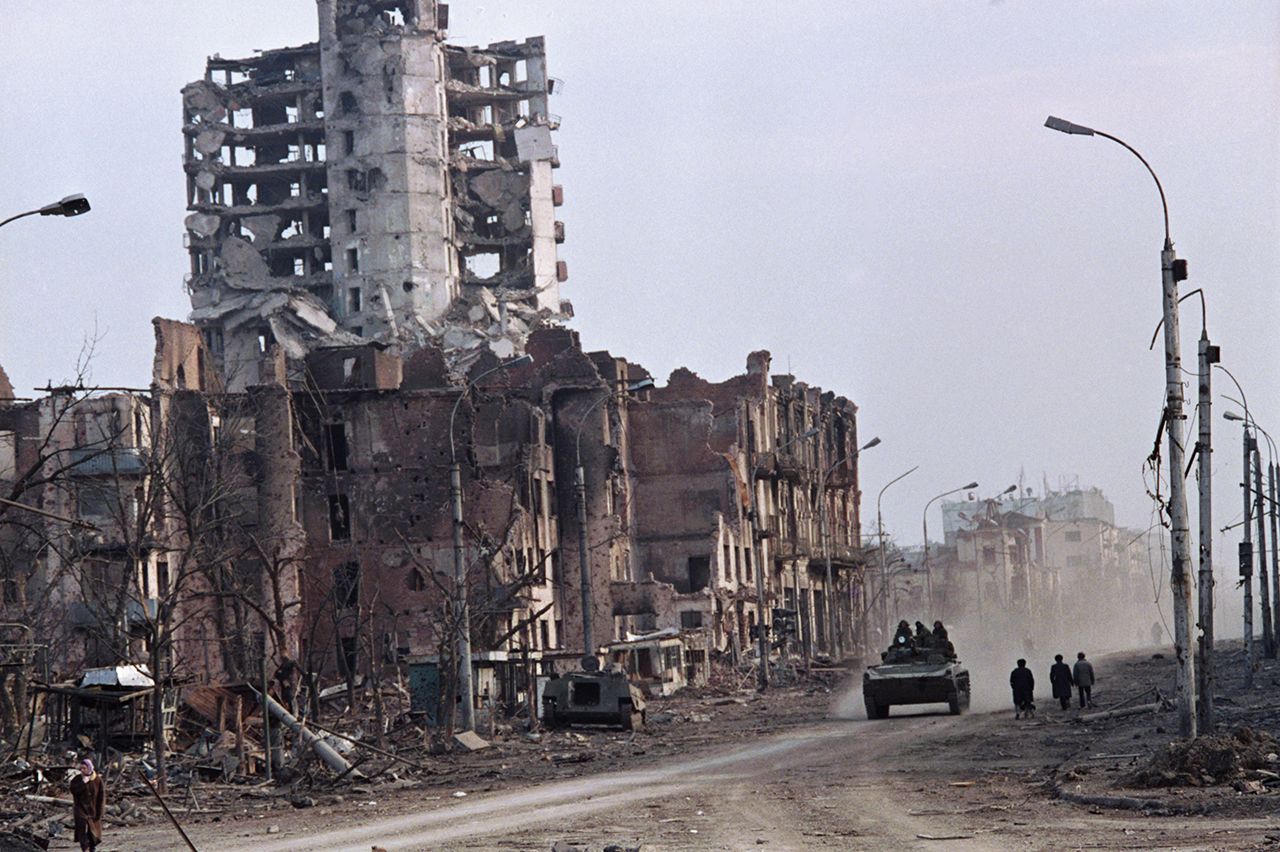
- After the Khasavyurt agreements , did you have the impression that it was all over?
- By this time I had already left. From the first war, I left right before Boeviki began fighting for Grozny. After that there was a Hasavyurt, and he, I can say, gave hope. Then there were elections, they passed freely and honestly, she watched the OSCE. Maskhadov as a candidate was not bad. But then all the shit with the abductions of people began, destabilization, and all this was completely clearly connected with money from Russia. In general, it became clear further that Russia was not going to comply with its part of the agreement.
- Have you met with Kadyrov during the first war?
- First? No, but I met with Akhmat Haji, his [Ramzan Kadyrov] father, during the second war. He was already with the Russians, became Glava Administratsii. Kadyrov Sr. was my main official from the other side, because we had to agree on access and all this. We met several times.
- And how is he to you?
- Very business, very straightforward, very serious. Of course, my political position was not close to me, but I believed that I should not judge anything like that. At least it was possible to work with him.
“Was his son with him?”
-Maybe he was somewhere nearby. There were guards all the time, and I did not really communicate with them-maybe I saw him somewhere among them, but did not pay attention.
- When did the changes visible to you began?
- When the Putin administration - probably on the advice of Surkov - made a choice in favor of leaky [republican apparatus]. This practice caused a wide confrontation from the FSB and other circles. There were rises and downs, such as the death of the FSB General German Graryumov - he was one of those who were against leaky, and suddenly died of a heart attack.
In the first Chechen Russia, he led a rather classic colonialist policy, working with the so -called pro -Russian Chechens, children like Doku Zavgaev - that was who was a real Soviet Chinovnik for one hundred percent. I knew him well, it was an absolute communist party functionary.
But making a bet on Akhmat-Haji [Kadyrov], they switched from Soviet functionaries to former rebels. It also meant big changes. The Russians worked with Nakshbandi in the 1920s. Yes, they fought with them in the civil war, but after the end of the Civil War, and even more so after World War II and deportation, all interaction was built through the Nakshbandi. In Dagestan it was just the same - and the Dagestan Nakshbandanda are still very vivid state, while the cadirites have always been, as it were, anti -government, anti -Soviet, rebel elements. When the war began, most rebels were cadirites. Of course, it happened differently, and, for example, Maskhadov-Nakshbandi, but in general, the majority of Nakshbandi were pro-Russian, and most cadirites were anti-Russian.
And now another major change was that Russia made a bet on the Kadyrovs, and the Kadyrovs belong to the tariff of the Cadiria, of course. Therefore, there were great changes in a religious and demographic nature. And with their help, they managed to force or voluntarily manage the former field commanders who crossed to their side. Many of these former commanders were quite satisfied with the Kadyrov’s course of thought: we won, everything that was needed from the Russians, we received, they gave us money, left us alone and we can use Sharia. In this game, as it were, everyone won.
In the book, I write that, on the one hand, the formidable is restored, on the other, the terror continues, the opponents of the regime disappear without a trace, and torture is used. Then there were still quite active fighters in the mountains, now they are not: they are all in Syria [fight on the side of the Islamists]. Which, too, became a winning enterprise for everyone and helped to get rid of the militants. Then the murders and torture began to touch more and more people - even those who were not a rebel. For example, those whose business was not to the liking of Ramzan, or human rights activists, like Natalya Estemirova, who was killed, right when I wrote a book. And then gays, and further, and further.
- Even then, it was possible to predict the escalation of violence?
- Nothing in Chechnya is not predictable. And what is especially surprising to me, given my Chechen experience: the Chechen society is quite peculiar in many senses, but even among other Caucasians, among their neighbors they have very specific features. This is the only Caucasian people who have never had such a class as aristocracy. To take Dagestanis, Kabardins, Circassians, Avartsev - these people always had aristocracy, there were free people and there were slaves. The Chechens had only free and slaves. Yes, slaves, but among the Chechens there was a very free and egalitarian society, where everyone had the right to vote. Of course, there were military commanders, and they had to be obeyed in battle, but in the personal sense everyone was free. It was very noticeable in the first war.
We had meetings with militants in the mountains: we had to meet with them in order to negotiate about the convictions and everything else. And now everyone took part in such meetings: commanders, ordinary soldiers, my drivers - and in general everyone had the opportunity to speak out. At first I was confused when my driver could take and intervene in a discussion, but then I realized that for Chechens this is completely normal.
- And the clans?
- Society has always been fragmented, divided into clans with a balance of inter -plane terror, based on feudal principles. That is, if you kill someone from their clan, they will come and kill someone from your clan. This created a kind of balance of violence, which resulted in the fact that in the first war the Chechens, of course, killed Chechens. But it’s not close as now. And killing each other, they were always very careful, beware of Krovnaya Mest or just a countermeal. I think the Russians were quite correctly analyzed and realized what exactly made the Chechens so dangerous. They cannot be bought. That is, it is possible or cannot be bought by an individual, but you cannot definitely buy society. They cannot be controlled, because there is no one who could control them. Thus, it was necessary to remake the entire system in order to be able to control them as historically managed by Dagestanis, Kabardins and others.
Once I talked with one Caucasian prince, and he ironically noticed, they say, we, princes, are easy to buy. And he explained that in this way it was possible to conquer Dagestan, Kabardino-Balkaria, Ossetia-because it was enough for you to bribe princes, and they already ruled all the others. This was never in Chechnya.
- And it became?
- The introduction of such a structure required social engineering, and they achieved this with Ramzan. The Chechen society has changed a lot at the most fundamental levels - I believe that this was the idea of the father [Kadyrov], developed with people like Surkov. Ramzan was already engaged in embodiment, but very successful, having built a monarchy, and most importantly - having made most Chechens, young Chechens, they consider it normal. And historically for Chechens, this is abnormal. And the older generation considers it quite wild. But for the youth, who did not know anything but devastation during the war, the natural social transfer of cultural values was interrupted, because their fathers were killed in both wars, and the children grew up in the refugee camps without fathers, without uncles who could teach them how to be a real Chechen, what was Yah .
In the current society, all Chechen values are completely false - as a Soviet theater. You know, all these dances, theatrical performances that Ramzan so loves are all the Soviet whale version of Chechnya. They bribed all Sufi mentors to radicalize Islam. There, in radical Islam, all the released energy went, and it was from here that this attitude towards a woman. But this is not the attitude that existed traditionally.
- Which?
- Here is a simple example: not a single Chechen will even think of telling another Chechen, how to behave his wife or daughter. This is always a family business. If you don’t like how the girl behaves, you don’t talk about it at all, they can kill for it. If you do something, then you go to her father or brother (depending on age) or to her husband, if she is married, and explain that here, your wife or daughter behaves in this way and this is not good, and you must do something about it. And then they say to you: "Yes, yes, you are right, I will do something about it." Or: "Yes, you went to hell, this is not your business at all, this is my daughter, leave me alone." This is a normal Chechen method of action. So when Ramzanov’s well done can break a woman for the lack of a scarf, this is not at all in Cherish. It is in Saudi or whatever. But definitely not in Cherchen. And people are frightened so that they are settled with this.
- How deep are the changes in the Chechen society?
- The society mutated beyond recognition. Even that part of the Chechens who lives abroad - some of them hate Ramzan, but some love and at the same time prefer to live in Europe. So, active discussions are going on in Chechen forums - it is important for their participants to understand what it is a Chechen cultural, because they have no more parameters for this. And there is no one who could give them to them. And those parameters that are set are completely false and invented only to weaken society, as far as possible. Moreover, this also makes him dangerous for Russia. As everyone knows, the danger of the monarchy is that it completely depends on the monarch. So if something ne Dai Bog happens to Ramzan, the Russians will have big problems: there is no one who would go for those around Ramzan. Without Ramzan, they are all [the environment of Kadyrov] no one command the hundred guys, three hundred children, as you like. Everything else will sprinkle if Ramzan does not.
- Throughout the story in your book, you are trying to meet with Kadyrov. What would you ask him if you met?
- It would not be an interview. In general, our entire project was started with RIA Novosti ...
- RIA Novosti?
- Yeah. The story was like that. I wrote material about the Georgian war [August 2008]. This was one of the very few Western materials that criticized the [then president of Georgia Mikhail] Saakashvili. He also criticized Russia rather hard, but since I walked along Saakashvili, from a Russian point of view it was a rather balanced Western material, so they instantly translated it - however, without my permission - and took it very well. In general, unexpectedly I ended up in a situation where I had opportunities in Russia: probably, they [the Kremlin’s representatives] considered that I could be useful to them. That is how I met with the [press secretary of Vladimir Putin Dmitry] Peskov, and so I had a project with Le Monde through RIA Novosti at a fairly high level. They agreed on a meeting with Peskov for me, and also made a special pass to the operation zone [in Chechnya], a journalistic visa, and so on.
In general, the project was that I could live with Ramzan for two weeks, 24 hours, from morning to night. Just be near and watch him. I was not even going to interview him, I wanted to write his portrait. And just a couple of days before I had to fly to Chechnya, Sluchaino Ramzan fired his press secretary, with whom there were all the agreements. And the new one did what all new people usually do: he wrapped all the agreements of the predecessor. RIA Novosti tried to talk to him - but he said: “No, we don’t need foreigners here, let him not go.” I called the [deputy chief editor of RIA Novosti Sergey] Zhukhukholev. He said: “Listen, you have a special pass and there is a visa. Go, let it be as it will be. ” I went, and on the first day the new spokeswoman publicly yelled at me. There is this scene in the book, he shouted like: “Why did you come here, there are no night clubs and Blyad.” А я ему отвечал: «Я сюда приехал не за blyad и не в ночные клубы, я хотел поговорить с вашим великим вождем». Он хотел, чтоб я улетел восвояси, но я уже не собирался улетать. Дальше несколько недель я думал, что мои контакты выведут меня на Рамзана в обход этого парня. Но он оказался довольно влиятельным и заблокировал все подходы к Рамзану.
— Но если бы вы все же попали к Рамзану, неужели бы вы ни одного вопроса ему не задали?
— Ну, может, мы бы просто сели и поговорили, насколько я могу это представить. Посидеть, выпить чаю, поговорить — я не беру интервью в классическом виде, мне нравится просто сидеть, разговаривать и наблюдать, что из этого выйдет.
— Вы бы сейчас хотели с ним встретиться?
— Не, это уже старая тема.
— А если кто-то прочтет это наше интервью, позвонит вам и скажет: «Господин Литтелл, мы вас очень ждем в Чечне».
— (Смеется.) Ну, вообще, люди сообщали мне, что меня не очень ждут в Чечне, так что я бы поостерегся.
— Вы получали соответствующие послания?
— Да, получал.
— После того, как вышла книга?
— Не напрямую, конечно. Но мои друзья говорили, что там прочли книгу и что мне лучше туда не приезжать. Плюс я знаю, что ее читали там. Люди из его [Рамзана Кадырова] администрации попросили экземпляр, и я отправил им электронную версию.
— Им не понравилось?
— Не знаю, я от них никакой реакции не получал. Может, я бы встретился с ним где-то, но не в Чечне. May be. В любом случае ничего из того, что мне когда-то нравилось в Чечне, больше нет.
— А что вам нравилось в Чечне?
- People. Мне очень нравились старомодные чеченцы.
— Их больше нет?
— К 2009-му их уже было мало. Мне очень нравились некоторые былые черты характера у чеченцев. Их умение держать слово. Они в лепешку расшибутся, но сдержат слово. Все серьезные проблемы, которые у нас были с чеченцами, были с незнакомыми чеченцами. Типа тех, что пытались похитить нас, похитили моего друга Кенни . Но это были люди, с которыми у нас не было никакого контакта. А с теми, с которыми он был, проблем никогда не возникало. Never. С нами всегда обращались очень хорошо. Какой-нибудь полевой командир мог дать мне слово, что гарантирует мою безопасность на своей территории, и все. Мне не пришлось бы просить его об этом дважды. Я мог с закрытыми глазами ходить, потому что они бы сдержали слово. А теперь, теперь они стали… другими.
— Ваши прежние знакомые в Чечне тоже были чувствительны к разным сказанным в их адрес словам?
— Тогда шла война, они убивали и умирали каждый день. Конечно, они очень резко относились к российской пропаганде. Там их как только не называли. Но я думаю, это не было вопросом обиды.
— А гомофобия — это было всегда?
— Никогда не замечал. Вернее, это никогда не всплывало. Я знал нескольких чеченцев 20 лет назад. Я, вероятно, должен формулировать это довольно аккуратно, потому что я ничего не знаю об их частной жизни, но, скажем так, они вели себя так, как в западном мире ведут себя геи. Очень цветистые, определенным образом одетые и общающиеся. И это никого не волновало. Вообще никого. В целом все было разнообразно. Теперь из общества ушла гибкость — это результат неочеченскости, внедренной Рамзаном и его людьми. Как я уже говорил, это совершенно искусственная вещь. А поскольку она искусственная, там нет эластичности.
В таком режиме все должны жить одинаково, как при любом тоталитарном режиме. И пространства для отклонения от нормы нет. Вернее, кланы до сих пор довольно сильно отличаются друг от друга, и есть те, которые ненавидят Рамзана тихо и незаметно, и Рамзан их не трогает, потому что они представляют силу. Но любая публичность должна быть единого стиля. Например, знаете, эта шапочка, которую они теперь все носят. Изначально это была шапочка одного конкретного вирда , их национальный костюм, костюм кадиритов, откуда происходят Ахмат-Хаджи и Рамзан. Но когда Рамзан стал большим начальником, такую шапочку стали носить все. Даже люди, которые прежде носили совсем другие головные уборы, теперь носят ту же шапочку, чтобы показать, что они с боссом. И весь смысл, что это был головной убор того самого вирда, утерян.
— А как они выглядели прежде?
— Периодически в фейсбуке постят эти фотографии, мне друг показывал. Это фотографии повседневной чеченской жизни в 1970-е годы. Слушайте, они ходят там в голубых джинсах, стопроцентно советские люди. Такие крутые парни в горах и модные стрижки у девушек. В 1990-е все сдвинулось к той новой, более чистой форме чеченскости, которую как бы многократно переизобрели.
— Откуда у нынешних молодых людей тяга к традиционности?
— Это довольно естественный посттравматический феномен. Такое всегда происходит после войны. В Сербии, в Хорватии — люди в таких местах после определенных событий массово становятся религиознее. Мои чеченские коллеги во время первой войны — хорошо, свинину они, конечно, не ели, но водку еще как пили. После бессмысленности войны, бессмысленности приказов, бессмысленности массовых смертей религия вносит какой-то смысл.
— Скажите честно, здесь, на Западе, Чечня кого-то волнует?
— Никому больше до нее нет дела. Единственное, все хотят, чтобы из Чечни больше не было беженцев. А с Россией есть и другие проблемы: Крым, Донбасс, Сирия, — на все сил не хватит. К тому же Россия успешно подает Чечню как свою внутреннюю проблему. Это их внутреннее дело, и все.
— Да, но все в интернете дразнят Трампа, дразнят Путина, но Кадырова почему-то никто не дразнит.
— Ну, в основном здесь его практически не знают. Но многие посвященные журналисты обожали веселиться по поводу его инстаграма. Которого, правда, у него теперь нет. А когда был — выходили довольно издевательские материалы по этому поводу. Хотя лично я всегда был довольно сильно впечатлен инстаграмом Рамзана — он задолго до Трампа начал использовать социальные сети как политический инструмент. Ему было важно показывать, что его инстаграм ведется коммуникационным агентством и что там публикуются профессиональные фотографии. А еще зафрендиться с Рамзаном тогда тоже стало определенным инструментом. И когда Рамзан сердился на кого-то, он мог отфрендить — и мгновенно этот человек становился в Чечне парией, и все знали: от него надо держаться подальше, его отфрендил Рамзан. Мне всегда было интересно, Кадыров сам до этого дошел или это была чья-то идея. Все смеялись, но, по-моему, ничего смешного в этом не было.
— А вы испытываете страх перед Кадыровым?
— Нет, я же никто. Не приедут же они сюда, чтобы требовать чего-то от меня.
— Многие люди никто, и к ним приезжают.
— Да, но они же чеченцы.
— И чеченцы, и русские.
— Да, тогда действительно стоит внимательно редактировать это интервью.
— И как вам это ощущение?
— Я не ощущаю угрозы, но это не значит, что ее нет.
Vladimir Raevsky