
Translated material
The compromise was impossible
Why did Moscow negotiations fall on Libya
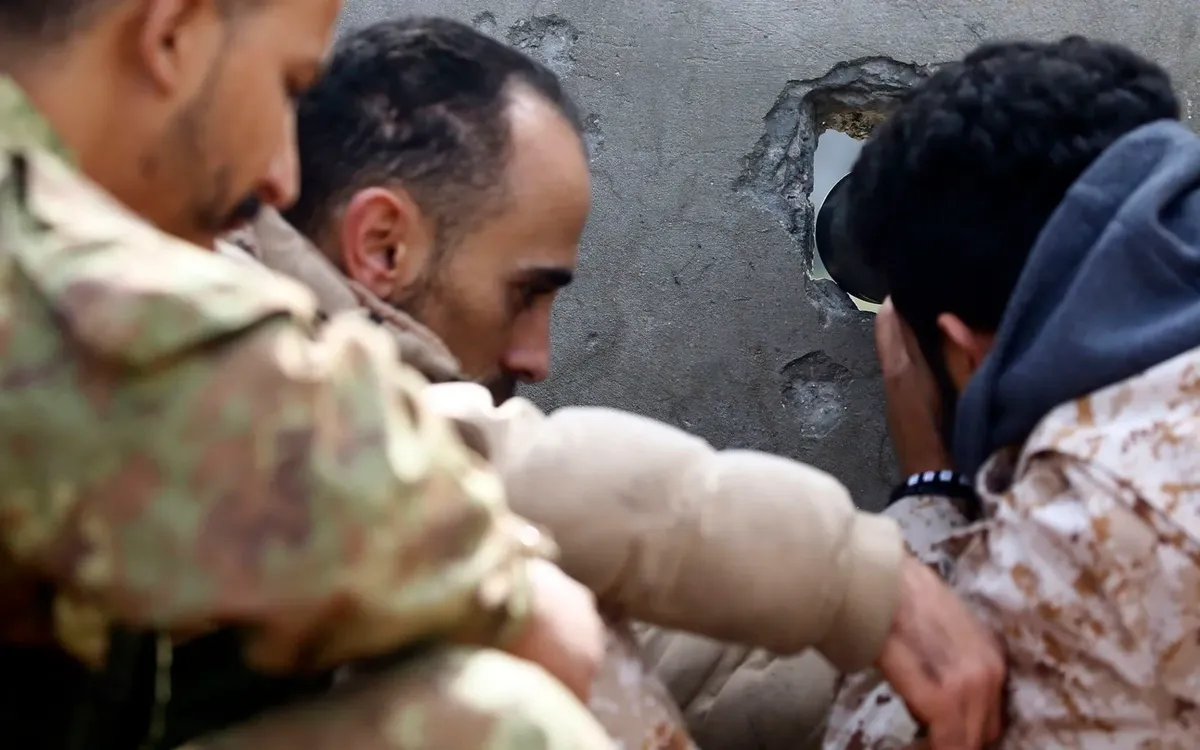
On January 13, a meeting between Russia, Turkey and two sides of the Intra -lian conflict took place in Moscow. Negotiations should have ended with the signing of a pre -prepared document in which the conditions of the ceasefire in Libya were specified. Under the contract, the Prime Minister of the Government of National Consent Faiz Saraj and the head of the Higher State Council of Libya Khaled al-Mishri. But the head of the Libyan National Army Caliph Haftar did not sign an agreement and the next morning he left Moscow. “New Gazeta” learned from Orientalist Alexander Shumilin the circumstances of the preparation of negotiations and found out why they had no chance of success.
- What positions are held by the parties to the conflict?
- On the side of Faiz Saraj are the European Union, the UN and the USA. They are the creators of the compromise PNS (the so-called “militia”), which contains all the main political players, including soft Islamists-“Muslim brothers” ( *organization is prohibited in Russia- *Ed. )
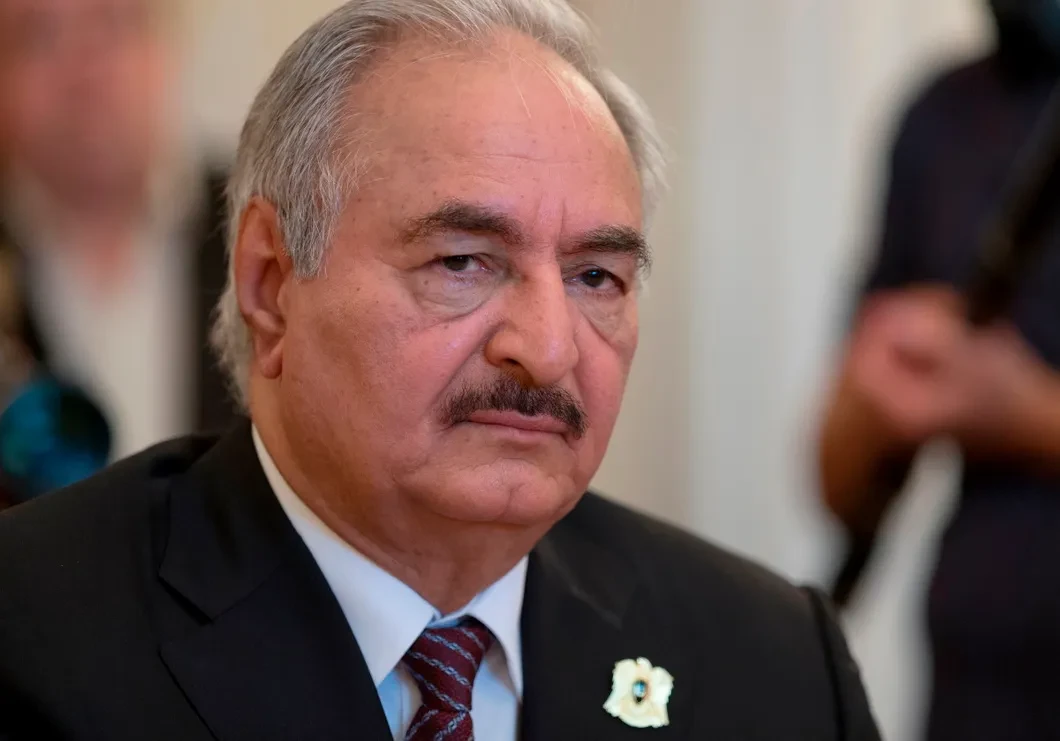
From the Arab countries, Egypt and the UAE are quite active supporters of the Haftar, since they, like him, strongly oppose the Muslim brothers. Haftar raises the slogan of the fight against terrorism, referring to “brothers”, although this, of course, is to a certain extent speculation. On the contrary, it is given the participation in the Muslim Brothers PNS, Saraj supports Qatar.
Russia initially interacted more with the Caliph Haftar and recently became close to him - up to the appearance of elements of military participation in the territory of Libya in the form of a Wagner PMC.
Her presence in Libya is no longer denied, although, according to Vladimir Putin, the Wagnerians do not reflect the interests of Russia. In fact, the appearance of Wagner's PMC became largely decisive, and in military terms the advantage of the Haftar, reinforced by Wagnerians and mercenaries from the Arab countries, was indicated.
-What do the positions of France President Emmanuel Macron and Prime Minister of Italy Giuseppe Conte look like?
- The position of Italy and France is somewhat different from the position of the European Union as a whole. Both Emmanuel Macron, and Italian leaders are trying to maintain contacts with Haftar. In fact - laying eggs in different baskets. Because of this, France, Italy, to a lesser extent Germany, are now coming close to Russia on the Libyan issue. It is worth noting that the United States does not reject Haftar completely, wanting to find options for some kind of contact.
- What role does Türkiye play in the process?
- Türkiye is actively supporting the PNS Saraj. Recently, the situation has changed significantly. At first, external military aid appeared in the ranks of the Haftar. Now, on the call of the Saraj's government, Turkish armed forces appeared, which support the PNS. Formally, Türkiye and Russia are participants in the political conciliation process, but they also have military levers of influence on the situation.
In this case, Russia and Türkiye were on different sides of the barricades, which ultimately forced them to begin to search for a compromise in Moscow, after Putin and Erdogan proclaimed a ceasefire.
- How was preparations for negotiations?
- Negotiations were appointed in a hurry. After the meeting of Putin and Erdogan, a route to a truce was marked, because for Putin and Erdogan, it is significant to maintain good relations between Moscow and Ankara. This is much more important than discrepancies in Syria or Libya. A “roadmap” was developed, a strategy was agreed - to do everything to avoid a possible clash of Russians and Turkish troops in the territory of Libya in the Trioli area.
- How did indirect negotiations go?
- At the table, places were reserved for both Saraj and Haftar, but they did not meet each other. These were negotiations through intermediaries who were conducted by foreign ministers of Russia and Turkey. This is a well -known "Rhodes formula." According to this scheme, the first negotiations were held between the Israelis and the Arabs in 1949, when the communication between the parties was provided by intermediaries running from one floor to another. Now this formula was used in Moscow.
- Why, in the end, Caliph Haftar did not sign the contract?
- From his point of view, there were no options for a compromise. For Haftar, any compromise would mean a sharp change in his plans, making all current achievements useless. Due to the fact that in the conflict he is the advancing side, any compromise should go at his expense.
Under the agreement, Haftar was supposed to stop the offensive, and the seizure of Tripoli - the essence of his strategy. Everything is mobilized for this: in politics, and in propaganda, and military terms.
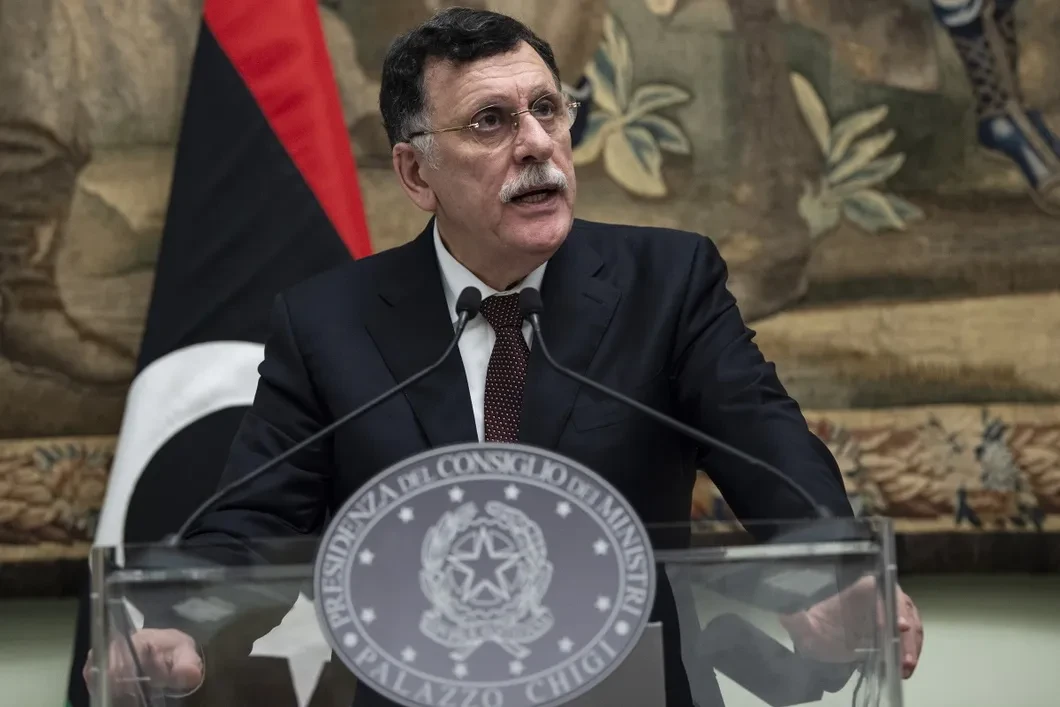
At the same time, Saraj and his government are ready for anything, just to prevent the attack on Tripoli and his capture. To do this, he invited Turkish troops and was ready to sign any agreement, which we saw in Moscow.
- Were there any chances of success at the meeting in Moscow?
- There were practically no chances, because Haftar's requests were unacceptable. He insisted on the dissolution of the military units of PNS. The Government of Saraj in Tripoli cannot go to the terms of the Haftar, at least until the problem is completely solved. At this stage, a compromise was impossible.
- How will the situation develop further?
- Haftar again promotes an attack on Tripoli. In the coming days, everything will develop according to the previous scheme, but already in a new situation, when the offensive operation of the Haftar is complicated by the presence on the other side of the Turkish troops.
The threat of a clash between the Turks and Russians remains, despite the fact that both sides will carefully avoid this.
On January 19, a wide conference is expected in Berlin, where another plan can be worked out. However, it was initially believed that the conference would become the development of a meeting in Moscow, which was supposed to ensure the ceasefire and the beginning of political processes. This seems to have not happened, so the meeting in Berlin is also in question.