
Translated material
Mishustin wants to create a register of all citizens and their income. Will we be controlled in China?
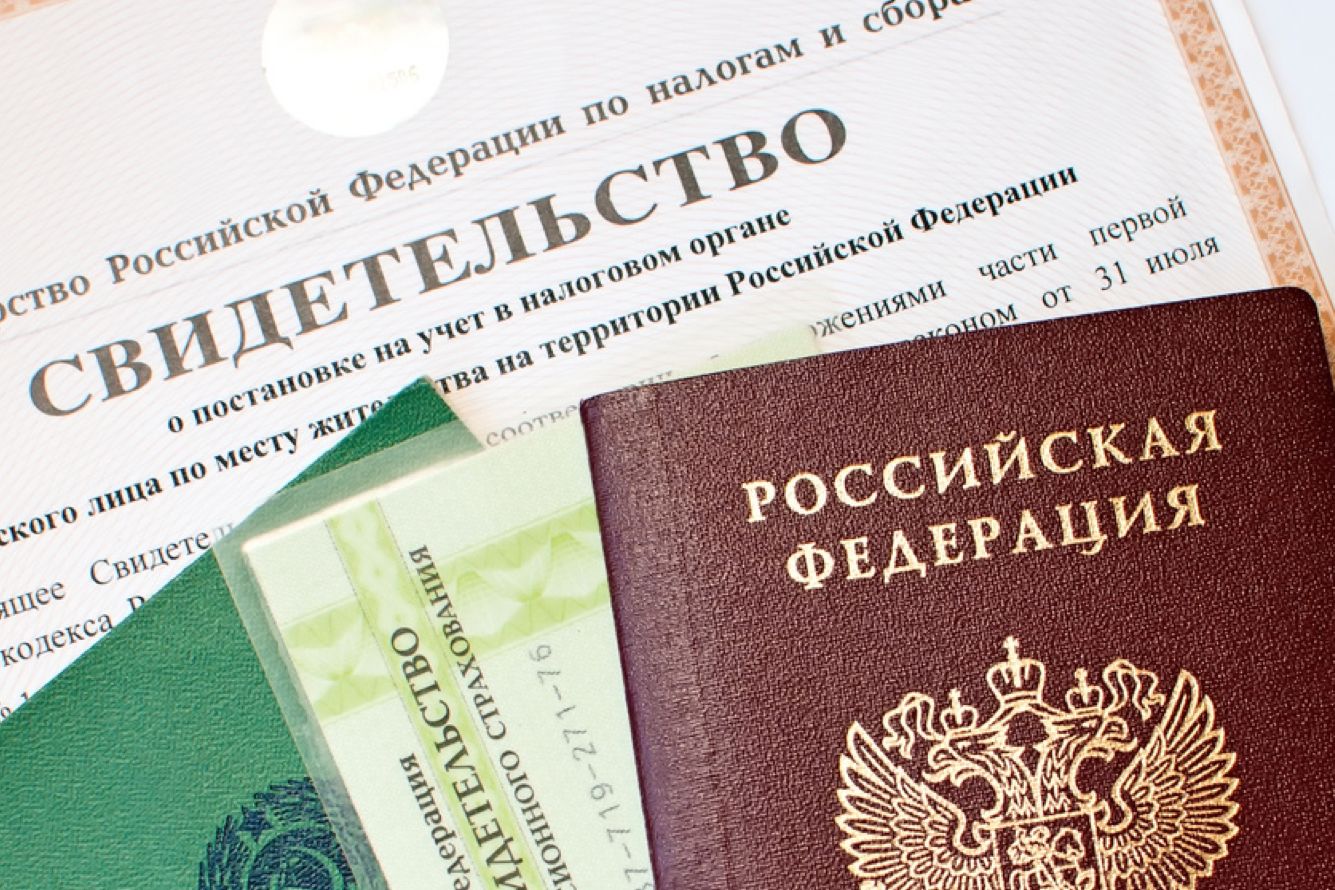
The new Russian Prime Minister Mikhail Mishustin at a meeting with deputies of the Communist Party faction in the State Duma said that one of the priorities of his government would be the creation of a "register of household revenue". After that, according to Mishustin, who quote the deputies, "each income will be tracked from beginning to end." "Medusa" figured out whether after this statement it was worth being afraid of total control by the state.
What kind of income register?
This is a superstructure over the register of data on the population, which has been created in Russia for the past few years.
The idea of creating a common electronic database, where data about all Russian citizens will be recorded, first appeared more than 10 years ago. It was assumed that the state would not collect additional information about citizens, but will reduce in one system everything that it collected earlier.
In 2016, its first practical embodiment appeared - a law was adopted, according to which all records in the registry offices since 1926 to this day should be reduced to a single register, which will be managed by the Federal Tax Service (Federal Tax Service). So there was a base that contains names, surnames, registration addresses, date of birth and death of all Russian citizens. This base, according to Mishustin, was generally created by 2018.
In 2019, the government introduced a new bill to the Duma (was adopted in the first reading in the fall, the second reading was scheduled for February 2020). He will oblige different departments to add new data to this database about each citizen or a foreigner living in the country:
- Information about education and scientific degrees, including those received abroad.
- Data on compulsory pension and medical insurance.
- Data on registration in the labor service for unemployed and issuing the right to work for foreigners.
- Information on the registration of individual entrepreneurs and self -employed.
- The numbers assigned when registering a citizen in the tax service.
- Information about the registration of military registration.
Each citizen in this system will be assigned a unique number that will remain with him until his death (and after it). Nobody can change it, even if a person leaves for another region or country and replaces the surname and name. All others will be attached to this number - from TIN to pension insurance number.
The bill says that it will generally enter into force in 2022, and some data will be made until 2025.
In order to get an income register from the register of the population, it will be necessary to attach already collected data from the Federal Tax Service on the income and property of citizens, their large expenses (the idea of creating such a base was discussed by the government several years ago). The fact that the register of the population will be expanded at the expense of these and other bases were previously said by government officials.
Data on the income of individual citizens will be grouped by their households (families). It is households that are the main statistical unit in assessing the level of income and poverty, as well as for social benefits.
Mishustin at the plenary meeting, where he was appointed prime minister, explained to the deputies that the main goal of the registry is to create a system of targeted social assistance. The state with the help of the data he collected will be able to issue help and benefits not automatically, but according to the real needs of each family. In addition, “big data” about families needs “big data” to be the statistics: now they are forced to consider the dynamics of the population’s income and the poverty level of indirect information about purchases and savings in citizens, and after creating the base they will be able to determine them directly, “for each region” separately, Mishustin explained to the deputies.
And what does that mean? They will control us all, as in China?
No, rather as in Europe. Similar registers exist in many Western countries. For example, the tax service of Sweden collects almost the same data set. It even has an analogue of our “registration at the place of residence” - information about where each person most often sleeps at night.
The creation of the registry itself is not dangerous, because the state does not yet plan to collect any data about citizens that it does not collect now. In China, the Social Credit system (so far acts in trial in several provinces) collects a variety of data about citizens: about their social and consumer behavior, about credit history, about actions on the Internet, about social activities. Those who will assign a low rating in different regions are relying on various punishments, which are also involved in private companies: citizens can refuse not only a loan, but also buying a plane ticket or a hotel in a hotel, admission to educational institutions and leadership positions, etc.
So we should not worry?
In the future, a new system may stop being harmless. The creation of the registry carries two main dangers:
- According to the bill, all data will be stored in the government system isolated from the Internet. However, the document contains a wide list of those who can receive information about citizens. If statistics can only apply for depersonalized data, then regional and municipal officials, heads of the distribution of benefits and social assistance, will receive everything, up to surnames and addresses. Wide access to the registry and its individual parts creates the danger of data leakage; These data themselves - from the composition of the family, well -being and consumer activity to specific addresses of citizens - a very valuable product for any advertisers and marketers.
- The second danger is the desire to supplement the database with new data arrays declared by officials. Thus, the bill on the register reports that it can be used to “protect the foundations of the constitutional system, morality, health, rights and legitimate interests of citizens of the Russian Federation”. Probably the same motives were guided by the Chinese government, creating a system of "social credit".
Dmitry Kuznets