
Translated material
Good bye, Europe!
Britain made a fateful political decision without an idea of what would follow him
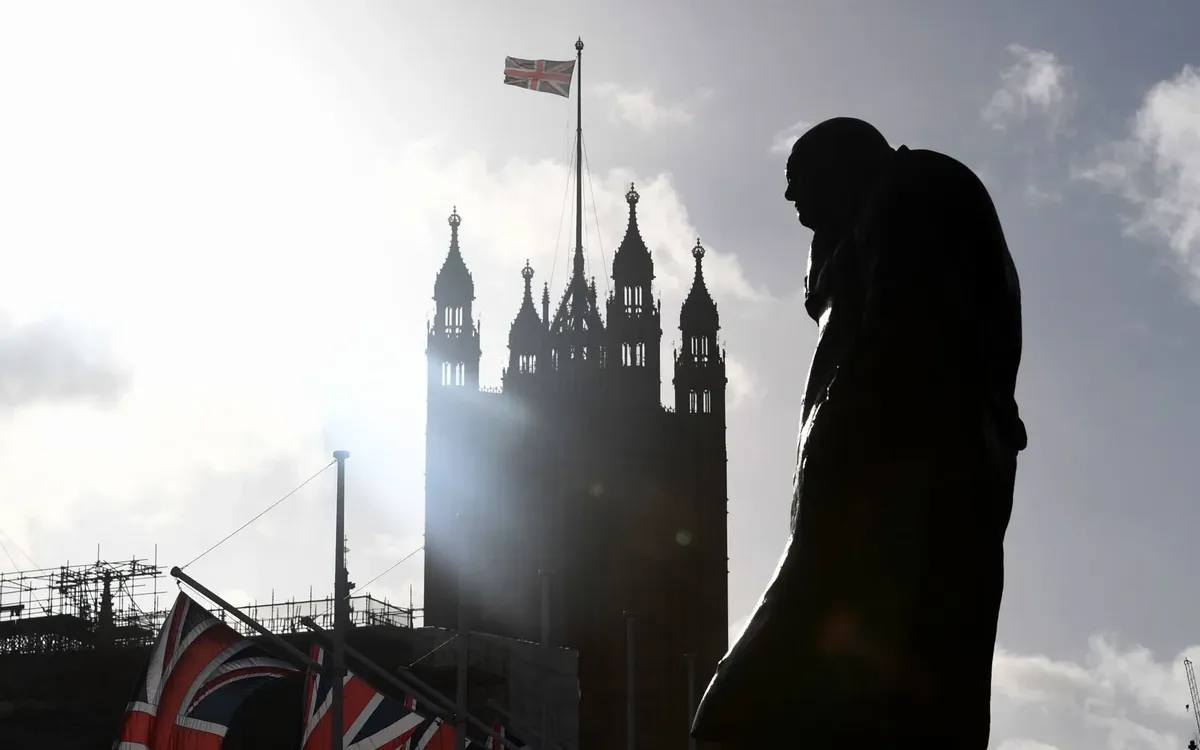
Three and a half years after the referendum, twice passing through universal elections, having replaced the prime minister three times, politically schisms in half, Britain finally left the European Union. And ... here everyone realized that now Brexit is just beginning, but what it means, no one really knows really: neither the deputies of the parliament, nor high intellectuals, nor officials, nor, moreover, people on the street.
“As soon as we contacted Europe, we fell into the war,” says Andrew, a bus driver in Cambridge. But we are a trading nation and why are we leaving the most powerful economic block of the world, and I don’t know what will happen to us as a result. ”
“My son serves at customs - he is satisfied, they will have a lot of work. But how the life of all of us will be arranged, I do not know, ”the school teacher of English Tracy from the small town Margit raises my eyebrows.
“I'm afraid we would not finish, like Yugoslavia - the collapse of the country,” Nick shakes his head, a furniture collector in Kenterbury.
Both the British intellectual press and experts say and write about the same thing: about the unpredictability and risks of Brexit, which will affect more than one generation. It is almost unanimous that the country's economy will now grow slower, which will directly affect the income and expenses of the state treasury and will entail sad consequences for citizens, business, the famous British financial sector.
What else is expected? That the island state will lose a direct impact on the political decisions of a giant neighbor from 27 countries, directly relating to it. That it will only observe how a neighbor makes decisions on the fate of the European market of 450 million inhabitants. The market that produces 18 percent of the global volume of products, which accounts for 49 percent of the trade turnover of Britain (another 11 percent falls on countries related to contractual relations with the EU).
According to the most optimistic scenario, by the end of the year, an agreement on free trade between Great Britain and the EU should be concluded. This will continue to trade without tariffs, quotas and other customs barriers. But even such an agreement will not eliminate the need to create a system of numerous and various checks of British goods and services, so business has something to prepare for: about half of decisions in the field of small and medium -sized businesses feel unprepared for Brexit.
But, they say EuroSceptics, Brectan will allow Britain to conduct trade negotiations with third countries - such as, for example, the USA and Australia. And if successful, new transactions can enter into force at the end of the transition period - at the beginning of next year.
True, here everything is very shaky and incomprehensible. The press is full of doubt about the reality of “special relations” with the United States, namely, Brexit supporters counted on. And the point is not only the features of the current president of America. The other day, by the way, he had already threatened Britain with sanctions for the consent to build a 5G generation network along with the Chinese giant Huawei. The problem is much deeper.
After the Cold War, writes Faynenshl Times, the United States "retreating from Europe." China fell into the focus of the geopolitical interests of Washington.
Yes, and the “value” of Britain, since it will no longer be able to carry the “Washington’s Epistle to the EU internal advice”, is also now in question. “The return of control” and liberation from Brussels in itself will not allow you to act as an independent player. The fate of the world is determined by the rivalry of the superpowers and “Britain will have to choose its side,” writes FT.
In addition to trade, it is now necessary to re -form many other aspects of future relationships with the EU: security, law enforcement, data exchange, aviation standards, fishing (the press promises a particularly strict battle here, since in British commercial waters, in general recognition, the richest, the Netherlands, Denmark, Ireland, Germany are “grazed”), supply of electricity and supply of electricity and supply of electricity and supply gas, licensing and regulation of import - export of medicines, etc.
After the end of the transition period, from January 1, 2021, the British will lose the right to freely move and work in the countries of the European Union (as well as citizens of the EU countries to live and work in the UK).
Johnson’s government’s plans are completely incomprehensible in terms of a topic that is sensitive to British as migration for the British: as the Prime Minister plans to fulfill his promise to increase the immigration of “brightest and best”, at the same time ending with freedom of movement. So far, the advisory committee on migration issues - a group of experts sponsored by the government - rejected the government proposals on this issue.
British motorists may need an international driver’s license for driving in Europe. British owners of pets will have to update the passports of their pets and follow new rules when traveling with them. And so in almost everything. It is difficult to break the union, which was built for 47 years. It is not surprising that by polls of the Yougov monitoring service
42 percent of British citizens experiences fear, anger and anxiety from the outcome from the EU. And reassurance and joy - 36 percent.
Will the UK refuse the current regulation of the labor market, the environment, product quality standards, European requirements for financial stability and much more? It is worth free to be freed from this “encumbrance,” the EuroSceptics believe - and Britain will flourish. It is unlikely, the Euro -films answer them, “our problems are a low level of investment, a weak increase in labor productivity, poor infrastructure, a large regional inequality are not a consequence of EU membership, and Brexit will not solve any of them.
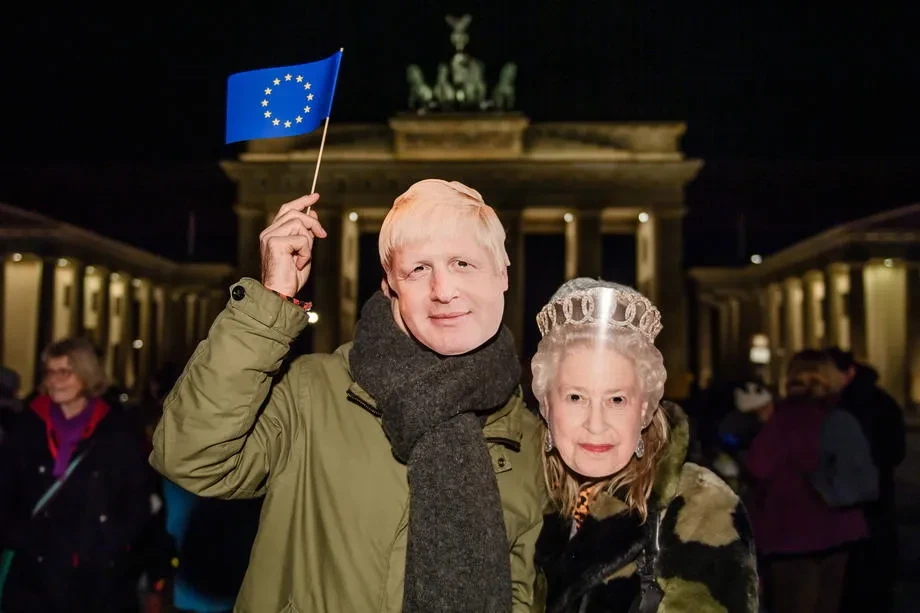
What will become the future of the country? Will the United Kingdom become a giant offshore, a tax harbor with minimal regulation, a kind of Singapore, as the current Prime Minister Boris Johnson and his supporters dreamed? Or, on the contrary, the British will face a sharp populist turn to the left, which the prime minister suddenly began to advance after his “crushing” victory in the last elections? He promises to increase investment in infrastructure by 100 billion pounds and pursue a more flexible state assistance policy to help the failed strategic industries. He repeats about the "aligning" of the regions in terms of living standards and promises investments to the north of the country. He wants to “evict” public servants from London and abandon the obligation to reduce taxes for higher -paid employees ...
Conservative governments, writes Gardian, are able to be pragmatic, and not rigidly ideologized, which explains their presence in power for most of the last two centuries. Johnson is diplomatically called “the most flexible politician of modernity,” but serious observers do not exclude that the “levity” and the declared departure from the tetcherism can become a politician. So, this week the government nationalized the North Railway. It is not clear that such a left turn was interfering with membership in a socially oriented European Union ...
Another now not new, but very disturbing British reality is a deepening split in society, which gave rise to disputes around Brexit. To date, only a third of the supporters of preserving membership in the EU accepted what happened, the rest still categorically disagree with leaving the EU, experience anger, and many depressions.
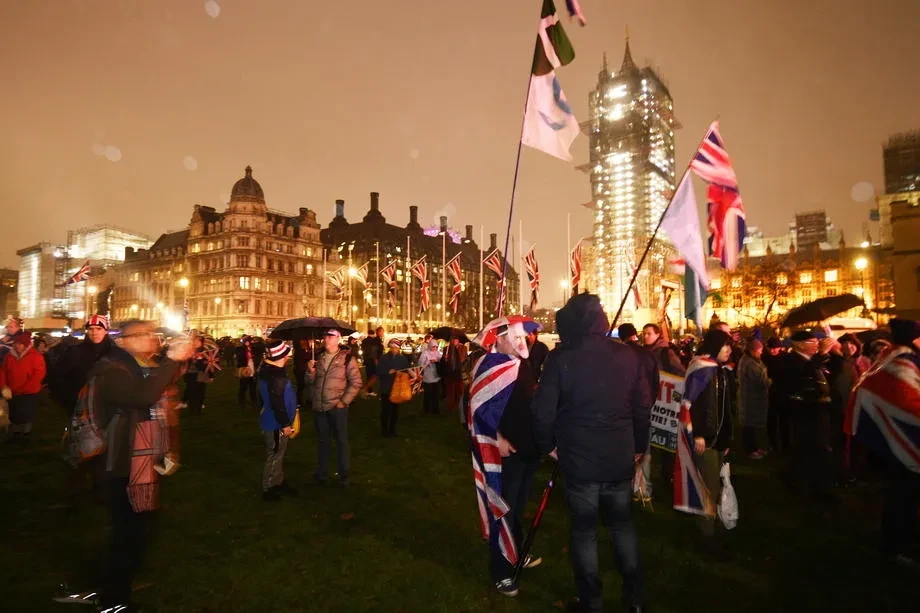
Will it be possible to overcome bitterness in such moods? How did it happen that in Britain the opponent is now not just mistaken, but is a “traitor” or “racist”, and even “enemy of the people - Enemy of the People”? Who could have imagined at least a year ago that the official authorities of Britain can publicly question the decision of the Supreme Court of the United Kingdom or threaten the flagship of the world independent press-the BBC for the political position?
There is no doubt that Scottish nationalists with their demand for the department will not sit back and spend a year, growing disagreements and discontent. The latest survey of the authoritative YouGov showed that the number of supporters of the Scotland department for the first time since 2015 exceeded the number of opponents-51% by 49%.
Even foggy the prospects of Northern Ireland, where many believe that having held the trade border along the Irish sea and separating it from the rest of Britain, the Johnson government directly pushes it to unite with the Republic of Ireland.
So, according to, perhaps, the most famous and influential London newspaper Faynenshl Times, “UK enters the new world. She forces her people to abandon their rights in Europe. It goes away from the European project structured and peaceful cooperation. She makes a choice in favor of an independent island in the neighborhood that, most likely, will remain an integrated European giant. She decides to go in her own way in a world where rival superpower dominate. She does this with the aim of more control over her own fate. Not least, it acts contrary to the desire of the majority of its own youth. Will the country withstand such a division? Nobody knows. "
According to the main economic observer of the newspaper - "this is a huge mistake."
Yes, Johnson, who saddled Brexit, achieved an impressive victory in the elections. But everyone understands that he took Dauning Street with great-on the shoulders of terrible fatigue of the population from ambiguity with Brexit.
The mockery of history, however, is that the most obscure is just beginning.
The exit took place in European time - in London it was 11 o’clock in the evening - the British flag, Union Jack, who had been in Brussels for almost half a century, was lowered and moved to the museum.