
Translated material
Shadow battle: five signs of modern epidemics
With the development of the global economy, damage from outbreaks of infectious diseases is also increased. It is impossible to predict pandemia, and by the scale of the destructive consequences enhanced by panic and fear, they remain one of the key risks for the global economy. The ECONS.online portal with the help of economic statistics and affordable studies brought five signs of modern epidemics.
Pandemia is expensive
Infectious incidence and related mortality is reduced, but economic costs and consequences from outbreaks of diseases are growing. This paradox is associated with the development of globalization-the strengthening of international trade and economic ties and the growth of tourism. According to the World Bank, made in 2015, pandemia can cost the world about $ 570 billion per year, or about 0.7% of global income.
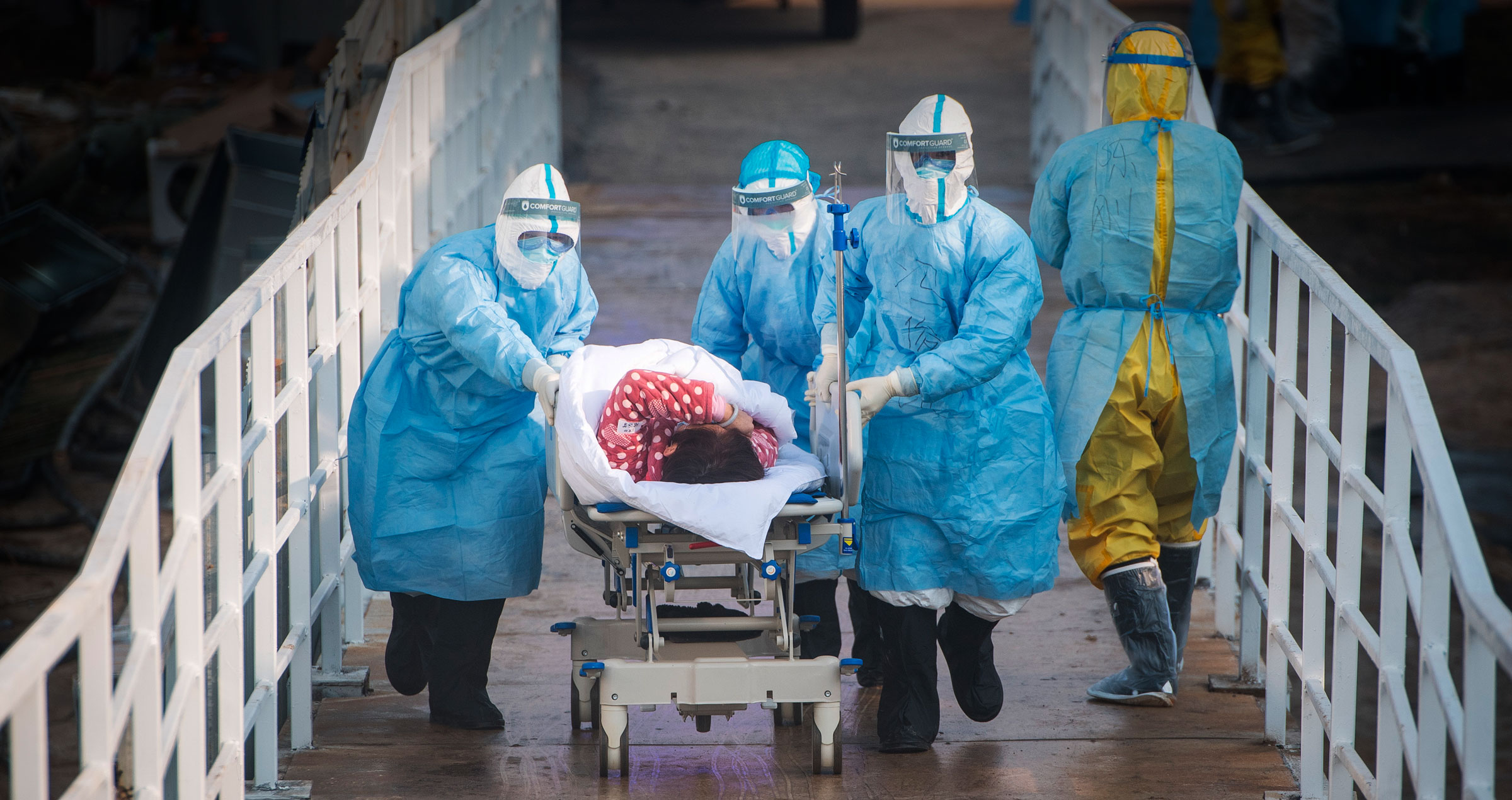
The exact economic damage from the spread of a new coronavirus flashed in China is still difficult to evaluate. Outbreaks of atypical pneumonia (SARS) in 2002-2003 and Pork flu (H1N1) in 2009 were among the most expensive ones according to the conveying of WHO. Global losses due to the SARS epidemic are estimated at $ 40 billion, damage from the H1N1 pandemic-$ 45–55 billion.
The growth of China GDP in the first quarter of 2020 can slow down due to the epidemic for more than 2 pp, and for the entire current year-by 0.8 percentage points, predicted in Moody's. In S&P, they expect a slowdown in the Chinese economy for 1 pp. In 2020, and stabilizing the situation with coronavirus no earlier than April 2020. According to the Forecast of the World Bank, in 2020, the Chinese economy could grow by 5.9%, according to the IMF forecast - by 6%.
China’s monetary authorities are forced to take expensive measures to stabilize the financial market and the country's economy in connection with the virus. In early February, the People’s Bank of China sent 1.7 trillion yuan (about $ 243 billion) to its financial markets and will continue this practice. The Chinese government intends to reduce taxes and fees, and the bank and insurance regulator (China Banking and Insurance Regulatory Commission) asked the banks to evaluate how the coronavirus affected borrowers.
Surprise
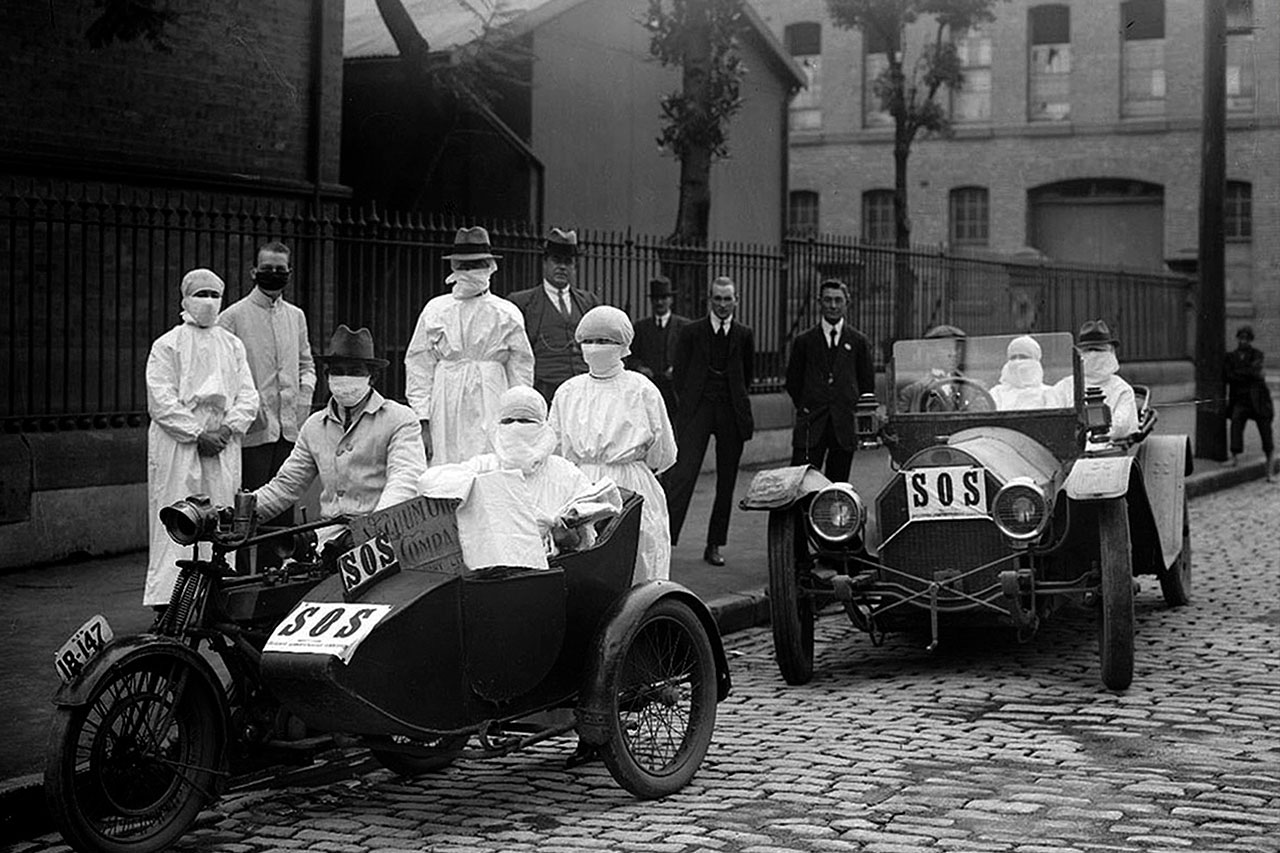
It is impossible to predict an epidemic: their outbreaks do not have any pattern or periodicity. Hypothetically, the likelihood of large -scale pandemic, similar to the “Spanish influenza” of 1918, which claimed 50 million lives, exists at any time. In addition to globalization, the probability of epidemics enhances climate change and urbanization, the IMF notes. Global warming expands the habitat of carriers of diseases (for example, insects), and urbanization means that more and more people live in close quarters and the disease spreads faster. But the biggest problem is that many pathogens are not yet known to science: a list of priority epidemiological diseases requiring urgent studies and WHOs from the moment of publication in 2015 updates annually.
Since the emergence of epidemics is unpredictable, countries should be ready in advance for possible flashes of incidence, the IMF noted in 2018. There are significant market failures when it comes to vaccines against individual rare pathogens: pharmaceutical companies are not interested in developing vaccines against diseases, the probability of the spread of which is extremely low. States should invest in such developments, including through private-state partnership and international cooperation: a number of developed countries have already been combined into a coalition to finance the development and promotion of vaccines against rare pathogens. A guarantee of access to such vaccines of developing countries could also attract them to participation in research and development. In addition to financing R&D, international cooperation can increase the readiness for epidemics, the IMF pointed out, proposing to create a global centralized warehouse of vaccines and drugs that could be directed to the country where the infection will break out at any time.
Read also plague, inflation, income growth: how epidemics changed the world economy
Fear
Economic damage is enhanced by behavioral reactions that cause “cascading malfunctions” in business processes, supplies and financial sector chains. Fear and panic forces people to change the usual behavior in order to minimize the chances of getting sick. So, with a flash of a respiratory syndrome (Mers) in South Korea in 2015, about 200 people were hospitalized, 38 died, and more than 16,000 were quarantined. This caused panic: people began to avoid restaurants, shopping centers, entertainment centers - in two weeks, the attendance of cinemas has halved, the tourist flow to the country - by 40%; The consumer sentiment index in Korea went to minus for the first time in three years, the Bank of Korea due to the negative impact of the Mers on consumption had to reduce the rate, the government-urgently revise healthcare government agencies.
Fear and panic are fueled by rumors and misinformation, which with the advent of social networks spread faster than the virus. To prevent the “inferman”, providing people with reliable information is one of the main tasks to minimize damage from epidemics, according to the UN.

Long -term consequences
Concerned even because of a relatively local flash can have a fairly long-term effect: for example, a ban imposed by the European Union on the import of beef from the UK due to the outbreak of cow's rabies in 1996, lasted 10 years. Some long -term epidemics, such as HIV or malaria, can also restrain foreign investment in the region, the IMF notes.
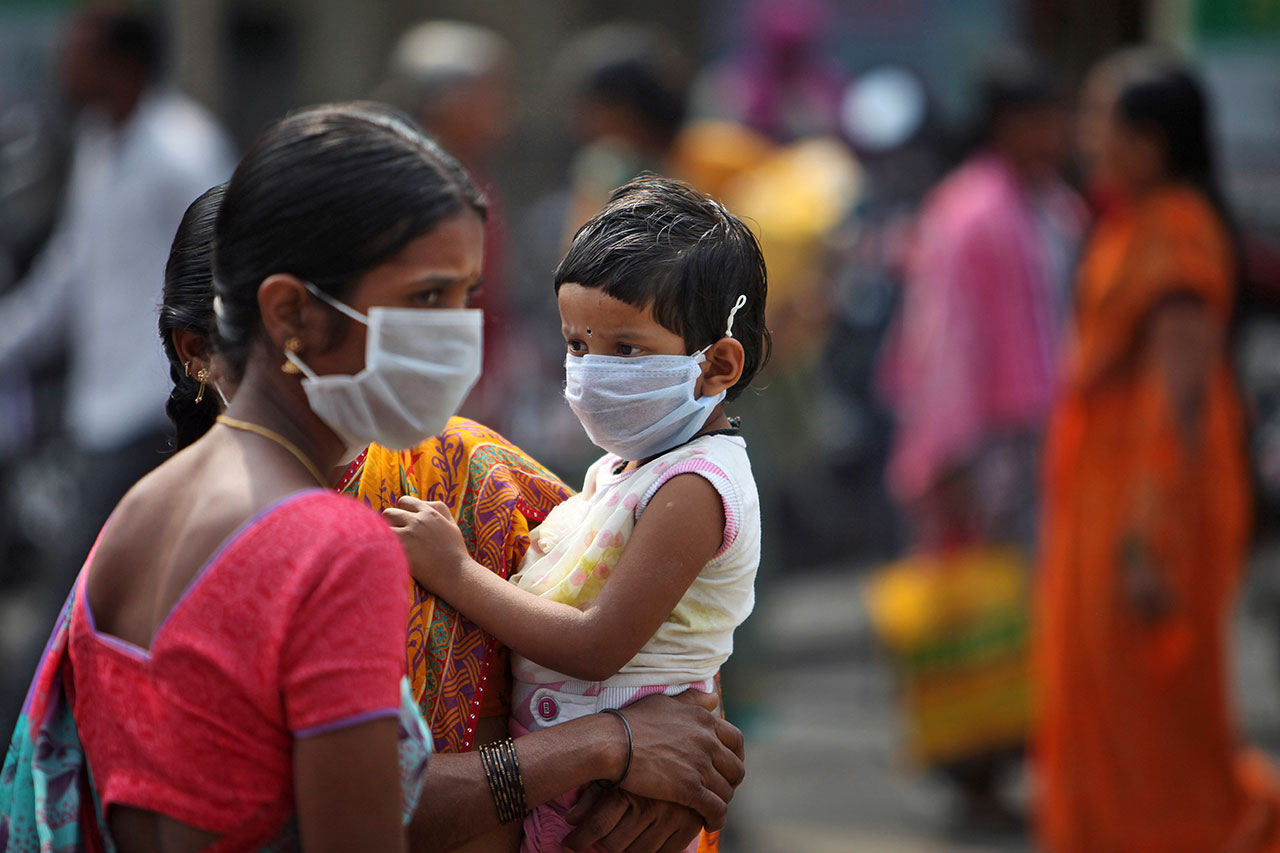
Economic costs from the pandemia consist of losses of national income and damage from premature deaths. The total losses depend on the level of development of the region: the World Bank’s attempt to calculate the average annual “cost” of the pandemic in the 21st century showed that the maximum losses - up to 5% of GDP - can incur countries with a low level of income. On average, damage can vary from 0.4% of GDP in North America to 2% of GDP in South Asia. For Russia, according to these estimates, damage can be 1.12% of gross national income, or about $ 107 per capita (in 2015 prices).
The importance of the epicenter
The role of China in the global economy since the outbreak of atypical pneumonia in it 17 years ago increased: the share of the country in global GDP has grown from 4% to 16% since then, China provides about a third of the growth of the world economy and is one of the key participants in the global trade chains. Therefore, the consequences of the new epidemic are expected to be more destructive in comparison with the negative influence of atypical pneumonia and can become a factor in deglobalization.
China is the largest global oil and gas importer, and Ujan is a quarantine city where the epidemic of the new coronavirus began, one of the country's main transport and trading nodes. The epidemic led to a drop in demand for raw materials by China by 20%, world oil prices in early February fell below $ 55 per barrel for the first time since January 2019. Short -term supplies of oil and liquefied natural gas (LNG) to China are paralyzed. According to FT, due to the epidemic, Chinese companies also consider the possibility of temporary termination of long-term contracts for the supply of LNG.
The flash of the virus violated international production chains: for example, the United States and the European Union have already warned of the imminent shortage of auto parts. Chinese smartphone manufacturers began to postpone the delivery time to Russia, and KAMAZ, who receives a number of components from China, said that if the epidemic was distributed, it would be necessary to adjust production plans. A number of countries have suspended air communication with China, which from which world tourism will also suffer.
Due to the spread of panic, January 2020 became the worst month for developing markets over the past six months; The US and European markets at the end of January survived the largest decrease since October, the Chinese stock market showed the maximum fall since 2015 - by almost 8% (by February 6, world indices returned to growth after China announced a decrease in tariffs for the import of a number of goods from the United States, and on rumors that a medicine for coronavirus treatment was found). The epidemic brought down the shares of luxury goods: Chinese consumers are the main locomotive of the growth of this industry, and now luxury brands are closing their stores in China, a stream of customers has fallen in European boutiques.
Also on econs.online read:
- Are there any fair tax systems
- How banks suffer from the new reporting standard
- And how the banks are useful to fintech