
Translated material
Enough militarism!
10 theses on the state of public opinion in Russia in 2019
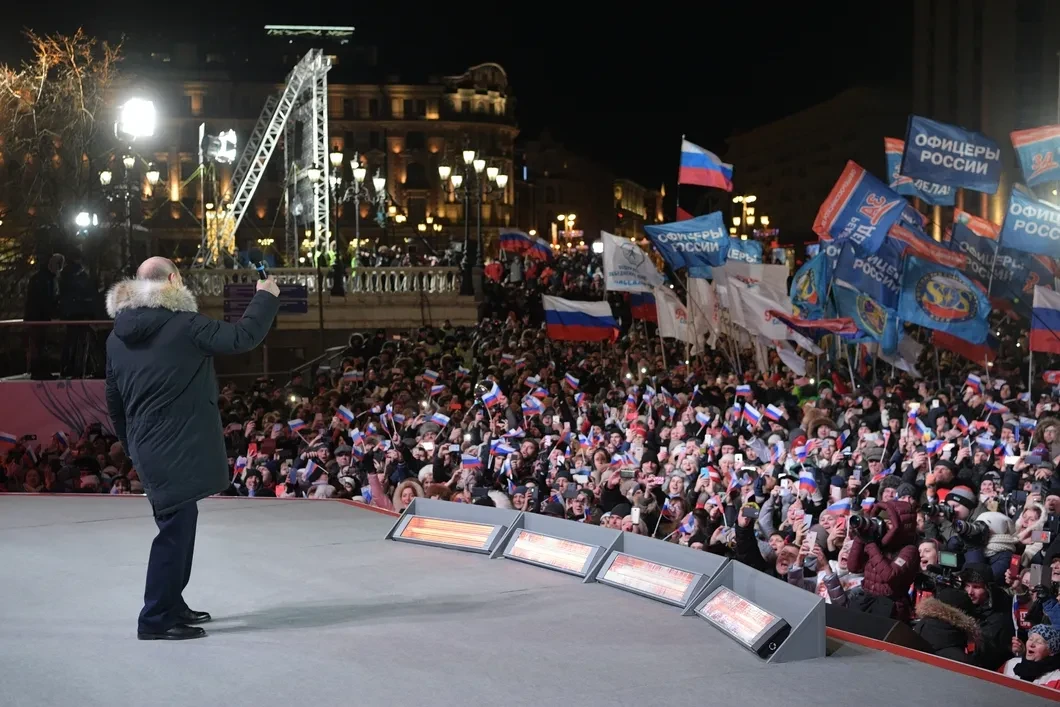
- The Crimean Mobilization ended in 2018, but its consequences will remain for a long time
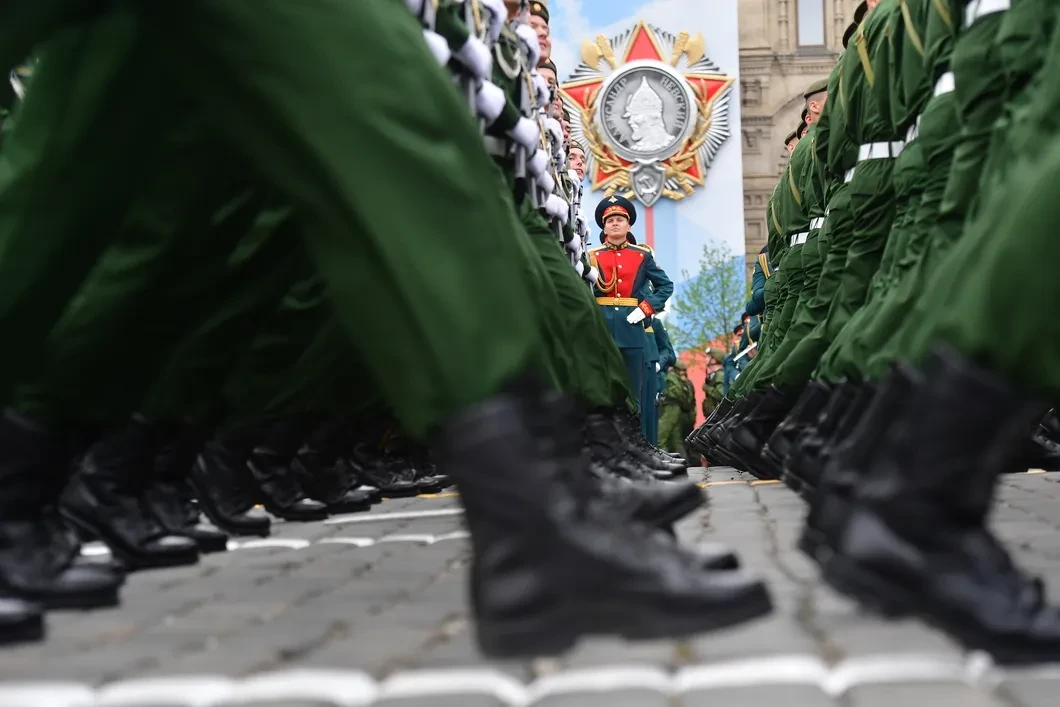
The excited state of society, patriotic euphoria radically changed the institutional system of the state. Anti -wrapping, openly anti -democratic policy restored the legitimacy of the regime weakened after demonstrations of protest of 2011-2012. Propaganda raised to the surface a layers of political culture inherent in late Stalinism, restoring the authority of the institutions that stored it - state security and the army. They, not parliament or court, received the status of state -forming structures. It is the Armed Forces and the FSB who considers public opinion to be much more influential departments than the government, the State Duma, the Presidential Administration, not to mention the judiciary or parties.The population is aware that the security forces set over the law became the basis of the Putin rule.
Putin relies on them and expresses their corporate interests in his policy. But society as a whole today is also not ready to realize the consequences of what is happening, as was the case after the Chechen war, which became the prerequisite for the establishment of authoritarian rule.
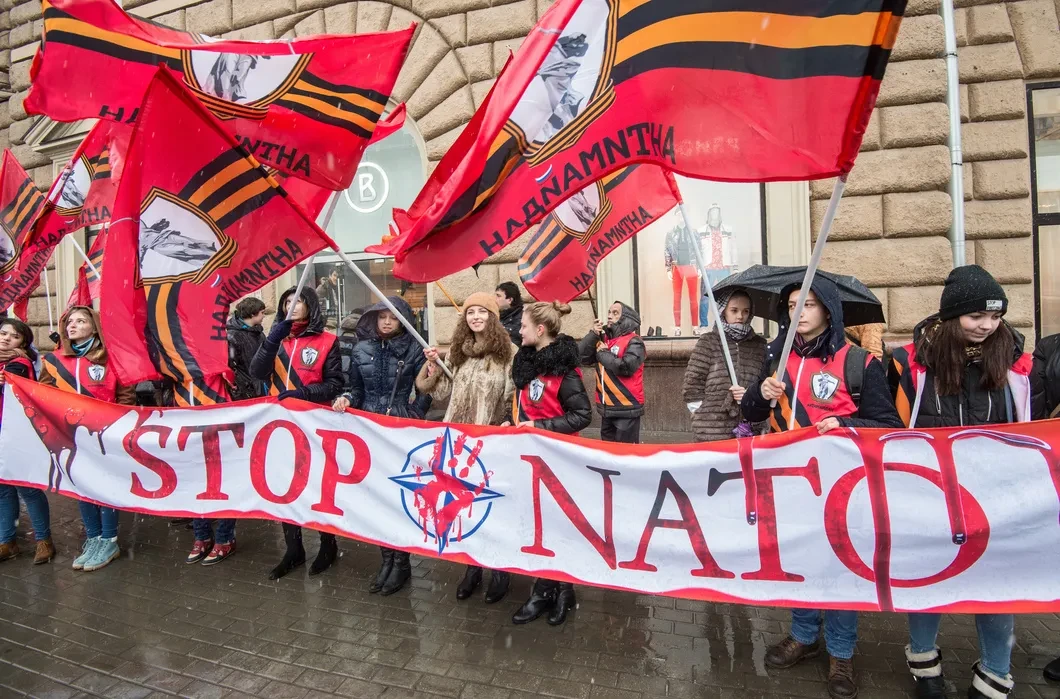
2. Anti -Western and anti -Ukrainian sentiments have noticeably weakened
The hostility to the United States, manifested in 2015 82%of respondents, decreased by 2020 by 2 times - to 40%, positive opinions, on the contrary, rose from 12 to 43–46%. The hostility to the EU over the same time sank from 70 to 36%, a positive attitude grew from 18 to 50%. Even to Ukraine, which, since the Ukrainians spoke out for joining the EU, has become the main object of aggressive demagogy, the attitude to the fall of 2019 has improved markedly: the share of positive statements has grown from 26% (lower point, May 2015) to 56% (September 2019).
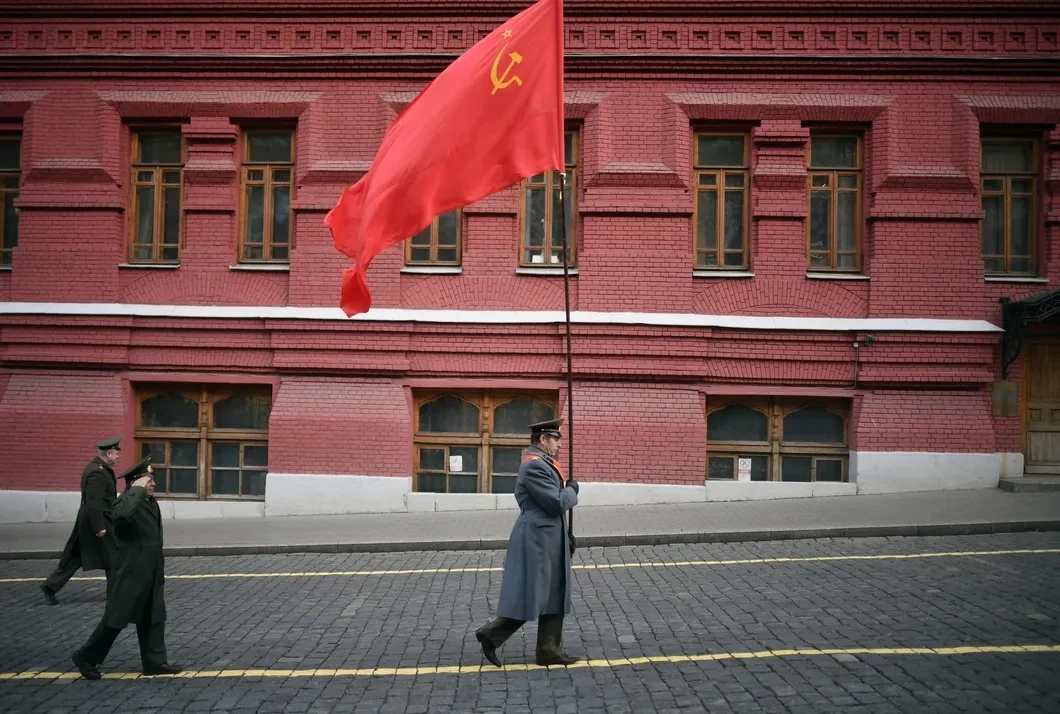
- The continuation of the militaristic campaign gave rise to not only anxiety from the approach of a great war, but also a deaf protest that turned against the authorities itself
The catalyst here was pension reform. She gave an exit to the accumulated discontent due to a decrease in the standard of living, especially irritating against the background of growing military expenses, increasing the salaries of the police, and officials.The population believed that Russia - thanks to Putin - returned the status of the great power that the USSR had. But the restored “greatness”, as it turned out, did not eliminate the deeply rooted and unpleasant conviction that in the “world” (in developed and rich countries) “us” is still considered a weak, backward and barbaric country, dangerous because of the cynicism and unpredictability of its plumocratic leadership.
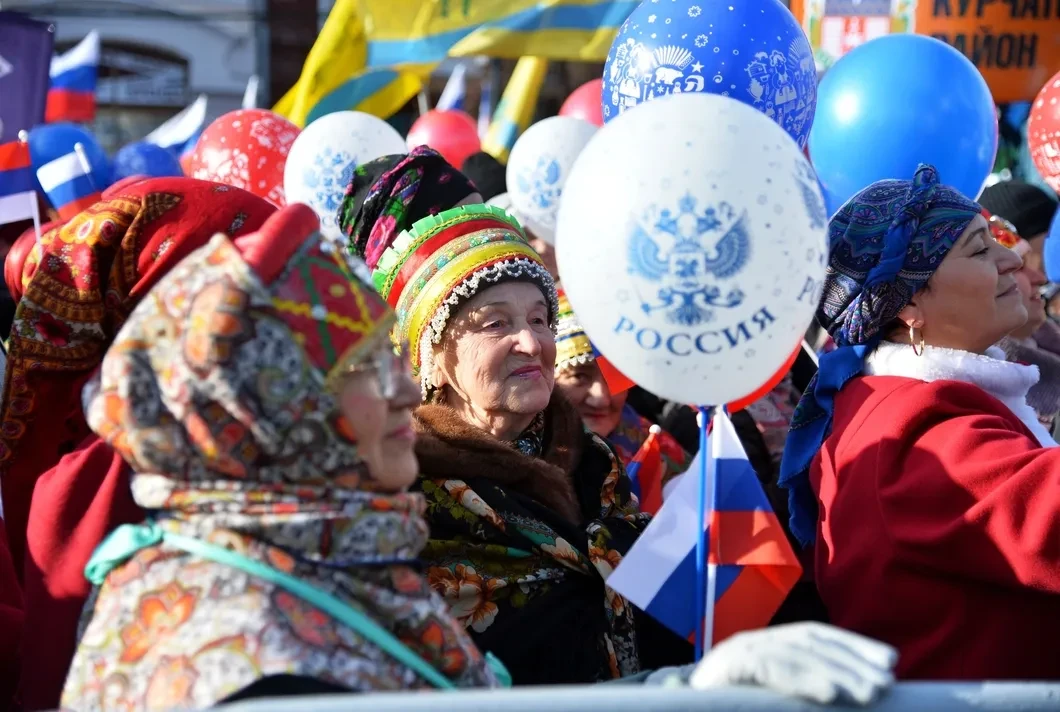
4. The most important consequences of international politics pursued by Russia in recent years, according to Russians, are as follows :
The state of the Armed Forces of the Russian Federation has improved (as 83%of the surveyed, December 2019), the influence of Russia in the world (62%) has intensified , but at the same time, the standard of living in the country (64%) has decreased , the state of the economy has worsened (58%).In 2019, according to Russians, the situation of affairs became worse in areas such as ecology (49%of the respondents stated this; “improved” - 12%), dravo management (46%; “it became better” - 14%), the standard of living has fallen (43%, “increased” - 13%) decreased the possibilities of earnings (42%, increased - 10%), the distribution of material was more unfair ) Goods - 41% think (only 7% spoke about the improvement of the situation here), relations with Western countries and NATO continue to deteriorate (42 and 13%, respectively).
The situation in the field of education, freedom of speech , personal security, protection from the arbitrariness of the police was almost less negatively assessed - here the share of those who noted the deterioration amounted to 34% (school) to 20–24% (police).
5. The ideas about the priority areas and goals of state policy among the population and in power were radically dispersed:
In recent years, three quarters of Russians believed that the main efforts of the country's leadership should be aimed at increasing the well -being of citizens, and not at Russia's buildup of military power and influence in the world (in 2019, the share of such answers was 82%). For increasing the expenses of the army and defense, only 17%expressed an average of an average.The case has not yet reached the recognition of the current policy of the government “contradicting national interests” or “anti-people”, as it was in the 1990s, although the increasing share of Russians gradually leaning towards this opinion.
Holds the inherited fear - participation in "Policy" again becomes dangerous :
The fear of becoming a victim of the arbitrariness of the authorities or the victim of lawlessness increased from 29% (2015–2017) to 50–51% (2018–2019), the threat of return to mass repressions - from 20–21% in 2014-2015. up to 39–40% in 2018–2019. In 2015, 17% spoke about the tightening of the political regime, in 2018-2019-already 35–36% of respondents.
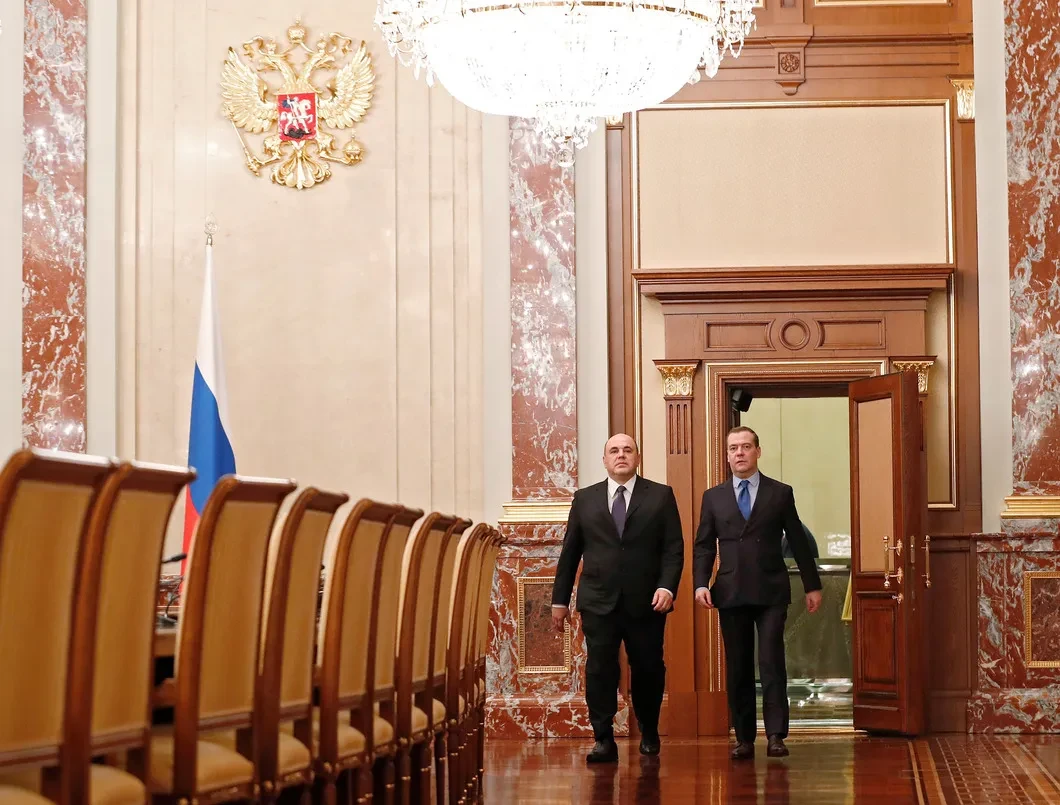
6. The resignation of Medvedev , which in recent years caused discontent in 65% of the population, was perceived with obvious satisfaction
Like the appointment of Mishustin Prime Minister. This, however, did not strengthen the faith in the ability of the new cabinet to improve the situation in the economy and in the social sphere.
- Dissonance in the mind
The peak of the performances “Russia restored the status of a great power” falls on mid -2018 (76%).We can talk about obvious dissonance in the public consciousness: two -thirds of Russians want to “live in a great and strong country”, as the USSR was, but at the same time have a high level of well -being, comfort and social security, as in Western countries.
In an excited state, the first motive dominates, in the usual one - the second.
The vague understanding that militarism and the imaginary “greatness of the country” do not lead to safety and improvement of life, but to preservation of the population of the population, for a long time, characteristic only for a small group of dissatisfied, today begins to appear in wider layers. Therefore, in January of this year, the ratio of preferences among Russians changed: 63% of Russians "would like to live in a country with a high standard of living, albeit not the strongest of the countries of the world." 35%-still "in the great power that other countries respect because they are afraid."
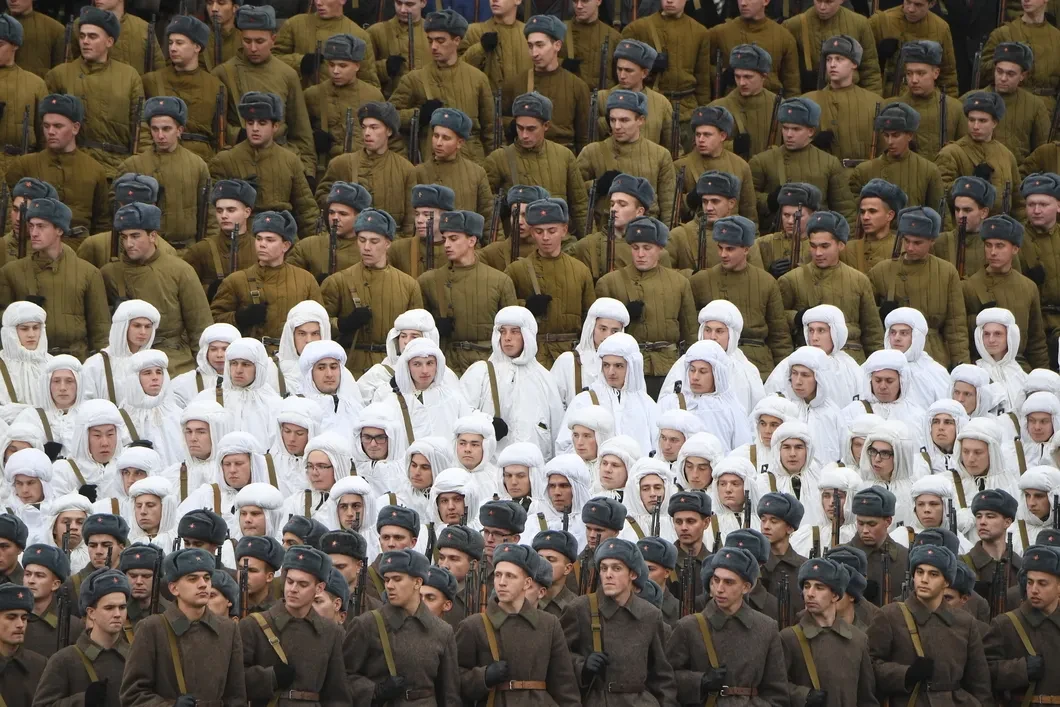
8. Military campaigns give only short bursts of mass satisfaction with life.
(War is the luxury of poor countries. - Zbignnev Brzezinsky).Militarian rhetoric amushes collective pride, but is not able to relieve the oppressive sense of inferiority, backwardness and poverty.
The combing of these complexes of resentment, injustice and envy turns into a resentment and hostility to rich and successful Western countries, or infantile regression, the desire to return during the USSR.
From 55 to 45% in different years, it was believed that "it would be better if everything remained as it was before the start of perestroika (until 1985)." The Soviet past is increasingly perceived as lost golden time. But the point is not only this.
The chronically negative background of the perception of the present explains the stability of requests for state paternalism, the expectation of care and help from the authorities. These people do not have other ideas about forces that can get a person out of a state of hopeless need. This is the function of mass illusions, including hope for the president, as well as the cause of distrust of the opposition that does not have real resources of the distribution of goods or a change in the current situation.
- The declarative approval of Putin
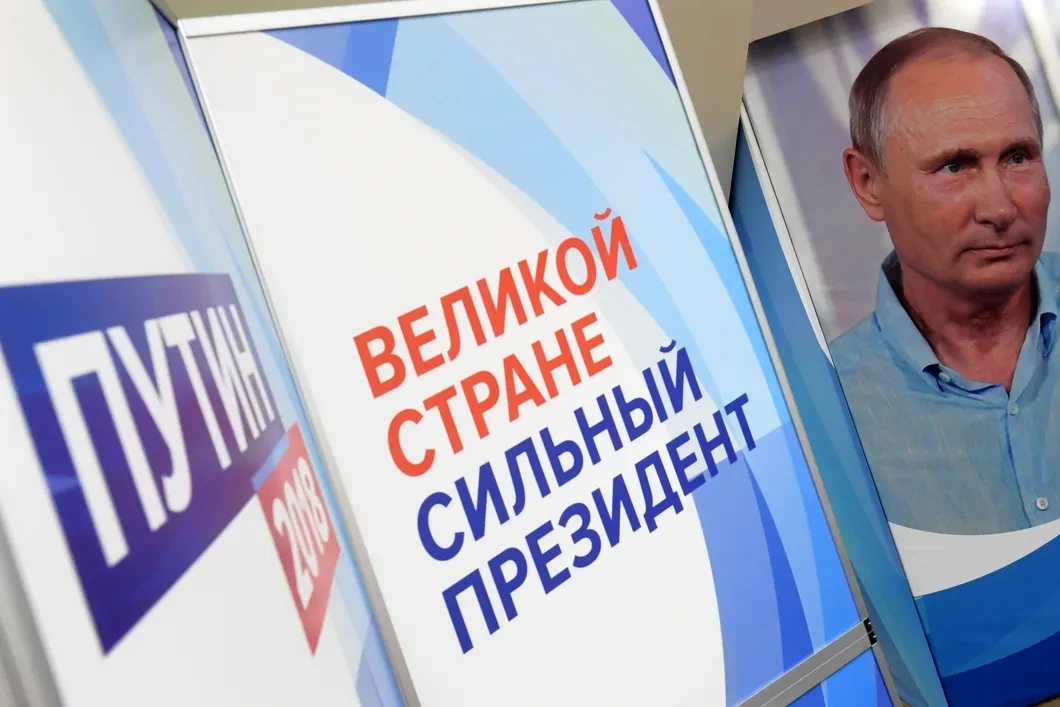
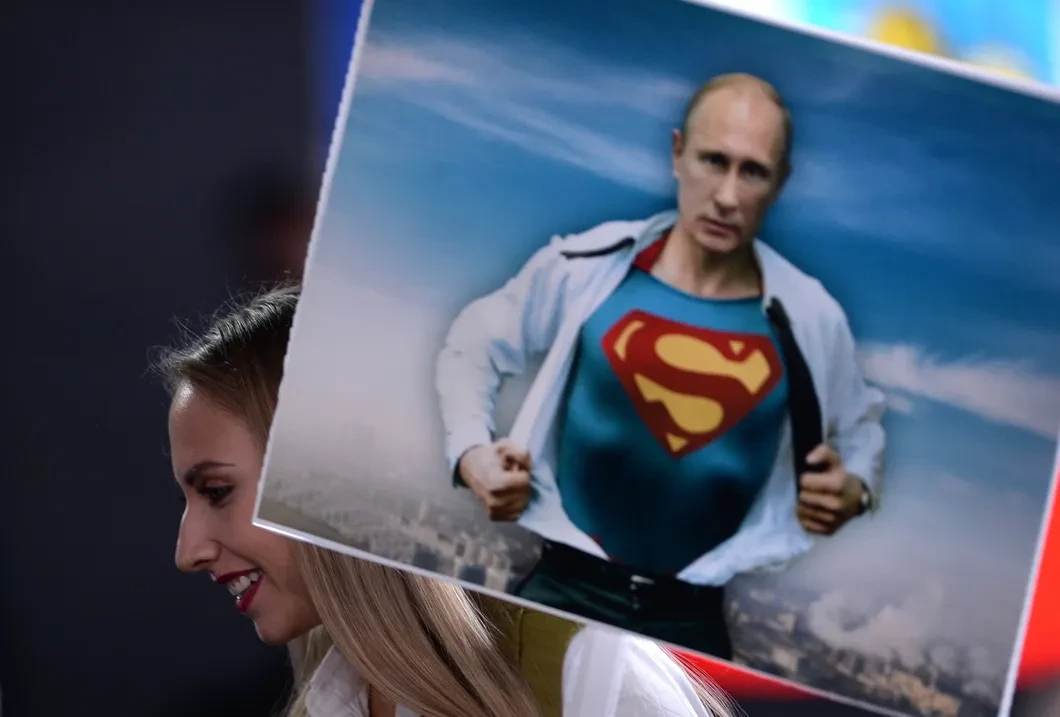
The understanding of Putin’s political non -alternativeness, on the one hand, and the hope that he will be able to get the country out of poverty, on the other hand, allow him to maintain a high level of declarative approval. “Organized consensus” does not allow its rating below 60%. But under the ostentatious loyalty and sympathy, disappointment is hidden: in two and a few years (November 2017 - January 2020), the level of confidence in Putin decreased from 59 to 35%. Accordingly, the share of those who would not want to see him as the president after 2024 rose from 18 to 38%.
10. Putin's "Stability" led to stagnation of the economy
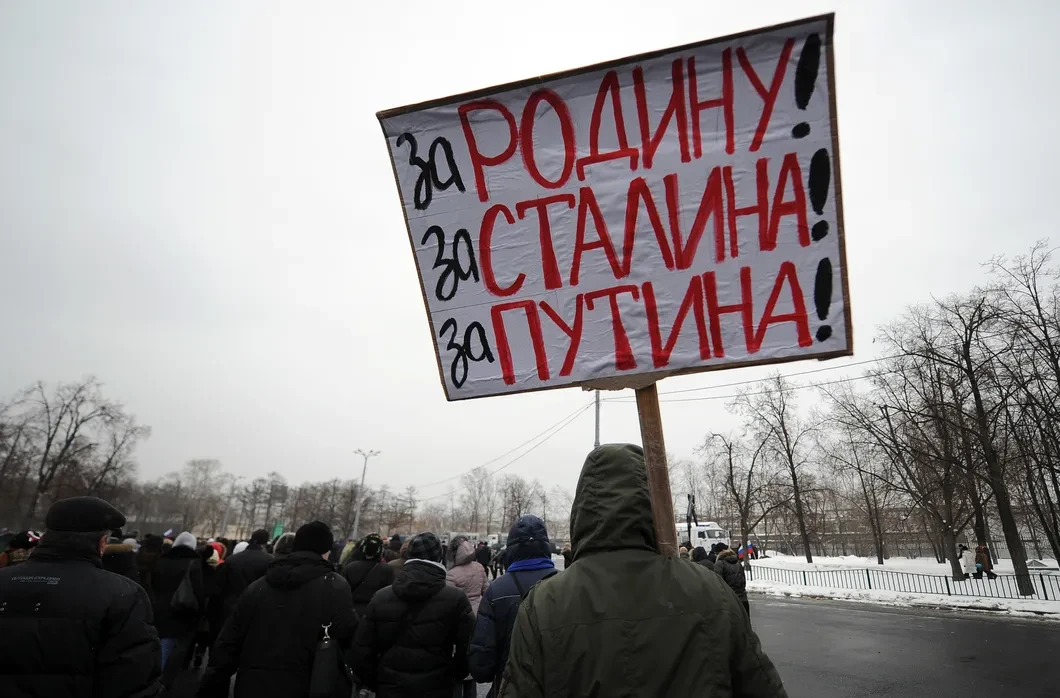
The presence of an array of 60–70% of poor people, dependent only on the state, allows you to control this helpless mass. On this basis, “refundable totalitarianism” is built, an attempt to preserve under the new conditions an archaic and incapable system of domination. Putinism is not a new Stalinism, but a kitsch of totalitarianism . Stylistic here is more informative than official documents.