
Translated material
Girls
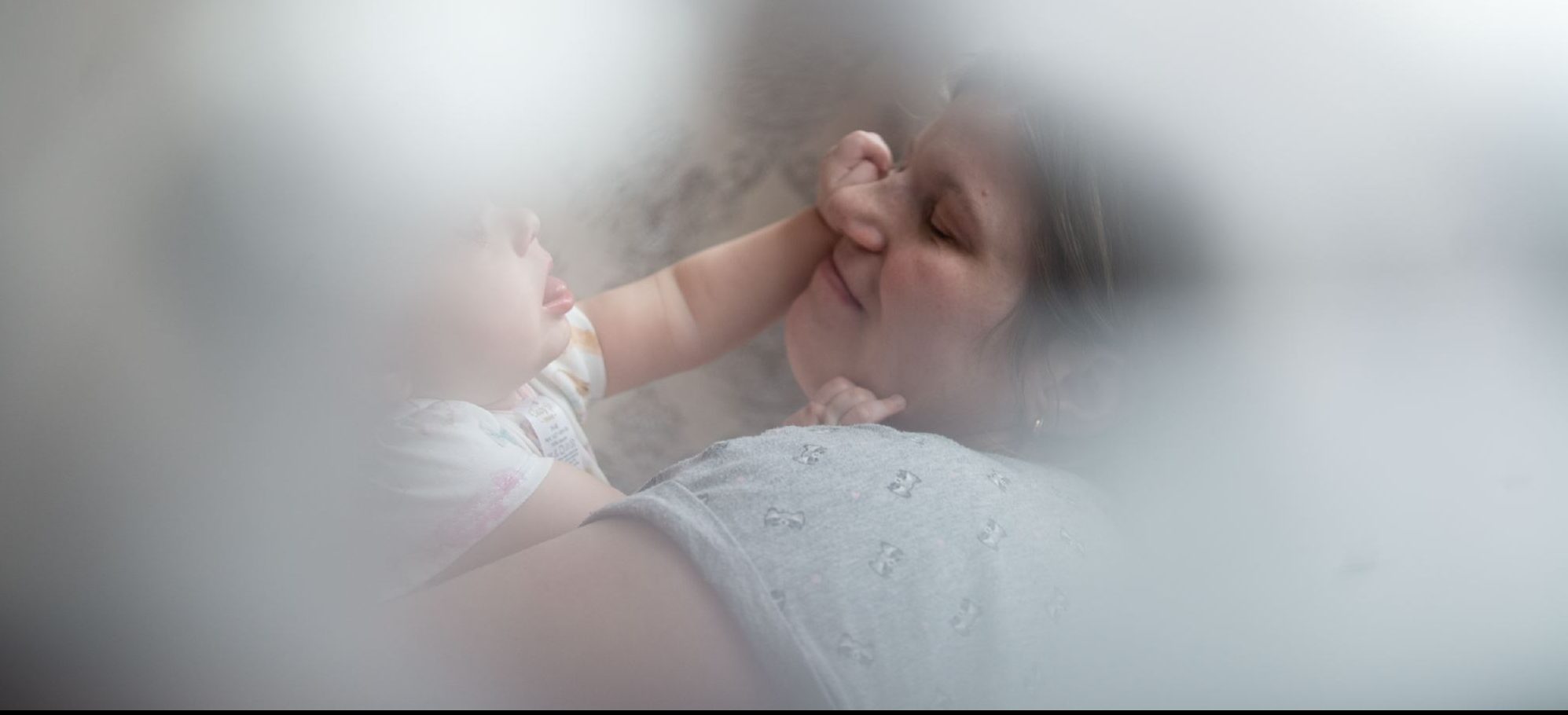
Russian stumps are often called a mixture of a hospital and prison. The inhabitants of the boarding schools have neither rights nor freedoms: their time, their things, and even their children belong to the state. “Such things”, together with the Romb project, tell the stories of women living behind the bars of neuropsychiatric boarding schools
Anya and I* go along the asphalt paths along neatly trimmed bushes and rows of arranged Christmas trees. Anya goes hard, shifting from foot to foot. Suddenly she lowers her voice, although ten minutes ago she laughed and joked when her friends wanted to take a picture with the carriage in the park.
- You see, Nastya, those who live through the gate were lucky because they have freedom. They have freedom.
- Who, AN?
- Well, those who live through the fence.
- In these houses?
- Well, everywhere. Everywhere. They have freedom. See the fence? It is impossible to go out here.
A deaf fence remains with Anya behind my backs, we go to a three -story building. Anya stops and points to the windows, to which inexpressive faces glued on the other side. In a series of several windows in almost everyone sits in the face.
- See? These are all the refuseniks.
Anya steps on. The sky was laid in clouds, it pouring snow. For the past few years, Anya has been living in a neuropsychiatric boarding school. She is pregnant and should give birth from a week to a week. But no one knows what fate awaits them with the child.
Power
161,274 people live in Russian psychoneurological boarding schools (data at the end of 2018), of which about twenty percent (that is, about 23 thousand people) are young people 18-35 years old. Boards are often called a mixture of a hospital with a prison - half -closed institutions, where people are forced to live for years, often not having the opportunity to move freely, work, have personal belongings, create a family and have children. At the same time, according to various estimates, up to thirty percent of the total number of boarding schools were there in vain and do not need such accompaniment: these are, as a rule, graduates of orphanages who got into the boarding school due to “pedagogical neglect” or “hyperdiagnosis”. This also includes people with easy mental retardation, who could well live independently, but due to the lack of proper assistance at different stages of life, they fell into a closed institution.
Maria Sisneva, a clinical psychologist and member of the interdepartmental working group on the reform of PNI under the Ministry of Labor of the Russian Federation have been engaged in this area for more than ten years. Sisnev calls one of the main problems an imbalance of power: “boarding schools are somewhat similar to landowners. If the landowner is good, the serf is easier. And if you come across bad, it lives harder. All power in boarding schools belongs to the administration and staff, and people feel unprotected. ” Sisneva lists human rights violations in boarding schools: it is impossible to get medical care (a young man with acute tooth pain awaits a call for a doctor for two weeks), in some boarding schools, cameras were installed in the wards, men and women have actually no way to meet, create a family, start children and just have sex.
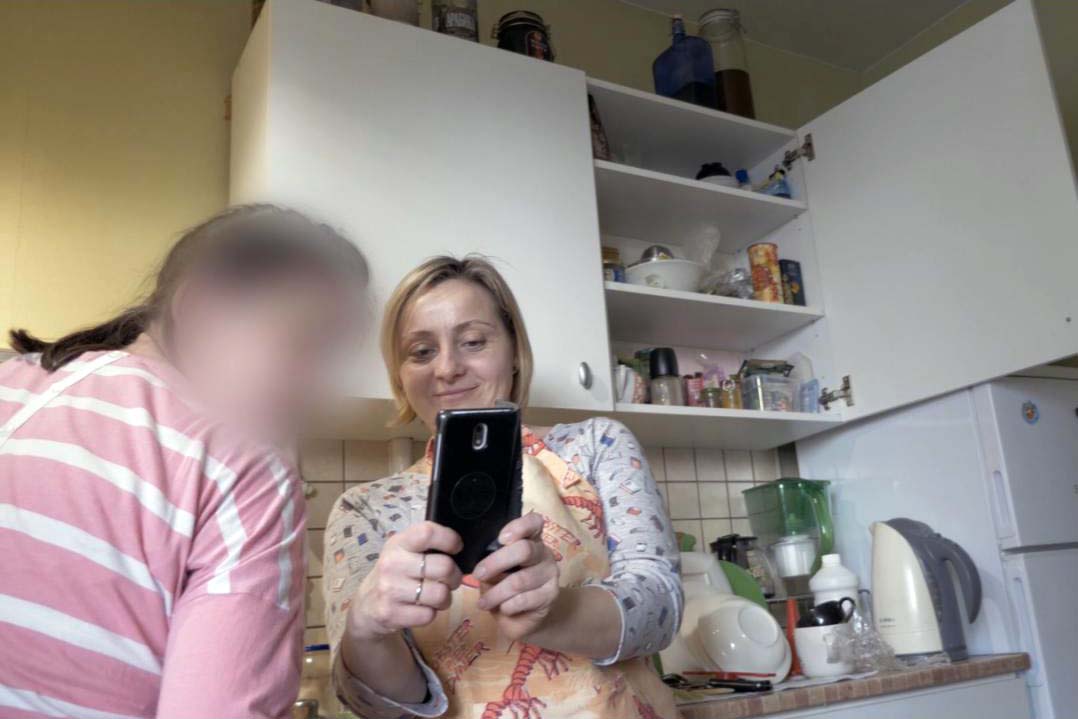 Anya and Daria Bolokhontseva, volunteer of the Foundation "Life Path" Photo: screenshot from the film "Girls"/Edition ROMB
All this occurs, as a rule, in conditions of complete lawlessness, people in boarding schools are massively deprived of legal capacity: “Initiality to initiate the imprisonment process is very simple,” says Sisnev. - It’s enough to write a statement to the court, to justify why you are asking to deprive a person of legal capacity. A person who has received such a status from a legal point of view is equated with a minor. ” The director of the boarding school in which the person lives is most often the guardian, in fact, he receives the right to dispose of all the property of his ward and even force the treatment and undesirable operations for a person: for example, for compulsory abortion and sterilization of women.
The Executive Director of the Prospect organization Ekaterina Taranschenko says that five years ago, the prospects managed to get a document: “Conducting” from the Committee on Social Policy of St. Petersburg, which ordered orphanages the status of legal capacity after 14 years, so that children came to PNI already “ready and remove this load from boarding schools”.
The system of psychoneurological boarding schools does not imply that people living in PNI can create a family and give birth to children. Sisneva says that ten years ago boarding schools practiced sterilization - the bandage of the phallopium pipes. Often the operation was carried out without warning a woman about this, for example, during an abortion. Now, if a woman has a pregnancy, her fate depends on the goodwill of the director of the boarding school.
Tatiana
Tatyana Spigul is 36 years old, she has thick blond hair and soft facial features, she stutters slightly when she is worried, and often smiles at the interlocutor. Two children of Tatyana, three -year -old Vova and two -year -old Seryozha, do not leave their mother. Seryozha climbs to Tatyana knees and hugs her mother, putting her head on her chest. He grabs Tanya by the nose and babbling something, and she laughs, pulling his hands away. Tatyana spent most of her life in neuropsychiatric boarding schools, and she was told that it was pointless to come out and nothing good awaits them in the wild. But Tanya decided differently.
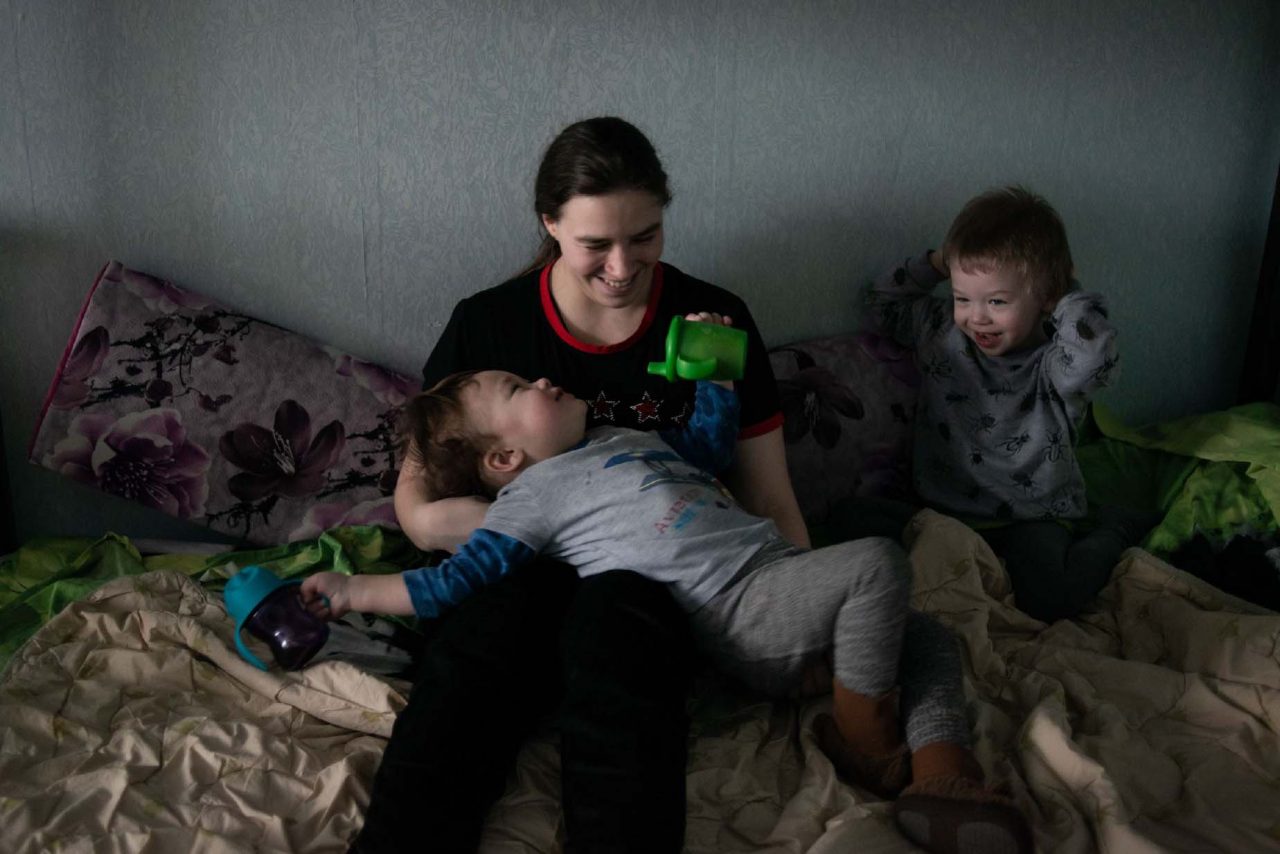 Tatyana with sons photo: Natalia Platonova for TD
 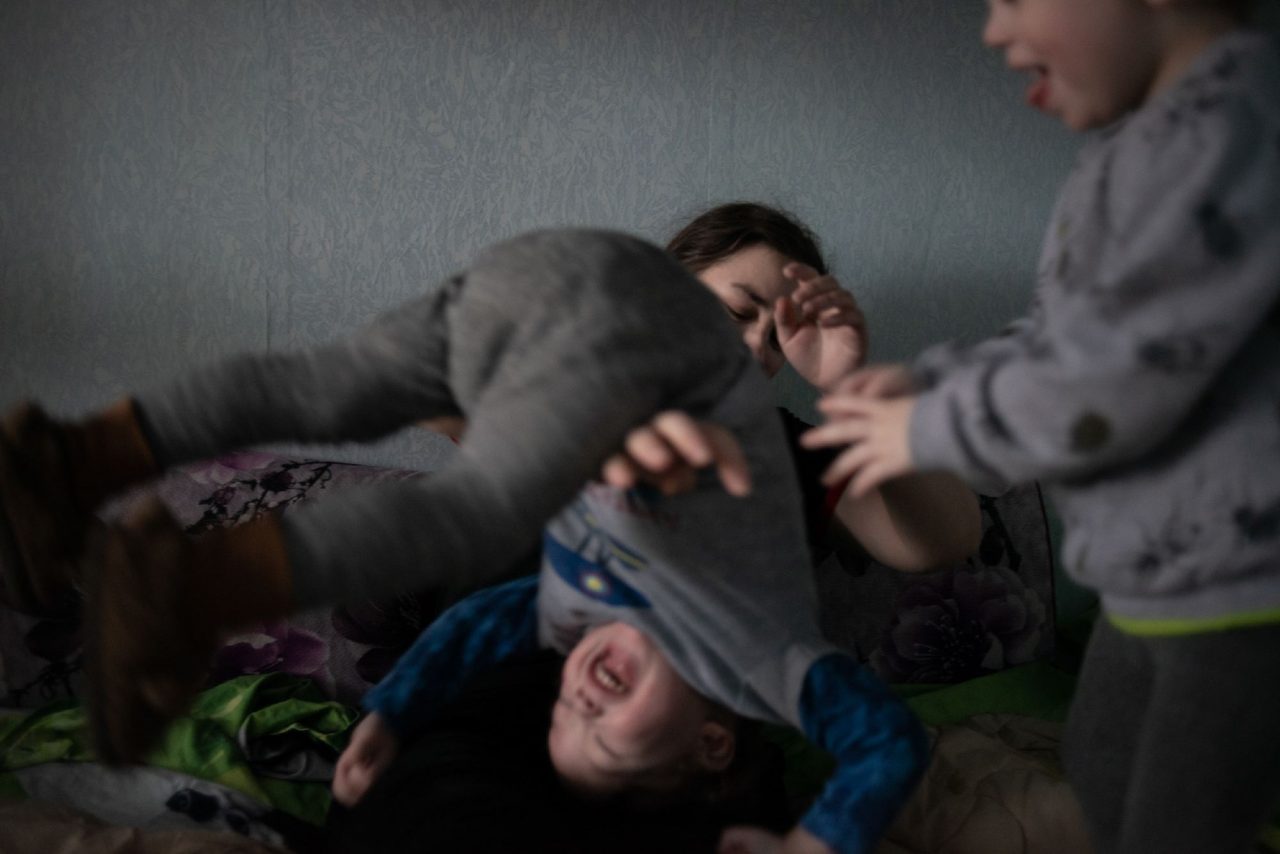 Tatyana plays with her sons Seryozha and Volodya photo: Natalia Platonova for TD
Parents refused her at birth. After 18 years, Tatyana got into the 30th boarding school, although she had no medical indications for life in a closed institution, but, as her husband says, Vladimir Spigul, "in the orphanage, diagnoses are made by an automatic man." In the 30th boarding school, when the youth gathered in one ward to celebrate the New Year, Tatyana met her future husband Vladimir.
Vladimir recalls to register, Vladimir recalls, it was directly forbidden in the boarding school: “They say:“ It is not supposed, ”the man retells his dialogs with employees. - "Well, why not?" “Well, we have such a boarding school, neuropsychiatric, we can’t have here.” Then Tatyana and Vladimir went to the trick: to get a passport (and they are taken away from all of them by default), Tanya said that she decided to take a loan. After registering the marriage, the couple went to the restaurant to drink champagne, and then returned to the boarding school. A few days later, Vladimir says, the deception was revealed - their passports spilled and saw the stamps: “At first they wanted us to divorce, Alexei Mishin began to threaten”
In the punishment of Tatyana and Vladimir, they transferred to the 13th boarding school in Stupin near Moscow. Although this was done as a punishment, the conditions in the new boarding school were softer, and the couple began to settle down. Vladimir continued to work as a loader at the hotel. Tatyana says that she always wanted children, but at first it did not work out: at first there was a pregnancy frozen at a long period, and then Tatyana had an abortion: “If I left the child, I would have to write refusal on him. And I decided: neither myself nor the state. "
In PNI they try to prevent pregnancy and childbirth, partly because this system does not provide for the fact that a woman will have children. The boarding schools closely monitor the menstrual cycle of women, including in order to have time to notice the pregnancy in the early stages. Alla Ibragimova, who now lives in the 20th Moscow boarding school, confirmed the editorial office of “such cases” that girls in the boarding school are celebrated when they have menstruation, and with signs of a delay, a woman is immediately received by a gynecologist.
 Alla Ibragimova photo: Natalia Platonova for TD
If a woman is still pregnant, the administration often forces her to abortion. As Maria Sisneva says, formally the consent can be quite voluntary: “Here, imagine. You live in a boarding school, you are alone, you have no relatives, and you are systematically coming to you and constantly dripping on your brain: “Everything will be bad, you will find yourself on the street, you will be taken away ...” So any person can be convinced of an abortion. ”
Anya told me that when she realized that she was pregnant, she was still going out of cunning, marked and took gaskets so that they would not “pester” her, and then, when everything was already opened, she was not particularly touched.
We slowly (because of Ani) go into a large church of thick white stone, buy candles ten rubles each. In the church, a child bursts, a man, putting a candle, looks through her flame in front of her. Anya wants to submit a note for the health of Sergey, the father of her child.
- How to write, Sergey?
“Sergius is written,” the minister of the church corrects. - In the genitive case.
I note to myself that Anya knows how to write well - for the inhabitants of the boarding school it is a rarity. Probably the fact that Anya was born and raised in the family, unlearned, according to her, she received a specialty and even worked, and she got into the boarding school only after the birth of the first child-she does not talk about this, but it is clear that some kind of breakdown occurred, the disease was aggravated, and they did not find another option to help her.
On the street, the sun shines through the clouds. We go through the park and discuss children. Anins are the first few months of motherhood that happened to her many years ago - her most important memory now. She recalls how she fed, walked, rolled in a stroller, how the baby went. She strokes her stomach, and I always think that no one knows if Ani will take a child after childbirth or not.
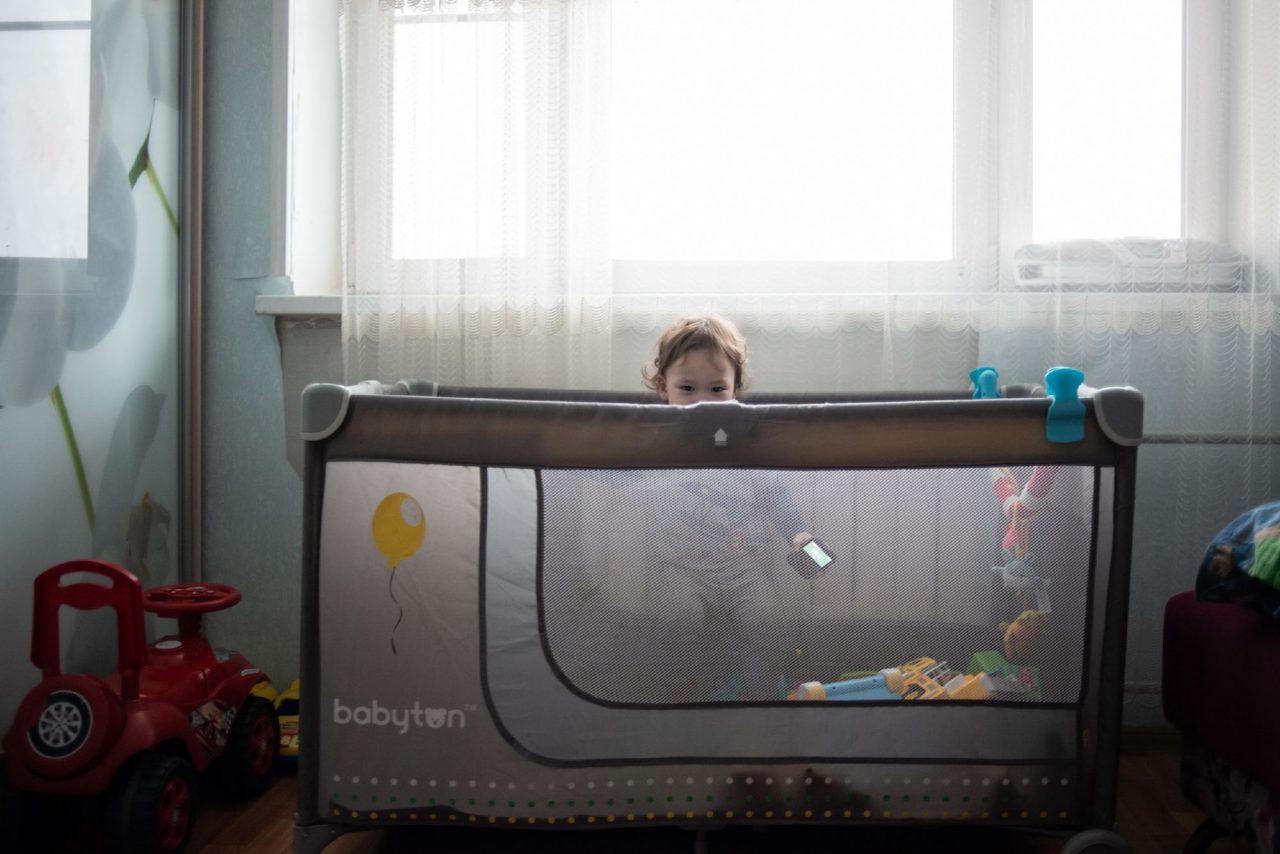 Seryozha, the son of Tatyana, plays in the Manege photo: Natalia Platonova for TD
 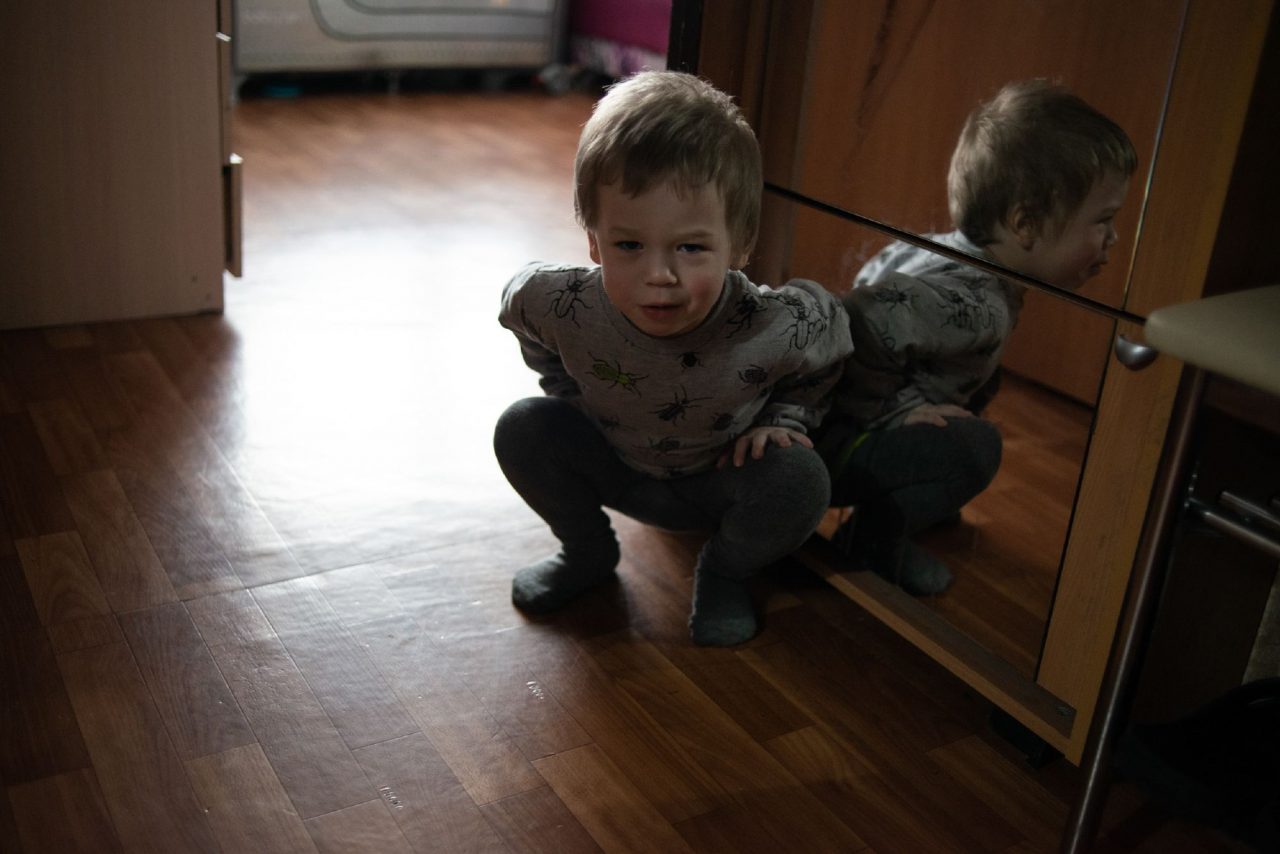 Volodya, son of Tatyana photo: Natalia Platonova for TD
Anya falls asleep with questions. He asks if my husband loves me (“I don’t know, An,” I joking, “I have to ask him”). When I had milk from my chest before giving birth. How I slept at night in the last months. How my baby slept at night. What ate. What was playing. After our first meeting, we began to call up, most often Anya calls me, but I do not immediately understand how to talk to her. Sometimes I begin to ask Anya about her affairs, but then she abruptly breaks the conversation and puts the phone. Gradually, I get used to her calls, and it becomes clear to me that she needs some window from the boarding school: these fifteen minutes I tell her what my son played (“Now he jumped on the bed”-“And then the bed will break!”-Anya sarcastically remarks), how much we walked (and you dressed it warmly? Warm pants? ”), Where did I do it.
These stolen minutes of non -boarding life probably help Anya survive in an eight -seater ward. Once Anya calls me almost at night: her stomach pulled, and she was urgently taken to the hospital. There, the doctors did not find anything dangerous, and Anya decided to go on a receipt. I remember how I dreamed of getting out of the hospital and also escape home. Ano home is in a boarding school.
Marina
If a woman does not try to hide pregnancy in order to avoid problems like Anya, or if the boarding school is less loyal, then a woman can be forced to abort, even despite a long period and resistance of a pregnant woman. This happened with a resident of the 11th Moscow boarding school 30-year-old Marina. Marina lived in a boarding school since the age of 14, but her family regularly visited her, took home and maintained contact.
In April 2019, her middle sister Eugene called the boarding school and said that Marina was pregnant. Eugene says that they were simply confronted with the fact: "Either you take it, or we are abortion." The next day, the second sister, Maria, arrived at the boarding school with her mother: “Director, all medical part employees begged us to abandon the child, assured that the child would be born 99 percent disabled. I asked them for an ultrasound, and it was written there that pregnancy was already 26 weeks. But the administration assured that they have connections that you can have an abortion. ”
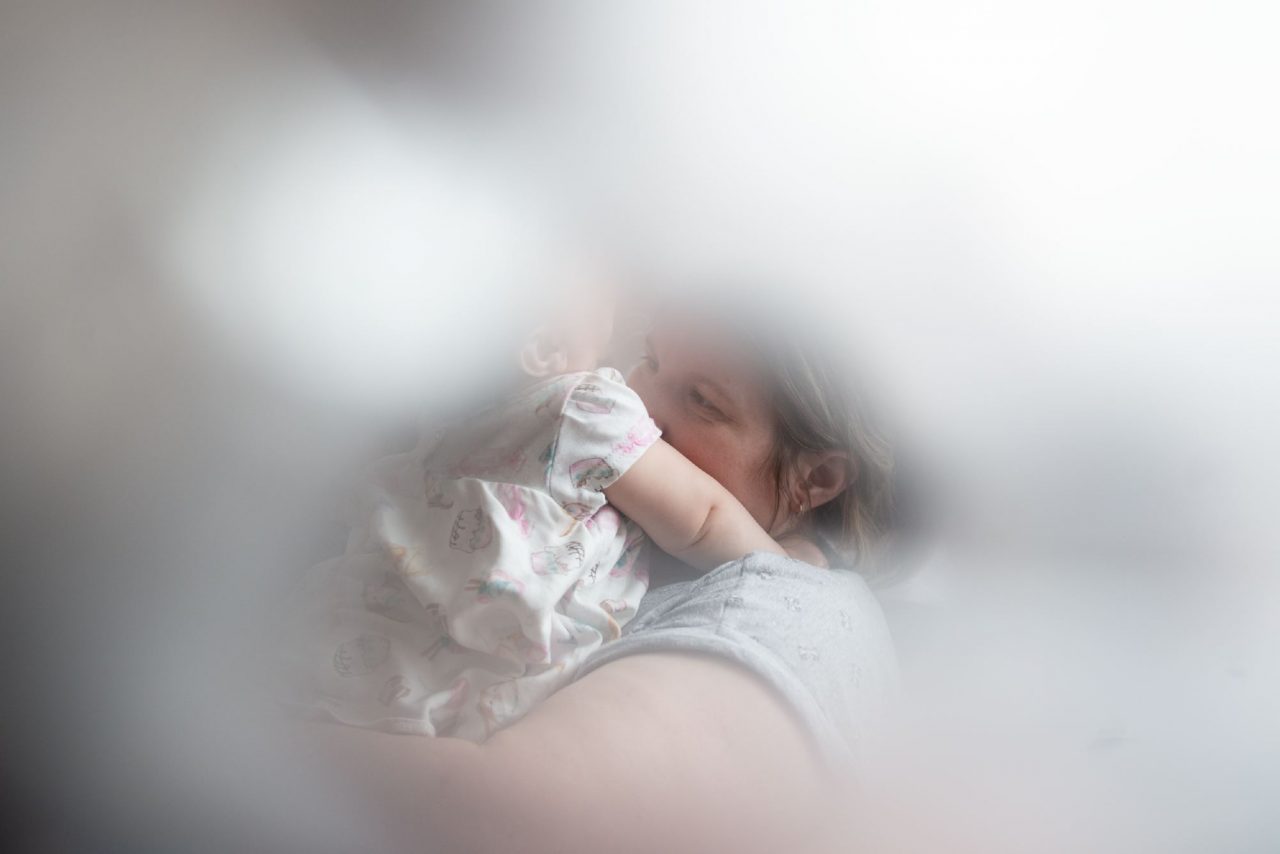 Marina plays with her daughter photo: Natalia Platonova for TD
 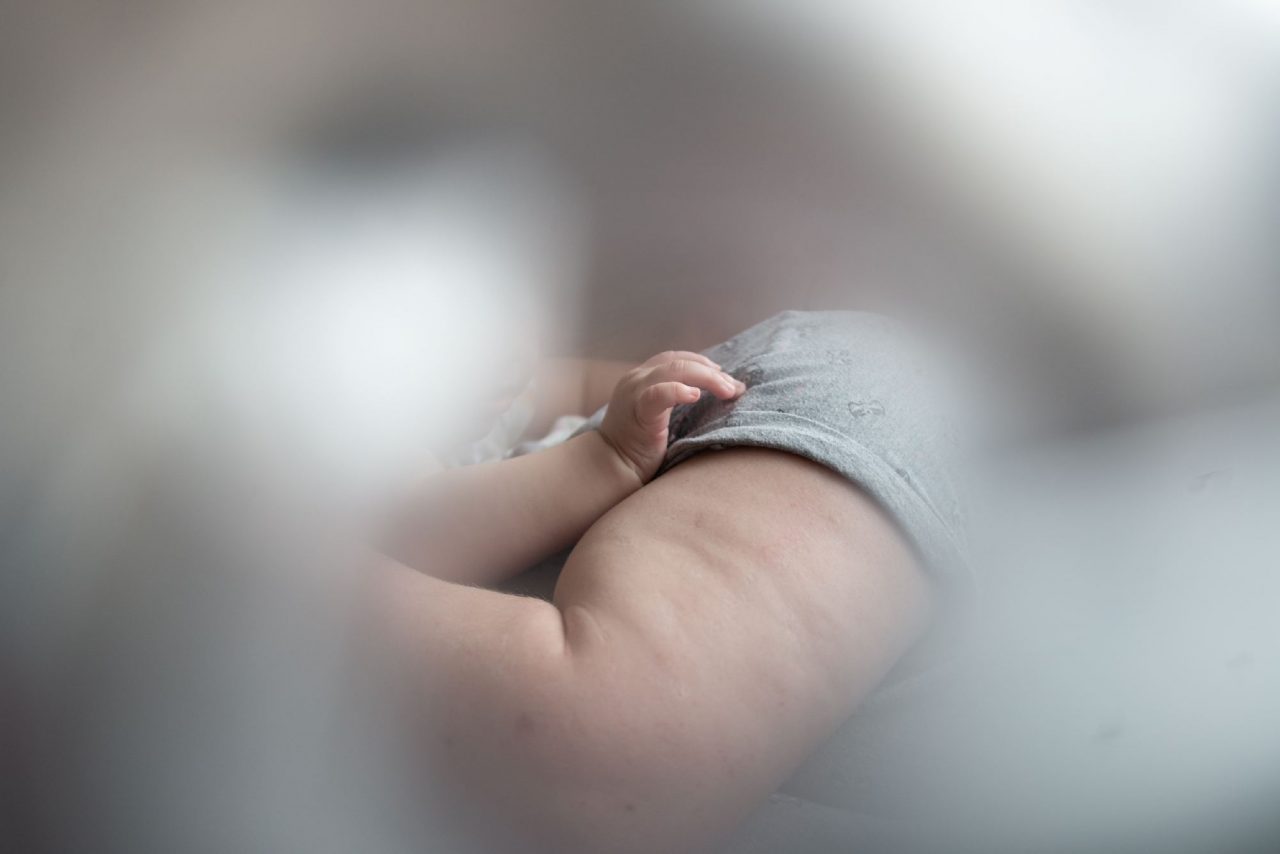 Marina holds her daughter Anya photo: Natalia Platonova for TD
According to the sisters, Marina herself flatly refused to have an abortion. While the family made a decision, Marina was taken to terminate the pregnancy to the Eramishantsev hospital. There, Marina managed to contact her relatives through a friend, lawyers came to her, and the doctors refused to abortion. Marina was taken back to the boarding school, but for some reason they placed in the insulator and selected the phone.
In the insulator on the first night, Marina was beaten at night by a neighbor, sisters and Marina herself are sure that the boarding school administration was convinced. To give relatives to know where she was, Marina went to the window and, seeing a friend there, shouted his sister's number and showed her stomach in bruises. “The next day we arrived at the boarding school,” Evgenia recalls, “but they did not let us at immediately. At first, the director was talked with us for thirty minutes. ” “We said several times to them:“ Show us Marishka, bring it to us, ”says Maria. Seeing the beaten Marina, the sisters took her from the boarding school on the same day. According to the sisters, the boarding school knew that the woman was beaten, but did not provide her with any medical care. Marina also did not receive any medical support for pregnancy during her life in a boarding school.
In June 2019, Marina had a girl Anya. Now Marina lives at home with the sisters: in the morning she feeds her daughter breakfast and is going for a walk. Having put Anya in a children's plastic chair with a table, Marina sits opposite on the couch and cooles with her daughter, she says slurred, but the girl, catching her mother’s gaze, begins to walk.
The sisters tried to hold the boarding school leadership for beatings, at a meeting with the director of the boarding school Surodin, Maria said that she plans to contact law enforcement agencies, to which he replied: “You don’t have enough money to sue me.” Marina wrote a statement to the police, but no one suffered punishment.
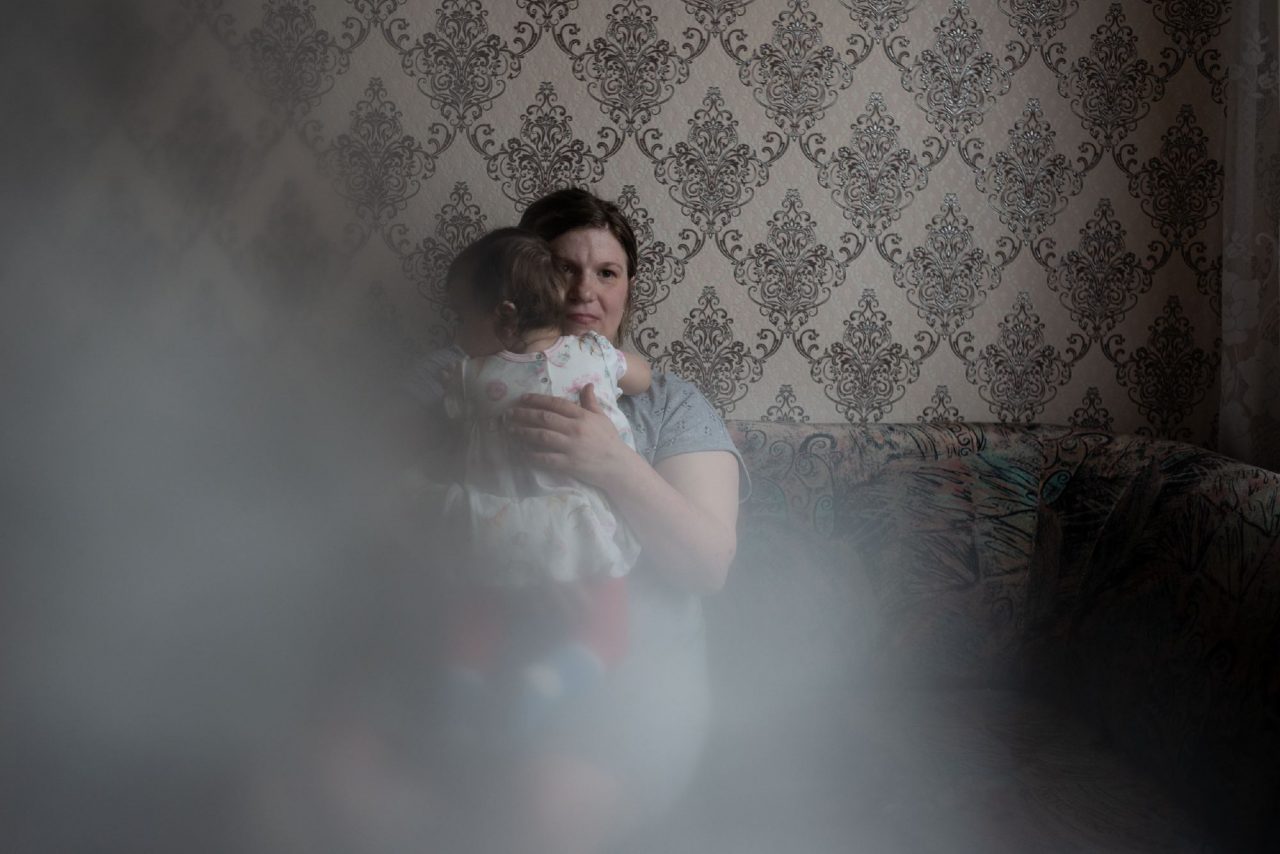 Marina and Anya at home photo: Natalia Platonova for TD
 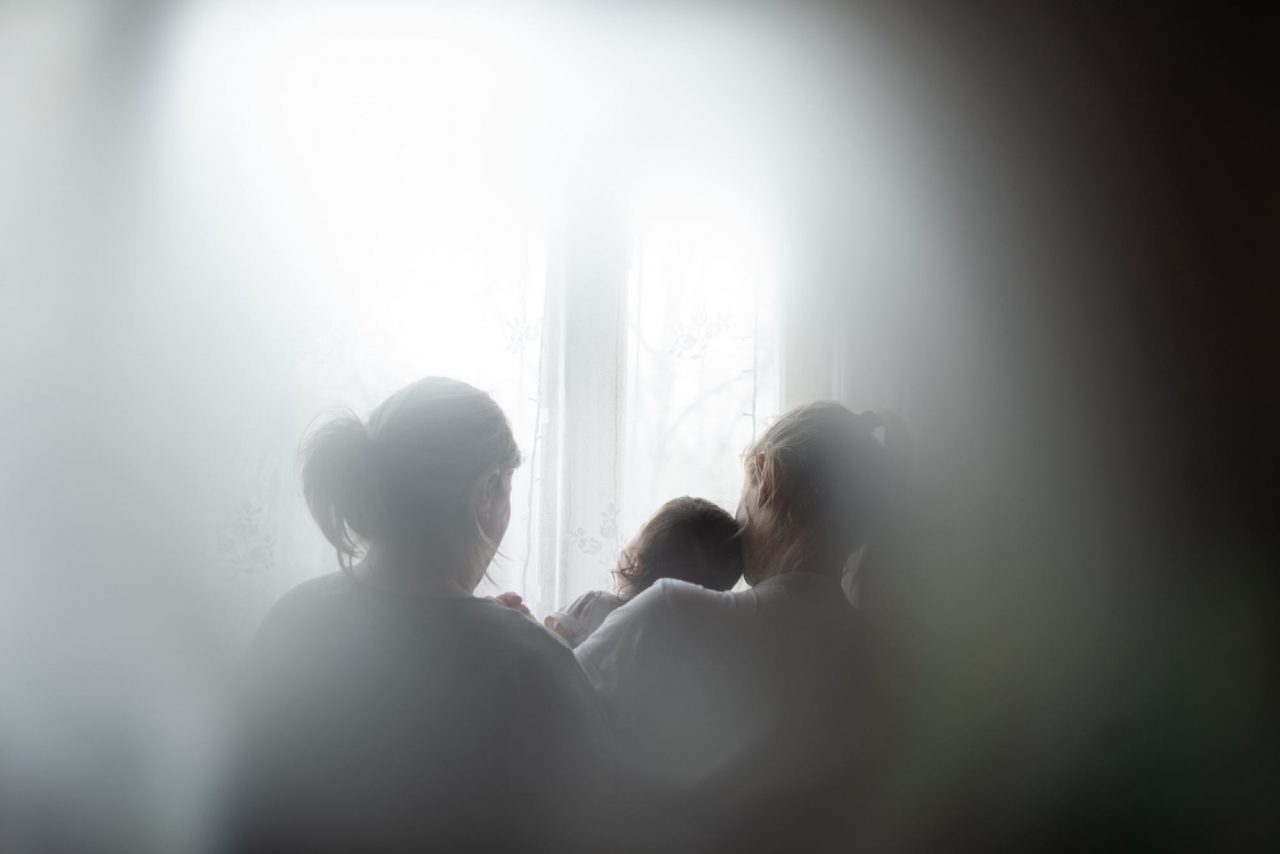 Marina with her daughter Anya and sister Zhenya photo: Natalia Platonova for TD
If there is no one to take a child and a woman home, the mother has little chance of staying with the child. The director of the prospect, Ekaterina Taranschenko, explains: “boarding schools are institutions for adults, it is forbidden to live minors there. If the mother does not have the opportunity to leave the boarding school, then she will be separated from the child, regardless of whether she is capable of or not. If the mother is not devoid of legal capacity, then the guardianship authorities will intervene, and on the basis that the mother cannot live with the child, the custody may come out with a claim for deprivation of rights. And the child of an incompetent mother, by virtue of birth, is recognized as devoid of care, while the mother does not even need to write some kind of rejection of the child. ”
Exit
The next time we meet with Anya visiting a volunteer who from time to time takes Anya from a boarding school. We decide to cook lunch. Anya sculpts meatballs, cooks soup, cuts vegetables on a salad. In her movements, some almost physical longing for the house, its corner, greed to all this routine are felt: salt and pepper minced meat, check if vegetables were boiled, call everyone to the table, pour everyone on a plate. She tells how she was preparing a dinner for her husband to eat after work: “You hear, Nastya. He comes, and I have everything hotter on the stove, ”and laughs that I can’t do that. He recalls how she made cakes to order, and says that he can even bake Napoleon. I nod: it is difficult to figure out what is true in these words and what borders with dreams that may never come true. On the way back to the boarding school, Anya is crying.
It is still possible to get out of the stump if several factors are formed: the relative loyal guide of the boarding school, a person should have work or support from the outside and readiness for sometimes a long struggle. Tatyana and Vladimir Spigul had all this: Vladimir was engaged in the center of additional education “Up”, where he was supported, continued to work, Tatyana also worked as a cleaner near the boarding school. Having lived in PNI for four years, the couple decided to go out. Everyone was skeptical of this decision: both residents and boarding school employees: “ You have such good conditions, why do you need an apartment? Are you up to you, dress? " - Tanya retells the reaction of employees. “Yes, I do not deny, but we also want to live on our own, why do we not have the right to do so? We have the right. "
According to the second paragraph 44 of the articles of the Law “On Psychiatric Assistance and Guarantees of the Rights of Citizens in Provision”, there is enough statement from a person from the boarding school, but only “ if there is a medical commission with the participation of a psychiatrist that such a person is able to live on his own.” At the same time, it has not been formulated anywhere who else should enter this commission and what the authority has. After the passage of such a commission in a person, a city psychological-medical and pedagogical commission awaits a person, and then-receipt of housing, if a person is an orphan.
The 17th article of the Law “On Social Protection” says that the city is obliged to provide a person with housing if the “rehabilitation program ... provides for the possibility of self-service and conduct an independent lifestyle.” Taranchenko says that a similar entry in an individual rehabilitation program (IPR) of a person " is usually made on the basis of a boarding school, and boarding schools, in turn, are mostly negative decisions."
For Tatyana Spigul, this lawsuit stretched for two years, according to her, due to the fact that she had a non-working group of disability, she was refused the apartment several times, and the woman, working as a cleaner, hired a lawyer and gave him most of the salary. В результате группу изменили, и теперь Татьяна с детьми и мужем живут в собственной квартире: в опрятной светлой комнате стоит детский манеж, кроватка, на полу лежат игрушки, со стены свисает кусок обоев. «Дети ободрали, —смеется Таня. — Надо кредит брать, ремонт делать».
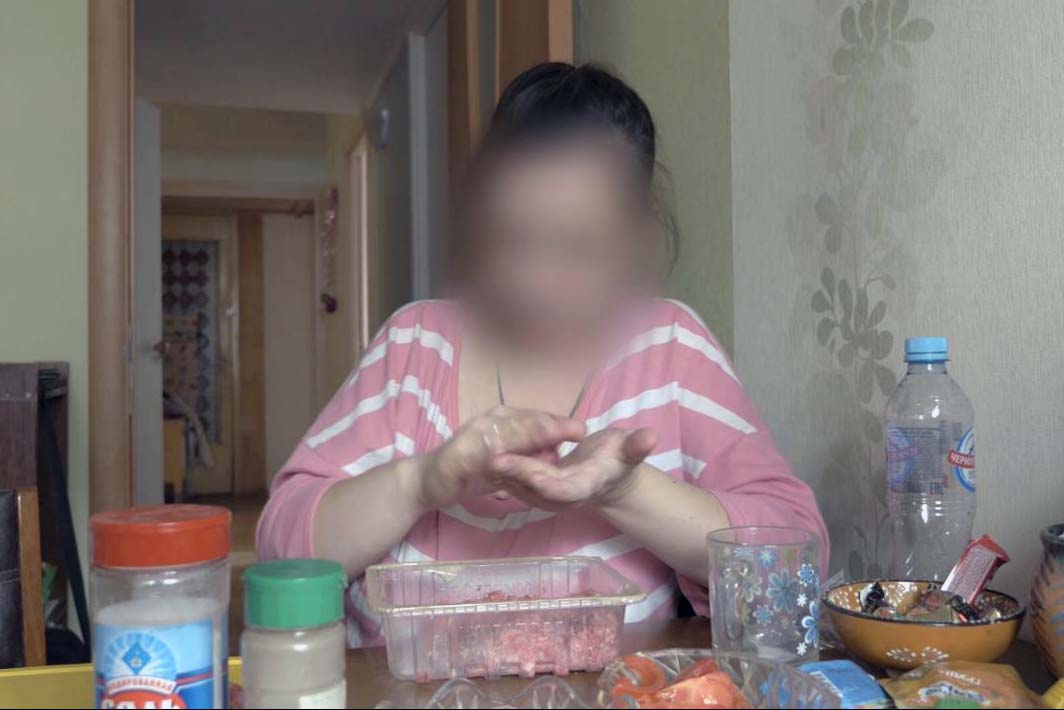 Аня Фото: скриншот из фильма "Девочки"/издание ROMB
Ане выйти из интерната будет еще сложнее, так как она недееспособна. Если лишиться дееспособности можно за несколько минут (в Москве дела о лишении недееспособности рассматриваются массово: только в 2018 году Нагатинский районный суд зарегистрировал 669 соответствующих исков), то восстановление дееспособности — это длительный и часто безнадежный процесс.
Таранченко рассказывает, что для восстановления дееспособности суд тоже назначает экспертизу: «Довольно часто назначается стационарная судебно-психиатрическая экспертиза, чтобы выяснить, можно ли восстановить человеку дееспособность. Это означает, что человеку нужно будет лечь в психушку и лежать там, как минимум, месяц, пока врачи будут оценивать его состояние и динамику. За мою практику я видела только одно положительное заключение судебной экспертизы, как правило, психиатры настроены ограничительно и негативно по отношению к людям из интернатов, пишут, что они внушаемы, ничего не знают об окружающем мире. И судьи прекрасно с этим решением соглашаются и открыто говорят: «Я не психиатр, ничего про этих ваших дурачков не знаю, не понимаю, как я могу [не согласиться]?» И все, конец».
Read also «Я никогда отсюда не выйду» Как встречали Новый, 2020 год, жители отделения милосердия московского психоневрологического интерната № 23
Таранченко сама вела порядка десяти дел по восстановлению дееспособности (или защищала людей, которым интернат хотел дееспособность ограничить), по ее словам, при участии в процессе сторонних организаций шансов на положительный исход больше, но все равно не так уж и много.
Я старалась не говорить с Аней о том, что ее ждет после родов, никто не знает, по какому сценарию будут развиваться события. Учитывая историю с первым ребенком, после родов ей точно нужна будет поддержка с младенцем, но никто не мог ей ее дать. Возможно, Аню разлучат с ребенком прямо в роддоме и просто переведут обратно в ПНИ. Но недавно Аня позвонила мне радостная и сказала, что после рождения ребенка ее переведут в специальный кризисный центр. Я аккуратно спросила ее, сколько она там проживет. После задумчивой паузы Аня сказала: «До восемнадцати лет ребенка?» — В конце ее фразы дрожал вопрос.
На следующий день она перезвонила мне и сказала: «Помоги мне отсюда выйти. Я чувствую, что меня разлучат с ребенком, переведут из роддома обратно сюда без него».
Вечером я засыпаю в своей кровати. На юге Москвы Таня укладывает мальчиков по кроватям. Аня лежит без сна в палате на восьмерых: у нее тянет спину, а в голову лезет страх. Марина готовится ко сну на диване, рядом стоит Анина кроватка. The night comes.
борьба за права дети женщины ПНИ