
Translated material
The language of the tragedy
The premieres of “Berlinale”: about which “Lessons Farsi”, “Undine”, “Upographic Truths” and “Gunda”
Tradition
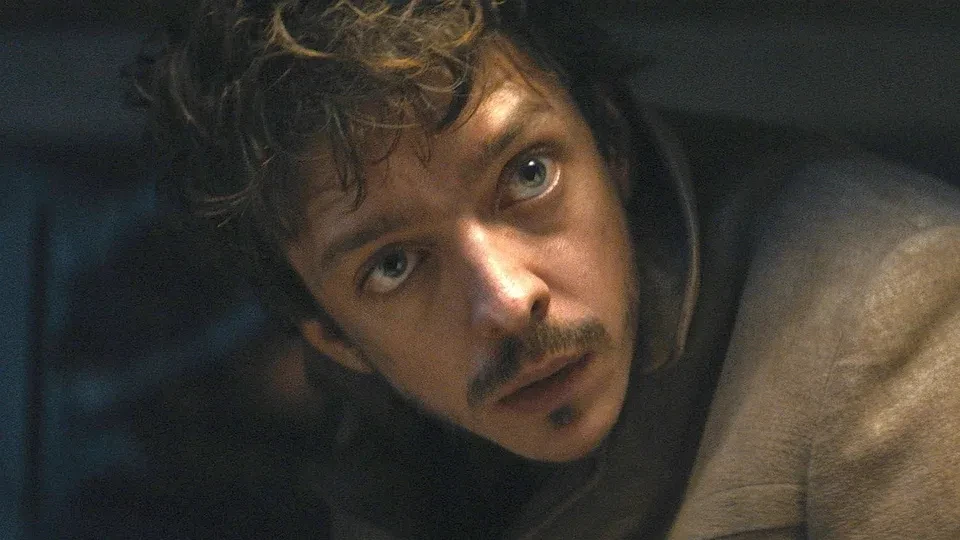
Gala Prime Minister "Lessons Farsi" -in the section "Traditional with pepper." The tragicomedy of the Canadian director of Ukrainian origin Vadim Perelman (“House of sand and fog”) is an unexpected look at the Holocaust. The amazing story that the author of the script Ilya Tsofin has considered real for many years. He retold her friends. Then he found in the German magazine a small story by Wolfgang Kolkhaze and decided to record this story for the cinema.
1942. Gilles Kremya, a Belgian of Jewish descent, gives himself in a concentration camp for the Persian. The saving idea seems to put it off in inevitable death. Gilles are at the disposal of officer Klaus Koch, a professional chef who dreams of going to Iran after the war and open a restaurant there. But you need to learn Farsi. The story of the relationship between the Jew and the Germans, the teacher who does not know the language he teaches, and the student, the suspecting teacher in lies, begins.
The cunning groan of the vein between death and life has to invent the tongue: the word by the word. Easy to compose, try to remember.
And housing, who calls the names of prisoners in calligraphy in the journal, creates new words from scraps of their names. And Koch carefully records them and repeats them. Words turn out to be not only a saving letter of doomed, but also the only way to preserve the names of destroyed people, the memory of which the Nazis was diligently and scrupulously erased. And the language - the basis of civilization - becomes a bridge, on which the Nazi monster Koch is trying to get out of hell of his own ideas about the world order. He even begins to compose poetry in a nonexistent language.
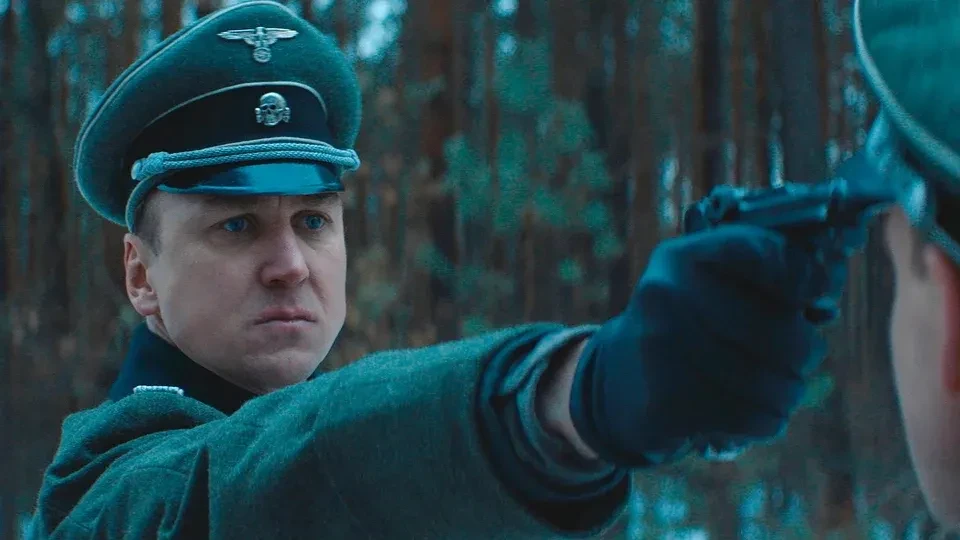
Directing Perelman Prosmashist, with a fat smear, exaggerated emotion, pedaling of stamps (like a doll thrown on a bridge after another execution). There are scenario stretches and inconsistencies. At the same time, the film addressed to the widest audience looks great. Not even a Hollywood glossy image from the operator Vlad Opelian does not interfere.
The authors manage to impregnate a tense effect by humor discharging the Saspens. I recall not so much “life is beautiful” as “counterfeiters” about the Jews, in the concentration camp who established the production of fake coins. And the main luck of the film is Lars Idinger, literally swimming in the winning role of a smiling culinary culinary culinary in the form of a Gestapo.
Theater of cruelty
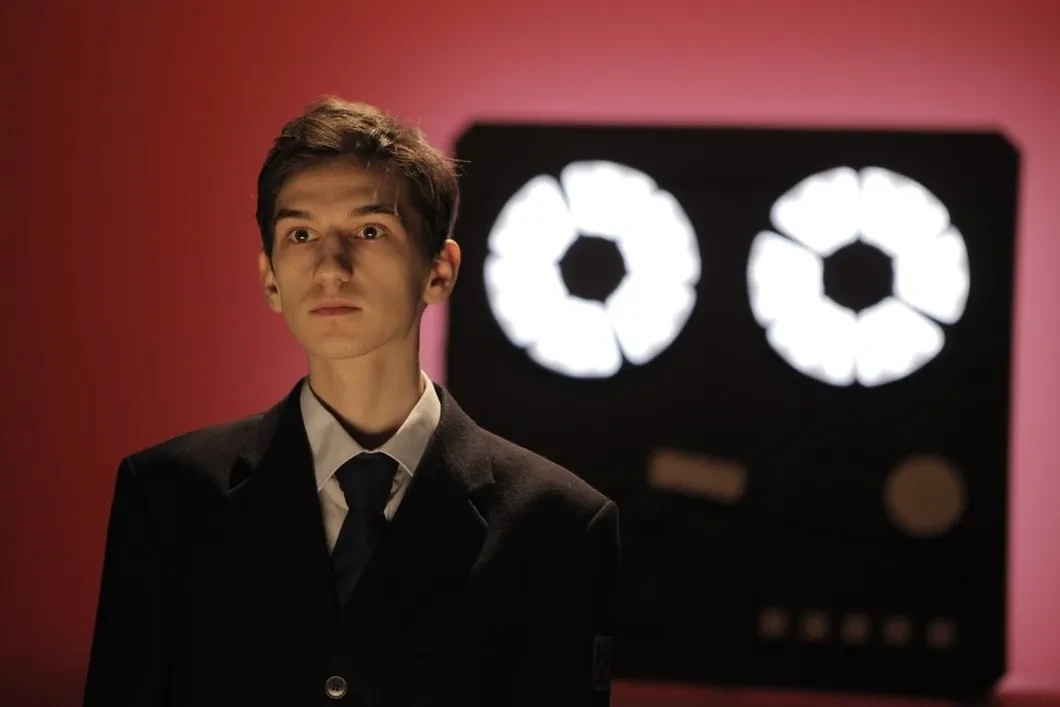
“Upcript truths”, in fact, is also a movie about the price of words. In 2015, the Romanian director Radu Zhuda received a “silver bear” for the horror about the oppression of the gypsies “Bravo”. The new film is a documentary-game burlesk about Soviet Romania. It is based on the play about the case of a teenager Mugur Kalinescu.
At the very beginning of the eighties, Mugur writes on the walls with chalk and paints that everyone around him and without him know about the Chauserka regime. For him and for all his entourage, including classmates, parents, teachers, a secret police is taken. Zhuda turns real documents of the investigation, the archival shooting of Romania into the theater of cruelty, where the absurd, funny and terrible reality becomes plastic. Before a giant TV, the heroes of this story are found, reading the texts of interrogations into the camera, finding out what actually happened and what correct words should say to the police.
All this is interspersed with fragments on the faded film - to the pain of acquaintances of government concerts with musical panegirics the great father of the people, parades and other initiations of the blooming socialist homeland.
In one speech stream of action are vigilant citizens who care about the people security forces, informants.
The boy writes Kramol about respect for the laws, about the Poles who achieved freedom, about the truth. A completely familiar plot flashes when special services are trying to combine the fragmentary testimony of Mugur classmates in a conspiracy, so to speak, to the network. But everything is falling apart, because classmates quickly begin to blame the boy, saying that he was hearing radio heads of “Free Europe”, muddied his micro -revolution.
In 1985, the repentant Mugura will be released, but almost immediately he will die, either from leukemia, or from radiation. In the finale on the screen there will be black planks with the texts of Mugur: about the truth, dignity, freedom. Forbidden words for especially strict modes.
The tragedy of the cattle yard
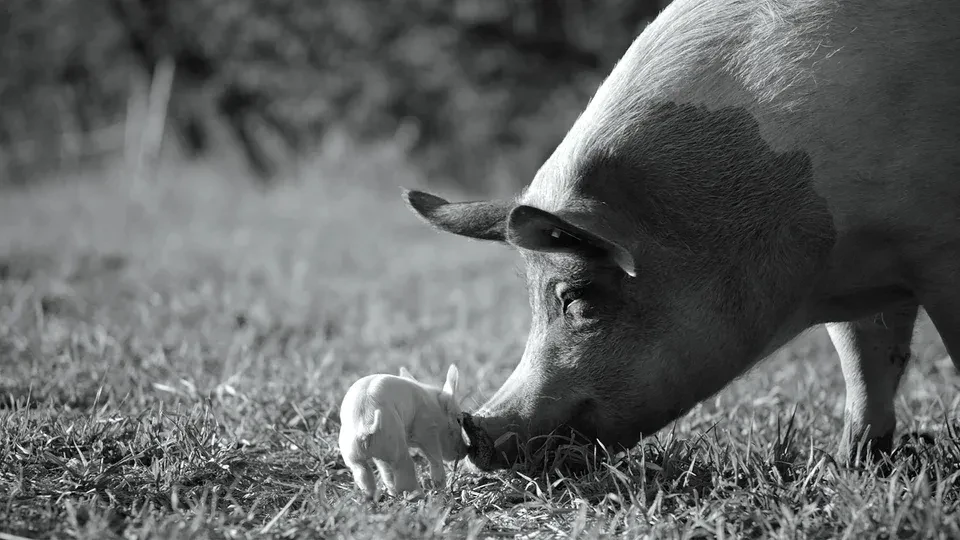
One of the largest documentaries in the world, Viktor Kosakovsky (“Watercolors”), now living in Germany, composed a black and white poem about animals on the screen. In the Gunda, the farm in the exquisite image (sometimes even too magical: the sun's rays wander in the web, herbs and leaves sing their inaudible songs, and in the stable the main operator Egil Hoskiold Larsen and Kosakovsky himself found Rembrandovsky light) turns into paradise in which there is no place for cattle-Christmas it.
It all starts with the birth of angelic piglets, they feeds them and leads the gunda pig for walks. They, like all the kids, rummage, push, even fight. Gunda and her dozen cubs have the main roles. The episodes are no less colorful one -legged rooster and the beauty of the cow. Priceless landscapes, however, are surrounded by wire.
And thoughts about a wonderful concentration camp are visited at the beginning of viewing.
Needless to say, everything will end with a tragedy.
Man -made homosapien tragedy performed by a soulless machine. The very image of the primitive world, the lost paradise is fascinating: how the piglets drink rain, how solemnly makes his round -the -world journey around the courtyard of the rooster farm. After this one and a half hour meditation in the spirit of Bela Tarr, calling for the refusal of the murder of animals, the clear thing - vegetarians, in any case, in the camp of the Sinefils, will increase.
The myth of the missing city
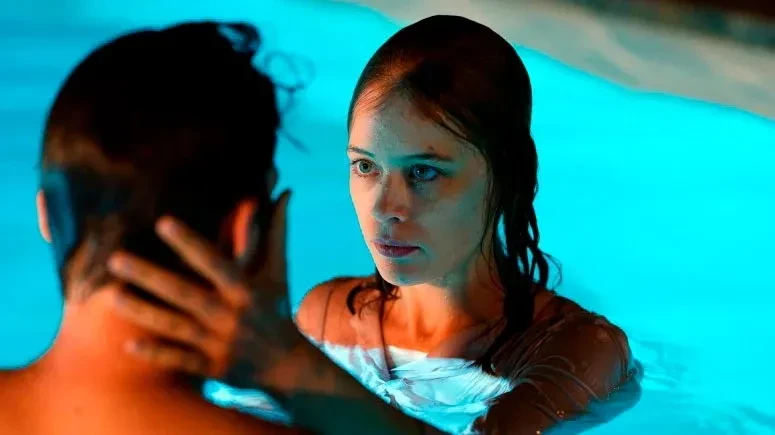
Christian Petzold, one of the main directors of the Berlin School, is the favorite of Berlinale. Here he received the prizes of Fipers (for “Wolfsburg”), “Silver Bear” - for directing (“Barbara”). He begins the "Undina" "trilogy of German myths." Undine (irresistible Paula Beer) is a historian giving lectures on the urban planning of Berlin. When her boyfriend declares a cup of coffee about treason and parting, she, in accordance with the Celtic myth, announces that she would kill him. However, fate offers her a saving straw in the image of an industrial diver with burning eyes. But the myth has immutable laws that lovers living on the border of the worlds are forced to obey.
Petzold is known for films with a pronounced historical or political lining. "Undine" seems to be a fairy tale about the inevitable and that, without even having a choice, you choose at least the opportunity to preserve your feeling. A new fairy tale, like his previous films, is about love. As Petzold says: “They talk about impossible love, or damaged, or developing. This time I wanted to make a film in which you see how love develops and remains. ”
The picture has many symbols inscribed in history: a conversation with fish, having sailed under the water of Undins with a catfish in the spirit of a chagal, a giant aquarium broken by lovers, under the fragments of which they will freeze in their arms. But there is another main character - Berlin. Daymaken everyday and night - mysterious urbanism. At his lectures, Undina talks about a city who has flowed into the misery of the past, built, like Peter, on drained swamps. Cities that have experienced irreparable loss, which lost its center, deleting many of its myths, including the myth of the superiority of the German force embodied in architecture.
Berlin appears to be a living, sometimes mistaken city, which is in a hurry for the future, erasing his own story. Creates new legends, and one of them is about the modern mermaid, giving lectures on history and architecture. And when Undina swims in the dark river waters of Spray, it seems that the walls of the ancient disappeared city will begin to appear around her.